Corteza
Basic information
Project Title
Full project title
Category
Project Description
Thick, shock absorbing, lightweight, rot-resistant, insulating... Cork is a material that is considered obsolete and is often attributed with anecdotal uses. Based on an in-depth study of the cork industry in Europe, "Corteza" proposes creative applications highlighting the incredible qualities of this material whilst exploring a refined aesthetic to enhance it. This ancient and natural resource can evolve toward new objects typologies, innovative uses and unprecedented production methods.
Project Region
EU Programme or fund
Description of the project
Summary
Corteza is an exploration of the material cork that questions the links between man, nature and industry, as well as the circulation of materials and environmental disturbances.
Thick, shock absorbing, lightweight, rot-resistant, insulating... Cork is a material that is considered obsolete and is often attributed with decorative uses. Based on an in-depth study of the cork industry in Europe, Corteza proposes creative applications highlighting the extraordinary characteristics of this material whilst exploring a refined aesthetic to enhance it.
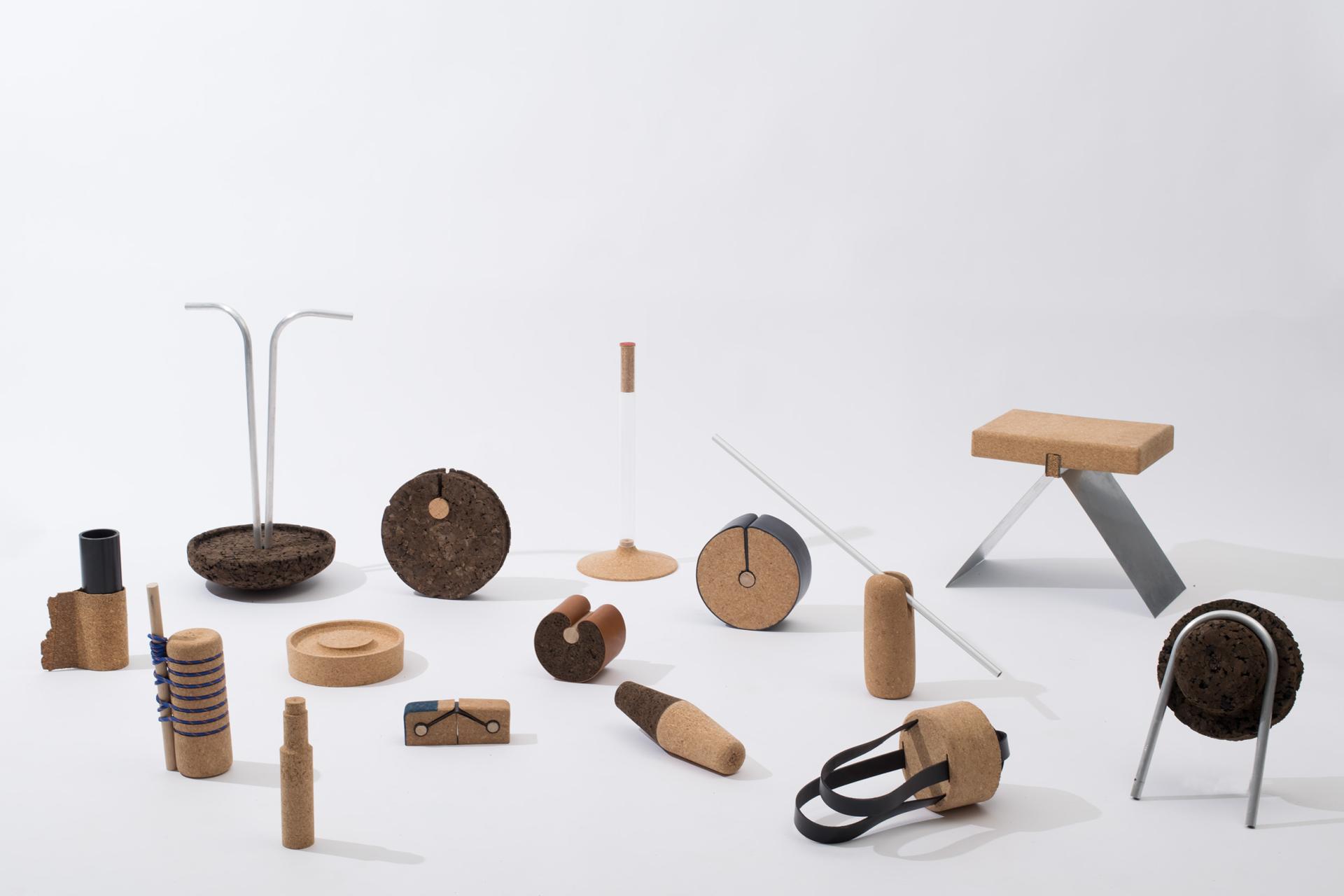
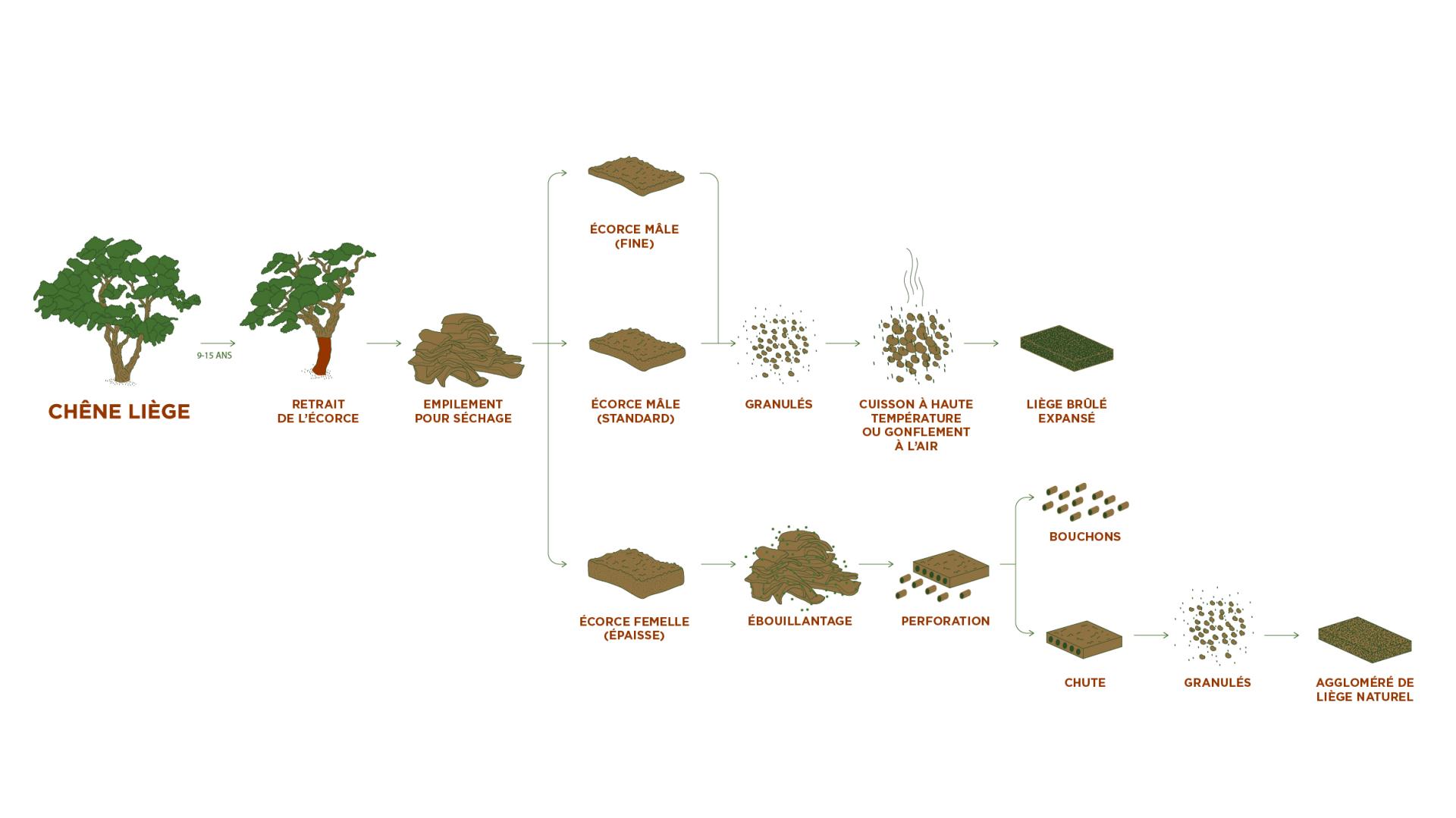
The approach of the project is to explore this material through its physical characteristics, its properties, its different forms (raw, block, grains, panel, sheet, textile, agglomerated) and its shaping processes (milling, molding, cutting ...).
The main objective of the project is to introduce this material in contemporary uses, to give it a renewed dimension where it is no longer reduced to a simple wine cork.
Key objectives for sustainability
This project aims to promote sustainable production by highlighting the plasticity and properties of cork. This material can replace foams and plastics that are harmful to the environment, and also allows to rethink the design and production of the object as a whole. The assembly is simplified allowing a greater dismountability. These products are designed with a view to a controlled and sustainable life cycle.
The positive impact of the project on the environment can be extended through recycling. Once the products have reached the end of their life, they can be crushed and transformed into granules, they return to the production process, opening a new cycle as raw material.
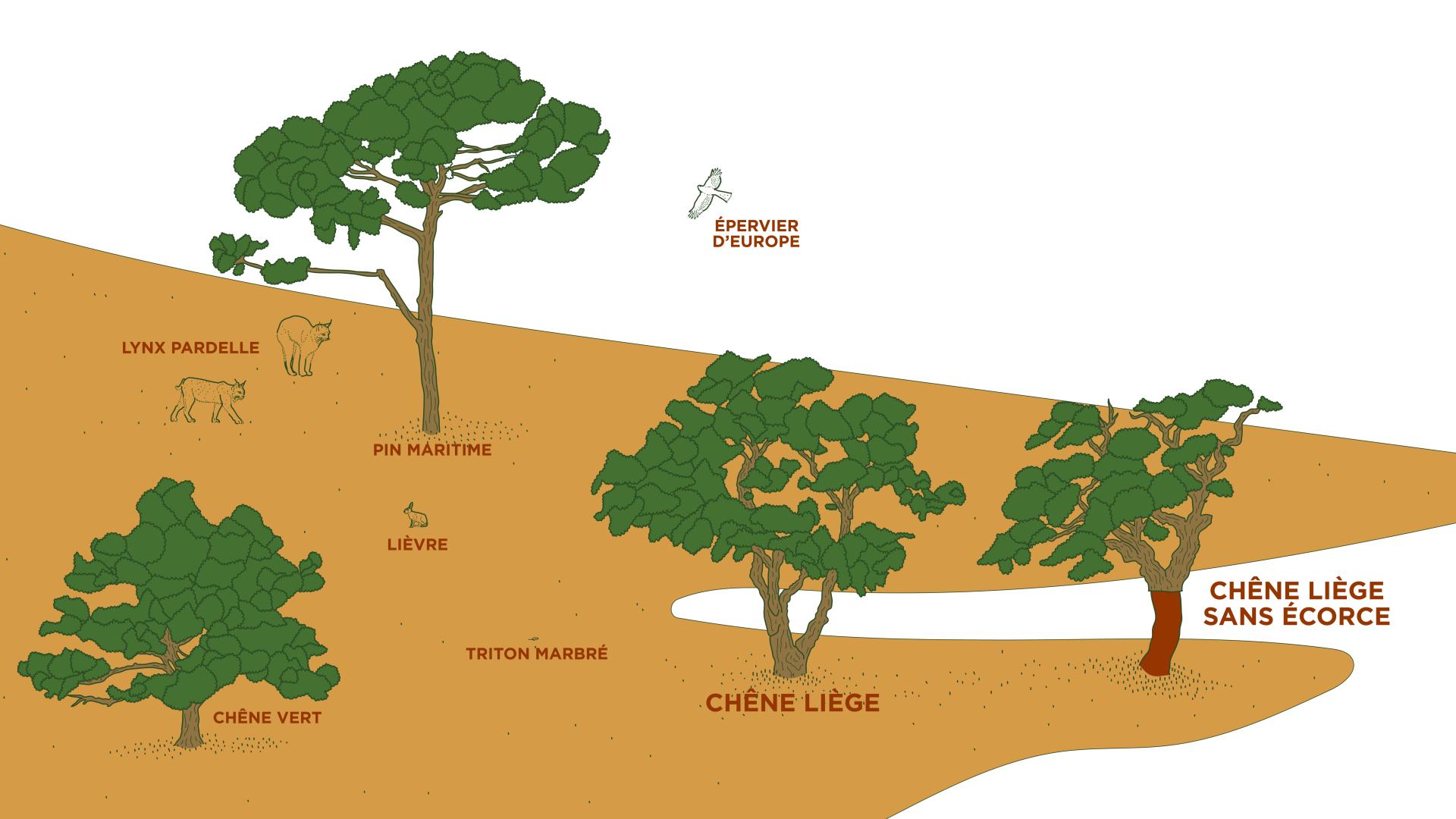
Corteza promotes a local and sustainable industry. The cork industry has the potential to be a singular example of balance between environmental preservation and sustainable development, as cork trees are not cut down during the cork harvest. They support a fragile ecosystem that provides a habitat for rare and endangered species.
The project seeks to revive a forgotten material in new types of objects, towards contemporary uses and more sustainable production logics. It replaces the synthetic with the natural and hybridizes techniques borrowed from industry and craftsmanship, in order to make relevant again practices that have been damaged by industrialization and consumerism.
Key objectives for aesthetics and quality
The Corteza products are designed to be durable and strong. Not only are they made from a fully sustainable, renewable and recyclable material, but they borrows the refined beauty of luxury crafted goods. They are quality product to keep and use for years, with a timeless and functional aesthetic. The designs are inspired by historic cork objects of the Mediterranean coast and Portugal, updating a traditional material and vernacular practices for contemporary uses.
Key objectives for inclusion
The cork oak is an endemic species of the western Mediterranean basin and Portugal. It is a material linked to its territory, which has shaped the uses, habits, rituals and daily life of the regions where it is found. It is harvested by hand and can be processed manually. Once transported, the material is transformed and then cut. The cork industry is an environment where hand and machine coexist to accommodate the irregularities of a natural material.
The replacement of traditional cork products with plastic has endangered the cork industry and the cork forests. Many villages and communities in southern Europe are losing the age-old practice of harvesting cork, which was once passed down through the family. Cork harvesting is a physical but meticulous process. It is the most profitable agricultural activity in Europe and feeds a whole range of other activities in the territories. Encouraging the use of this material in contemporary objects is to promote an endangered industry that could positively impact the Mediterranean forest ecosystems.
Innovative character
Corteza proposes creative applications that highlight the incredible qualities of this material while exploring a refined aesthetic to enhance it.
This ancient and natural resource can evolve toward new objects typologies, innovative uses and unprecedented production methods: cork wall panels, body care utensils and a rotational molded cooler.
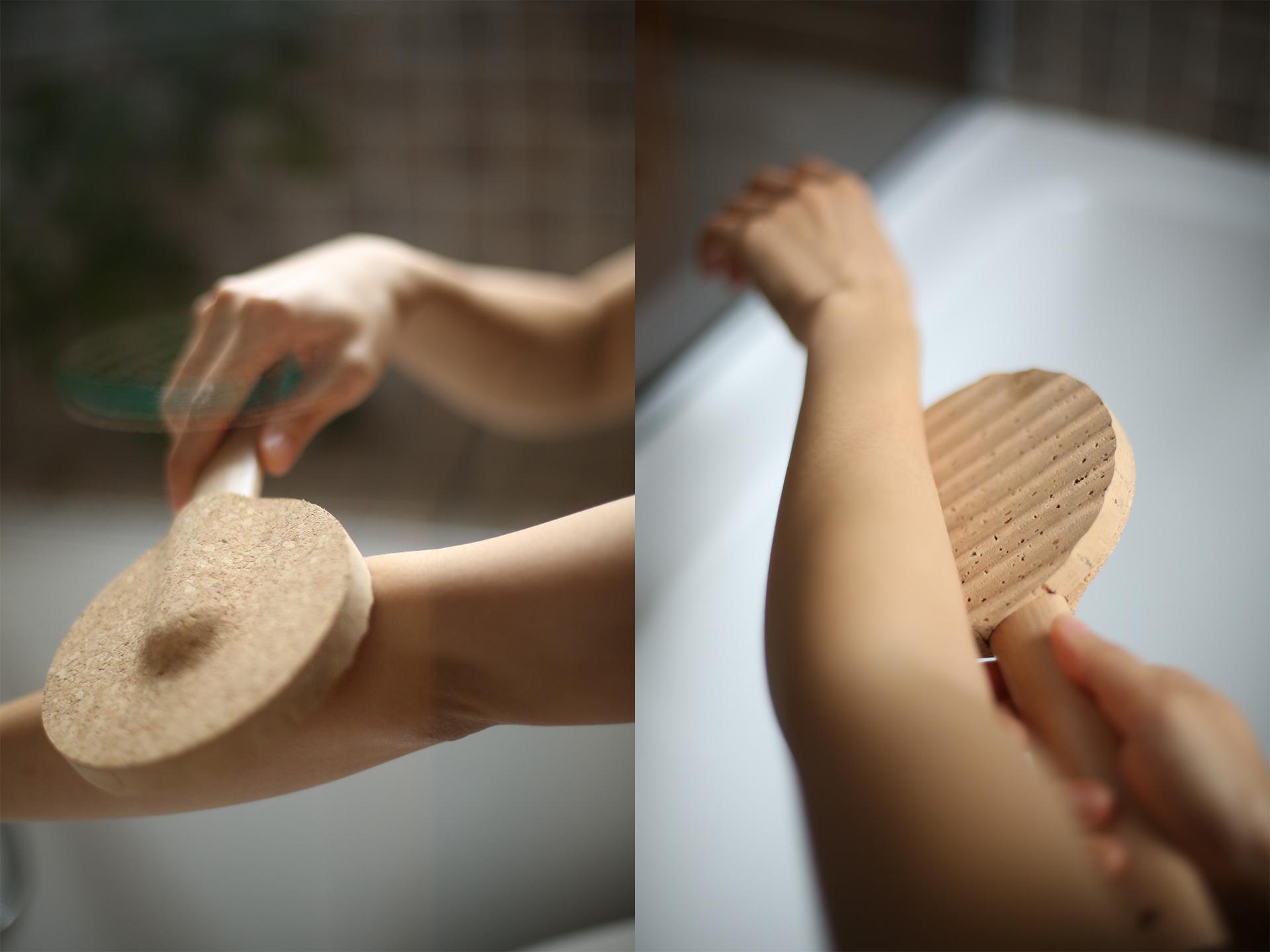
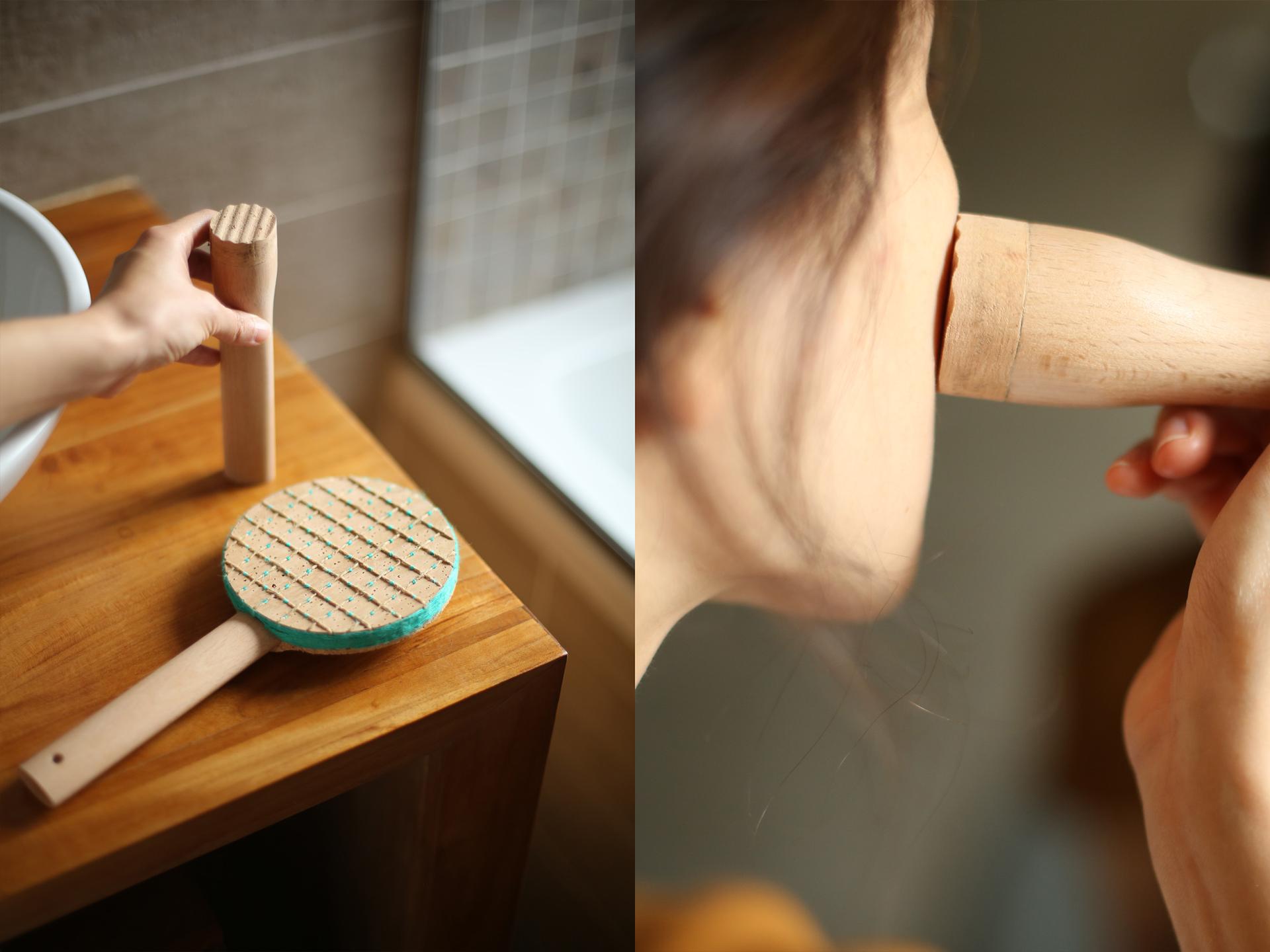
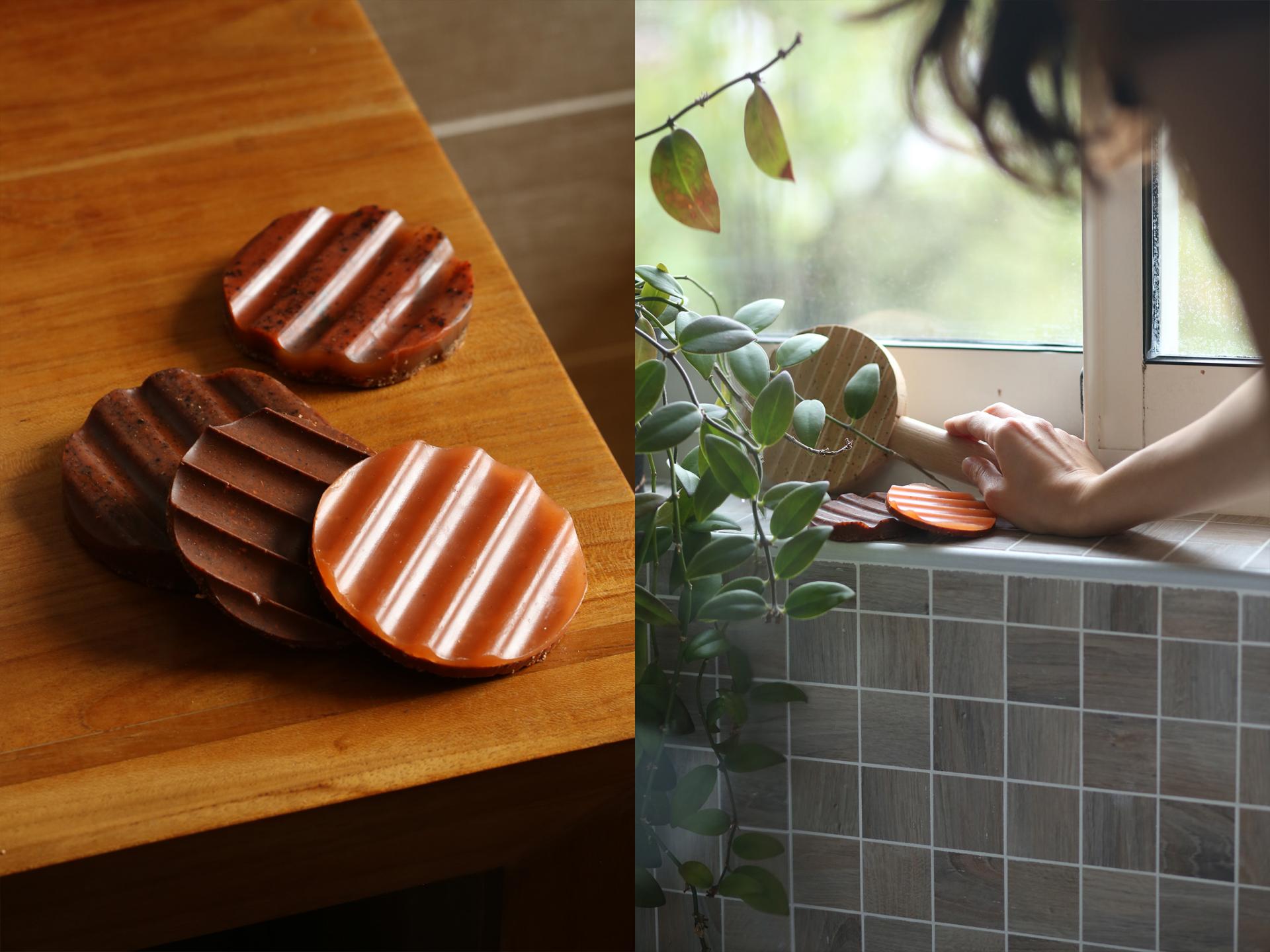
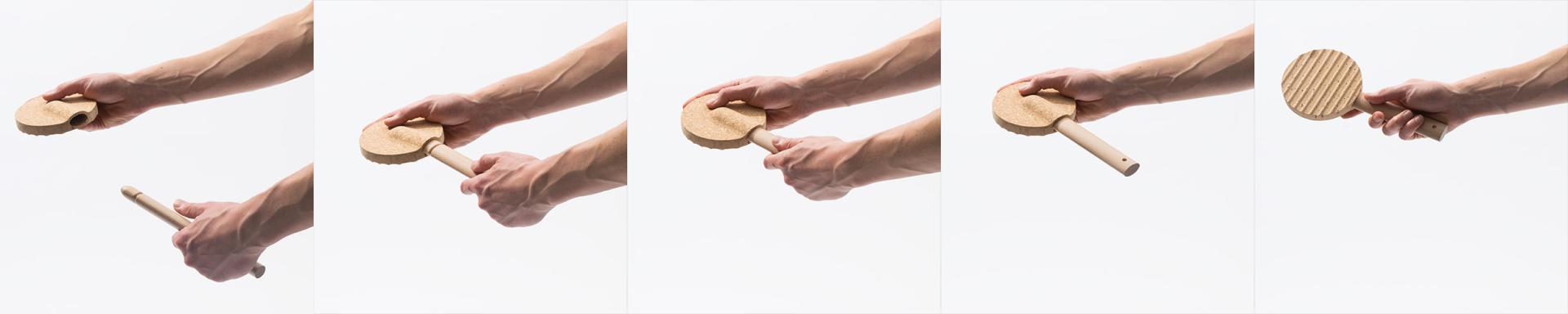
Corteza Cork's cork brushes aim to bring this material back into the world of skin care and cosmetics, exploiting its texture, hypoallergenic and antimicrobial qualities. Cork's cell shape and composition allow it to gently remove dead skin cells. It is a very good exfoliant, particularly suitable for sensitive skin. In addition, cork reduces hyperpigmentation thanks to suberin, a molecule present in cork.
Cork has already proven itself in the construction sector, especially burned expanded cork, which is used for its insulating properties. However, it is always hidden, covered with plaster or plasterboard, which makes it non-recyclable.
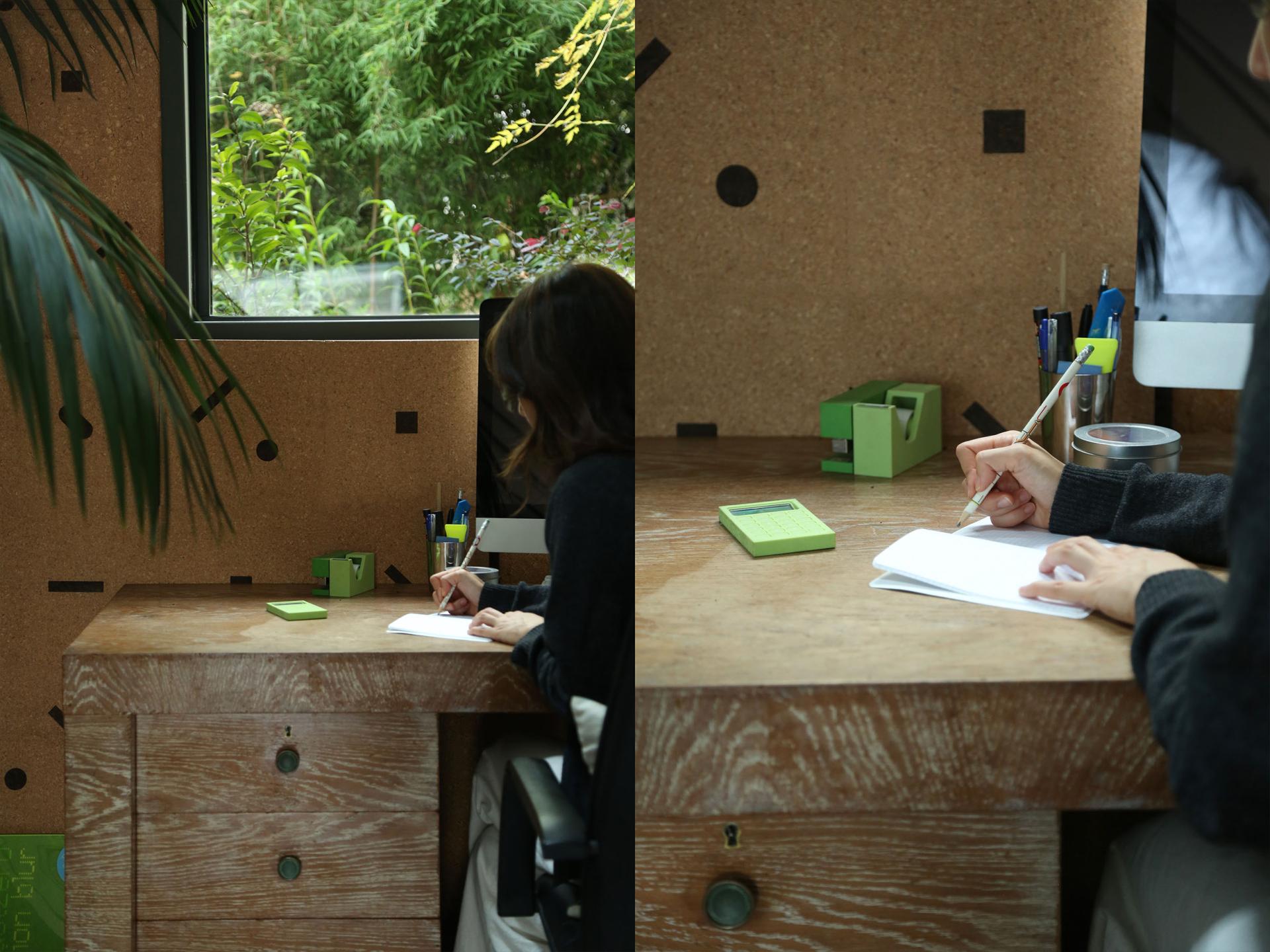
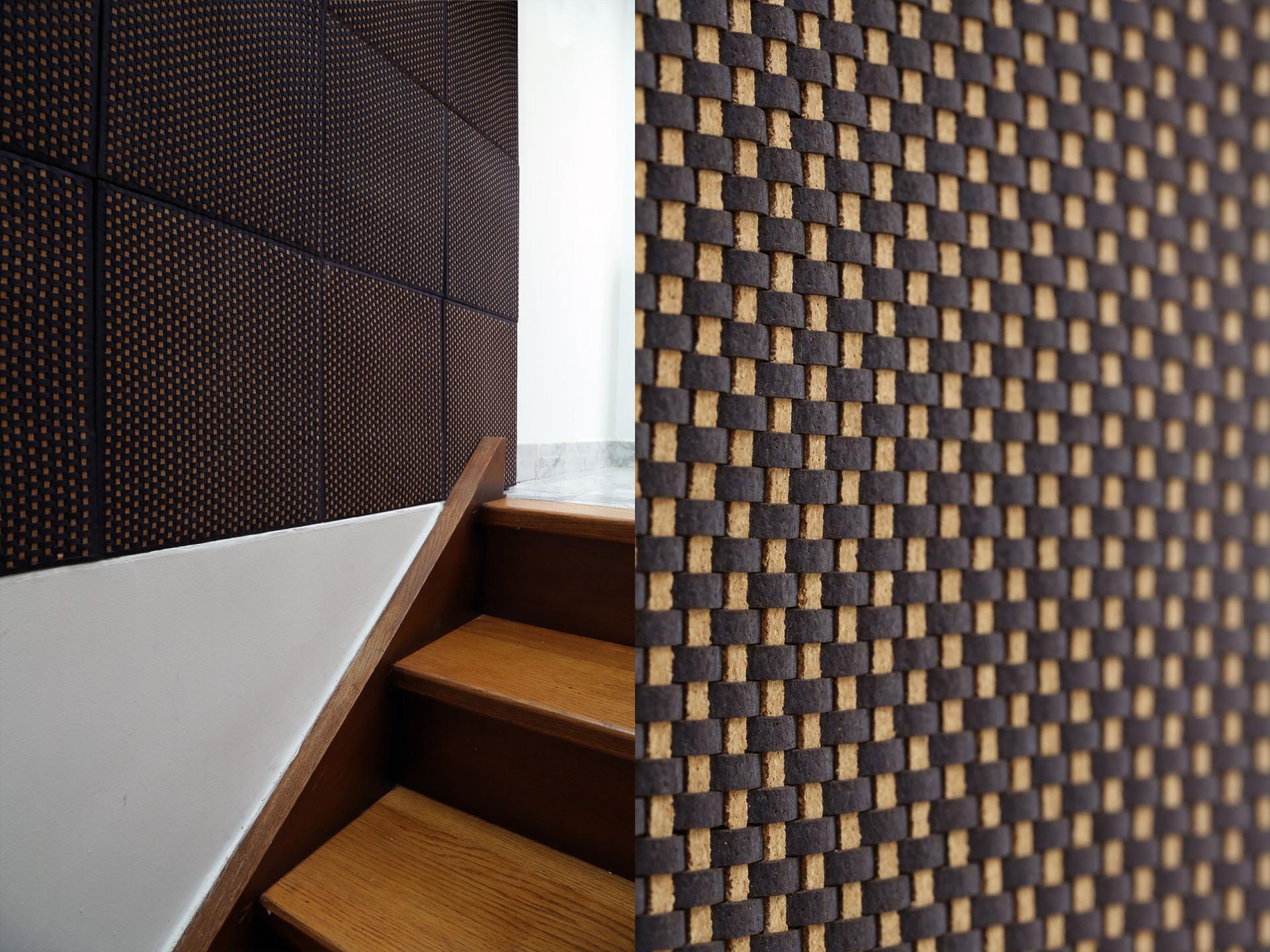
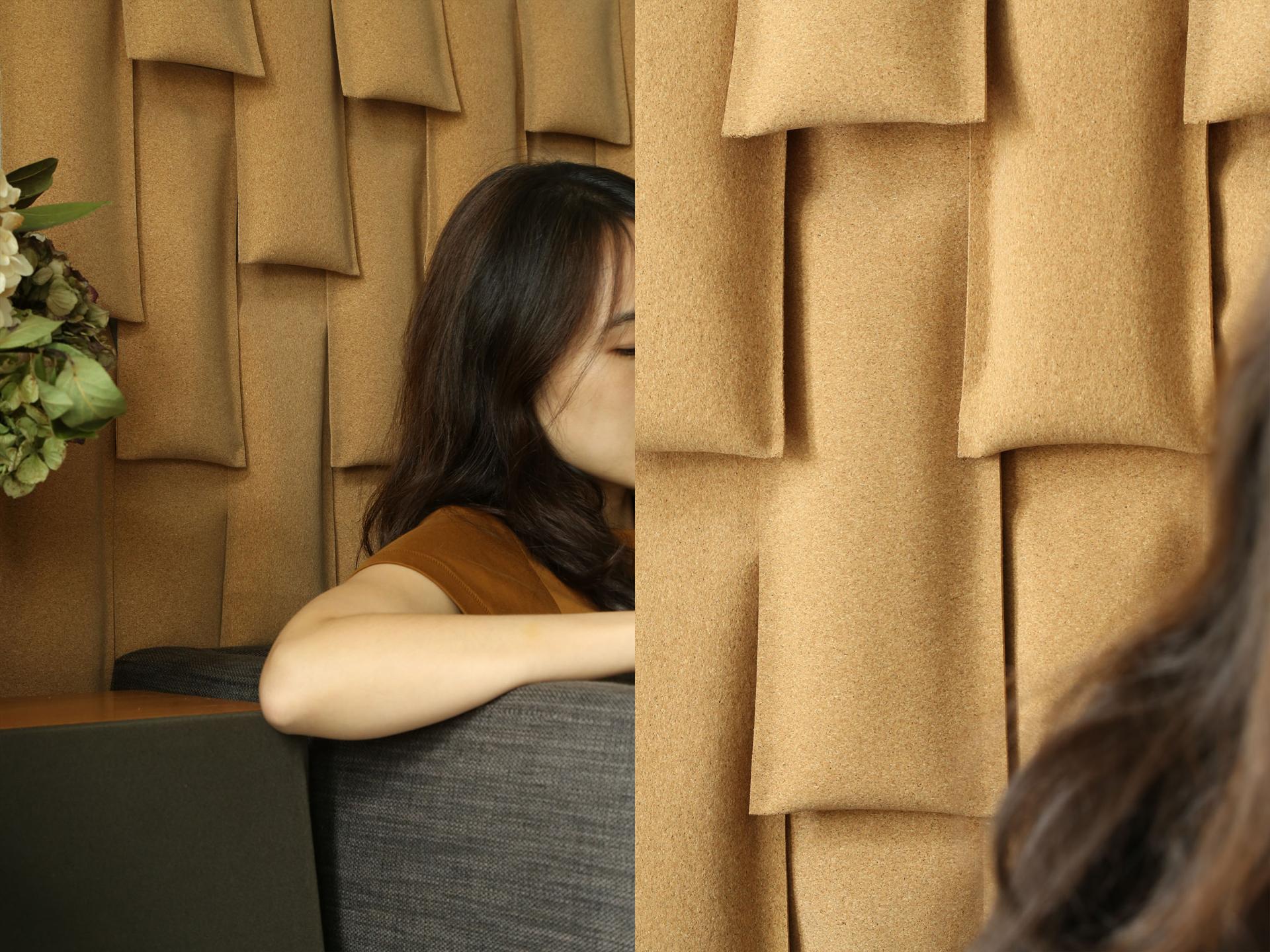
Corteza cork wall panels are a range of different cork tiles that are an excellent alternative to the insulating materials commonly used in construction. Using cork directly as an interior wall covering, alleviates insulation and moisture problems in the existing building.
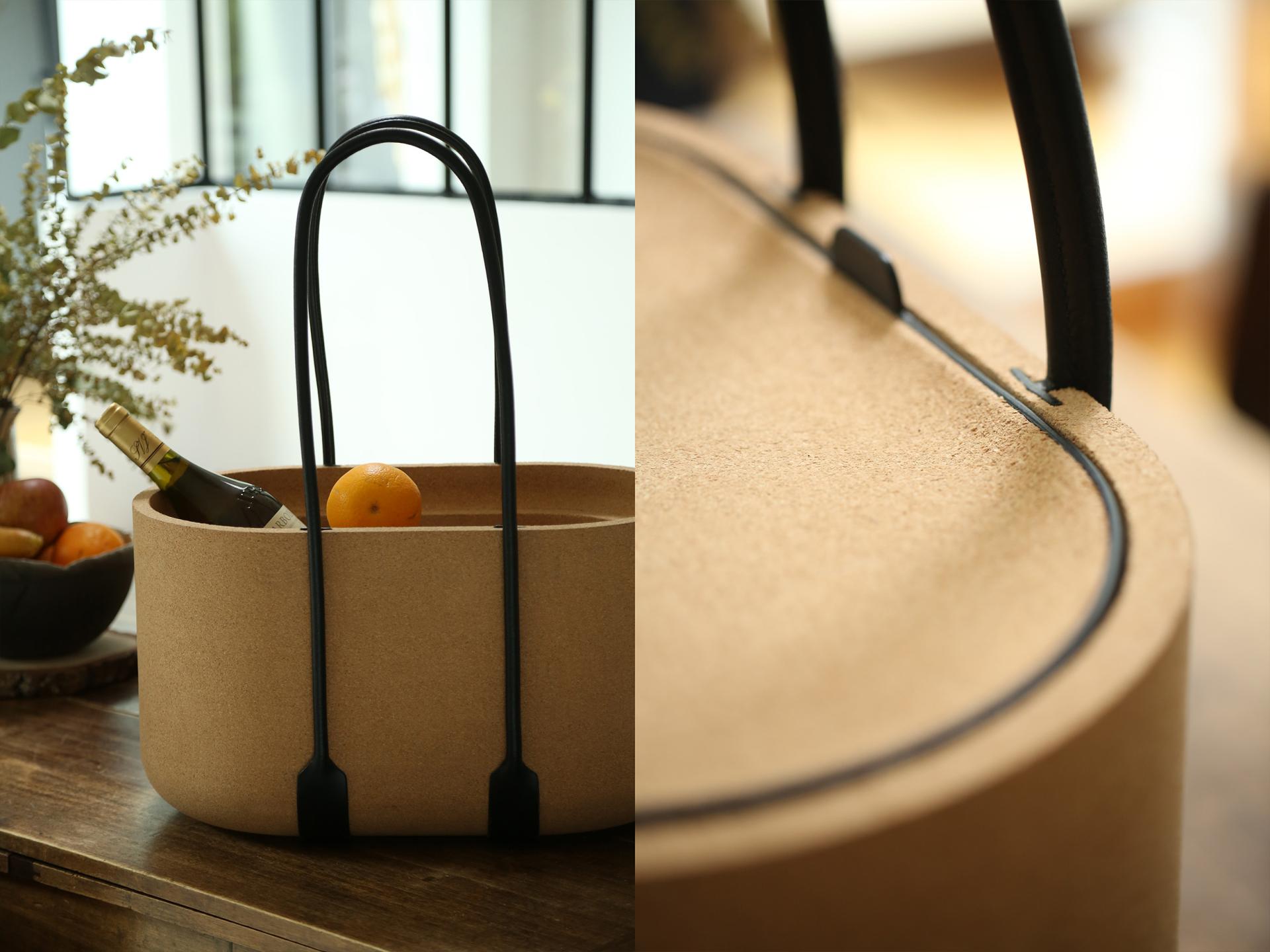
The Corteza cooler is a rotationally molded cork thermal cooler, ideal for transporting fresh products. It is manufactured using an innovative manufacturing process inspired by rotational molding. Rotational molding is an industrial process generally applied to plastics to produce large, hollow and inexpensive products. The choice of cork allows us to consider this manufacturing process in a different way while enhancing the thermal qualities of this durable material. The detail of the handles is borrowed from the aesthetics of leather goods and also contributes to ennoble this process.