Trencadís
Basic information
Project Title
Full project title
Category
Project Description
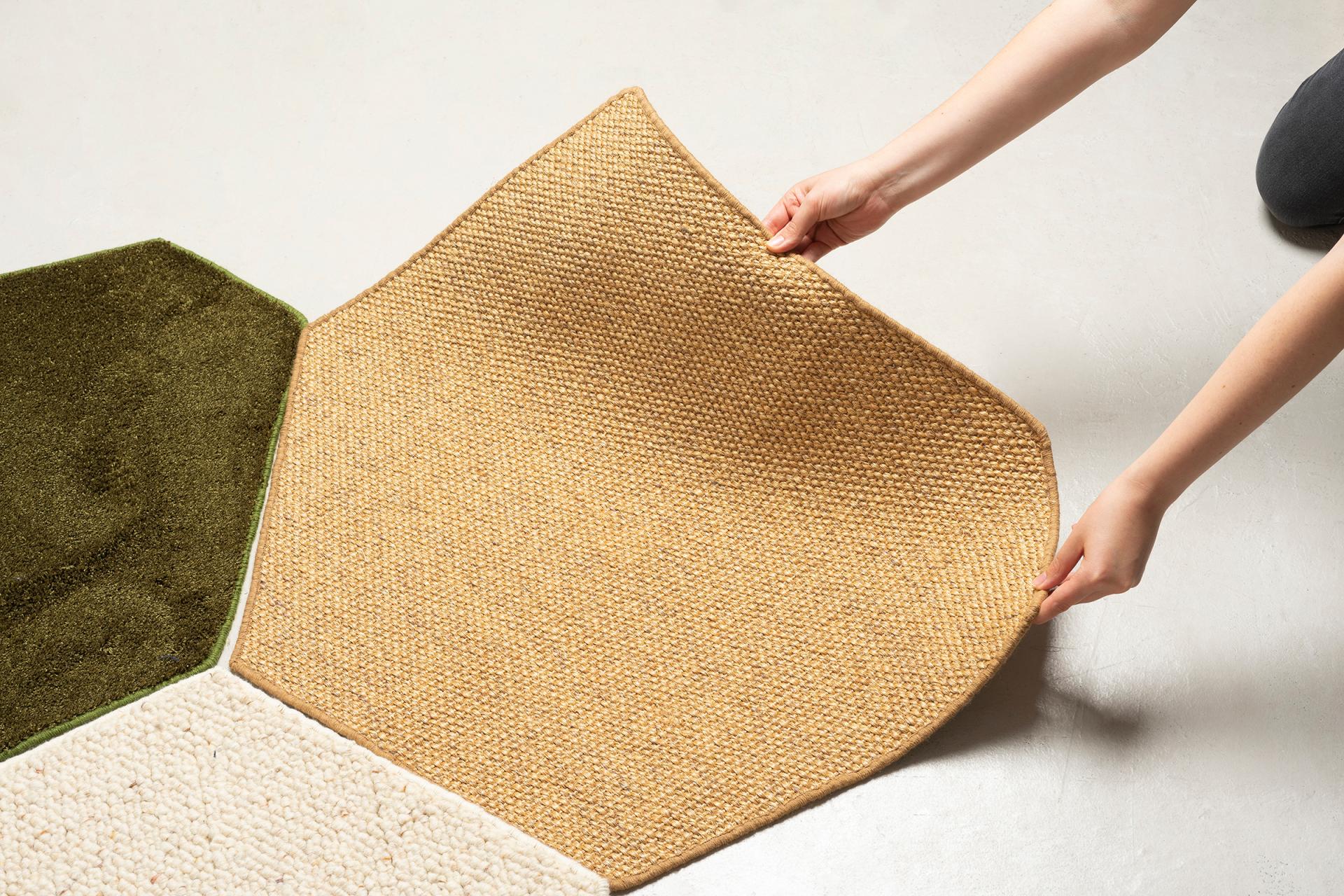
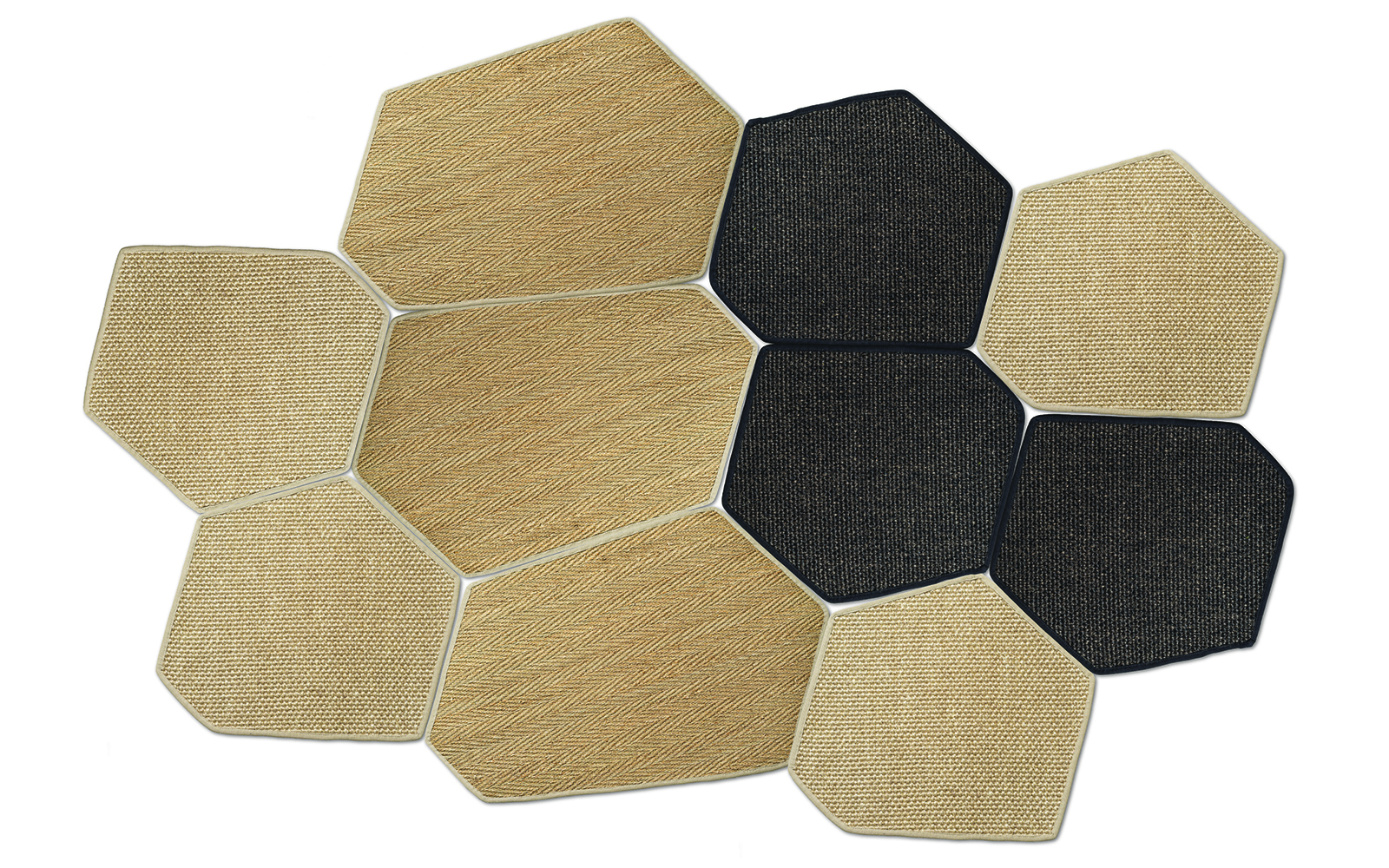
“Trencadís” is the Catalan word for broken tile mosaics popularised by the architect Gaudí. The material used for the trencadís technique was damaged or unused pieces of tile and pottery from factories or homes. This idea of using what would otherwise be considered waste from high quality products and creating a new product by adding value through design, is the inspiration for this project, that converts spare scraps from various rug materials into modular pieces that can fit in any space.
Project Region
EU Programme or fund
Description of the project
Summary
Barcelona Rugs is a carpet and rug company which is a reference in its field with many years of experience and a wide range of clients both at a national and an international level. Due to one of their line of business - dedicated to carpet supply and installation - they are left with spare scraps from various materials of very high quality which due to their small size, have a difficult commercial exit. That is why they have collaborated with Nutcreatives, a product design studio in Barcelona focused on sustainability, to develop a product that turned these leftovers into elegant sustainable pieces that could fit in any space thus preventing them from becoming waste.
Trencadís’ modular design gives it unique advantages. Regarding sustainability, it allows for smaller scraps to be repurposed and moreover, the impact of its distribution is greatly reduced as the pieces can be stacked and fit in a standard pallet.
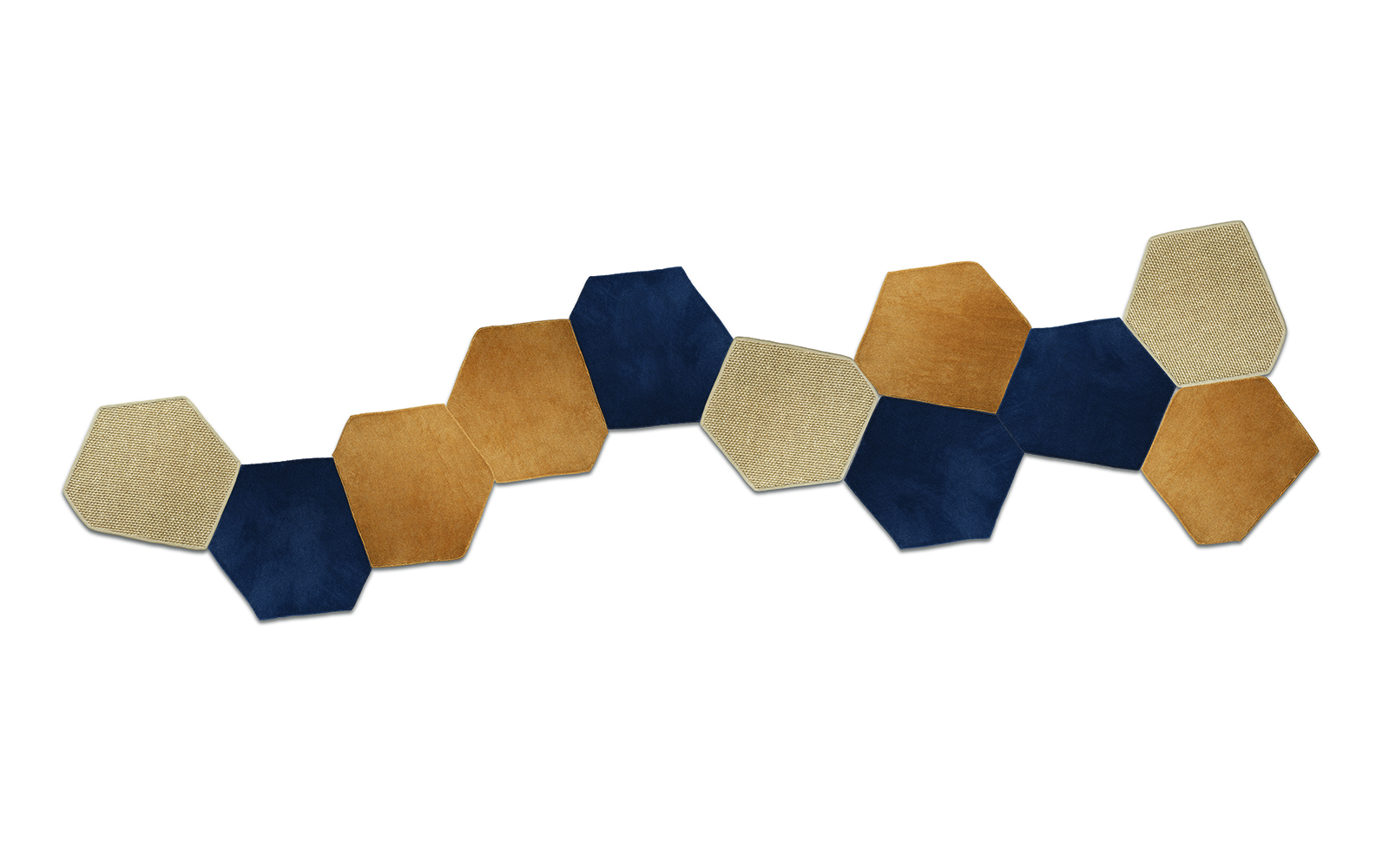
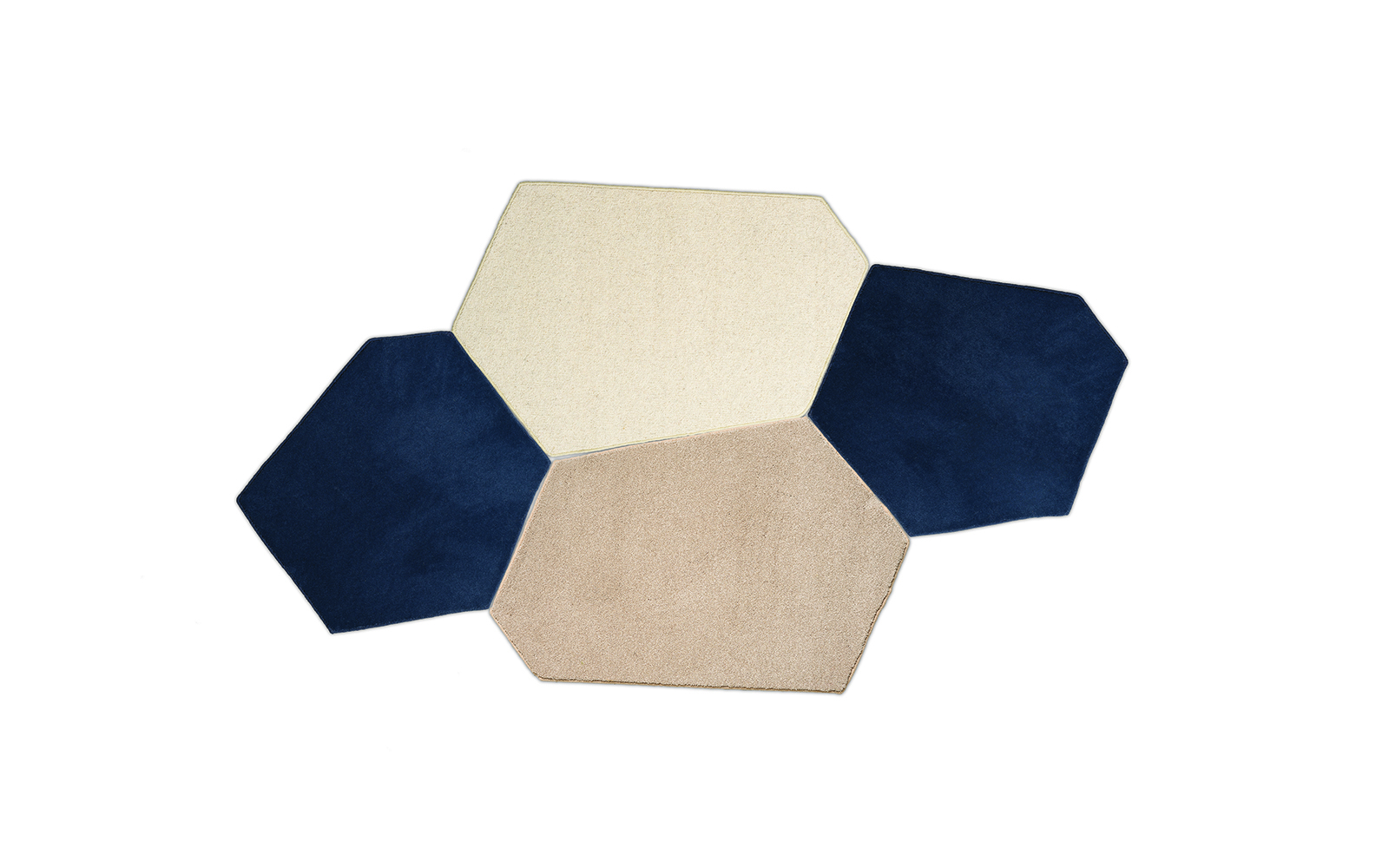
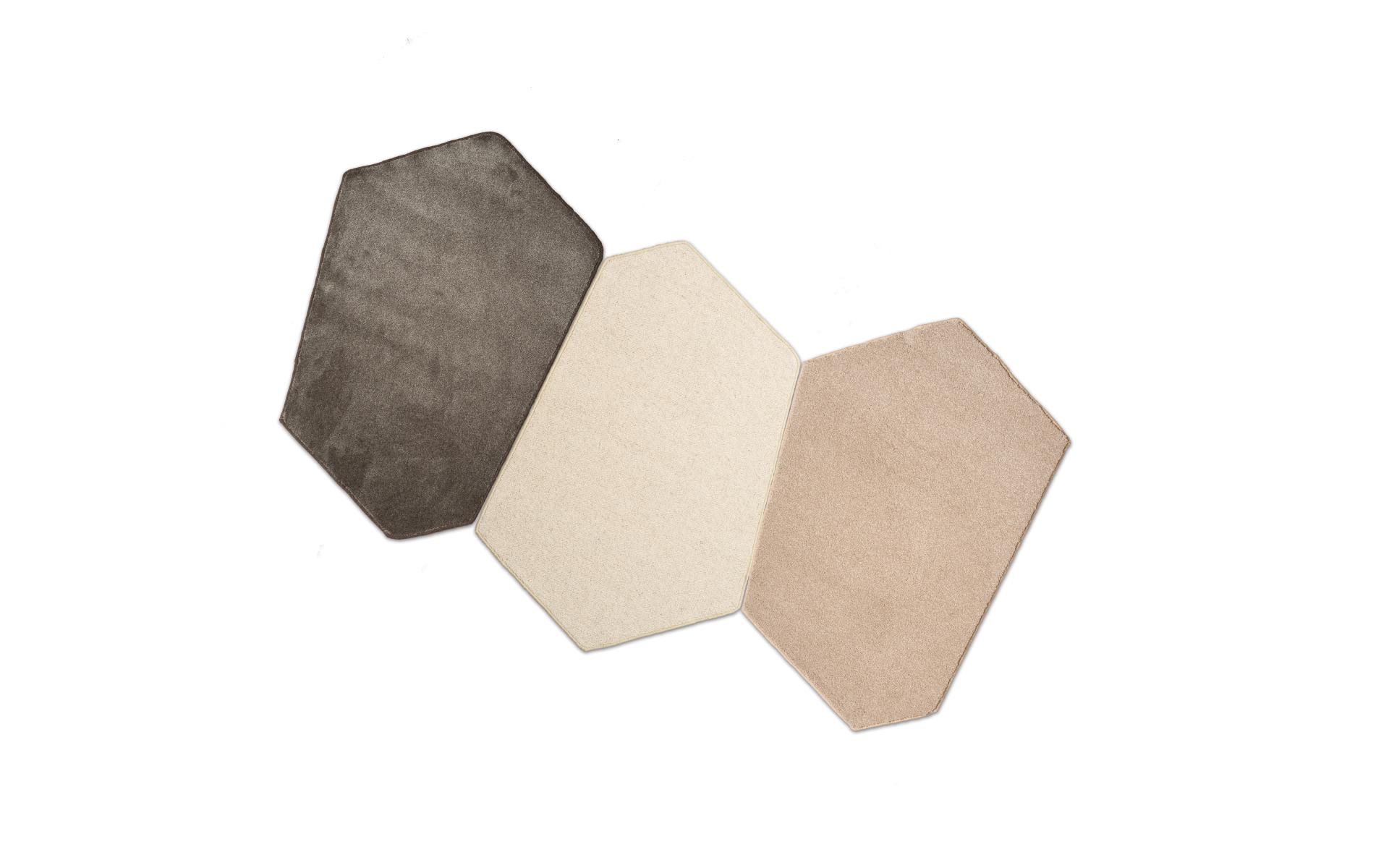
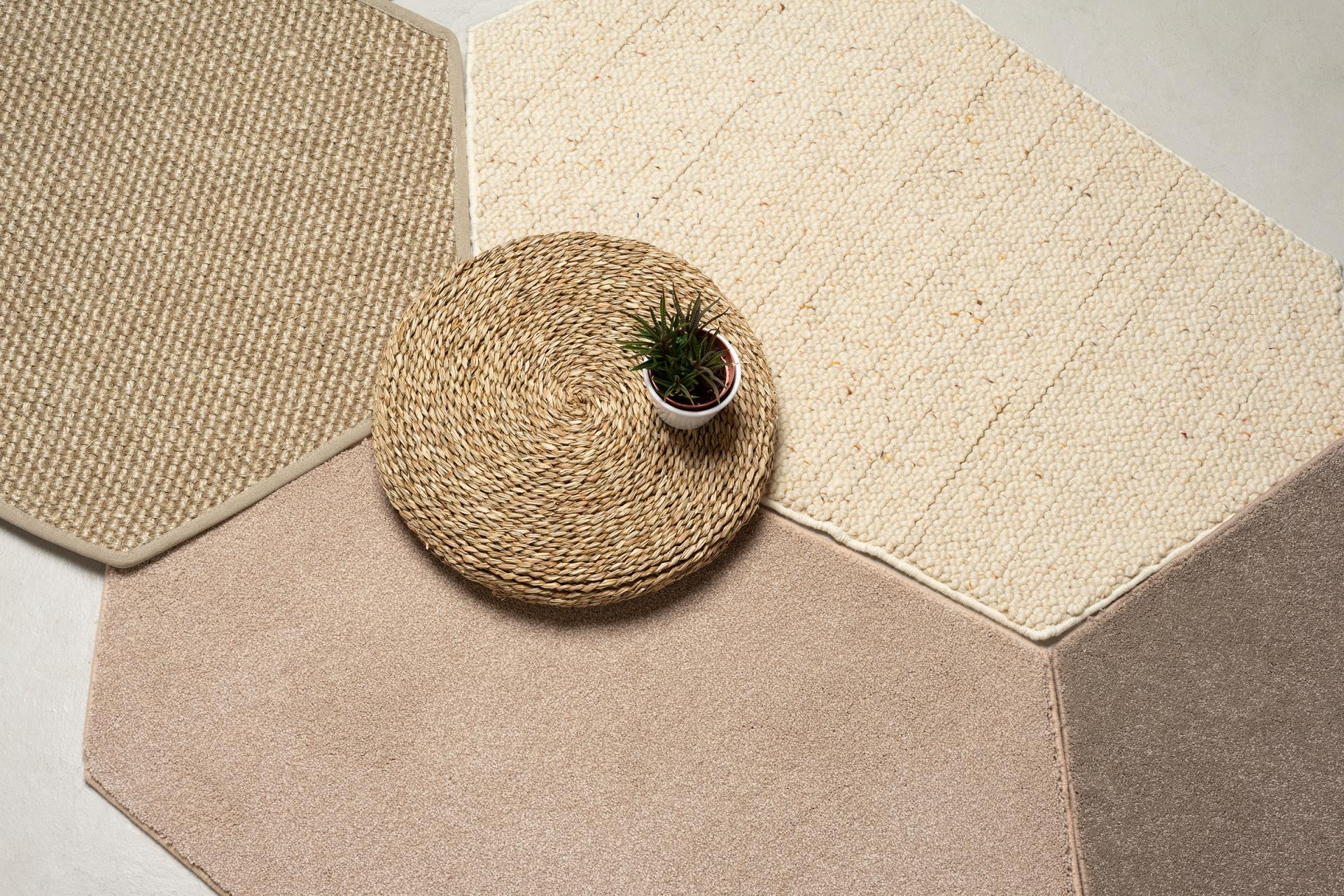
From the consumer’s perspective it leaves ample room for personalization. The Trencadís carpet can act as an understated, elegant addition by combining different textures of similar color, or as a statement piece by combining contrasting bold colors. The shape of the pieces and the way they modulate allows for infinite combinations of different shapes and sizes. It can work individually or fill large spaces with 10, 20 or 50 pieces. This allows it to adapt to any setting, including versions for outdoors made with materials suitable for these areas.
Therefore, we think Trencadís can act as a reference in its sector, due to its unique personalization capacity and a sustainable approach that is highly innovative in its industry.
Key objectives for sustainability
Regarding sustainability, Trencadís allows for smaller scraps to be repurposed and moreover, the impact of its distribution is greatly reduced as the pieces can be stacked and fit in a standard pallet, in comparison of what happens with normal rugs, that have a really difficult transport due to their size and weight.
The environmental benefits are clear: using waste as a raw material to market a high quality product (upcycling), managed and produced locally at the Sant Cugat company’s own facilities. The final result is also proposed in order to have the most efficient distribution possible, because the parts are designed taking into account the size of a pallet, so that there is a saving of costs and carbon footprint in the distribution.
The main benefits of Trencadís are:
- Reintroduce in the value chain a material that otherwise would end up being waste.
- Offer a modular design adaptable to various uses and needs
- Achieve that this modularity prolongs the useful life of the product, thanks to a better reparability, flexibility by changes to the spaces, etc.
- Introduce sustainability within the sector of quality carpets thanks to simple production processes (sewing the ends, cutting pieces, etc.)
- To be able to manage waste and production locally, in the company’s own facilities
- Demonstrate that a product produced from scrap can become an added-value product and generate economic benefits
Key objectives for aesthetics and quality
From the consumer’s perspective Trencadís leaves ample room for personalization. The Trencadís carpet can act as an understated, elegant addition by combining different pieces with textures of similar color, or as a statement piece by combining contrasting bold colors. The shape of the pieces and the way they modulate allows for infinite combinations of different shapes and sizes. It can work individually for small spaces like a room or to fill large spaces with 10, 20 or 50 pieces. This allows it to be adapted to any setting, including versions for outdoors made with materials suitable for these areas.
The development of these two forms that can grow modularly indefinitely allows the end result to be attractive and functional. It allows the user a very high ability to customize at the time of purchase, which few carpets on the market can offer. It is very easy to adapt the composition to the specific taste of each user, so a strong link is generated with him. Each rug is a unique combination.
Key objectives for inclusion
Trencadís is produced locally from waste generated in the company itself, Barcelona Rugs. It is an organization that fairly remunerates its workers and suppliers, with a strong link with Sant Cugat, the small city where it is located, and the entire Barcelona area. Currently the company is run by the third generation.
The company's handcrafted pieces are produced in northern Nepal and India, in communities where they are pro-actively involved. The sustainability of the local communities, the help to the labor incorporation of the people, the social and economic assistance of the same, are pillars for them.
The industrial production parts are those that give rise to the production remains that we use for Trencadís, and the remains that they generate are transformed in the company itself by our own personnel. We want such a project to generate local employment opportunities, with manual trades that can be carried out by people who are learning trades. Until now, due to the circumstances of 2020, the project has had few sales and the impact in income has been low, but the need and interest of Barcelona Rugs to reintroduce its waste into the chain makes it trust this project to open new business opportunities and try to translate them in benefits for the company and the community that surrounds it. .
Results in relation to category
A product like Trencadís does not only represent an environmental benefit, as it reintroduces pre-consumer waste into the chain in the form of a product with high added value. It is also a product with a very marked aesthetic, which shows that any waste, if managed and applied correctly, can have more lives and be useful.
Trencadís is one of that kind of attractive products with personality, that generate conversation and that can generate changes in the lifestyle. It is a product where the user must decide its configuration, make decisions and assemble it, and that generates a link with the product that is very positive. Users must give value to what they buy, understand that any product has a lot of work and generates a series of impacts, so they must be taken care of and appreciated to the maximum.
Trencadís has been published in many specialized media, allowing the name of Barcelona Rugs, and Nutcreatives, the design team that conceived it, to gain brand image. It has also been a finalist in the Habitat de Catalunya Cluster awards. An italian clothing company is considering Trencadís to decorate their stores, because they find interesting its modularity and values.
How Citizens benefit
In general, the companies of carpets and catifes do not reaprophyte the waste they generate, those end up feeling tractations from the normal waste management channels, in general they end up with a filler or waste incinerated in a process of energy valorization.
As with any product in the furniture and decoration sector, citizens interact with the product above all as a user and client / buyer.
The main difference is, as we have already mentioned, that the modularity of the product means that they can also participate in its configuration, which we think is very important.
As users must increasingly understand the products they purchase and use, and the implications and impacts that these generate, that the user participates in their configuration and assembly increases the user's understanding of the product.
This understanding of the product we think has certain environmental benefits, since a product with a greater connection with the user takes longer to be a waste, so it generates a positive impact.
Innovative character
In general, rug and carpet companies do not reuse the waste they generate, these end up being treated within the normal waste management channels, usually ending up in a landfill or being incinerated in an energy recovery process.
The fact of being able to generate a new product from production waste in the factory itself allows a very high degree of customization and control, and obtain benefits from materials that were previously a waste management problem.
It also allows Barcelona Rugs to achieve greater differentiation from its competition, which does not use such strategies.
Modularity is a strategy that is already used in the fair and interior carpeting sector. However in the decorative carpet sector is non-existent. That modularity, as we have mentioned, brings environmental, functional and logistical benefits.
The way of selling is also innovative, while the user can configure their carpet and design it to suit their needs, which is also very interesting for architects and interior designers.