MAXXI Exhibition series
Basic information
Project Title
Full project title
Category
Project Description
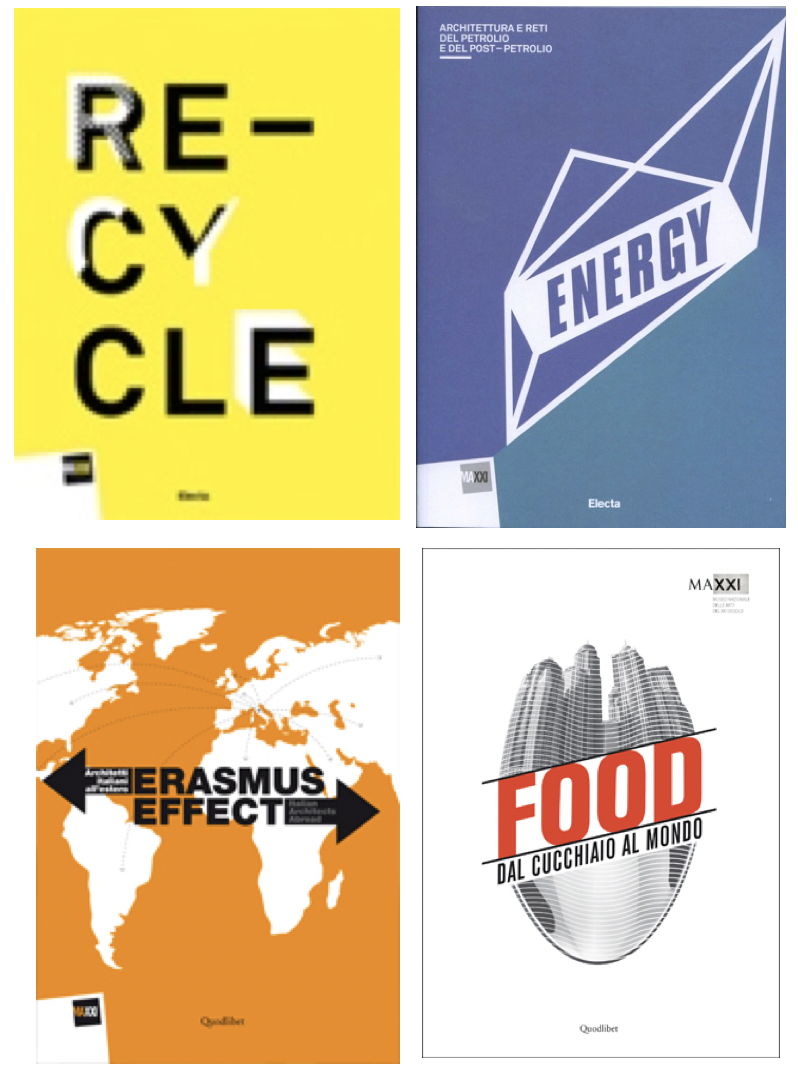
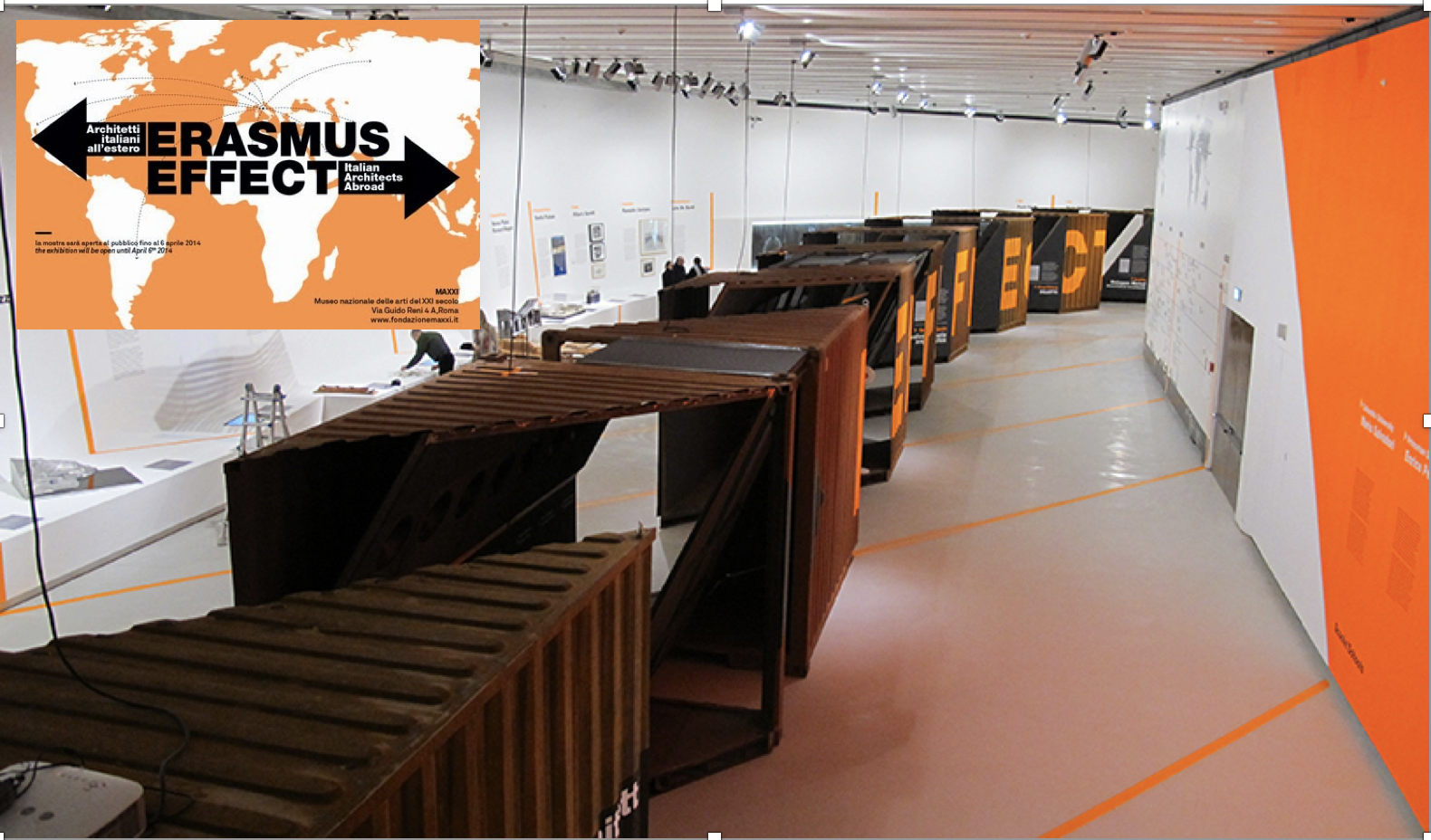
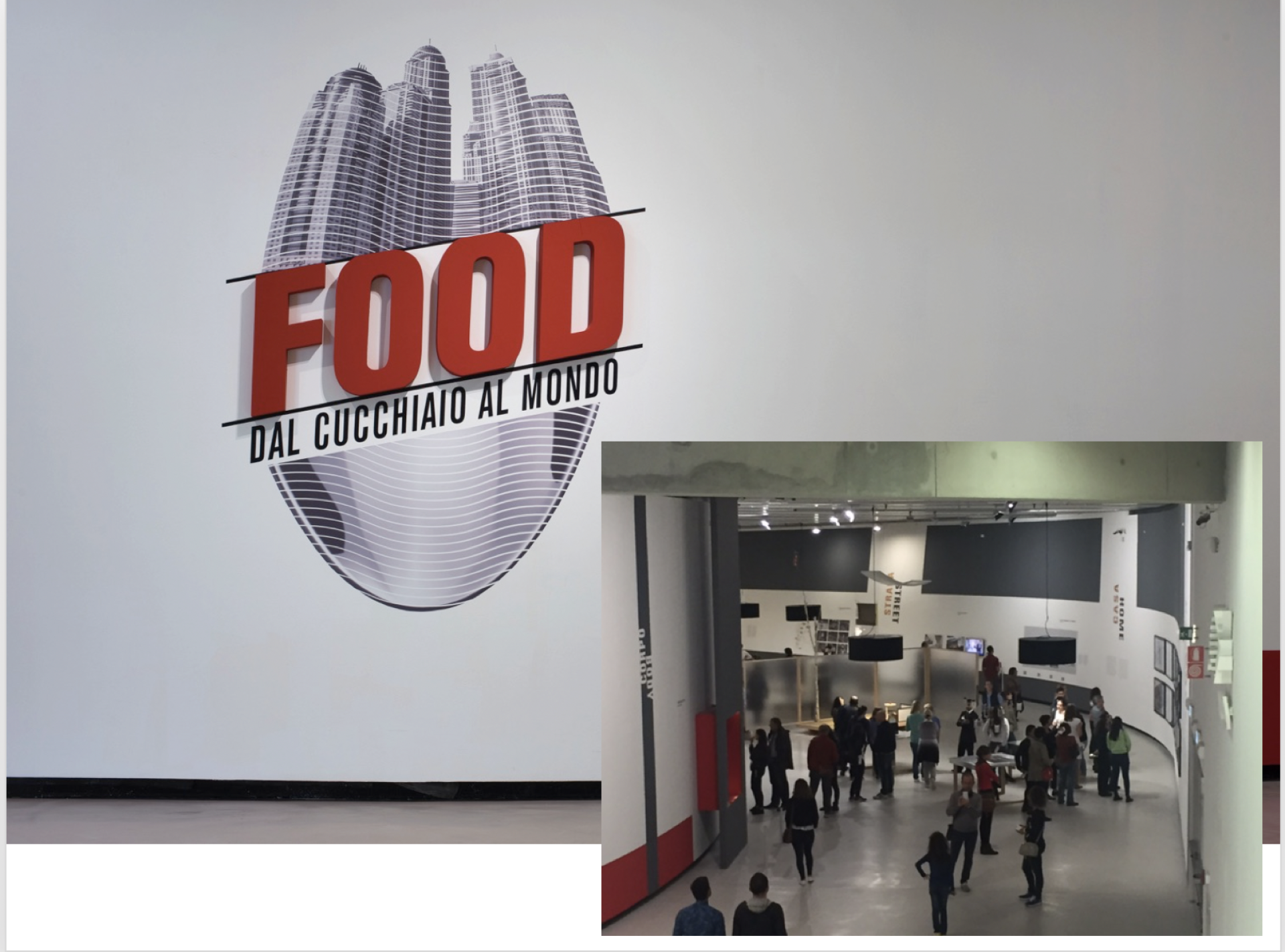
The project consists of a series of 4 exhibition that marked the first years of MAXXI Architettura in Rome (2011-15). The aim was to challenge designers to bring their “creative” tools to deal with the crisis of our time. Alltogheter, RE-CYCLE. Strategies for Architecture, City and Planet, ENERGY. Oil and Post-oil Architecture and Grids, ERASMUS EFFECT and FOOD Dal cucchiaio al mondo succeeded in defining both a founding part of the museum’s identity and its field of investigation.
Project Region
EU Programme or fund
Description of the project
Summary
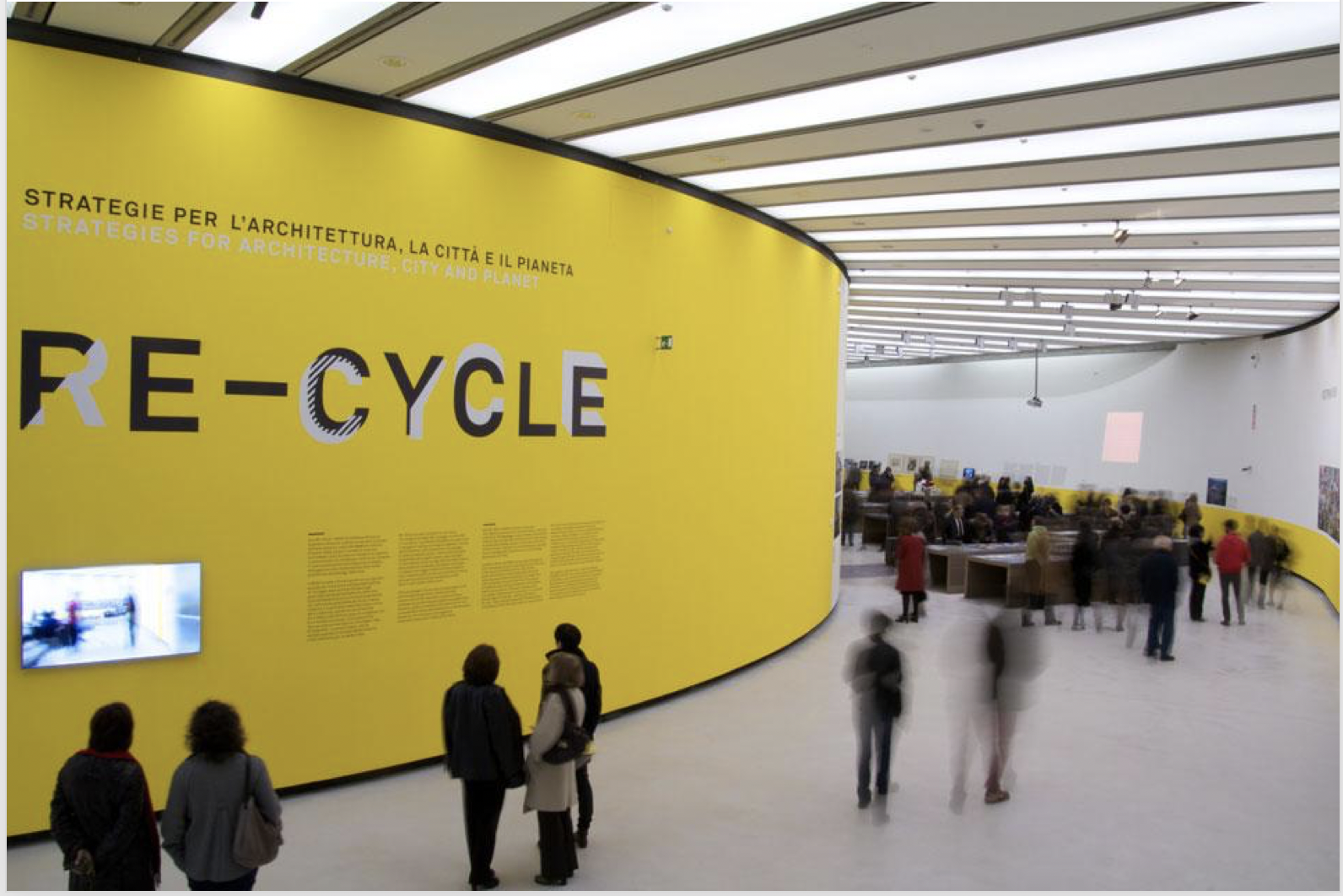
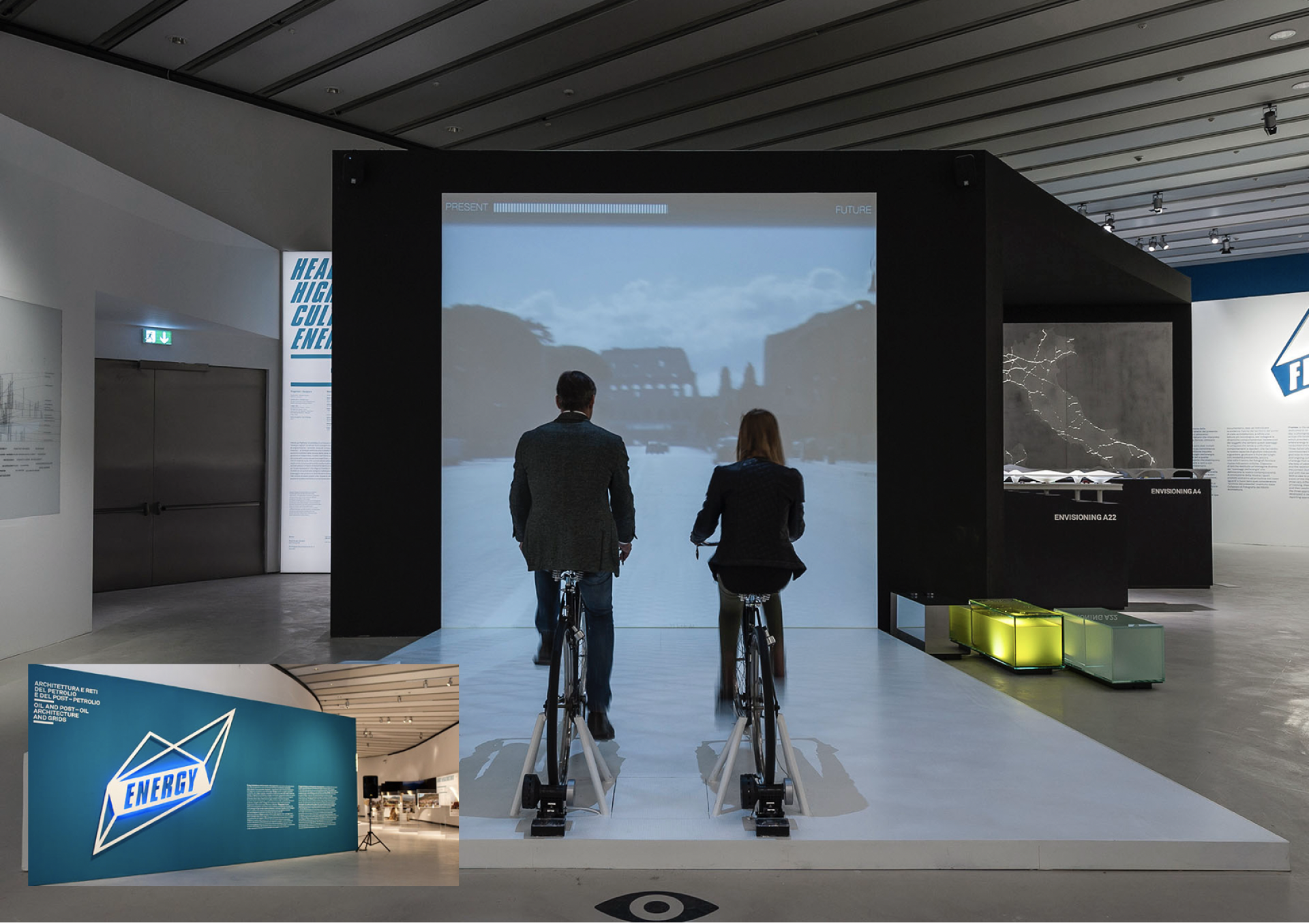
The project consists of a series of four exhibitions displayed in the first four years of the life of the MAXXI museum in Rome between 2011 and 2015. Our objective was to steer the museum identity toward an institution addressing the general public and open to external, non-disciplinary issues. In curatorial terms the idea was to challenge designers and artists to bring their "creative" tools to deal with the new compelling issues related to the environmental crisis, the geopolitical issues, the migration process, the (long awaited) change in the relation between technology, resources, inclusion, social issues. RECYCLE. Strategies for Architecture Cities and planet was a very successful episode in moving the architectural discourse from the "exciting new building" to the "exciting new way of recycling/reusing/transforming" an existing building. ENERGY. Oil and Post-Oil Architecture was encouraging designers to get inspired by the outstanding architecture production in the time of oil and plastic to challenge the potential and features of renewable resources, new materials, sustainable technologies etc. ERASMUS EFFECT chose the specific issue of young architects "economic" migration within and outside EU in order to both highlight the positive outcome of EU programs and to bring attention to the migratoin issues at a larger scale. Finally, in the year of the EXPO, FOOD Dal cucchiaio al mondo was looking at the food issue from a different perspective, linking it to concept of space, safety, neo-colonialism, public space etc.
Key objectives for sustainability
The key objectives of our exhibition program is rather clear:
- define the museum as an active agent on the debate about contemporary non-disciplinary (and non-heritage) issues linked to the many aspects of sustainability. The larger context is that of the new role cultural institutions can play in regeneration process.
- open it to the general public through the choice of general[ly relevant] topics, embedded in everyone's life
- create a platform where artists and designers can meet with the global issues without losing their autonomy and identity
- exploit the "sustainability" issues as a driver to bring new ideas and new experimentation in the world of the "creatives"
-. promote ideas and authors who prove to be engaged in this "political project"
Key objectives for aesthetics and quality
The four projects took place at MAXXI, the National Museum for the Arts of the XXI Century. All of them had a double focus: on the one hand the search for a proactive role for cultural institutions in the struggle for a more sustainable, more inclusive, more technologically aware planet; on the other the collaboration with top architects, artists, photographers, video makers, scholars who would produce high-quality work which would finally come back and feed the museum's relevance and both in the cultural sphere and in the community. All of the four show ended up with important new acquisitions for our collection and important publication we do not actually know how to attach to this publication. It sounds clumsy to list authors' names here but it is easy to chack how many of the most relevant and committed artists and architects were involved in the shows, from Diller & Scofidio to Lacaton & Vassal, from Lot-Ek to Renzo Piano, from MVRDV to Nieto & Sobejano, from Peter Hugo to Olivo Barbieri and many others.
Key objectives for inclusion
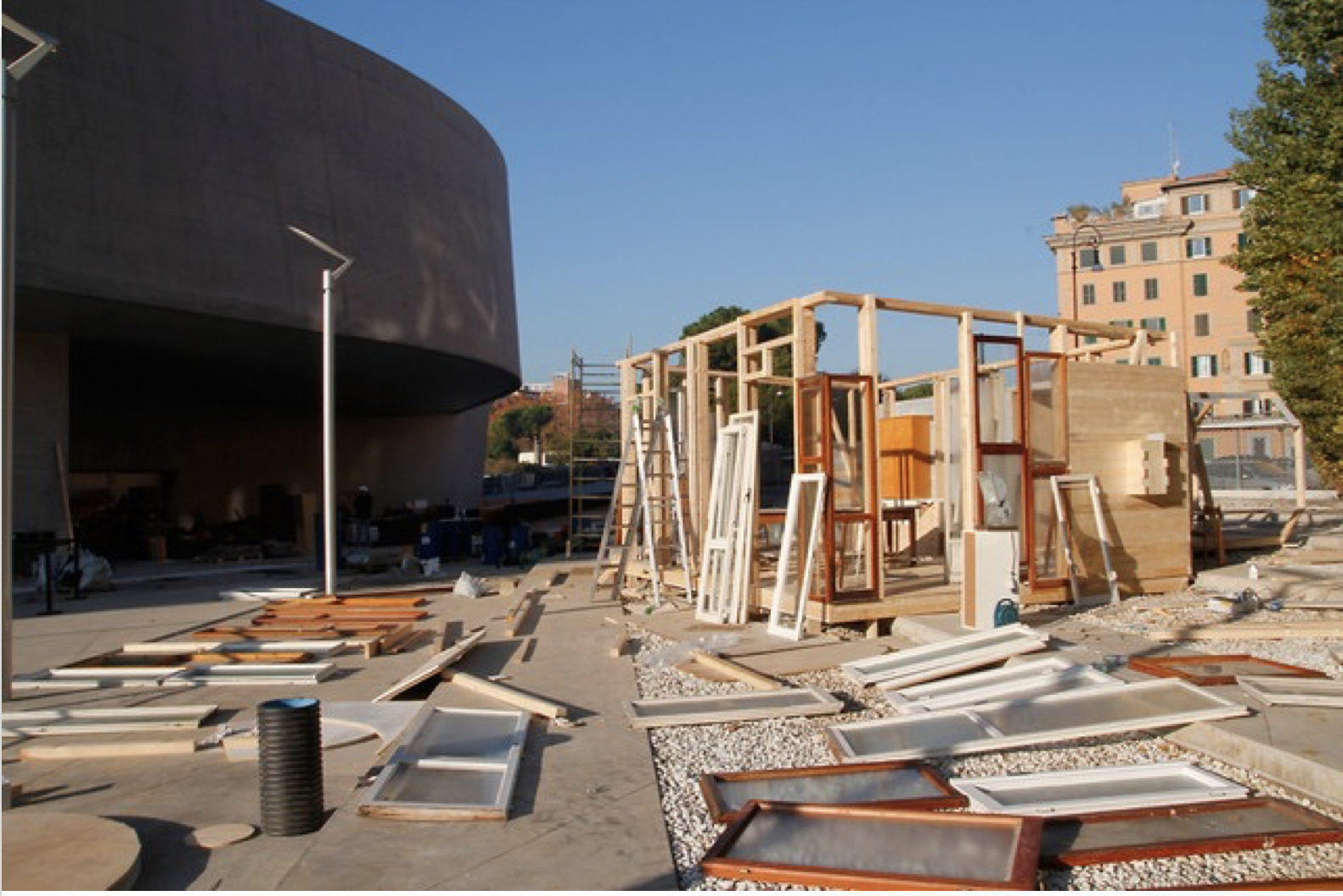
This series of exhibition was also meant to enhance and emphasize the role of "public space" the MAXXI has been successful in playing since its start. We can see this aspect from two points of view, one conceptual and the other more factual. Conceptually our programs succeeded in bringing the museum agency closer to the daily real-life issues individuals and communities have to face every day (i.e: the "Recycle" or "Energy" issues). Pragmatically all our programs extended in the open free-access museum yard, through installations and public programs. It was a house built only by waste materials (Raumlabor Berlin + a group of students) in Recycle, it was a 1950s beautiful gas station for Energy and so forth. The idea was to bring our contents to the urban and transient communities that come by the museum open space and to involve them as much as possible in the discussion about the future.
Results in relation to category
As a museum, we have a number of criteria to evaluate our programs, in terms of attendance, public programs, press impact, collaboration with other Italian and foreign institutions, circulation of the exhibition. The best example in this case is the Recycle Exhibition, which was shown in two foreign venues, presented in many countries and that had a second life in a state-funded research project involving eleven Italian universities (Recycle Italy: https://recycleitaly.net/). With a rather limited budget, all the four shows had an attendance of more than 150.000 (250.000 for Recycle) and a relevant impact in the italian and international architectural debate.
How Citizens benefit
Here I can only repeat what i wrote above. Our programs succeeded in bringing the museum agency closer to the daily real-life issues individuals and communities have to face every day (i.e: the "Recycle" or "Energy" issues). Pragmatically all our programs extended in the open free-access museum yard, through installations and public programs. It was a house built only by waste materials (Raumlabor Berlin + a group of students) in Recycle, it was a 1950s beautiful gas station for Energy and so forth. The idea was to bring our contents to the urban and transient communities that come by the museum open space and to involve them as much as possible in the discussion about the future. Furthermore all four projects included intense educational programs, for all ages, which were received very favorably by the community.
Innovative character
In 2010 MAXXI was a brand new institution, that had to find its way among a dense stage of siblings/competitors, from MoMA to the Beaubourg, from the CCA to many other museums that have lately been focusing more and more on architecture. The choice of addressing contemporary architecture not by monographic shows or by disciplinary exhibitions and instead to push intensely on the idea of the museum as a platform for researching, discussing, spectacularizing global and local issues involving artists, designers and scientists. This really contributed in building a specific, unprecedented, "innovative" profile for the museum. Which has then continued working in this direction and stressing, through many other projects, the interdisciplinary tools that are urgently needed today.