Hands Down
Basic information
Project Title
Full project title
Category
Project Description
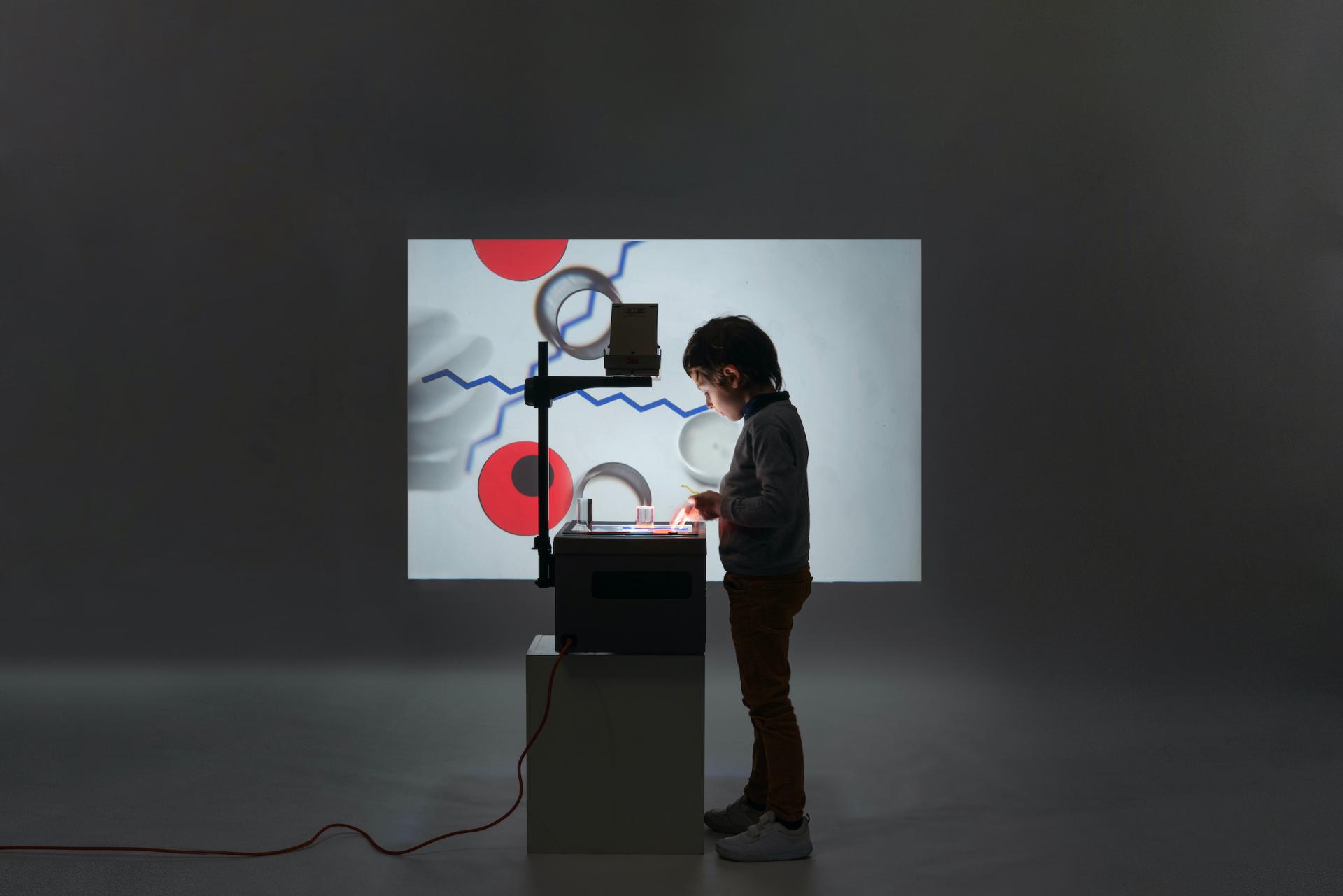
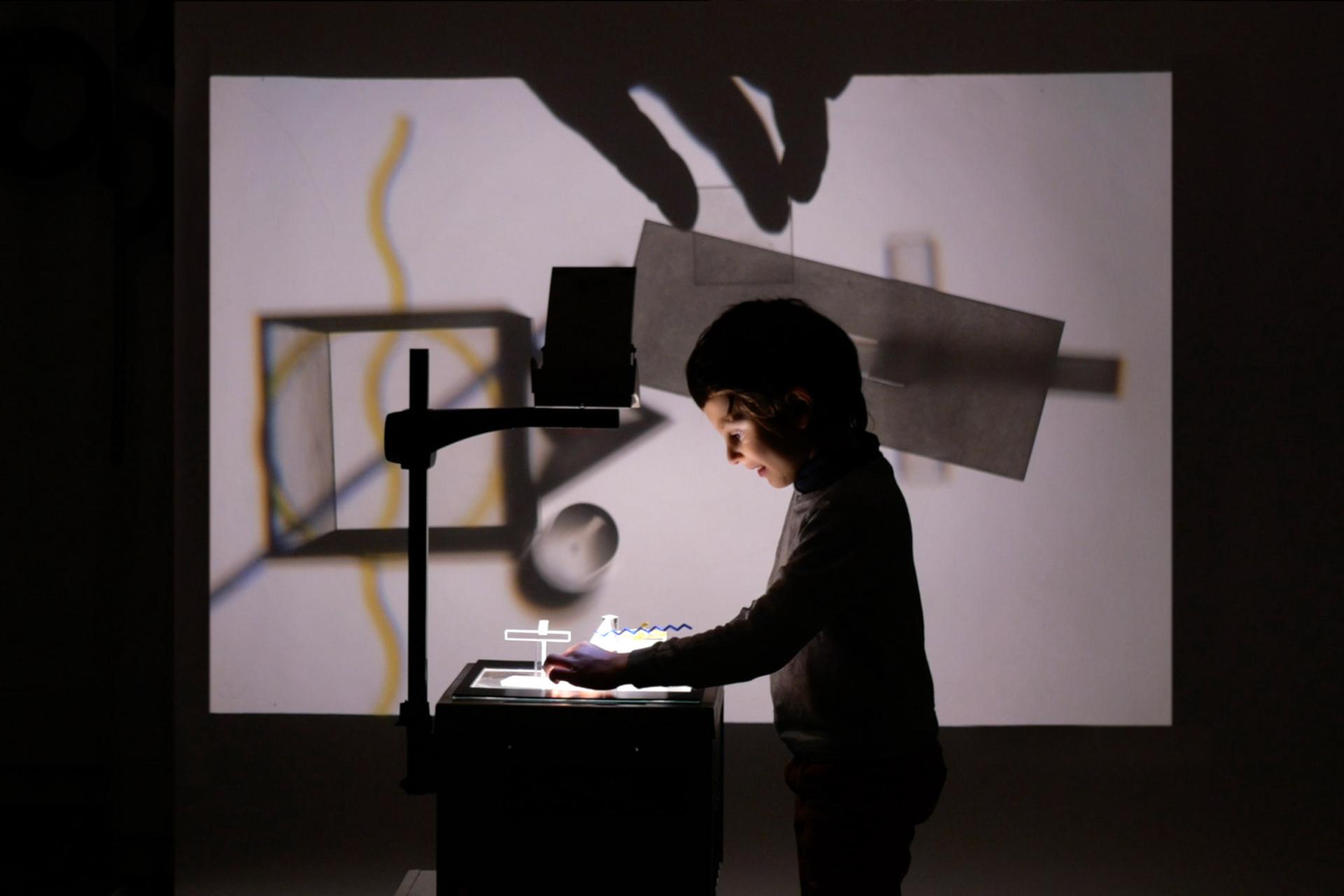
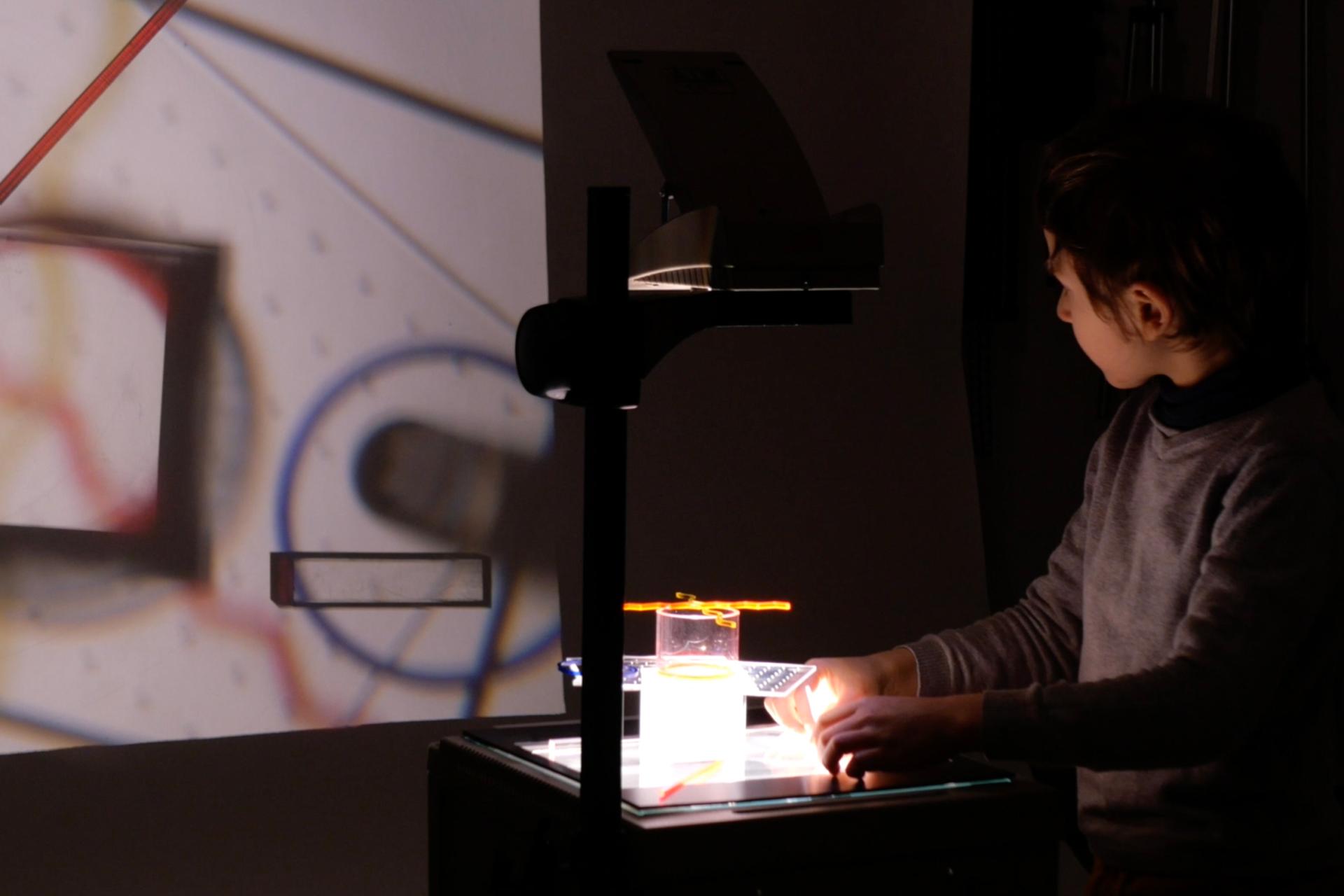
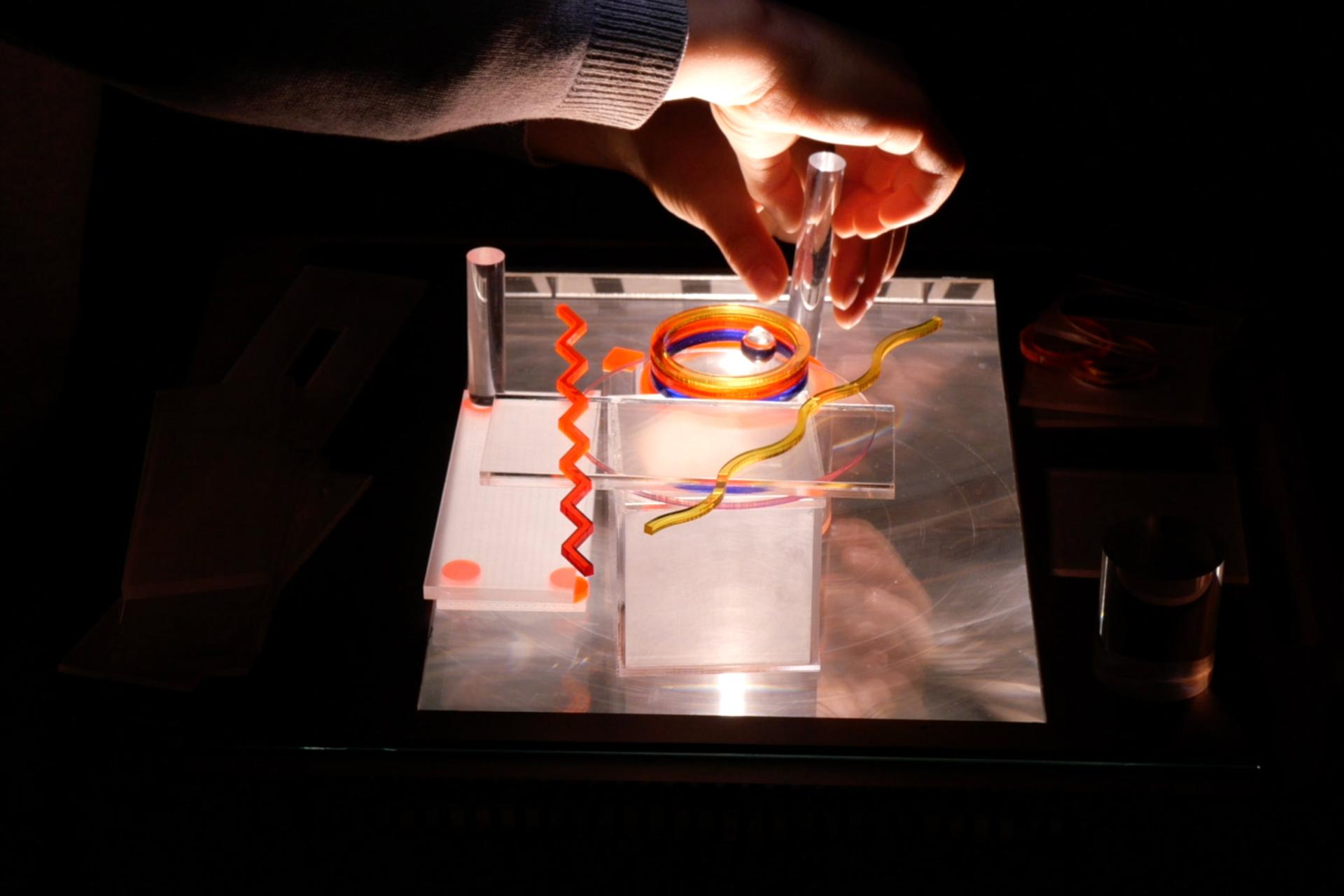
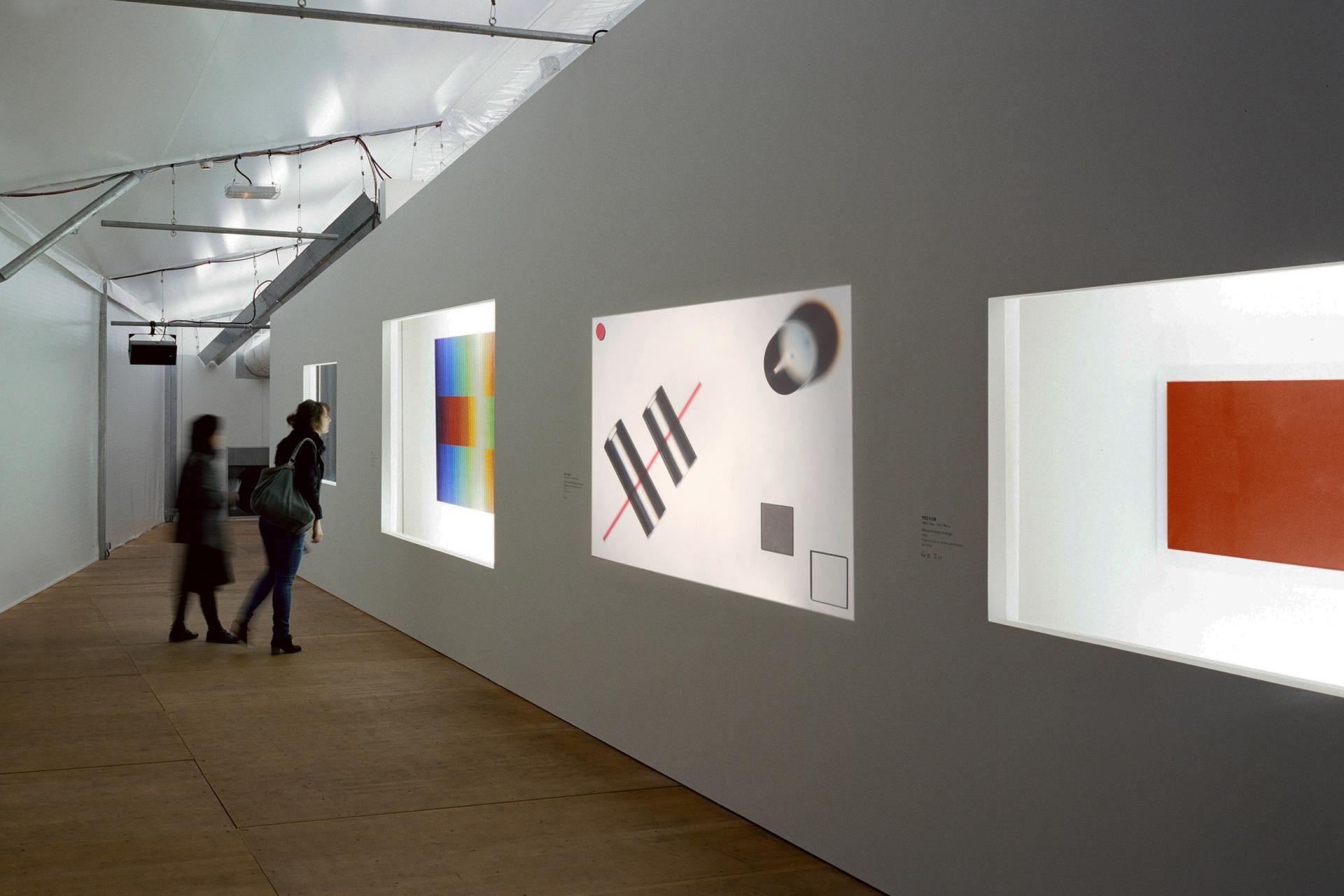
Hands Down is a lightning inclusive museum tool inviting children to compose and play with rear-projected components on the surface of an overhead projector, in response to the surrounding art pieces.
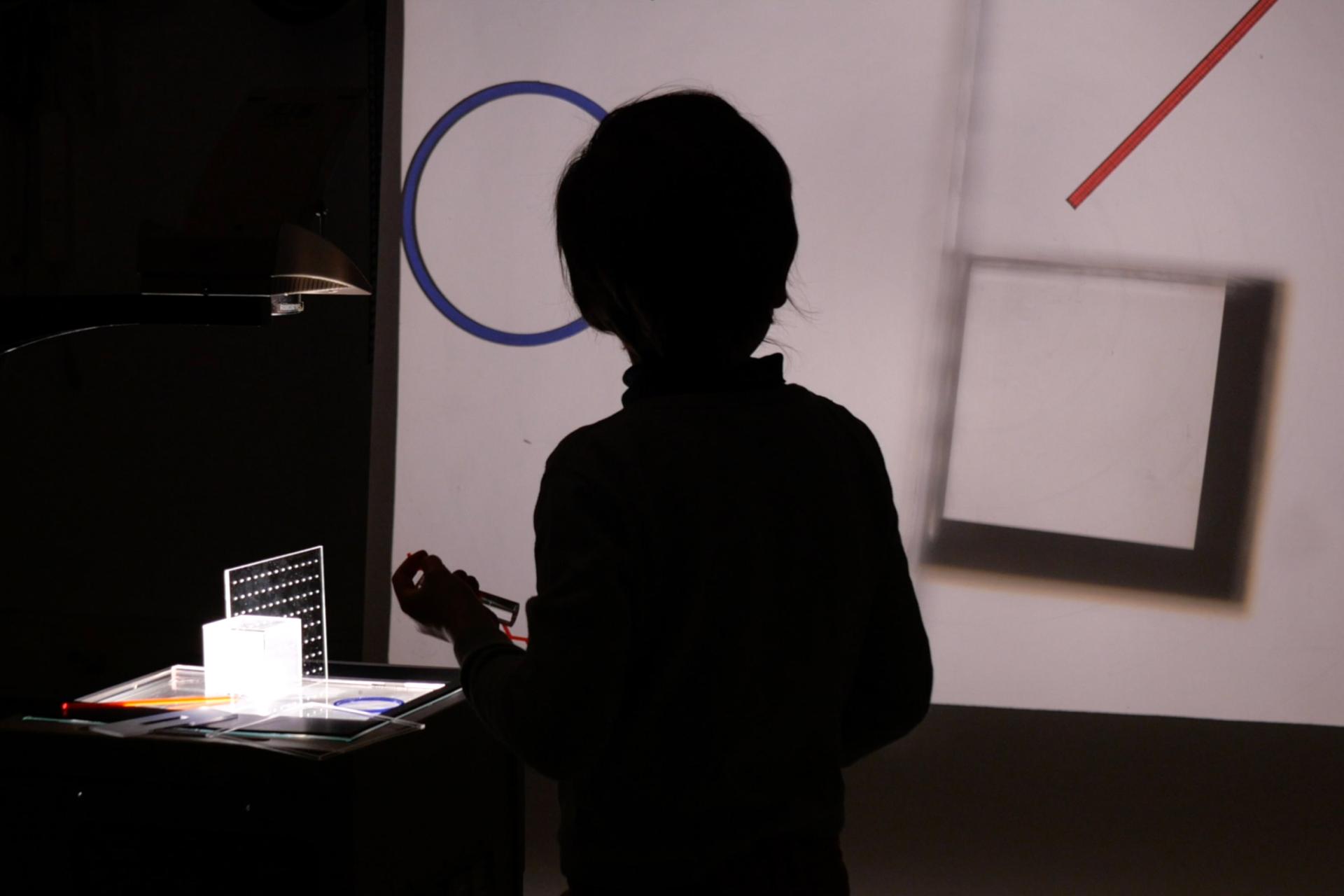
By contemplating his projected interaction on the museum’s walls, the child can conquer not only his relation to the artworks, but also to the museum space itself.
A project supporting children inclusivity in museums and early art education, highlighting wonder and imagination.
Project Region
EU Programme or fund
Description of the project
Summary
Hands Down is an inclusive, interactive and contemplative museum tool for children to discover, understand, appreciate and explore modern art.
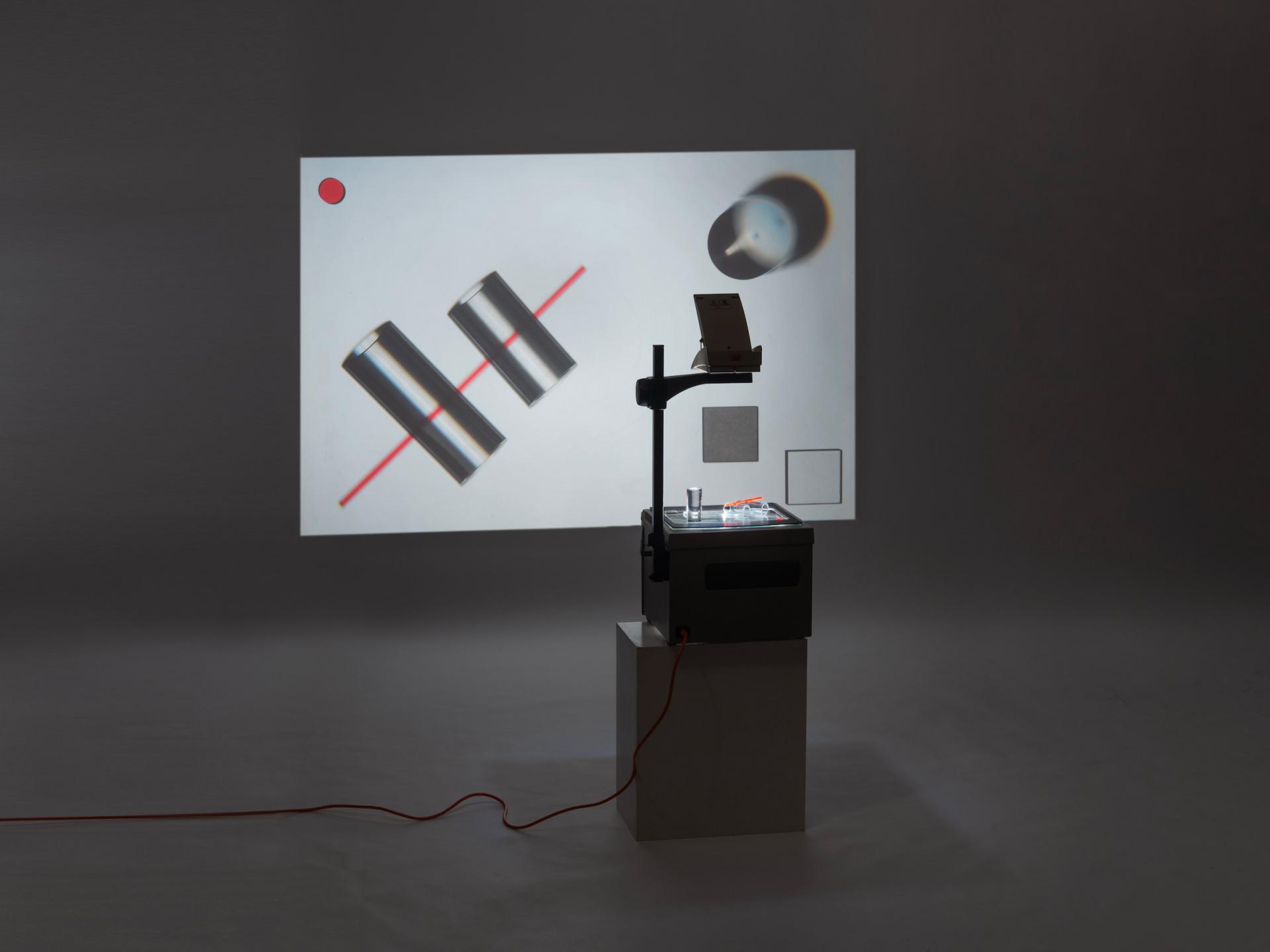
Engaged in museum spaces and placed among the artworks, Hands Down is a game of creation and manipulation taking place on the surface of an overhead projector.
Addressing the fundamental needs of children's arts education and cultural spaces inclusivity, Hands Down offers young visitors an interface to invest in the discovery and exploration of their contemplative skills.
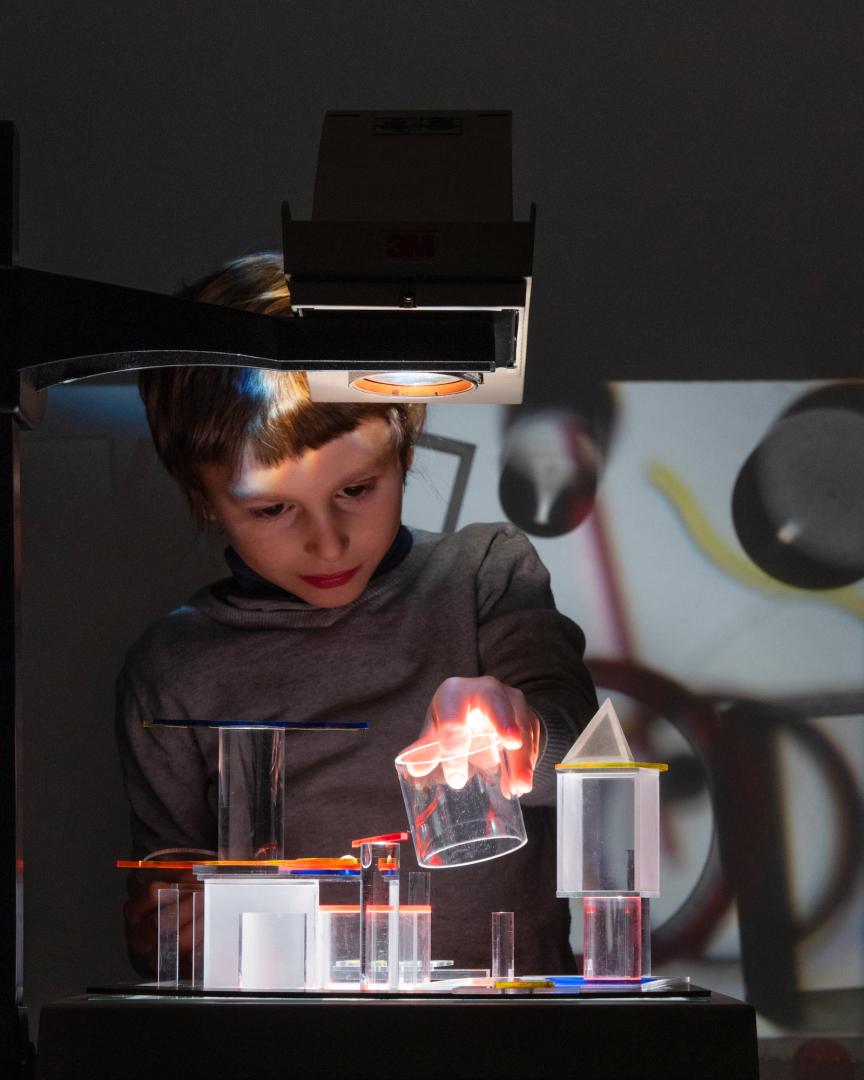
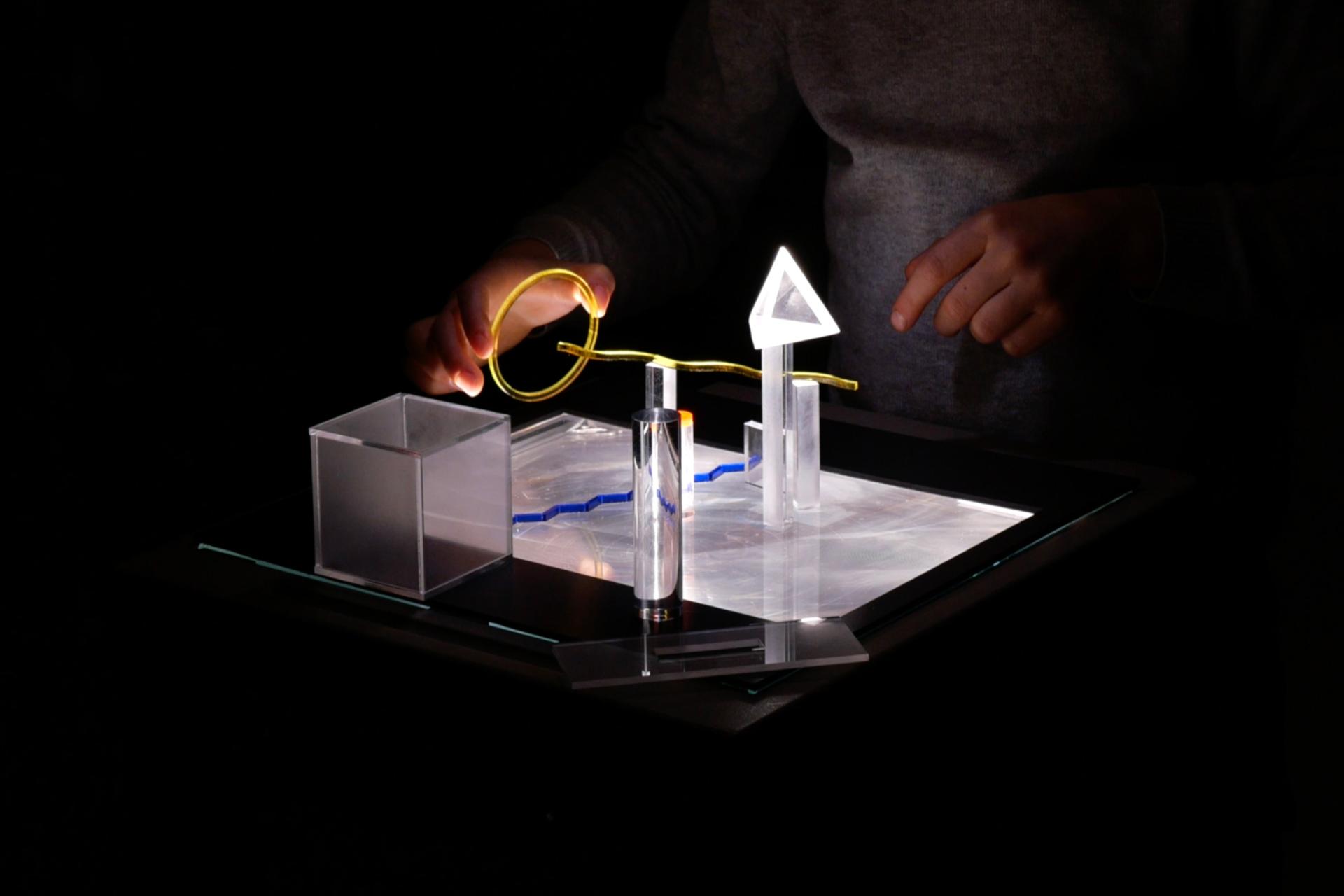
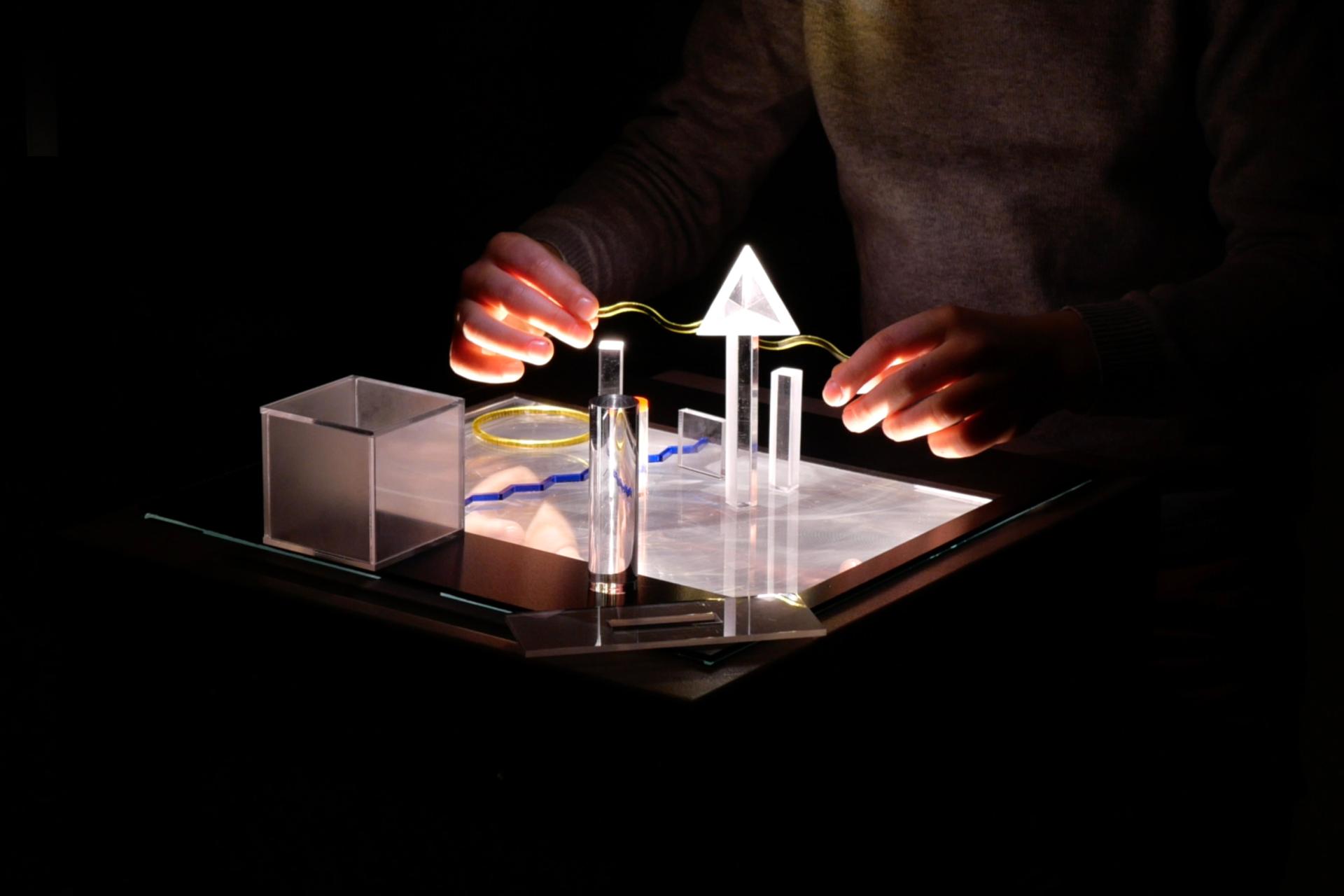
The game offers a two dimensions interplay, from interaction to observation. By combining a 3D creation space and a 2D projection surface, Hands Down invites both to create and contemplate. The child is challenged to consider the close relationship between his interaction, volumic, tangible, dynamic, and the result of this interaction, to be witnessed as a work of art, static and essential.
Hands Down offers a stationary overhead projection surface, accessible in museum spaces, enhanced by playful rear-projectable components to be manipulated on it.
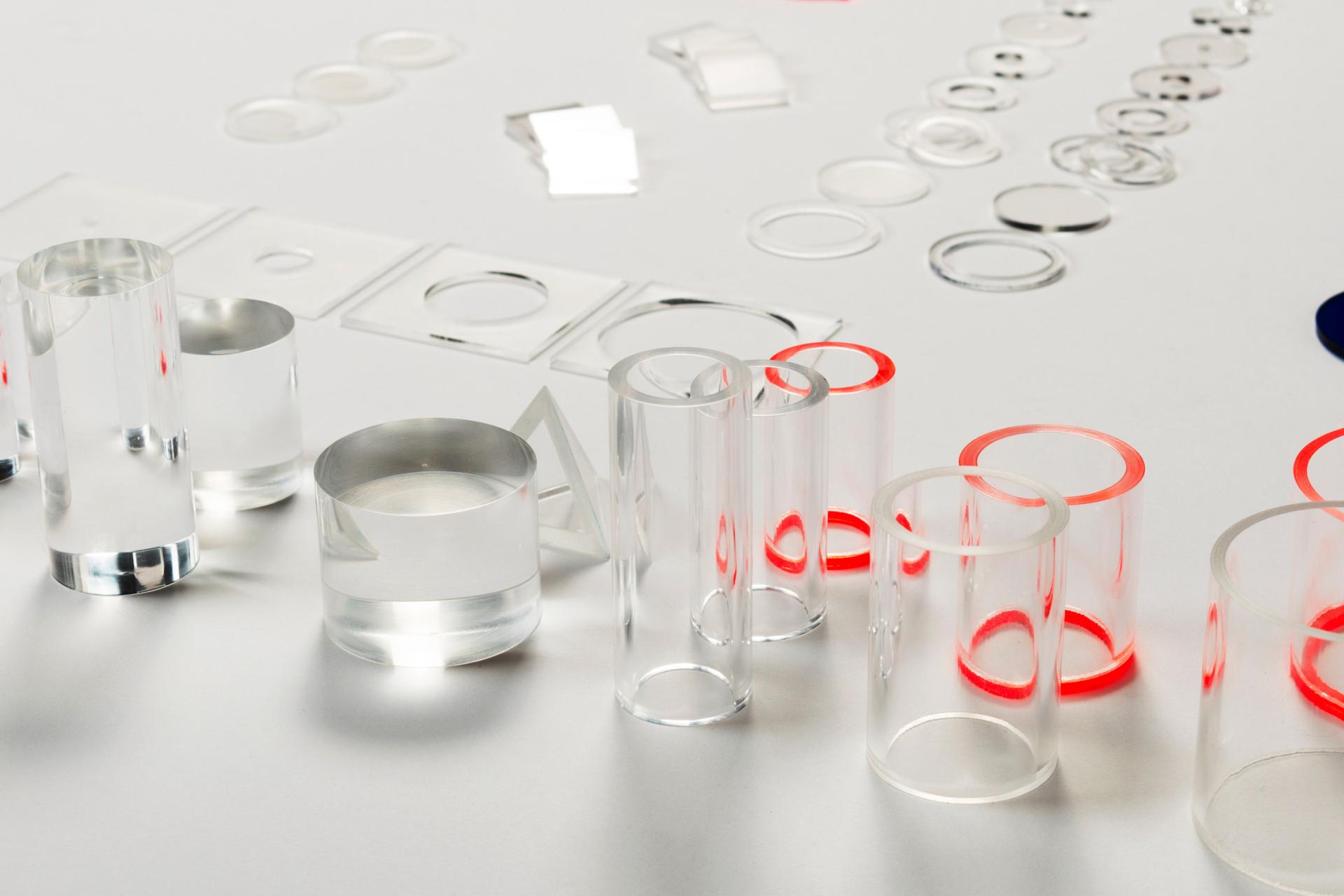
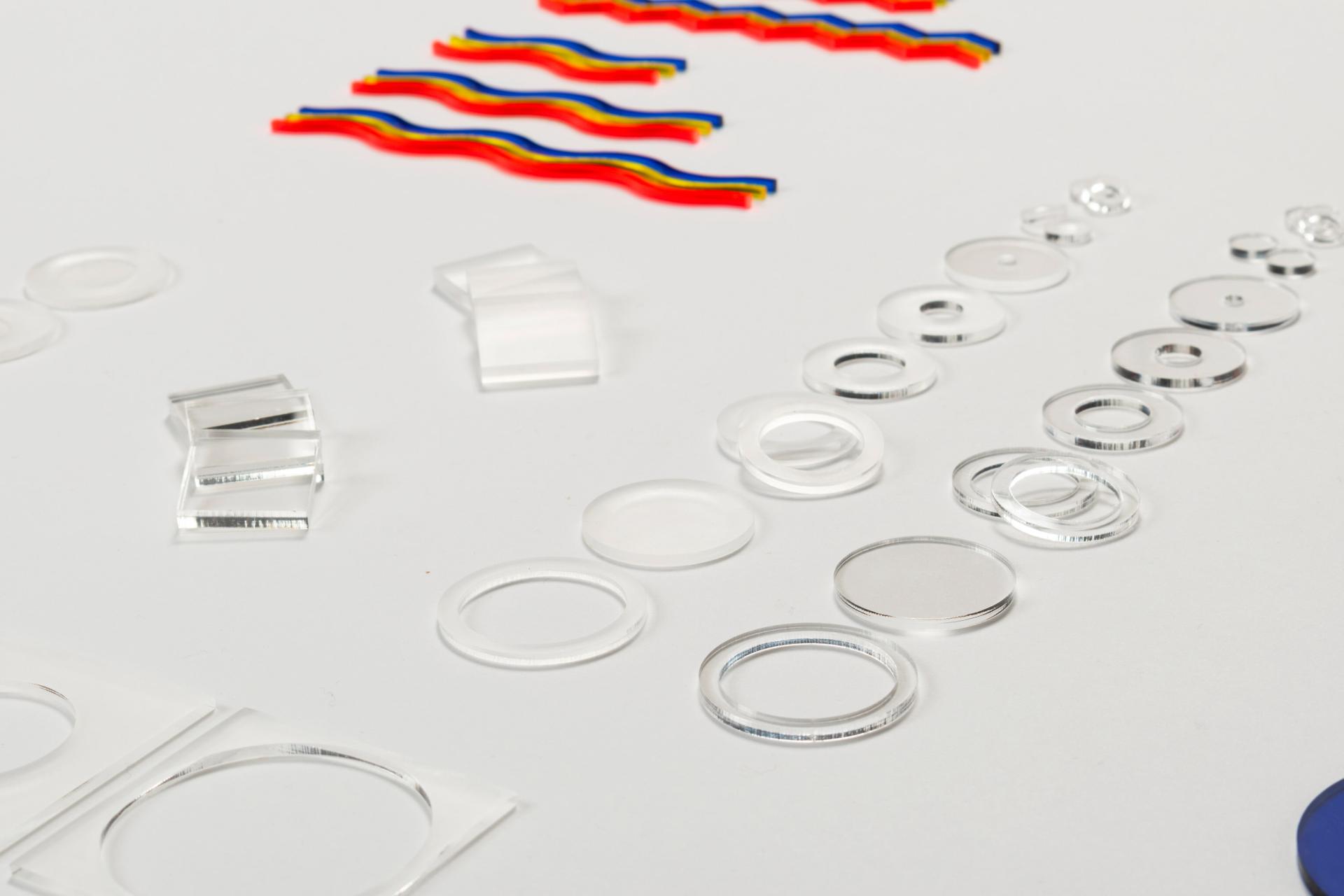
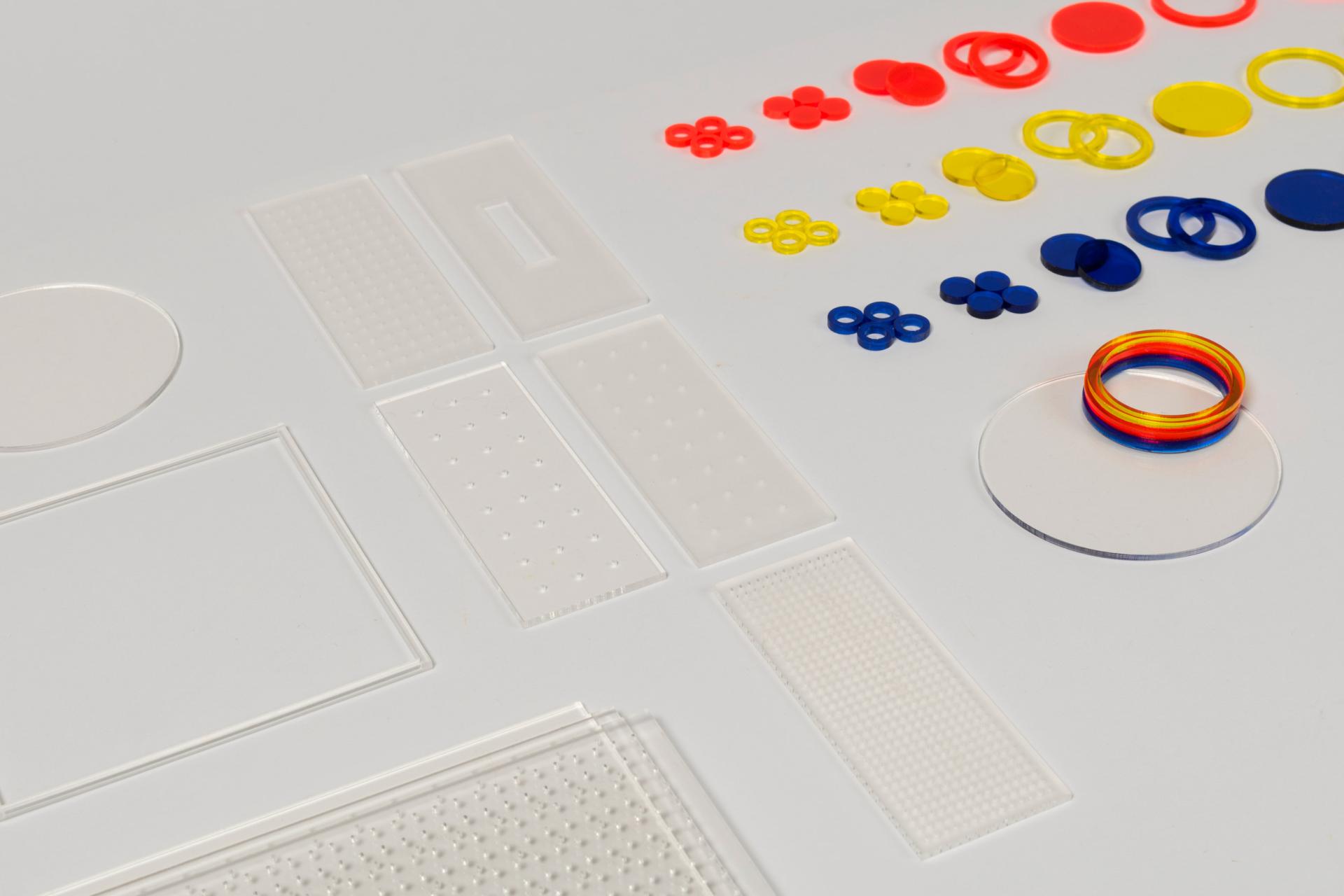
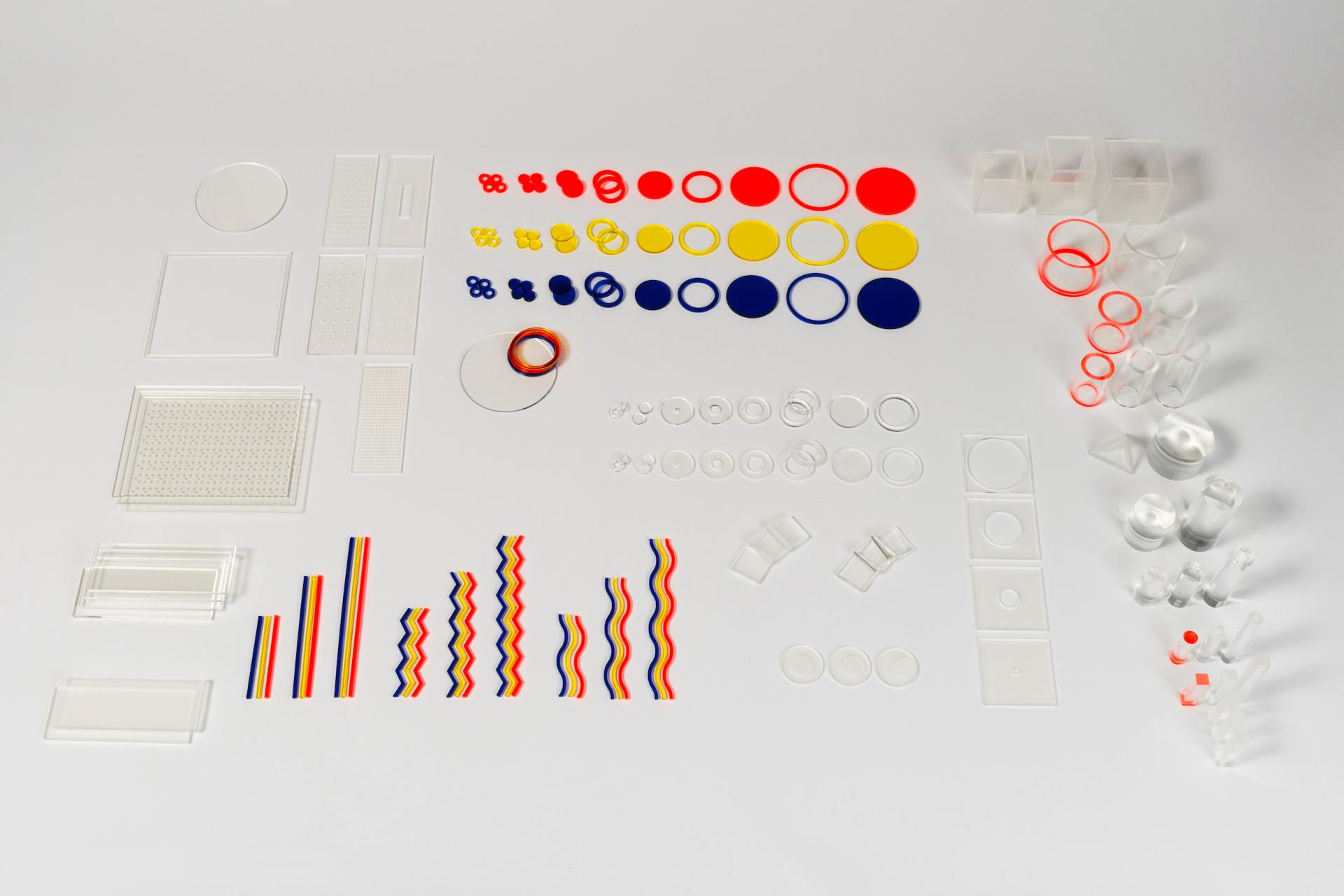
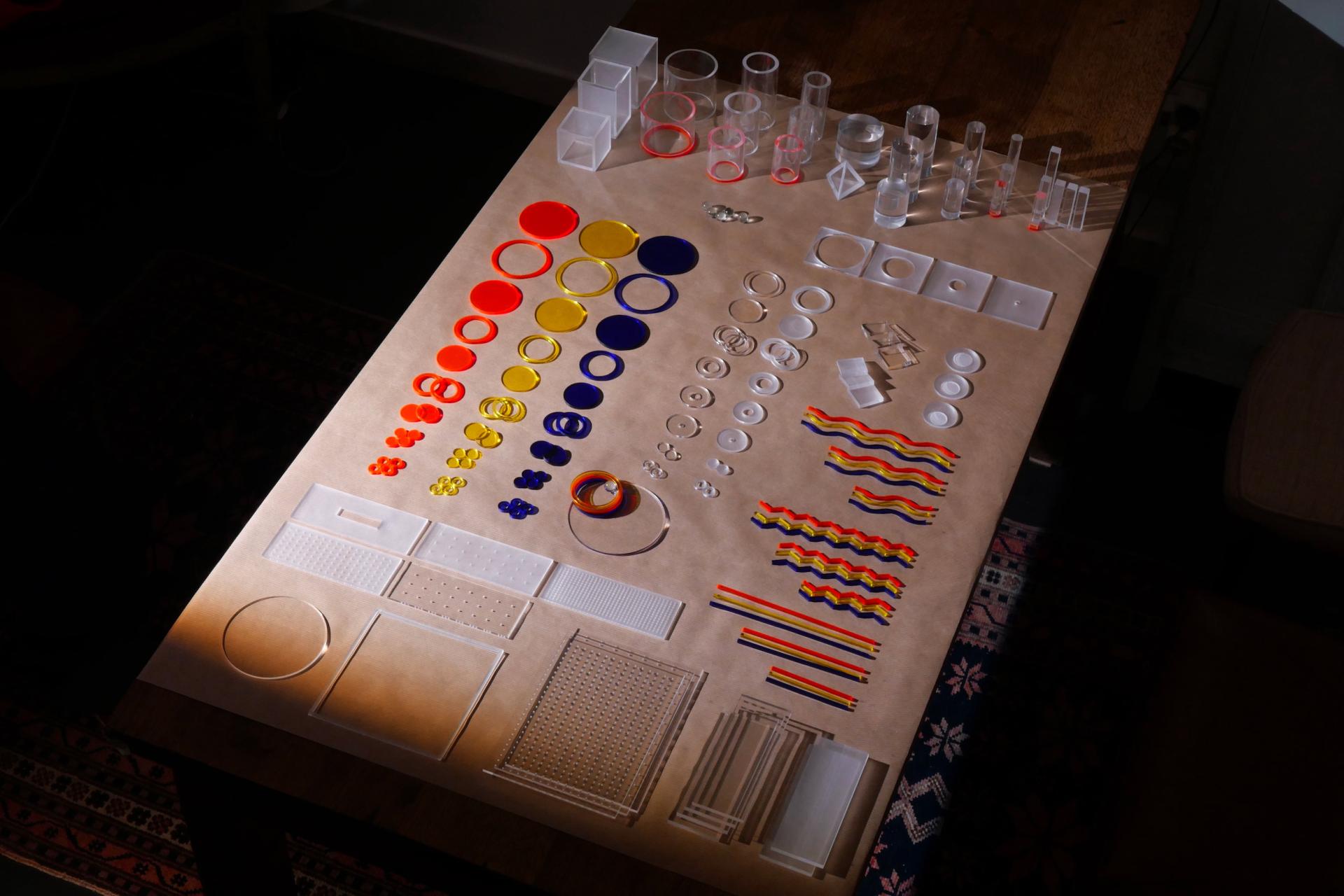
Hands Down features several sets of game pieces, each designed to recall a particular Art movement. Each collection provides the fundamentals of an Art movement, to be enhanced by contemplating the actual works. It is the first step to the discovery of a movement, made interactive by the manipulation of the pieces supporting it.
The first set of pieces is based on the Bauhaus movement, whose pieces recall the colors, shapes, aesthetics but also the methods and philosophy: the collection combines flat components, inviting to a surfacic composition, and volumic components, allowing games of balance and accumulation, recalling the architectural works of the movement and exploiting the optical properties of the projector.
It is an inclusive, sensitive and creative tool of art education, aiming to empower children to discover and contemplate artworks with their own tools.
Key objectives for sustainability
Hands Down shares the UNDP statement “that education is one of the most powerful and proven vehicles for sustainable development.”
When it comes to children's Art Education, activities are often reduced to creative plastic experiments, rarely linked to the encounter of real artworks. Hands Down helps children to reach cultural and artistic literacy through an autonomous activity, following Sugatra Mitra’s belief that “children can teach themselves” speaking about his Hole in the Wall project.
What is true for technical education is also true for cultural and artistic education. On one hand, the game will have a short-term impact on the child, inviting him/her while having fun to develop his/her capacities of expression and imagination, but also of observation and abstraction.
On other hand, the game proposes a long-term impact, more fundamental, starting the development of the artistic sensitivity of the child, engaging in the long term his familiarity and the quality of his perception of the art works.
This game will represent a first initiation and discovery of the art world, while preserving a sensitive (and not theoretical) interaction with the works of art.
Moreover, such an education in art facilitates the approach to other disciplines: sense of abstraction, manipulation of concepts, discovery of new environments and languages, development of autonomy,...
Hands Down creates an effective learning environment for all within an existing institution dedicated to the diffusion and promotion of art. Thanks to its mobility, it can also be used in remote private or public places such as schools.
Finally, Hands Down is technically simple, can be built locally with recycled or recyclable materials, and is energy efficient. Basic versions can be easily built from existing and disused overhead projectors.
Key objectives for aesthetics and quality
Hands Down's strongest statement comes from the choice to use light projection as the result of interaction, providing two dimensions to a game that can therefore be just as introspective as it upholds a shared experience.
The projection is thus the aspect of the project that is the less functional and interactive, as rather intangible and contemplative. This aspect allows to project a creative process that may usually remain secret and momentary, offering a unique aesthetic of intimacy, uncertainty, imperfection and randomness.
This new kind of precarious aesthetic fits into the blend of artworks surrounding it, creating a new category of objects playing with the perception of images, in contrast to the traditional criteria of steady and consistent exhibitions regular aspect.
Through its lighting dimension, the intervention also blends with the architecture of the space, playing with aspects of depth and texture that also depend on the surrounding environment, or even the shadows of the other visitors crossing the spotlight.
Its generative dimension also involves games of scale and depth, made possible by the subtle transition between the small and the large, the volumic and the surface.
The final aesthetic aspect comes down to the child's game, subject to many symbols and made visible without limits of possibilities, giving rise to an infinite number of interpretations.
Hands Down, with only a few pieces, gives rise to thousands of visual possibilities depending on who invests it, and thus contributes to redefine the space and atmosphere of the museum at each passage.
Each individual intervention gives the place, its public and its artworks an infinite generation of visual interventions, lively, uncertain and tumultuous.
Key objectives for inclusion
Because it will be directly implemented in the museum space, Hands Down allows contemplation and interaction to be involved in the museum journey, rather generally associated with a passive and cerebral experience.
The integration of a simple device seeking to facilitate the encounter with artworks enables the inclusion of more different types of audience in museum spaces, and thus in the main access to Art.
According to Jo Birch, museum geographer, this inaccessibility is unfortunate for children, but also for adults. Museums are one of the few spaces where children and adults share equal status. They share the same role of "experimenter" and "novice", supposed to discover artworks through the body and the senses. Traditionally, adults are assigned the role of cerebral observer, without the tactile and sensory aspect that is usually reserved to children.
Hands Down takes the risk of including children in museums unconditionally, with their specific baggage of active and restless observers, in reaction to numerous initiatives of children activities implanted since a long time in museums, but in rooms annexed to the exhibition space, undoubtedly for fear of disrupting the established passive and calm order of the exhibitions.
Consequently, the project proposes not only to support but also to highlight the very particular process of discovery and observation of children, taking the stand that anyone in the museum space can be inspired and stimulated by it.
Therefore, children are not only included in the process, but highlighted and valued for their unique contemplative and communication skills.
Finally, the whole process of interaction and reaction around the intervention creates an interpersonal and even intergenerational museum experience, strengthening social cohesion, and implementing a shared sense of ownership and co-creation of the space.
Innovative character
According to many listings of activities for children in museums, very few integrate them directly within the exhibition space itself.
When they do, very few give children the opportunity of a contemplative experience, beyond entertainment.
As a result, most children's activities relating to art accessibility succeed in combining long-term impact to educational quality.
While the majority of children love these initiatives, very few will benefit from this experience in their future relationship to the world of art and culture.
Consequently, Hands Down strives to achieve two impacts at the end of the experience.
The short-term impact lies in the playful development of their abilities for expression, imagination, observation and abstraction.
The long-term impact, more fundamental, involves the development of the child's artistic sensibility, engaging in the long term his knowledge and the quality of his perception of the artworks.
This game will provide an early introduction to the art world, while preserving a sensible (and not theoretical) interaction with the artworks.
Children will develop an attachment to the image encountered, as it was presented to them through the form of a game engaging their sensitive abilities.
Furthermore, Hands Down focuses on bringing children in touch with abstract and non-figurative artworks, in opposition to the almost systematic preference of figurative pieces in art education programs.
Although often associated with figuration, children are sometimes best suited to appreciate and contemplate abstraction, due to their quasi total freedom from aesthetic or cultural bias.
Hands Down allows them the opportunity to experience the very essence of the pictorial work, of shapes, colors and textures, accessing a more fundamental contemplation, free of connotations.