New Gurewicz - Mirai Clinic
Basic information
Project Title
Full project title
Category
Project Description
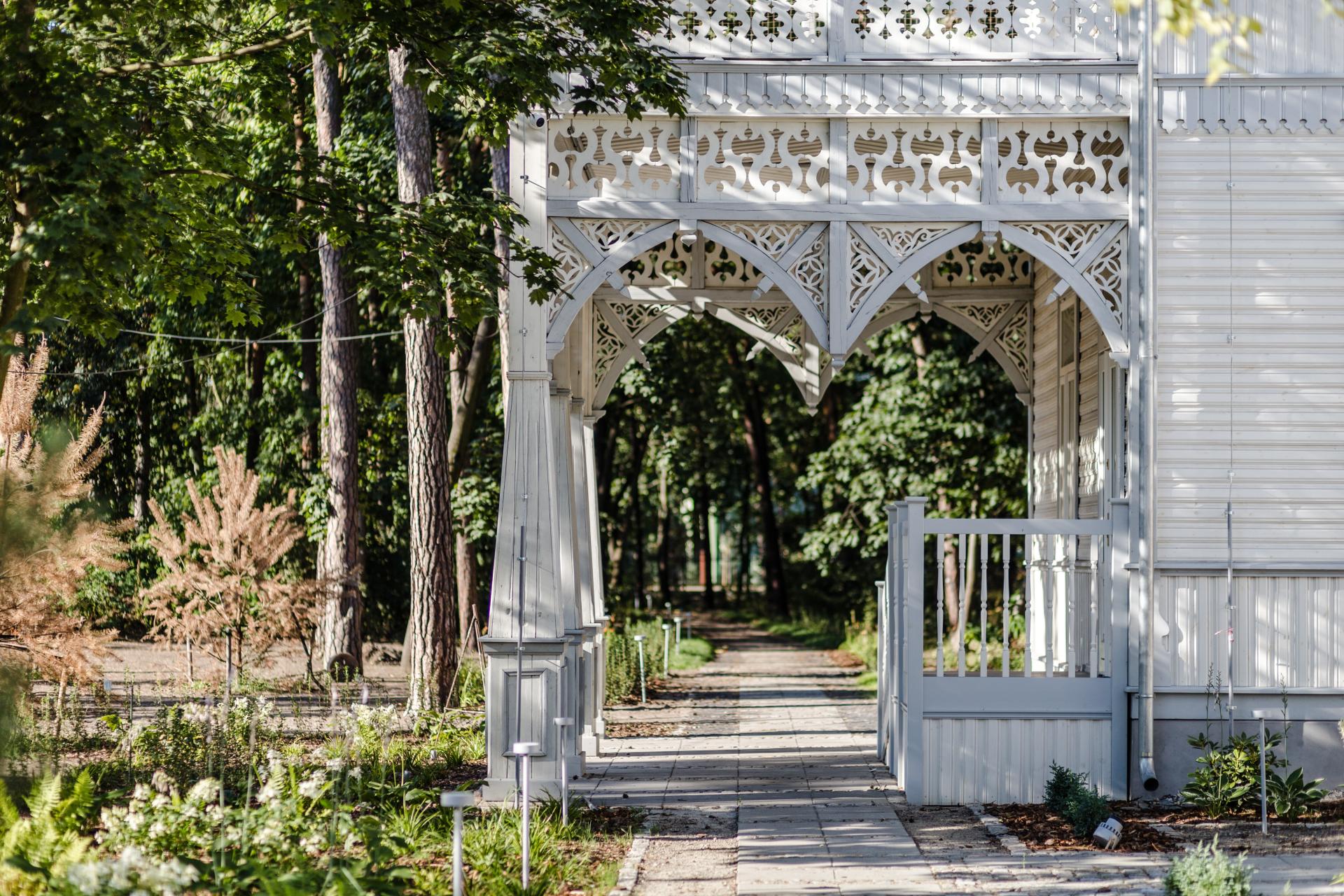
Abram Gurewicz's guesthouse (1906-1921) is a unique example of wooden architecture in the Świdermajer style. The aim of the work was to adapt and expand the facility for the needs of a high-class medical center with extensive diagnostics, a bed ward and an operating block, as well as a hotel and recreation area with catering facilities. Above all, the aim is to restore the facility to its former glory.
Project Region
EU Programme or fund
Description of the project
Summary
The project, the implementation of which we undertook in 2015, assumed the modernization and reconstruction of one of the largest wooden monuments building in Poland into a medical clinic with operating rooms together with a hotel, restaurant and café. An additional element of the task was the renovation and refreshing of a very wild, abandoned park surrounding the building.
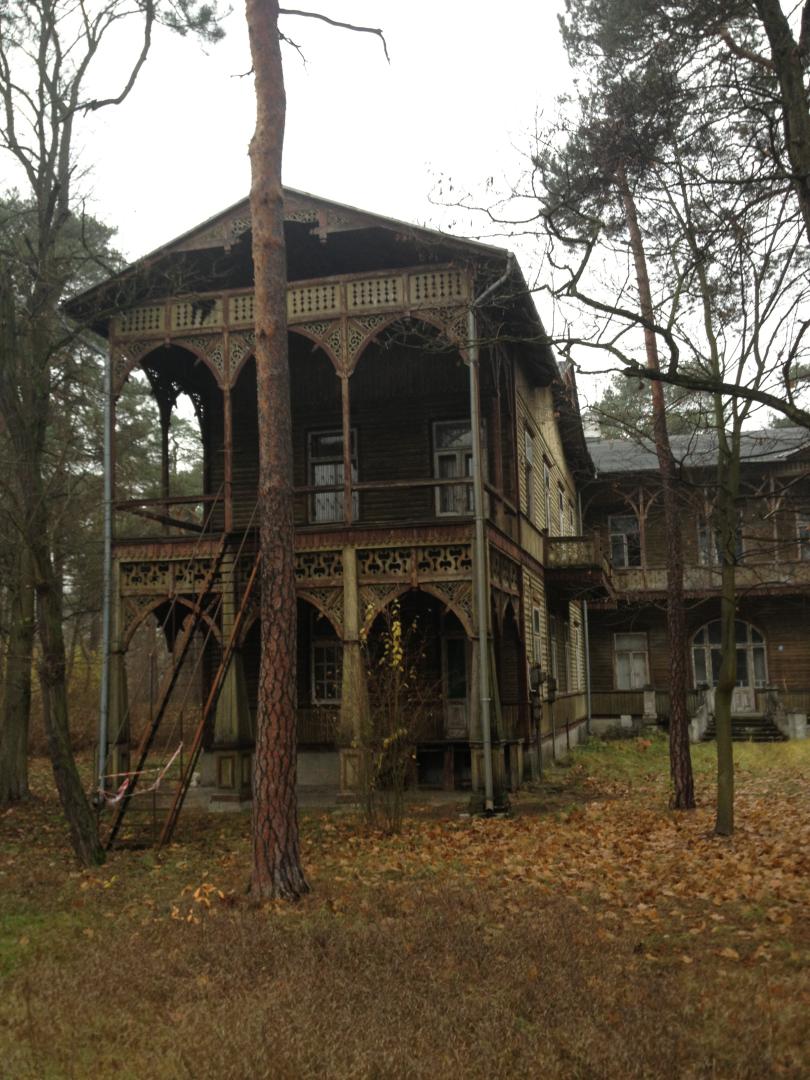
Seemingly from the outside, the multi-winged, two-story building of the former pre-war sanatorium, made in the Vistula style of Świdermajer, turned out to be a real trap for investors and designers.
Key objectives for sustainability
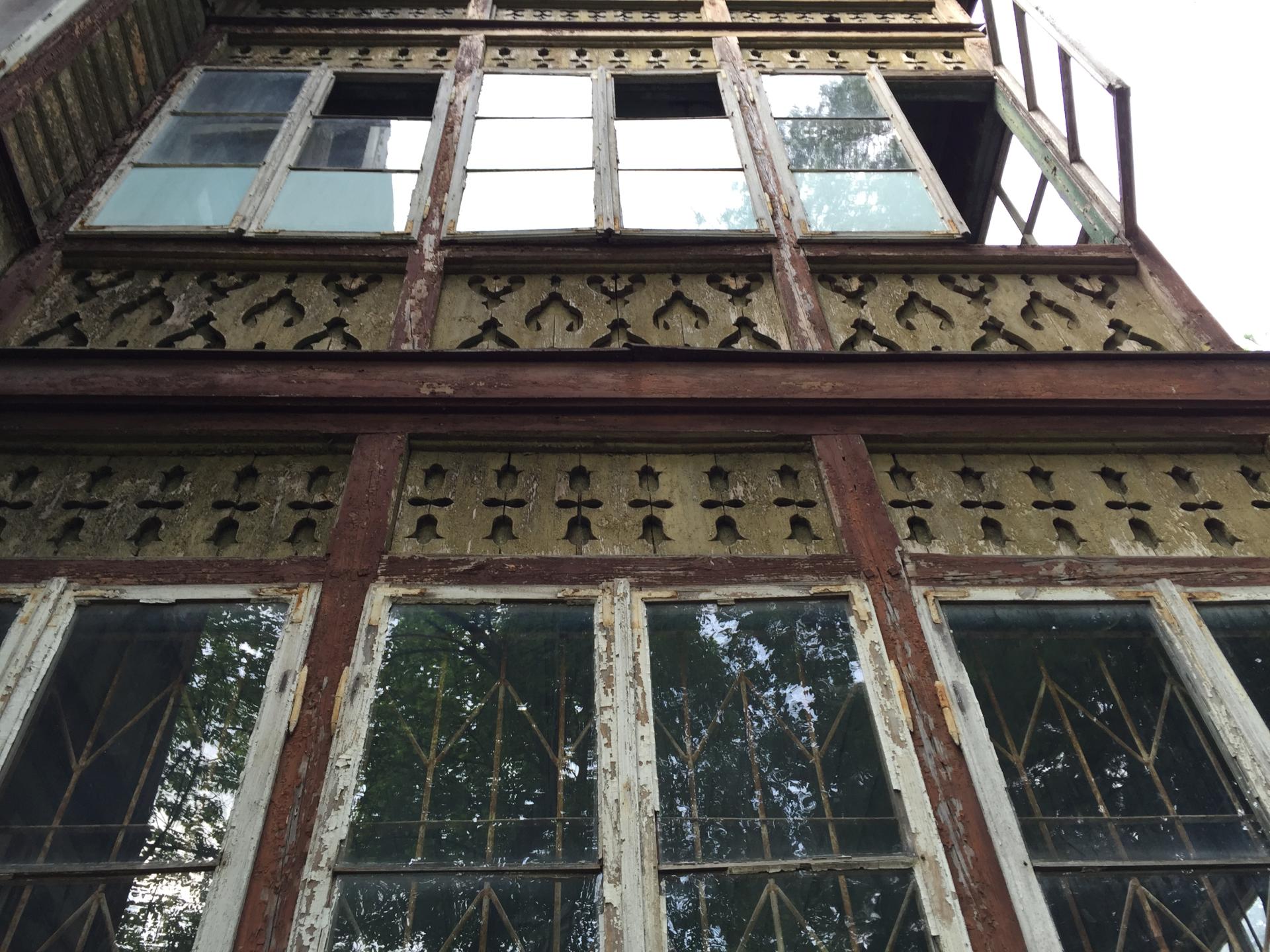
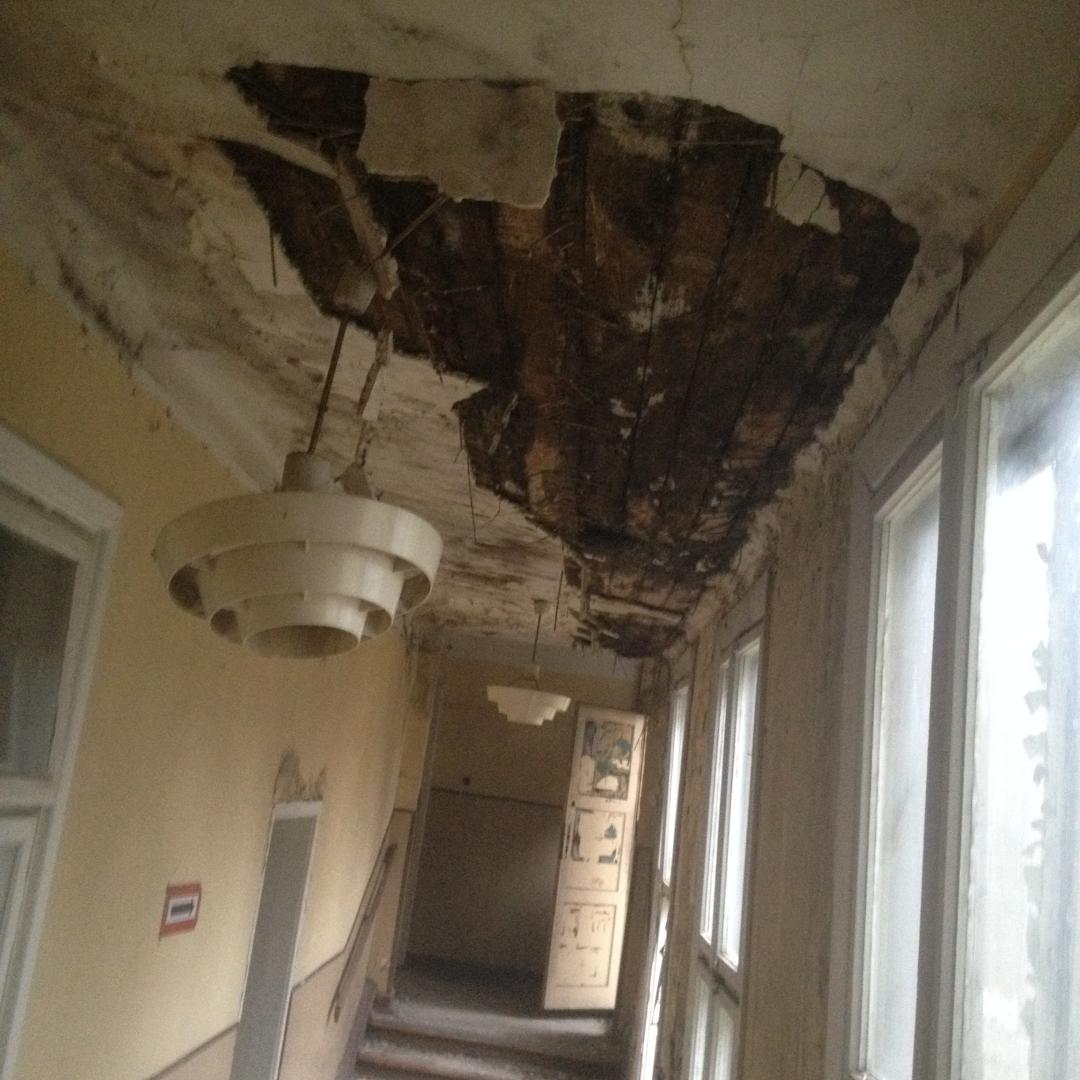
After conducting multidirectional analyzes, it turned out that its technical condition is in a deplorable situation, even with the risk of a construction disaster. The last several dozen years have not dealt kindly with this object, numerous arbitrary reconstructions made by frequently changing owners were performed in a not very professional manner, when abandoned, it fell into disrepair, decaying and corroding, growing with new varieties of destructive mushrooms, from year to year it lost both its material, material and constructional substance, as well as its spiritual value, conservation value. Like the last dinosaur left abandoned, he was wasted before his eyes.
Key objectives for aesthetics and quality
Initially, we assumed leaving as much of the wooden structure of the object as possible and its material substance in place with point interventions to strengthen the existing structure in order to meet modern load and fire parameters. However, due to its actual disastrous condition, after conducting a complete set of analyzes showing over 65-80% degradation of individual elements, together with the investor, constructor and conservation services, we decided to completely demolish the building and restore it using as much original substance as possible.
A detailed selection of individual elements from the often manual demolition works was carried out in a multi-disciplinary team with the participation of conservators, wood technologists, constructors and an architect. All elements that could be reused were sent for cleaning and protection, and those whose physical condition and the degree of biological degradation did not allow it, served as a model to be recreated on the basis of prototypes or found a different purpose and location in the building or its surroundings. In this way, everything that could be preserved and brought back to life could return to its place in the building or in its surrounding.
Key objectives for inclusion
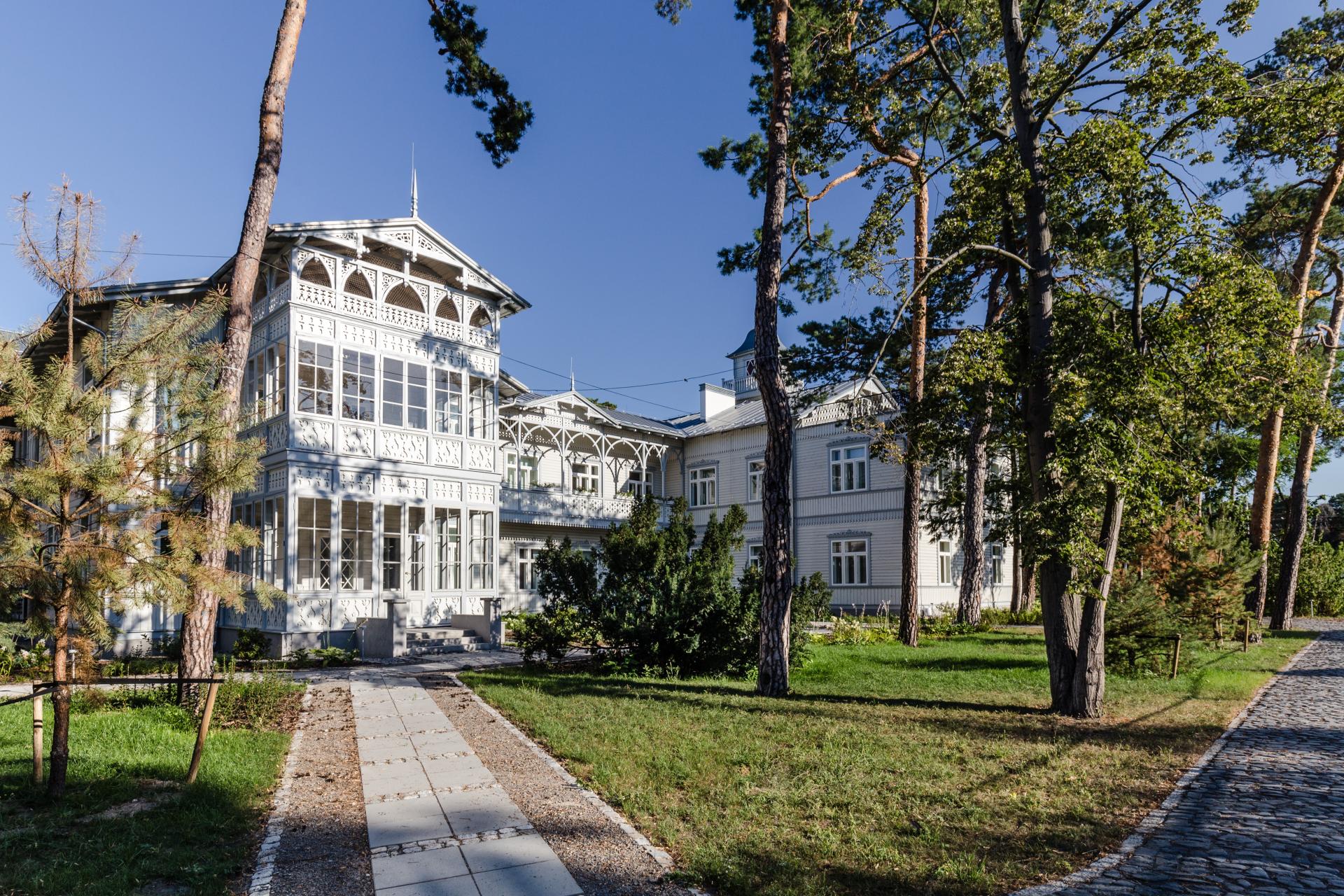
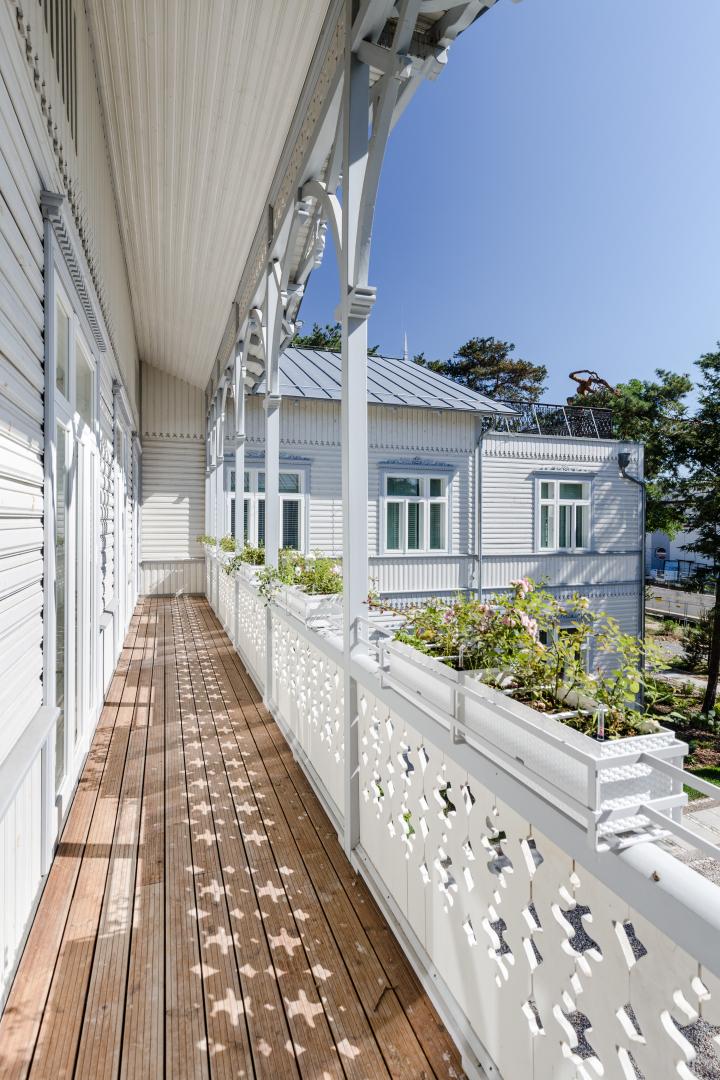
Due to such an evolution of the original design thought and the designers' desire to leave as much as possible of the original substance of the object and the fact that the previous owner of the property rebuilt it in a fairly serious condition, ruining its original wooden substance, we decided to create a contemporary internal, structural core that together with the ceilings, it will carry the operational and fire loads required by law. At the same time, it is enclosed with a wooden structure that is being restored or reconstructed and with covering the facade walls and the roof truss. The solution of the box in the box allowed the building to function in accordance with its original purpose, but at the same time meeting modern legal requirements, while restoring the original or reconstructed wooden substance - the structure of façade walls and roof truss with covering, boarding and all decorative details. In addition, elements such as the doble floors verandas characteristic of the Świdermajer style have been preserved in their entirety. The balcony, sun terrace or the turret crowning the building, damaged by time and war, have been recreated on the basis of photos and restored in their original location. At the same time, everything that remained from the original interior design of the building (doors with frames, coal stoves, cast iron balustrades) was renovated, preserved and restored for use in original or other places on the site. And what, due to insufficient material condition, could not be reused in accordance with its original purpose (such as decorative wooden carved elements, decorating walls and windows), served as a material for the construction of pergolas and gazebos.
Results in relation to category
Thanks to our design activities at the initiative of the investor due to time-damaged, improper use and the lack of a responsible owner of a decaying, decaying and threatening construction disaster, a wooden wreck, pompously named the largest wooden monument in Poland, a reconstructed and modernized object with a function consistent with the original, maintaining at the same time the splendor, character and atmosphere of the original. From the closed, gloomy area in the center of Otwock, which was afraid to enter, an accessible park was created with a beautiful example of local architecture identical to these areas and functions that could serve both local residents and people outside of necessity going to the clinic.
How Citizens benefit
It is one of the very few modernized and preserved Świdermajer of this scale, which, brought back to life, has an impact on the local community, indicating the directions of preservation and modernization of these charming buildings, while at the same time fitting into the foundations of local identity.
Everything that could be kept was preserved, what was impossible recreated in the same material. The dinosaur came to life.
Innovative character
Among the most important values to be protected are the authenticity of the form, material and function that the object used to have. Special attention is given to the openwork decorative elements, which prove that the former Gurewicz guesthouse belongs to the Świdermajer style, as well as the original elements of the interior, such as: selected elements of interior woodwork, tiled stoves and elements of balustrades and interior fittings.