The Voxel: a Quarantine Cabin
Basic information
Project Title
Full project title
Category
Project Description
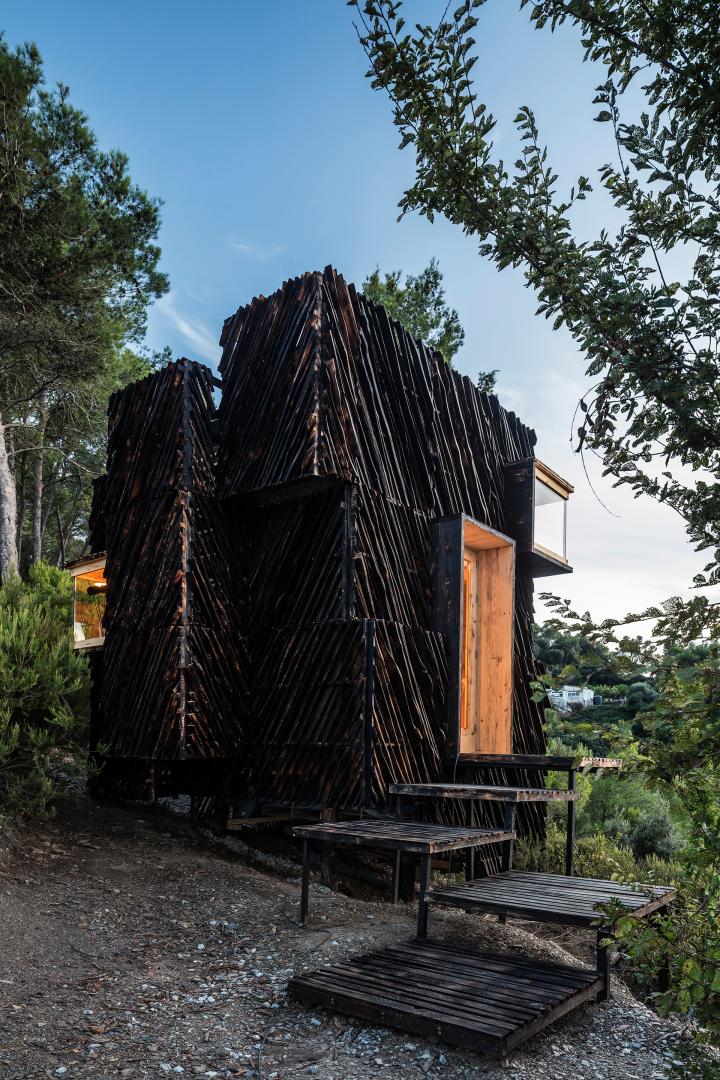
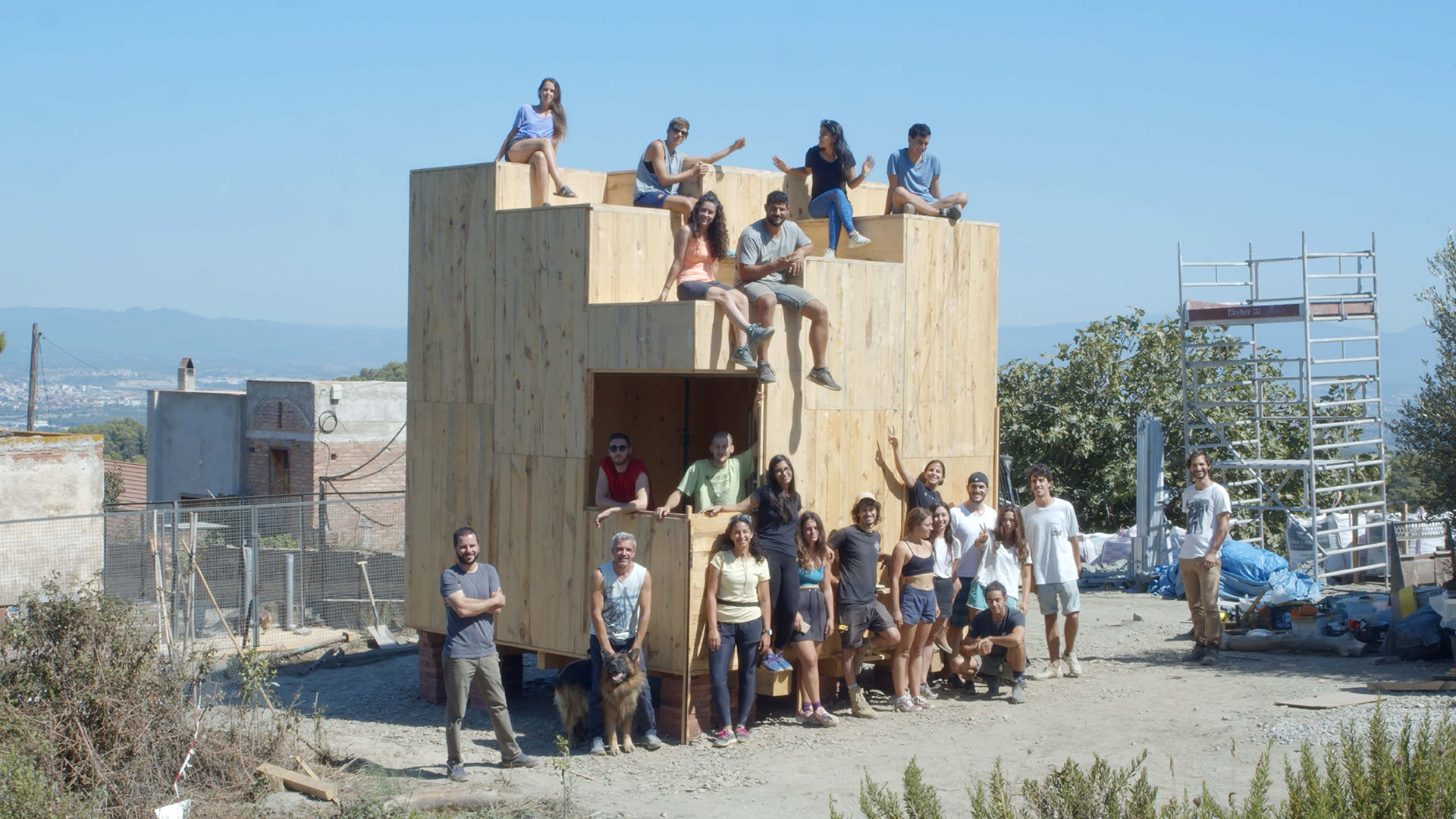
Voxel is a 12m2 CLT structure clad in a parametric rainscreen whose primary materials never left the surrounding forest. ‘Waste’ streams are reimagined as circular flows, for instance by repurposing off-cuts as an organic skin. A quarantine cabin, Voxel accommodates one isolated occupant. Solar panels power lighting and devices. Water collection and recycling integrate with biogas treatment. Optimizing pre-fabrication and rapid deployment, the entire structure was mounted in position by crane.
Project Region
EU Programme or fund
Description of the project
Summary
Voxel is a 12m2 cross-laminated timber (CLT) structure clad in a parametric rainscreen whose primary materials never left the surrounding forest. ‘Waste’ streams are reimagined as circular flows, for instance by repurposing off-cuts as an organic skin. A quarantine cabin, Voxel accommodates one isolated occupant. Solar panels power lighting and devices. Water collection and recycling integrate with treatment generating biogas fuel and fertilizer. Voxel represents a collaboration between students, volunteers, and researchers of the Institute for Advanced Architecture of Catalonia’s Master in Advanced Ecological Buildings & Biocities. Optimizing pre-fabrication and rapid deployment, the entire structure was mounted in position by crane.
Key objectives for sustainability
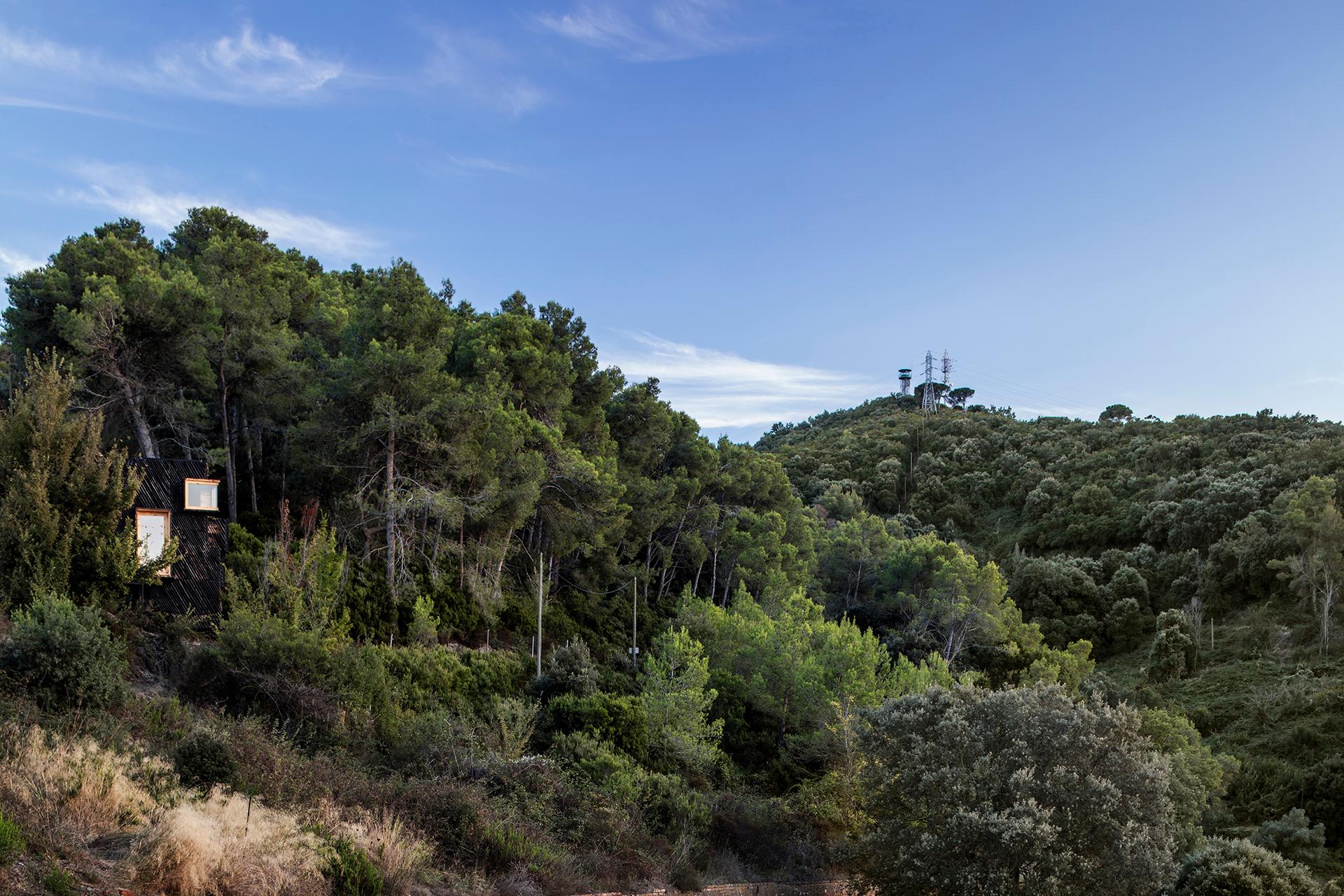
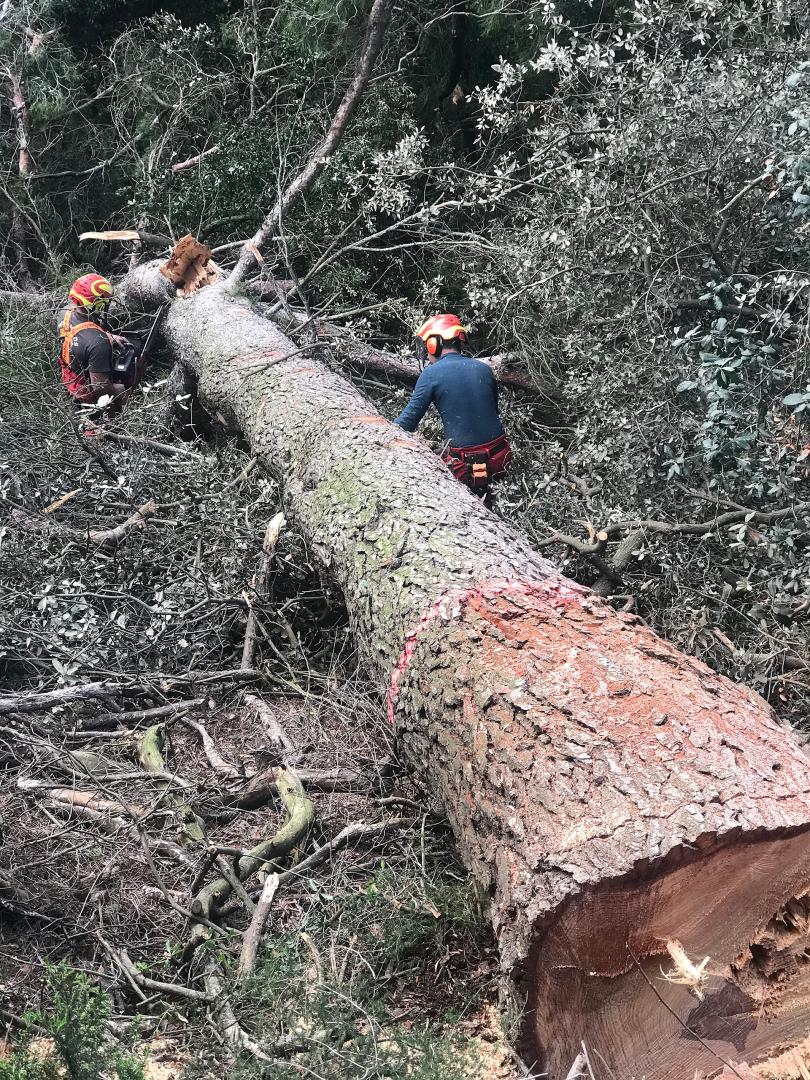
The Voxel is sited in Barcelona’s Collserola Natural Park, and its primary materials never left this site. Processed in immediately adjacent facilities with both manual and computational tools, the Aleppo Pine used in the construction was selectively harvested from the surrounding forest in line with the sustainable management plan to promote succession of a mature, resilient ecosystem. Every timber element can be traced to its point of origin. All building components are rigorously quantified in terms of their geographic source and embodied carbon, accounting for each input throughout the entire respective life cycle. The overall construction sequesters over 3000 kg of CO2e. Software has been developed to display this information with interactive infographics easily understood by non-experts. Global awareness and hyper-localism is combined with the reimagination of linear cycles of material waste as circular flows, for instance by repurposing off-cuts as an organic skin which blends harmoniously with the landscape. The wooden rainscreen elements are protected from fire, infestation and rot by controlled pre-burning, which safeguards their potential for eventual composting due to the avoidance of unnecessary chemicals. All structural joints are fastened with dowels of regional beech wood. Foundations are of poured-earth concrete, substituting industrially produced substrates with filtered soils from the excavation. The structure can thus be demounted, leaving nothing but four small points of solidified indigenous dirt. Solar panels with battery storage power lighting and devices. A rooftop garden, rainwater collection and greywater recycling systems integrate with a self-contained biogas infrastructure for blackwater treatment to generate only usable fuel and sanitary fertilizer as by-products. Containment of equipment in the ventilated voids of the facades and on platforms suspended below the structure facilitate maintenance and minimize environmental disturbance.
Key objectives for aesthetics and quality
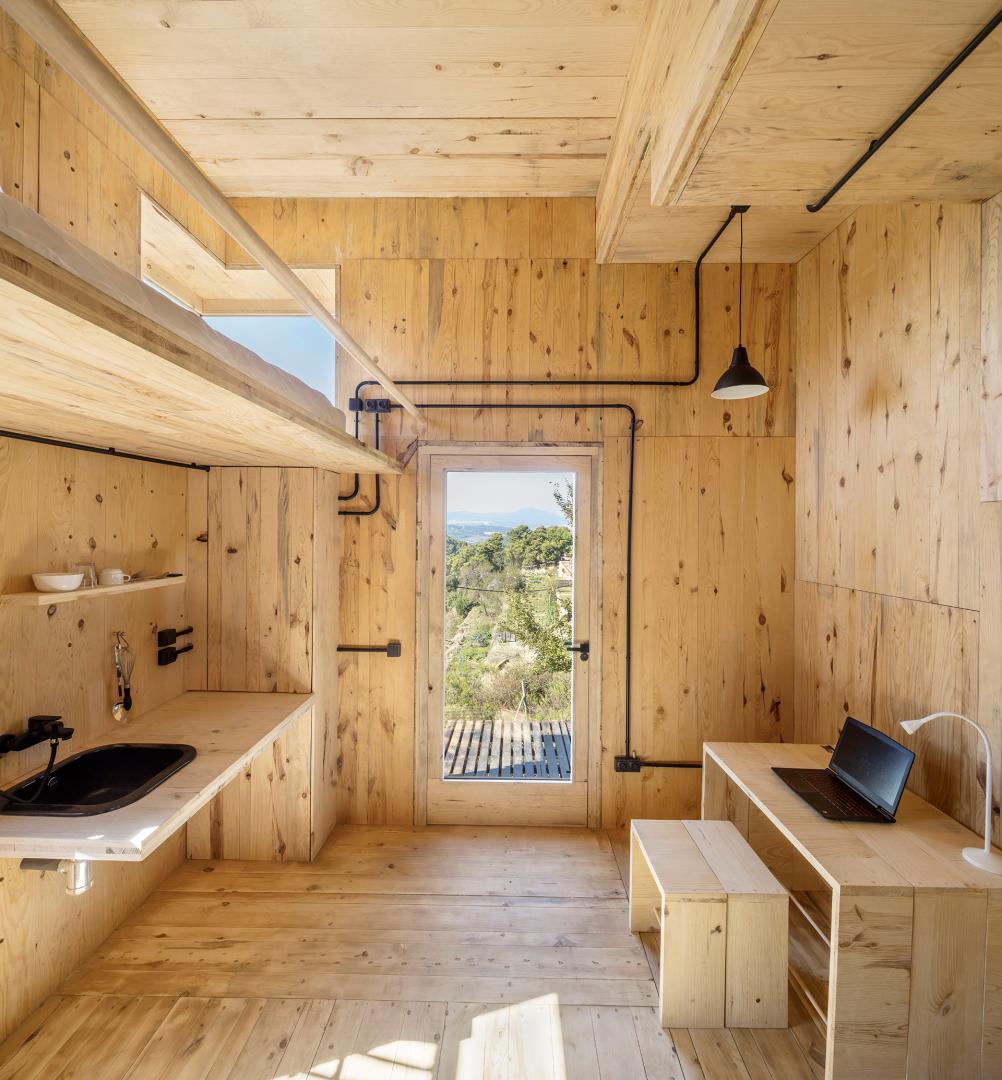
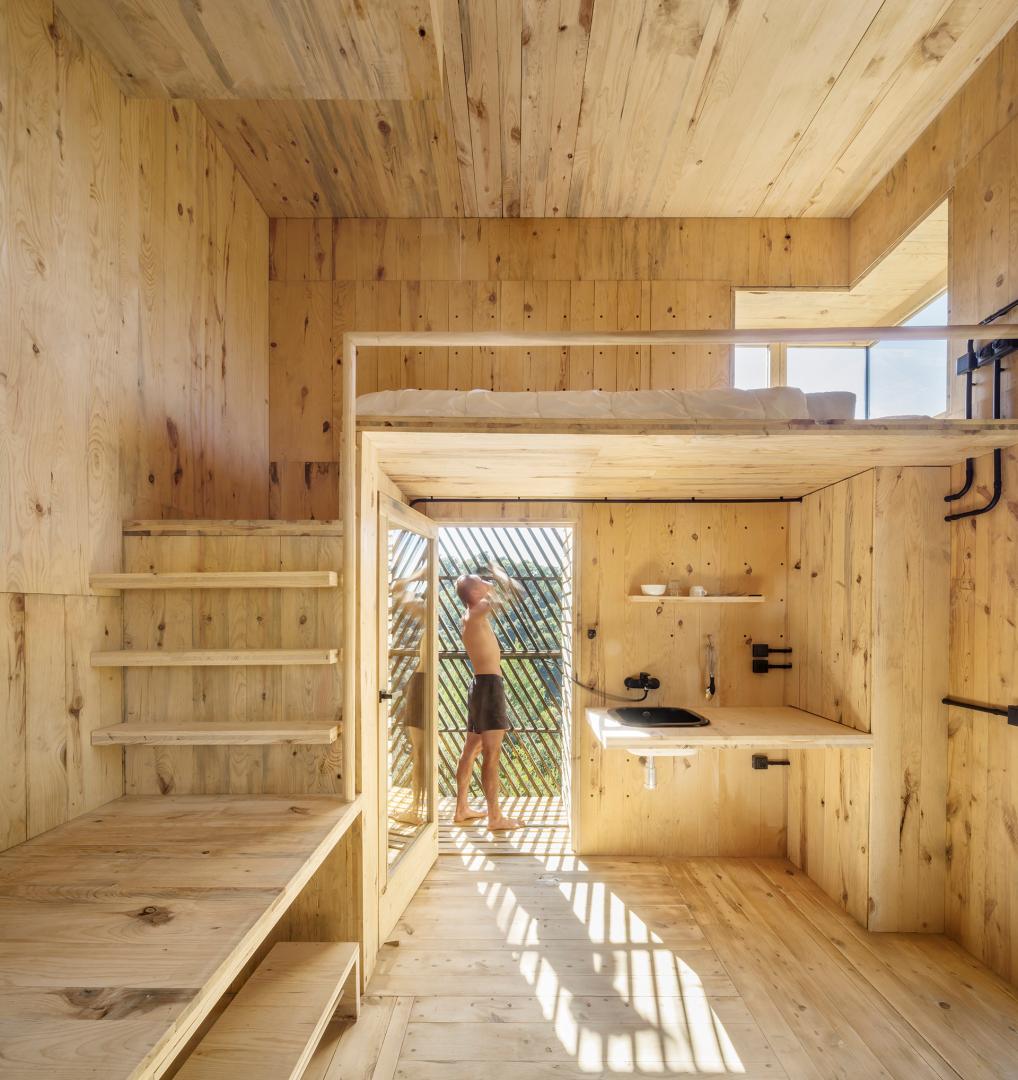
The Voxel was conceived and fabricated during Catalonia’s coronavirus lockdown, and is intended for use as a quarantine cabin. The Voxel therefore accommodates one occupant isolated for 14 days. Yet beyond merely serving this key function, the Voxel offers the isolated resident an aesthetic experience and quality of life necessary to make the period one of introspective enjoyment. The timber used both as structure and finish is beautifully displayed in the cabin's interior, communicating the profound value of the original trees, the process of their formation and of the cabin's construction, as well as appealing to an innate sense of biophilia with naturally complex grain patterns and a tacit sense of exuded warmth. Additionally, bay windows with no corner mullions open expansive views of the stunning landscape, including sunsets behind the mythic Montserrat to the north west, which aid in the maintenance of circadian rhythms. A terraced rooftop garden further provides both aesthetic joy and an activity proven to promote health and wellbeing.
Key objectives for inclusion
The Voxel is a project of the Institute for Advanced Architecture of Catalonia’s Master in Advanced Ecological Buildings & Biocities (MAEBB) 2019/20, representing a collaboration between 17 international students, volunteers, and the Valldaura Labs team, along with consultants and sponsors. This cross-cutting endeavor far exceeded the bounds of conventional architectural curricula, incorporating synthetic interdisciplinary understandings spanning ecology, energy/water/waste engineering, digital and manual fabrication processes, computational design and modeling, material science and more. Also, the majority of the students were resident at the host facility of Valldaura Labs for the 11-month duration of the programme, resulting in an inclusive, globally-representative community sharing respective histories, cultures, cuisines and perspectives in addition to academic/professional knowledge. Notably, this community banded together during Catalonia's strict lockdown to continue living as a large family unit, drastically limiting physical engagement with the outside world in order to mitigate the risk of group contagion, thereby maintaining the potential for inclusive social cohesion despite the difficult circumstances.
Results in relation to category
Along with the ecological aspects described in the preceding paragraph regarding sustainability and the close reciprocal relationship promoted between the Voxel's material production and the healthy successional development of the surrounding forest, the Voxel is optimized for pre-fabrication and rapid deployment; all CLT and facade modules were prepared in secure workshop settings before being quickly assembled near the final site. The completed structure was then mounted in its ultimate position by a crane. These strategies maximise safety, precision, and efficiency, while mitigating damage to the site.
How Citizens benefit
As mentioned above, the Voxel was conceived and fabricated during Catalonia’s coronavirus lockdown, and is intended for use as a quarantine cabin. This asset proved critical to protecting the community resident at the Valldaura Labs site where the Voxel is located. Valldaura Labs is anchored by a XIX-century farmhouse, renovated to feature domestic and academic amenities along with a digital fabrication lab and carpentry workshop. The majority of the resident MAEBB students remained throughout the pandemic, living in a tight-knit communal setting. Accordingly, they benefited immeasurably from this project, both because its existence prevented newcomers from devastatingly introducing the virus into this group living scenario, and because the project's realisation provided the students a worthy shared purpose to continue working toward despite public health restrictions, thereby achieving continuity in their intellectual development. Of course, the students' deep personal attachment to the project also greatly improved their investment and the consequent quality of the outcomes.
Innovative character
The Voxel is exceptionally innovative in numerous respects: the integration of computational design and digital fabrication tools with natural materials; the exclusive reliance on locally harvested, carbon-sequestering materials; the associated development of new digital tools for visualising embodied carbon and energy; the inherently collaborative and interdisciplinary nature of the project's co-design and realisation processes; the integration of techniques from distinct building traditions or cultures such as the controlled charring of the skin inspired by Japanese yakisugi with the dowelling of the CLT joints inspired by Scandinavian furniture design; the specific elaboration of a previously undeveloped architectural function/typology as a 'quarantine cabin'; the emphasis on cyclicality in all production; and the fabrication of conventionally industrial building products like CLT with artisanal methods among other factors.