Metrolab Brussels
Basic information
Project Title
Full project title
Category
Project Description
Metrolab is a Brussels based transdisciplinary laboratory at the interface between urban applied urban research and policy-making. Metrolab gathers researchers in urban planning, sociology, architecture and geography. Through fieldwork, codesign and action research, it addresses inclusion and sustainability in the city. It develops tools for a transversal approach to urban projects in order to foster their anchorage, involving regional administrations, local projects and citizens' association.
Project Region
EU Programme or fund
Which funds
Other Funds
ERDF Programme 2014-2020 in the Brussels-Capital Region
Priority 1: Increase research and improve the transfer and promotion of innovation.
Description of the project
Summary
Metrolab Brussels is a transdisciplinary and inter-university laboratory funded by the European Regional Development Fund (ERDF) program 2014-2020. Metrolab's contributions concern Brussels' planning and urban renewal policies as a whole with a specific focus on projects funded by the ERDF program. Metrolab brings together different research skills to assist public actors in the process of policy-making. To meet the challenge of complexity, the different expertises, methodologies and perspectives involved in the study and design of the urban environment, must seek to meet and agree on situations and practical cases. Urban planners, sociologists, geographers and architects work together on urban projects funded by the ERDF-Brussels policy and support its project leaders in their achievements.
Metrolab has a scientific role. The laboratory trains researchers, practitioners, doctoral students and students in interdisciplinary research through action research and urban design. It strives for a more practical, applied and committed urban research on issues of inclusion and sustainability through promoting the use of co-production and citizen science. Metrolab thus contributes to the coherence of inclusive and sustainable urban development and policies.
Metrolab has a mediation role. The laboratory-observatory is at the interface of the different Brussels actors concerned by these urban projects: decision-makers and agents of regional and municipal administrations, project leaders, technical experts, users, citizens and associations. Applied and involved research is intended to mediate between these actors, for an urban development integrating a plurality of intelligences while remaining close to the field.
Key objectives for sustainability
The guiding objectives of the ERDF Operational Programme 2014-2020 aim to make the Brussels-Capital Region a more inclusive, greener and smarter city.
Metrolab has broken down these objectives into 3 clusters:
- The urban inclusion cluster focuses on social inequalities, their consequences on access to the city, and the possibilities of fostering inclusion and environmental justice through the appropriation of its spaces both builts and naturals
- The urban ecology cluster considers the city as an ecosystem (a set of interdependent relationships) and considers the continuity between human/built environments and natural environments.
- The urban production cluster examines the relationships between the logic of the city and the various issues linked to the maintenance of circular economic activities within the urban fabric.
In all the activities it has developed during the past years, Metrolab has taken the standpoint of urban ecology affirming the continuum between human/built and natural environments. Brussels has been considered as an ecosystem and urbanization itself is a constitutively socio-natural process. Brussel’s metropolitan area is the context where the intricate socio-natural relation of the city unfolds. The close collaboration of the scientific disciplines gathered in Metrolab has enabled to scrutinise Brussels Metabolism as well as its ecosystems services enhancement through process-oriented accounts of its circulatory dynamics. As a result, this has emphasised the interplay of local, regional, and global systems sustaining the city reproduction and has informed practitioners – the actors of the ERDF projects – about the impact of their interventions.
Key objectives for aesthetics and quality
In the Brussels-based project accompanied by Metrolab, the architectural factor is at the core of the challenges that projects are facing. Therefore, the aesthetic value is a matter of primary importance. Through its expertise in project innovation and in terms of mediation, Metrolab has been able to help contracting authorities in the identification of social issues and uses, upstream of architectural projects, through the organisation of co-design workshops. Additionally, Metrolab has also helped to conceptualise certain theoretical notions that have been included in the technical specifications of architectural competitions.
Here are two examples of projects for which Metrolab's expertise has been solicited to improve the qualities of use and aesthetic of the buildingsto be constructed:
- Usquare.brussels is a project that consists of transforming barracks into a sustainable and international neighbourhood, including a student city and affordable housing. Metrolab was asked to help identify the challenges of this historically closed site and to find solutions to make it "open to the city". The notion of "inclusive enclave" was proposed during a seminar with the stakeholders. The project selected at the end of the public competition, takes account of these issues.
- During the collaboration with Médecins du Monde, Metrolab accompanied the contracting authority in order to integrate to the building an aesthetic dimension besides to its functional care function, namely a feeling of hospitality and security. The co-creation process included visits to similar existing care facilities in order for participants to experience which architectural features would (de-)emphasize these impressions. Metrolab also organised a co-design workshop with stakeholders, the results of which were integrated into the technical specifications framed by the contracting authority to select the final project. The designated project incorporates many of Metrolab’s recommendations.
Key objectives for inclusion
Our objective is to contribute to a better consideration of the anchorage of projects in the urban and social environments where they are developed; and to improve the qualities of inclusion and hospitality of future urban projects. To do so, we have developed different transdisciplinary tools such as collective mapping or action research.
Firstly, we focus our attention on the social character of these environments and on the actors involved in these projects by playing the role of mediators:
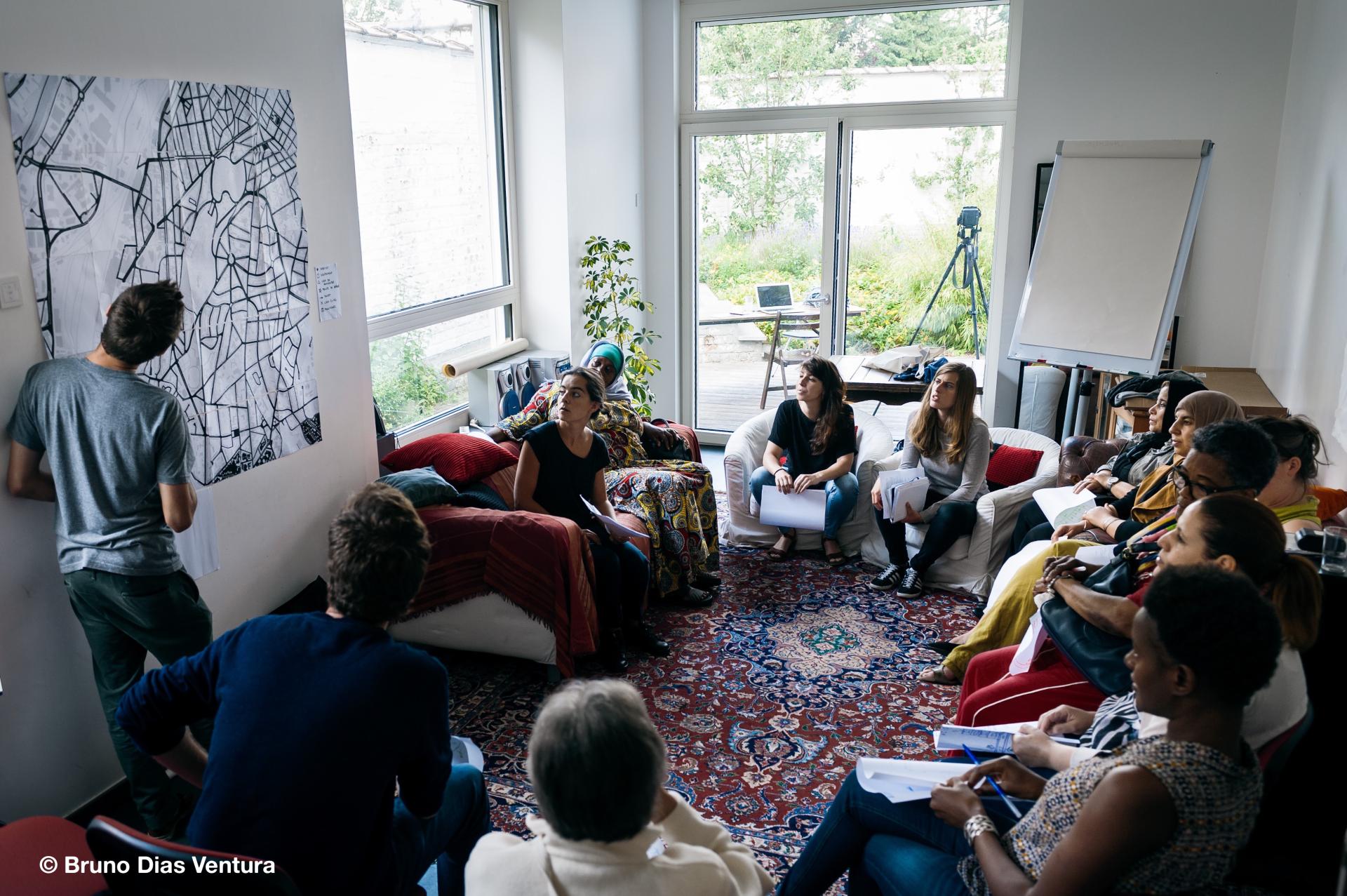
- The ABŸ project aims to restore the site of the Forest Abbey in order to improve the cultural offer and to redevelop the gardens to make them a "place for living together". Metrolab played a role of mediation between the current users of the area and the project leaders. Through the coordination of 9 mapping workshops with more than 40 inhabitants, the exhibition of the workshops outputs and the consequent contribution to the process of making public spaces and gardens of the Abbey, Metrolab has brought new perspectives on how these publics can be included in the development of a project.
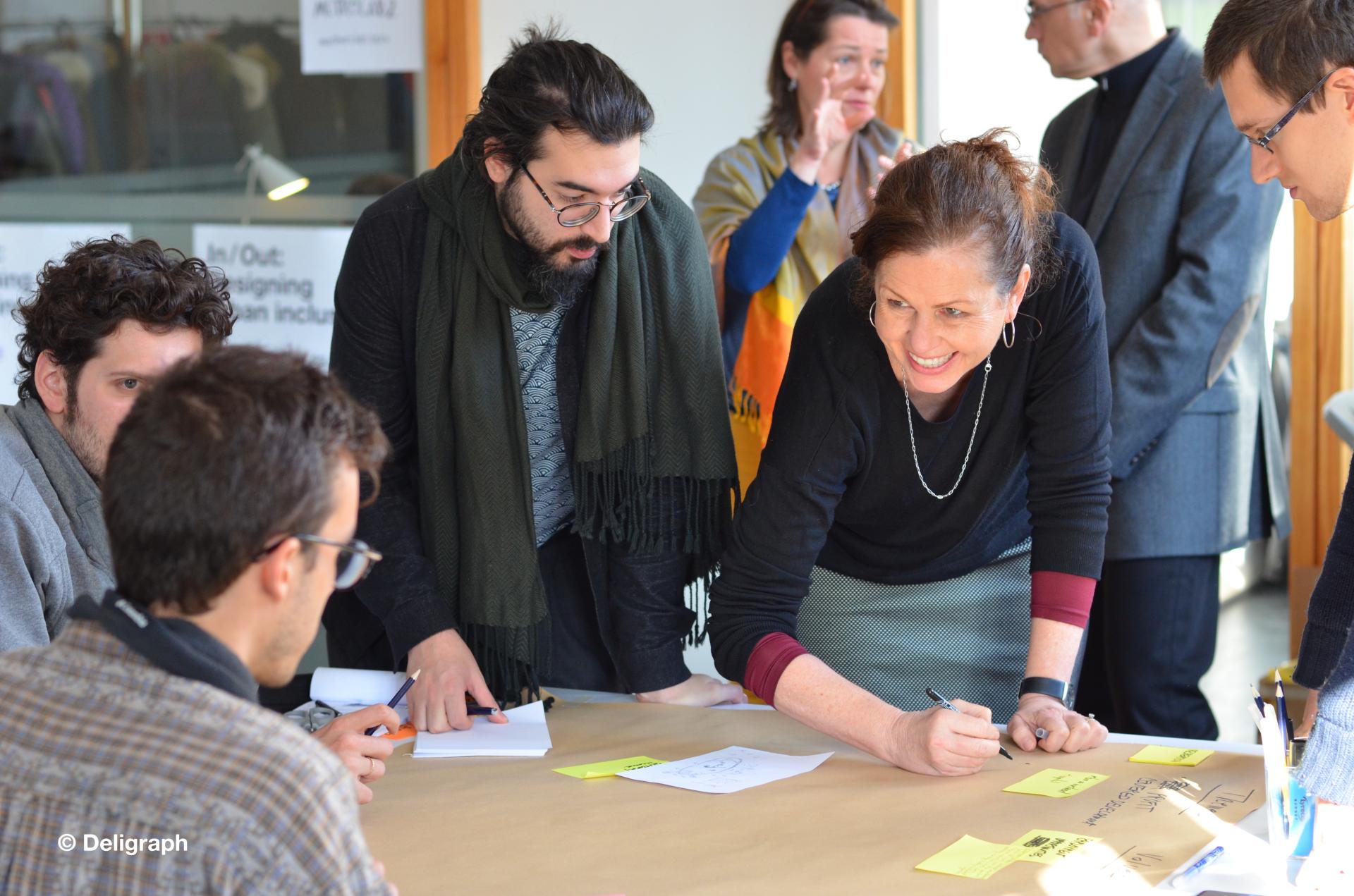
Secondly, Metrolab aims at improving the qualities of inclusion and hospitality of different urban projects, through a dialogue between social sciences and urban design. To this end, we develop codesign workshops with users in order to identify design principles for various public facilities.
- The NGO Médecins du Monde wants to build a new building in Cureghem, (Anderlecht), an Integrated Social and Health Centre (CSSI) of 1500 m2. The objective of the ISSC is to improve the health offer in a neighbourhood marked by strong socio-cultural diversity and several social barriers. Metrolab has created spaces for dialogue between associative actors in the field of health, health professionals, social workers and Médecins du Monde. By giving everyone a voice and practical tools, the workshops helped to reduce tensions and to adapt the project to the needs of the people of Cureghem.
Results in relation to category
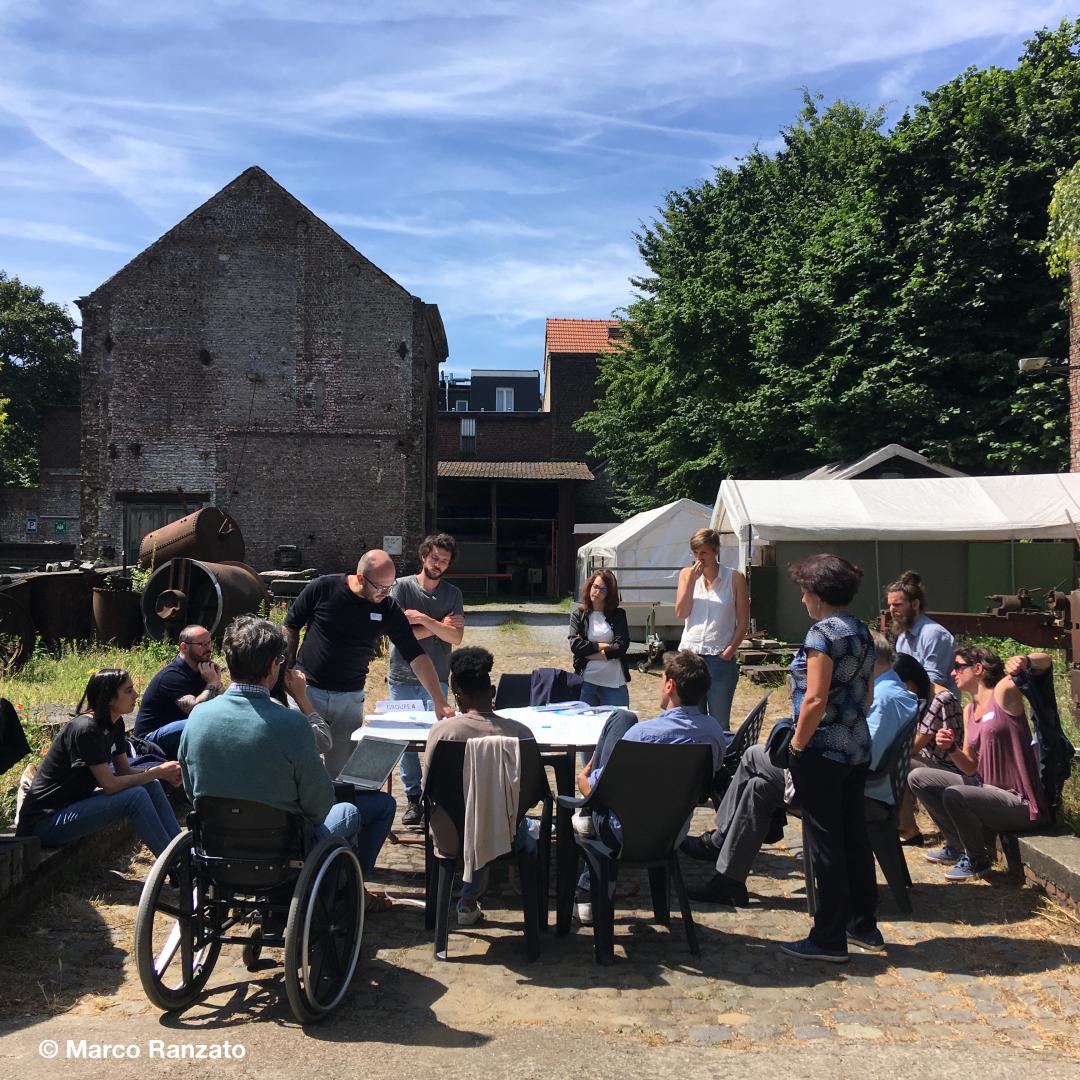
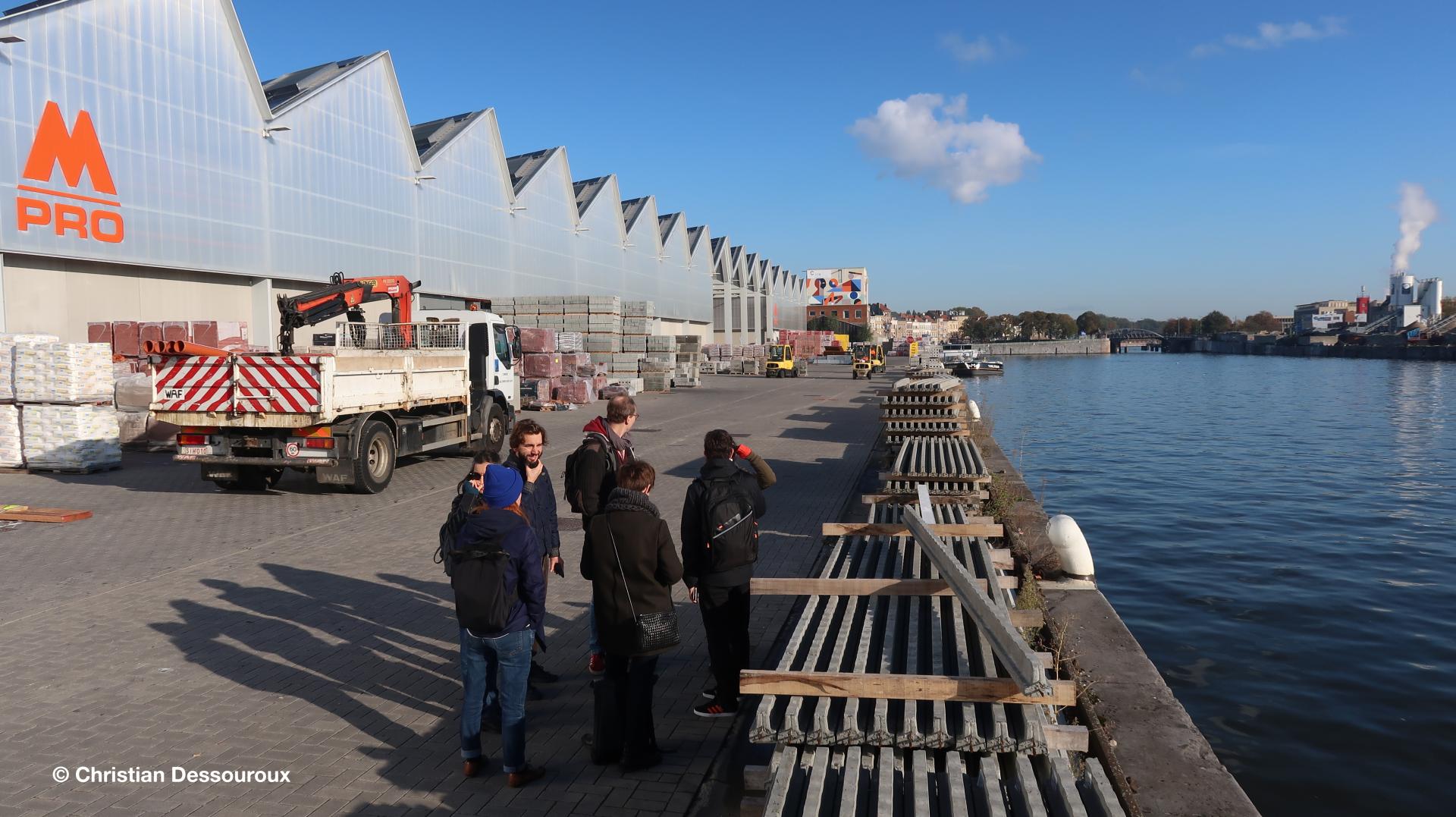
The master classes bring together students, researchers, professors, local actors and city professionals from different disciplines and institutions. The participants are challenged to experience the field, by going in situ to analyse the development of certain development projects supported by Metrolab and financed by the ERDF. Their goal is to reflect together in an interdisciplinary way on concrete recommendations that could improve public policies in the city. In this context, Metrolab wants to contribute to the production of conceptual and visual tools to rethink the design of current projects and to develop international exchanges, including between researchers and city practitioners. Each master class results in a publication, in order to share the methods, debates and research conducted.
Seminars and conferences organized by Metrolab for a variety of audiences aim to deepen urban issues related to inclusion, ecology and urban production. The idea is to encourage dialogue between the different actors of urban development projects and to create spaces for meeting and sharing work between professionals.
The logbooks, which will be published during 2021, focus on problems and research methodology developed from an applied and interdisciplinary perspective by Metrolab researchers. They aim at providing actors in urban public action with tools that have been tested within Metrolab.
In terms of impact, these three categories of intervention aim to train a new generation of researchers and city professionals who are able to think and make the city together, respecting the city contexts and the needs of its inhabitants. Metrolab is an ongoing collective platform that has generated different kinds of outputs (videos, publications and books). All these outputs are gathered on the project’s website and audiovisual library in open access.
How Citizens benefit
The involvement of citizens and civil society takes different forms:
- via applied research work, especially during the fieldwork, which implies continuous exchanges, and via workshops which allow them to be involved in discussions about the conception and realisation of urban projects in the design and in the implementation process. Through these methods we seek to support the inclusion of their voices, perspectives and expectations.
- through participation in scientific activities (seminars, conferences, master classes) organised within the framework of the Metrolab which focus on specific themes related to the research carried out. These events are addressed to project leaders, associative networks, public or private, researchers and students as well as to everyone interested in a certain theme. They represent an opportunity to deepen and co-construct a collective knowledge of urban issues in a practical and theoretical way.
These methods have helped to improve the inclusive qualities of certain urban projects, whether by involving citizens in the codesign of public or social facilities, or by allowing them to have a voice into the discussion or decision-making processes that support their development.
Innovative character
The innovative character of the Metrolab lies in the new role given to research. The Metrolab gives rise to mediation through research: learning and experimenting with research methods that make it possible to open up a dialogue between project leaders, political actors and citizens who are affected by the projects being set up but who are absent from the discussion and participation processes concerning their development.
A more democratic role for research is thus emerging, with the aim of raising awareness, developing and educating researchers, students and practitioners in a cross-cutting approach to the issues at the heart of European policies.