Interdisciplinary PhD study program
Basic information
Project Title
Full project title
Category
Project Description
The Renewable Materials for Healthy Built Environments PhD program at the University of Primorska in Koper, Slovenia offers a students sophisticated and interdisciplinary perspectives on sustainable and healthy construction. Students receive a highly interdisciplinary education exploring cutting edge topics and holistic approaches that prepare them to lead the construction sector’s transformation to creative and evidence-based solutions in engineering, science, and design.
Project Region
EU Programme or fund
Which funds
Other Funds
- H2020 WIDESPREAD-01-2016-2017 - Teaming Phase 2, (2017 – ongoing)
- Erasmus+ (2018 – ongoing)
- H2020 DT-TDS-01-2019 - Smart and healthy living at home (2019 – ongoing; student involvement outside the university)
- H2020 CE-SC5-08-2018-2019-2020 - Raw materials policy support actions for the circular economy (2018 – ongoing, student involvement outside the university)
Description of the project
Summary
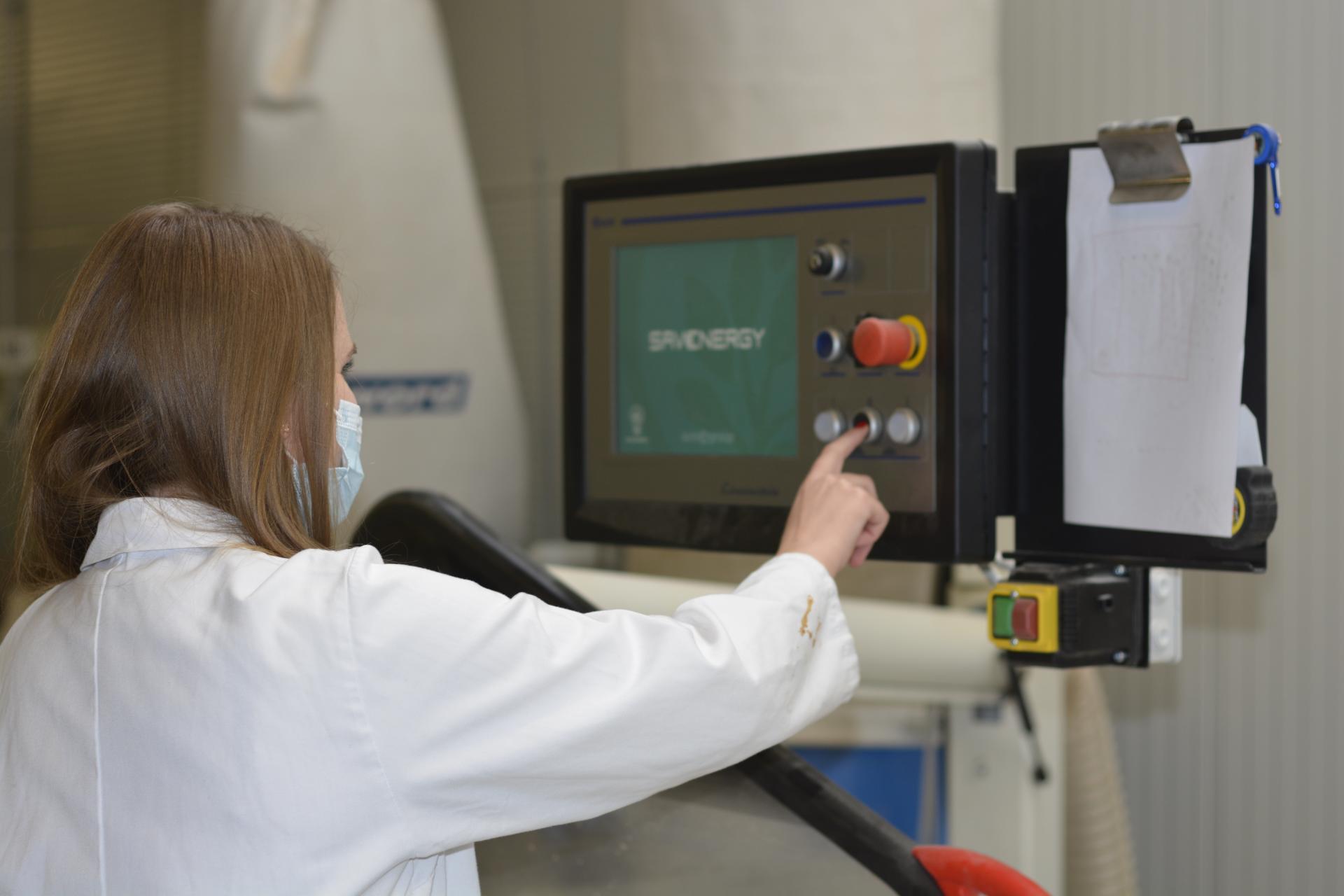
In 2020/2021 school year, the Faculty of Mathematics, Natural Sciences and Information Technologies at the University of Primorska opened a new and distinct doctoral program to prepare the next generation of sustainable construction experts. The Renewable Materials for Healthy Built Environments PhD programme, educates students in the field of sustainable construction with a focus on renewable materials, like wood, and occupant wellbeing. Students gain an in-depth understanding of theoretical concepts and practical applications, broad technical experience and the ability to independently develop new knowledge. The program supports students as they learn and engage in interdisciplinary and collaborative scientific research in a dynamic and evolving field. This approach, coupled with the program’s international network involves the students in solving complex and demanding theoretical and practical problems. It prepares doctoral students to apply analytical and synthetic thinking, well-reasoned communication and problem solving in the drive to address climate change and create social change through modern and inclusive construction practices.
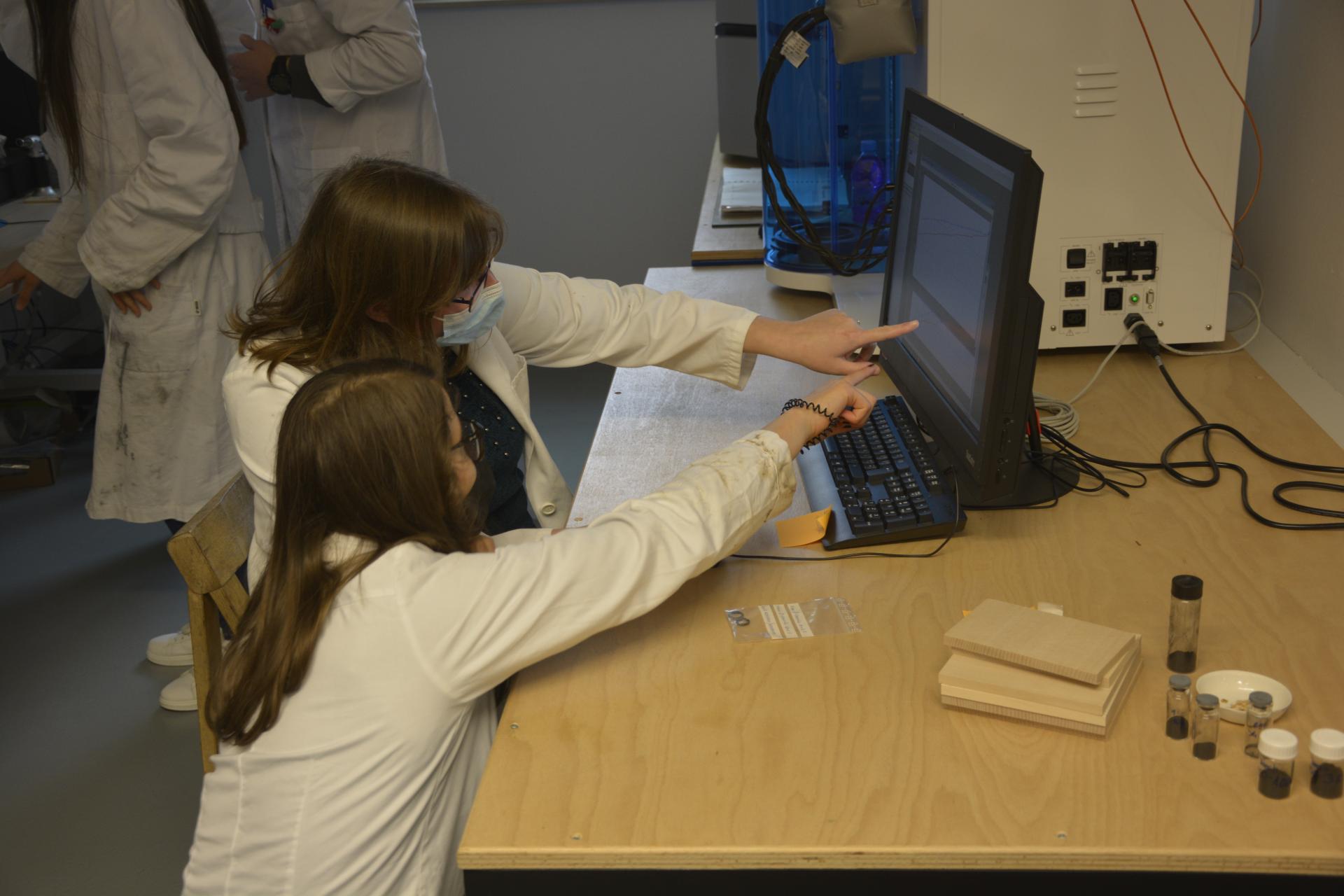
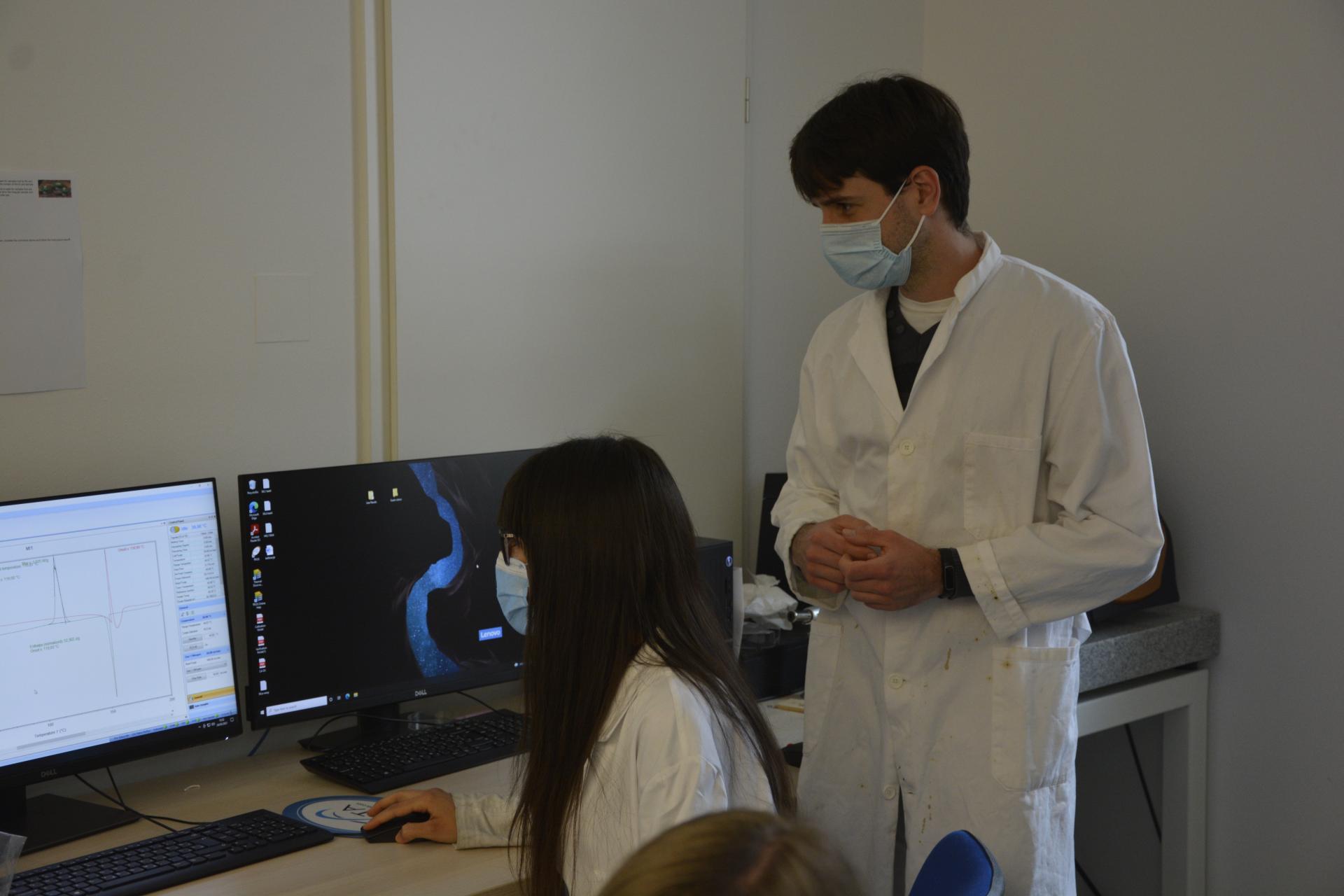
The study program is based on a well-rounded foundation of knowledge, including construction, wood science and technology, and architecture sciences, sustainability, wellbeing, and many complimentary topics like writing and communication, information technologies, and analytics. The program’s advantages lie in the interdisciplinary combination of relevant and necessary topics needed transform the current construction paradigm. In addition to coursework, the students are heavily engaged in state-of-the-art research that is directly applicable to improving construction practices to provide safer, healthier, and more sustainable buildings. This is enhanced by the broad international scientific networks the instructors are involved in, which provides opportunities for international experience and collaboration.
Key objectives for sustainability
The overall objective of the program is to prepare students for careers in sustainability focused fields in academia, industry, policy, and social good organizations. The program builds on a foundation of renewable material science, engineering, and sustainability factors (social, environmental, occupant wellbeing, economic) that allows students to specialize in their areas of interest and develop careers that will serve society through contributions to evidence-based sustainable construction practices that directly contributing to mitigating the climate harm of the building sector. As the program ends its first year, the results are already beginning to take shape. The 8 PhD students have elected a variety of vital topics related to sustainable and healthy construction with renewable materials and are already making scientific contributions. Students are pursuing research in sustainability communication, stress and wellbeing in built environments with wood, the design and testing of new composite materials, ageing well in the built environment, and knowledge management, amongst other related topics.
The programme is in line with current topics and events in sustainability, and includes lessons in building certification systems, policy, Levels as well as engagement and ongoing national and international research programs. The program follows national concerns as well, such as the national strategies "Increasing the competitiveness of agriculture, forestry, fishery and food production" and "Sustainable use of production potentials and providing agriculture, forestry and fishery related public goods".
Students have already made an impact on sustainability research through their contributions to science. Students participate in 9 H2020 projects, 2 Erasmus+ projects, 1 COST action, and 4 national projects. They have published 12 scientific journal articles, 8 conference contributions, and have shared their work with professional audiences and policy makers as well.
Key objectives for aesthetics and quality
The PhD study program combines a truly broad range of aspects not frequently considered together in research or sustainability practice. The goal is to ensure students gain a holistic perspective on what sustainability is, and how the built environment interacts across all domains of sustainability including environmental, occupant wellbeing, social and economic. Students learn to consider indoor environmental quality as an integral part of occupant wellbeing and performance – a key pillar of a holistic sustainability approach. The curricula engages students in the development of Restorative Environmental and Ergonomic Design (REED). REED is a design paradigm focused on bringing the benefits of nature to where people spend most of their time – indoors. This evidence-based approach addresses psychological, physical, and cognitive benefits of design decisions to guide architects and other designers in creating buildings that benefit occupants as much as the environment.
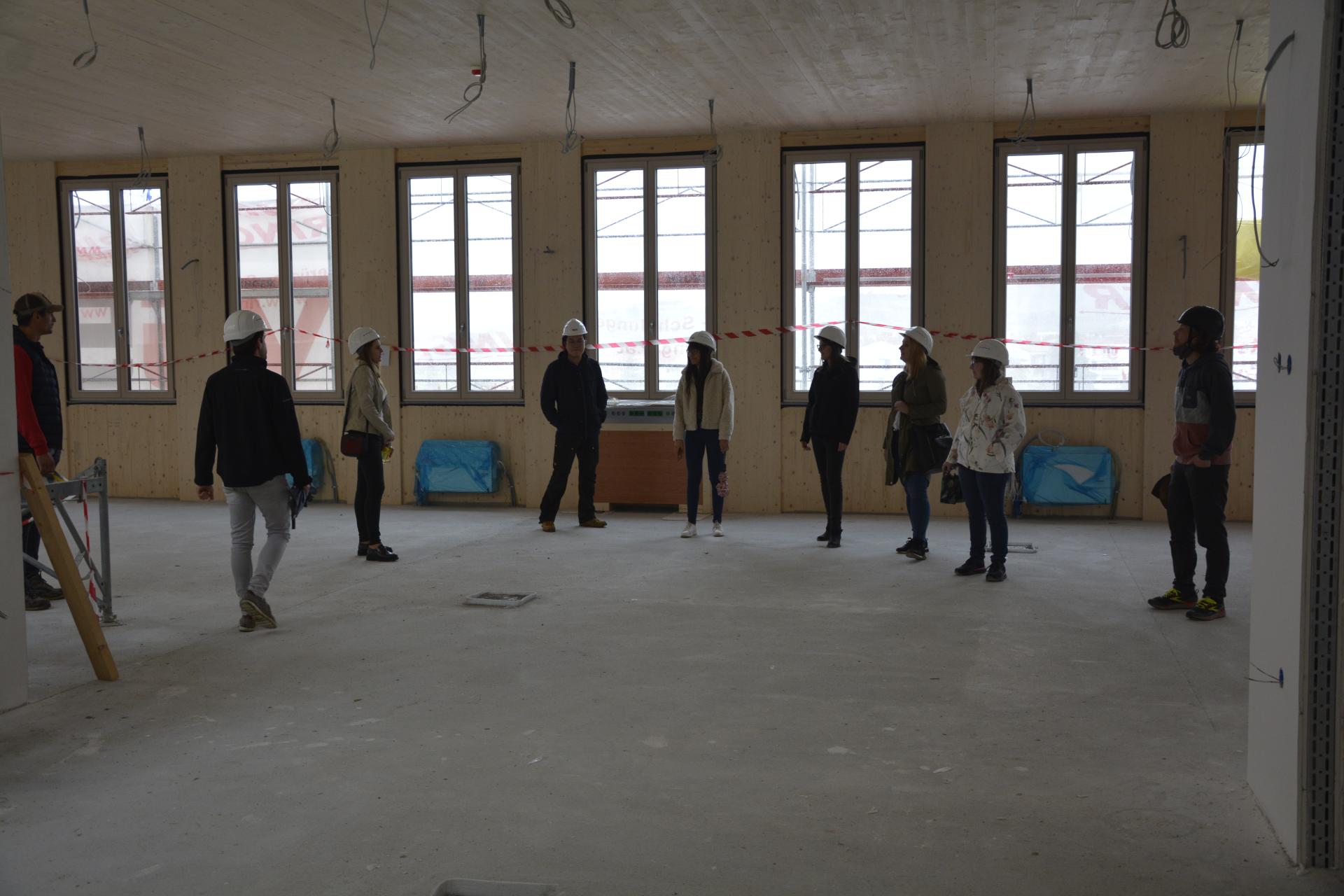
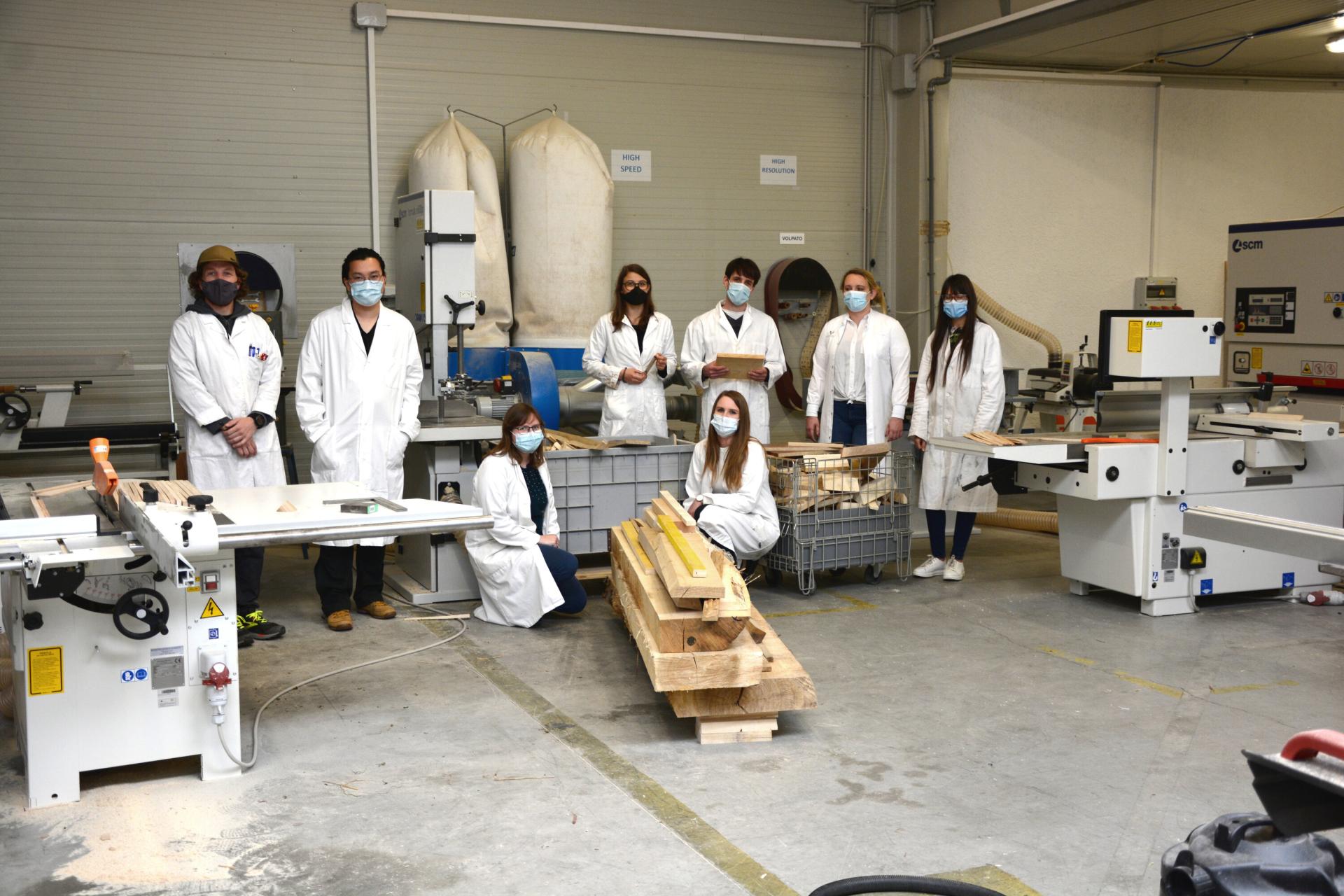
As part of their main first year course, Renewable Materials and Healthy Built Environments (20 ECTS), students must combine their skills, creativity, and disciplinary knowledge in a joint project where they utilize the knowledge they’ve gained in the design and analysis of a building (this year the students chose to work on a tiny house using renewable insulation materials). This project requires students to consider energy performance, digital design and twins, building certification, occupant wellbeing, and other key aspects of the buildings sustainability.
Additionally, 2 student PhD topics examine quality of experience beyond functionality directly: one student topic addresses stress, stress recovery, cognition, and emotional experience in office-like environments with different types of materials (exposed wood in furniture, standard white office furniture); another is examining the role of the built environment in the quality of life of older adults living in retirement homes in Slovenia.
Key objectives for inclusion
We believe the success of the program hinges the diversity of the students enrolled and the varied backgrounds they bring to the collective problem-solving approaches taken in their courses. One of the main goals of the programme was to bring PhD candidates from varying backgrounds to study together and address the challenging and relevant topics to the construction sector. The recruitment process and enrolment criteria encourage applicants from within and outside traditional STEM fields. The overall program delivers a multidisciplinary set of courses during initial year of study to provide the requisite technical understanding of biomaterials, buildings, construction, human interactions, legal aspects, as well as design, aesthetics, and manufacturing.
The current student cohort have backgrounds in wood science, psychology, communications, architecture and bring experiences from three continents. All students are involved in common multidisciplinary projects stimulating dialogue, cooperation, and exchange views represented by engineers, psychologists, managers and artists. Differences between nationalities, cultural backgrounds and personal experiences are considered to be amongst most value-added aspects of the study program.
The program content fosters understanding for the value of inclusivity in all aspects of the built environment: from needs assessment through design and engineering to use, maintenance, and eventual deconstruction. Students learn to assess who the key stakeholders are, how to work with them, and how to design products, processes, and solutions to meet their needs. For example, addressing ageing through improved building design is one of the current themes that is heavily investigated by students and their mentors.
The study program is available in Slovene and English to encourage students from around the globe to apply.
Results in relation to category
As the desired objective of this initiative is to train a group of open-mind professionals to become future leaders of the construction sector, a multi-faceted and interdisciplinary scientific understanding of the construction process, the key stakeholders in the field, and the operations and life cycle of buildings. The teaching strategy centres problem solving by means of the scientific method, cooperation, and dedication. The multidisciplinary knowledge and experience gained when working on assigned common projects assures the most relevant competencies and capabilities set our students a part and prepare them to drive change in their communities, country, and world.
In the first year of the PhD study program 8 students from Slovenia, China and Tunisia are enrolled. All have selected their doctoral dissertation topics and have started working in their respective research fields. They are contributing new scientific knowledge to the area of renewable materials, renewable materials composites, science communication, human health in the built environment, impacts of the built environment for the elderly, sustainable construction, etc. Employment possibilities include industry, policy making, social good organisations and academic research. Students will be well equipped to contribute to their community upon graduation and will have already made scientific advances that support the transformation of the construction sector.
For the next study year, we expect at least 5 new PhD students to join the program and begin advancing the scientific evidence and culture of the construction sector towards the principles of the NEB.
How Citizens benefit
At this stage, the main citizens benefiting from the program are the enrolled students, their instructors, and the collaborators involved in their research projects. Other stakeholders in the community benefit both directly and indirectly from the program, too. The research projects students participate in engage their own sets of relative stakeholders from the community, industry, policy, and other relevant areas of society. As all student research addresses the sustainability and performance of renewable materials in the built environment, the eventual impact of their work on society has the potential to be significant.
During the program design phase, many of the potential students were contacted and asked about their desires from a program and then asked if the solutions provided by the program designers were suitable. Not only did this demonstrate interest in the program at an early stage, but it also ensures this critical stakeholder group had a say in how their learning experience would take shape.
Citizens outside the program are involved in research projects as subjects, observers, and beneficiaries of the work carried about students and their mentors. Students are encouraged to share their work and experiences at conferences, on social media, and in other outlets that garner a broader audience that the typical academic journal article. As research is not always a swift process, some of this activity is still in progress. Nonetheless, students have already made eight conference contributions, are actively involving participants in research (as subjects, as active research participants).
Just as importantly, students learn the value of open communications of scientific work through open access publications, FAIR data practices, and targeting communications beyond the scientific community to policy makers, industry, and citizens.
Innovative character
This study program is the first one, and only one in Slovenia, offering such an interdisciplinary course of work. The innovative character is seen in the diversity of student’s backgrounds enrolled in the program. Each comes from a different background and field, and provides new and fresh ideas to the wide field of sustainable construction, opening up new horizons and pushing the field in innovative directions. In the process, students gain and share knowledge to support the development of new and innovative materials, processes, and products that will be energy efficient and cost effective, thus bringing great benefits for society in terms of sustainable development and a green future. For example, one current student is developing new connection methods for cross laminated timber to reduce the use adhesives that make reuse more difficult while another is exploring rethinking the built environment to support ageing well with dignity.
The teaching staff must also bring interdisciplinary and varied experience to the programme to make it a success. Many of the educators are from abroad, matching the international character of the students and global necessity of mitigating the climate harm caused by construction and operations of buildings. Their fields of expertise are varied as well, including material science, engineering, management, health, ICT, biology, and architecture. Beyond their academic experience, the instructors have wide experience in industry working for renewable materials firms, engineering and design companies, sustainable buildings, and as entrepreneurs in health, ICT, and other fields.
Combining knowledge from our students together with globally recognized lecturers will lead to important and much needed breakthroughs in sustainable construction.