The New European Bauhaus
Basic information
Project Title
Full project title
Category
Project Description
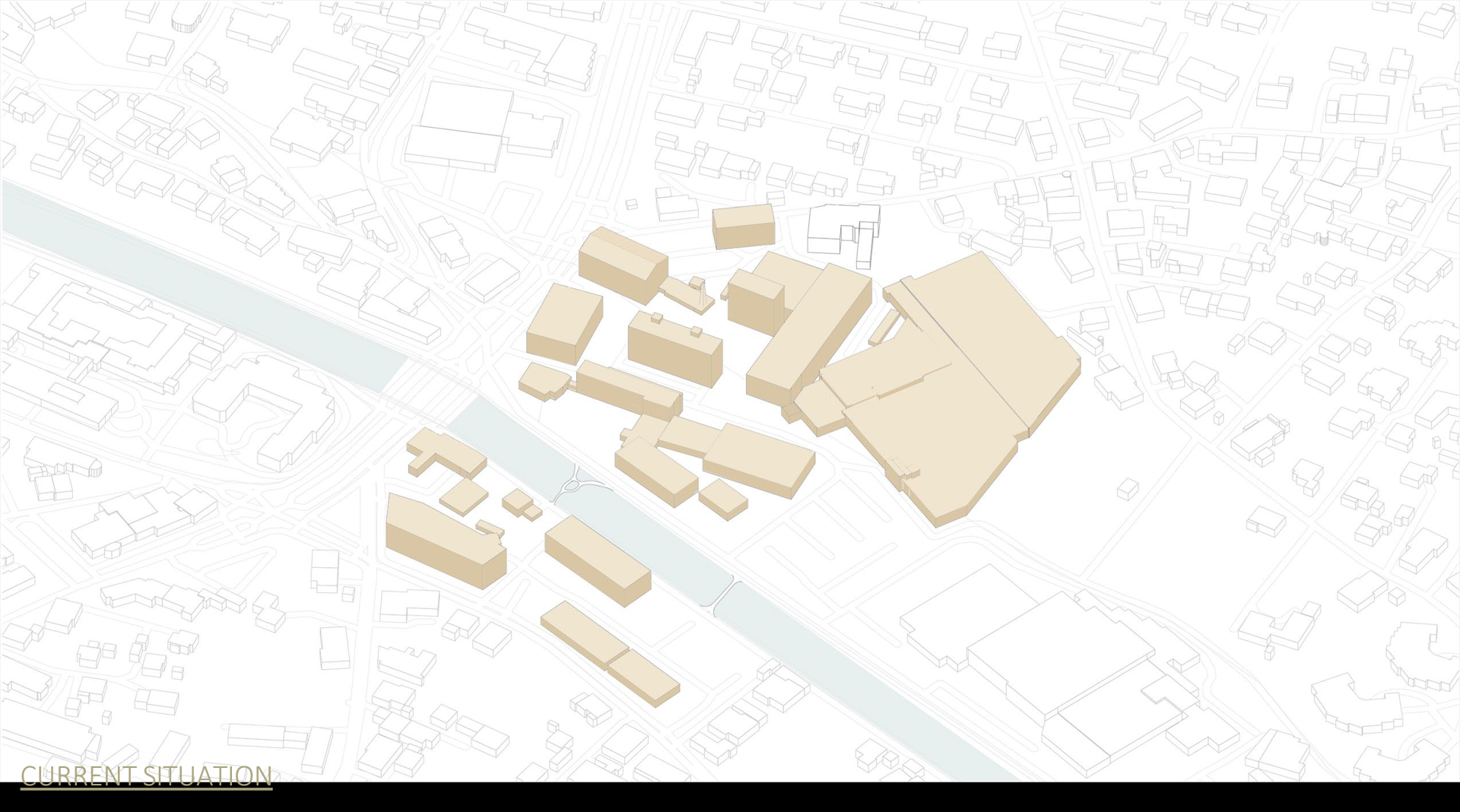
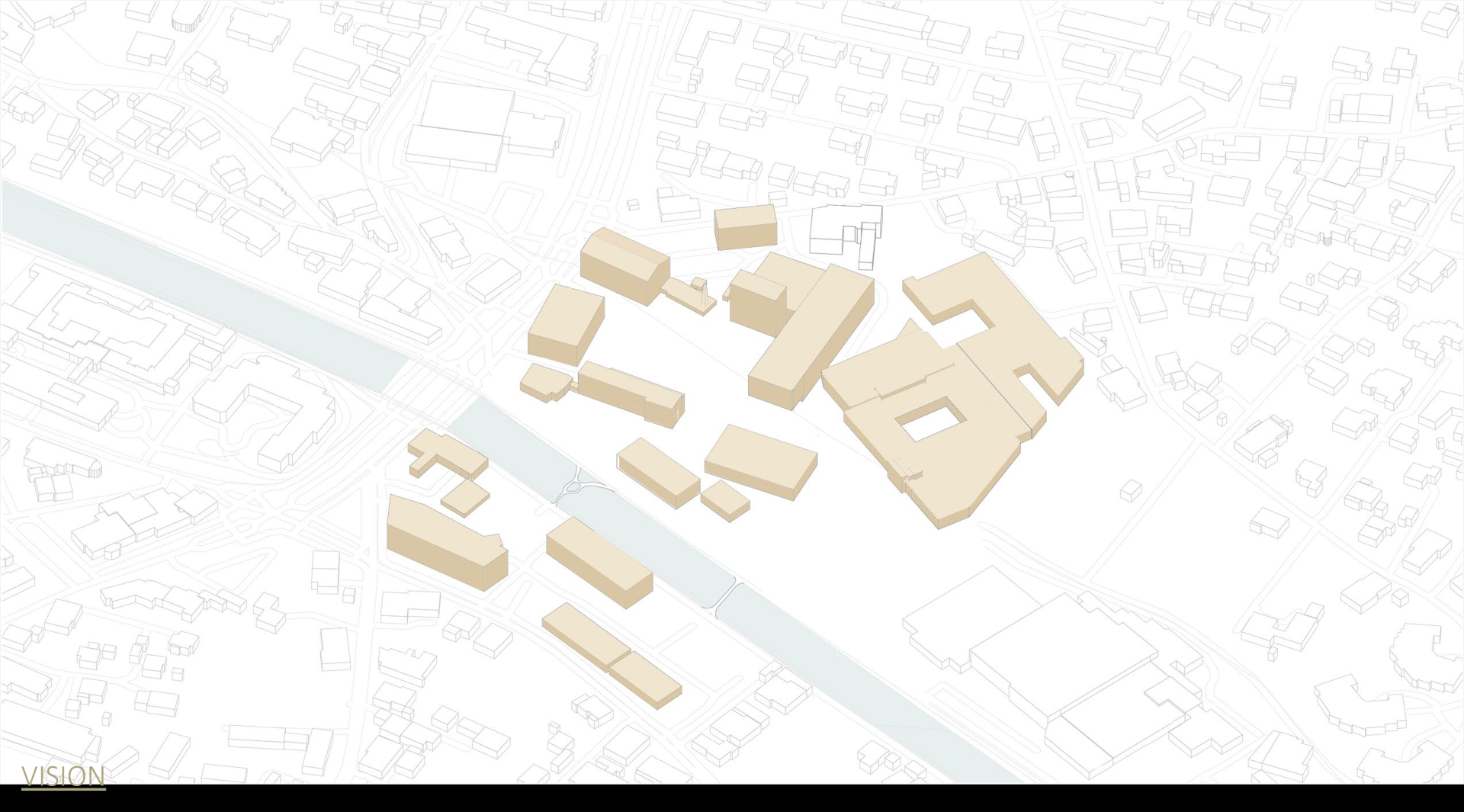
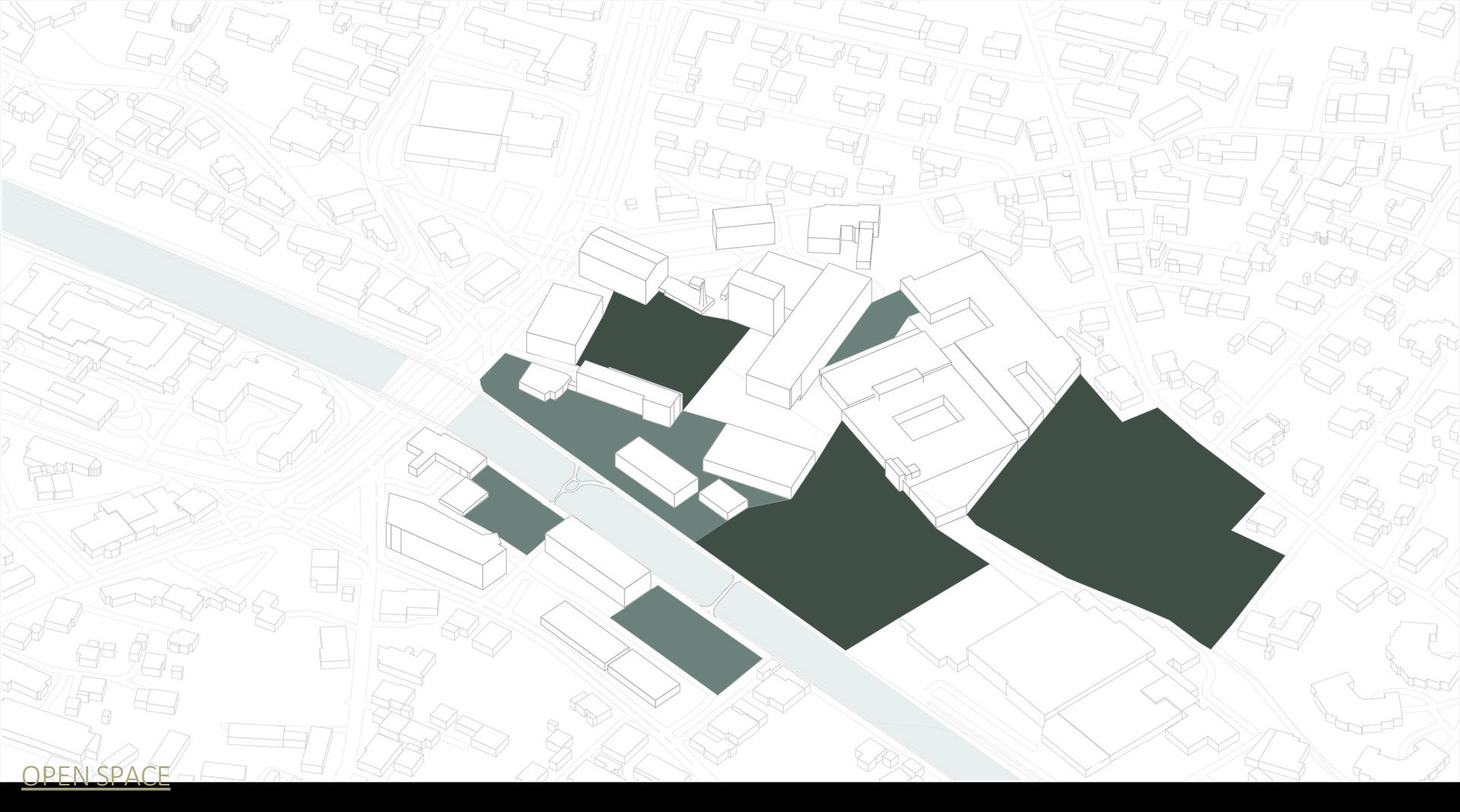
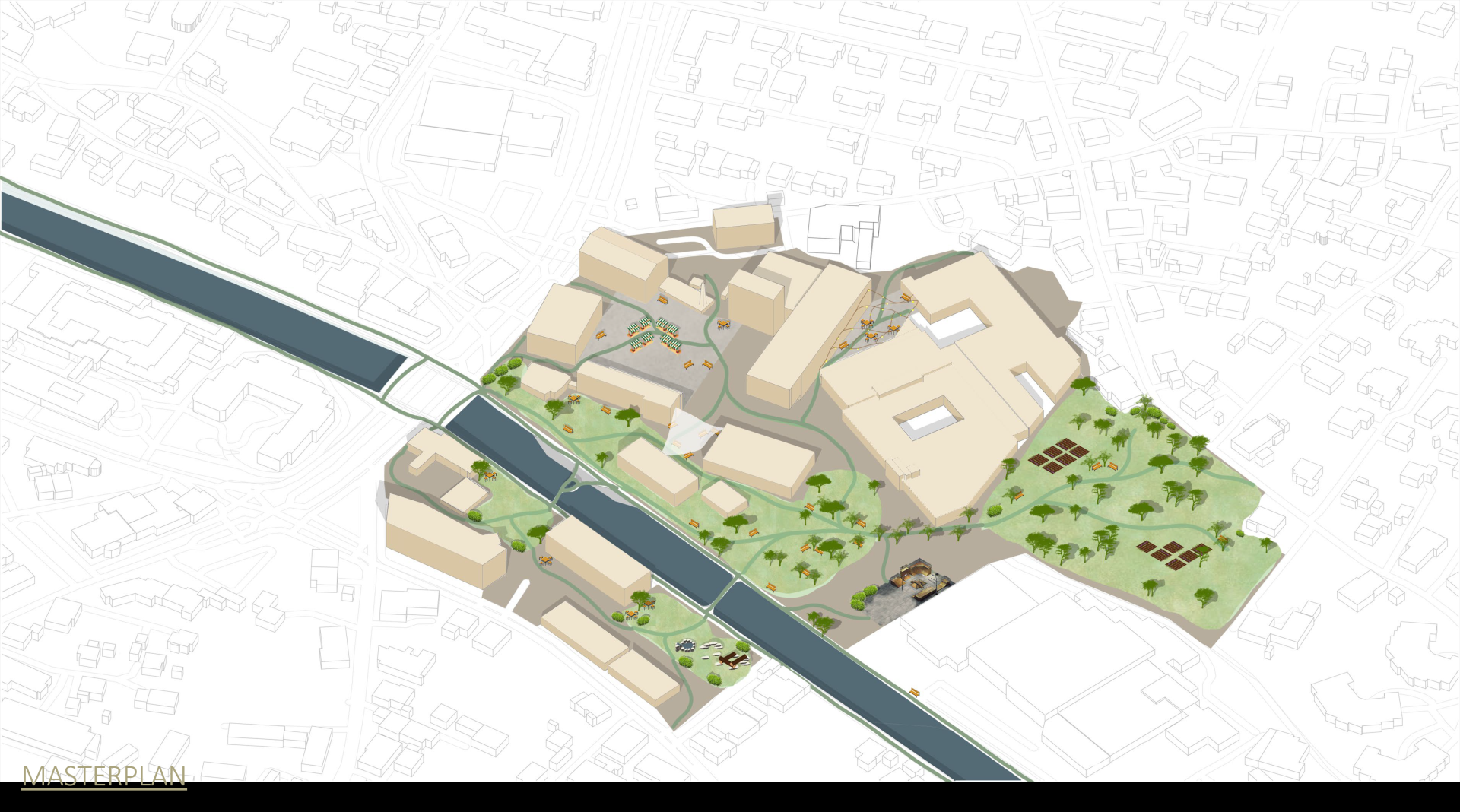
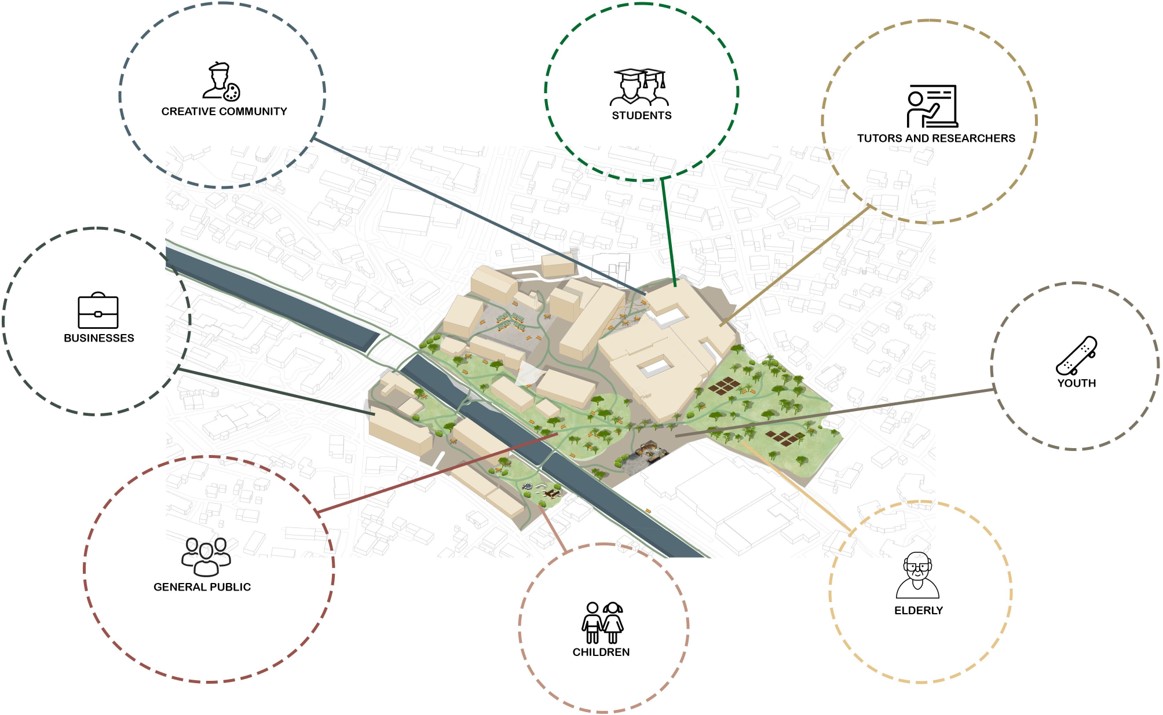
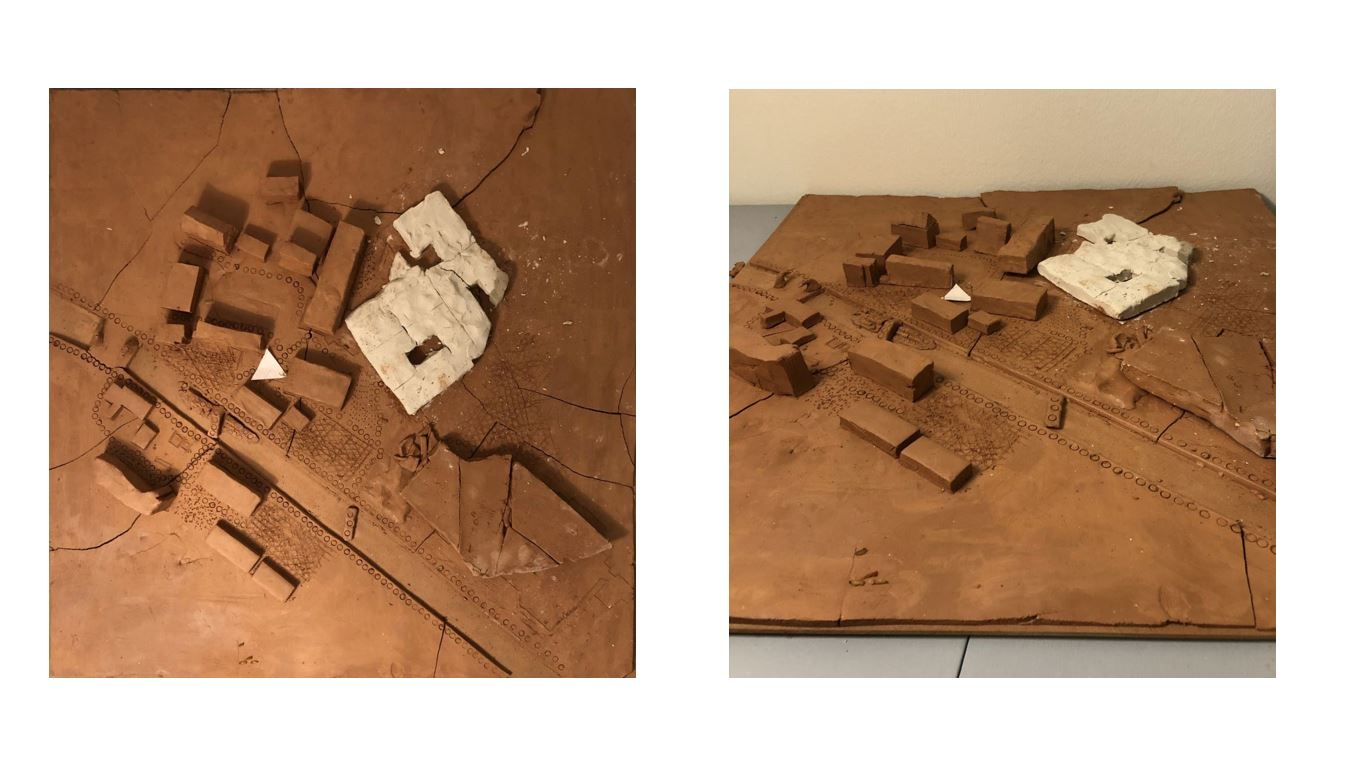
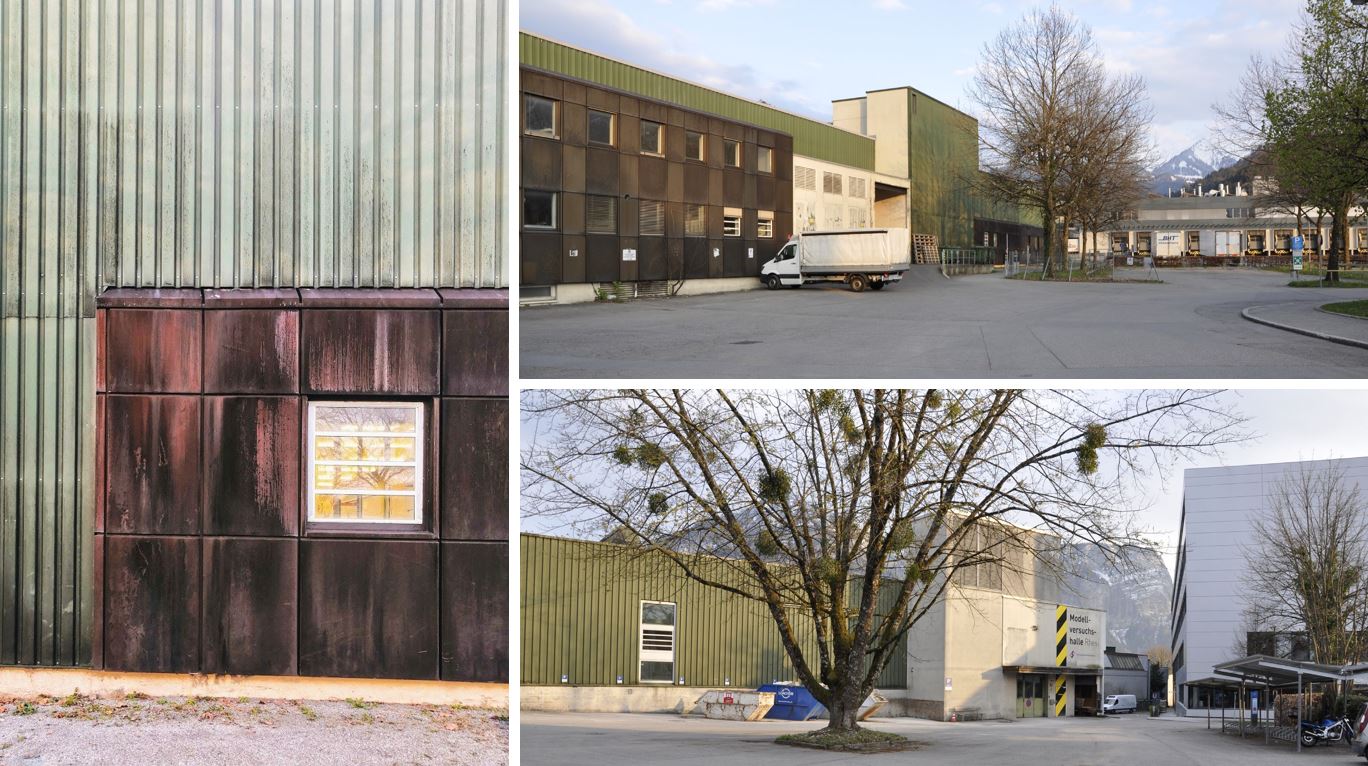
An existing campus in Dornbirn, Austria is transformed from a monotonous asphalt area, into a diverse program for all user groups. Existing users, which is mostly students, are invited to contribute in creating new public areas from upcycled materials. An industrial building on the campus will be repurposed as the New European Bauhaus. Focusing on creative spaces, learning by doing, and learning with play for students and children, we are proposing one of the solutions for a sustainable future.
Project Region
EU Programme or fund
Description of the project
Summary
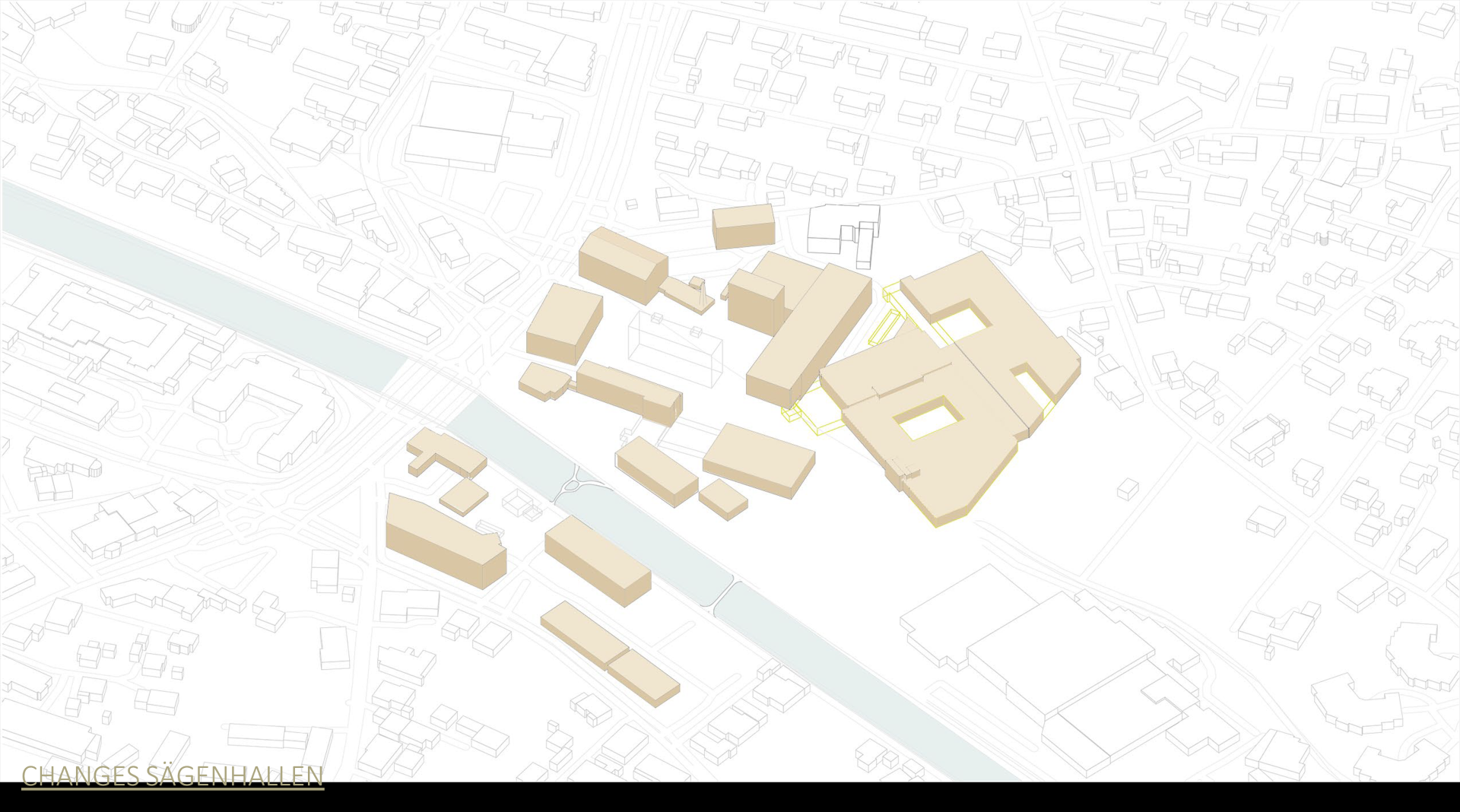
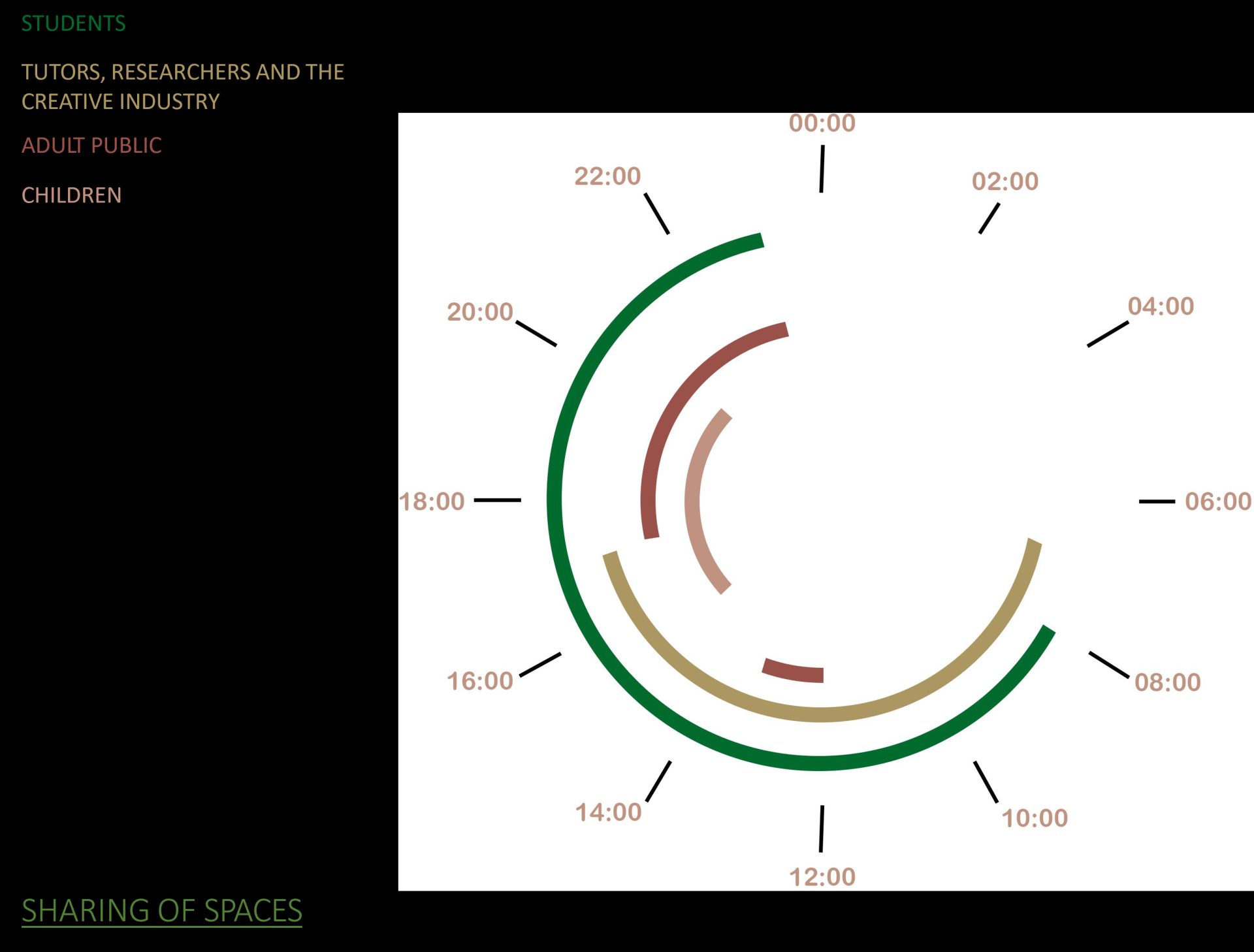
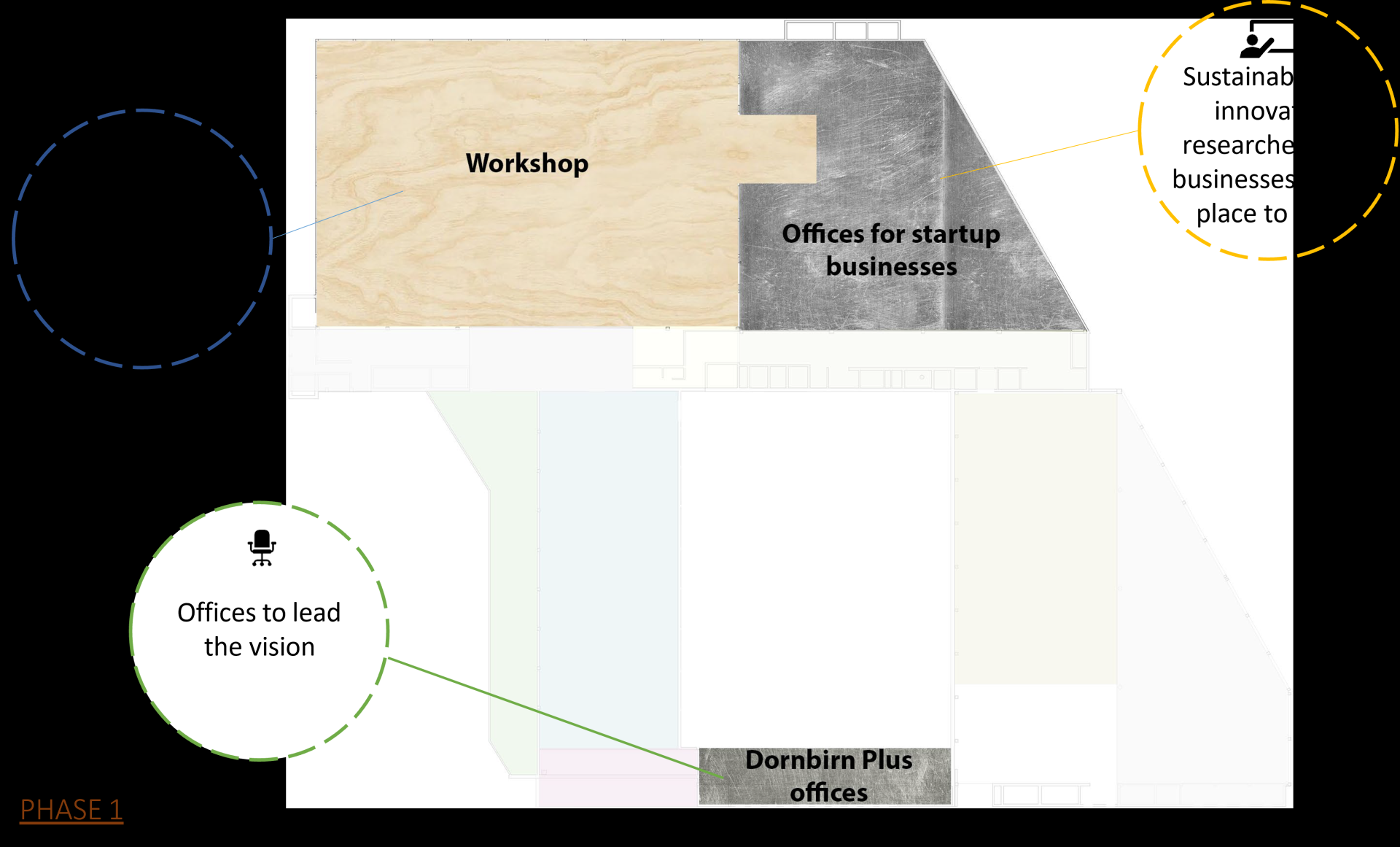
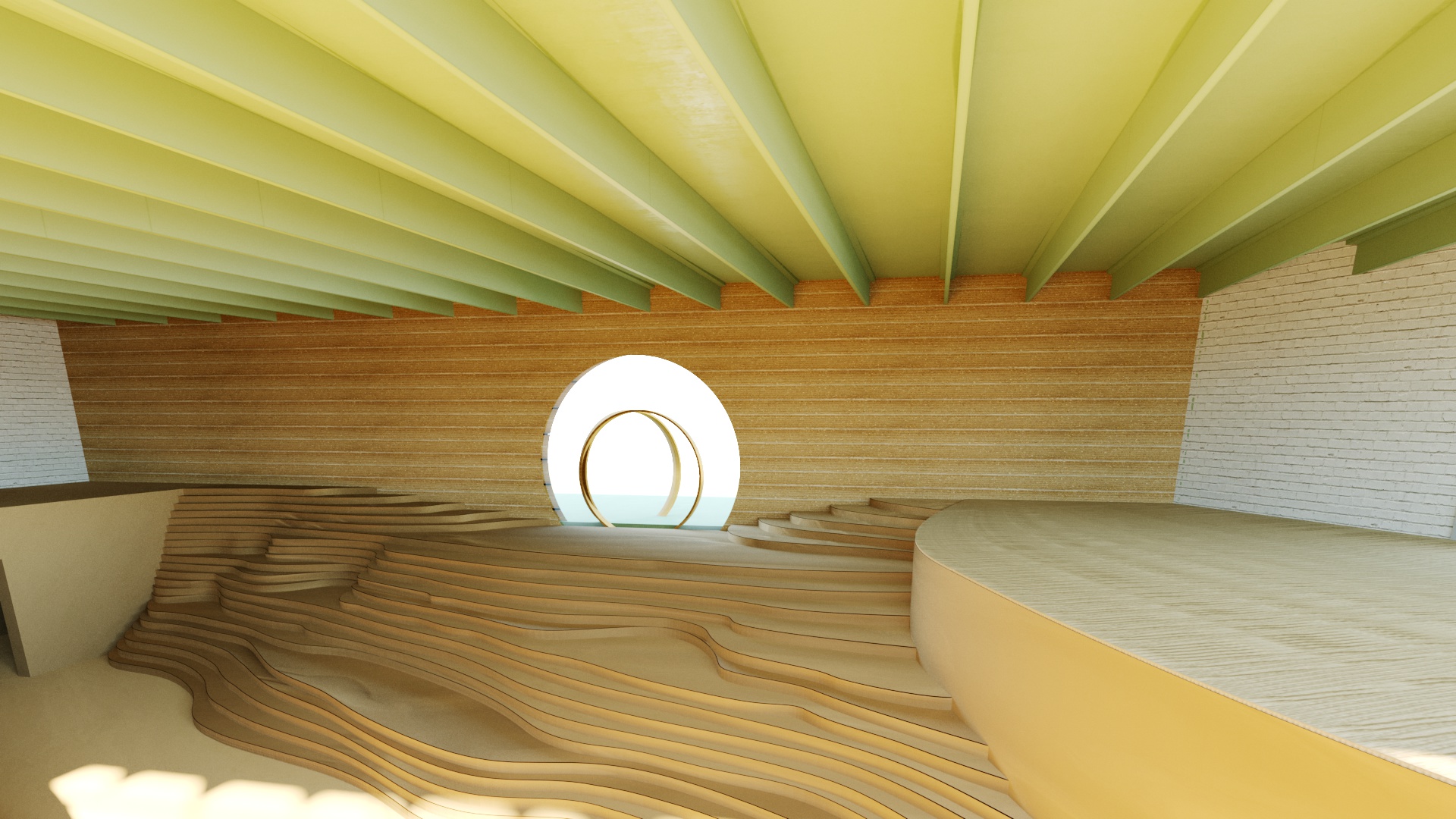
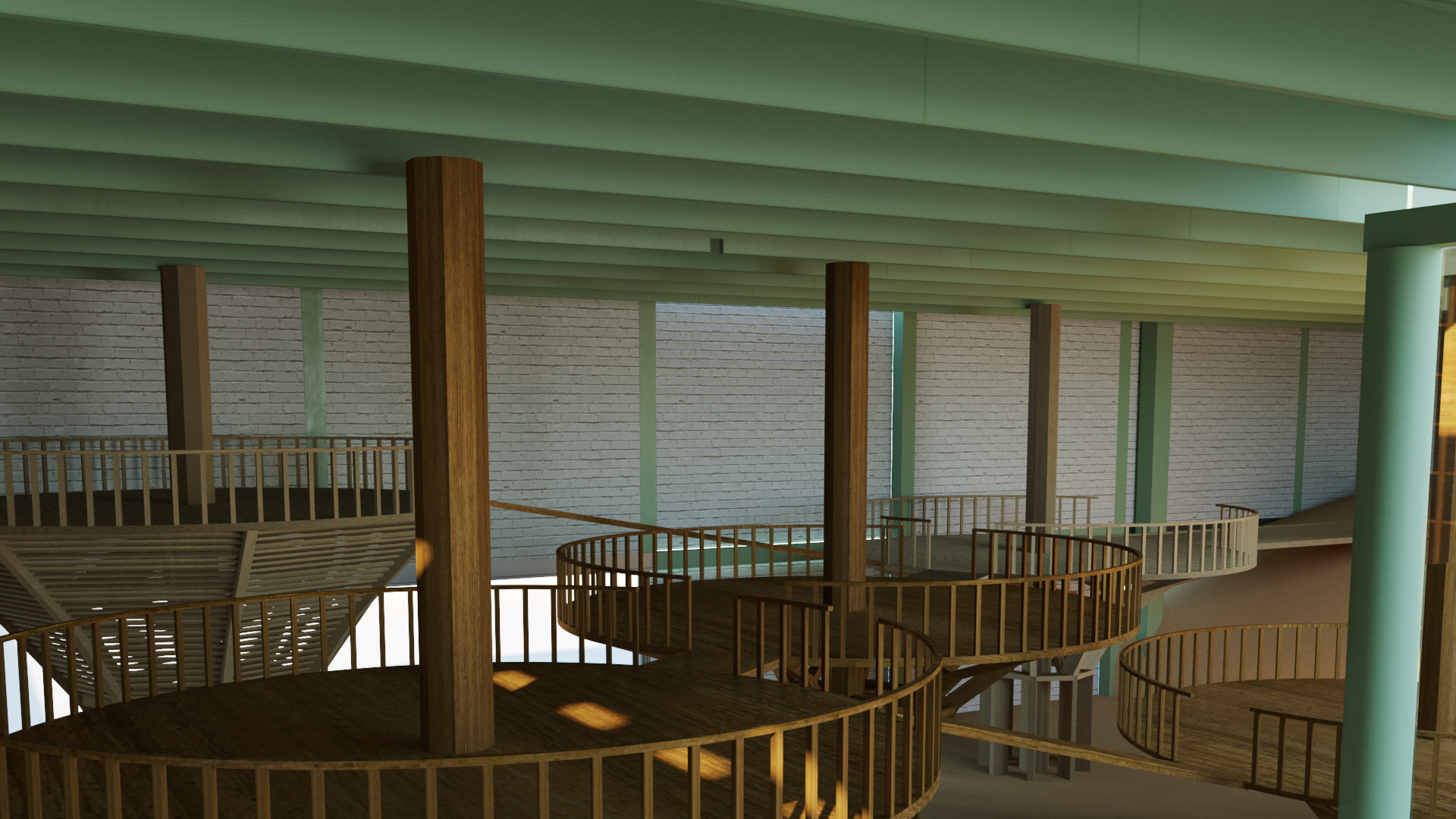
The concept, created by three Architecture students, sets out to literally create the New European Bauhaus. By repurposing an existing industrial building in Dornbirn, Austria, we believe the European (present and future) culture can best be represented. Under the teachings of Hon. Prof. UNESCO Anna Heringer and Dr. Clarissa Rhomberg, we are developing a school out of the ordinary. The (approximately) 300 students will take part in creating the learning environment from the craft hall, while dealing with the new vision for construction: natural materials. The atmosphere will Combine Earthen architecture with the wooden craftsmanship represented in the region of Vorarlberg. The atelier is intertwined with and exhibition space, where the connection between art and science that architects juggle is elevated. The building also integrates local sustainable businesses and researchers to create a line of communication and development. The new European Bauhaus curriculum will also be integrated in a youth and children's program, where part of the building is a learning landscape focused on learning by playing. These user groups and their needs are reflected in the surrounding landscape, thereby creating natural spaces for dialogue.
Key objectives for sustainability
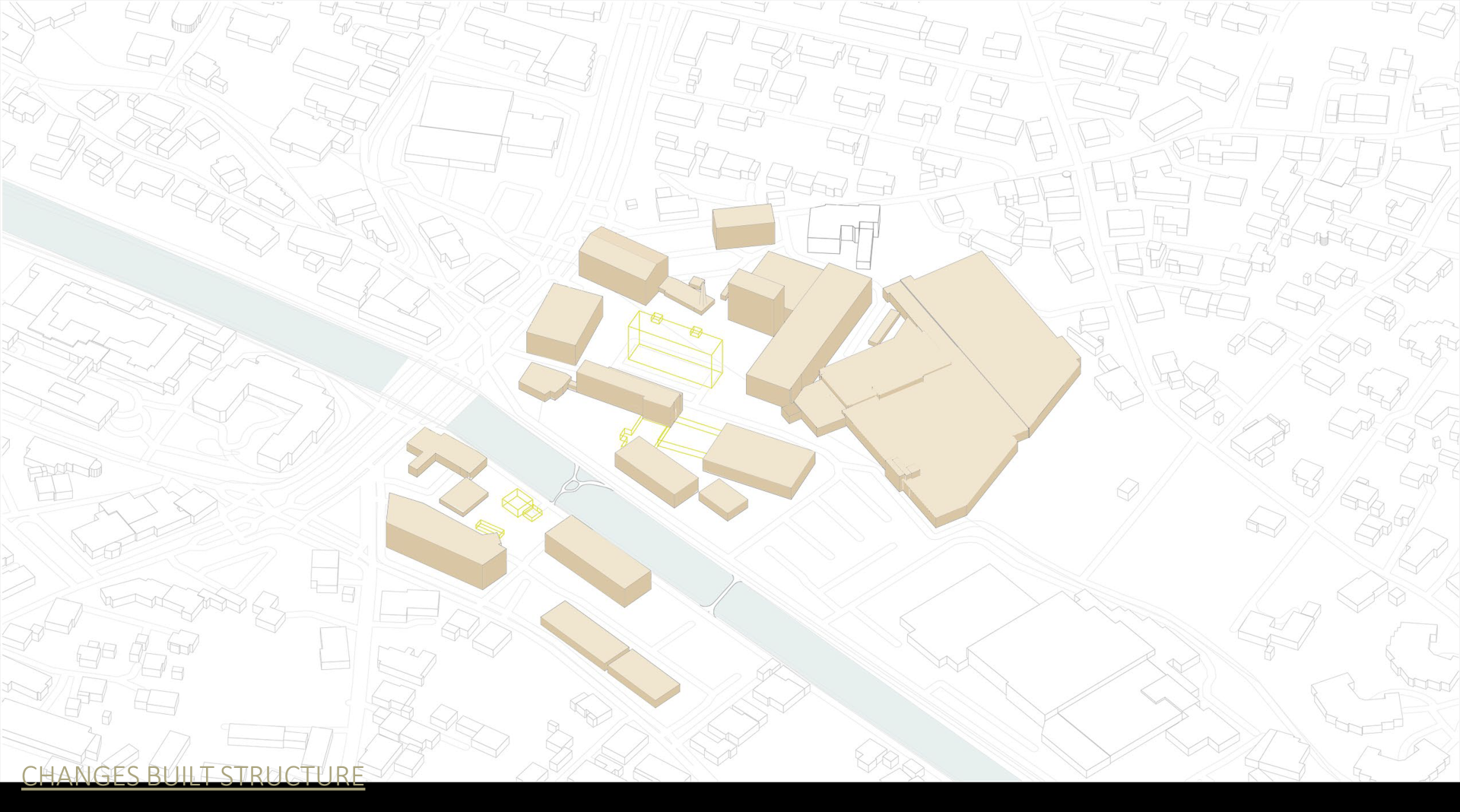
First of all the concept focuses on sustainable materials. We have been taught from both Hon. Prof. UNESCO Anna Heringer and Hon. Prof. Mag. Art. Martin Rauch, whom are two of the leading researchers and developers of earthen architecture, about the qualities of earth. Earth utilizes the cradle to cradle cycle for its full potential. The same could be said for pure wood. Luckily, the Vorarlberg region is rich in wooden craftmanship. Combining these materials with the existing structure enables the students, researchers, and children to imagine a sustainable future, and thereby be part of the change. The materials will be gathered from the local environment and at its end, given back. The surrounding campus will be transformed from mainly car parking and infrastructure, to an urban sustainable landscape. The people will be connected to the surrounding nature by a connection to the riverfront and local forest and mountains. In between these connections are micro
Key objectives for aesthetics and quality
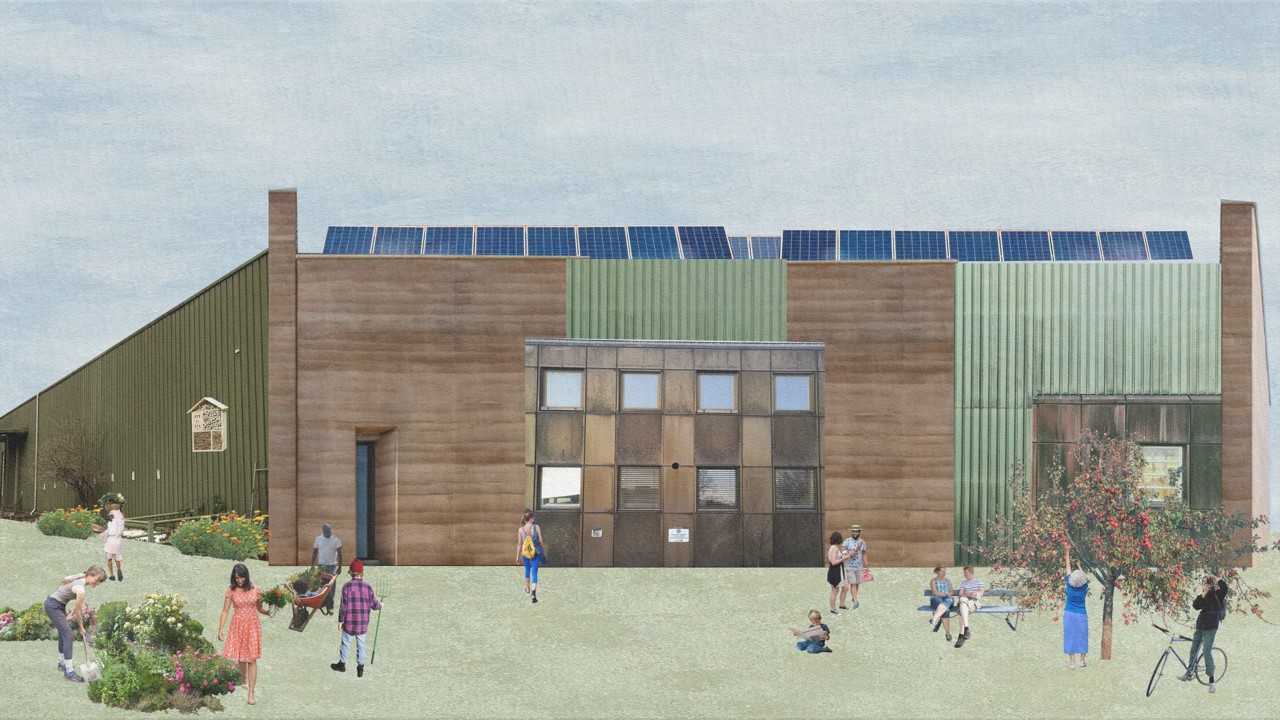
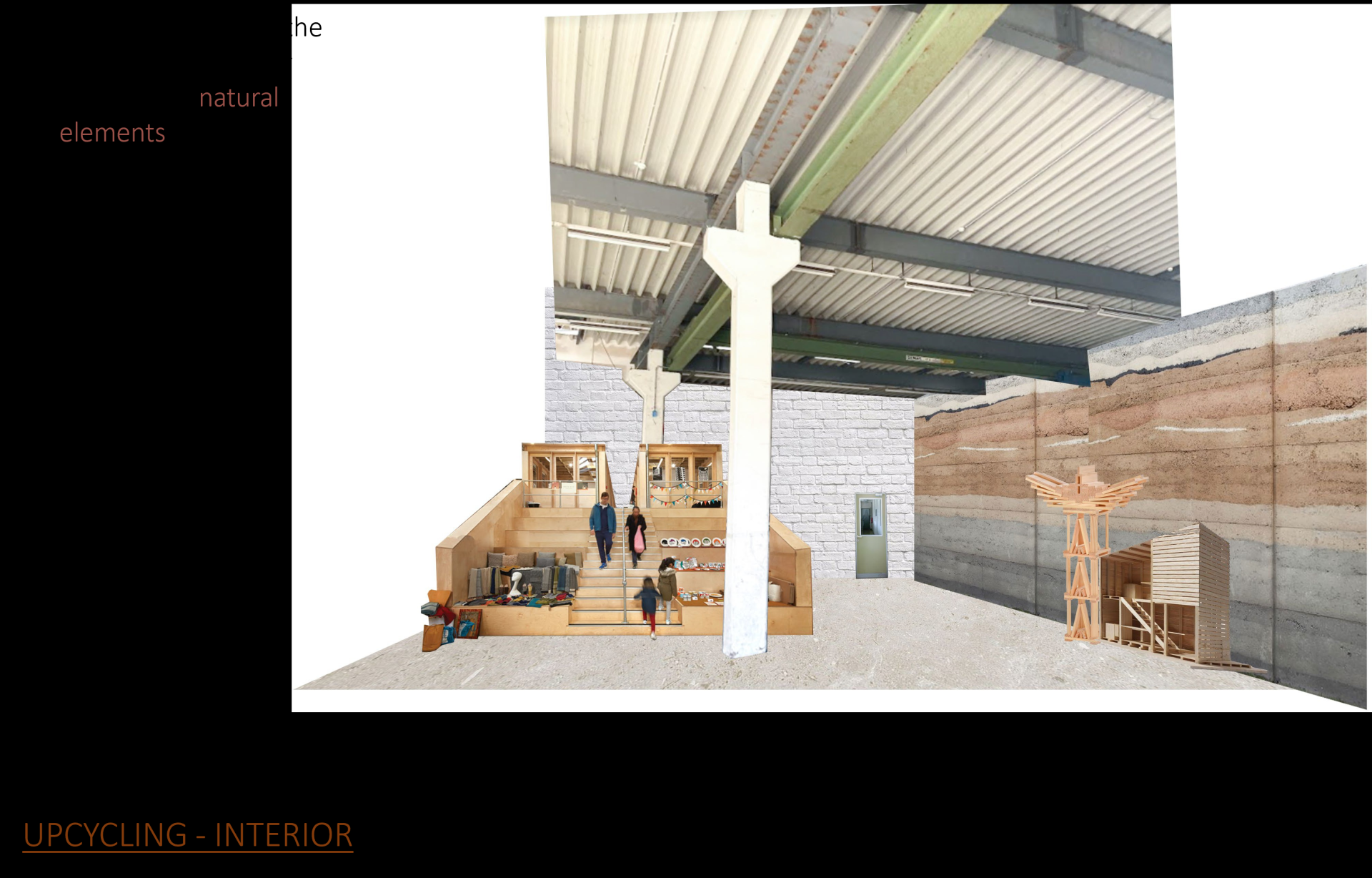
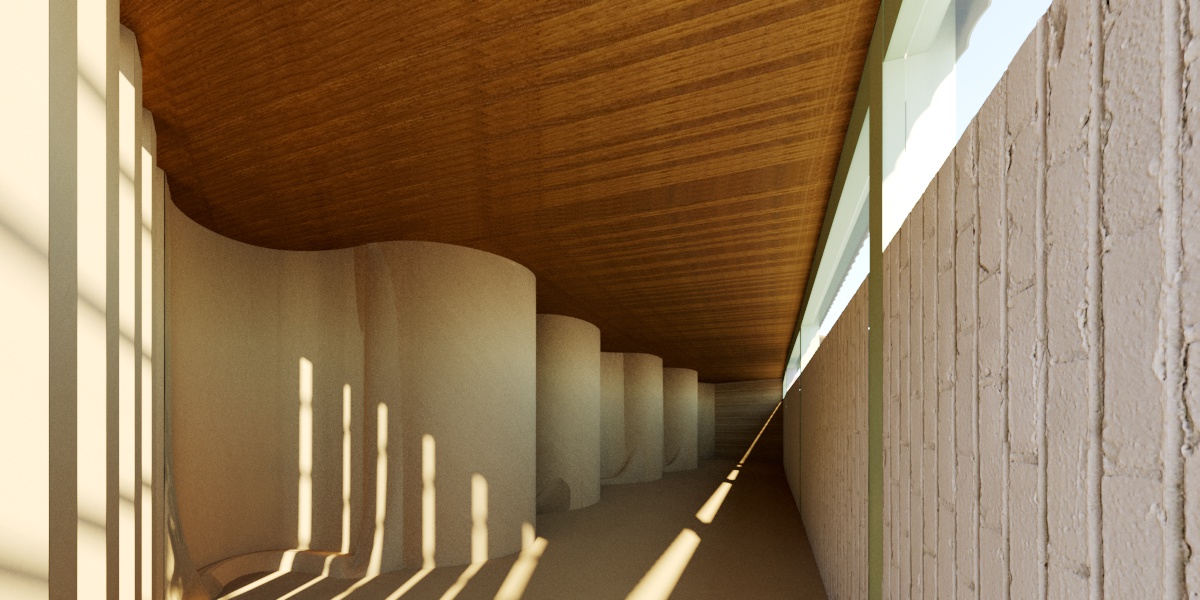
The research on Biophilia is abundant. Our closeness to nature is genetically present. The architectural aesthetic focuses on a warm connection to the cold existence. The existing bricks, concrete and steel are connected to smooth brown-tones of earth and wood, where wood creates an airy atmosphere the earth keeps us grounded. The existing green steel facade is supplemented with rammed earth walls as a representation of the interior.
Key objectives for inclusion
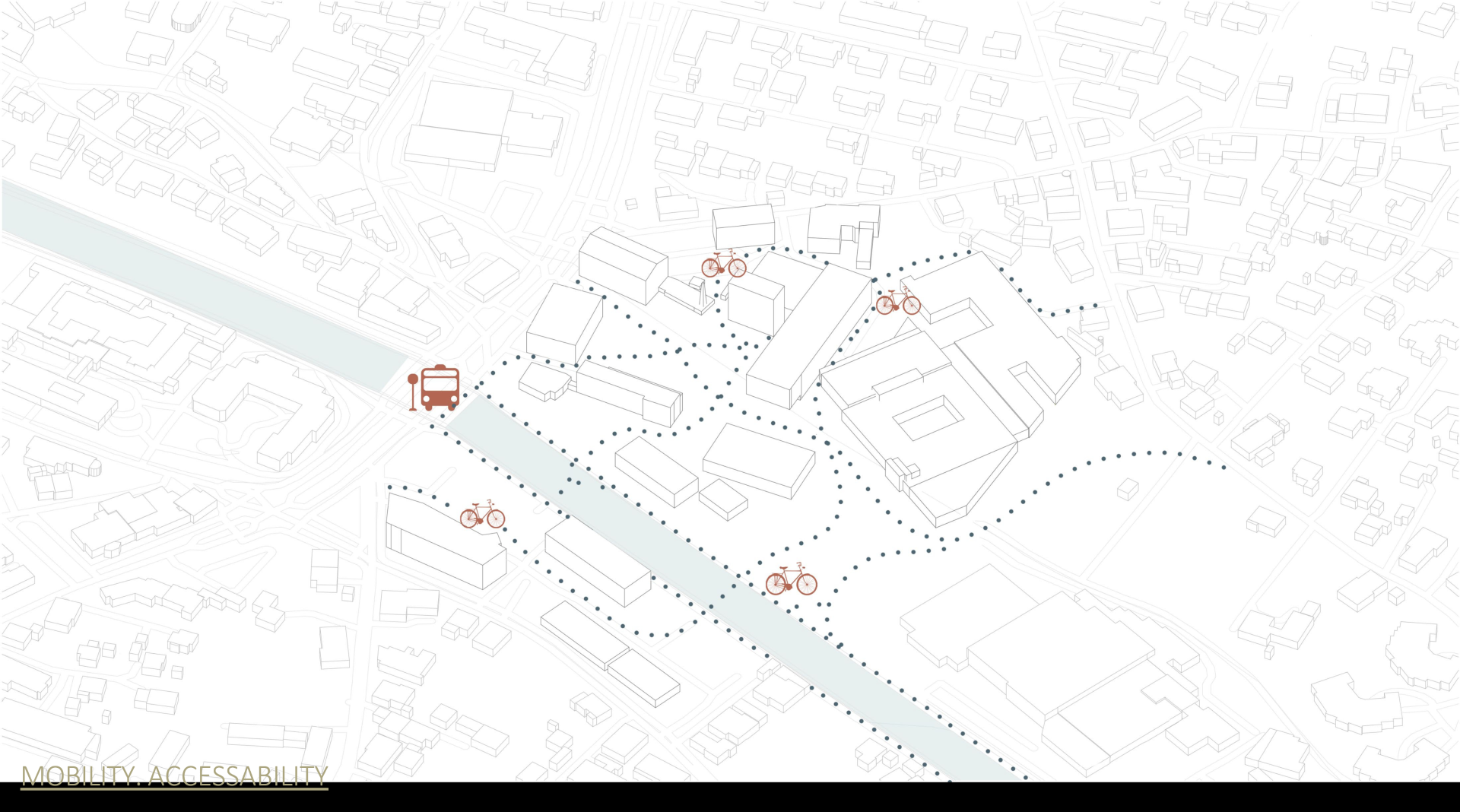
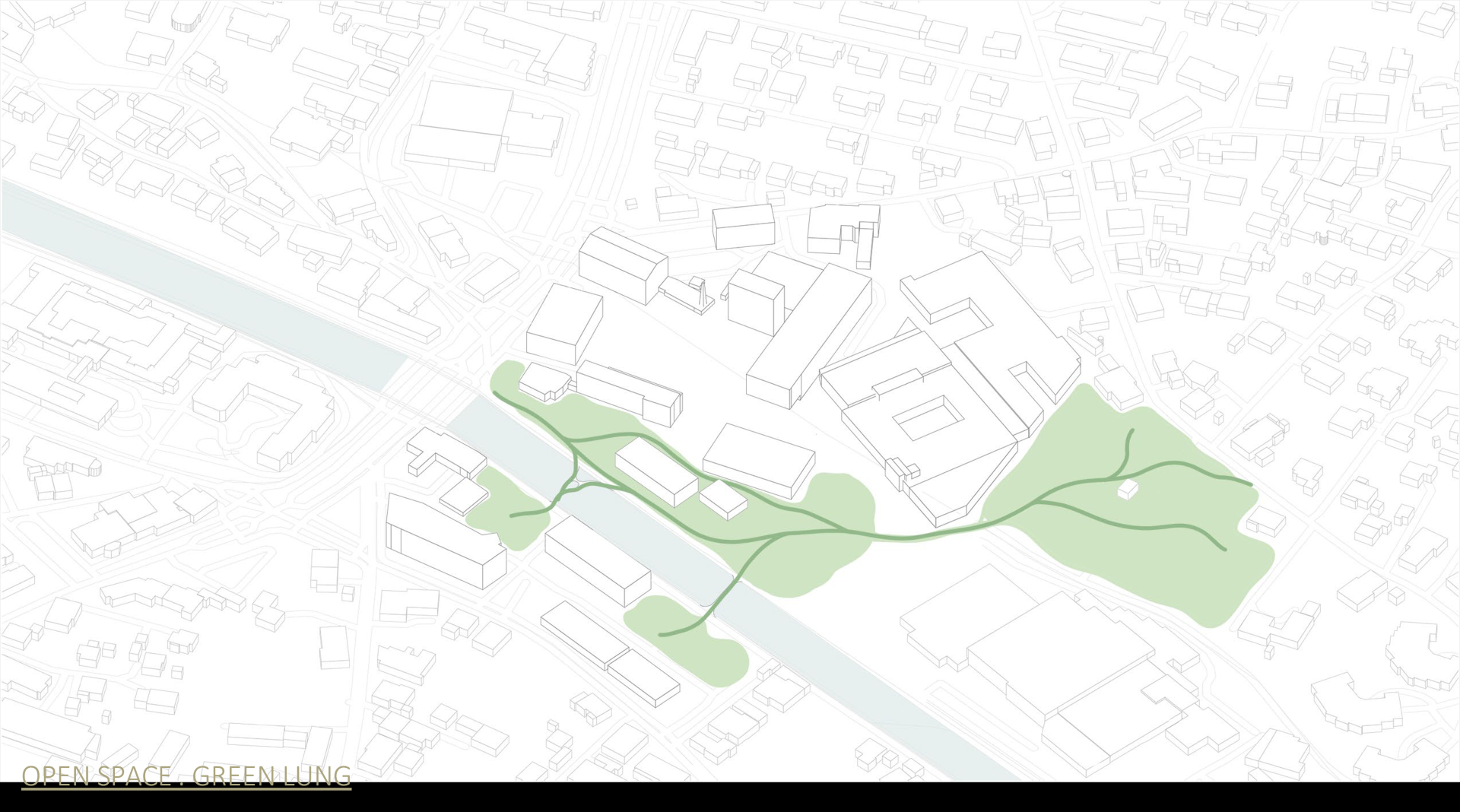
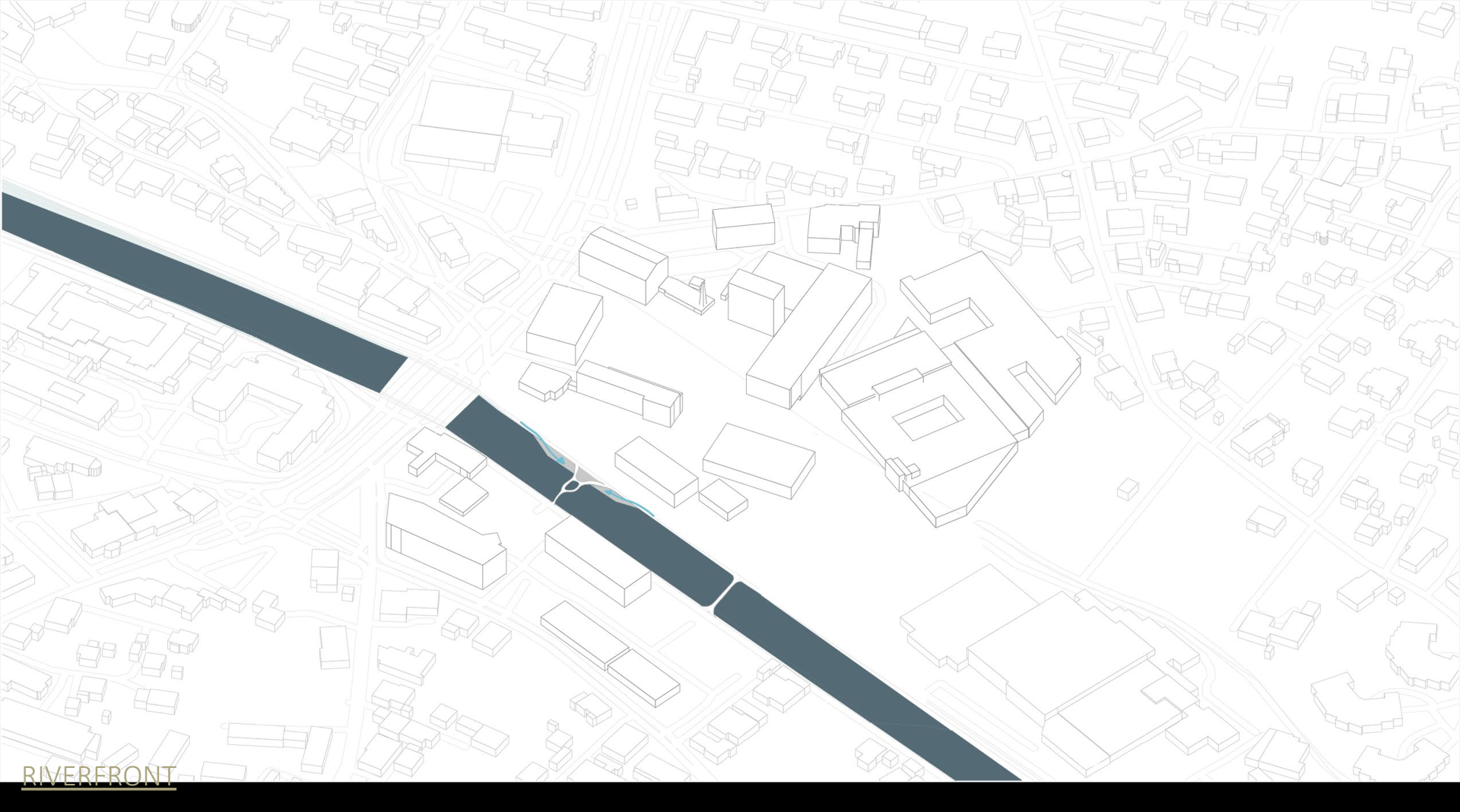
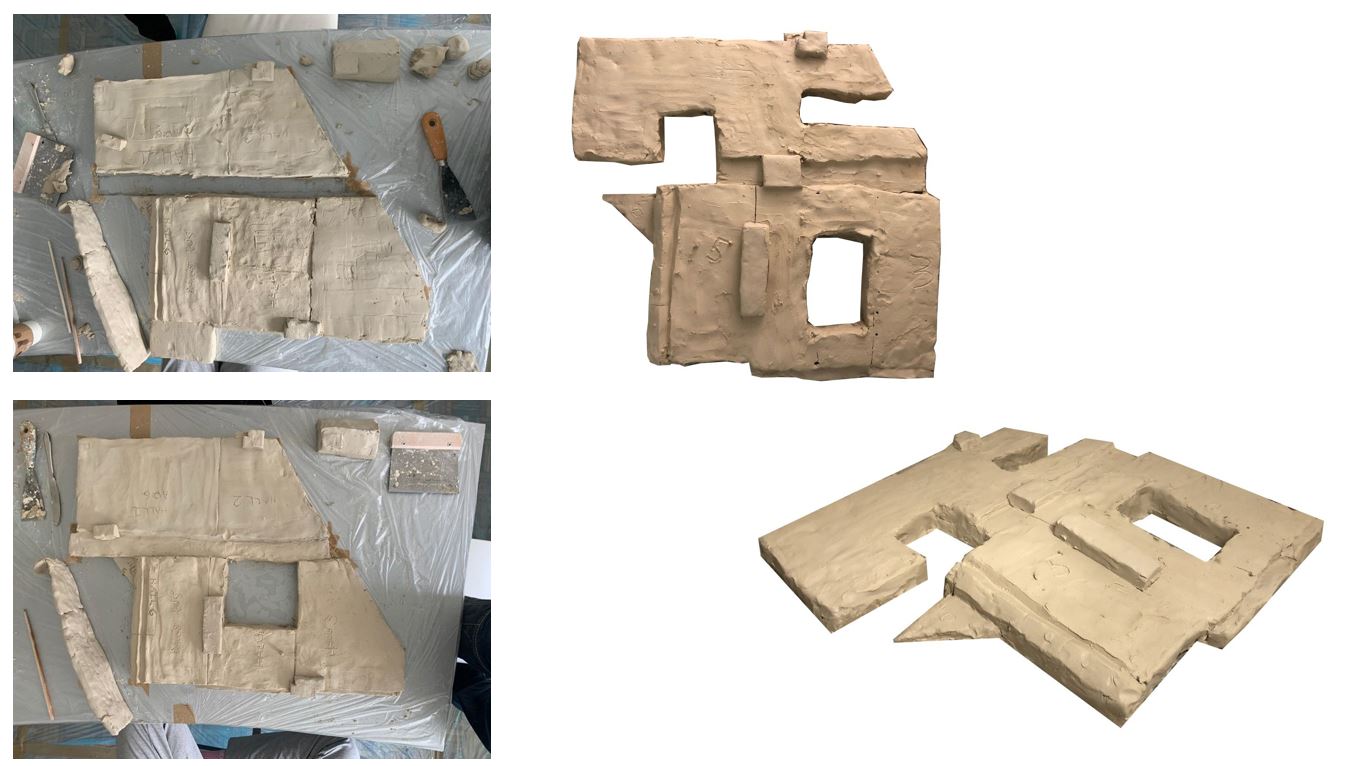
The interior is created from natural materials that can be built by anyone. The users of the school will also participate in creating the interior from clay and wood. Not only is the interior usage diverse in its program, the exterior landscape sets out to include all user groups. By removing cars and facilitate for pedestrians and cyclists, the area is safer. Therefore, elderly and children will be more attracted to the area. A ramp leading down to a river that is currently un-reachable creates a closeness for all inhabitants to the nature. The nature is also integrated in a green axis running through the campus, creating micro-spaces for students and ending up in a garden for the local student initiative queerbeet to grow their vegetables, and harvest the cultural pear trees. The fruit gathered can be sold on the open plaza that is the centre of the campus, where students meet businesses and sustainable companies.
Innovative character
The combination of a sustainable school for art, architecture and engineering with researchers focused on sustainability and the future of humanity, in a natural environment, will serve the same purpose as the New European Bauhaus initiative in a longer span of time. This will hopefully create unimaginable things, theories, materials and much more that will lead Europe into the next era.