fuse
Basic information
Project Title
Full project title
Category
Project Description
fuse is a community-driven and context-specific, interdisciplinary artistic project focusing on the Biċċerija and its surroundings (Valletta, Malta). Its scope was to discover the communities of the area and uncover their stories, facilitate interactions and ultimately develop a project which has art, community and context at its core. fuse is based on elementary principles related to inclusion, safeguarding of living heritage, creative placemaking and sustainability.
Project Region
EU Programme or fund
Description of the project
Summary
A context-specific and an interdisciplinary, community-driven project, fuse was developed in 2019 and involved elements of creative placemaking, safeguarding of intangible cultural heritage and active community engagement and inclusion through storytelling. The main scope was to explore, investigate and implement a collaborative project with the communities in the surroundings of the Valletta Design Cluster (VDC), also known as the Biċċerija. The project involved six main phases: research phase, data collection phase, development of thematics, selection of artists, artistic development and artistic production. The research and data collection process involved direct and indirect interaction with individuals and organisations and observation of the surrounding context of this area in Valletta. As a result, the development of the nine curatorial thematics was highly dependent on the factors which are significant to the citizens who live/d, work or interact with this area. Consequently they respond to the main question: what are the inherent group identities of the communities which have a relationship to the Biċċerija area? Following the selection of artists, eight public art interventions were developed as a direct collaboration between the curator and the artists. Each artist/artist collective was directed to investigate narratives and develop site-specific, context-specific and/or community-specific work pertaining to a unique thematic. Each intervention therefore unlocks and builds upon collective group identities exposing, in a sensitive manner, traits, characteristics, traditions and typologies uncovering what makes them unique. These include the untold history of bakers in the area, its associations to Carnival, the history of street games and vendors and other current-day issues exposing community traits related to gentrification, ownership and appropriation. Meanwhile, fuse became a symbol of the community; a reflection of what it lacks, needs or wants.
Key objectives for sustainability
From the start, the idea was to create a community of artists, both emerging and established, to work together and collaborate at every stage. To encourage this cross-pollination between artists involved and improve circularity, designated fuse studios were set-up in the whereabouts of the Biċċerija area, to enable the artists to meet, where the works could be designed and be produced together, where the team could work with local vendors and other craftsmen, regenerating certain skills, enhancing the community aspect and ensuring the project was entirely local. This also enhanced the potential for future collaborations.
fuse generated strong links among the artists and the team, between the artists and local organisations, together with the Valletta Design Cluster and the community. It has also created a legacy on how art is perceived, that anyone can form part and contribute towards an artistic process. It made art accessible. The legacy of the project lives on in the community itself, who has taken initiative to use the works to explain their history; a sense of confidence and belonging has been generated which will live on beyond fuse. Awareness has been raised on aspects related to living heritage, ensuring its longevity. The interventions will be disseminated among communities for their reuse in various ways.
On an environmental front, upcycled and repurposed materials and objects were used where possible. Awareness on greening initiatives and importance of public spaces were also brought to the forefront and integrated as one of the thematics of the project: Resilience. The works are strategically located to make use of street lights, reducing energy consumption related to lighting and reducing light pollution. Where power was required, battery-powered and solar-generated power was used. No pamphlets or printed material were disseminated reducing waste, printing was limited to information signage, everything was entirely accessible online via QR codes.
Key objectives for aesthetics and quality
The aim was to enhance the cultural and social fabric through visually stimulating works adding to the intrinsically rich historic fabric of the World Heritage site. As a community-specific and context-specific project with works based on community stories, it was considered imperative for the project to materialise in a series of public art interventions. Consequently, the interventions were appropriated, enjoyed, maintained and used by the communities themselves.
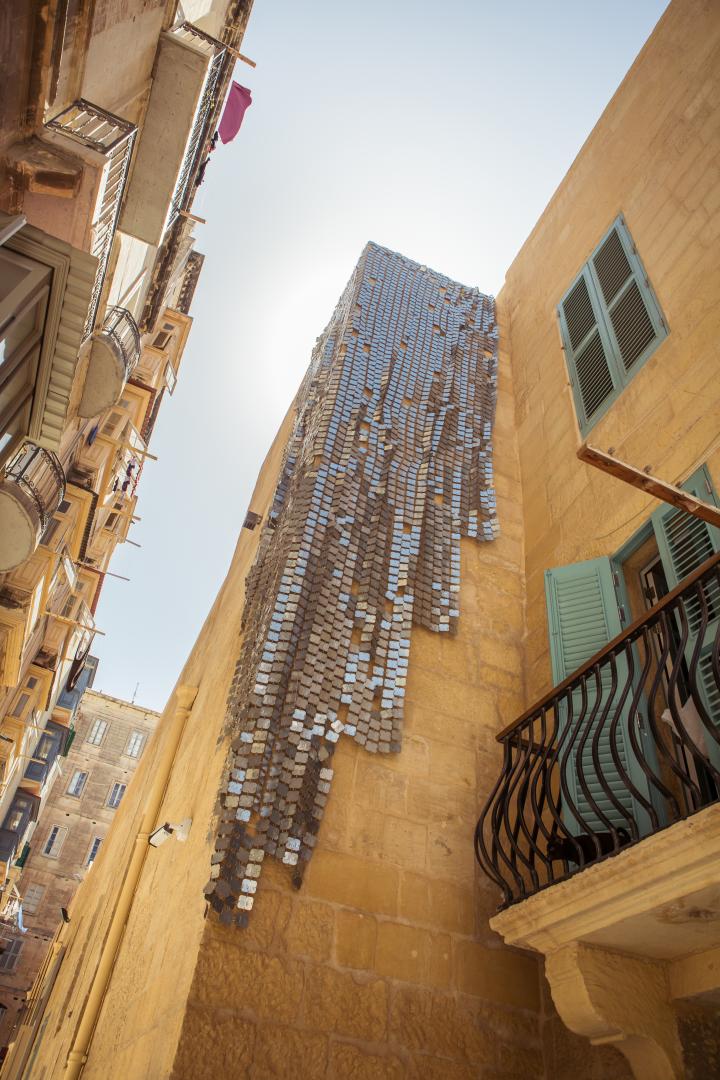
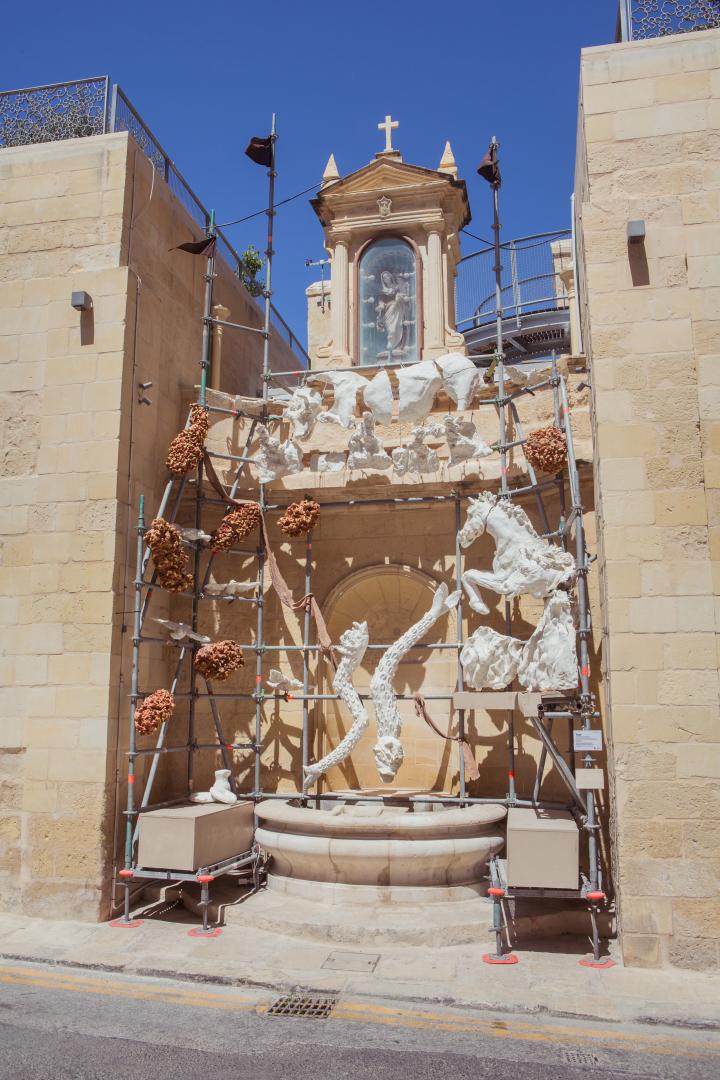
The project complements the regeneration project initiated by the VDC to rehabilitate the Biċċerija and its surroundings. Based on creative placemaking, the 8 interventions including sculptural works and various performances, are of a contemporary nature. The works hint at practices and objects familiar to the communities acting as memoirs or representations of their past, present and future. Adopting a non-invasive and sensitive approach, the works fully immerse in the environment they are located at, integrating not only with the space but also with the underlying and associated narratives of the place.
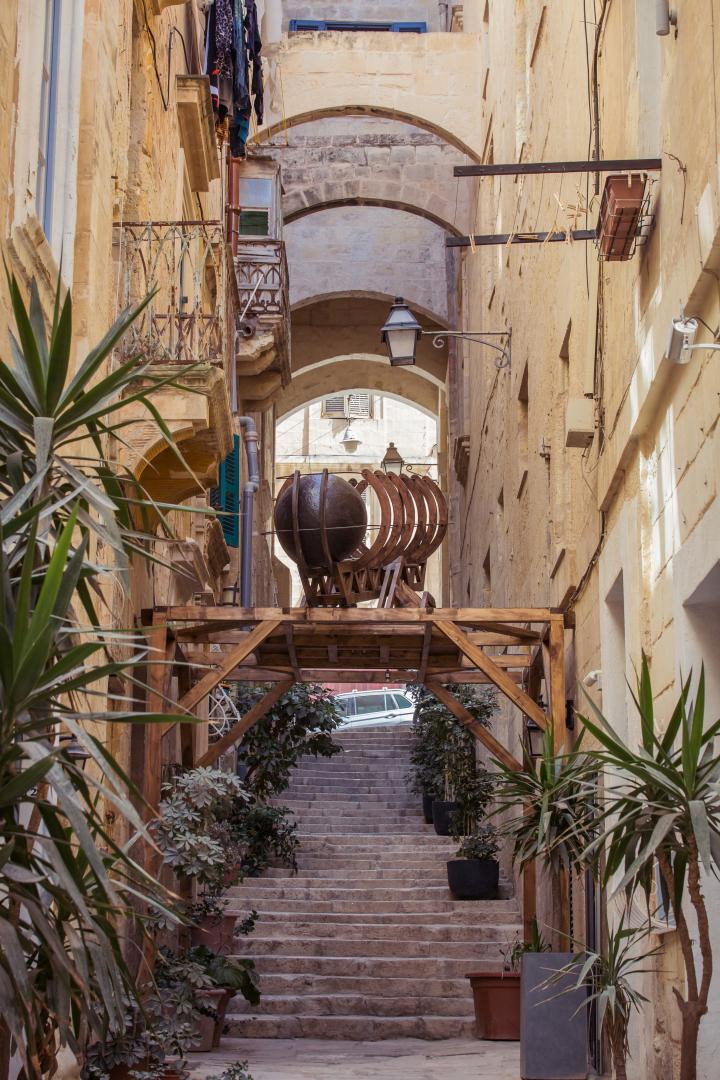
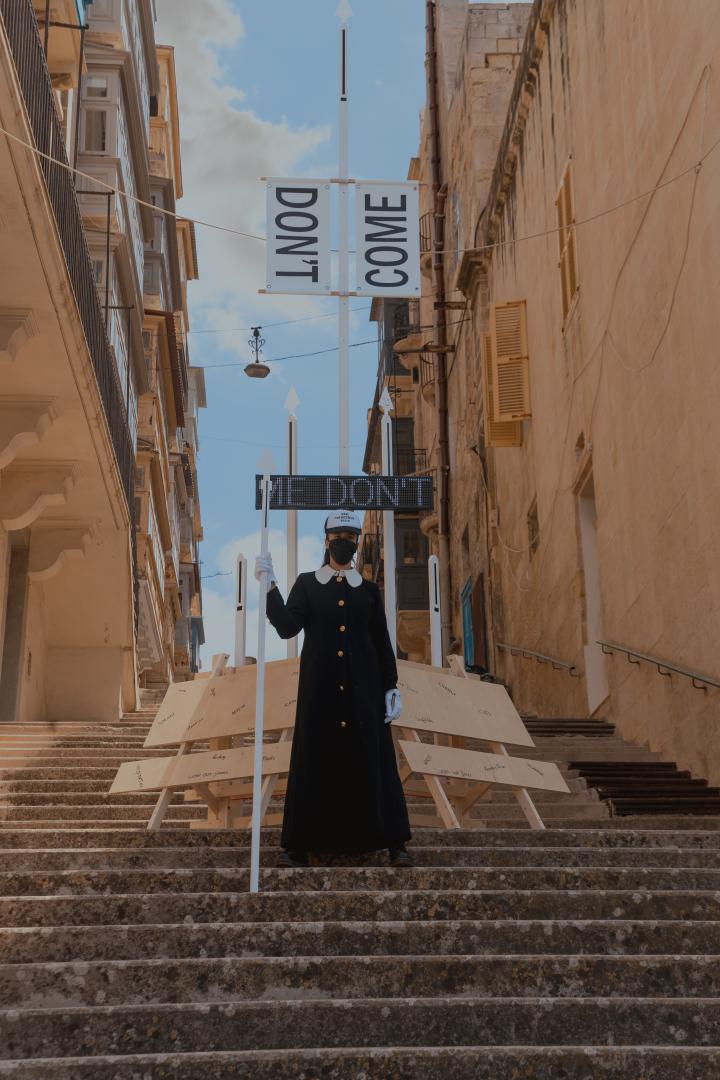
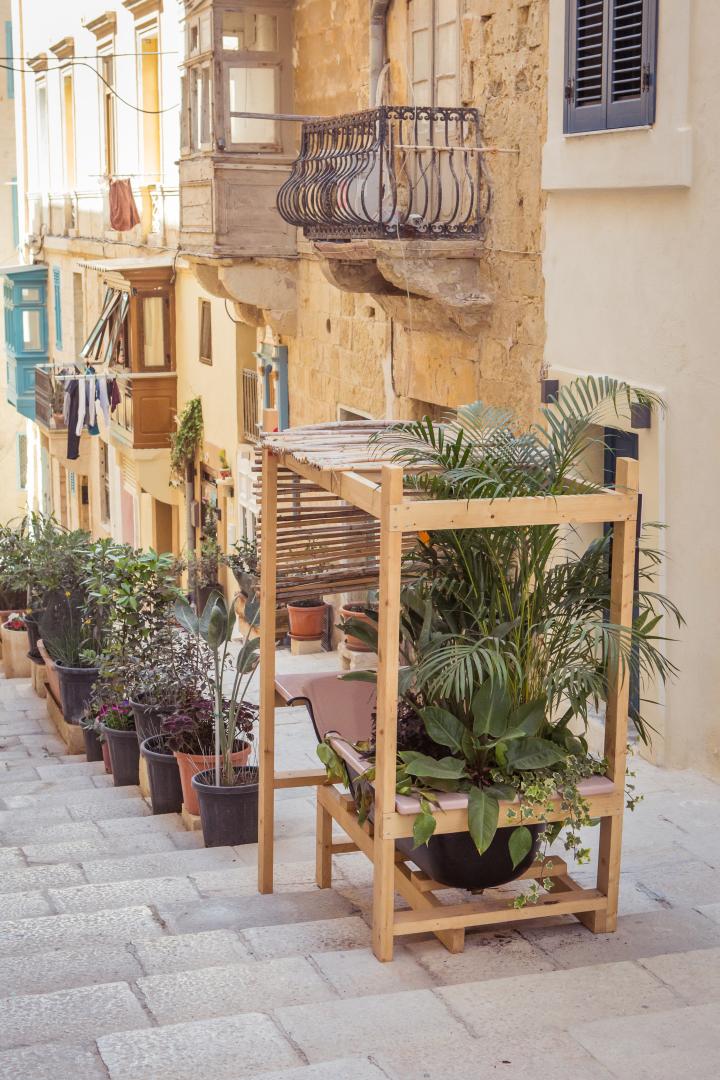
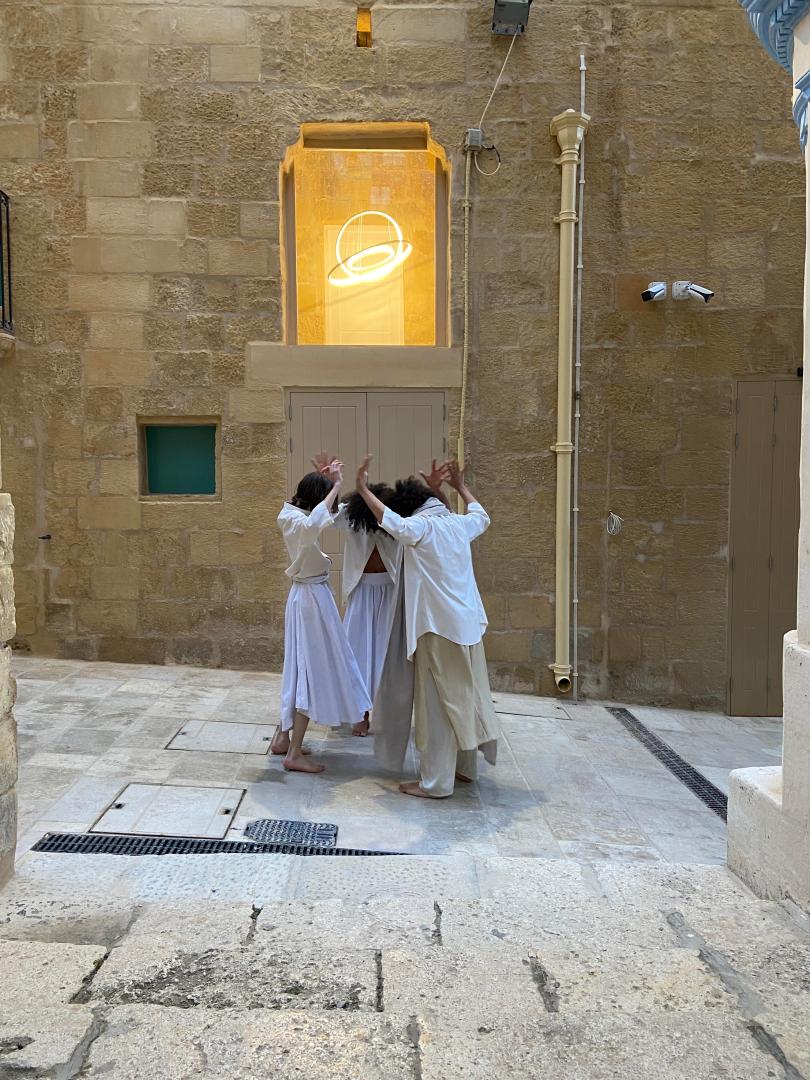
The interventions are visually stimulating and enhance the surroundings of the VDC, some being functional (such as a repurposed bath turned into a bench and planter) and others are purely sculptural. The performances (filmed due to the pandemic), were also carried out in the streets themselves, using them as a backdrop to further tie in the surroundings. In their entirety, the works cannot be shifted or moved elsewhere, not only because of their intrinsic physical nature, but because they are entirely representative of the area itself. They provide a multi-sensorial experience, with works which appeal to all generations, fully interacting with their environment and incorporating elements related to architecture, art, living heritage and eco-conscious design. Above all, the experience is immersive and sometimes interactive (kinetic sculpture) - they are an entire showcase of their identities.
Key objectives for inclusion
Inclusion was experienced on various levels, both related to the communities of the Biċċerija area but also within the team itself. The area, in terms of its social and anthropological aspects, encompasses distinct characteristics and social challenges. Over the years, multiple attempts were made to regenerate and improve the livelihood of the residents, however a major advancing step was achieved through the rehabilitation of the Biċċerija building itself into the VDC. fuse helps to reinforce these efforts to improve public perception of this area and its residents by giving the residents a voice.
Throughout the whole process, no distinctions were made when approaching members of the community to get to know their stories, whatever their background, nationality, age, race, gender, the team listened and each and every story was integrated. The response and feedback was varied, some conversations kicked off immediately, others took a bit longer, some relationships never materialised. This approach was also applied when collaborating with various local organisations.
The artists were selected via a public call and although their artistic capabilities were important, there were no distinctions between the emerging and established. For some, fuse created an opportunity for them to produce their first artwork. Exchange was initiated through the use of common workspaces which enhanced relationships and allowed for transmission of skills, knowledge and support.
Another aspect related to inclusion is the acceptance of the team including the curator and the artists to integrate within close-knit communities, to work with them and create this project in a collaborative manner. By the end of the project, the team, the artists and the residents became a synchronised, interwoven system. They came together to create a project which was not only about the community, the context, the team and every other component in between, but about everyone altogether.
Results in relation to category
Improving and facilitating accessibility to art, especially to contemporary art, was one of the core principles of fuse. In general, there are still various invisible barriers between non-art and art communities. The project focused on cultivating a sense of ownership, reinforcing a sense of community and integrity whilst maintaining the identity of an area so important to the development of the social and cultural dimension of Valletta. These factors are among the priorities of the Valletta Cultural Agency, the legacy foundation of Valletta 2018 European Capital of Culture which actively promoted the citizen dimension to cultural development.
fuse enabled the blurring of boundaries between communities which have a relationship to the Biċċerija area and which possess significant differences. Through inclusion, they collaborated in various ways through storytelling, making, understanding, facilitating and supporting the various processes, without expecting anything in return. They developed a sense of trust with the curator, team and the artists, they became a part of the team manifesting the project. This enabled them to develop a sense of ownership and reinforced their sense of belonging, the project was all about their stories, their identities, their home. Following community sessions after the works were installed, the residents have taken the initiative to take visitors and tourists around and explain the works.
Consequently, appropriation was also one of the key results, which reinforced the success of the project. The works have transposed to new trajectories; they have become play-structures for the kids of the area, they are being maintained, requests were received for the works to remain there permanently, the works are being protected by the residents. There has been cohesion between human and non-human communities, between the residents and their environment. fuse is the binding force between art, culture, crafts, living heritage and communities.
How Citizens benefit
Since the start, fuse was based on various types of community involvement and participation processes. Throughout the whole project, residents and community members who had or have a relationship to the Biċċerija area, were involved in a storytelling process which started with the documentation of untold stories about their living heritage as well as their concerns, their needs, their wants. The approach was sensitive, unobtrusive and non-invasive; conversations were voluntary and informal. The popularity of certain issues and topics, led to the selection of the nine pillars on which the whole project is based.
These include: Synergy (street games), Symbiosis (human and non-human communities), Ritual (local feasts and traditions), Resilience (public spaces as extensions to homes), Displacement (gentrification), Intersection (practices related to the sea and coast), Familiarity (personal stories of the ex-residents of the Biċċerija), Conviviality (Carnival) and Transaction (history of bakeries). For over 18 months, the team engaged in getting to know more about these thematics, in preparation for the development of the public artworks. The communities were involved in different ways, whether through contributing with their experiences and memories, or by directly being involved in the making process. Local organisations related to village feasts were involved in the gilding of works, others provided workshop space for artists. Ultimately, the artworks are a reflection of the stories of the people, they are located in the spaces where encounters have taken place. It has improved accessibility of art, breaking boundaries between art and non art communities, it has also empowered the community to proudly declare and communicate its identity, who they are and where they are from. In fact, the works have been appropriated and the community has taken ownership by maintaining the public artworks, some of the works remaining there permanently following community requests.
Innovative character
fuse is an interdisciplinary showcase of contemporary artistic work manifested in public space. The research and curatorial processes were directed through a storytelling approach with significant efforts to build close relationships with the communities, expecting nothing in return. Each process was entirely devised to suit their needs, feedback, demands and ongoing response. The nine main pillars and thematics of the project encapsulate stories about Carnival, bakers, gentrification, ecology, neglect, transformation, hope, tourism, the public and the personal. Following a lengthy process of exchange and collaboration, through a collaborative approach with the curator, the selected artists developed works which investigated each thematic, interpreting the collection of stories from a contemporary perspective. This informed process, enabled the development of works which are diverse, innovative and immersive. They are site-specific, context-specific and/or community-specific, they relate to, developed for and were produced in the area surrounding the Biċċerija.
The works are human-centred, large-scale and interactive interventions, providing a tangible experience, a manifestation of creativity by a team of over 25 individuals and the related communities. They bring together art, science and culture through mixed-media interventions and performances. They include ceramic and kinetic wood sculptures, arte povera, photography, screen printing, dance and choreography, acting, filmography, electronic music generated through plants, digital art, bio-sculptures, literature and more. Each process and work involved in fuse is tailor-made to the communities and their context.