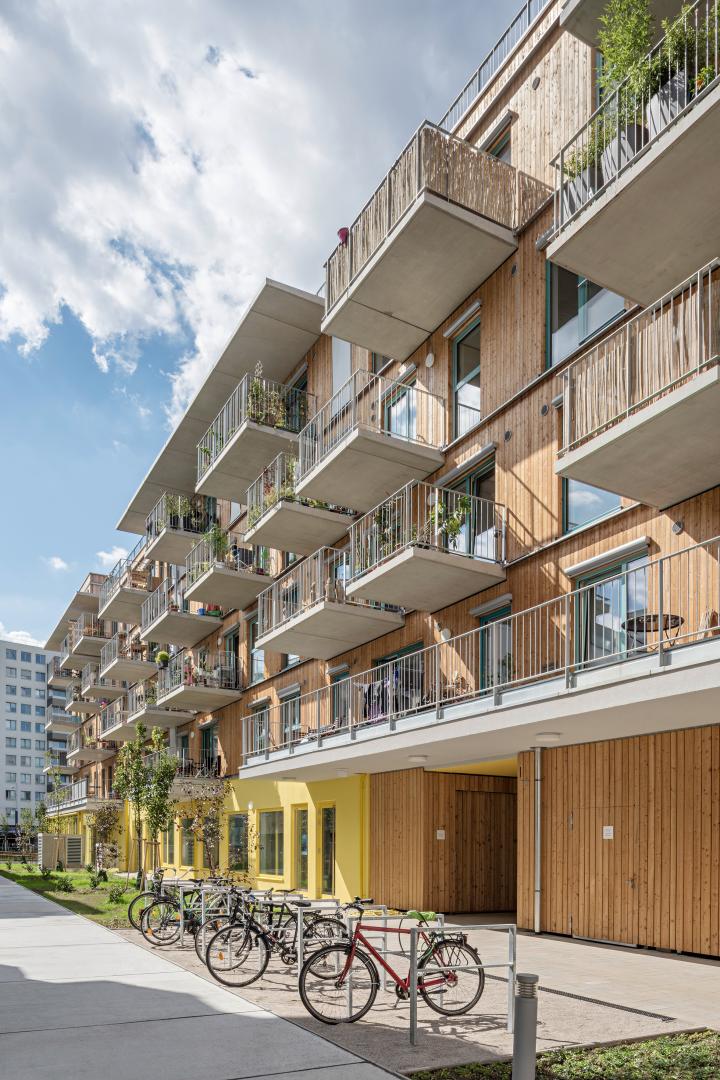
Gleis 21
Basic information
Project Title
Full project title
Category
Project Description
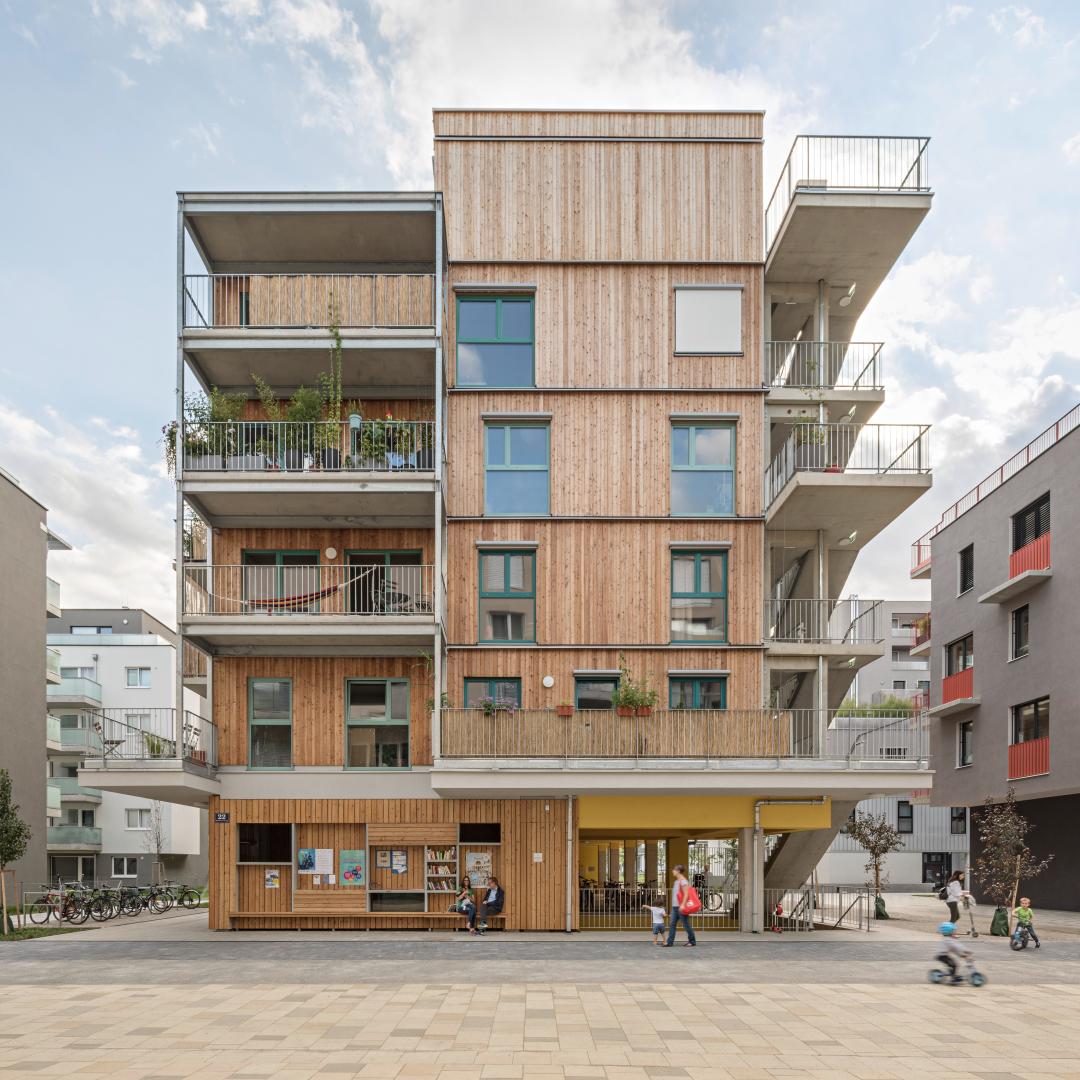
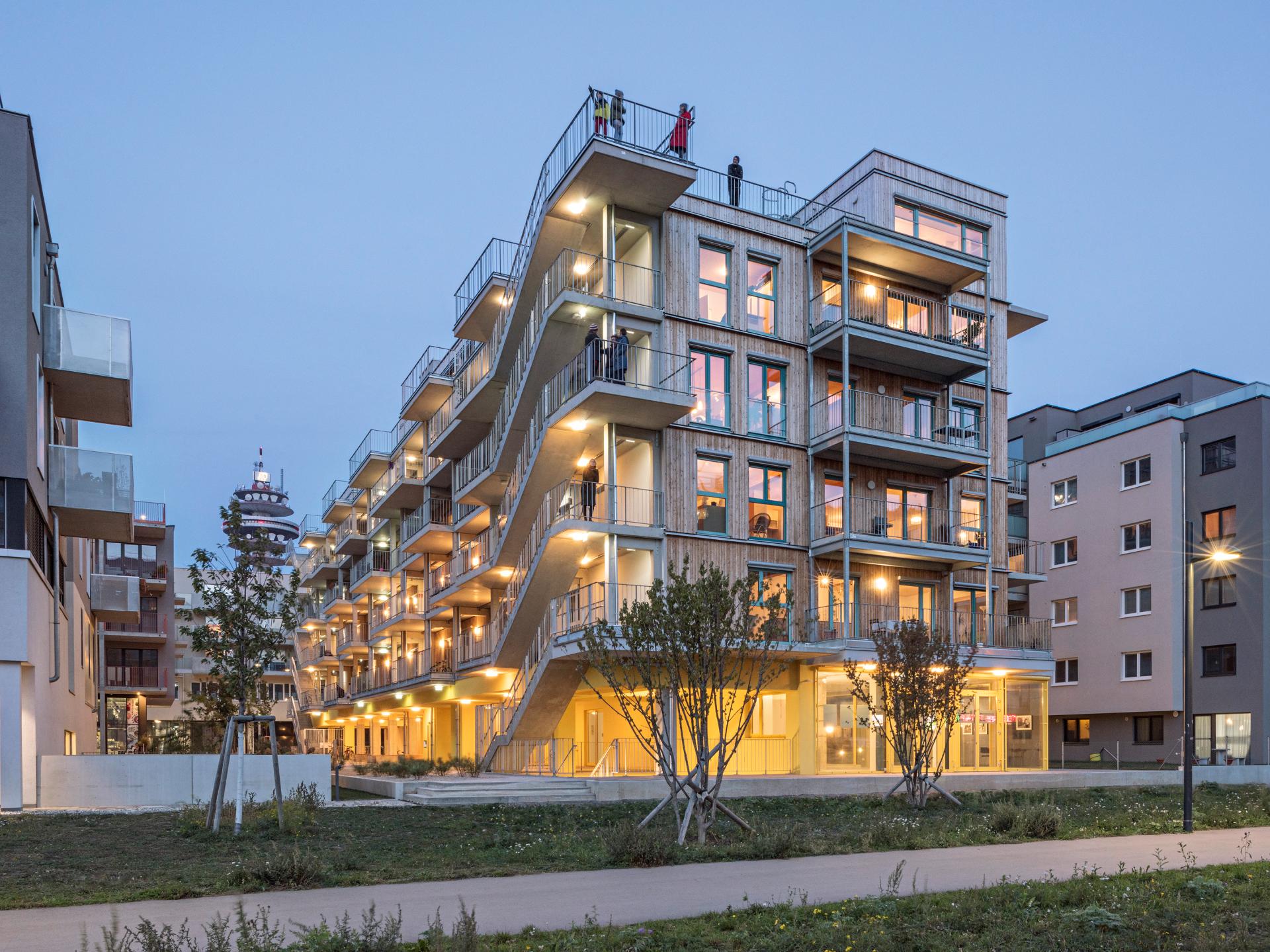
Gleis 21 is in the heart of the new quarter in Vienna: The Sonnwendviertel forms a bridge between the tenth district and the inner-city area. Visible from afar, the wooden facade already signals a contrast to the familiar urban look. The wood hybrid construction is a technical innovation with a role model. Created through participation, the residents own, operate and manage the co-housing-project collectively themselves with a great external impact.
Project Region
EU Programme or fund
Description of the project
Summary
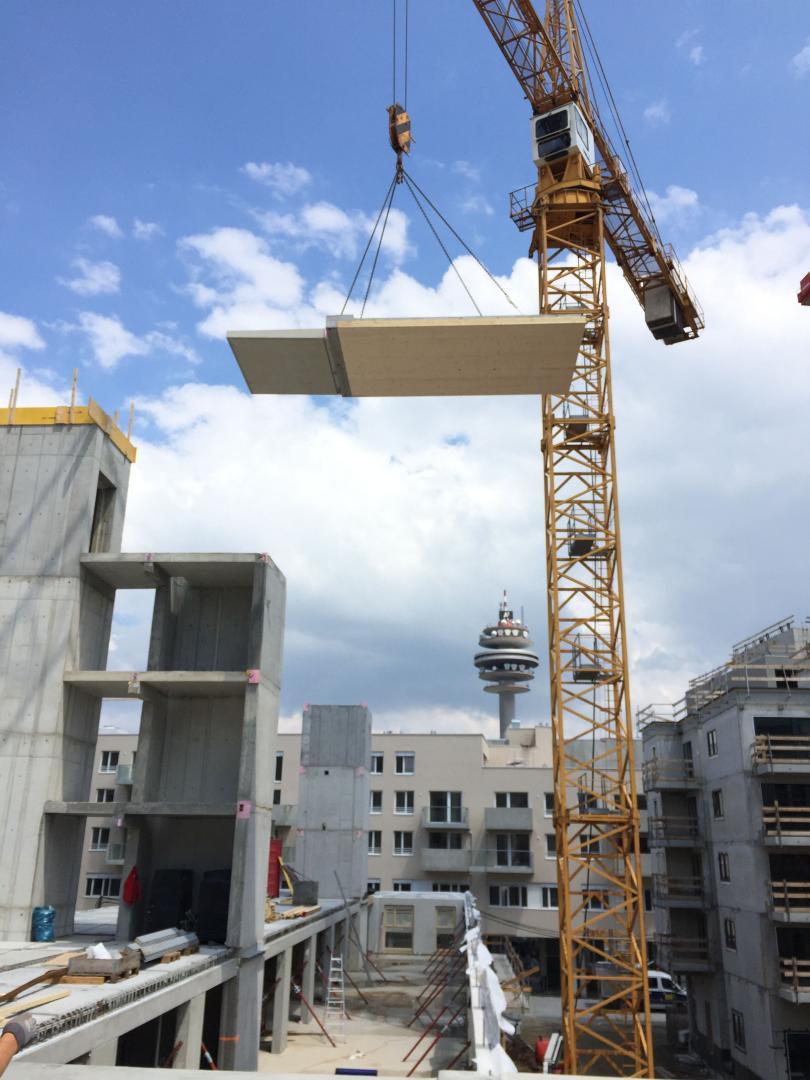
The co-housing project Gleis 21 exhibits a high degree of technical and social sustainability. The wood hybrid construction and innovative development of the assembly method with a high degree of prefabrication reduced the construction time, the necessary truck trips as well as noise and dust.
Within the system of subsidies housing in Vienna, a participatory project was created in every phase with user planning and the involvement of the residents, which emphasizes affordability, inclusion, community and solidarity.
Collective ownership by the association prevents speculation, apartments for refugees and a solidarity fund offer concrete assistance in emergencies. Many of the public spaces and offers (from the event hall to the local music school) affect the entire quarter. With Gleis 21, a community center has actually been created for the district!
Gleis 21 is nominated for the Mies van der Rohe Award 2022.
Key objectives for sustainability
The Co-housing project Gleis 21 has a high level of sustainability. The specialty is that technical sustainability and social sustainability work together and convince.
The principle of participation ensures a high level of identification with the project and great social commitment through the involvement of the residents already in the planning phase. This applies to both within the group and to their impact on the district.
The technical, structural sustainability results from the wooden construction, which saves and binds Co2. Only through the high degree of prefabrication and the wood hybrid construction (e.g. the ceiling elements, slabs) is it possible to save truck journeys and reduce the construction time.
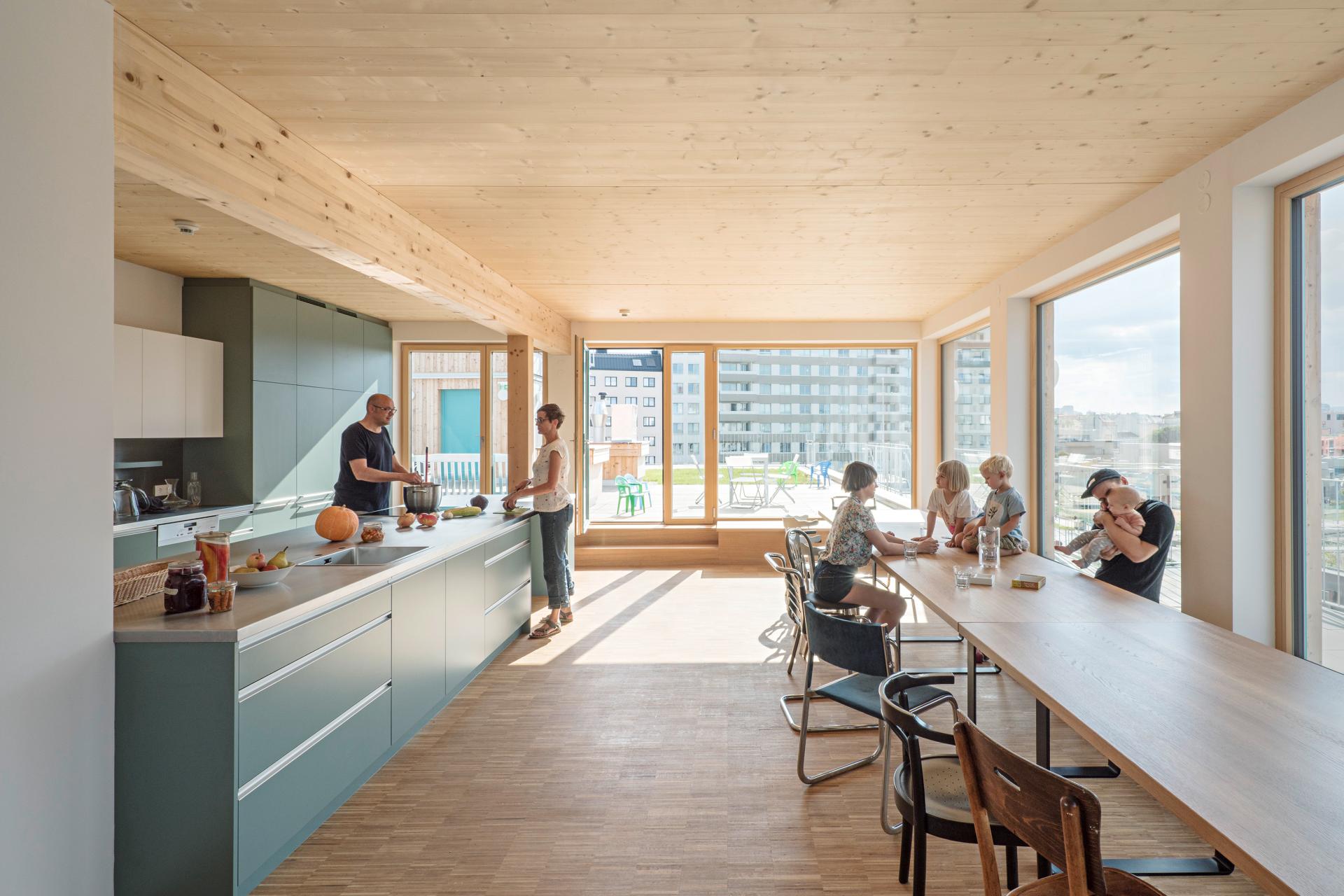
The wood construction also improves the living climate itself, so it has a positive effect on the human-physiological level.
The social perspective is reflected in the lived sustainability: The association owns and manages the project together, thus withdrawing it from the market and speculation. In addition, this common aspect explains and guarantees the great focus on saving resources and monitoring of energy consumption. It was only through the generous and diverse common areas that it was even possible to reduce the individual space requirements so significantly.
Key objectives for aesthetics and quality
Wood in the city - the material is anything but common in the urban area. Wood stands for liveliness and warmth in the cityscape. It is noticeable that something is different, it interests and attracts passers-by.
The wooden construction is visible and consistent from afar through the facade.
Gleis 21 is good for more than a beautiful single photo. In an “everyday aesthetic”, the project comes to life through use, through plants, etc. and only deepens through living: the building becomes a stage for everyday life.
Living on a participatory base creates a community: decisions are made in regular meetings of the association, especially the cultural space on the ground floor provides with public events for a cultural impact far beyond the association itself.
Key objectives for inclusion
Gleis 21 operates a solidarity fund. It is funded from preferred locations on the corners of the building by paying more for them. On the one hand, the income supports group members in the event of an emergency. On the other hand, so-called “flex apartments” are financed: young refugees live in these solidarity apartments and are supported in cooperation with the Diakonie. However, they not only have physical shelter and living space, but above all “social shelter”. They are integrated into the house community through participation and benefit from the network in the community.
Results in relation to category
Gleis 21 is a unique construction and a pioneering project: The timber construction, the maximum prefabrication, the innovative wood-composite-concrete ceiling elements on which the reinforced concrete balconies are fully assembled - this is the first time in the world that this has been done in this way.
As a result, truck trips, assembly times and exposure to noise and dust for the neighbors and the environment have been reduced. In addition, no more work on the facade was necessary, and therefore no scaffolding.
The participation of the users also supports the technology from the start, they know it and identify with it. Technical innovations go hand in hand with social innovations.
How Citizens benefit
The users were involved in Gleis 21 from urban planning to the socket outlet, from the vision workshop to the actual move-in. The group worked on it for 3.5 years, all together and in smaller working groups; the residents own, operate and manage the project themselves. They have created the entire living space in a “triad”: space for individual life in private apartments, for social life in the numerous shared areas, for public life in spaces open to the public.
Innovative character
Social and technical innovations go hand in hand.
Gleis 21 is a pioneering project: The timber construction, the maximum prefabrication, the innovative wood-composite-concrete ceiling elements on which the reinforced concrete balconies are fully assembled - this has been done in this way for the first time worldwide.