CONDE
Basic information
Project Title
Full project title
Category
Project Description
Condominio Genovesio” (CONDE) is a Multi-Family House (MFH) belonging to “ENERGHEIA” initiative, an endeavor aiming at retrofitting 100 MFHs by 2023 for an estimated investment worth 100 Million euros. ENERGHEIA is led by Acea Pinerolese Energia (APE), an energy utility, and Tecnozenith (an ESCO and construction company), with the scientific coordination by the Energy Center of the Politecnico di Torino. CONDE represents a replication capability for other 99 MFH in 2021/2023.
Project Region
EU Programme or fund
Description of the project
Summary
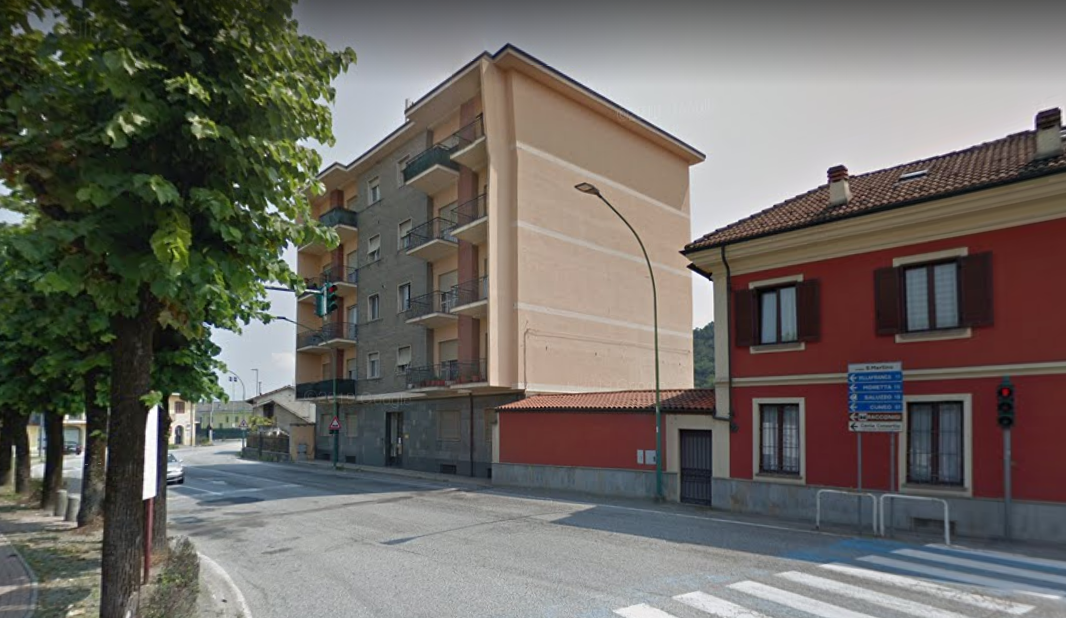
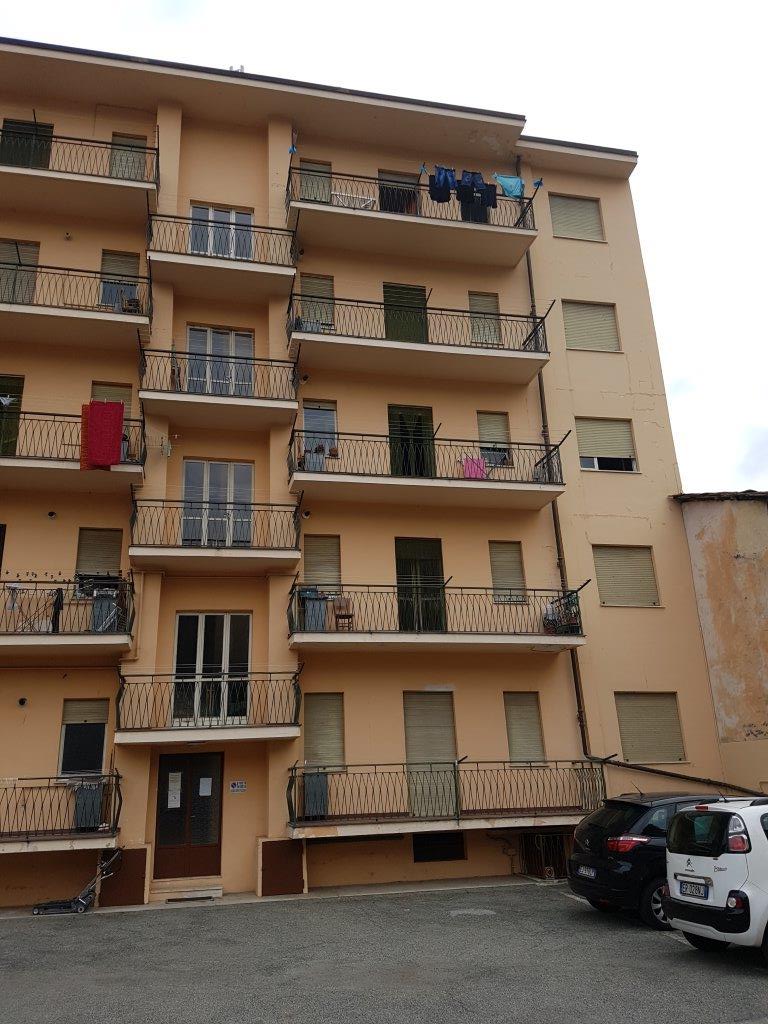
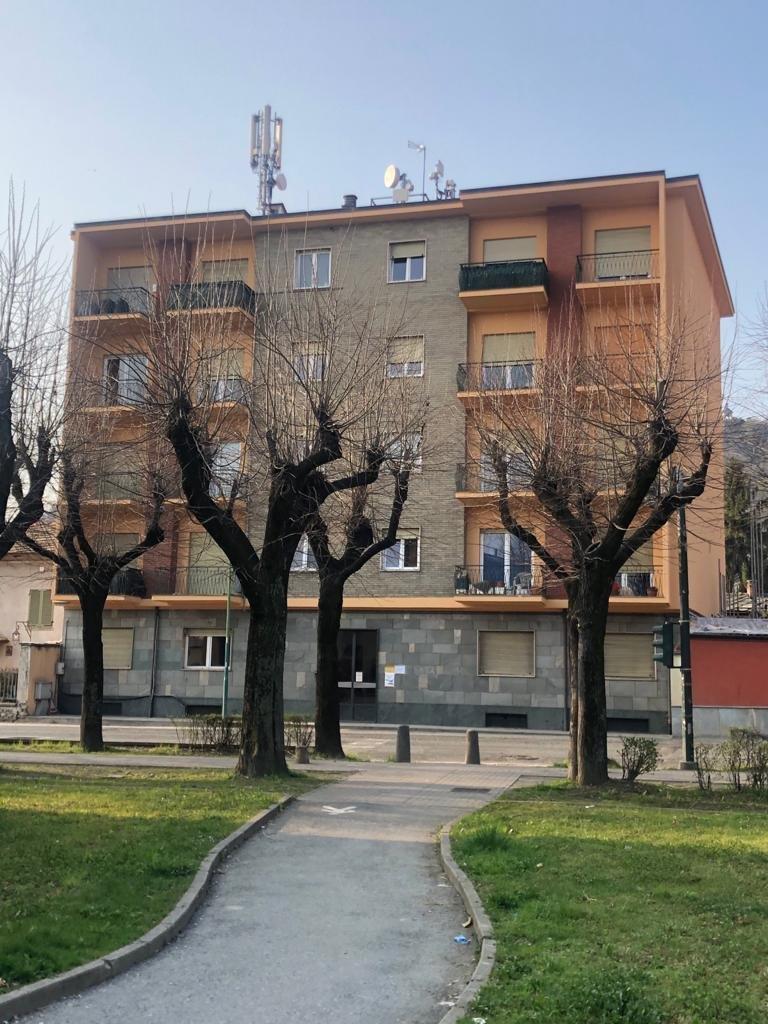
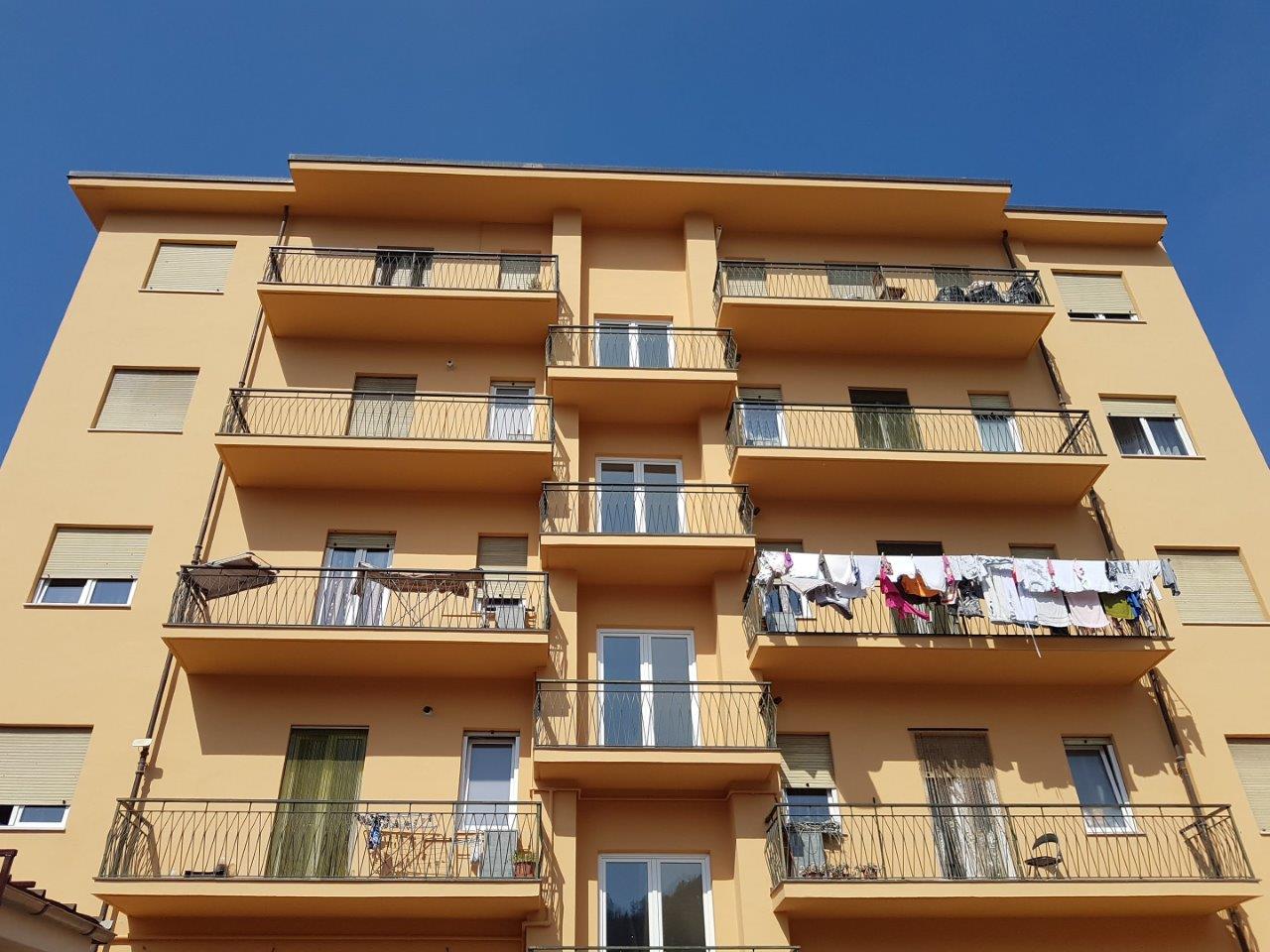
CONDE is a multiresidential building located in Cavour, in Piedmont Region, Italy. It consists of 5 floors above ground and a basement for use as cellars, with a structure in reinforced concrete, with stairwell and internal lift, built in the first 1960s, for residential use, with 14 dwellings.
The heating system is centralized and before the efficiency interventions it consisted of two gas boilers positioned in the thermal power plant in the basement, which distributed the water to the radiators inside the apartments. The production of domestic hot water is instead entrusted to individual boilers in the apartments.
In pre-intervention conditions, the overall energy requirement for heating was approximately 140 MWh, corresponding to 14’500 cubic meters of natural gas.
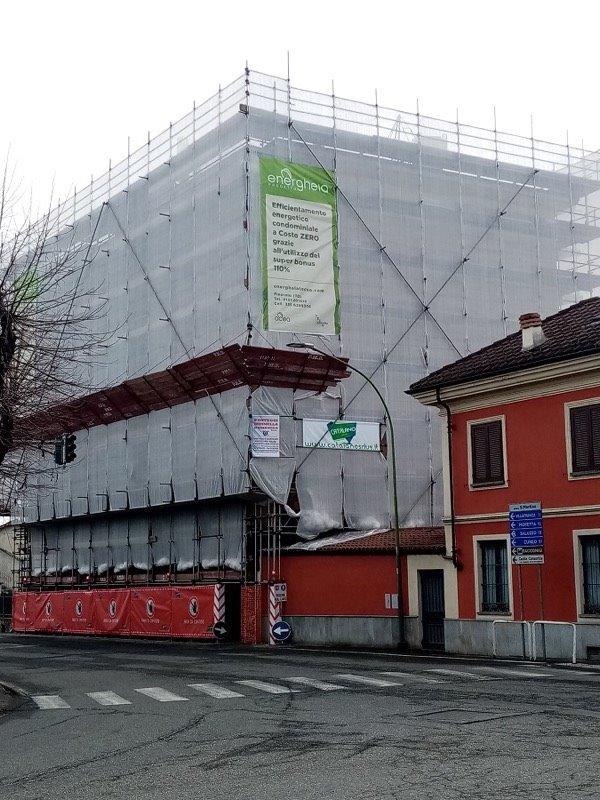
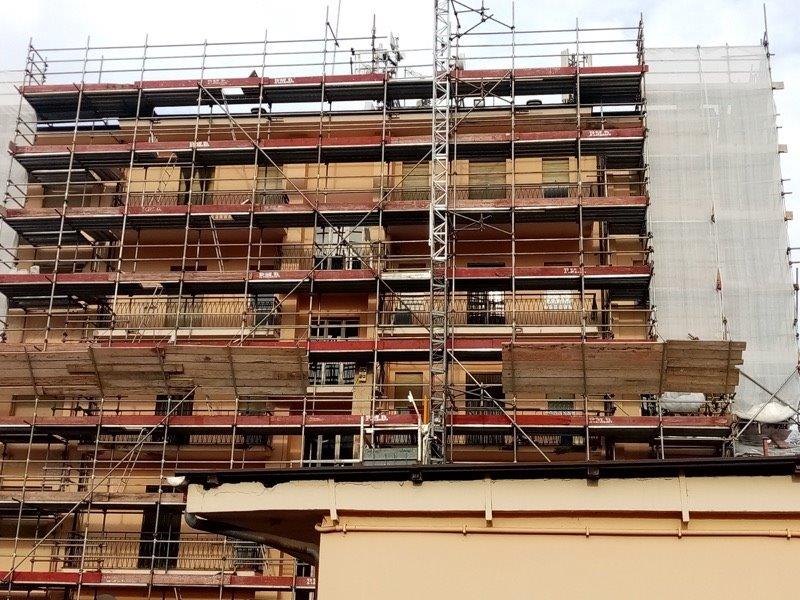
Works carried out in 2021 led to the insufflation of the external dispersing walls with glass wool flakes, coating of the two blind walls of the building, isolation of the ceiling of the basement and the attic, replacement of all the external doors and windows with a more performing type, installation of a 110 kWt heat pump with its integration into the existing system, controlled by a BMS system, and the installation of a 32 kW photovoltaic system on the roof of the building and of the pertinent garages.
The interventions to insulate the building envelope have lowered the energy requirement for heating by 66%, bringing it to about 47 MWh. This will be almost entirely satisfied by the heat pump powered by the PV system, which will reduce the consumption of fossil fuels, and consequently the emission of CO2 into the atmosphere by 90%.
All the energy parameters, electrical and thermal, are monitored with devices with MID certification, interfaced and collected by the BMS system, with remote reading. The same BMS automatically manages the operation of the system and promptly reports any anomalies.
Key objectives for sustainability
The Clean Energy for All Europeans Package (CEP), published by the European Commission in 2019, aims at fulfilling the EU’s Paris Agreement commitments. It consists of eight legislative acts, two of which – Directive 2018/2001 dealing with Renewable Energy Communities and already written into the Italian law system, and Directive 2019/9441 defining Citizen Energy Communities, to be transposed by June 2021 – are particularly significant.
The Italian Government, through article 42bis of “Milleproroghe” Decree (D.L.162/2019) – converted into law by Law 8/2020, published on 29 february 2020 in no. 51 of the Italian Official Gazette – incorporated the Directive 2018/2001 (RED-II) ahead of schedule, establishing specific conditions for electric energy consumers who are willing to join together into Renewable Energy Communities and Collective Self-Consumption projects. Such initiatives are supported by special incentives which are compatible with the other forms of incentives planned for residential buildings’ renovation and energy-efficiency interventions.2
As part of the post-Covis recovery plan, the Italian government is making strong fiscal incentives available for building retrofit and urban renovation. As most buildings in Italian cities are residential blocks of flats, collective self-comsumption and related incentives, as well as the opportunity to set up flat-owners communities, can work as catalysts for the local and urban energy-transition process.
CONDE, intended as the catalyst of systemic replication, will create sustainable districts, with the following objectives:
- inclusive, accessible spaces and affordable Districts made by buildings that behave as energy communities;
- “smart buildings” whare energy transition processes lead to environment-friendly living contexts;
regenerative approaches based upon Building&District Management Systems, where data and Internet of Thinks (IoT) play a major role in raising awareness.
Key objectives for aesthetics and quality
The Clean Energy for All Europeans Package (CEP), published by the European Commission in 2019, puts the energy “prosumer” (consumer + producer) at the center of Energy Transition: building, district and city renovation are therefore renovated and “made more attractive and beautiful” also in terms of awareness raising through the use of data as enablers of energy-based communities. This will lead to both economic advantages and to the capacity of measuring CO2 emission. Citizens, thar are prosumers, can therefore create new categories of “beauty”, intended to a data-driven capacity of living better and to quantitatively contribute to new behavioral habits based upon the change of the energy paradigm.
Key objectives for inclusion
Renewable Energy Communities “don’t let anyone alone”: thanks to the incentives and profit margins related to a new sustainable use of energy, resources are made available to fight energy poverty, for the sake of a wider “energy inclusion”. The RECs (including building self-consumers like CONDE, will in fact ensure the access to clean energy without leaving anyone behind, including vulnerable groups. Among the benefits of RECs there is a significant reduction in the cost of energy. This reduction can also be conveyed through fair and supportive initiatives to significantly reduce the costs of bills for the weakest classes, helping to combat 'energy poverty’.
The governance model of the RECs is based on creating local cooperatives (participated by citizens, technicians, designers and SMEs) that use the standards of the IoT platform to create short, local supply chains for energy services to design and install interoperable systems based on energy production from renewable sources.
Results in relation to category
The renovation of residential buildings through the Energheia project has already started several years ago and today it is already possible to appreciate some of the results obtained by the first condominiums subject to intervention.
By way of example, in the first efficient condominium, located in Pinerolo (TO - Italy) there was an average saving, in the first years of operation, of 88% of fossil energy consumed, which corresponded to a lower emission of CO2 of 35 t / y in that area. This value was even higher than the expectations set in the design phase.
The other buildings whose data are now being consolidated show the same trend in the consumption of thermal energy, especially from insulation works and in the reduction of fossil fuel consumption.
The fact of having already renewed consominiums and of which it is possible to know the operating status, the electricity consumption and the electrical and thermal production allows to continuously refine new projects and consumption forecasts, taking into account the real data available .
In addition to the impacts from an energy and environmental point of view, a great result was the satisfaction of the owners of the properties in question: these in fact signal a significant increase in the thermal comfort of their homes, due to the insulation works and new windows, which bring to have more pleasant temperatures during the winter, without problems of drafts or radiant discomfort.
This result is also signaled by the fact that more and more condominium administrators are asking to be able to make buildings more efficient through the Energheia Project, for the most part known through word of mouth by those who have already experimented with these works.
How Citizens benefit
Flat-owners would potentially have so much to gain from converting their block of flats into a collective self-consuming one; they nonetheless need help and competent advice in order to make the best choice among so many options on the market and to play a conscious role in the energy transition and in the sphere of green economy.
For this purpose the flat-owner has been put at the center of energetic improvement process of his own block of flats, by adopting his suggestions in technical solution implemented and his choises of materials used.
They will also be trained through building automation system that consents to monitoring on-line self-consumption and the electric energy produced by the building’s photovoltaic system.
Yearly meetings are established– in the Energy Performance Contract signed with the block of flats- where the manager of self-consumption will show an energy trend report of common utility and the allocation of economic incentives gained through the year.
Through the agreement with the administration, ventures has been launched for the planning of others energy efficiency works and widespread electricity both on other block of flats and town hall’s.
Innovative character
CONDE is innovative on the technological, organizational and social levels:
TECHNICAL LEVEL: heating and cooling is made “full electric” by combining photovoltaic, heat pumps, coating and energy storage, thus reducing CO2 emission up to 80%. The buildings become “collective self consumers” (i.e. renewable energy communities), thus reducing electric bills while enhancing the quota of self-consumed renewable energy
ORGANIZATIONAL LEVEL: according to the RED-II directive, as adopted by the Italian law, Renewable Energy Communities are non-profit bodies, that include public and private entities, thus leading to innovative Public-Private Partnerships (PPP)
SOCIAL LEVEL: the governance model of the RECs is based on creating local cooperatives (participated by citizens, technicians, designers and SMEs) that use the standards of the IoT platform to create short, local supply chains for energy services to design and install interoperable systems based on energy production from renewable sources