careables
Basic information
Project Title
Full project title
Category
Project Description
Co-designed healthcare products for an inclusive life style!
In careables we co-design tailor-made, do-it-yourself, open healthcare solutions to improve the quality of life for everyone. Why do people still need to use ugly, uncomfortable and highly expensive healthcare devices? Why can’t they be designers of their own? careables helps them in realising their dreams of making personalised, great looking solutions that support people with disability mastering their daily lives.
Project Region
EU Programme or fund
Which funds
Other Funds
Horizon2020 programme, Collective Awareness Platforms; H2020-ICT-2017-1; grant agreement No. 780298
2018 - 2020
Description of the project
Summary
Careables offers an open and inclusive approach to healthcare based on digital fabrication, distributed manufacturing and collaborative making. We link local communities of citizens with disabilities, their families, and healthcare professionals with makers/designers to establish collaboration and develop open-source solutions, so called “careables”.
We improve the quality of life for people with unmet needs or facing physical limitations with solutions that are co-designed, built with digital fabrication technologies, documented and shared online to allow replicability, accessible and adjustable. Careables belong to a new category of products that promises customisation and a horizontal and collaborative approach to health and care.
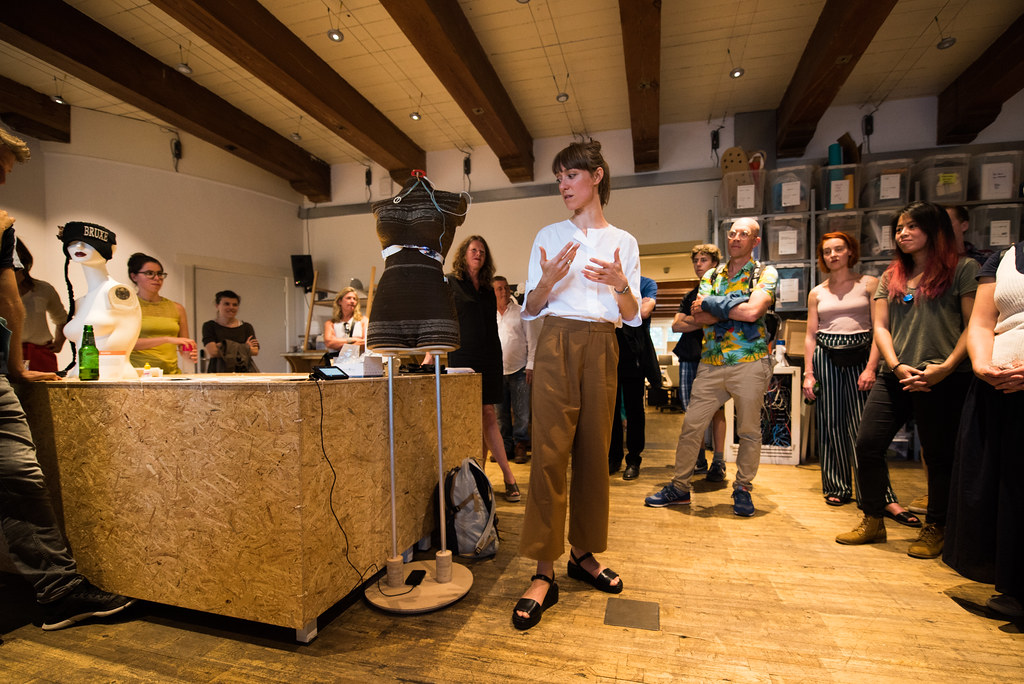
The project is driven by a methodological commitment towards co-design of ‘open’ healthcare solutions. Key to co-design is that people become creators, not only users of innovation. Patients, their families, healthcare professionals and designers are involved in the co-design process as need-knowers and experts, together with makers, who are instead familiar with digital tools, such as 3D printers, laser cutters, etc. At global scale we offer a platform for sharing open healthcare solutions, including detailed documentation to facilitate the replication and adaptation of careables.
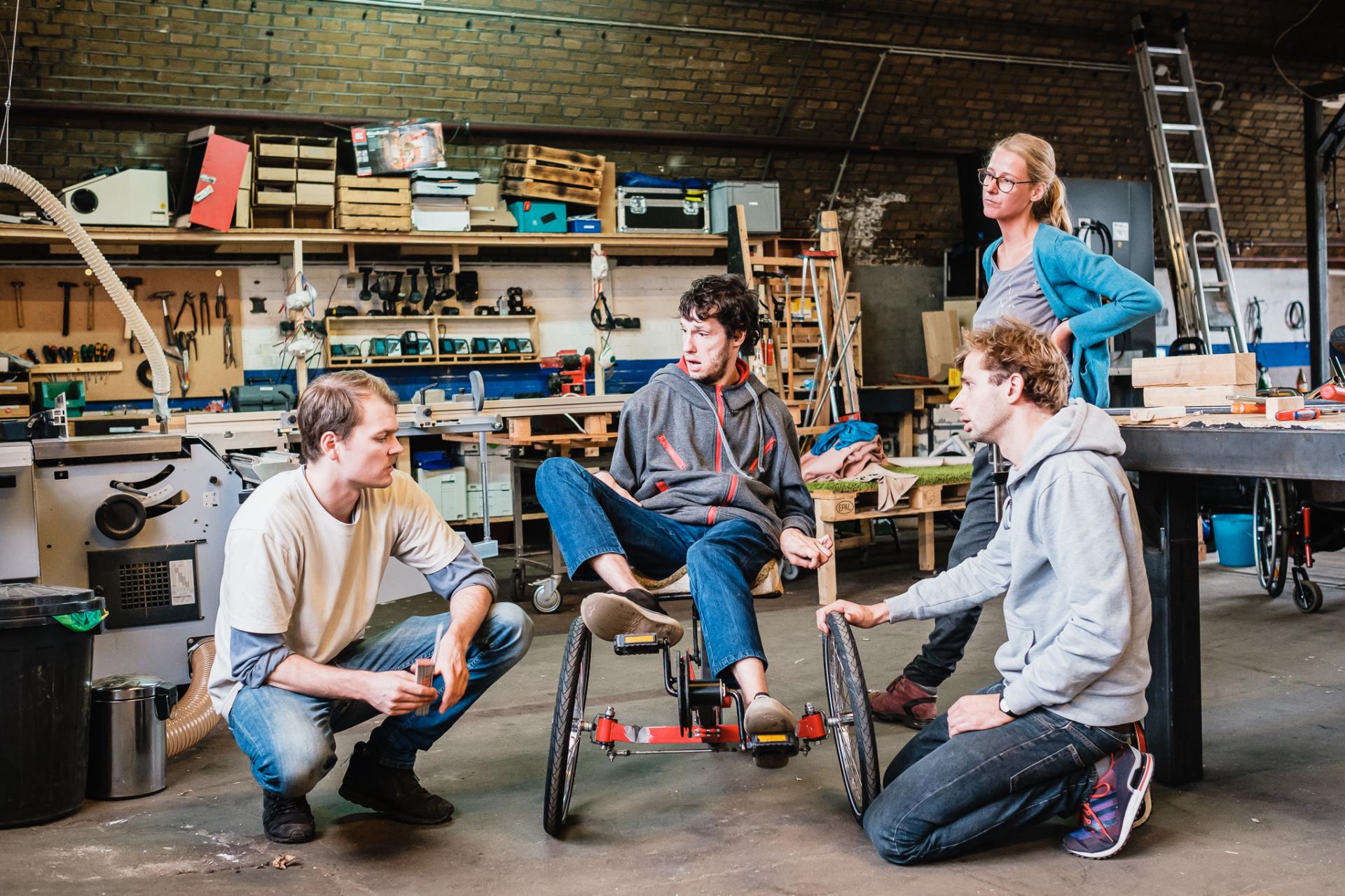
An inspiring example is the co-production and replication of a tricycle for Lorenzo, a child who suffers from a complex neurological pathology that makes most daily actions difficult. The patient organisation TogetherToGo teamed up with Milano’s Fablab Opendot to engage in co-design, customisation and rapid prototyping to produce a tricycle with reduced cranks, ergonomic saddle, support for the back and adjustable handlebar. The 3D model is customised for Lorenzo, but can be adapted to the needs of children with different disabilities. In the Netherlands a replication of Lorenzo’s bike has been made, showing the potential of open healthcare solutions.
Key objectives for sustainability
With over 300 events in 3 years careables has reached out to over 130.000 people all around the world aiming to promote the idea of tailor-made, open source health care products, fostering knowledge exchange across the different stakeholder groups and creating sustainable cooperations between those communities. We succeeded to establish Careables teams in Europe and abroad and they have acted as central points of information and co-creation, driving our approach and becoming Careables ambassadors within their countries. They all form part of the careables network.
Moreover, Carebles relies on a distributed model, moving data and not products. This means that solutions are openly documented and shared online so that anyone anywhere has access to instructions and files and can produce the healthcare tool in a local fab lab, using local resources.
Most importantly, from a sustainability perspective, the consortium was able to establish the necessary structure and provide a governance model that assures the continuity of Careables activities, even after the funding period. Within the organisational structure of the partner GIG – Global Innovation Gathering – a suitable arrangement was found to establish Careables 2021 and beyond. A governance model has been defined and agreed by the partners.
For the future funding of our Careables activities we also tested our value proposition in different settings. A successful Kickstarter campaign confirmed the market potential for specific careables products. A student group in Austria tested the hypothesis of sponsorship for certain Careables events. Picking up this experience a pitch deck was prepared to reach out to potential funders. This approach to fundraising is shared with other initiatives that are complementary to Careables, such as MatchMyMaker, where we have established a strong relationship based on collaboration.
Key objectives for aesthetics and quality
The idea of beauty is absolutely personal and the design of a customised object should also encompass the needs, preferences, personality and expectations of their users. Even more so when we are talking about solutions for people with disabilities because of two main reasons. First of all, product appearance can be stigmatising, raising negative attention, emphasising perceived differences and consequently labelling their users. And secondly, the design of assistive devices comes mainly from assumptions or insufficient knowledge of product designers about the users.
Beauty is the lever that makes the difference between "I have it" and "I use it” and this is crucial especially for assistive devices because they tend to be abandoned more often than a generic consumer product: people with disabilities are not satisfied with them due to comfort or aesthetics when it reinforces stereotypes connected to the representation of disability. In this sense, we use co-design to channel the creativity of heterogeneous groups to come to concrete, useful and beautiful careables, including people of disabilities. The process is meant also to develop empathy among participants: (1) designers learn not to argue about the personal aesthetic taste of the user or not to rely on previous experiences, expertise and understanding that can lead to misconceptions and (2) people with disabilities step by step feel comfortable in explaining their pain, inabilities and needs like a young girl that participated in co-design session in Amsterdam that wanted expressly a less stigmatising walker (rollator).
Our careables - the outputs of co-design - vary in shapes and features: in some cases, they may look “fancy” to product designers because people with disabilities took care of the aesthetics and came up with something that truly represents themselves and in some cases are simply beautiful because the goal was to facilitate inclusion with peers at school.
Key objectives for inclusion
Inclusion is both the main goal of all our activities and the core principle of the whole careables approach. Careables wants to change the quality of life of people with disabilities - more than 100 million citizens aged 16 and over only in the EU - by capacity building, providing them with knowledge, information and skills and facilitating collaboration with others.
The project starts from the challenges faced in performing daily tasks because they may discourage people with disabilities to engage with others, to positively act in everyday environments like the restaurant, the swimming pool or the office, and consequently to take active part in the social life. The project identifies the limitations of existing aids and assistive devices that concern adaptability, acceptability, inclusion, and high costs for their purchase and designs new open solutions that enables simple but needed actions so that people can be fully independent like cooking, eating an ice cream or playing basketball.
Then, we do not want to design for someone, we design with someone. The final users of the careables solutions are people with certain needs and they are those who drive the design process. In the last 4 years we have worked with people with a variety of needs, from children with cerebral palsy and their caregivers to blind persons or elderly with reduced mobility.
In careables we follow a set of core principles that are also labelled as “critical making” or “responsible making”, which propagate an inclusive approach towards open healthcare.
This video gives a good insight into the inclusive approach of careables: https://www.youtube.com/watch?v=x_duDPdcKMk&t=2s
Results in relation to category
Careables brings benefits to people with specific needs. Over 200 solutions have already been documented on the platform. The co-creation experience supported a change in mindset of people with specific healthcare needs, feeling empowered to take their own needs into their hands, feeling valued by creating healthcare devices that make lives easier:
Swen had a dream come true! Now he can ride a bike, individually co-created and adjusted to the specific needs of his spasticity by a team in Berlin. This bike is specifically created for Swen, it looks “cool” as he wanted it, and clearly contributed to Swen’s quality of life.
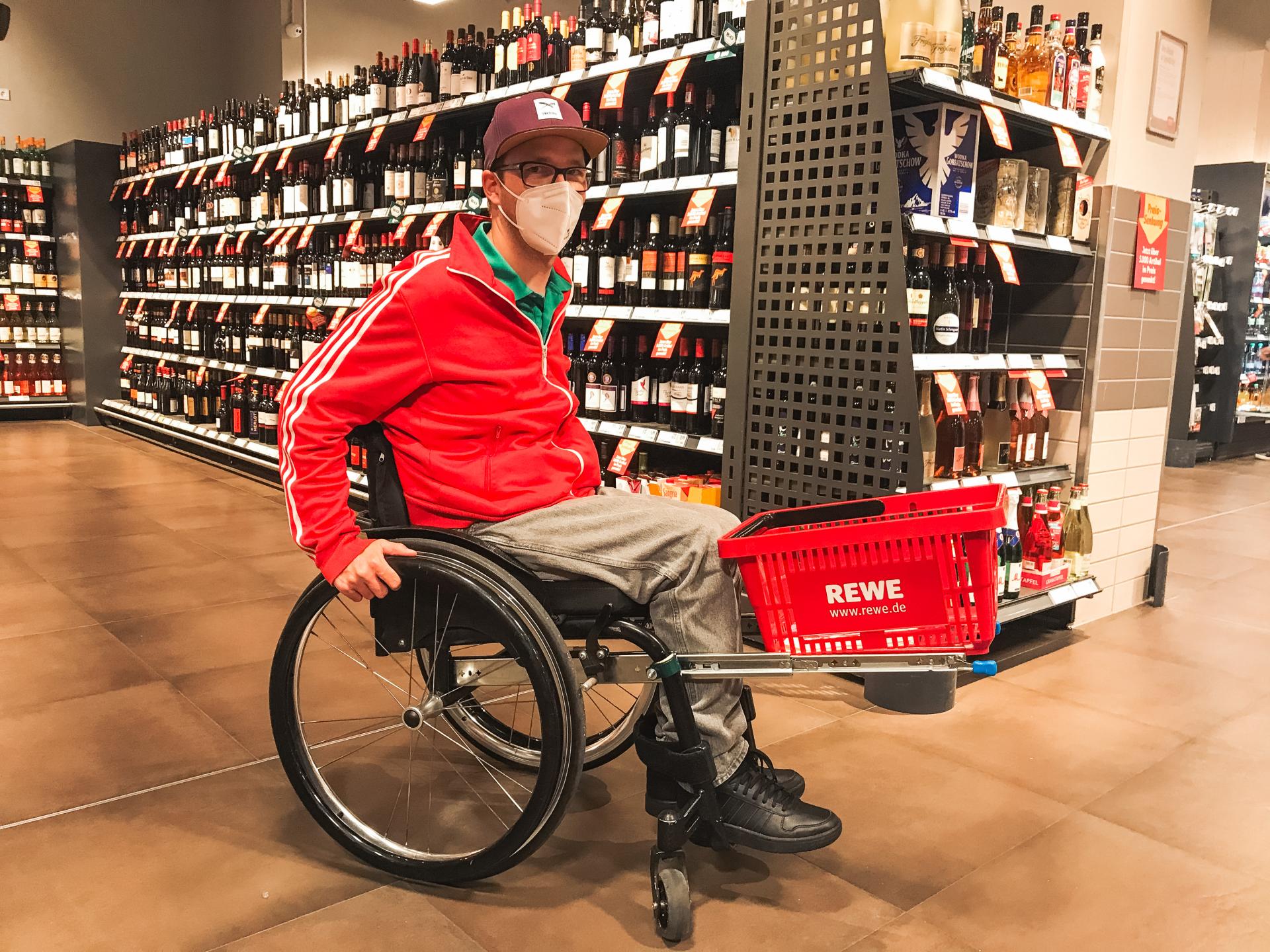
Mine wished for a construction that would allow her to get access to a bag, fixed at the back of her wheelchair, without needing the help of others. The construction, which was co-created by a small local team, was highly complex as wheelchair dimensions are non standard. Mine feels happy with her bag-back solution, having gained an important quality of life back for herself. And she felt highly empowered by the co-creation work in her team, taking responsibility for her needs and being treated on eye level.
Debbie, the creator of the pimped white cane (co-created during the prototyping series in the Netherlands), is not only satisfied to have her glowing white cane that supports her moving around safely. She started a crowdfunding campaign to help others with the same need with the costs of developing more white canes. Her cane has already been replicated by makers in Ghana and Nepal to serve people with sighting difficulties.
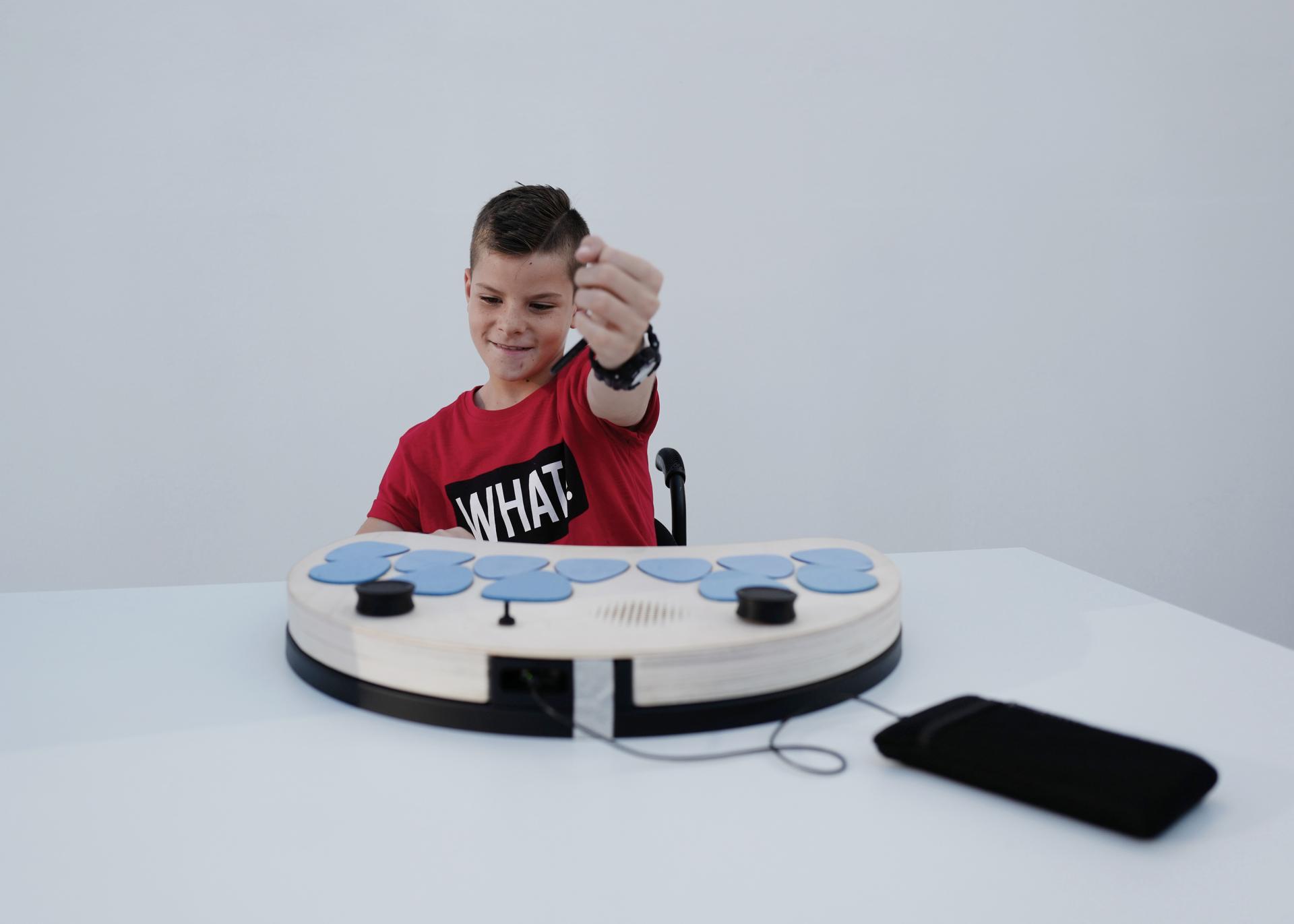
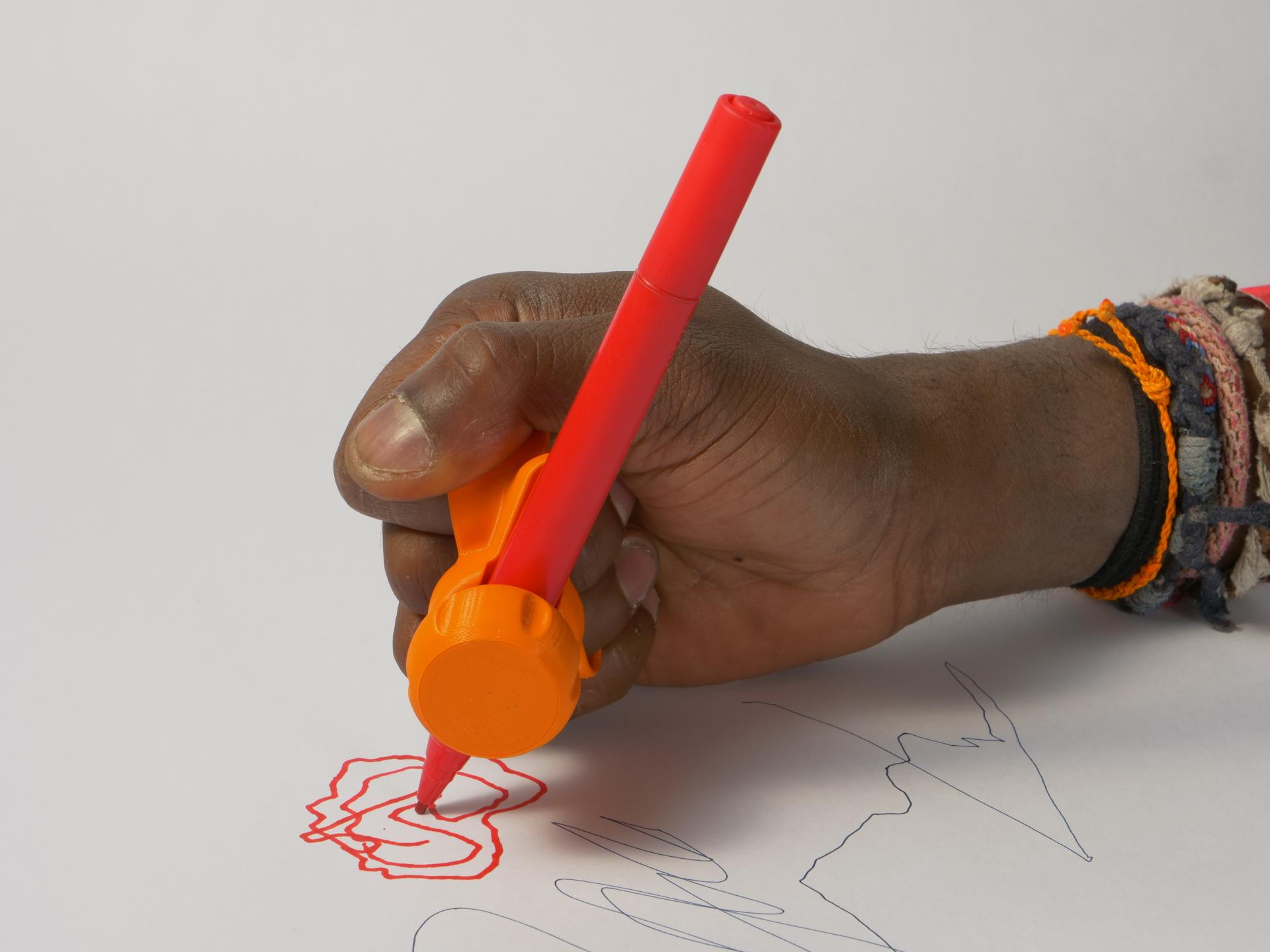
What Debbie is still planning to achieve, namely the crowdfunding campaign, was already successfully reached by the Careables team in Italy. They succeeded in gaining 5.000 euros in a kickstarter crowdfunding campaign for the Glifo - the writing aid for children with disabilities. The budget will be used to create an online configurator so that anyone can create a customised Glifo and receive it directly at home.
How Citizens benefit
The existing supply of commercial aids in health and care - from complex technologies to simple objects that foster autonomy - cover only partially the needs of people with disabilities of all ages. Over the years a large movement advocating that everyone can be a “maker of health” - from healthcare professionals to citizens with physical limitations and their caregivers - has been growing, facilitated by the technological availability of fabrication machines and fab labs or maker spaces dealing with health-related issues.
Careables is set in this context and its approach is based on co-design: multidisciplinary teams of people with various skills and experiences - doctors, therapists, nurses, makers, designers, caregivers, and patients - collaborate together and come up with a new effective, and personalised solution for disability. Therefore, users are not objects of study but are actively involved, supplying insights about tacit knowledge, real needs, and personal values, taking part in the concept development and evaluating the output.
Co-designing has led to solutions that answer to the specific needs of a person, that are tailored on his/her own physical characteristics, such as health conditions, body structure, age, functional abilities, and are designed by the need-knower himself/herself, developing a sense of ownership. Moreover, this process produces a change in mindset for people with disabilities, proactively taking care of their health with increased self-confidence in their skills, and knowledge.
Innovative character
Careables originates from the open healthcare movement stemming across the world to challenge the current mis-match between specific and unique needs/problems of people with disabilities and devices that are meant to help them perform a particular task. It is based both on co-design methodology so that people with disabilities, healthcare professionals and designers come up with effective and open solutions, and on digital fabrication technologies to enable production and replication of these solutions.
The innovation relies on the nature of careables, as we call the solutions. First of all, the word “careables” encompasses the ability of the solution to take care of someone rather than to assist them. Then, careables are co-designed, replicable, accessible, adjustable and shareable online, this means also that they can be customised to the specific needs and are not commercial products but open solutions people can create or replicate using digital fabrication technologies.