Botanikern, "The Botanist", of Rosendal
Basic information
Project Title
Full project title
Category
Project Description
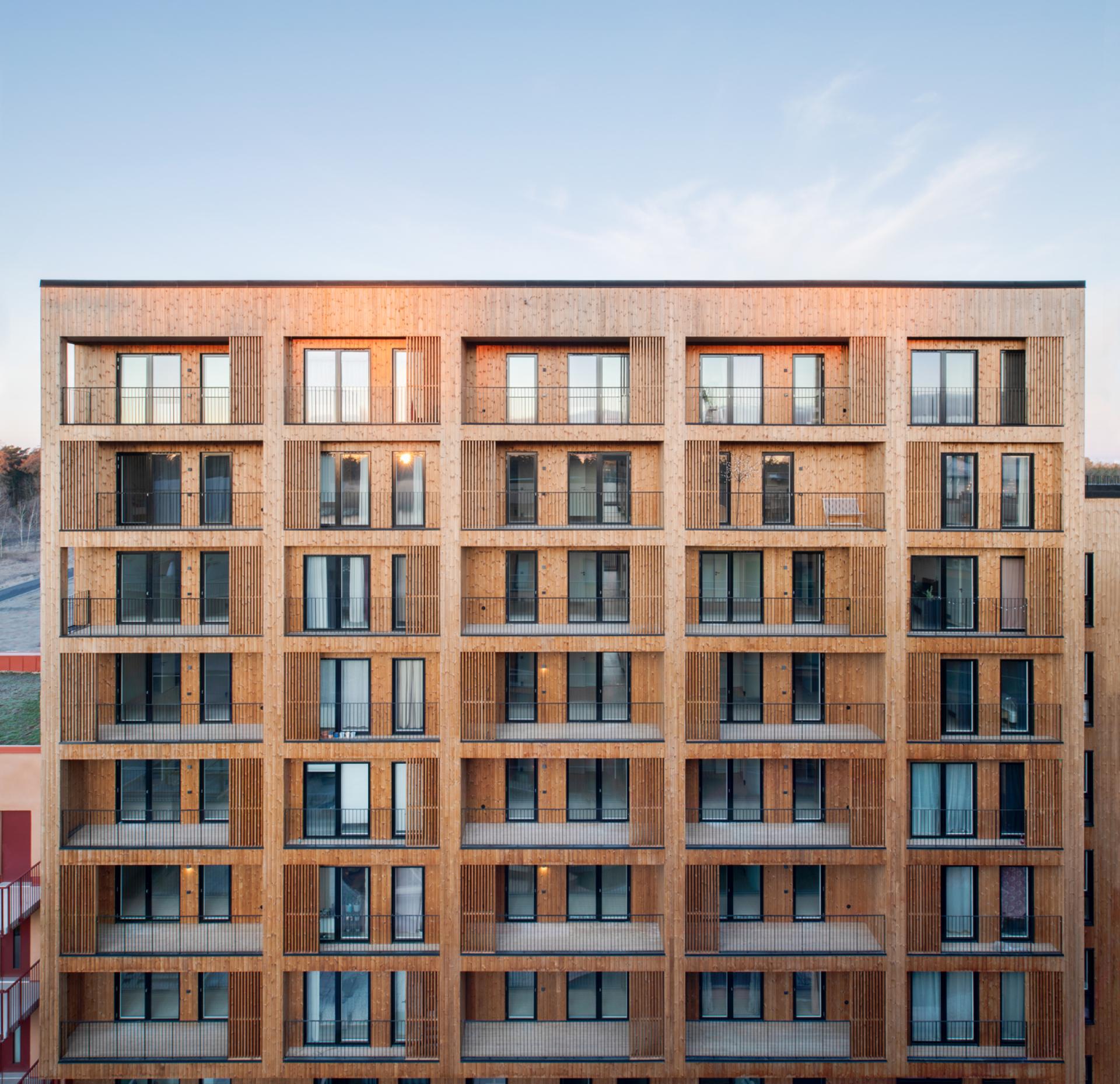
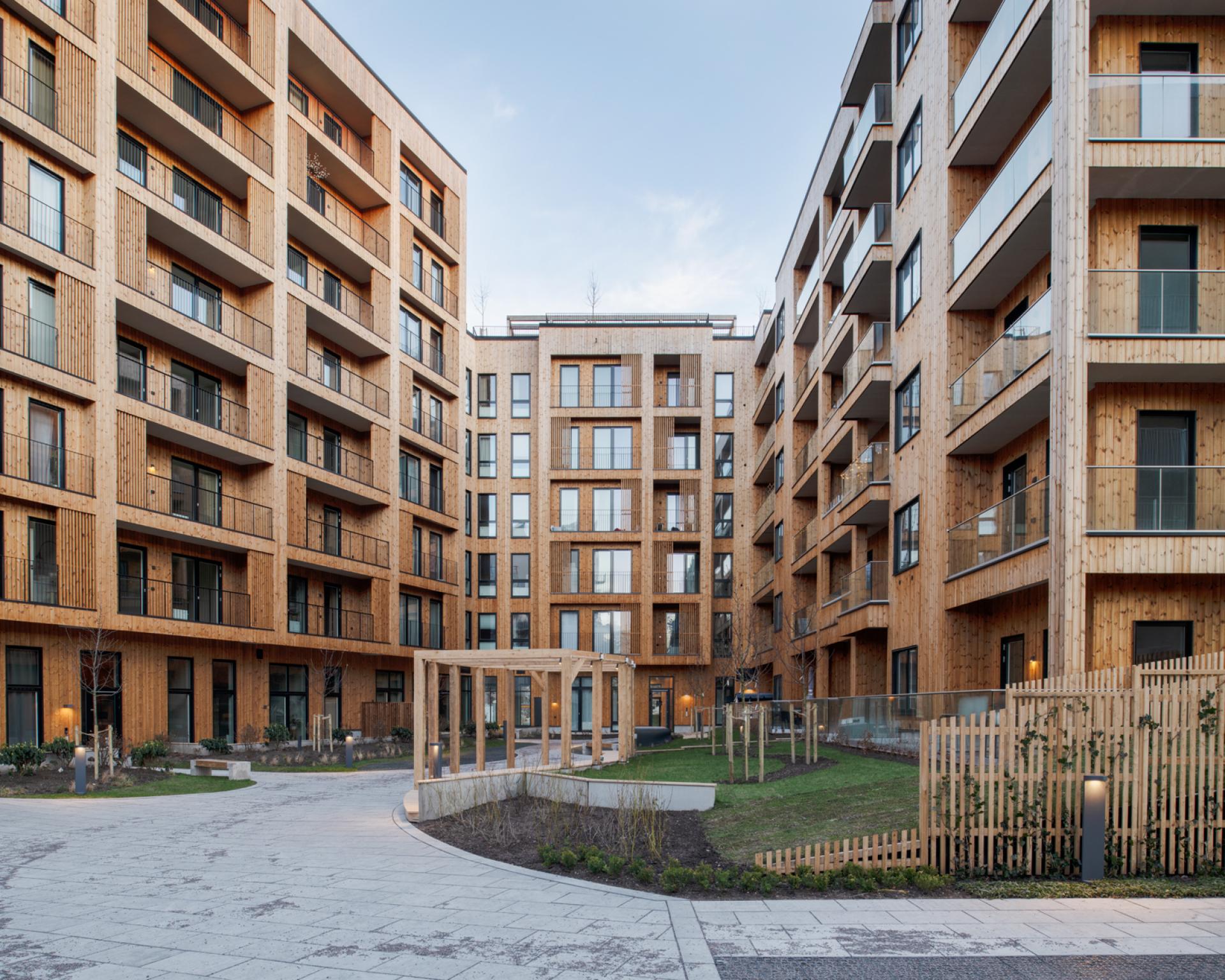
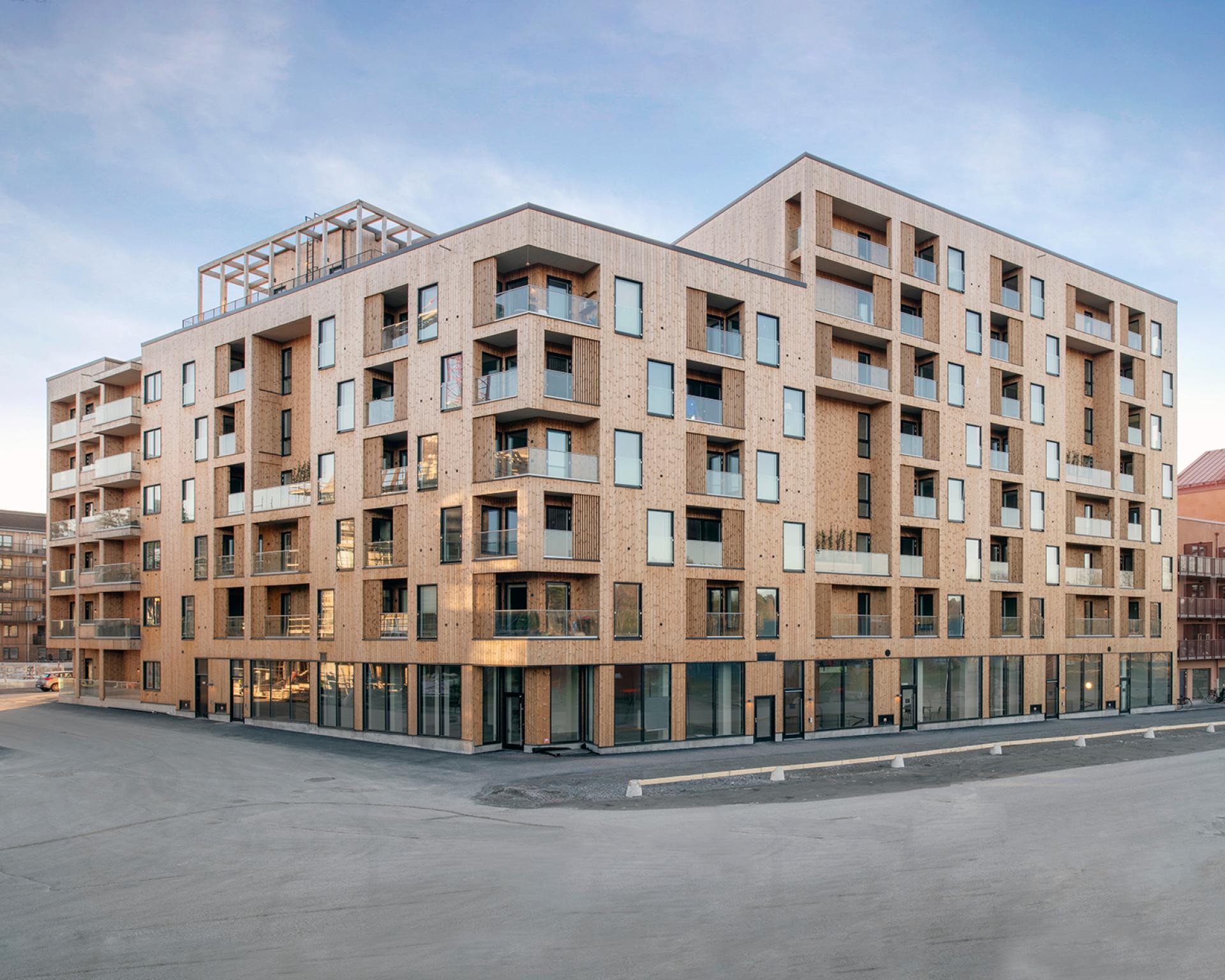
An old grove of pines in Uppsala now features a new residential house built completely in wood from old fir and pine treas. A year after completion the house still carries the savour of wood and forest. When you move across the courtyard, the chisled wooden facads dampen the sharper sounds of the incipient urban development such as during a stroll in a forest. The project infuses the development with its very own locally rooted character as a new sustainable and green district in Uppsala
Project Region
EU Programme or fund
Description of the project
Summary
The Botanist is s residential building with 133 apartments, a mutual courtyard, rooftop terrace and common areas within the new district of Rosendal, Uppsala. The apartements are of a variety of sizes to create a good and inclusive mix of residential target groups. At ground level facilities line the major streets and contribute to a lively street environment. The new urban development itself has a thorough and ambitious program of architectural and sustainability goals, initiated by the municipality. Each housing project is the result of a competition where the price of land has been fixed, but evaluation assessment has been based upon ambition, innovation and sustainability. The Botanist gave an answer to that call in its aim to be a forerunner in implementing long-term sustainable, architecturally stylish solutions well rooted in the present.
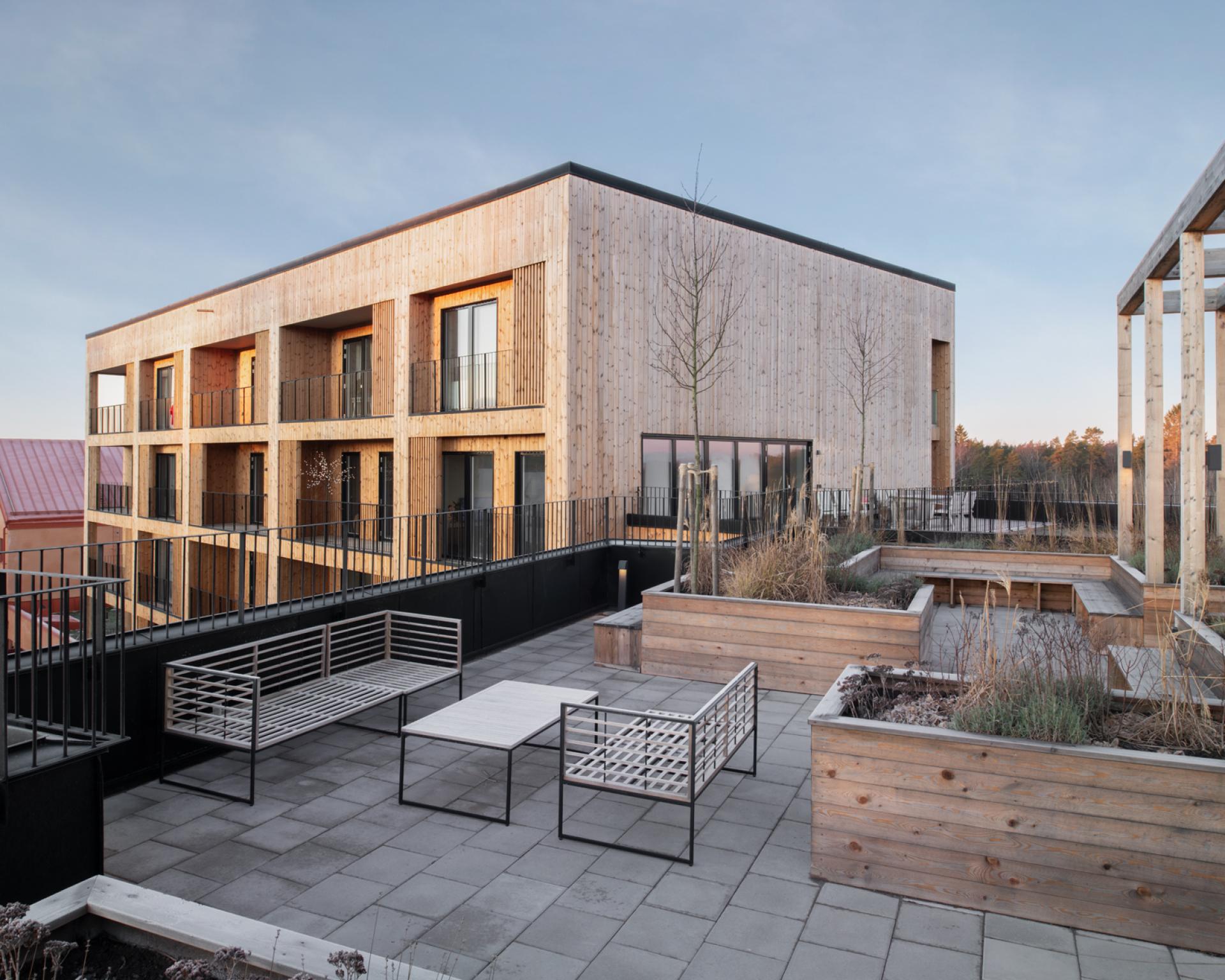
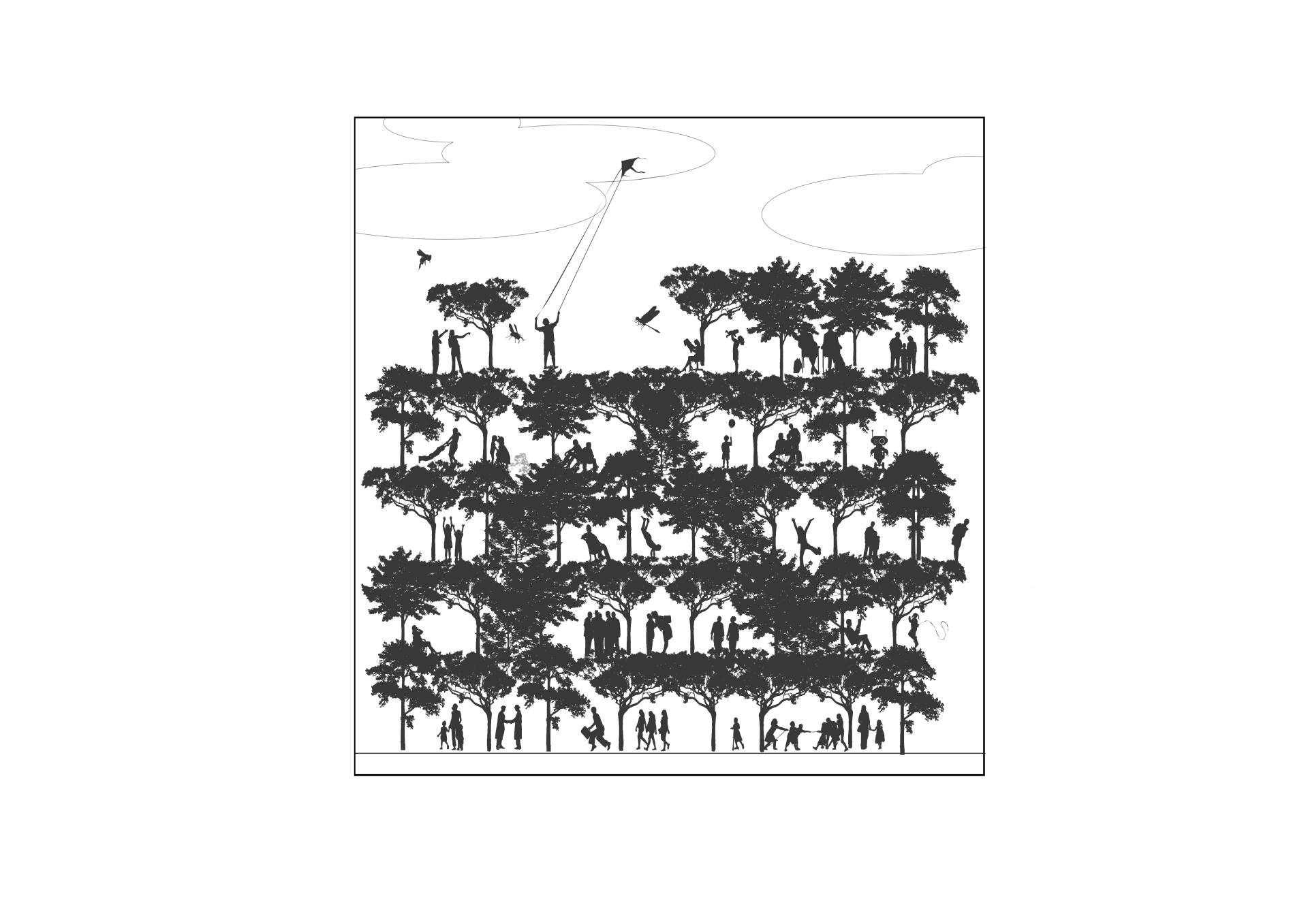
The ambition was to provide the residents with a home with the quality of being genuine and healthy. The concept that was developed was named "The Botanist" indicating that this block not only is permeated by the material selection of wood as a construction material, but also of vegetation elements in the form of plantations and biodiversity integrated into the design. The green structure connects the courtyard with the biotopical roofing. It is present in cultivation boxes on the mutual roof terrace. It climbs the walls of nooks in the facade where larger "green windows" were established using vine plants to create green fields as part of the estetical expression. While becomming a design feature the prevalent vegetational design also contributes to helps strengthen the biodivers structure in the surrounding neigborhood and and adjecent areas as it leds green structure from recreational parks, over the urban area, to the nearby forest.
This landmark of integrated greenery in the built environment serves as an instigator for a new, more holistic order of every day life.
Key objectives for sustainability
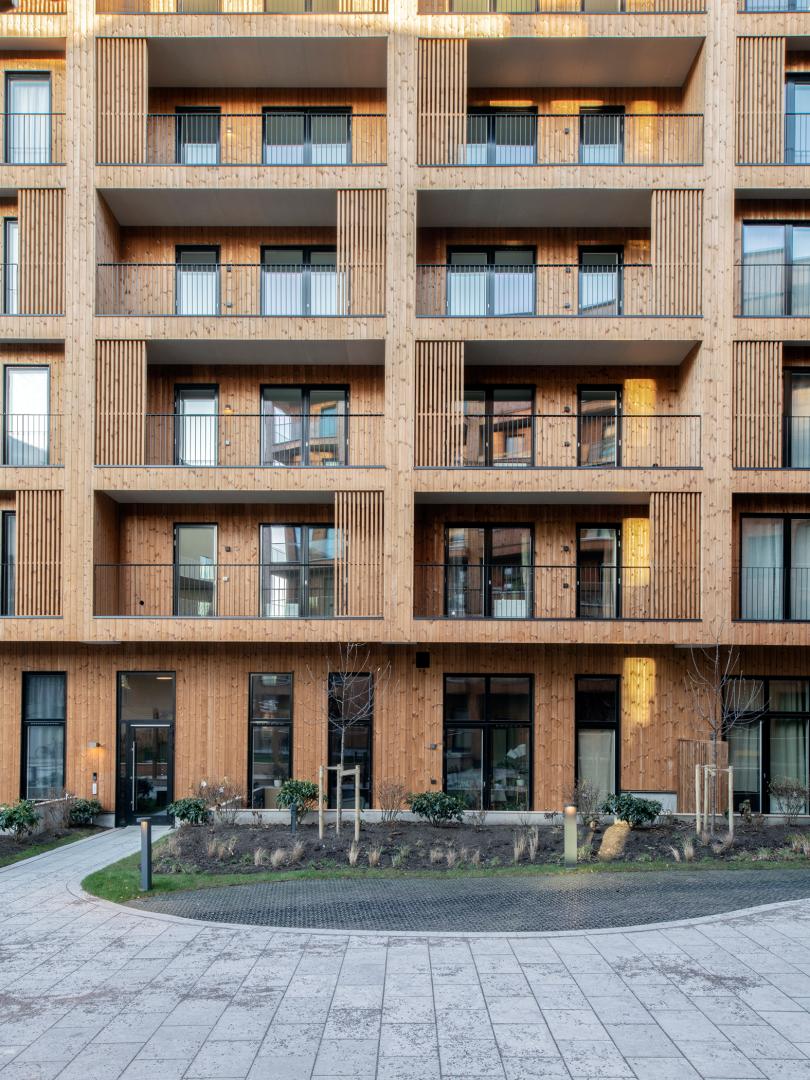
The structur of the project uses clt and glulam wood and the facades are of heat trated wood paneling that will turn grey over time. Wood binds carbondioxide and has a low impact on the environment. Wood is the only renewable building material available, and it fits well into a circular system, both within production as well as seeing the whole lifespan of the product back to its origin. The building’s ability to be assembled and disassembled into its various components makes it more flexible to future changes, extending its lifetime. As a home it becomes somewhat redundant to changes in the lives of its users as partitions can be moved or adjusted over time, thus being able to respond to needs and preferences.
The green biotopical roof of the building reduces energy consuption. It reduces heat island in the urban development by increasing evapotranspiration and helps delay stormwater runoff. The roofs are shaped to let off half of the downpour to the vegetation in the courtyard. The other half is led into the side streets where municipal rain gardens are placed that reduce the flow rate, infiltrate and clears some of the pollutant load as well as reduces the total quantity of water.
On the highest rooftop the unit has solar panels that provides the building with electricity that runs elevators and light in the common areas. The project uses additional district heating for the prescribed regulated energy consumption for the development as dictated by the municipality (max 60% of the national limitation).
The rooftop garden has plantations and bee hives that are managed professionally. The bees assist with polination to keep the biodiversity and green structure of the project and the neigbourhood strong.
Key objectives for aesthetics and quality
The project has aimed not only to be a forerunner in sustainable techniques but to also suggest an expression and a tactility that communicates directly to the person that uses the building. To inspire a person to undergo a lifestile change in order to meet with climate change is something we believe is best done by joy and inspiration. A great focus has been to visually protrude the green elements and the places for social interaction in the design and thereby give a new architectural expression to this lifestyle. We wanted to try and take the concept of the wooden building to a new level and not just use the standard design language. We therefore tried various methods such as stacked forms or functions, but we decided to take a block of wood as a metaphorical reference point and carve out spaces to shape the social layer - the zone where we render human activity visible in a semiprivate space; the balconies. Each apartment has one and most have two, facing the street and facing the court yard. At the vertical communication, elevators and stairs, this zone is reached from common space and the residents can choose to be part of the maintenance of the house and cultivate there or help water and care for the vines that grow there. The same applies to the rooftop garden.
Wood as a construction material has a healthy connotation, and having a wooden frame ensures good acoustics in the apartments. There is something fundamentally human about knowing what materials you have close to your body. A genuine, quality wooden building constructed around a wooden frame contributes to health and well-being
for those inside
Key objectives for inclusion
In an apartment block it is important, for the sense of community, to create spaces where neighbours can engage with each other, and there are several of those here. The communal roof terrace has a particularly important function in this respect. When you go up to a roof terrace, you are already open to social interaction, which makes it easier to communicate with the neighbours. A courtyard environment can be a place that people pass on their way to work or to get their bike, and in this context, you may not be inclined to stop fora chat. A roof terrace can therefore be a much more sociable space. The courtyard, on the other hand, also has communal place to keep gardening tools or fix your bike.
Results in relation to category
The richly integrated plant life in the Botanist creates the feeling of a botanical garden, complete with its own beekeeping. With an outdoor kitchen and open areas, there is also plenty of space for social gatherings. Thus the building achieves something of a gardenscape where new urbanity, sustainable building techniques and biodiversity in vegetation is totally integrated without opposition. The block is in fact a fragment of an eco system that produces energy, harvests rain water, where cultivation and bee keeping takes place. The residents are able to participate in the maintenance of this system and space is provided for social and cultural expressions. Th Botanist connects its residents to nature and how we benefit from it.
How Citizens benefit
Through the dialogue that has been carried out within the process of the urban development of the district of Rosendal the developers, the architects and the municipality have had a chance to set a mutual ambition for sustainability. This fundamental work contributed to create and keep focus on the key issues and to maintain the vision throughout the whole of the project.
One exampel is the idea that in order for the neigbourhood to have a common and connected green structure that is not limited to one lot alone, the blocks were given an opening to the streets and the adjecent project. The bees and the insects will travel from tree to tree and the human passers by can enter any courtyard to experience its qualities.
The courtyard of the Botanist has an underlying garage but the courtyard is reached from the street without steps so it is accessible for all. In this manner the characteristic and green space serves as an interior to the city wich is accessible for all.
Innovative character
The frame is a combination of glulam posts in spruce, working together with load-bearing walls and floars in CLT. The CLT elements have spruce in the outer layers and pine in the inner layers. A wooden structural frame requires more planning, with fullscale tests for acoustics and fire safety, since there isn't the same amount of experience in wood construction as there is in the use of concrete. By refraining from building more high-end features, we could focus economically on good basic quality and follow through with the mass timber frame. The technical details were a challenge. The structure of the floor system had to, in order to meet fire safety and acoustic requirements, be solved with the top layer propped up from the floar slab to stop the transmission of any structure-borne sound. In the tallest section of the development - the one with eight storeys - the entrance level is made of concrete for fire safety reasons, on the recommendation of the fire safety consultant.