the Plastic mine
Basic information
Project Title
Full project title
Category
Project Description
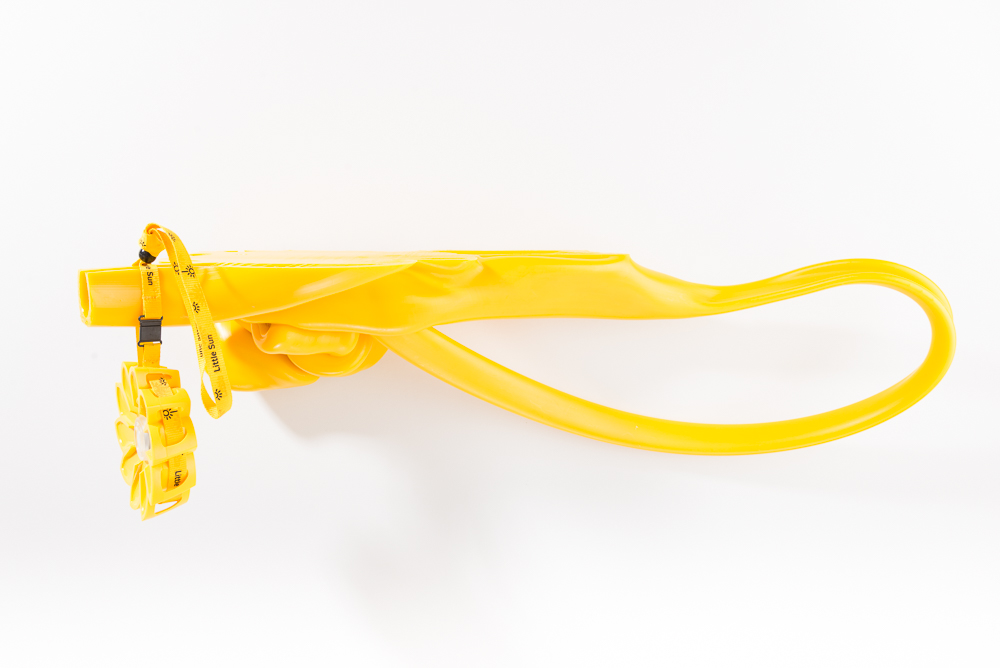
Fascinated by the unique shapes and bright colours, the studio designed a system to transform plastic factory waste into new interior accessories.
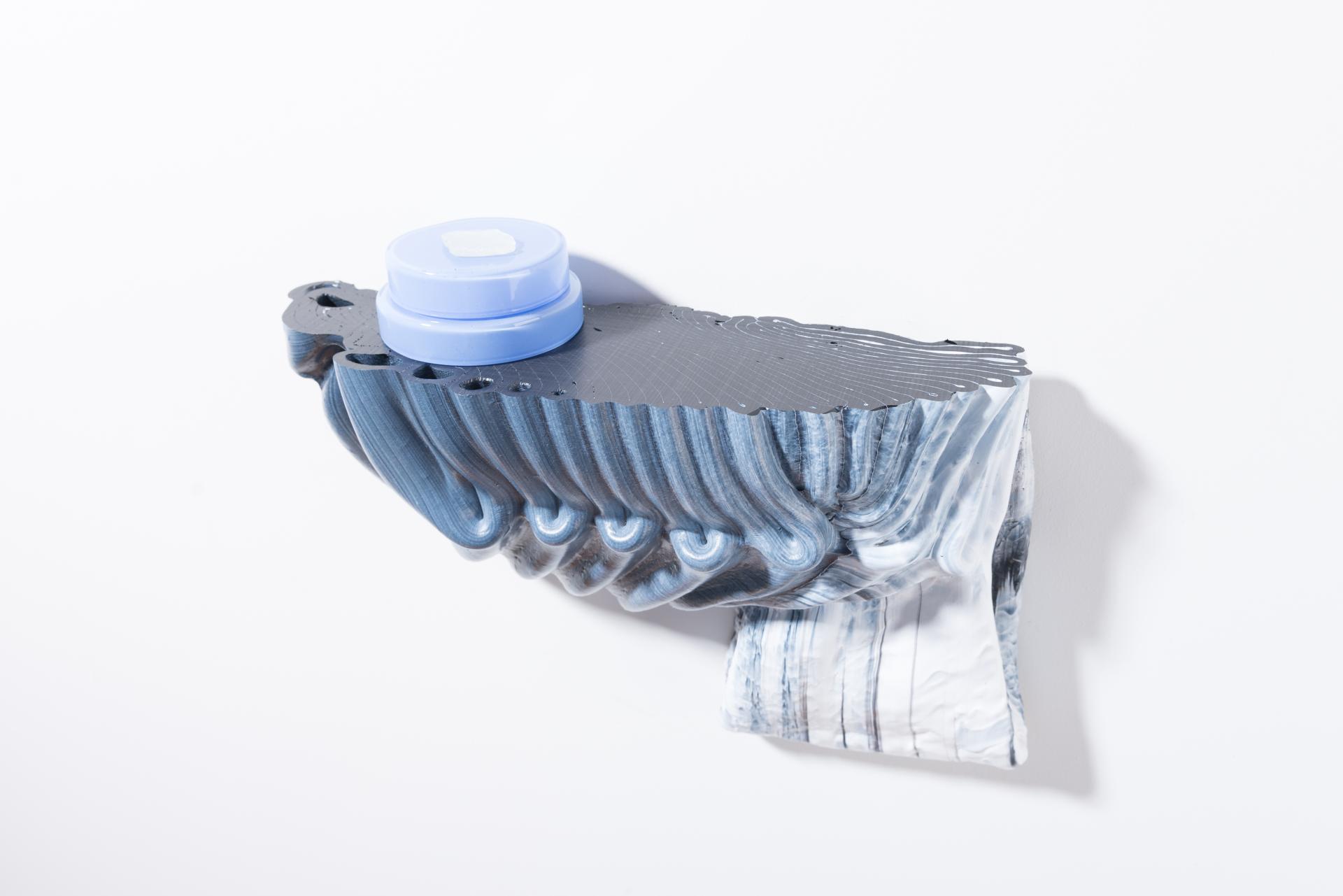
In this process, the pieces are cut through and CNC milled. Hence it is such a surprise to find out what is hidden inside and the marbled pattern is revealed, when the two halves are split.
To minimise any possible negative effect for the environment, as little as possible energy is put into the lumps, when transforming them into new unique products.
Project Region
EU Programme or fund
Description of the project
Summary
the Plastic Mine
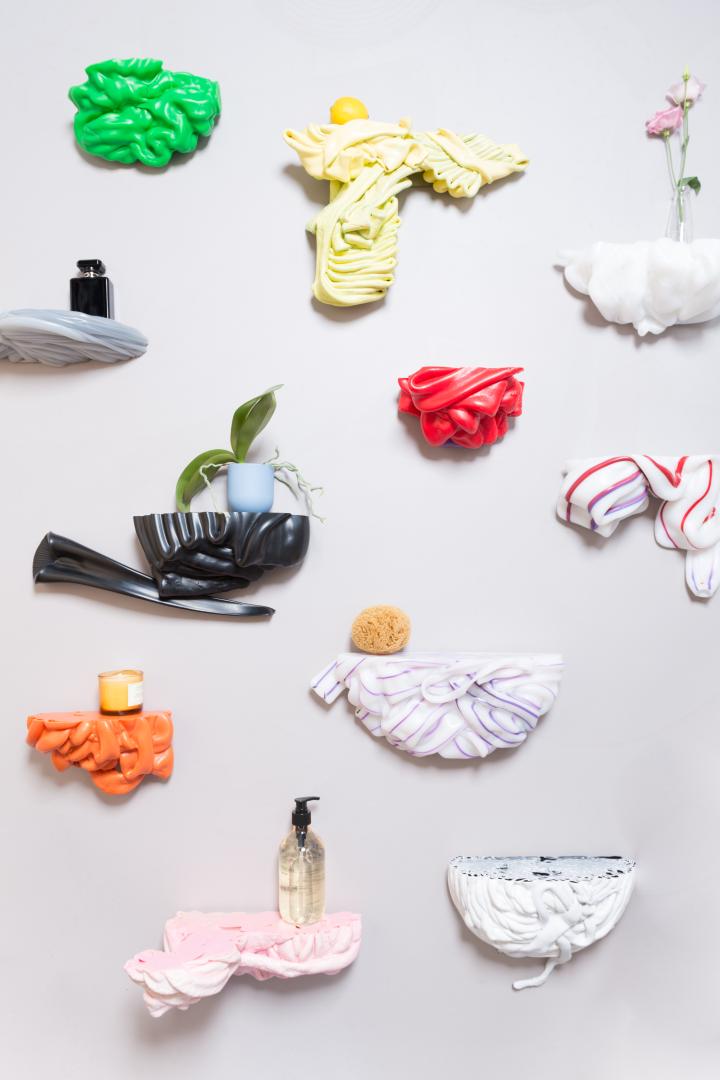
Irregular lumps of factory overproduction plastics, translated into unique and striking circular accessories for your home!
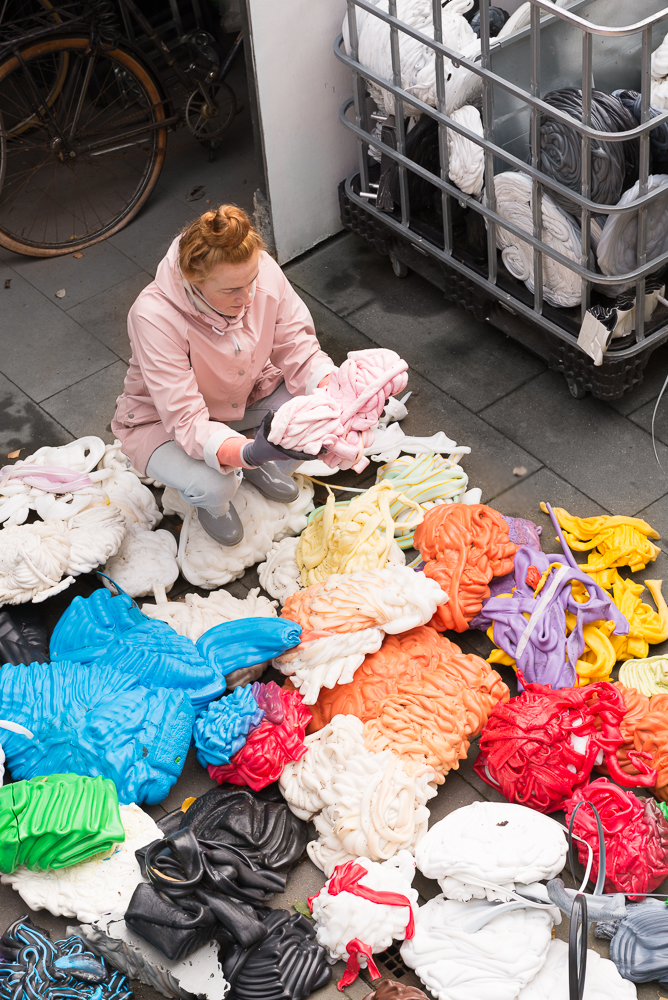
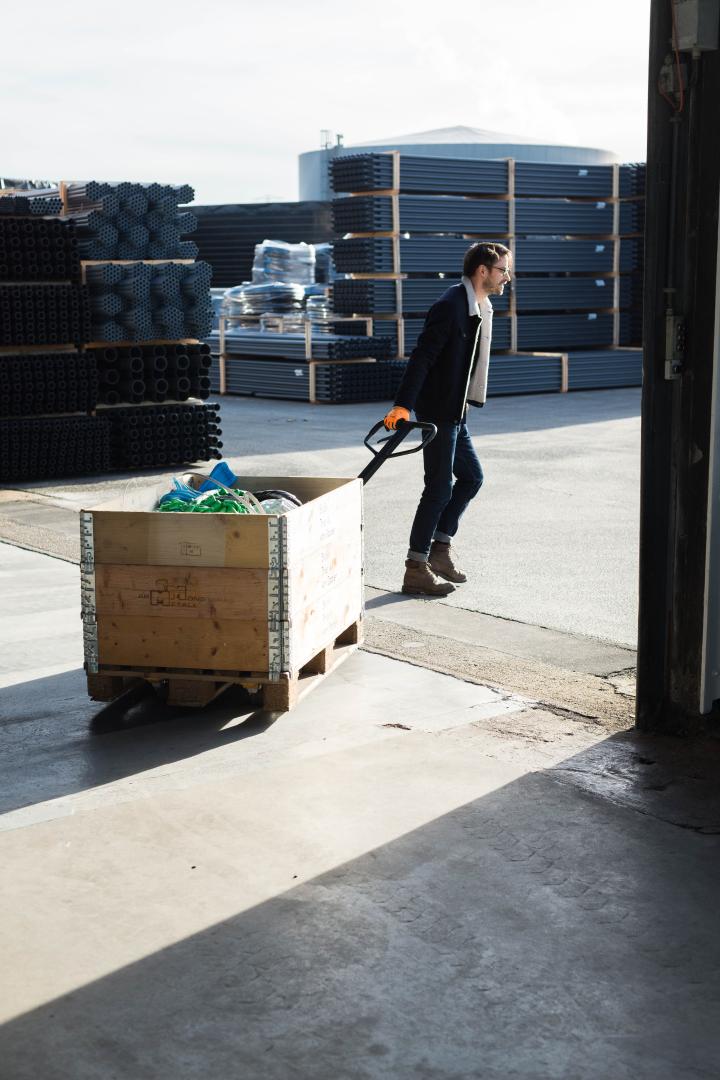
The studio was fascinated by the unique shapes and beautiful bright colours of neglected lumps, found at a plastic processing factory. Together with the factory, the studio developed a system where the lumps are collected and sorted. One part of the waste lumps will go into regular plastic recycling, where it is reground into small flakes which can be reused. The other part is left as it is, in its remarkable shapes and colours! This is where the studio steps in and selects the most striking shapes and colours, while at the same time observes as a designer what they can make out of it.
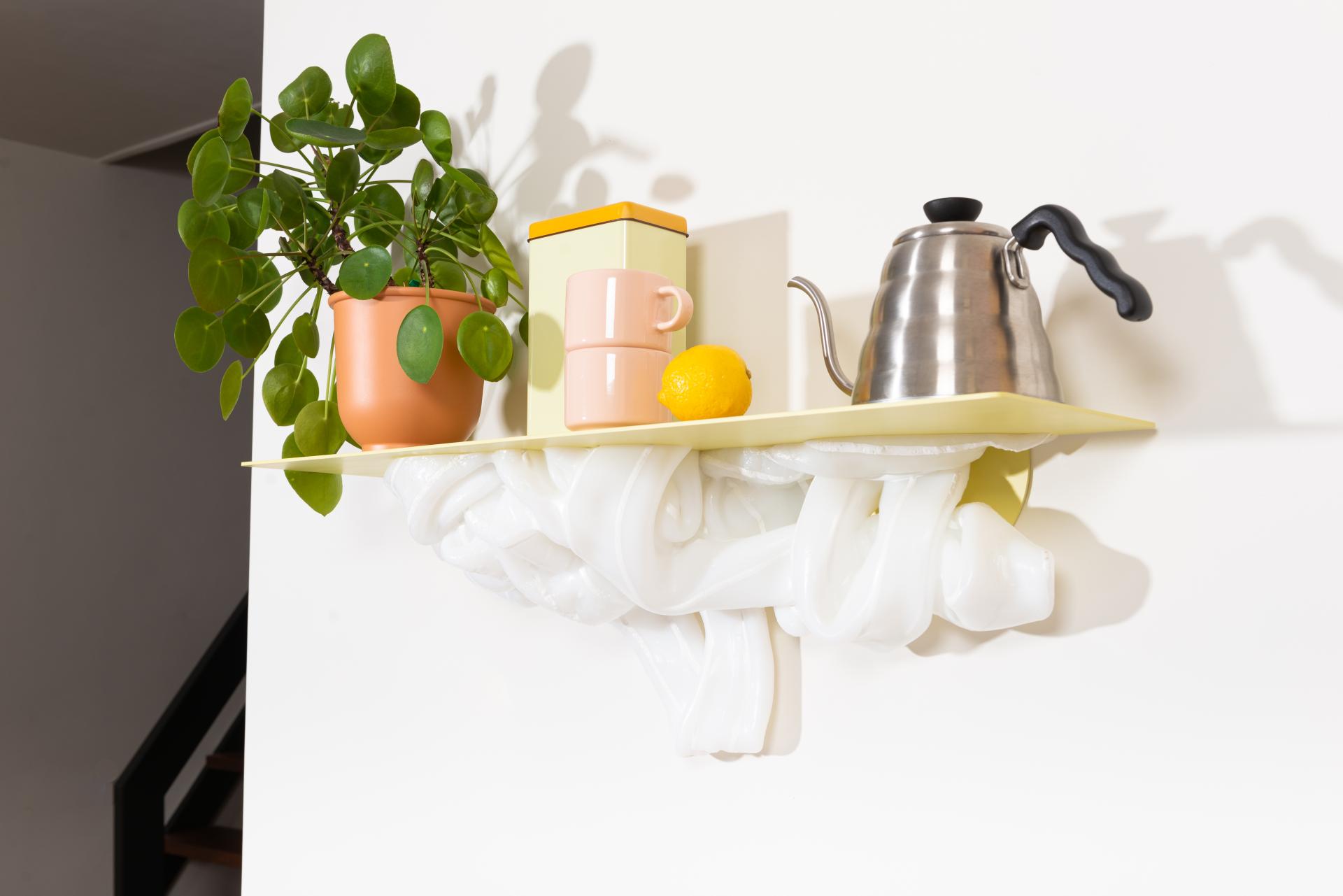
The selected lumps will go through the process of transformation which the studio has developed; cutting the pieces by saw or CNC mill, to transform them into a usable product, instead of a neglected lump of waste plastics. After cleaning and polishing, custom laser-cut steel is added, to add functionality, the pieces are ready for use and to find a new home!
The beautiful shapes and colours create a really interesting pattern. Hence it is such a surprise to find out what is hidden inside, creating an exciting moment when the marbled pattern reveals itself when the two halves split.
To minimise any possible negative effect on the environment, the studio puts as little as possible energy into the lumps, when transforming them into new products. Ready to shine brightly as a unique shelf, candle holder, mirror, bookend or side table. Suitable for both in and outside.
'Our fascination and urge to discover can be traced back into our motto; “Don’t take the world for granted.” By consciously deal with the sources, their surroundings and impact, we want to realise sustainable designs to cherish, which will last long and more importantly to start a conversation.'
Key objectives for sustainability
eOne of the most important objective in this project is, is the fact that this project makes visible that still a lot of waste and overproduction is being made whithin the production of new products.
Since we live in a time of mass consumption, with a short lifespan of products, consumers are accustomed to buying new products over and over again. The consumers have more and more knowledge of the impact on the environment with the current way of producing and consuming. Therefor they adopt a critical attitude, in order to be able to make a difference together.
The studio wants to make this visible, by creating items that last, ironically being made of the waste the mass consumption creates. With this the studio would like to bring consciousness to the consumer and producing industry.
Next to this, the studio would like to inform the viewer that waste can certainly have its beauty when treated right.
Systems must be designed to transform different flows of waste. This is where design-thinking could step in! Think about waste from different industries such as metal, plastics, energy and more. With this project, the studio starts with this on a small scale. When implemented right, it can be applied to many different factories and waste streams, solving a huge problem by possibly small implementations. Therefore the studio is constantly on the lookout for new directions and opportunities. Currently already working on a new direction, together with different plastic processors!
By taking away the shame, beautiful things can appear! Which causes change, which is needed hardly. The most difficult part of this transition is to convince the factories to open their mind and think outside the box to come with new solutions together.
Therefore the studio wants to help processing companies acknowledge their processes and solve problems, with the implementation of design thinking on a feasible scale.
Key objectives for aesthetics and quality
By working with this waste flow, we have to deal with the availability of colour, shape and quantity, which is different every time. This makes the beauty within the project. We curate and select the most striking shapes to transform and tell the story of recycling industrial waste. Therefore every item within the series is unique!
Part of the shape is already there, made by forces of nature combined with industrial power. The plastic processing machine is switched on and the shape grows and grows, flowing and dripping on the factory floor.
The other part of the shape is in our hands! The part of the transformation and design, where we choose where to cut through and reveal its inner beauty and transform it into a sturdy, bulky piece of interior design!
Working together with 'forces of nature' is a challenge the studio likes to work with. Plying, twisting and expanding different forces, the studio guides shapes into new forms and products.
The colour palette is different every season. Every time when we collect new lumps, new colours and combinations appear. Due to the innovation and function of the semi-finished product, the factory produces a lot of different colours. Almost like a fashion collection, with a limited run of certain models, this collection is unique in its way. Starting with pink and yellow shelves, now black & white, opaque with stripes and lilac are the trend.
Key objectives for inclusion
In this project, we share our vision on recycling and reuse.
Bringing a new life to otherwise discarded waste plastics, was a challenge after we first discovered the beautiful shapes, lying around on the factory floor. This was around 2010, years before recycling plastics, combined with design-thinking was common.
Working together with people, quite far from the field of design, but very close in the field of innovation and production, we are now at a point that the system is working and everybody feels proud of the results!
The project started on the factory floor, between the left-over lumps. Now the pieces have been visible at many events, exhibitions and publications. This transition feels very interesting since we saw the beauty in the raw material and now the designs are appreciated by the experts on sustainability and design.
The most fundamental part in our eyes is the changed attitude the factory has taken. From suspicious and uninterested into proud and cooperative! It is great to see the factory workers helping out and making the project happen! Next to the importance of the production line with its deadlines and quotas, they now have a new responsibility to give a new life to the waste it produces.
In this way, the source has seen the value of a simple change within an industrial process that can make a big difference. One in aesthetics, well-being and consciousness.
Results in relation to category
When we started with the project, around 2012, the combination of recycling plastic and design were in their infancy. We had to convince the factory as well as consumers that the in their eyes invaluable 'waste', was actually a unique and interesting source!
Over the years it has become more accepted to buy something from recycled waste, next to the added value it can have. In the beginning, people didn't see the benefit and added value. They thought it was too pricy for a 'piece of waste'.
With the understanding, also the interest arose, both for the end consumer as well as for shops and galleries. Since 2017 we are actively working on this series, experimenting with different functions and products. Since 2019, the recycling system has been working as it should with an online gallery with a wall full of shelves to choose from, as well as interesting points of sale, each with a range of unique recycled products.
The results of this project contributed to the realization of this. Don't take the world for granted and consciously deal with your surroundings and sources. Together with like-minded designers we are working on making recycling beautiful and with a joyful approach. In our eyes, the accessibility of a product is important. Therefore the design of the process and add-ons to make it a real product are very important. So that the way from discarded lump to the actual product is clever and attractive.
How Citizens benefit
The free forms and colours make civil society more blissful. The fact that a consumer can choose to participate in solving a bigger issue, by acquiring a piece of wall art gives them meaning.
The bigger issue in this case; mass-consumption, the excessive use of refined oil and a large amount of (air) transport.
As a topic starter, the impact is huge, since the shapes and colours are unique, no one is the same! A piece on the wall that does not go unnoticed.
Inclusion of the factory and its workers, the consumers, the shops and galleries, they all want to make a change! This movement brings people together and solves something bigger than only the waste lumps of one single factory.
Innovative character
The most innovative nature of the project is its low-tech approach. We use custom-designed laser-cut steel add-ons to make the transition from lump to product easy and producible. The simplicity and joy of the raw material make the possibilities endless and effective. Yet it is stubborn and sometimes unpredictable. Therefore the process needs to be smart and effective.
Since we do not alter the shapes, but divide them in parts results in a low carbon footprint from waste to product. No extra energy is put in melting, reheating or grinding. Therefore no fumes or micro-plastics escape. Only slicing and milling, with a strong focus on reducing excessive waste and preventing the escape of micro-plastics into the environment.