Ras de Terra Cultural Center
Basic information
Project Title
Full project title
Category
Project Description
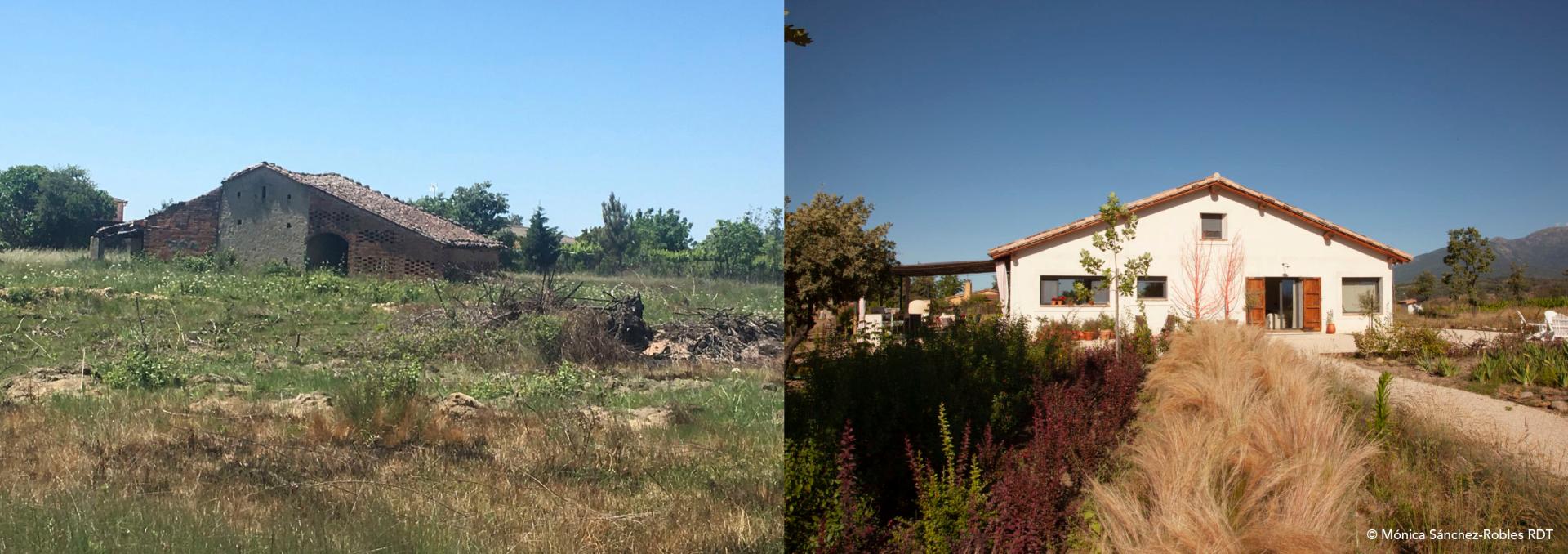
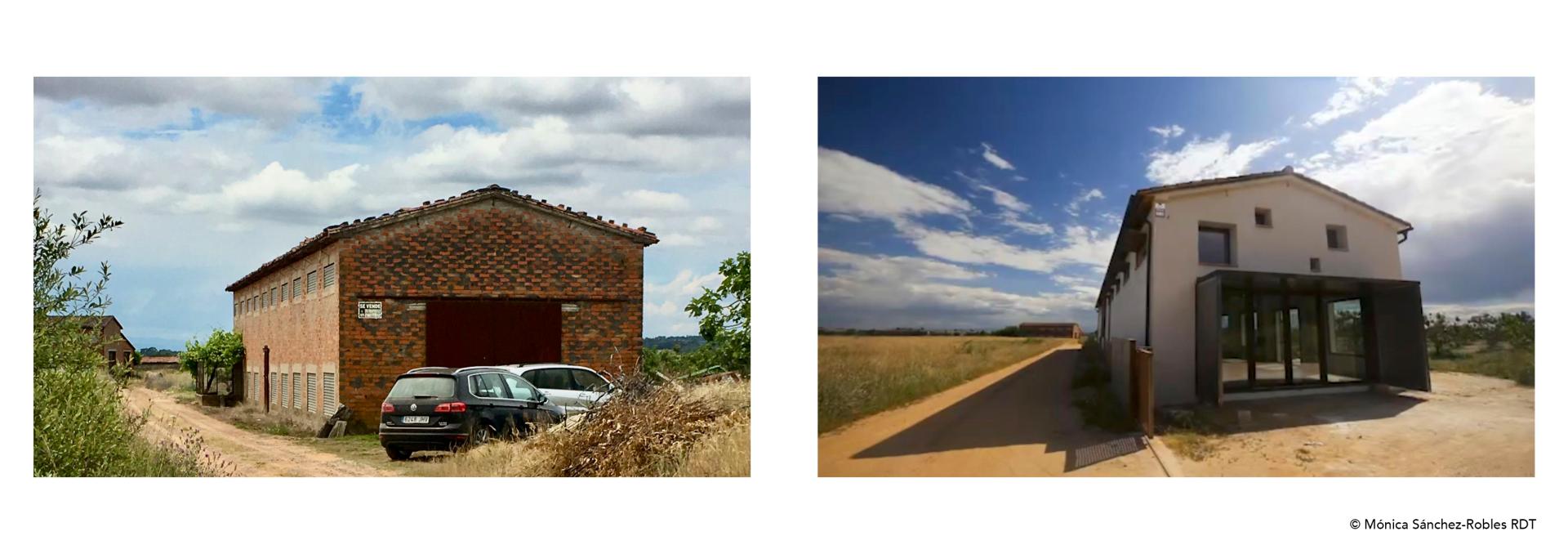
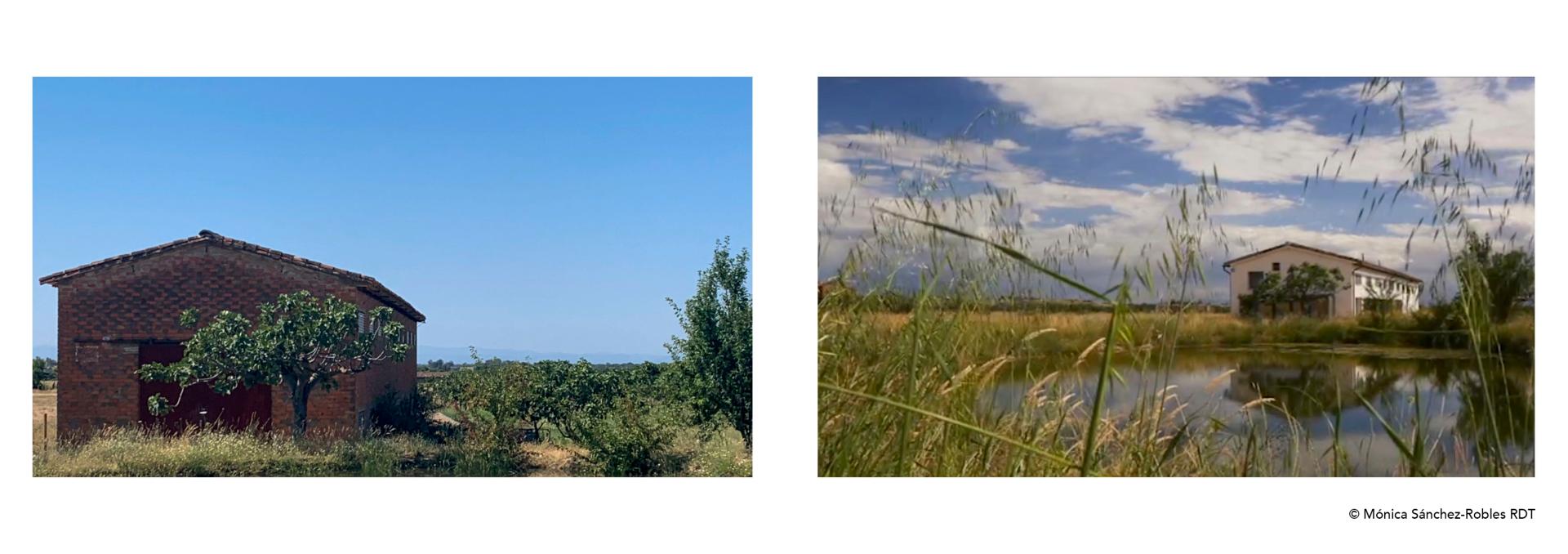
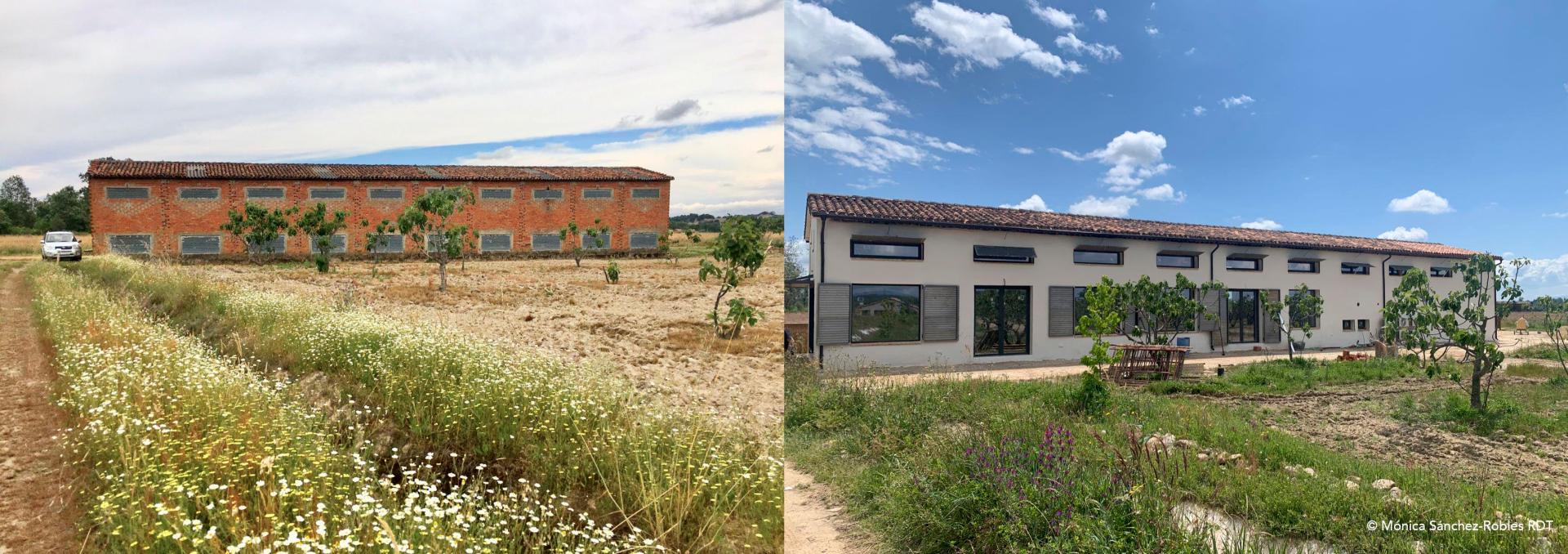
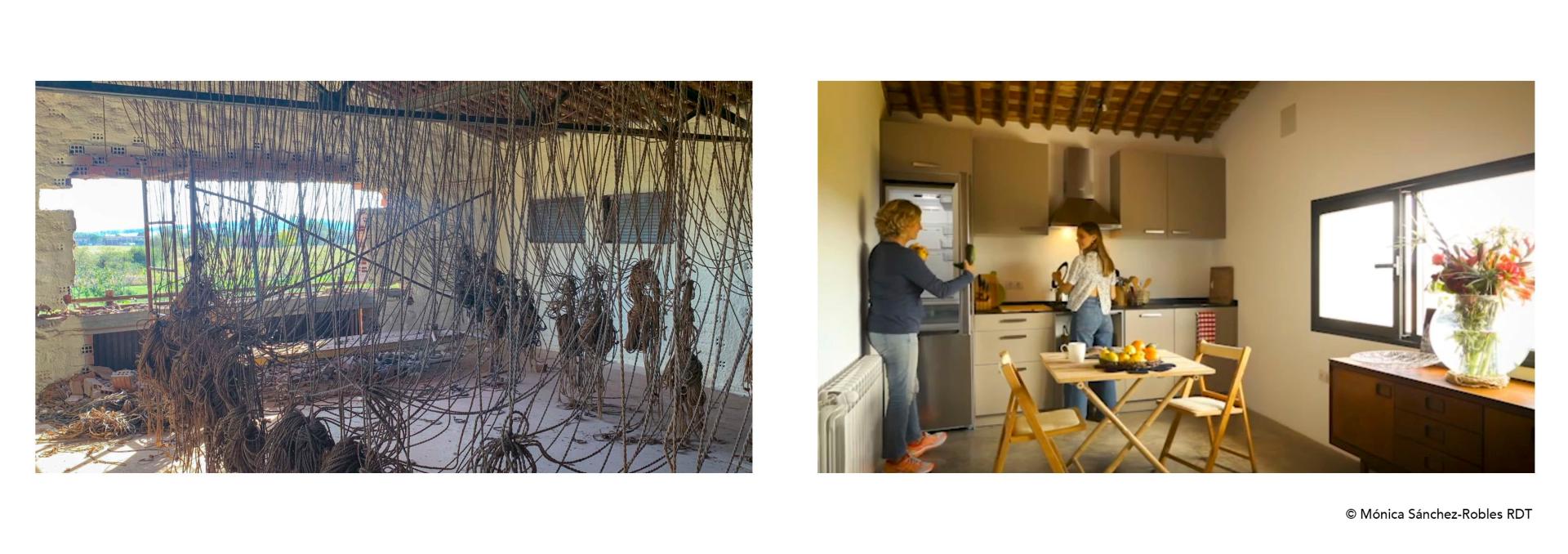
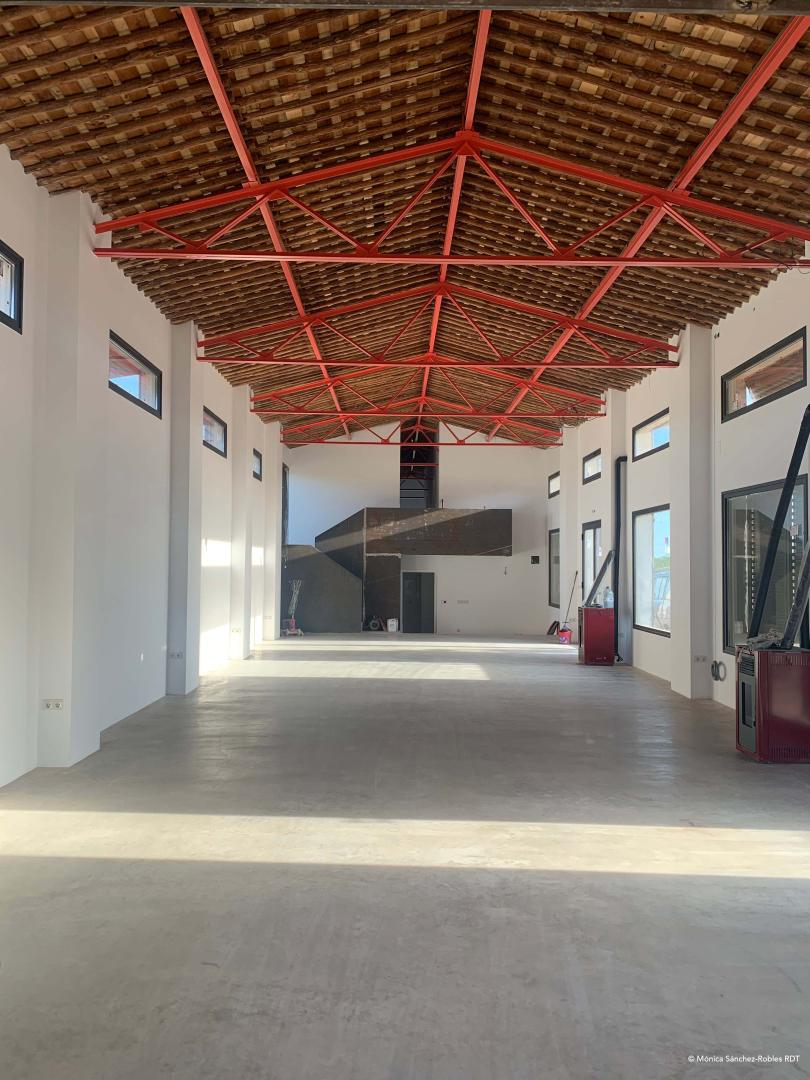
Ras de Terra (“RdT”) is a private initiative founded in 2019 in Extremadura, Spain. Its objectives span various disciplines which aim to change preconceived ideas about rural life, fight climate change through new methodologies that regenerate the land, and creation of new ways driving sustainable economic growth in the region with culture. RdT has revitalised the local architectural and agricultural structures, such as disused tobacco dryer to build a Cultural Center and Residence for artists.
Project Region
EU Programme or fund
Which funds
Other Funds
RdT is a partner of the New European Bauhaus since March 2020
Description of the project
Summary
Ras de Terra (“RdT”) is a private initiative founded in 2019 in Extremadura, Spain. Its objectives span various disciplines which aim to change preconceived ideas about rural life, fight climate change through new methodologies that regenerate the land, and creation of new ways driving sustainable economic growth in the region with culture as a central pillar and keeping within the natural landscape.
With this end in mind, RdT has created a self suficiente zero impact complex, powered by solar energy. It has revitalised the local architectural and agricultural structures, such as a disused tobacco and pimentón barn, to house it’s cultural creation center and events. The space includes a residence area for multidisciplinary artists with different purposes. Approximately 4000 tobacco dryers exist in the region of La Vera, of which more than 50% are in disuse or ruin. A region which use to be the epicentre of tobacco agriculture in Spain. Supported by a local group of architects interested in the conservation and protection of this historical legacy, RdT has ignited the restoration and preservation of the local cultural, landscape, historical and economic values of the region. By setting example, other disused tobacco dryers are now starting to be restored in the area.
Through this rehabilitation, RdT has been able to create a space of cultural enrichment open to the local and international public. A place that encourages the interchange of ideas and experiences across disciplines and generations leading to new life concepts.
RdT is actively focused on bringing the necessary technology to the region in order to minimise the gap between the rural and urban infrastructure.
Key objectives for sustainability
Since inception, Ras de Terra has counted on the support and work of local professionals. They have helped restored the architectural structures on the property, construct new spaces and cultivate the land.
The complex relies on solar energy, helping achieve the initiative’s zero-impact goals, while blending into the natural landscape, architecture and local traditions that surround it. Ras de Terra is built on the pillars of education, awareness, research and innovation. This encourages inclusion, regeneration and development of the local economy in La Vera and Extremadura.
Key objectives for aesthetics and quality
Sometimes beauty and fragility unite in unexpected ways. Take the tobacco barns of Extremadura, these structures that sprout sparingly across the region, are seemingly simple and ingrained in the local landscape. Yet years after they were first erected they are now in danger of extinction.
Despite their dilapidated state, the tobacco barns in La Vera are part of the heritage stand for an era where the social and economic prosperity of the region was interlinked with nature.
It is estimated that there are about 4,000 tobacco barns in the area, most of them in a state of abandonment. Ras de Terra proposes to revalue this architectural element, a place capable of being reconverted and reused as a dynamic and versatile space, whose different uses favor economic development and the preservation of the cultural, landscape and historical values of La Vera.
Key objectives for inclusion
By having breathed a second life to an abandoned drying tobacco barn turning it into a center of creation, we have collaborated with a team of designers, architects and builders from the area.
RdT finds itself located in one of the most impoverished areas in the region - population density is 26 inhabitants per km2 and more than 30% of the inhabitants are at risk of living below the poverty line. The European Union has this region identified as a region for revitalisation.
RdT is actively focused on bringing the necessary technology to the region in order to minimise the gap between the rural and urban infrastructure.
Results in relation to category
The residences at Ras de Terra aim to activate the cultural experiences between the local community and residents. This way the artistic experimentation will generate new dialogues between the two groups, through social and environmental cultural exchange.
The residences can accommodate diverse artistic profiles from a multitude of disciplines, including art, literature, music, gastronomy, agriculture, etc. for any length of stay as long as they wish to contribute to the ethos of Ras de Terra.
The residences favour individuals who want to take the time to research and create while being in touch with the surrounding landscapes. The in-house team will help create and foster a variety of opportunities for the individuals to grow, develop and exchange with the local community, leading to the mutual enrichment of the parties involved.
The diverse agenda (workshops, lectures, interactive dialogues, encounters with nature) curated by the Ras de Terra team is the educational spoke of the initiative. It aims to activate a knowledge exchange and weave a lasting relationship between the residents, visitors, speakers, local population and other cultural stakeholders.
How Citizens benefit
Our passion for the arts, social awareness and respect of nature drove us to rehabilitate one of the many tobacco barns within La Vera with the aim of establishing a residence for artists. A project interlinked with a proposal to farm the land, in a sustainable and practical way.
The residence for artists, within this rural landscape, addresses the need to decentralise culture. Creating new contemporary dialogues and collaborations in a local and natural setting, while coexisting in shared spaces.
For the residents, it offers an experience that provides an opportunity to have a shared space for work and creative exploration. In addition, they have an opportunity to integrate within the local community experiencing its people, the nature, the gastronomy and puts them in touch with new cultural stakeholders, offering new and different perspectives.
RdT will start it’s 2021-2022 program in September with an exhibition “Places of Abandonment” (“Lugares de Abandono”), where participants will be able to step back into the evolution of the RdT concept and regeneration of the tobacco barns. In addition, they will be able to hear from local inhabitants of the previous uses for such agricultural structures and about how similar situations exist across the globe which could also benefit from rehabilitation. With regards to the workshops, there will be a recurring monthly event focused on the architecture of these agriculture dryers and the new sustainable methods - energy, materials, etc - that can be applied delivered by architects, designers and technical experts.
The program has generated great interest in the region, highlighting the importance of initiatives, such as this one, in order to raise awareness of what can be done within this new paradigm
Innovative character
The Ras de terra artistic residences, located in an old tobacco drying barn, have become the first building in the area to be restored for a non-industrial purpose. The success of this project has reverted to the interest of private persons to acquire or reuse abandoned tobacco dryers in the area in order, -through their restoration-, to grant them a second life for other purposes, primarily such as housing.
The location of Ras de Terra in the agricultural area of Aldea Tudal has increased interest in acquiring land in this impoverished area, increasing the sale price of the hectare in the areas near the Cultural Center.