An Other City
Basic information
Project Title
Full project title
Category
Project Description
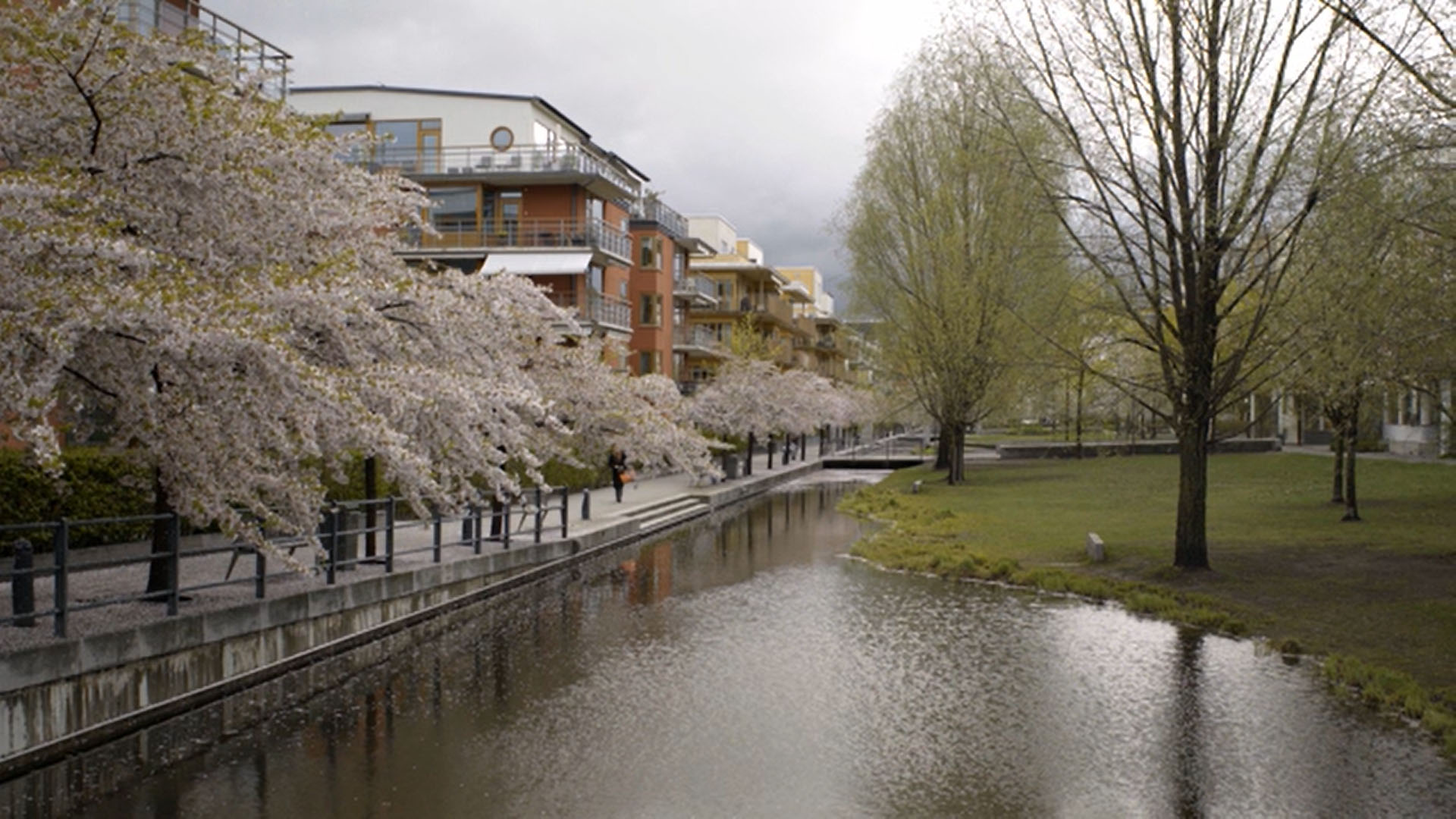
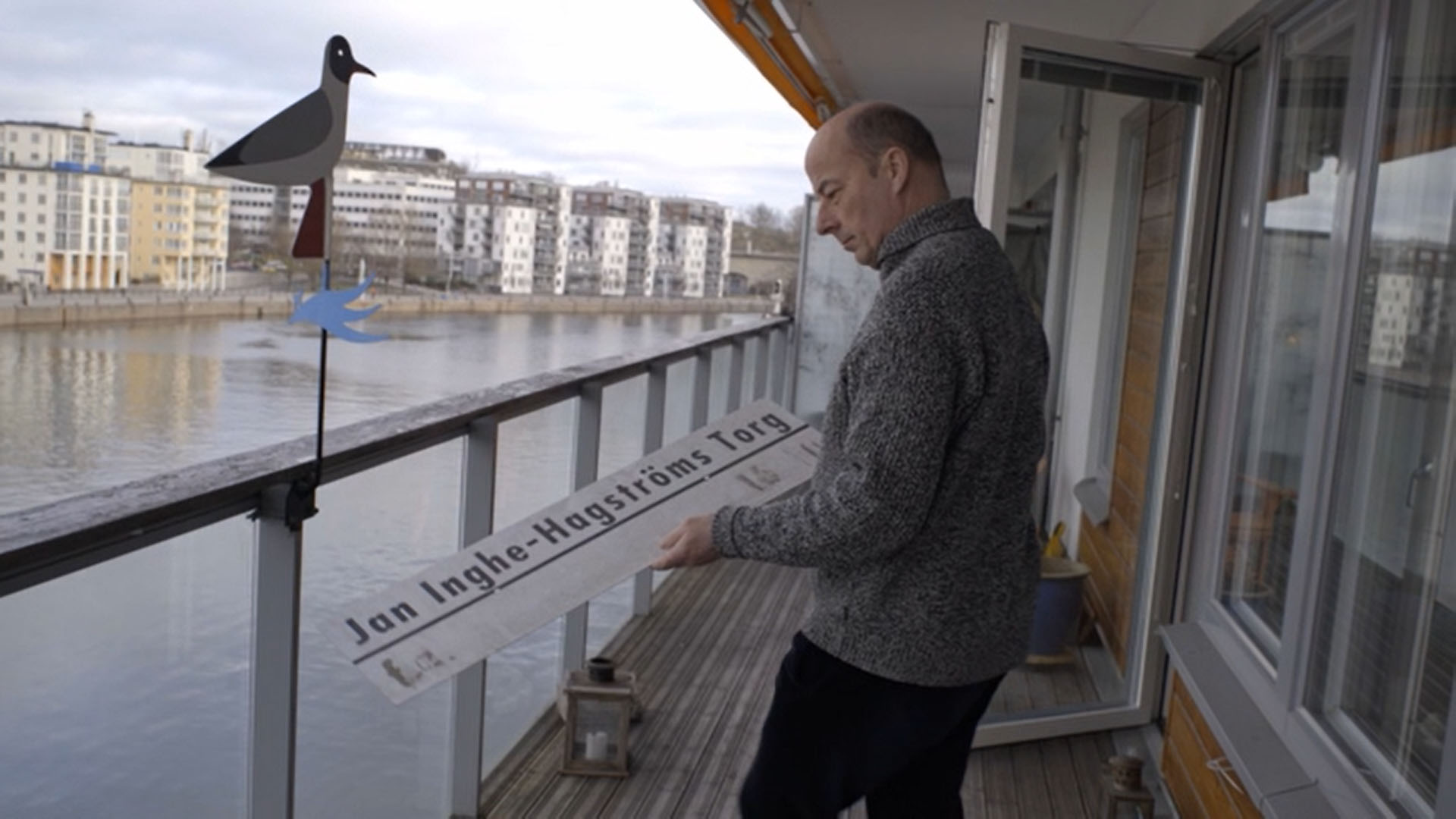
"An Other City" tells the story of how the european city returned as a role model in urban planning. In the center of this documentary film stands the urban planner Jan Inghe (1944-2005). Hammarby sjöstad in Stockholm was his final work and legacy. The project was a trailblazer for the attractive and sustainable city and reached a worldwide recognition, visited by delegations from more than 170 countries. The film describe how this planning emerged and what have happened with it since.
Project Region
EU Programme or fund
Description of the project
Summary
The narrative of the film "An Other City" is how the planning of the european city have transformed from the 1970s untill today. The story circles around the urban planner Jan Inghe (1944-2005). When he unexpectidly died, he was just about to finalize the first part of Hammarby Sjöstad. It was a globally reconized example of how the attractive and sustainable city were to be planned. The film tell the story of how it emerged, but do also continue the discussion on urban planning into today.
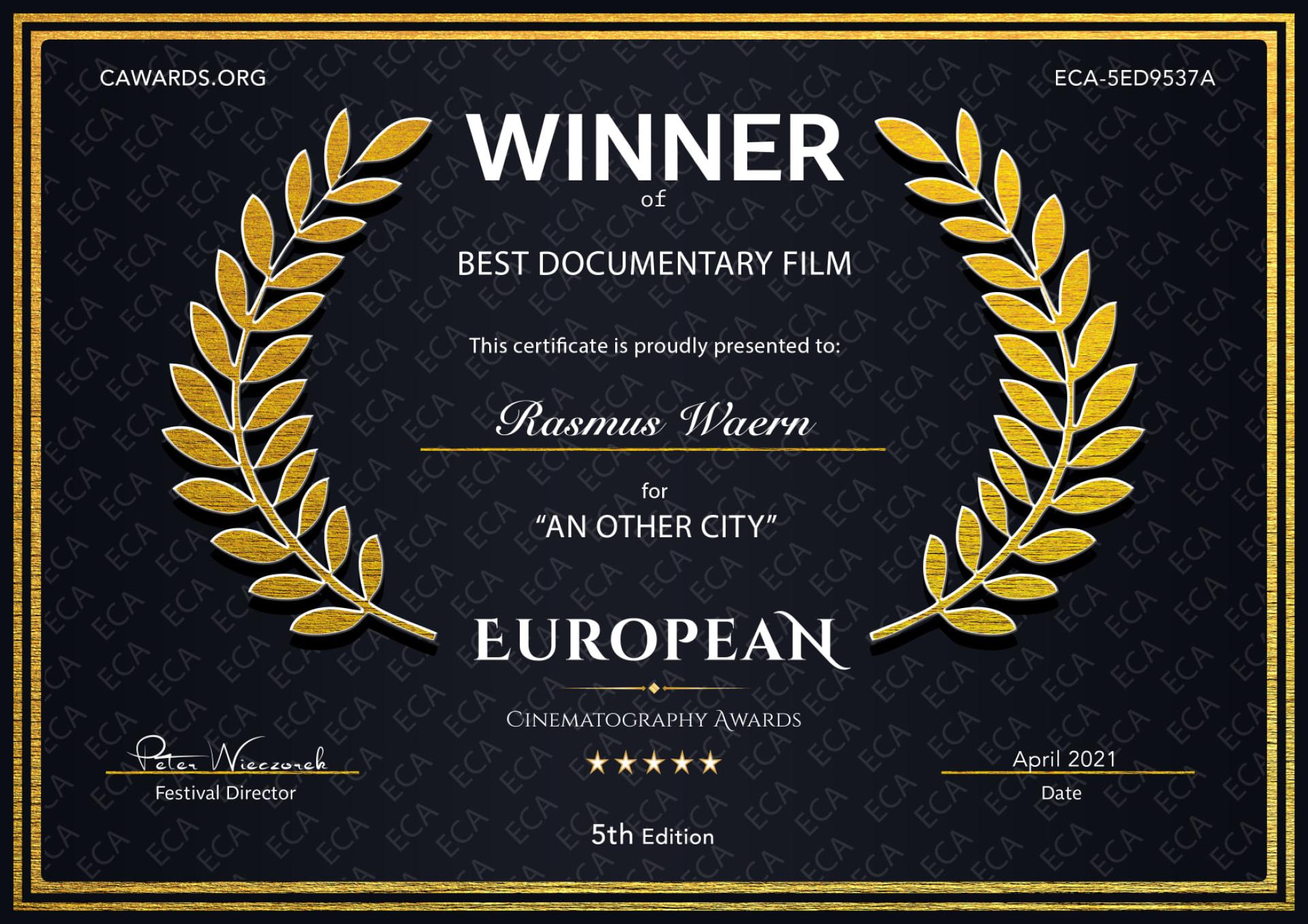
Due to the pandemic, the film have not have yet not been shown, but yet met some recognition at festivals, such as the Canadian Cinematography Awards (best documentary cinematography of the month), European Cinematography Awards (best documentary of the month) and a honorable mention at the international film festival i Prague.
A trailer for the film can be seen on www.enannanstad.se
A full move can be viewed at https://vimeo.com/526887895 password rasmus
Key objectives for sustainability
The significance of Hammarby Sjöstad for the emergence of sustainability as a key factor in urban planning can not be underestimated. This is in itself a crucial reason to bring this matter to a broader audience. But urban planning consists of many other matters that must be approached when the subject is presented to a wider audience. Climate, childrens safety and enjoyment, affordability, social diversity, are also in discussed in the film.
Key objectives for aesthetics and quality
The city must provide uniformity as well as variation. Two seemingly contradictory qualities, that architects always have handled more or less successfull. The protagonist in the film, Jan Inghe, was very aware of this, and managed to put a hard pressure on builders and architects in order to perform buildings and neighbourhoods of an unrivalled quality. The film put the achivements of Hammarby Sjöstad into context by discussing them in relation to other areas in Helsinki, Oslo, Malmö, Linköping and Copenhagen. The shift of priorities in urban planning from the turn of the millenia and today is significant!
Key objectives for inclusion
Urban planning is a social science. Understanding the needs of the people that will dwell in the cities that exists only on paper is an art that take both knowledge and compassion. Jan Inghe developed several methodologies to secure that the desired qualities really survived got realized in the built environment. Areas such as Hammarby Sjöstad, Arabianranta in Helsinki and Bo01 in Malmö are still some of the most desired areas built in Scandinavia during the last century.
Results in relation to category
The film aims to bring the question of what a modern city can be to a larger audience. As soon as perfomances for larger audiences will be possible it will be shown in combination with public debates, but also broadcasted in order to put the matters of sustainability, aesthetics and inclusion in urban planning on the agenda.
How Citizens benefit
The film is based on the broad knowledge on architecture and urban planning represented by Jan Inghe as well as the persons interviewed. But the film do also have a significant quality in the profound experiences of explaning architecture that the filmmaker himself has. Rasmus Waern is an internationally awarded architecture critic with a Ph D in history of architecture.
Innovative character
Despite the significance of the inventive cities planned and built in the end of the 20th century, this is the first film made on the subject.