Size doesn't always matter
Basic information
Project Title
Full project title
Category
Project Description
As the construction industry succumbs to the final customers’ emotions and demands more than ever before, we wonder, can we create a shell to control the needs? We believe the goal should not be the regulation of needs, but having the flexibility to adapt, enhance and create different atmospheres.
Let’s think about a construction as an organic multicell growth system rather than an individualistic building, a wide range of possibilities, all sharing the same starting point.
Project Region
EU Programme or fund
Which funds
Other Funds
The project was part of the European iForWood program on 2020 promoted by the HAZI Foundation. iForWood is a project whose general objective is to increase the profitability of forest harvesting and improve the competitiveness and productivity of Pyrenean timber companies through cooperation in R & D & I, to achieve a greater appreciation of forest products.
Description of the project
Summary
We are facing a changing society, with increasingly flexible needs that traditional construction clearly cannot fulfil. The consumption of soil cannot continue as it has been done so far, new solutions are needed to cover our needs while preserving the planet.
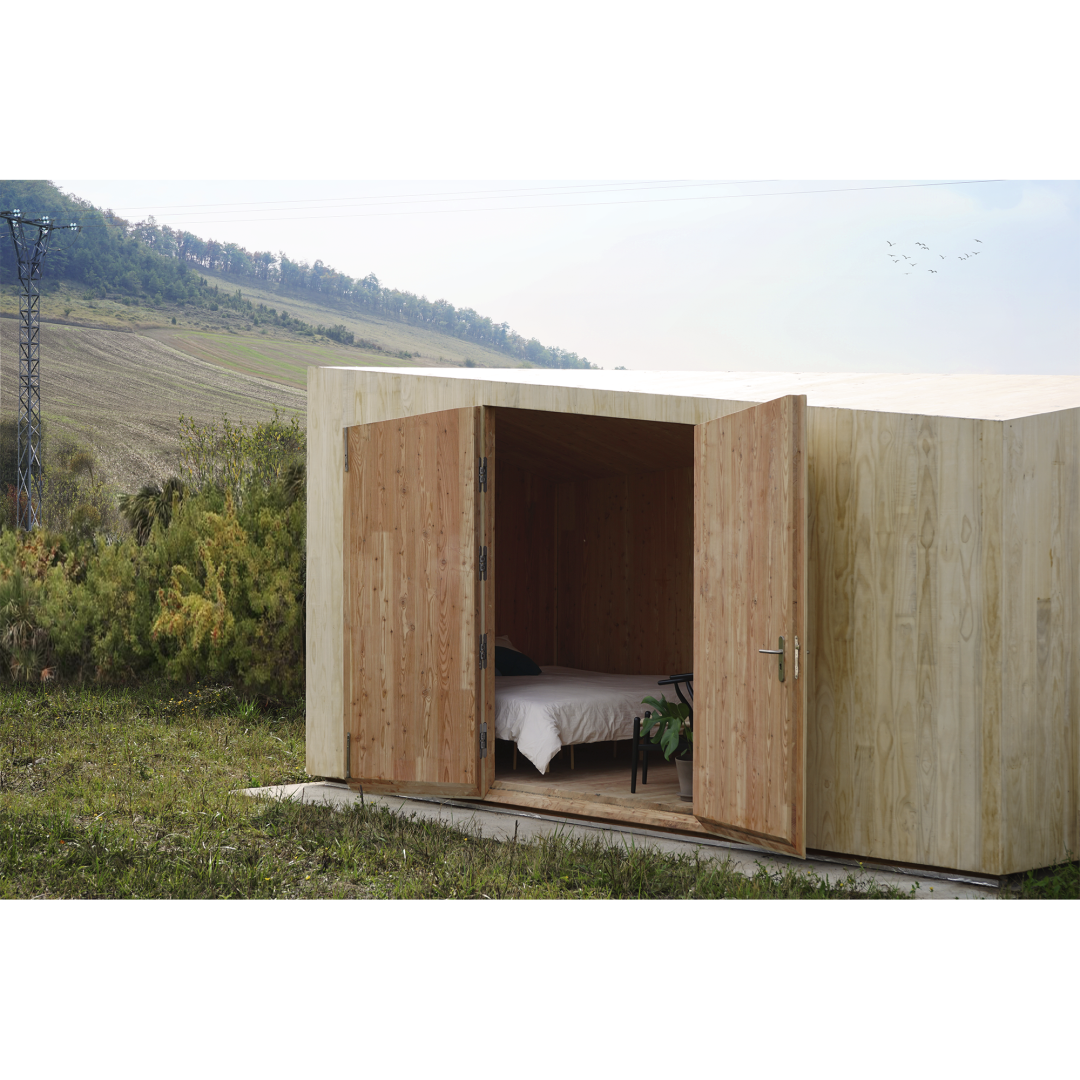
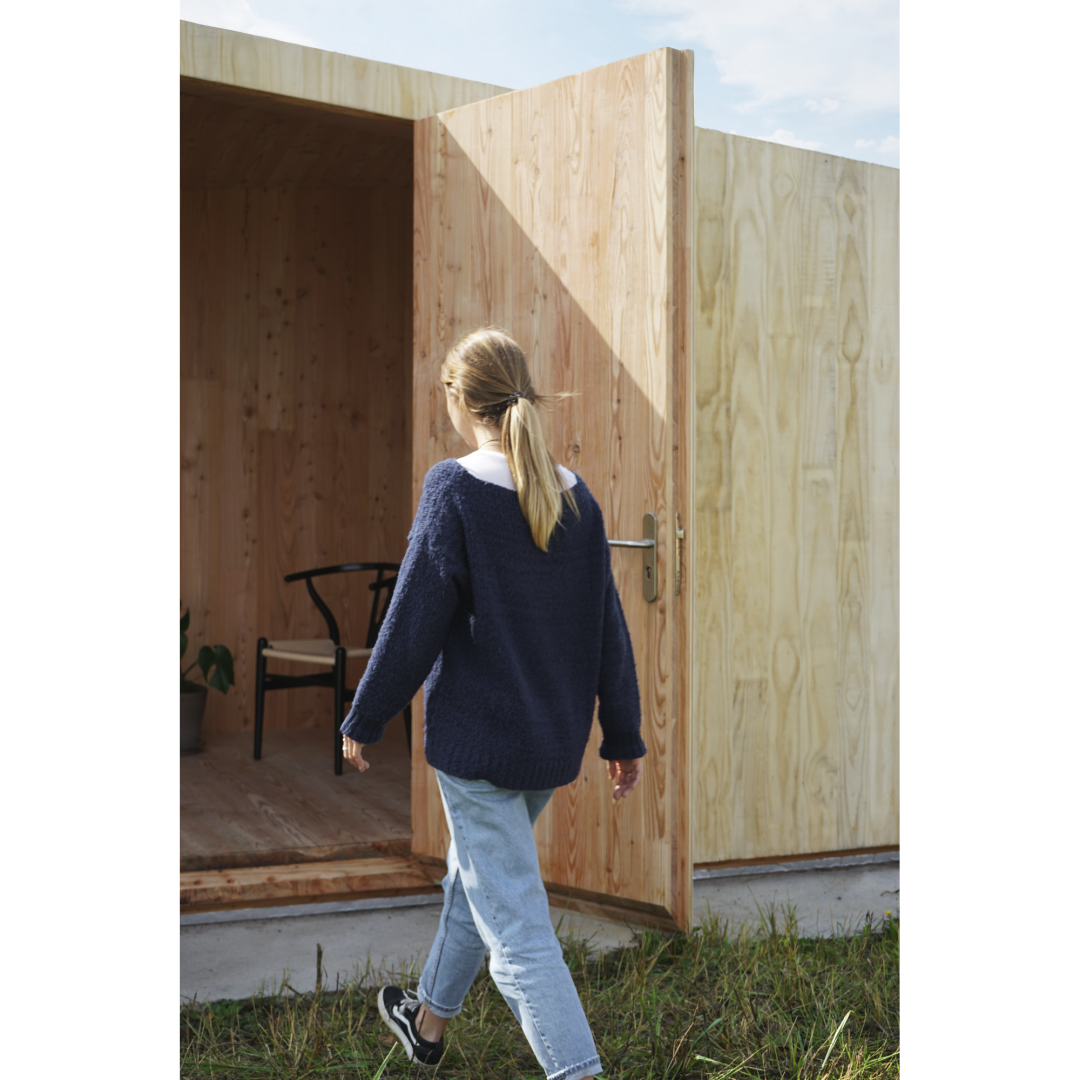
With these premises in hand, the landscape shelter is proposed, a mobile prefabricated wooden device.
In this particular case a new innovative solution made out of technical wood from the Pyrenees area was able to respond to a specific request: create a mobile, accessible container to provide shelter from the weather. Following the sustainable philosophy kept in mind through the process, a modular solution is proposed, flexible to be adapted to different needs depending on future demands.
Key objectives for sustainability
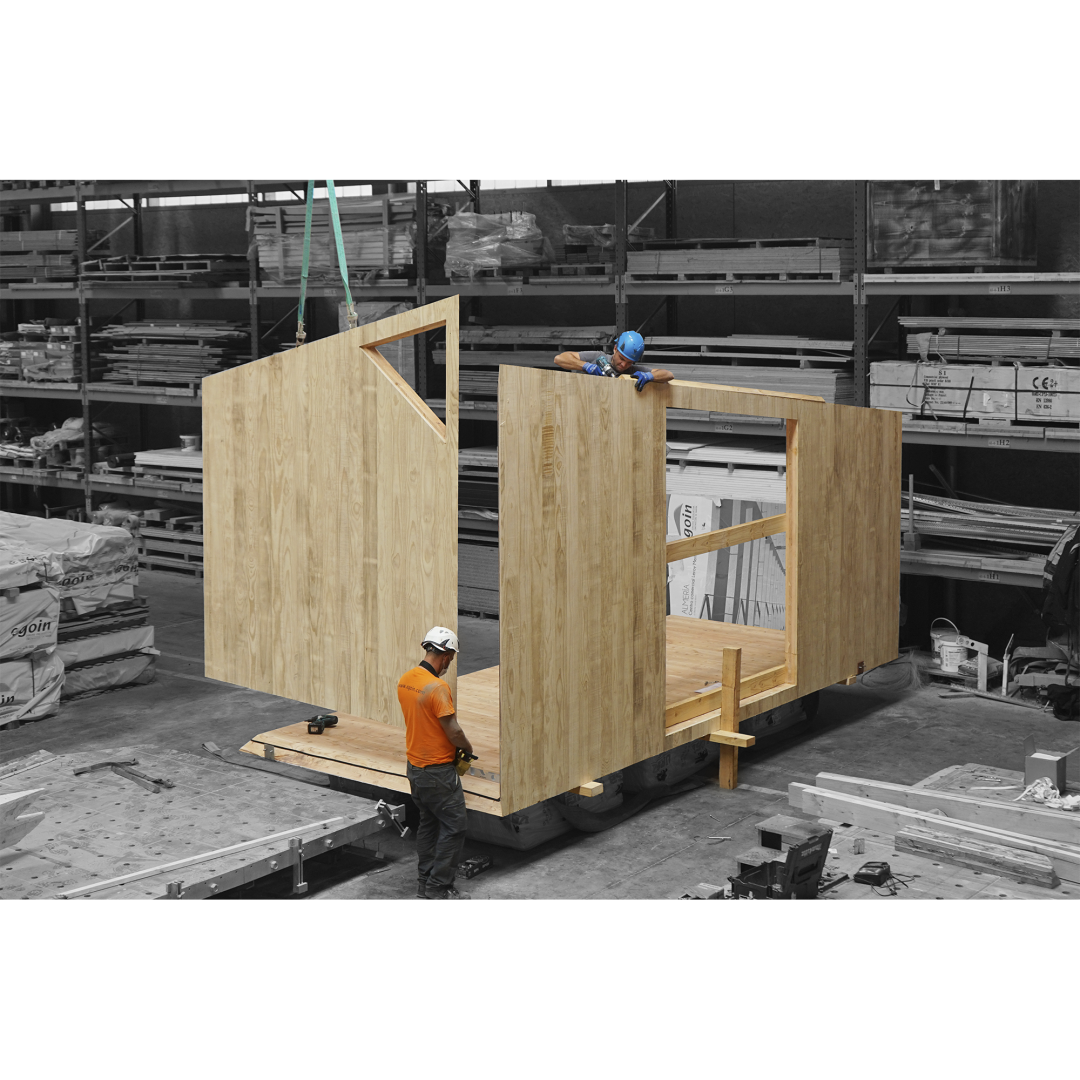
Among the main advantages of the proposed prefabricated construction method we find the off-site construction, which minimizes time on site, resulting in a cleaner and safer execution, reducing the waste generated by up to 90%. In addition, prefabricated modular construction reduces considerably vehicle movements, thus reducing CO2 emissions.
The great flexibility allowed by the proposed solution is also to be considered, as modular buildings can be easily expanded, reduced, reconfigured or even relocated to meet changing needs, resulting in a 100% recyclable construction.
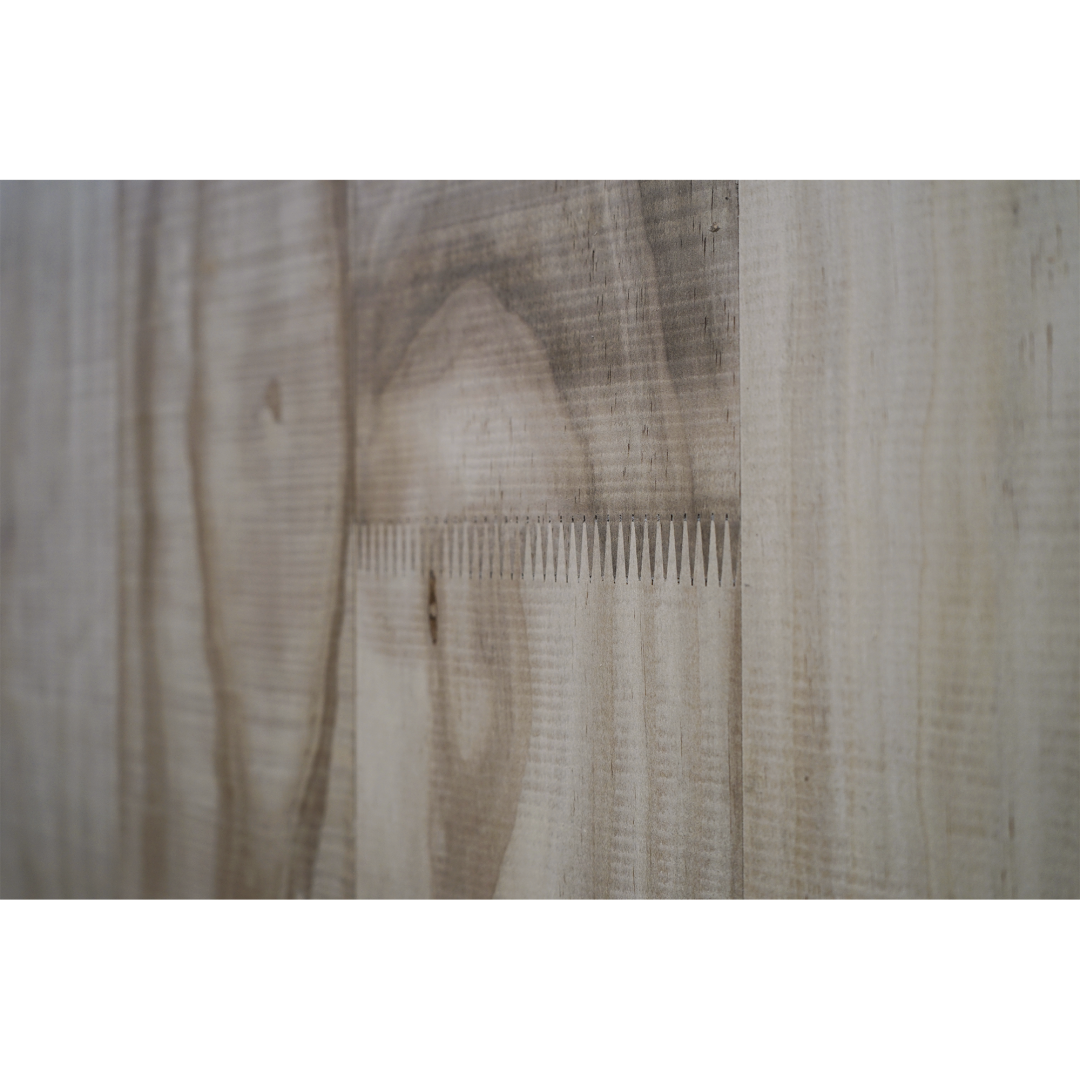
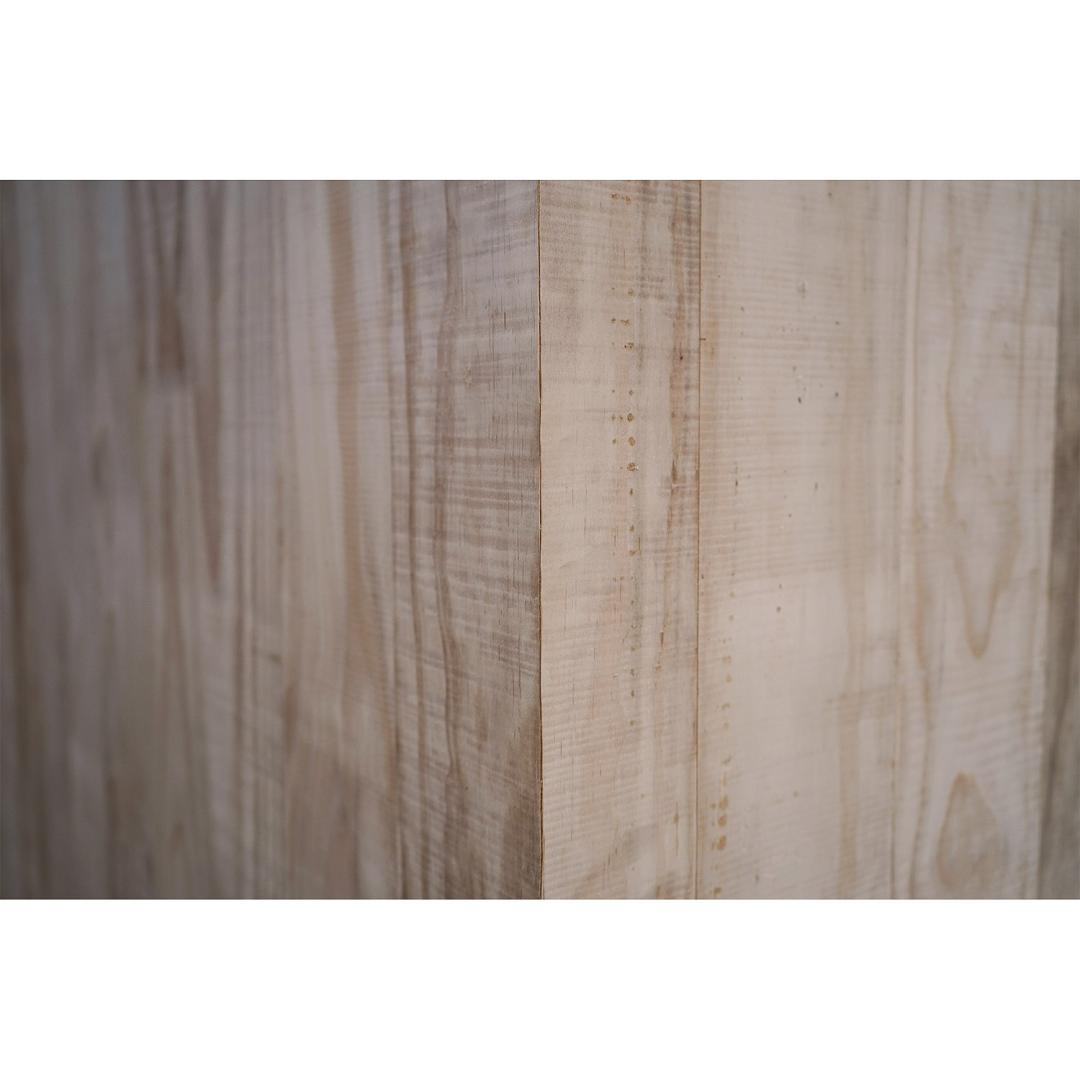
As for the construction materials chosen, the commitment to sustainability is one of the reasons for the prominence wood is taking today, since the inherited construction habits used in the constructions of the past centuries have left an almost permanent ecological footprint. Woods robustness, its properties in terms of sustainability, energy efficiency, low CO2 emissions into the atmosphere, and so on, have allowed it to break into a land occupied until recently exclusively by iron and concrete.
Key objectives for aesthetics and quality
Who has the ability to predict the way a construction will be used by future generations?
At the leading markets in the world, for the specialists in the industry direct human interaction has forever been the essence of their final product. The importance of said interaction seems to be diminishing because there is no longer a final product requirement.
Coming generations are more and more virtually connected and distanced one from each other. The trends that used to last years or months, now only remain about days, hours or seconds.
In the near future the industries that are not able to adapt will die. None of the grey-haired thinkers can understand the future and most can’t even judge the present.
The more flexible the architecture becomes, the less risk we take in building the future. We seek to empower the final users enabling them to design their own spaces or change it if what was right yesterday it isn’t any more. There is not a concrete aesthetic approach but a call to implement real collective creativity and sustainable construction through time.
Key objectives for inclusion
We need to serve this purpose by providing our future users with flexible premises that can change as rapidly as the usage. Future society will constantly need to adapt the living-working-sharing spaces to the actual requirements. It is up to us to provide a benchmark in that respect.
The flexibility in the design supports the inclusive philosophy kept in mind through the process. The building is designed to cater to each person’s specific needs- disabled or not. In addition, the program is placed all in one level avoiding architectural barriers. This results in a flexible and accessible layout that encourages ease of movement.
By the use of woods coming from the region, manufactured and ensembled by different local industries, we ensure the product delivered will fulfill the highest standards, kept affordable and sustainable.
Results in relation to category
The innovative and experimental components of the project stand out. In reference to the flexibility and adaptability of a modular building, a replicable solution is proposed, which could be installed in different locations and solve a wide range of needs.
On the one hand, within the framework of iforwood, the project has been developed as a storage unit for sports activities.
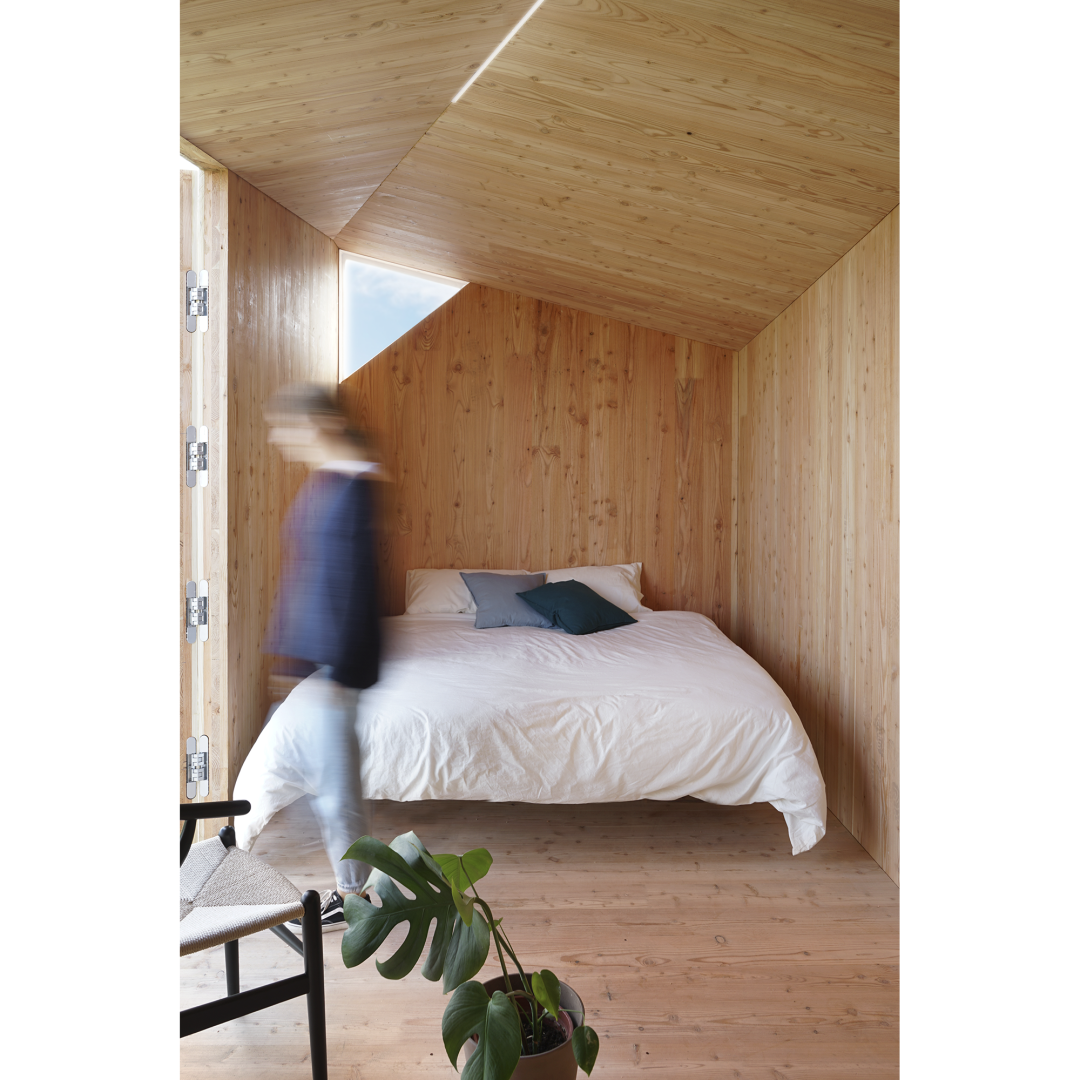
The same design also has served to develop a landscape hotel without changing a single element of its structure, which proves that it is a versatile, flexible and scalable solution to almost any program, maintaining the highest standards in sustainability and design.
How Citizens benefit
One of the developed shelters was done on the scope of the European iForWood project, which aims to compensate for the difficulties faced by wood companies in the Pyrenees in making their difficult exploitations due to the orography profitable by promoting innovation projects that seek to increase the value of forest products. Its purpose is to help increase the profitability of these resources and improve the competitiveness and productivity of Pyrenean timber companies through cooperation in investigation.
As per the impact on the direct users of the project, the shelter solves the needs that the archery section of the Aurrera Club had been claiming since 2018, to have adequate space to store the elements of its modality. It is them together with the municipality that set the initial demands around which the project starts to take shape: a place sheltered from climate adversities, modular and relocatable.
Innovative character
The COVID-19 pandemic has shed light on a variety of weaknesses in the built environment, including many that are easily overlooked or simply accepted.
A Framework for the Future of Real Estate shows that our spaces should be livable, sustainable, resilient and affordable.
We can make our spaces better by leveraging technology, rethinking design and improving community engagement – and the industry is ready to deliver.
The BIM industrialized construction methodology used provides added value compared to the traditional system, encompassing the design, planning, numerical management and integration of the latest sustainability standards and being able to respond to architectural issues globally.
The intervention seeks to share ideas and innovations with the hope that they will inspire others to think outside the box and perhaps even choose “unconventional” solutions.