Holis School
Basic information
Project Title
Full project title
Category
Project Description
Holis is an interdisciplinary learning community that works on the most critical ecological and social challenges of our times.
Project Region
EU Programme or fund
Description of the project
Summary
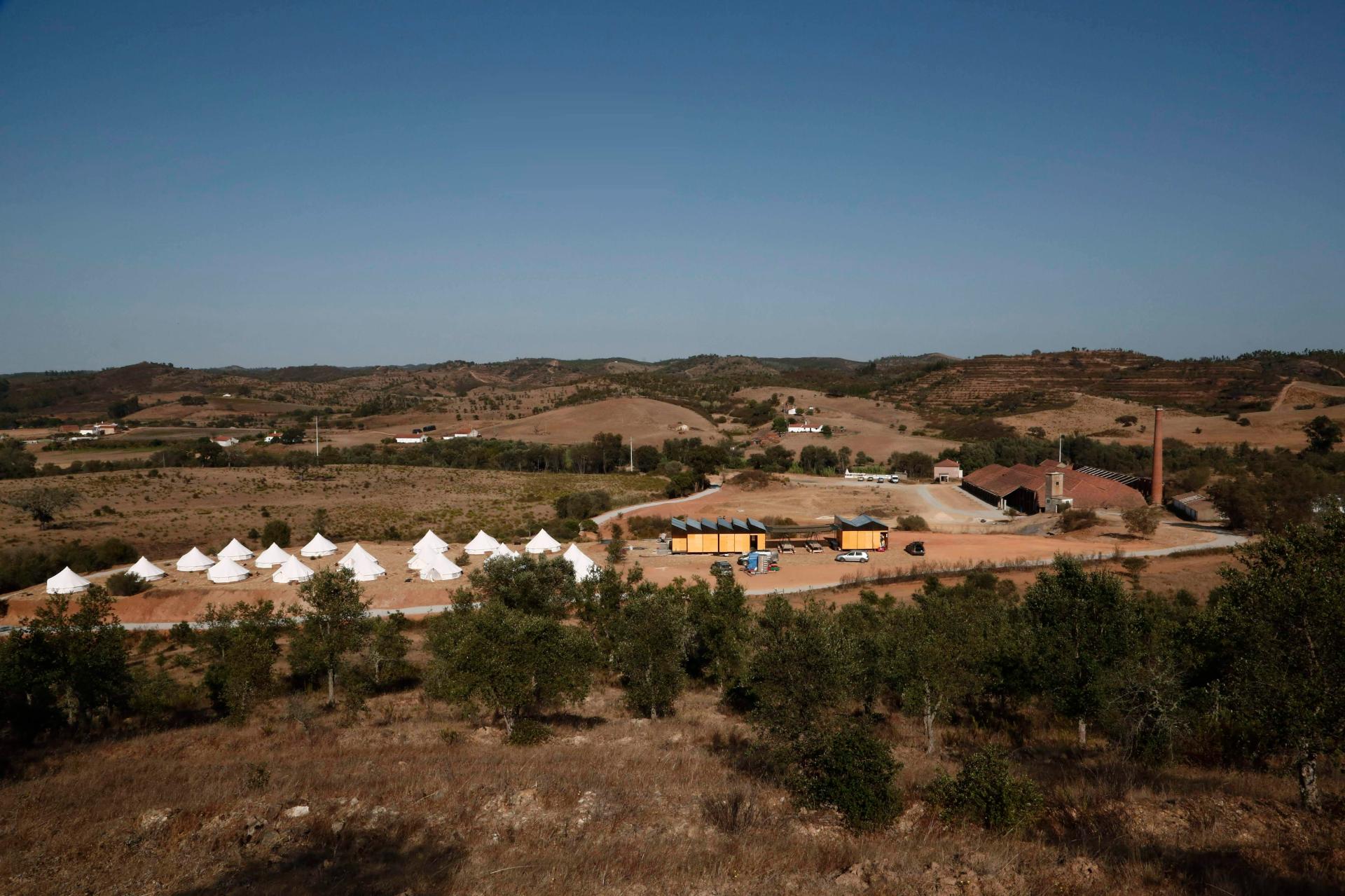
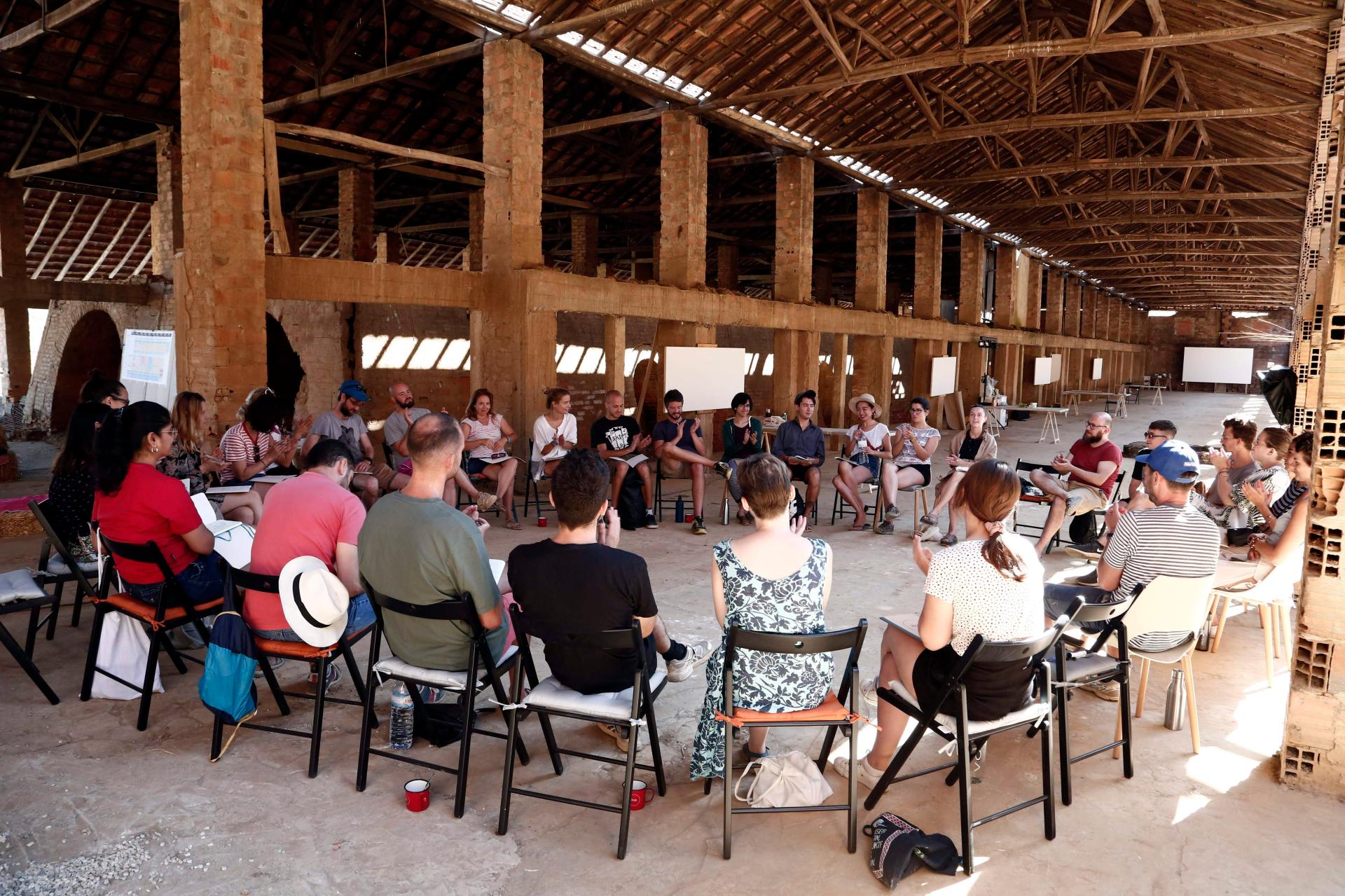
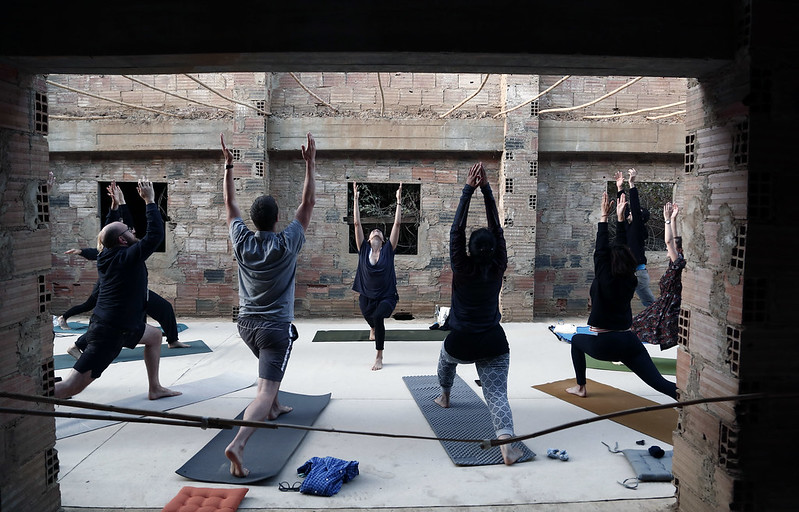
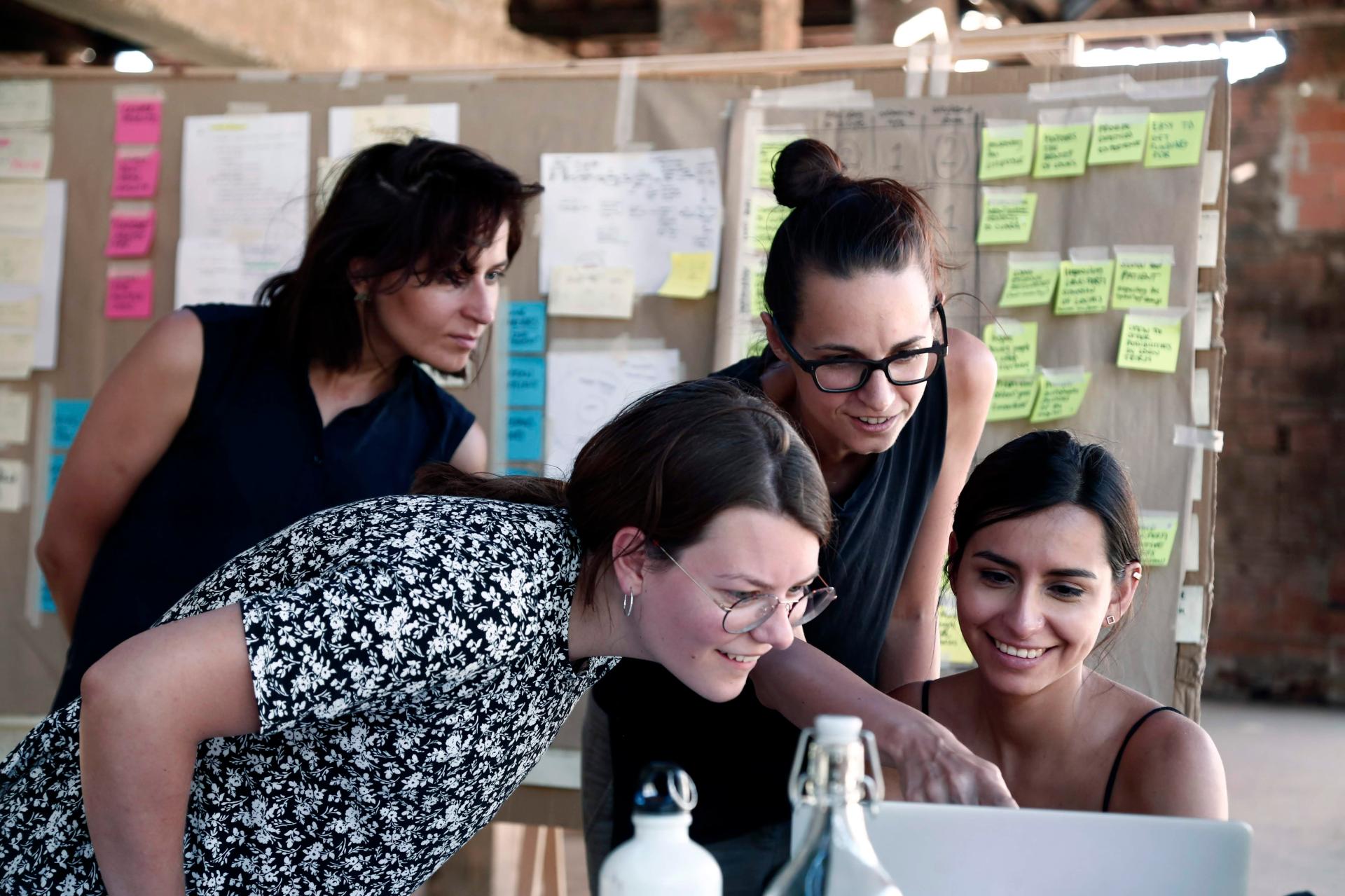
We are a group of designers, researchers, makers, artists, and facilitators pursuing change through collaboration and collective intelligence. During our place-based workshops and courses we address large-scale global issues by working on real-life problems in collaboration with our partners.
Our partners have different backgrounds. We work with universities such as the Royal College of Art or Harvard University, global foundations such as Porticus, innovation foundations such as Nesta and rural change makers.
Participants are coming with even more diverse backgrounds. Designers, economists, engineers, communication professionals, sociologists, anthropologists just to mention the most common professions.
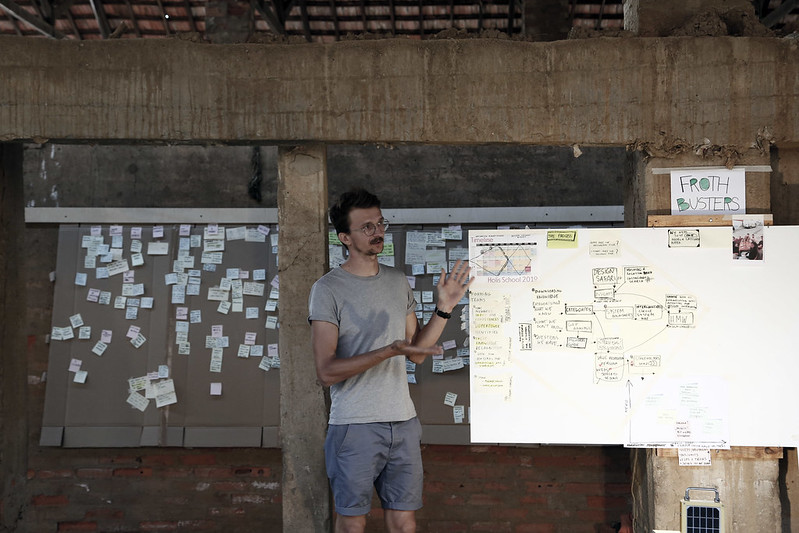
The aim of Holis is to provide a real-life experience where participants can learn how to work in an interdisciplinary team, how to connect with the local community and co-design solutions, and how to handle complex problems. They also learn about a value system where society and ecology are more valuable than profit.
We always work in close collaboration with local communities. They are the best source to understand what kind of problems they are facing and what kind of solutions might work.
Key objectives for sustainability
Holis follows the framework of Doughnut Economics. Doughnut Economics is a framework for sustainable development, with the aim of meeting the needs of all people within the means of the living planet. The Doughnut consists of two concentric rings: a social foundation, to ensure that no one is left falling short on life’s essentials, and an ecological ceiling, to ensure that humanity does not collectively overshoot the planetary boundaries that protect Earth's life-supporting systems. Between these two sets of boundaries lies a doughnut-shaped space that is both ecologically safe and socially just: a space in which humanity can thrive.
Every Holis workshop and course is aiming at this space. This is a recent discovery for us. It makes for us much easier to communicate the boundaries that have to be met in a project to our participants.
Key objectives for aesthetics and quality
As Holis was funded and run mostly by designers we pay special attention to our visual identity, communication and how our learning experience is designed. We work with service designers, learning experience designers and visual designers to develop Holis year by year.
We also expect a high quality of presentations from our workshop participants. We believe that a well designed slide deck has a better chance to communicate the same message.
Please visit our website and some of the selected projects to have a better impression:
https://www.weareholis.org/blog/j-ai-ne-doe
https://www.weareholis.org/blog/cepi
Producing engaging photos and videos about our place-based workshops is also something that we find important. Here are some examples of this:
Key objectives for inclusion
There are two aspects of inclusion in our project. Inclusion of participants with different cultural and professional backgrounds and inclusion of local communities in the co-design process.
Our participants are coming from a diverse cultural, social and professional background. This is actually not something that we need to deal with but something that we are actively looking for. We believe that a diverse group of people will have better ideas on how to solve a problem than a homogen group of people. In our communication we encourage everybody to apply to Holis even if they feel like they are not a good fit. We are available for them to answer their questions or provide good examples from the past to boost their confidence. We also have 2 participation fee tiers (one for students and unemployed and one for (self-)employed) so that money doesn’t stand in the way of coming to Holis. We also have scholarships for those who can’t afford even the lowest participation fee. Gender balance is a must for us as in our experience that makes any team work better.
As I’ve mentioned in my answer to the first question, we work with partners and local communities. We can’t imagine doing what we do any other way. Including stakeholders of the ecosystem we are dealing with is essential. Our work starts around 6 months before the workshop. We meet with our partners and discuss the problems the local community is facing. Based on these discussions we then define the brief for our workshop. One month before the workshop with the help of local partners we conducted a survey asking local people about the topic we will work on. During the workshop we invite representatives of the local community to provide even more information in person and work with our participants
Results in relation to category
Holis started in 2014 as a platform for interdisciplinary collaboration for students in Hungary. Since then we developed a methodology and learning experience that attracts professionals who want to get better at interdisciplinary collaboration from around the world.
The importance of our approach and the well thought through methodology is getting recognised. Royal College of Art (RCA) is the world’s leading art and design university. Holis and RCA have a partnership where we develop and deliver interdisciplinary workshops for their students. Based on the feedback of students RCA is satisfied with our work.
Right now we are working on partnerships with European Universities.
How Citizens benefit
Beside being an education project Holis is also a social innovation project. We strongly believe that the cognitive energy of our participants shouldn't be wasted on theoretical challenges. This is why we always bring real-life challenges for them where they can learn by doing. Learning by doing also happens to be the best way to learn. A real win-win situation.
Local communities we work with benefit from us in different ways. Sometimes even the fact that we are there and work with them gives them confidence to tackle old problems that they thought can’t be solved. The projects we deliver at the end of our workshops serve as starting points and often are used to apply for funding. In some cases the news about our projects trigger new ideas in people from far away who decide to start a project/business there.
A much broader impact is achieved through our alumni. We want to believe that we give our participants a more sustainable value framework and support them in their endeavours of creating a just and sustainable society. Of course there is no evidence for this but we think it’s true.
Innovative character
Actually we don’t think we are innovative. Holis is a melting pot in terms of methodologies. We also think that innovation is overrated. Just look at where we’ve got with all the innovation.
Our approach is rather to learn about existing tools and methodologies, frameworks, try them and based on our experience adapt those parts that work well and let go of those that don't. This way the methodology of Holis goes through an organic evolution. And we like it that way.
If we had to mention one innovative point is probably the fact that we are doing interdisciplinary collaboration. Not talking about it, about the importance of it but actually doing it. And it’s hard. Extremely hard. If anyone says that they know exactly how to do it they might exaggerate a bit.
We are different though. We think that in dealing with complex problems you can’t apply the same logic you would apply with complicated problems. Emerging practice and pure luck play a much bigger role than we usually think.
We also think that intention, self-knowledge, mental and physical well-being and quality human connections beat any methodology or toolkit. This might sound esoteric but nothing is more far away from us than esotery. We think this is just common sense. Something we as humanity probably missed for the last decades.