Borgo Mazzini Smart Cohousing
Basic information
Project Title
Full project title
Category
Project Description
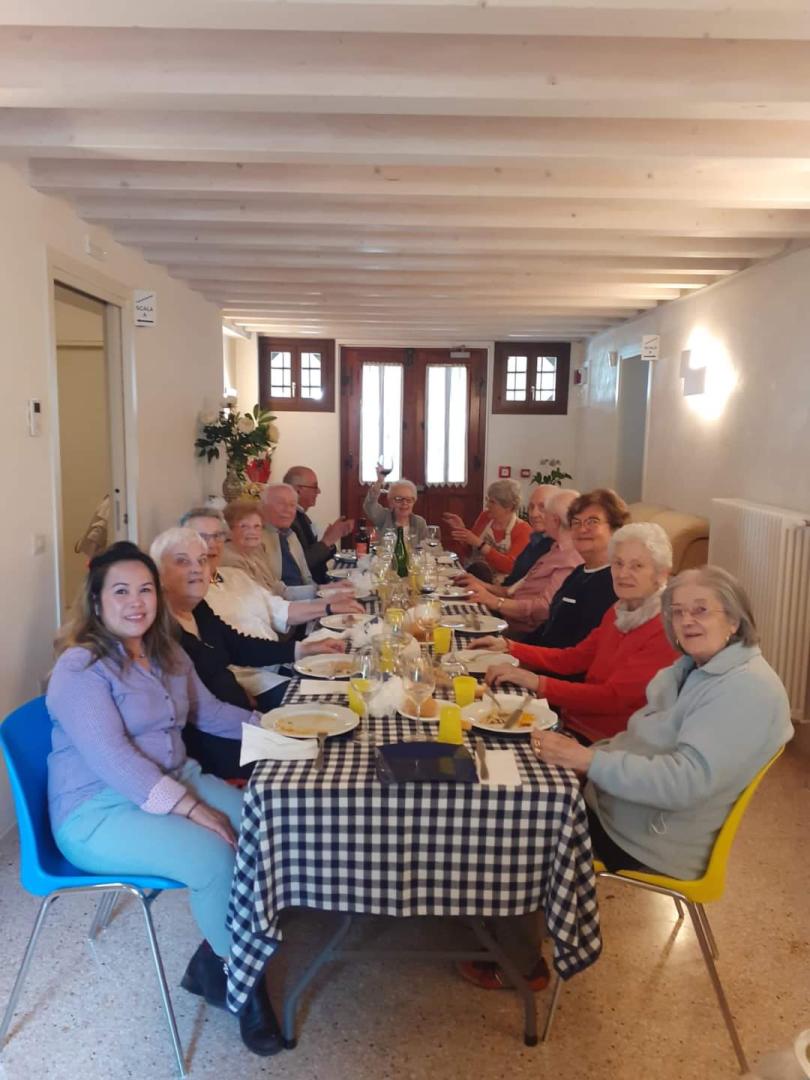
Borgo Mazzini Smart Cohousing is an innovative restoration of historical heritage in the city centre of Treviso, Italy, where a former complex of buildings have been renovated and adapted for agile and independent living of older citizens thanks to a participative project design phase and the installation of ICT devices that help guarantee their health ageing. The residents now are able to live and share spaces and activities while integrated in the wider community.
Project Region
EU Programme or fund
Which funds
Other Funds
The project has previously benefited from ROP ERDF 2014-2020 funds coordinated by the Veneto region, in Italy, Axis 6 - Action 9.4.1, sub-action 2, in the year 2017 (approved in 2018).
Description of the project
Summary
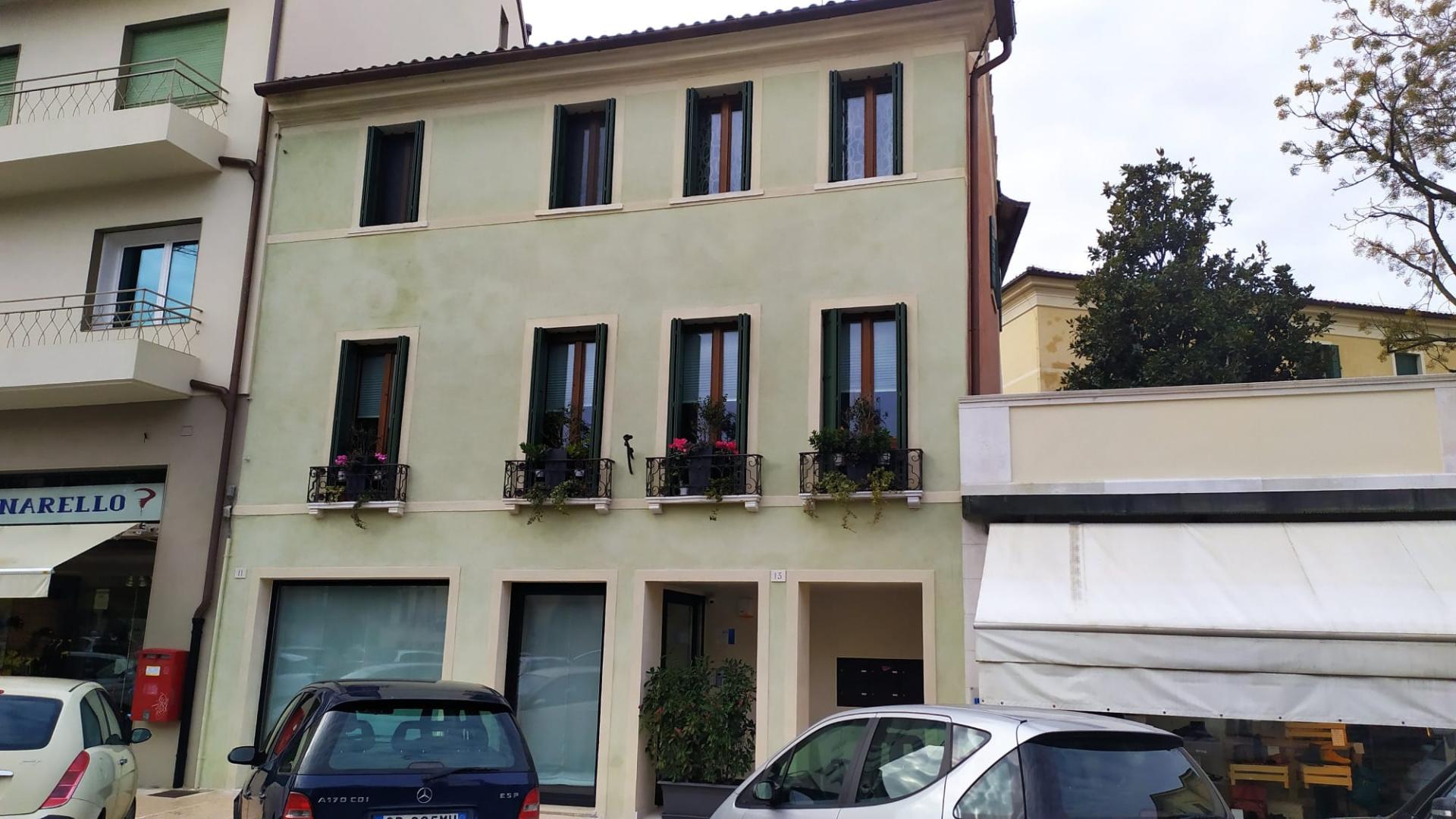
The Borgo Mazzini Smart Cohousing project is an initiative realised by ISRAA - Istituto per Servizi di Ricovero e Assistenza agli Anziani, a residential facility for elderly people in Treviso. The idea stems from the social needs imposed by the ageing of the population and its demographic challenge and from the presence, among the properties of the institution, of several buildings of historical importance and in a central position with respect to the city, in disuse and obsolete. In order to respond to the need for social interaction and ageing at home, it was decided to regenerate the buildings at the organisation's disposal and the spaces in front of them in order to create a welcoming and age-friendly environment. The buildings were converted into mini-apartments designed on the principles of usability, accessibility and aesthetics, respecting the historical and artistic value of the buildings in question. However, the project did not only aim at the reconversion of historical buildings, but also at the realisation of a social and community living project, thanks to the creation of common spaces, the promotion of an inclusive social model and the direct involvement of the community, policy makers and stakeholders. The central aspects of the project, identified in 4 axes (economic aspects, health aspects, social aspects and architectural aspects) were discussed, elaborated and deepened thanks to a participatory design model involving potential (and future) residents, local stakeholders and ordinary citizens. Through a series of focus groups, a model of social and inclusive living was elaborated, aimed at encouraging the participation of frail elderly people in community life, while at the same time preventing the degradation of a part of the city by reducing depopulation and the decline of historic buildings.
Key objectives for sustainability
BMSC's model promoted sustainability by exploiting buildings of historical and cultural interest, intrinsically connected to the urban fabric of the city of Treviso, and making them habitable again, using high standards to maintain the comfort of residents and materials that guarantee correct thermic insulation and the reduction of energy dispersion through the use of insulating window frames. The area in which the buildings are located is of great historical interest, with roots in the medieval and renaissance periods, and the original buildings suffered from poor energy performance. The redevelopment work has improved it thanks to the use of insulating coats and the use of LED lighting systems. General switches were also included in the construction of the flats to give tenants more control over their home lighting, reducing lights left on in the absence of residents.
The community dimension of the project also promotes an idea of community and participation, such as the use of communal laundries, aimed at reducing waste and energy consumption. Mutual aid initiatives such as the sharing of means of locomotion for travel (e.g. car sharing) are also part of this project.
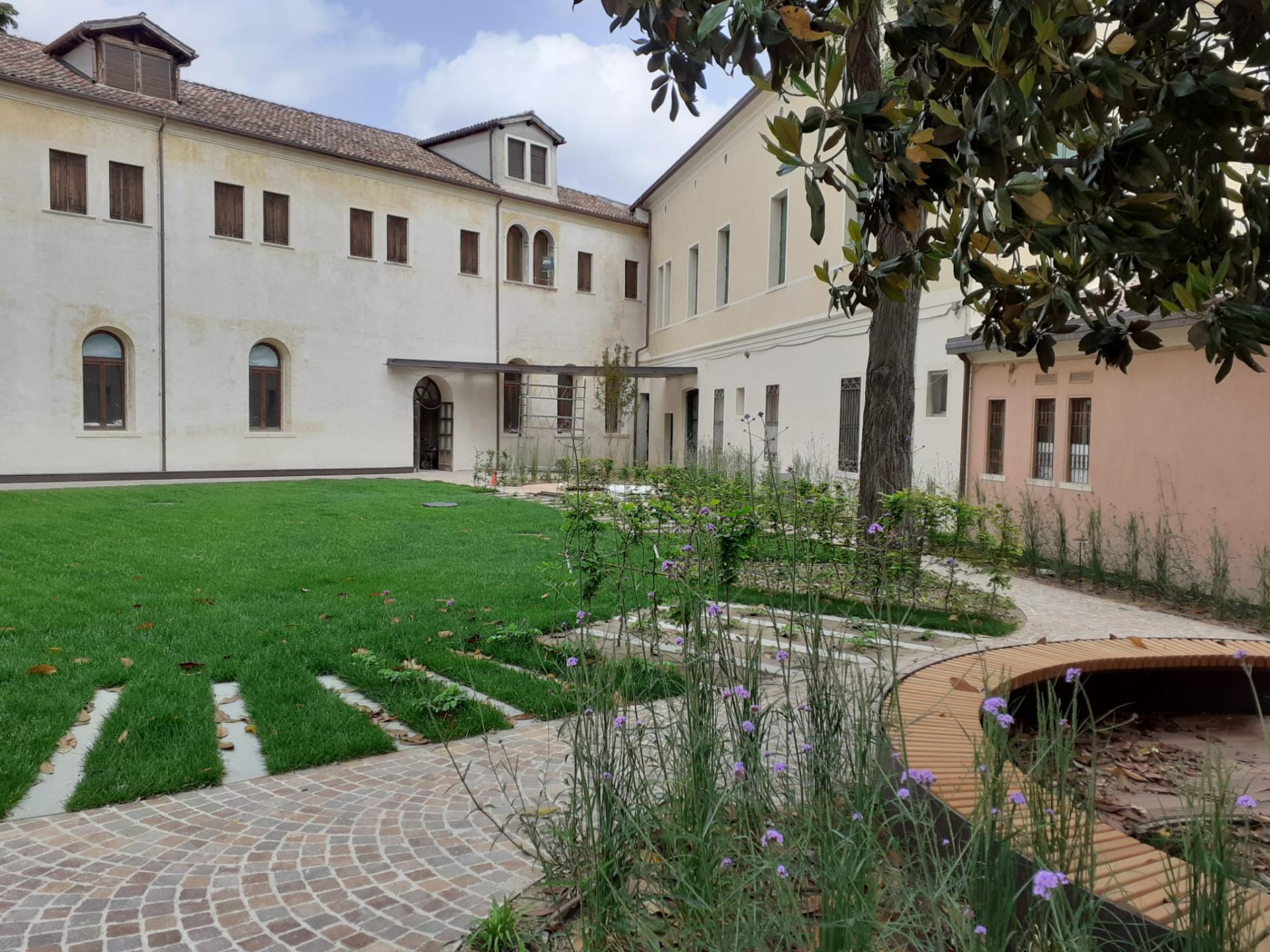
In the framework of the project, some of the areas owned by the authority surrounding the redevelopment buildings have been recovered and adapted to become green gardens for public use. In the realisation of these spaces, the principles of accessibility, pedestrian friendliness, permeability of spaces and design-for-all have always been taken into account. This has made it possible to recover abandoned areas and thus create accessible green zones within the city.
Key objectives for aesthetics and quality
One of the key aspects of the project, from an urban planning and aesthetic point of view, is connected with the recovery and restoration of buildings of historical and cultural value within the city centre of Treviso. This operation, in addition to creating an inclusive community living process, has allowed to intervene also from an aesthetic and structural point of view in the recovery and rehabilitation of buildings and spaces, made accessible again to residents and citizens.
Particularly important was the extensive dialogue with the persons in charge of the cultural heritage superintendence, which made it possible to draw up a restoration and aesthetic recovery plan that, on the one hand, was respectful of the historical and architectural value of the environments involved in the project and, on the other hand, made it possible to intervene in such a way as to make the buildings comfortable and suitable for accommodating elderly people at risk of frailty.
A large part of the project is connected with the intervention in areas of the neighbourhood that are not used, or destined for use by the institution, and transforming them into gardens and green areas for public use and accessible to all. In fact, these spaces were designed so that they could be used both by elderly people with cognitive impairment, thanks to the removal of architectural barriers, and by families with children in safety.
The impact of the project on the urban fabric and appearance was so prominent that it succeeded in involving the municipality of Treviso, which carried out a further historical and aesthetic redevelopment within the project areas, once again opening up a historical canal, abundantly frequented by urban wildlife. The municipality of Treviso also presented a plan to modify the town planning in such a way as to provide for the pedestrianisation of many of the areas on which the project insists.
Key objectives for inclusion
The key objective of the project was to realise a community living project that would allow elderly people (65+) to age in their own home, in safety and maintain meaningful connections by offering elderly-friendly housing, able to support autonomy despite frailty. The Borgo Mazzini Smart Cohousing project is based on a social model which was designed on the basis of suggestions gathered through focus groups and participatory planning processes with citizens and stakeholders. In order to promote well-being and inclusion, a "charter of values" has been drawn up, a non-binding pact that residents are required to sign upon taking possession of the property. This document expresses the values of mutual support and commitment to the community, respect and inclusiveness.
As a result of funding received from European Regional Development Funds (POR-FESR) managed by the Veneto region, where the city of Treviso is located, a part of the flats included in the project is destined to families in need and adults with disabilities becoming part of the community.
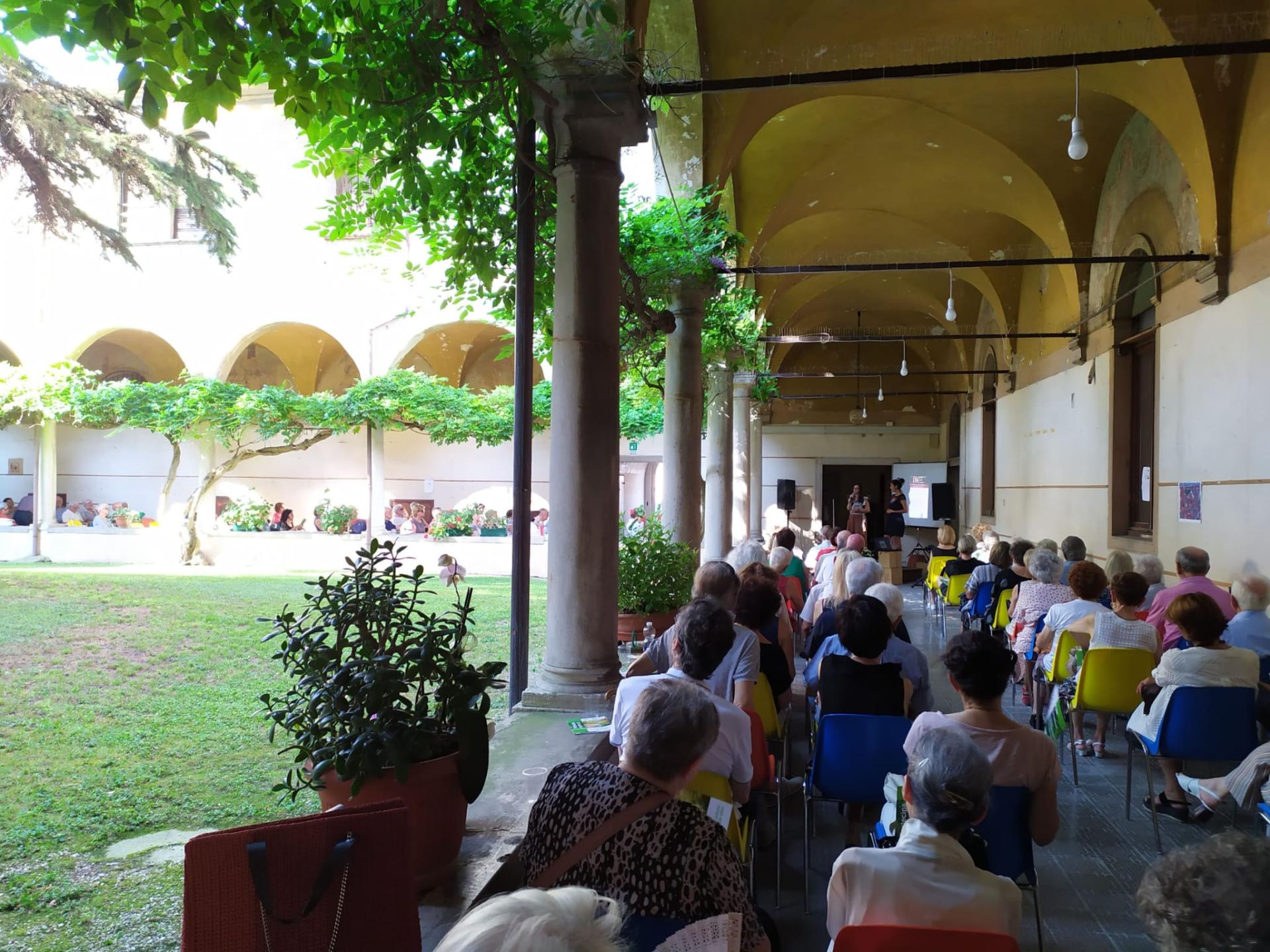
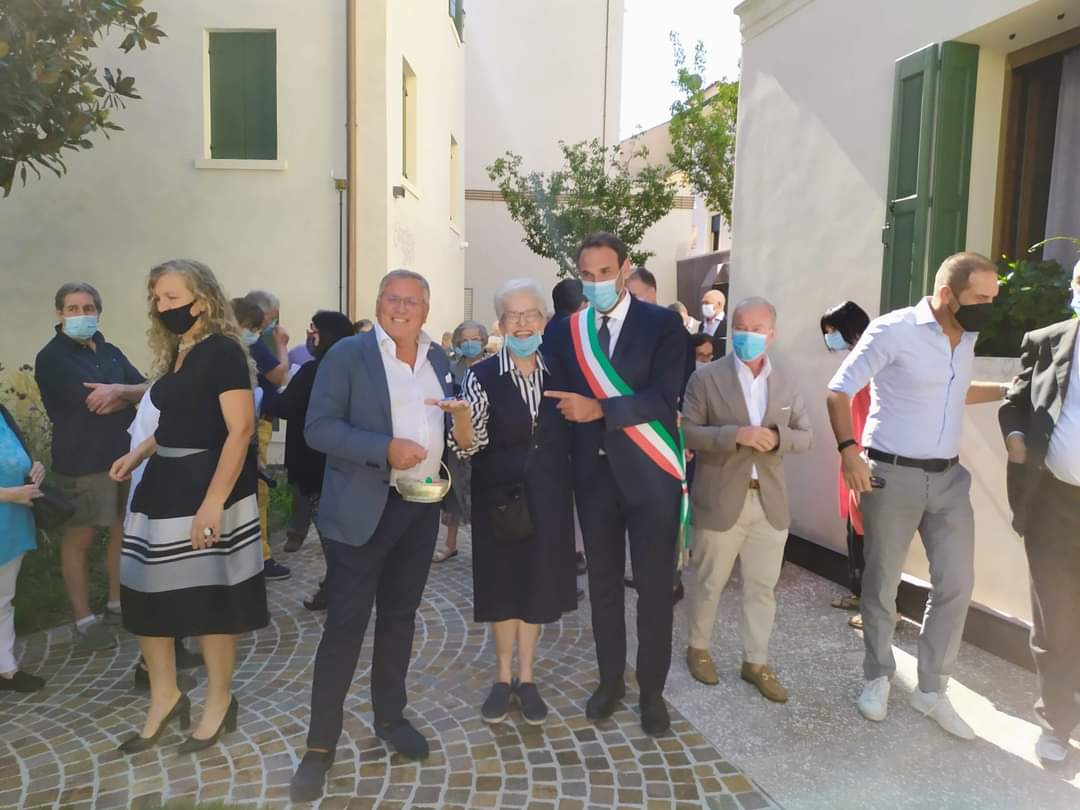
The social model put in place by ISRAA for community living within the Borgo Mazzini Smart Cohousing project, also foresees the involvement of institutions, businesses and services within the project neighbourhood for the organisation of events and initiatives that start from the inclusion of residents, considering their peculiarities and are also open to non-residents and external people.
Results in relation to category
The rehabilitation of the buildings covered by the BMSC project has made it possible to give back to the citizens a historical and cultural heritage otherwise unused and at risk of continuous and inexorable deterioration. The buildings have been restored according to a principle of modernisation and accessibility that guarantees their future usability by all types of public, with particular regard to the inclusion of fragile subjects or people who may develop some type of disability. In this way a piece of the city and a piece of memory has been given back to the community, with the possibility of continuing to write new pages of local identity not only through the conservation of what was already there but by putting it in the conditions to be completely inserted in the contemporary world and in the future. The project demonstrates the feasibility of new residential experiences in existing built environments, enhancing the cultural and identity matrix of local communities with a view to the economic sustainability of the territories, avoiding greater land consumption and enhancing the value of material resources that currently weigh on the socio-economic balance of local authorities. The aim of the BMSC project is also to guarantee the inclusion of disadvantaged social categories that may develop critical elements, both with regard to health and to the social and economic repercussions that may be generated in the absence of a care and assistance strategy at community level.
How Citizens benefit
As already mentioned, the definition of the central aspects of the project (architecture, social relations and inclusion, economic sustainability, autonomy and wellbeing) and the related development guidelines took place through a participatory design process. This process involved inviting members of the city of Treviso, including potential users, future residents, stakeholders, shopkeepers, service providers and ordinary citizens, to meet in discussion groups and focus groups to examine and define the most appropriate guidelines. For each thematic area, three different interconnected meetings and a series of conferences were organised as part of initiatives within the city to present and share the results. This created the opportunity to receive more feedback on the project's purpose and implementation, thus encouraging its adoption and success. Residents can in fact benefit from a community intervention that sees the possibility of virtuous involvement not only of the immediate neighbourhood and other residents of the cohousing but also of other actors in the urban area in which the project is inserted, favouring access to services and opportunities for inclusion, growth and individual and collective wellbeing. The residents of the buildings involved in the BMSC project and the people who live in the surrounding neighbourhood can in fact benefit from an inclusive social model that also brings with it a thought of development and design of services and urban planning, making city spaces suitable for the elderly and/or frail and able to promote autonomy and well-being in the people who enter this model.
Innovative character
The BMSC project demonstrates its innovativeness in the functional recovery of historic buildings of architectural and cultural value with the aim of providing an additional source of residential accommodation for the elderly. Innovative forms of assisted living alongside protected health care facilities, managed by both public and private bodies, strengthen the range of services on offer and have a positive impact on the National Health System, especially in the Italian and European context of a growing ageing trend. The focus of the BMSC project is to transcend the purely residential dimension by conceiving the care space at the neighbourhood and urban centre level, bringing monitoring and assistance, conveyed through ICT technologies and activating the community, not only in the housing units but in the wider urban space, thus creating a version of smart city centred on the psycho-physical well-being of citizens with an emphasis on the health of elderly people. The installation and encouragement of residents to use ICT technologies makes it possible to guarantee a degree of security and monitoring of health indicators that ensure a higher level of quality of life for elderly people. At the same time the housing context in which they live encourages people to interact in a community dimension that facilitates meeting and mutual support, thus reducing the risk of social isolation and loneliness - phenomena that particularly affect the older segment of the population and can lead to the onset or exacerbation of various pathologies.