Lifery
Basic information
Project Title
Full project title
Category
Project Description
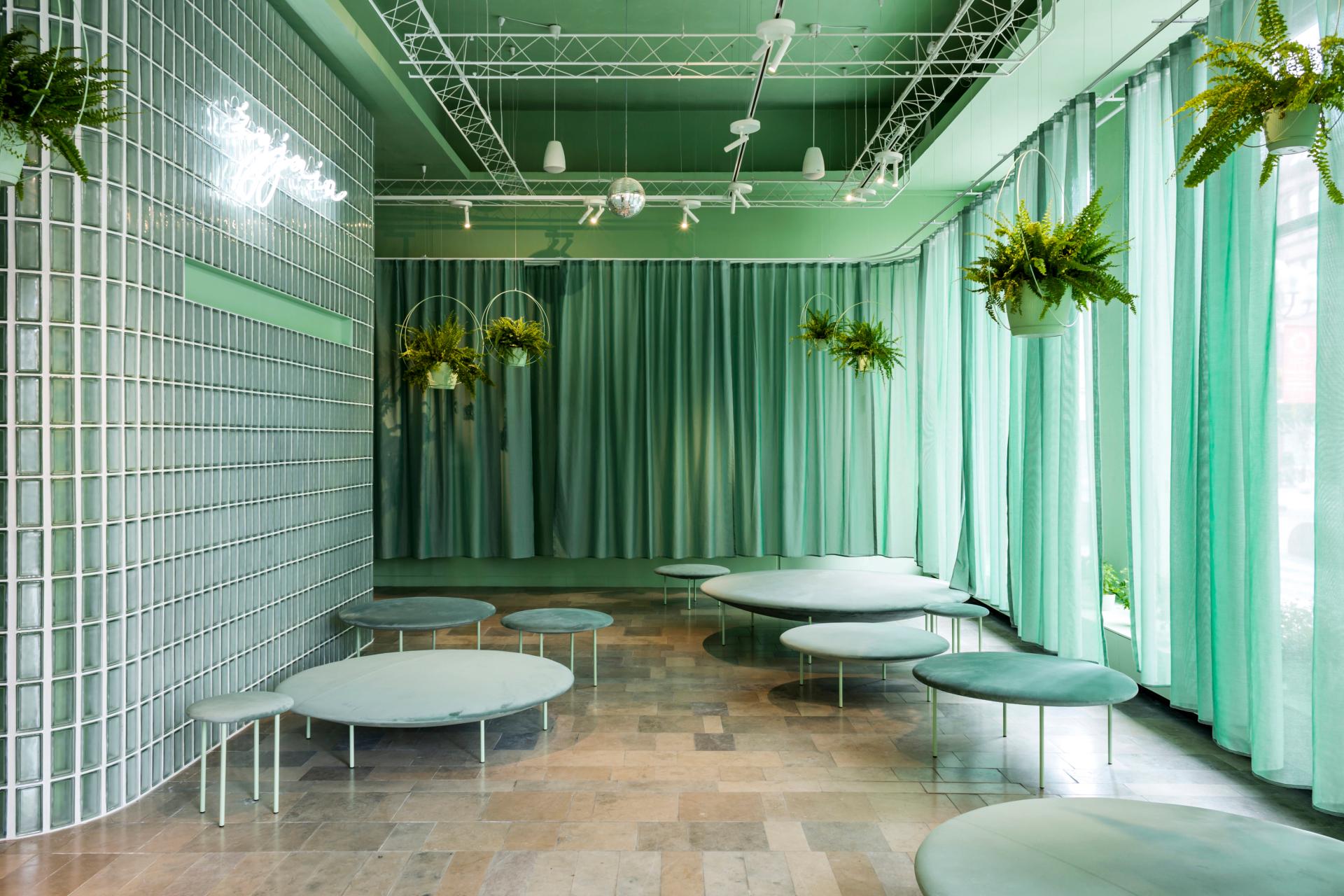
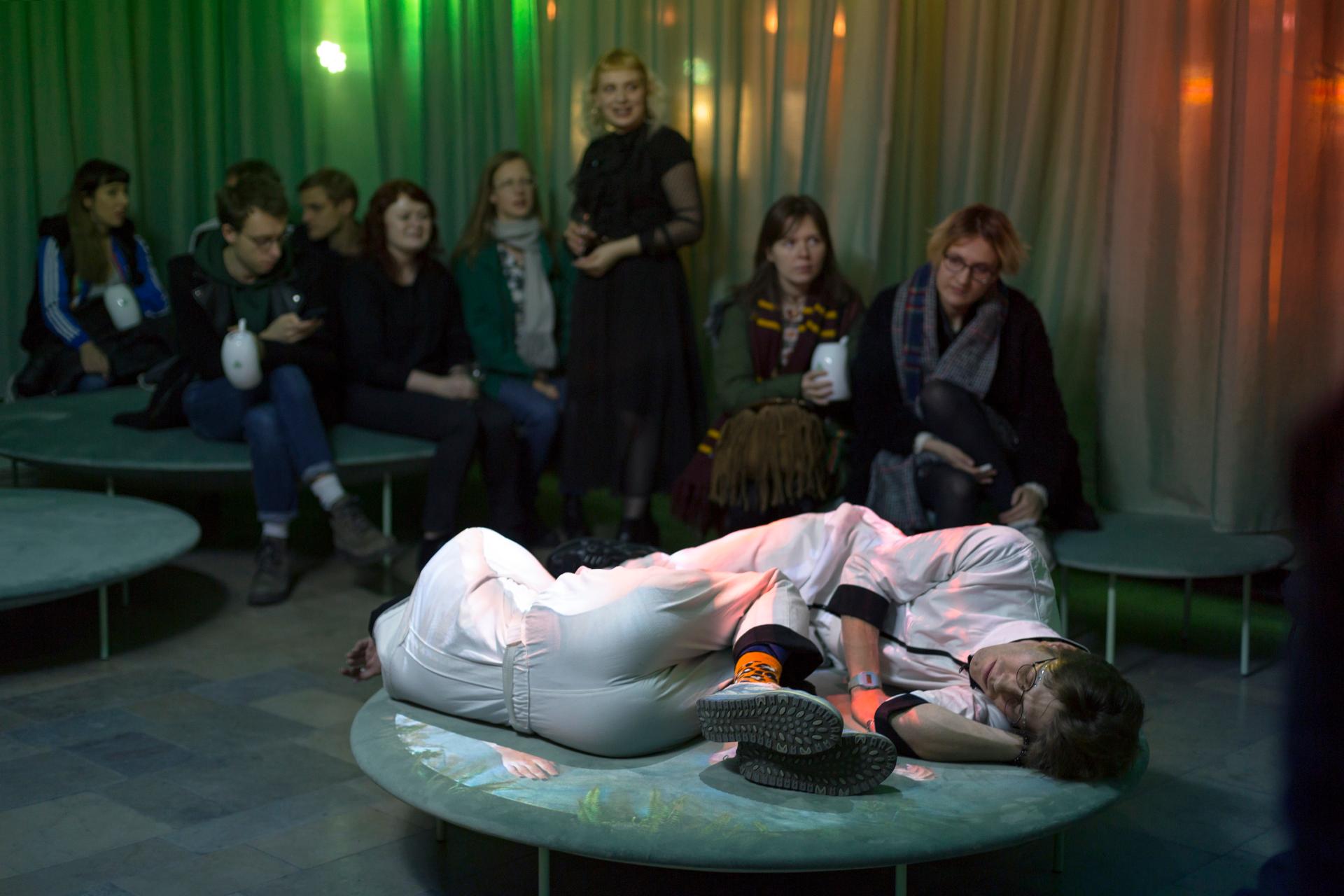
Lifery takes the form of a modern city salon, a hospitable, accessible space providing a moment of respite. The idea is rooted in the history of Lower Silesia health resorts, which were popular in the region before and after the war. In the case of Lifery, its patients are symbolic, not only people, but also their endangered environments. In Lifery we carry out a social and educational programme devoted to a relationship between design and ecology and people of all ages, needs and preferences.
Project Region
EU Programme or fund
Description of the project
Summary
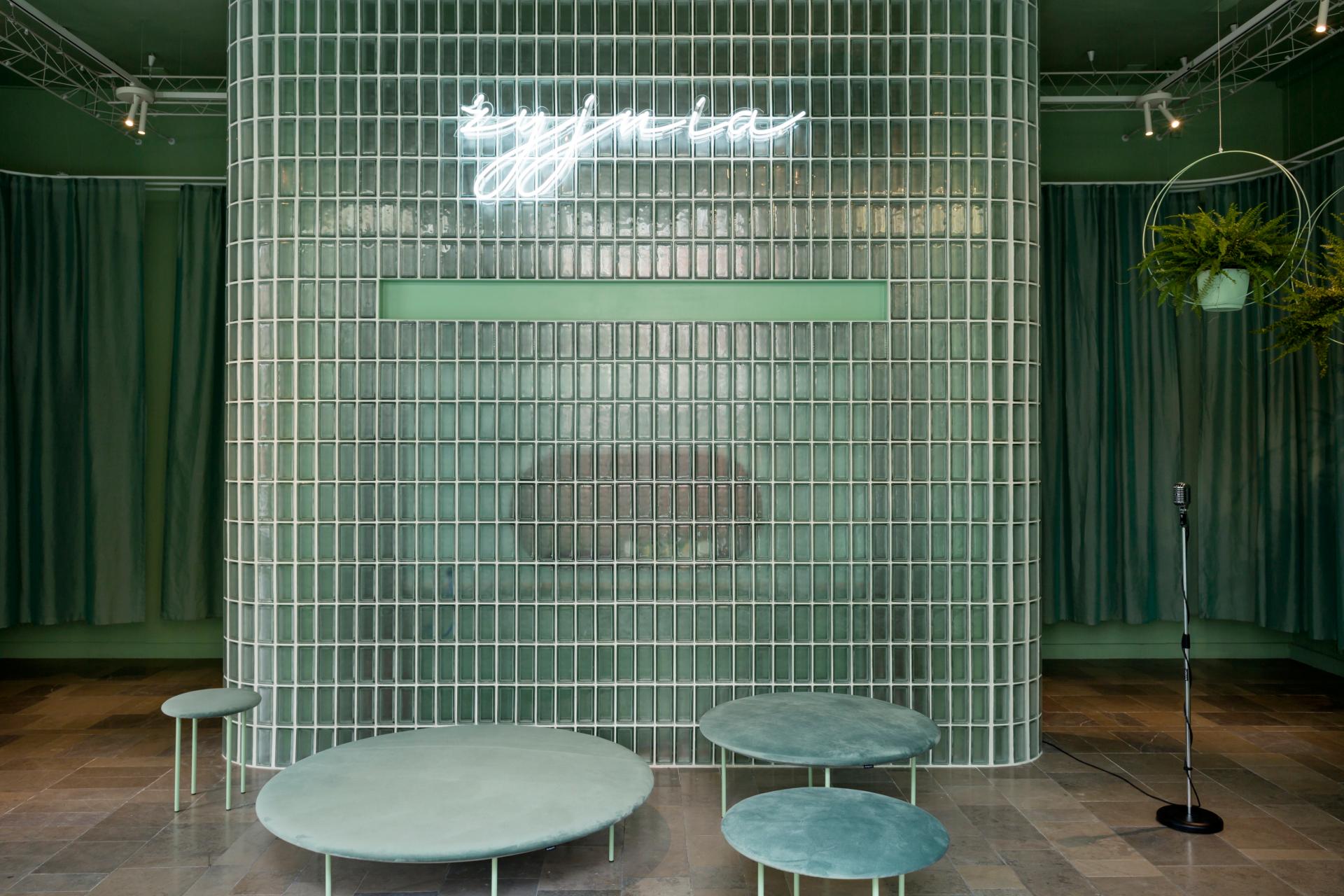
Lifery is a modern-day, open city salon located at the Dizajn BWA Wrocław gallery. In its original Polish, the project title “Żyjnia” defines the character of the place, open to the most basic needs of its users, including regeneration, shelter and building up immunity.
It is founded on the idea of a freely accessible urban health resort, inspired by the atmosphere of Lower Silesian spas. We became interested in the wellness palaces because of their unique ambience, non-commercial nature, as well as the symbolic status of water, around which the entire spa architecture is built. Thinking of water in the context of a public resource is especially relevant considering today’s drought crisis. In Lifery, the traditional healing waters are replaced by medicinal herbal infusions, municipal water taps and relaxing geranium oil inhalations.
Lifery’s acoustic space is particularly noteworthy, as it recreates the spatial sound landscape of a famous health resort located in the Polish town of Świeradów-Zdrój. For visitors interested in experimental music, Lifery will feature a rich soundtrack of multi-channel pieces created for the Canti Spazializzati cycle.
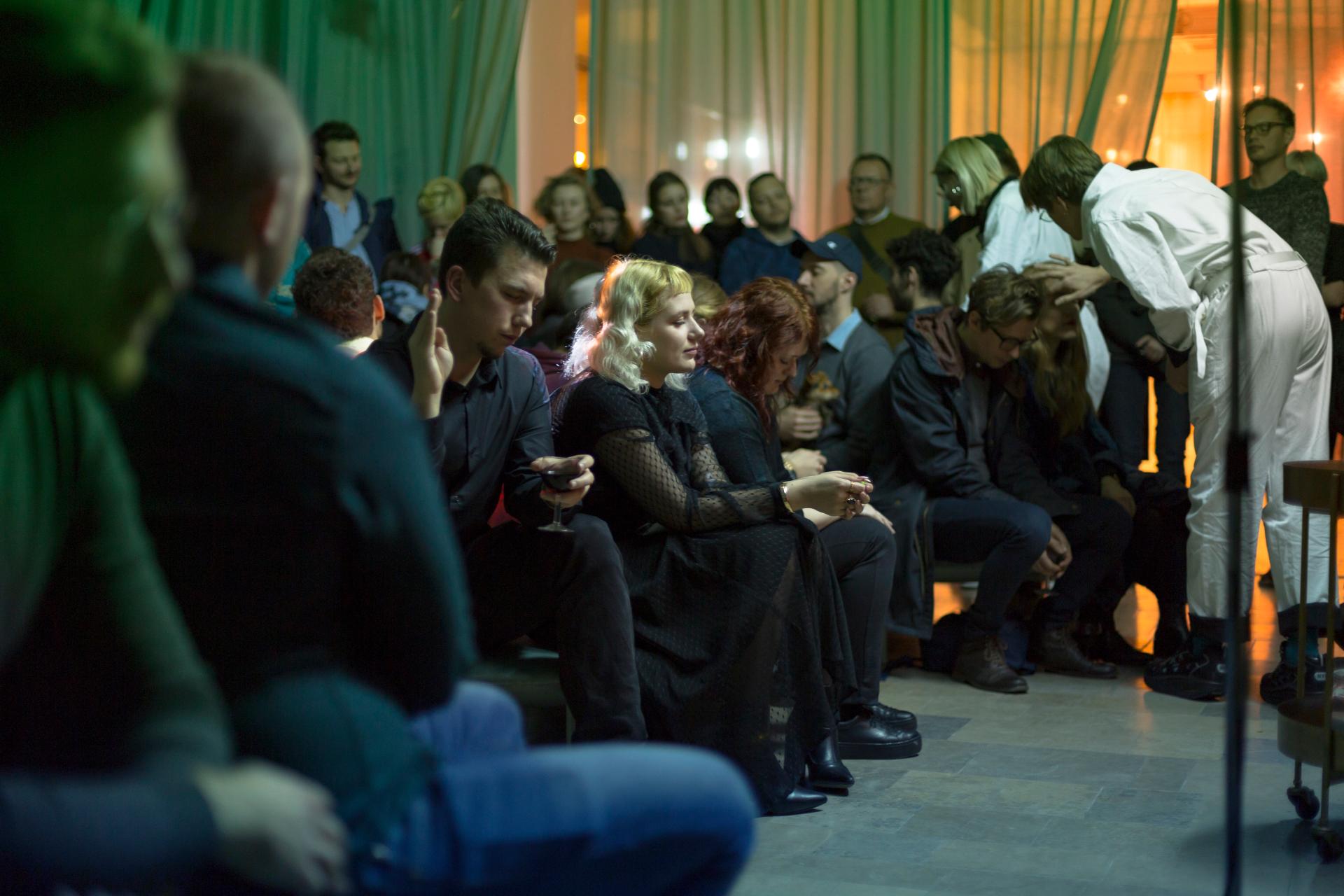
Lifery is an evolving place and a setting where you can share your own design activity, arrange a chamber concert, a photo shoot, or even test a prototype of a product or service, as long as it connects thematically to the Lifery environment.
Resilience is a main theme of Lifery’s educational and social programme, which is understood as an ability to adjust to changing conditions and regain strength amid social disruptions, conflicts, natural disasters, epidemics, calamities. The term is more and more common in design, denoting a subgenre of design which is resistant to existing or predicted climate change and the direct threats connected with this.
Lifery was designed by BUCK.STUDIO, a multidisciplinary design studio involved in designing interiors, functional objects and visual identity.
Key objectives for sustainability
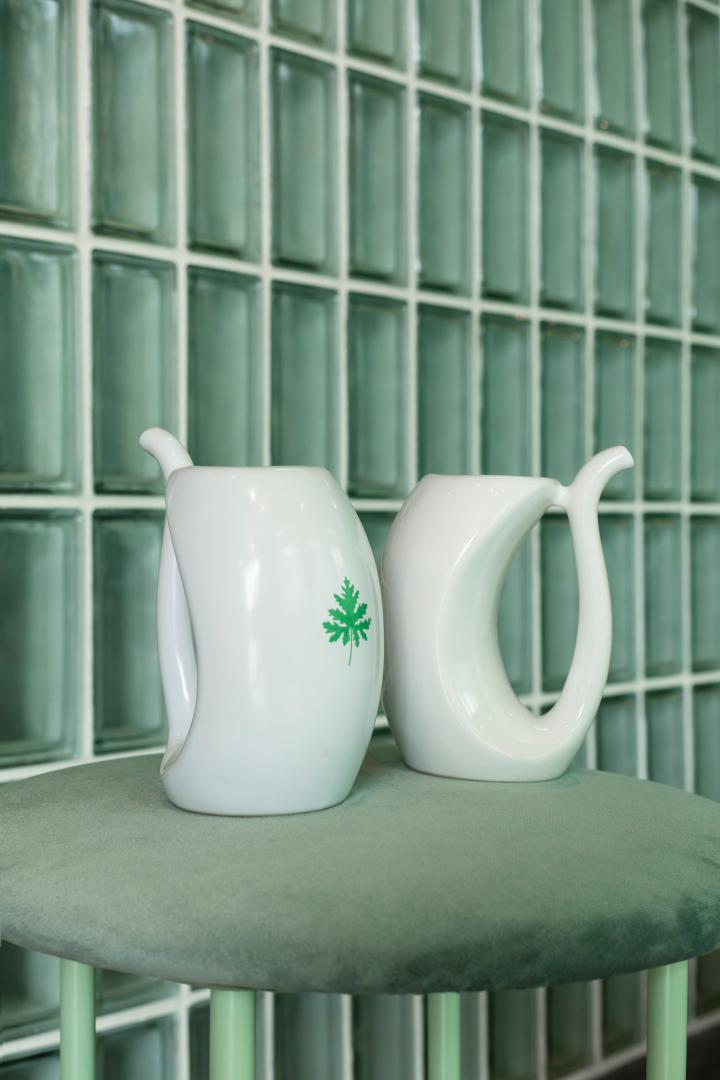
The paradigm of sustainable development is the base category in building the programme of the Dizajn BWA Wrocław gallery, of which Lifery is a part. This means that sustainability is expressed both in the themes of its exhibitions, debates and general reflection on human production, but also in the way the gallery implements its programme, with attention to reducing the carbon footprint. In the space where Lifery is now located, we have always run our public programmes, based on proprietary methods of co-design and collective learning. But the audience could use this space only during specific events. Now we've reversed that order by offering our audience free access to a respite space in the heart of the city for most of the week. We consider sharing space in such an exclusive place to act for sustainable development. This is a less popular understanding of the concept of sustainability, but is nevertheless very forward-looking. Sharing your space is one of the greatest challenges for public institutions. By handing it over to users, we build a community around the gallery and share our resources. Additionally, the heart of Lifery is city water. You can drink it in specially designed spa cups, share it with your pet and take it with you. In our daily activities, we emphasize the role of free access to drinking water and many of our artistic events relate to its fundamental importance for our lives.
Key objectives for aesthetics and quality
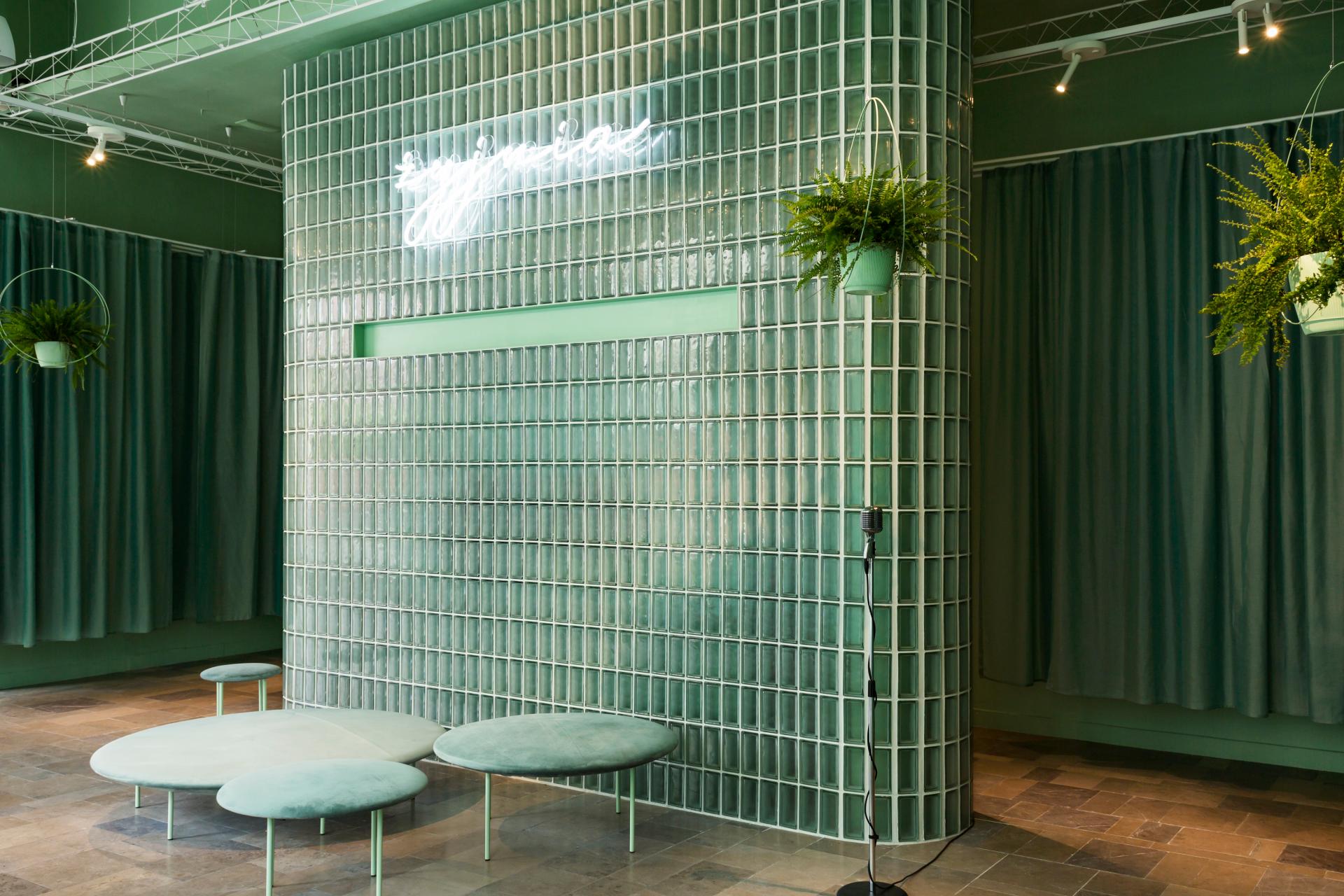
The central point of Lifery is a structure made of luxferys, from which aromatic mist is emitted and in which herbal infusions are brewed. The space is filled with plants and equipped with seats and loungers designed especially for Lifery’s interior. The entire space is surrounded by delicate, green, semi-transparent curtains, which subtly separate Lifery from its surroundings, creating an atmosphere of tranquility and relaxation.
Every aesthetic element of this place is related to its daily functioning. Drinking water was a major ritual in this place and the space was constructed to encourage this. It is very important for us to promote urban water as a healthy and sustainable habit. We had to change this with the outbreak of the pandemic and introduce a temporary sanitation regime that restricted the drinking of water in our vessels. As a result, new rituals were born and ones that we would like to keep after the pandemic is over: particularly the ritual of deep listening. It involves first doing a meditative exercise designed to highten attention. In the basic version, we offer sound walks around the spa in Świeradów-Zdrój. We also have a collection of experimental pieces problematizing the issues of sound ecology, a very interesting and important aesthetic paradigm. We present these works in a spatialized version, using a multi-channel sound system, which is a reference to the long-standing tradition of local sound and music communities.
Key objectives for inclusion
Inclusion is one of the core values around which we have built our project. Lifery was created in the spirit of universal design, allowing for a democratic use of space. We have introduced special facilities for people with mobility impairments, children and people of short stature, such as a specially designed toilet or an accessible water point. Additionally, we have been working with the Katarynka Foundation to learn more about creating accessibility for people with visual and hearing disabilities. We also listen to our audience and are attentive to the needs expressed. Hence, we know that we need recliners for seniors in the interior, which would enhance comfort for this age group. To this end, we have planned a special exhibition on the needs of seniors and the prototyping of a piece of furniture that will complement the interior of Lifery in 2022.
We are LGBTQ+ ally.
Results in relation to category
Art galleries have a reputation as places with a high threshold of competence. In our conversations with audiences, this comes up very often: people who haven't developed the habit of attending such places feel that they won't have a good time there, or that they have too little chance of understanding what the artists want to convey to them. That's why it's important to create opportunities that encourage individuals to overcome this stereotype. When we started working on the Lifery project we wanted a place that was welcoming and that people would enjoy visiting. Why? Because more often than not, we tackle difficult topics in exhibitions that require a level of engagement from the viewer. Expecting engagement, we wanted to give something in return that would both uplift the spirit and promote regeneration. Together with the designers from Buck.Studio, we arrived at the idea of a sanatorium because we believe that these places can be an inspiration for how we should create future public spaces. Pandemic reenforced this belief. What we need today is more public space that fosters biological and psychological recovery and allows for the rebuilding of social relationships. It is also very important for the project that it is a new place, although within an existing space. Using a little used part of our venue, we created a vital and popular urban sanatorium, used by many people every day.
How Citizens benefit
Lifery is a very useful and flexible project. If you want to use its space for a meeting, lecture, tutoring or anything that meets the needs of your community – the public can use it rent-free, as long as the project fits within our values of sustainability and respect for all forms of life.
Additionally, we work with artists and designers to prototype solutions and facilities that address the issue of health and recreation. This involves a person creating a prototype of an object and an interested part of the public using it and providing feedback to the designer through the gallery. This allows innovative and non-commercial solutions to become reality.
After nearly two years of operation, Lifery already has its regular users who look for a moment of respite during the day. Sometimes they are social, sometimes professional. It's also a place frequented by dating enthusiasts and people who appreciate the discreet charm of the place.
Innovative character
The innovation of this project lies in sharing resources and its space with other, less privileged stakeholders and the gallery’s general audience. This is a very forward-thinking understanding of the concept of innovation. Additionally, the project builds on the knowledge that generations of people who have designed sanatorium public spaces have developed. We believe that this knowledge has never been more needed than now, in the face of the fight against pandemic. A detailed study of these solutions is currently under analysis and will be published in 2022 as part of a theoretical publication about the Lifery project and BWA Wrocław's Dizajn gallery programme and edited by its curator, Katarzyna Roj.