TOGETHERNESS by Umeå
Basic information
Project Title
Full project title
Category
Project Description
We present a model that is easy to be inspired by and where parts can be used individually or together to take the necessary steps so that social sustainability becomes structuring in urban development. Key is mobilizing togetherness-work. We share dialogue methods and tools where the dialogue is the focus of success. Not focusing on new areas or areas in need, but all parts of the city - a proactive approach and working for what you want to achieve rather than against what you want to avoid.
Project Region
EU Programme or fund
Description of the project
Summary
Umeå has made a material that lifts social sustainability for an entire city. It is also a platform for working together with all the actors in the city and with extensive co-creation from those who live in the city.
This is a model that is applied just as well to cities as rural areas. The parts of the model can be used individually or together. The Umeå-model inspires other cities who copy our work because they believe Umeå has presented a model that makes it easier to work with the complex perspectives of social sustainability.
A lot of municipalities work with social sustainability but usually when planning new areas or during the refurbishing of a rundown area. However, since the urban environments of the future are largely already built and because it is crucial to work to keep the city socially together, Umeå has taken a structured holistic approach for the whole city. All parts of the city need good connections to each other and flows and exchanges and it is crucial how existing parts of the city are managed and developed.
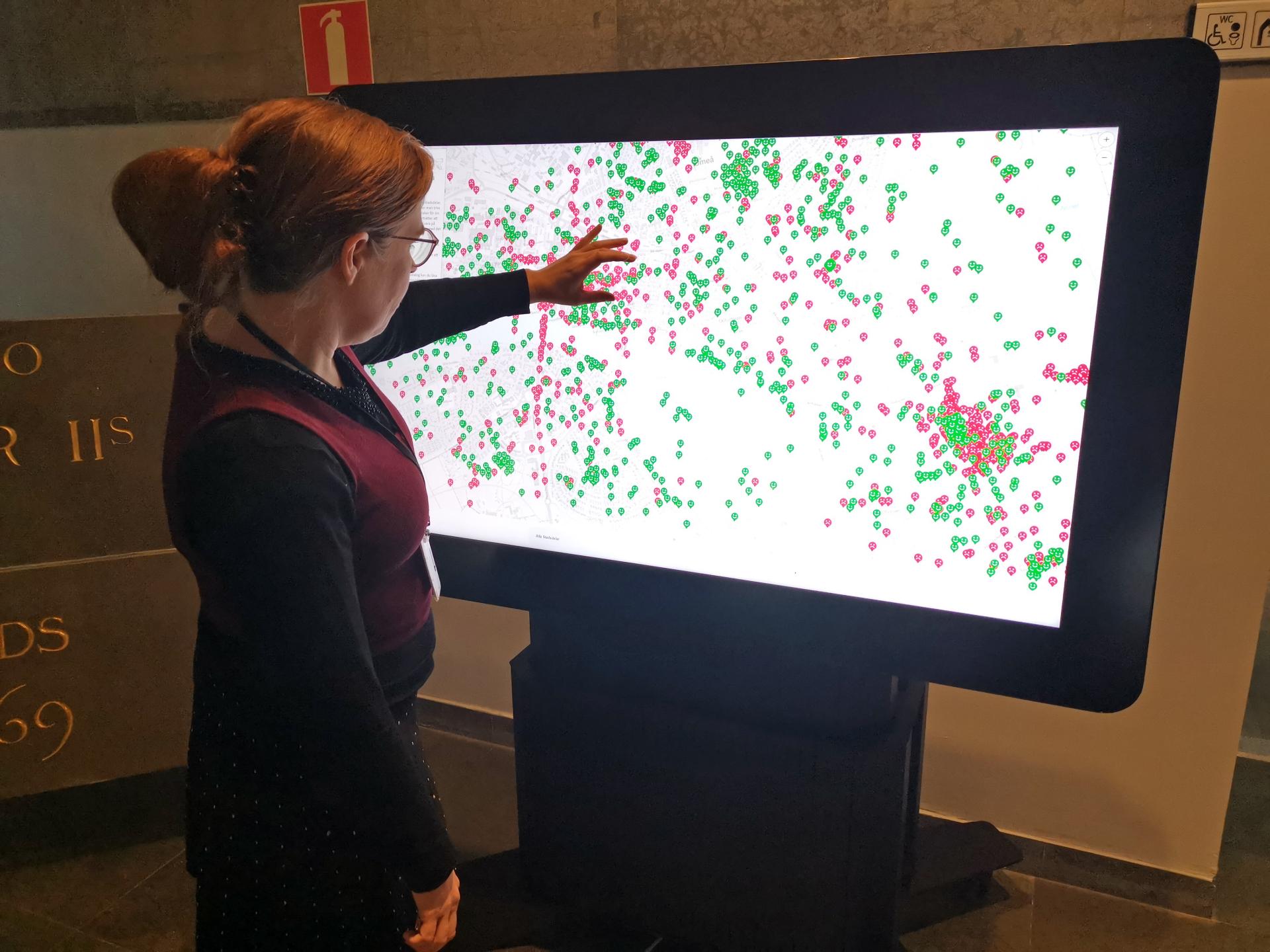
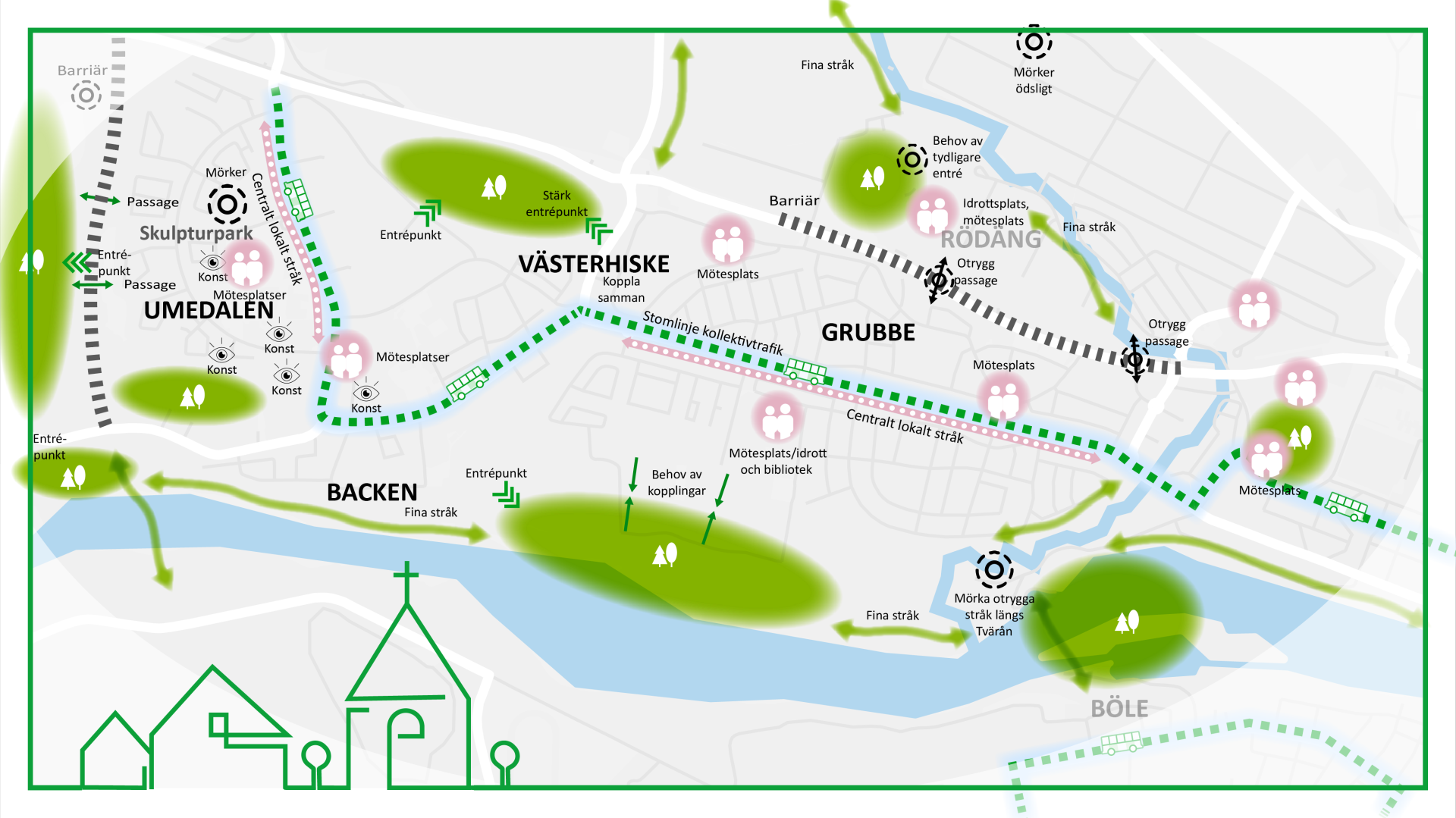
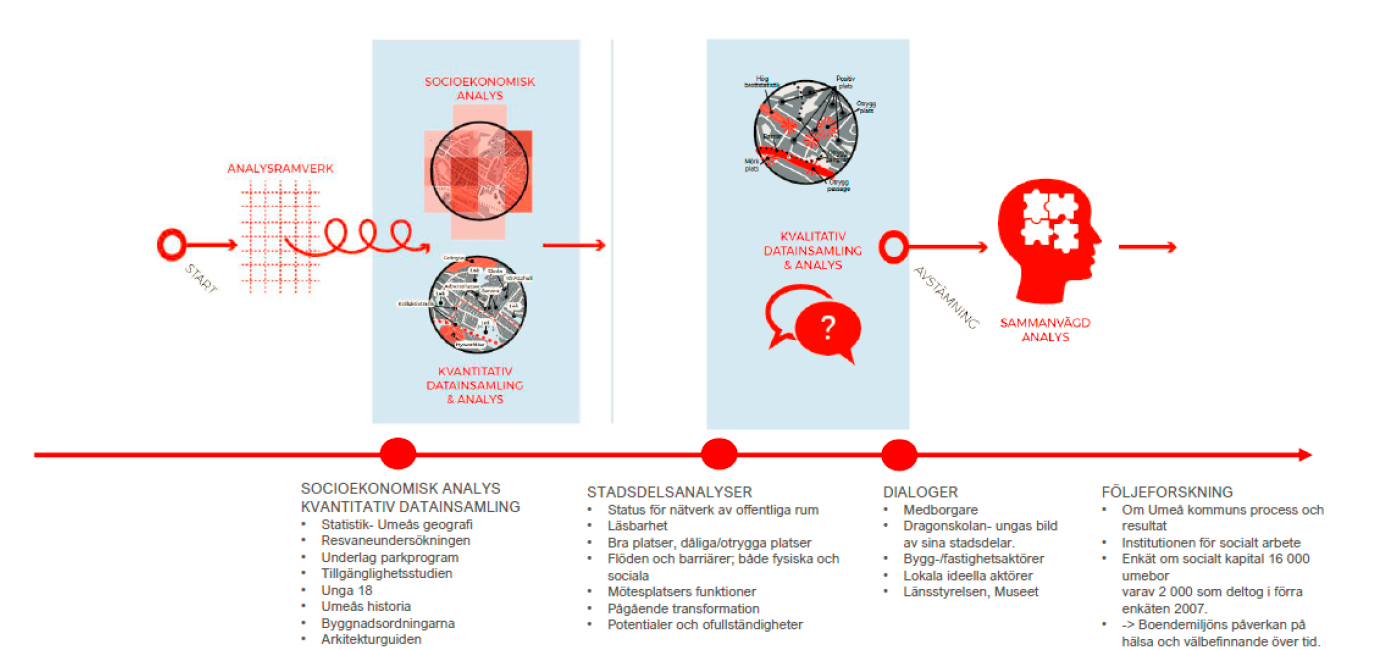
Umeå has produced socio-economic analyses, social urban space analyses and conducted an extensive urban dialogue in all parts of the city. The dialogue has been physical and digital and involved over 2000 inhabitants. Umeå put people and the everyday life in focus, thus cultural presence was also mapped. Artistic design has the potential to develop places. Mapping cultural institutions such as libraries but also public art gave a picture of well-supplied areas and under supplied ones that may need to be prioritized in future urban development.
With the material, we have a treasure trove of ideas, needs and values that can be that can be raised and addressed in future urban development of different actors. Umeå's model chooses to turn things around and work towards what it wants to avoid by clearly working for what it wants to achieve as a place of well-being, trust and security.
Key objectives for sustainability
The current planning focus is to achieve a densely mixed city, emphasizing complementing existing districts. The basic focus is on a socially, ecologically, culturally and economically sustainable growth in a holistic perspective. However, the main goal in this project is to utilize potentials for urban development in existing districts based on this focus, with a special emphasis in social sustainability. Among the common sustainability aspects, social sustainability is practically the most challenging to proactively achieve real results in spatial planning.
By focusing on the social perspective, placing the human and the citizen in focus in both practical and academic analysis, the dialogue and unbiased everyday conversation, has strengthened us and provided relevant tools in the planning progression towards a more cohesive city. With few simple but multidimensional questions in the dialogue, the possibilities is maid for us to create conditions for good additions in different places and complement the city's imperfections. Urban development thus gains increased legitimacy and understanding among citizens. Since the sustainability aspects are strongly integrated with each other, the project's focus has also meant that the other sustainability aspects have been strengthened regarding, for example, planning subjects such as sustainable transport and the accessibility to the ecological connections in the urban environment or overcome spatial barriers in general between neighborhoods.
Key objectives for aesthetics and quality
The key objective was one of further equalizing the preconditions and ability to live a satisfactory life independent of which district of the city you live in. It's more a question of finding a methodology for systematically mapping and identifying room for improvement in every part of the already built environments rather than aspiring to achieve high architectural and aesthetic values in districts currently under planning and/or development. Investments in quality of experience tends to be concentrated to new developments (as there are greater degrees of influence). Meanwhile, the effects of upgrades very well may be of greater societal benefit when implemented into preexisting environments as 9 out of 10 citizens already live there. This distinction is especially important as we've come to understand the different socioeconomic and demographic characteristics of those residing in new developments versus the average citizen.
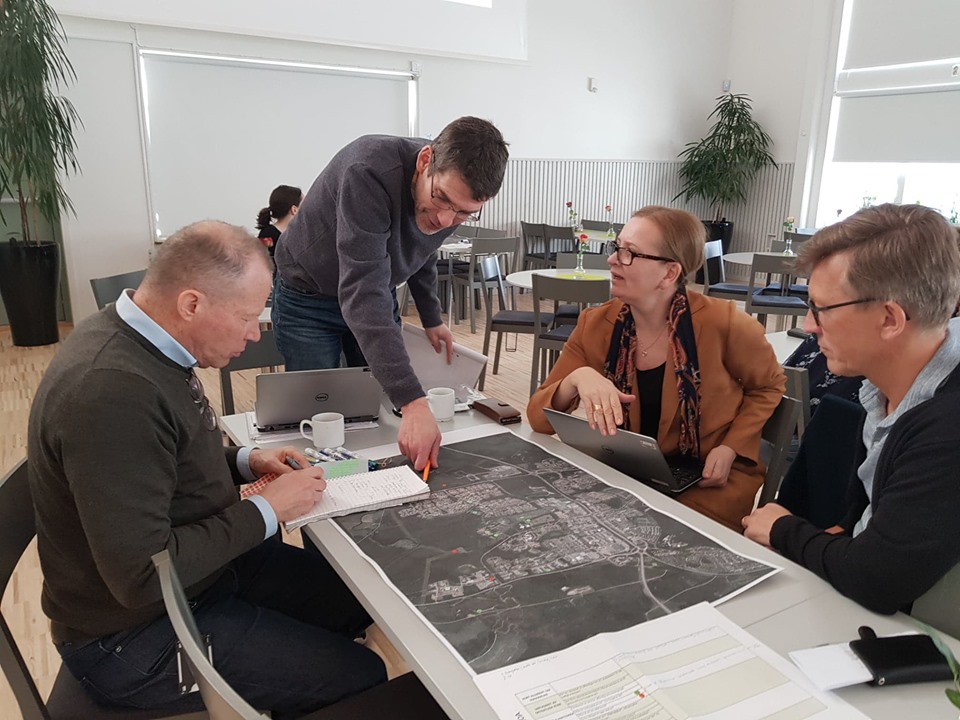
Through a combination of top-down and bottom-up process the project has resulted in mapping of (1) macro-needs from an urban planning perspective (encompassing among other things structural potential regarding physical as well as social barriers) and (2) grassroot-based needs in the form of local identity, perceived limitations of the physical environment as well as how to play to each districts' strengths. The mapping in itself will be used as a basis point from which future infill-developments are able to improve the function not only within the boundaries of their own lot but what might be done through small measures to benefit the area as a whole. The importance of not only thinking of direct effects in terms of action - consequence but extending the implications of seemingly small choices to a larger scale cannot be stressed enough.
Key objectives for inclusion
Inclusion is crucial when it comes to building a socially sustainable city. This is why one of our main objectives during this project has been to achieve a model on how we work most efficiently towards building an including city. This regards integration of city-districts as well as creating an inclusive and transparent building process with active involvement of citizens as well as developers and construction companies.
In a co-creation process we've developed a well founded knowledge-based material that makes it possible for us to work proactively on creating a livable and socialy sustainable city. We've chosen to include not only one district that's in need for refurbishment but the whole city. By doing so it is possible to illustrate how the the city is connected and how all the different areas is part of a whole.
Inclusion is a vital part of Umeås main developing strategies and it permeates a lot of what we do. Within this project it is visible not only in the whole-city perspective but also in our working methods which include extensive dialogue with our citizens as well as our collegues within the municipality. Our goal has been to engage our inhabitants in the development of their districts and to accent the social perspective of the building process towards and together with collegues and developers. We strongly believe that working together makes us better and that we all benefit of an inclusive and socially functioning and cohesive city.
Results in relation to category
Our process results in a valuable input towards decision making and urban development strategies on the macro scale and opportunities for local actors to tailor their action and engagement with citizens. Concretely, the process offers a citywide dialogue with far greater reach than traditional methods through higher participation with greater diversity of included inhabitants. Secondly, and output is a report describing each districts unique characteristic, a comparative socioeconomic analysis offering insights regarding geographic distribution of attributes. Along with a social urban space analysis, based on a workshop with a battery of questions, the city gains an understanding of who becomes affected by a infill in any specific area. This is necessary in order to evaluate whether a certain densification development adds additional value to the local context or not and thus highlights a potential need of tweaking physical form or its contents.
The impacts of these activities and the subsequent product are that we work with the improvement of urban environments and with a common picture of what would be value-adding in different places among citizens, planners and developers. The process has engagement among citizens around different urban environments. Citizens have been appreciative to be included in a larger scale dialogue rather than smaller dialogues focusing solely on a given lot. The dialogue and analyses have started a citizen engagement on how residents locally can work for their area. Furthermore, it has also led to a more common knowledge of the values, specificities, identity and knowledge of how we can more clearly work towards a positive development of social capital. The model creates improved opportunities to work in the same direction for the ideal city and by extension we expect higher quality projects and higher acceptance among the public.
How Citizens benefit
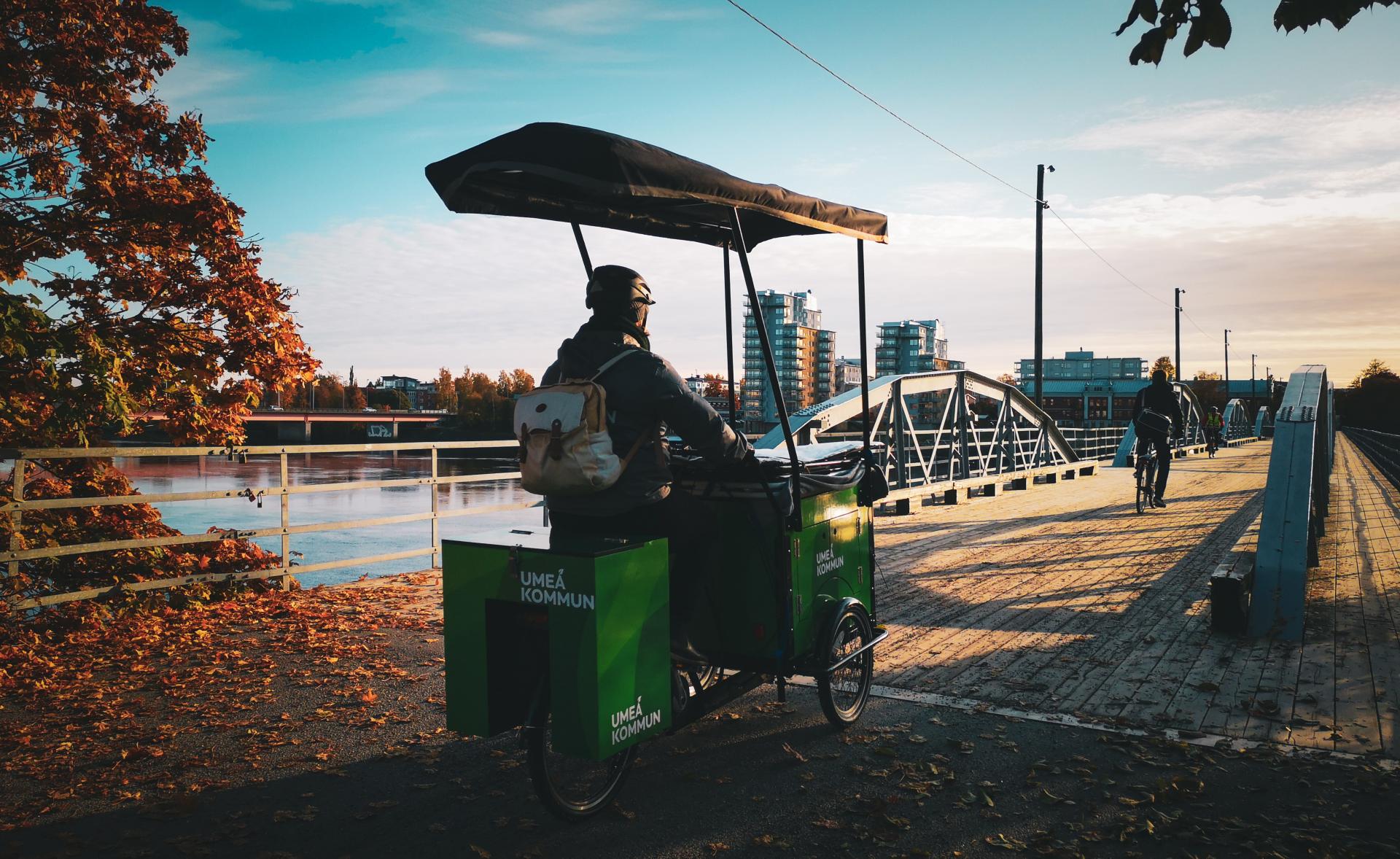
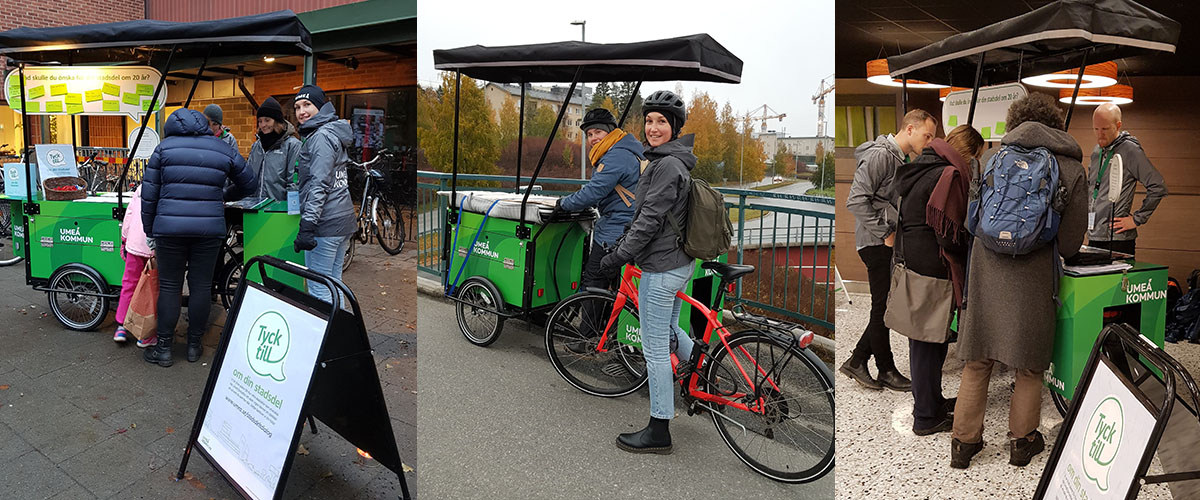
Building a socially cohesive city is something we believe benefit all who live and work in Umeå. A socially cohesive city is valuable not only for areas in need of some extra care but for the whole city as it creates an environment that's inclusive and where people can meet and exchange ideas and perspectives. A cohesive urban landscape is a lot about connectivity, integration and movement flows which has an impact on different aspects of sustainability, social sustainability as well as ecological or cultural. Functional connections and nodes also enhance our city-wide approach as it concerns a network that engage multiple districts. This means that actions that reinforces certain areas often has positive effects on a greater level. Based on the above and since this project aims to create foundation for how we can work together towards a socially cohesive city we strongly believe that our citizens will benefit from the outcome of this project. Except the human centered approach in our aims and objectives our methods is highly inclusive and engage citizens as well as private stakeholders and academia. One crucial part of our work is the city wide dialogue in which we visited our neighborhoods with the purpose of getting to know our areas. Representatives from the municipality met locals in their every day life - listening to stories from the areas and what in the urban environment our citizens appreciate and what they want to develop further. This, quite extensive process, gave us knowledge on how our areas work and what we should address when developing the city. The city dialogue was supplemented with a digital dialogue-map with the aim of reaching other groups that didn't want or could talk to us physically. The youths are often a group which perspectives are hard to reach. To ensure that we have the voices of our future citizens we made collaboration with our local schools which gave us insight on the urban landscape through the eyes of our younger inhabitants.
Innovative character
Umeå provides a unique approach to taking a structured holistic approach to social sustainability for an entire city. Cities usually focus when a new area is to be developed or when a run-down area is to be renovated. Umeå integrate all parts of the city.
Our model includes the entire research field on social sustainability. Not only research on socio-economic or spatial aspects, but also the newer research area on issues linked to sense of place with identity and belonging.
Easy to copy – easy to be inspired: The Umeå-model provide a wide array of opportunities that that allow steps to be taken towards sustainability to be structuring the urban development. Cities can for instance use parts individually to begin and accelerate the development towards inclusive and socially cohesive cities;
a) socioeconomic analysis of the people living in different parts of the city: how they live and health and so on.
b) social urban space analysis based on a research-based question battery that captures different social aspects.
c) mapping of cultural presence like libraries and public art.
c) dialogues and co-creation with people living in different parts of the city about the everyday life. Both physical dialogues in strategic places and also a mirroring dialogue digitally.
d) unique research about social capital together with the city and the university.