Designing futures through archives
Basic information
Project Title
Full project title
Category
Project Description
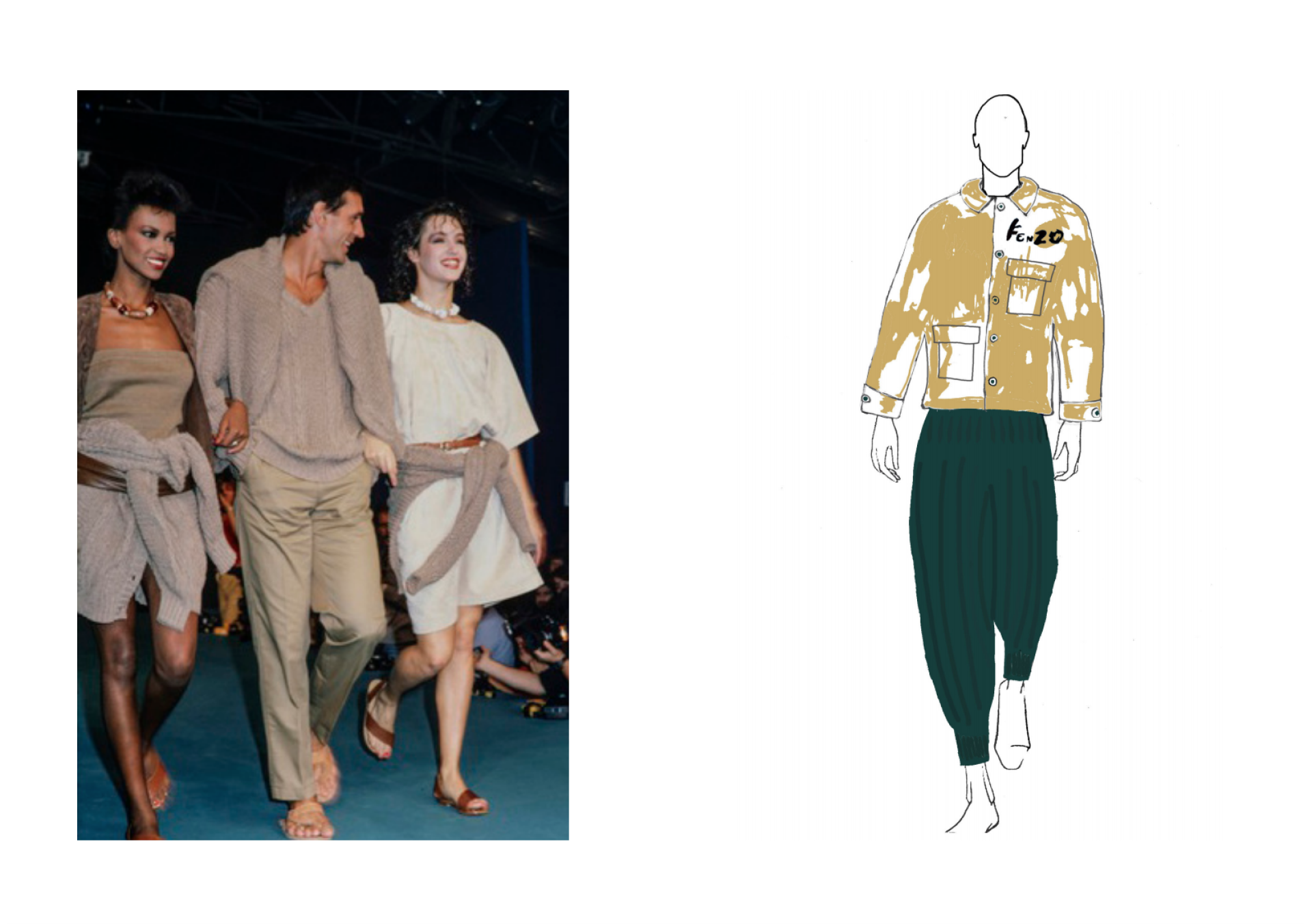
Access and use of digital cultural heritage can help us connect with each other and our past, contributing to building a beautiful sustainable, and inclusive future. The project aims to foster knowledge and use of the digital fashion heritage materials with their introduction in the training processes of young fashion designers. Students developed original projects reusing, remixing, and being inspired by Fashion Heritage materials available through Europeana.
Project Region
EU Programme or fund
Description of the project
Summary
Designing futures through archives is a teaching/laboratory project carried out during The Fashion Design II course at the University of Florence, Design Campus.
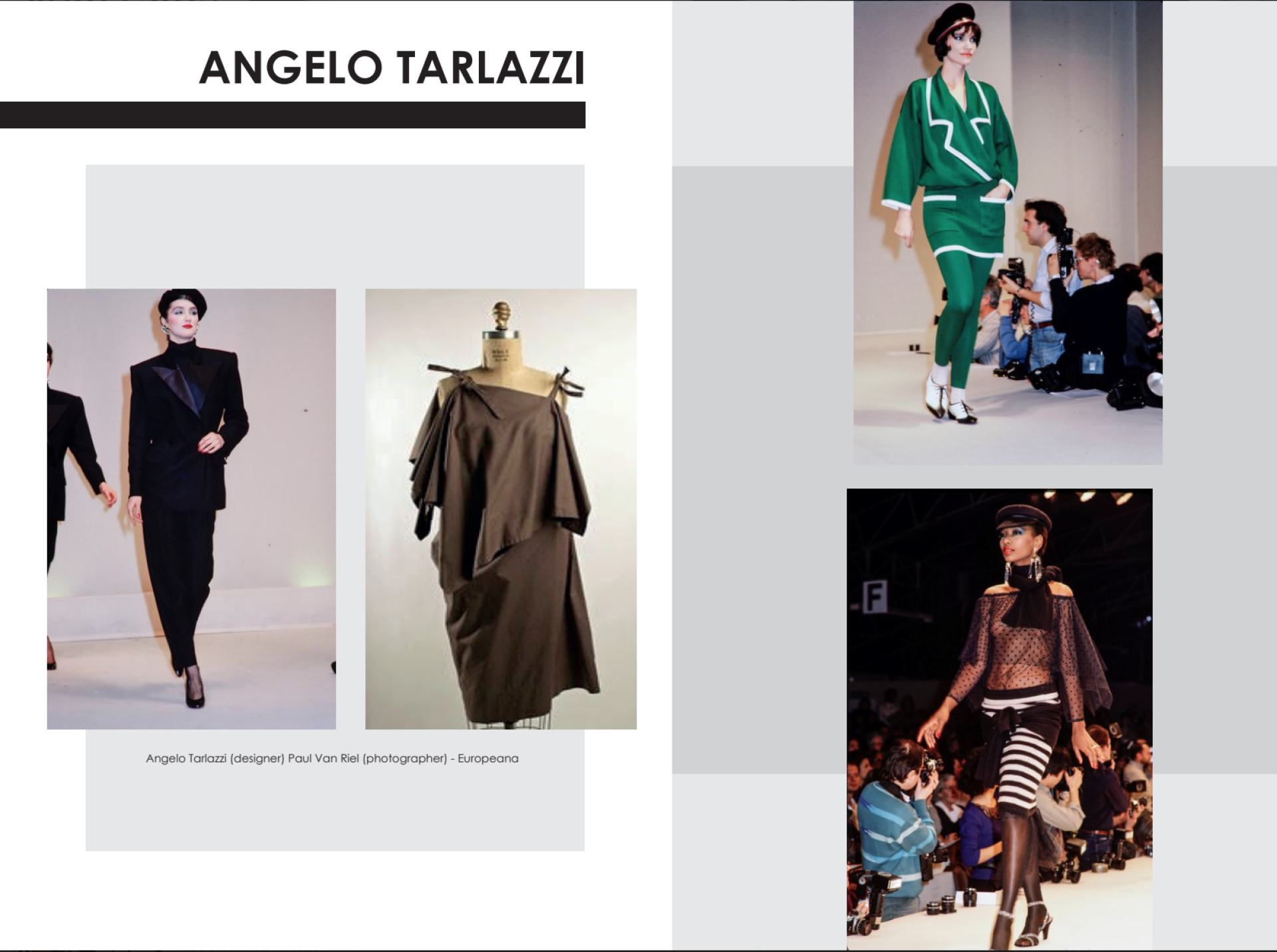
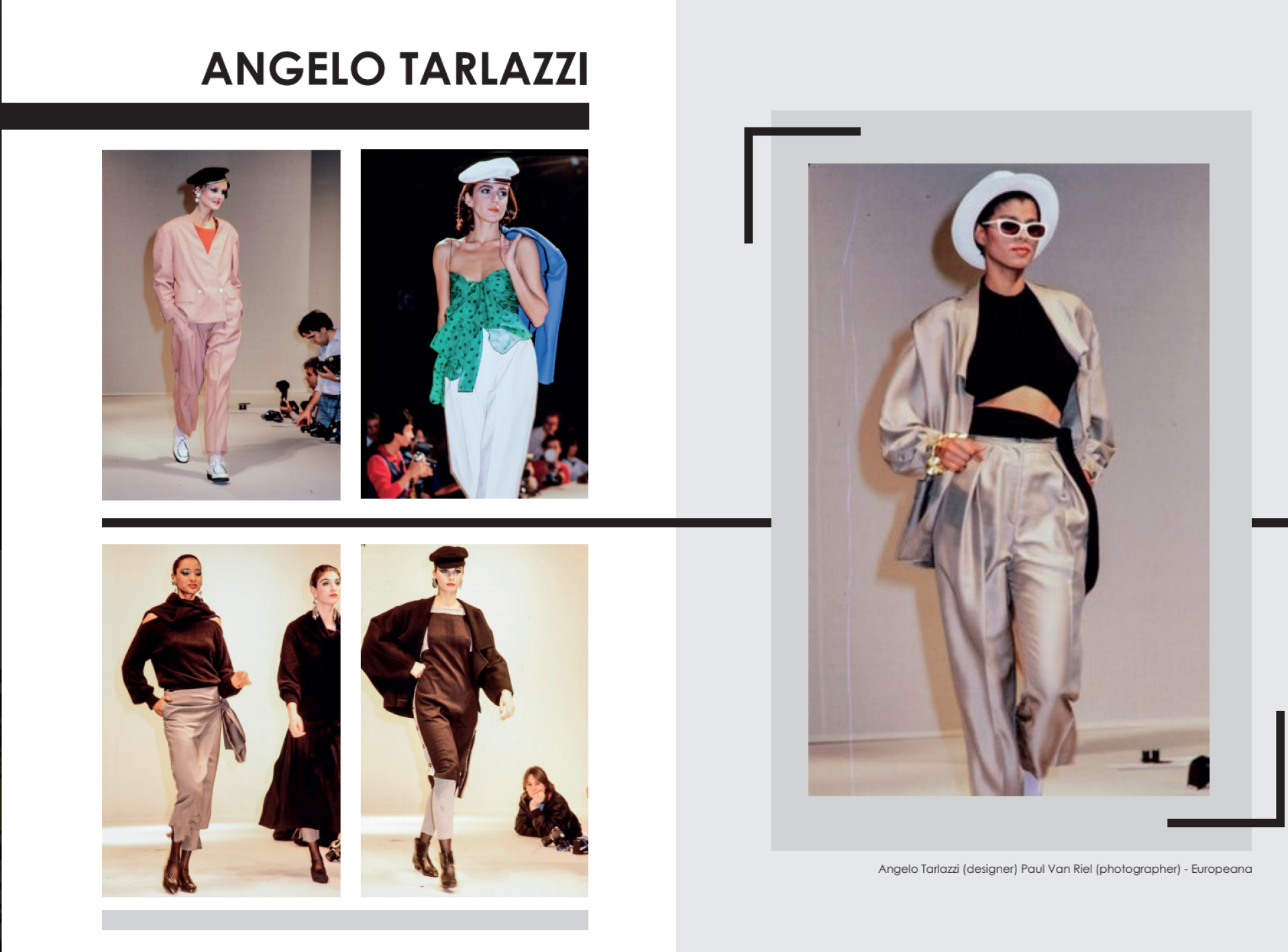
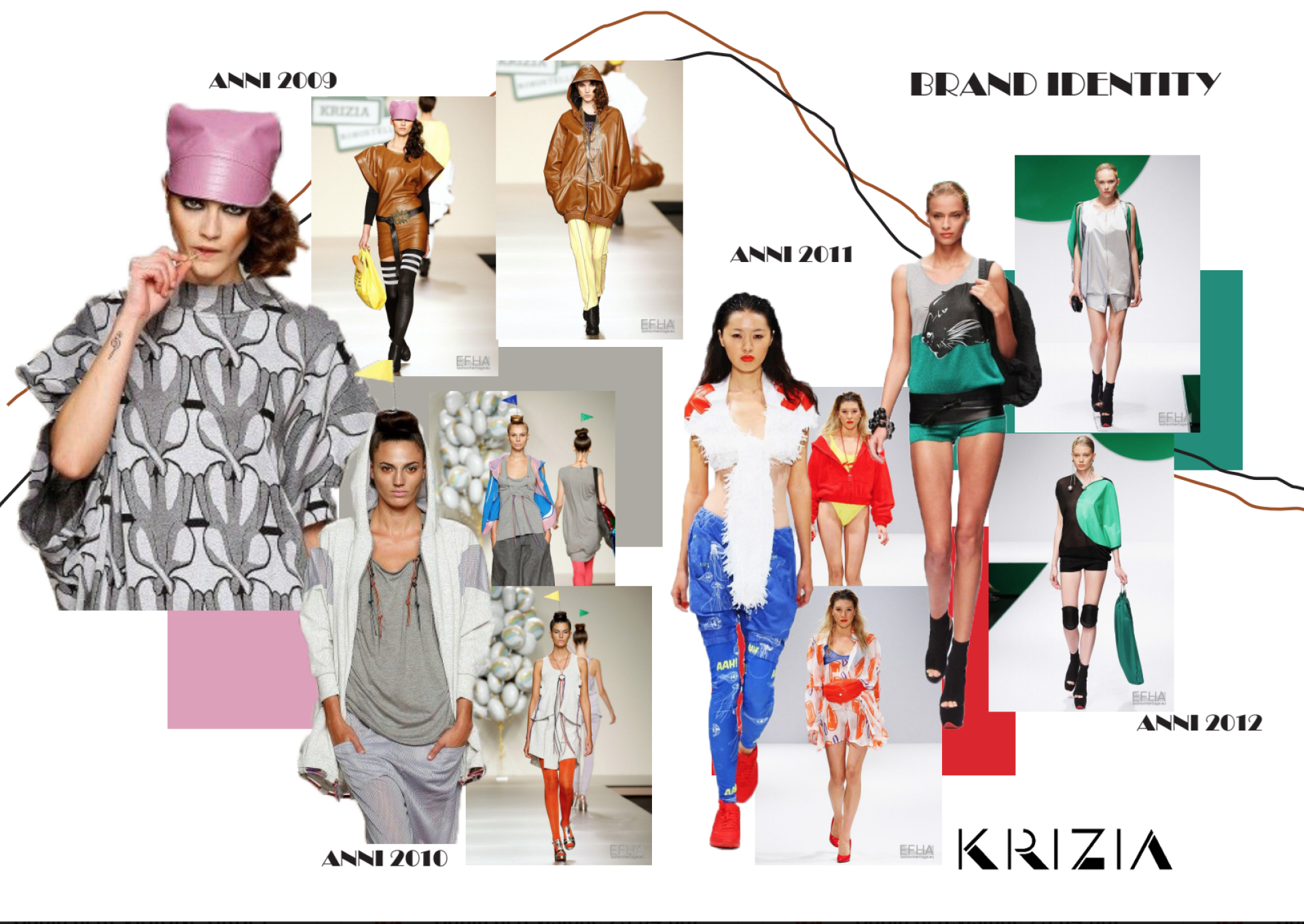
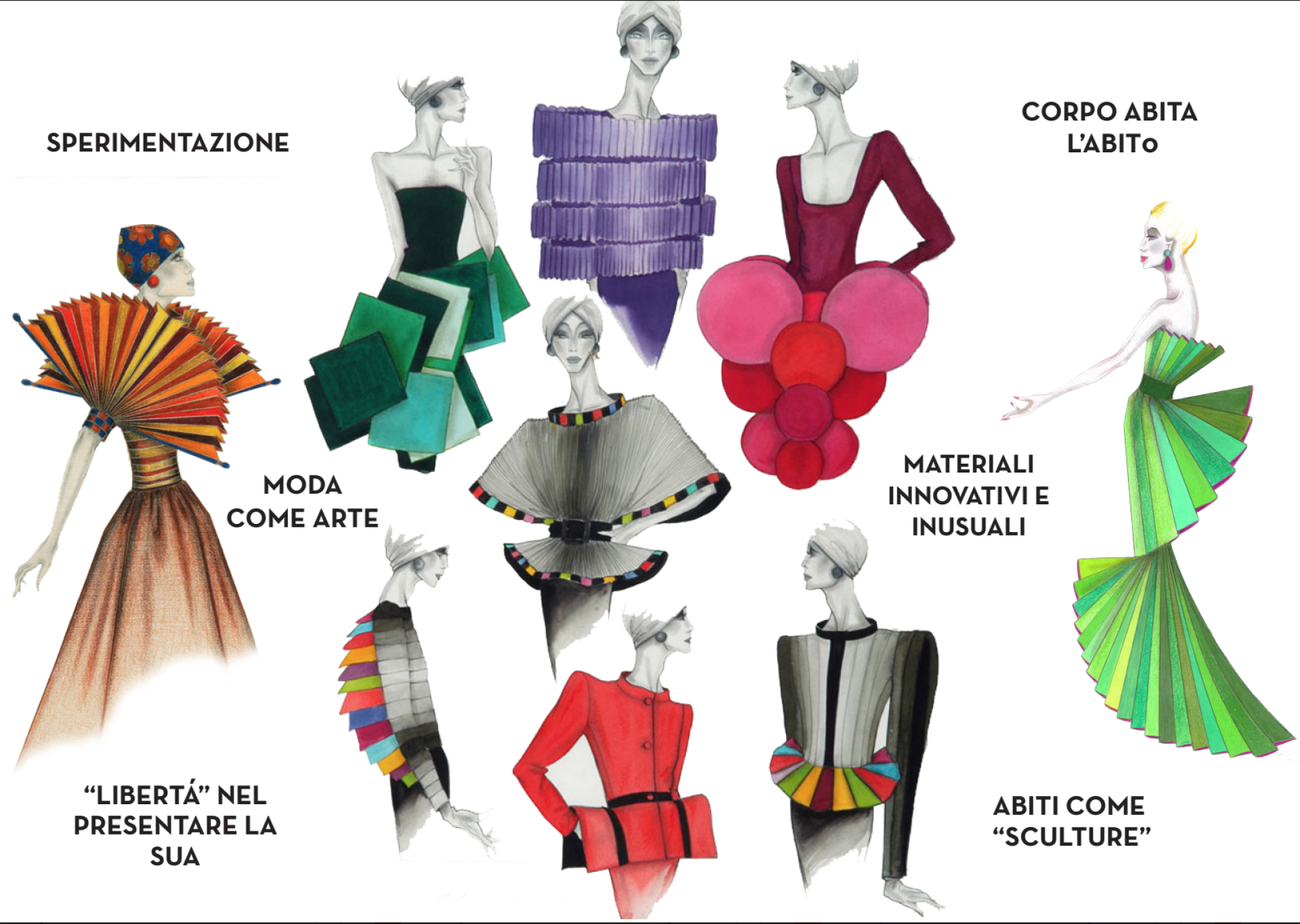
The educational project involved teachers, students, and tutors. Students were provided with a project brief regarding the reinterpretation of a historic fashion brand - preferably disappeared, but which survives in the archive - whose search for stylistic features and languages would have been conducted through Europeana, the European Digital Cultural Heritage aggregator.
The course, lasting one semester, involved almost 70 students all of them were at their first attempt with fashion design. The course was essentially divided into 3 phases in which Europeana Archives played a leading role.
1- Education through heritage (sustainable)
Historical and Contextual research
2- Use of digital heritage preserved in archives (beautiful)
Aesthetics and styles research
3- Heritage-creativity interplay (together)
Reinterpretation
The aim is to foster knowledge and build capabilities exploring the role of digital heritage available through Europeana to develop new original designs. It also aims to spread the knowledge and use of the aggregator as a creative and research resource, inserting it into the actual design process and sensitizing students and young designers on licensing and attribution.
Acknowledgment: The project was carried out in collaboration with the European Fashion Heritage Association (EFHA) during the fashion design II course held by prof. Renato Stasi and Margherita Tufarelli. The course is part of the Degree program in Industrial Design of the University of Florence - DIDA department of architecture.
Key objectives for sustainability
Education through Cultural Heritage
In this project, sustainability is to be understood according to a broad vision of not only environmental but also cultural and social.
In the first phase, students were accompanied by the teachers in historical and contextual research starting from the archive material. The teachers, using the material conveyed by the Europeana portal, ( combined with study materials from personal research paths, textbooks, and scientific articles) provided the students with the basic prior knowledge needed to start designing in the field.
This theoretical path of education through cultural heritage relates to the history of fashion and its configuration in the contemporary fashion system, as well as the cultural, social, and political processes that generate it, but sometimes they are also the result.
The training course was carried out collaboratively, to allow students to acquire skills and autonomy with the Europeana research tools.
Connecting with cultural heritage in education has a recognized role in sustainable development, in particular for its ability to generate a sensitivity to history and common values, strengthening the sense of belonging to a common cultural space or to cultural diversity to be protected. Hence, fashion Education through Heritage can contribute to training designers with the sensitivity to accompany the fashion system towards a new future permeated with an awareness of sustainable action.
Training through cultural heritage, therefore, has a broader educational function which is expressed in the educational potential of a past that is embedded in contemporary cultural and creative productions.
Key objectives for aesthetics and quality
Use of digital heritage preserved in archives
The use of the archive in training processes provides forms of learning that go beyond the exclusively "preserved" knowledge but allow, through a large number of images available, to understand and compare languages, aesthetics, and stylistic features that have shaped the fashion of the past and consequently contribute to creating that of the future. It is a type of activity that, translated into design practice, allows to strengthen the informal learning opportunities offered by lateral thinking characteristic of creative professions such as design. Furthermore, the use of digital heritage preserved in archives allows young designers to support the ability to develop analogies and metaphors, as well as to become aware agents of change.
In this second phase, the students acquired awareness of materials and techniques, as normally happens, but the contact with fashion Heritage has helped to build awareness about the responsibility of the designer in the new paths of sustainable and inclusive fashion. The design exercise carried out during the course has allowed the values, aesthetics, and poetics of the past to be reinvented by contemporary creativity and transferred to a future that can allow us to enjoy quality and beauty as a distinctive social and public fact.
Key objectives for inclusion
Heritage-creativity interplay
Fashion, as an all-encompassing social phenomenon, is a complex system that summarizes the contemporary condition by representing the evidence of material culture and socio-cultural changes. The recognition of a fashion brand focuses on a broad range of values that inspire products, strategies, and communication; within this scenario, archives as custodians have assumed a priority role in the Heritage-creativity interplay to preserve memory and inspire new projects.
Research on fashion heritage and reinterpretation in their creative projects has allowed students to get closer to the social and cultural meanings of fashion and its protagonists and to understand the interconnected nature of heritage as it is always the result of humanity's interaction with itself, and with places. The study of fashion heritage, and the reinterpretation in new design projects, teaches us how some products, as well as some protagonists, have contributed, for example, to the development and emancipation of the figure of women, or the economic and social development of entire geographical areas.
Although the project brief did not require it, many of the projects resulting from this course have adopted a no gender and possibly no size approach, demonstrating a growing sensitivity of young designers towards inclusiveness, to aim for a beauty that must therefore belong to all.
In this third phase of reinterpretation of fashion heritage into a new collection, students worked together, divided in groups, thus learning to share efforts and expectations to achieve a common goal.
Results in relation to category
- Use of European digital cultural heritage infrastructures;
- Knowledge of the European cultural heritage portal for the younger generations;
- Interdisciplinary educational models;
- Mobilization of culture, arts, and communities
Education through heritage is oriented towards the development of sensitivity for sustainability that enhances the cultural heritage by supporting the innovation and creativity necessary for identifying new and better solutions to environmental, social, and economic problems.
According to this sensitivity matured as designers, they are able to recognize the aesthetic and stylistic peculiarities that made the objects they were inspired by, part of a shared common heritage. Therefore, students will be aware of how these objects naturally have a part in our design practices, whose results produced on the basis of lasting values are likely to contribute to forming a heritage of the future.
Confronting with well-defined styles and identities is an exercise in preparation for the world of work: most students do not found their own brand but join an existing company or institution. Therefore, in order to be effective, imagination should be put at the service of the context, for a design awareness that adds a piece to the big puzzle. On the other hand, even those who then choose to found their own brand will benefit from the archive tool to know what has already been: an awareness with which it is possible to choose or discard a reference, but in any case, obtain a design result.
How Citizens benefit
Sustainability is interpreted in this project also from a stylistic point of view: the "disposable" approach of fast fashion, in addition to generating physical waste, generates transient products that are not stylistically relevant in order to be studied, resumed and reworked. The archive, in its skimming function, preserves artifacts of a designed beauty, lasting over time, which constitute a solid starting point even for reworking processes carried out after tens of years. A creative sustainability, therefore, means working outside of time: on the one hand designing elements that will keep their values over time, on the other hand knowing how to identify and interpret them in an archive.
The course proposes to 70 students , the final phase includes a presentation of the projects in a 10 minutes pitch. This phase will involve a wider audience of students, professionals and educators connected to design and fashion sector.
With the channels of the REI laboratory we will continue to disseminate the results of the initiative through the website and social networks. Probably, with some variations, the activity will be repeated again next year. It would also be interesting to extend the scope to other project areas, through the organization of a workshop.
Innovative character
Cultural heritage is a central asset for the development of a more beautiful, sustainable, and inclusive society when it is inserted into the social, creative, and productive life of everyone. Education through heritage allows developing sensitivity, as well as acquiring knowledge and skills for the promotion of sustainable lifestyles, human rights, gender equality, global citizenship, the safeguarding of natural and cultural diversity in everyday personal and professional activities.
This project aims to experiment this "open ended knowledge system" (Sennett, 2008), in which the design culture feeds on the cultural sphere and brings out the stimuli for the creation of the new through connection, combination, and especially the interpretation of different elements.Thus, the project is about the use of Fashion Heritage stored in Digital archives in educational and creative processes for young designers, using the cultural resources available in Europeana as "enzimes" for new creative production in the fashion sector.
Copying, pasting, getting inspired, quoting, reproducing and remixing are terms that have always belonged to the vocabulary of fashion - as well as to the very nature of Heritage - which intervenes in the continuous process of creating a new culture.
Heritage can implement new realities, through contingent processes of assembly and reassembly of bodies, technologies, materials, values, temporality and meanings (Harrison, 2016). Culture and creativity, therefore, coexist in the same ecosystem within which the cultural background generates creativity and the latter, in turn, generates new culture. The creative element derives from the cultural substrate from which it draws the stimuli to be recombined to intuit or imagine new associations, new ideas and new processes.