Arsenal of Hvar's heritage
Basic information
Project Title
Full project title
Category
Project Description
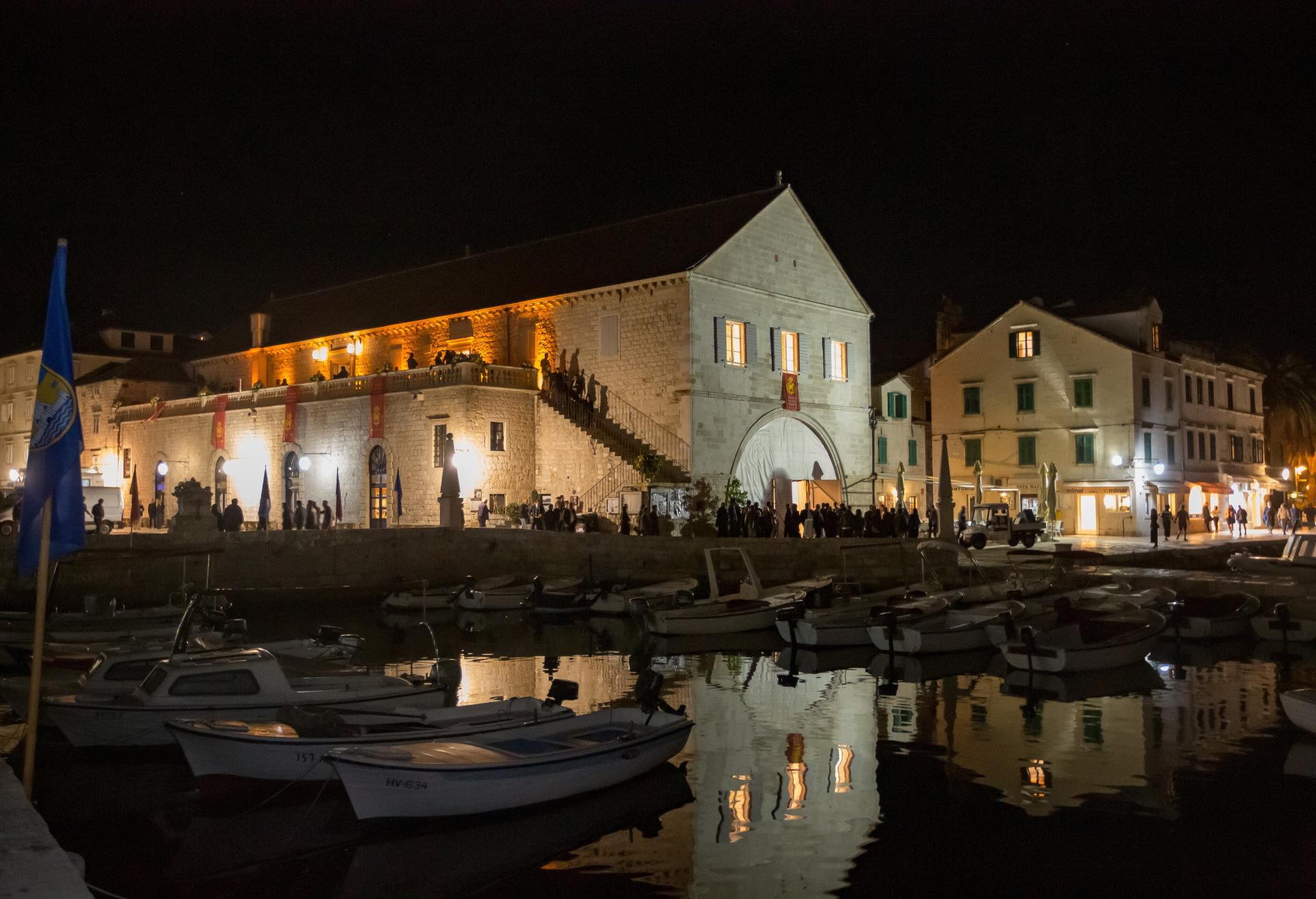
The Arsenal building, centrally located in the town of Hvar, the most important harbour of the island, has been carefully restored and successfully transformed into a vibrant cultural centre for visitors and the local community alike. The necessary new additions to the building were designed in a contemporary style, thus emphasising the original character of the building. These new components to the building's historical layers have successfully evoked a dramatic meeting of old and new.
Project Region
EU Programme or fund
Which funds
Other Funds
"Preparation and implementation of Integrated Development Programs based on the restoration of cultural heritage" was announced under Priority Axis 6 of the Operational Program "Competitiveness and Cohesion" 2014-2020.
"Environmental protection and resource sustainability", Specific objective 6c1 "Increasing employment and tourism expenditure through the promotion of cultural heritage", funded through the European Regional Development Fund.
The Hvar - Fortress of Culture project is a unique integrated program of integrated tourist valorization of the valuable and unique cultural heritage of the city of Hvar - the most famous and most recognized island and cultural destination of the Republic of Croatia. The project includes the preparation of project documentation for the reconstruction and restoration of three cultural and historical goods - and equipping one cultural and historical property, and adding new content and functions to the subject property.
Through the project we co-financed project documentation for equipping the Arsenal building.
Description of the project
Summary
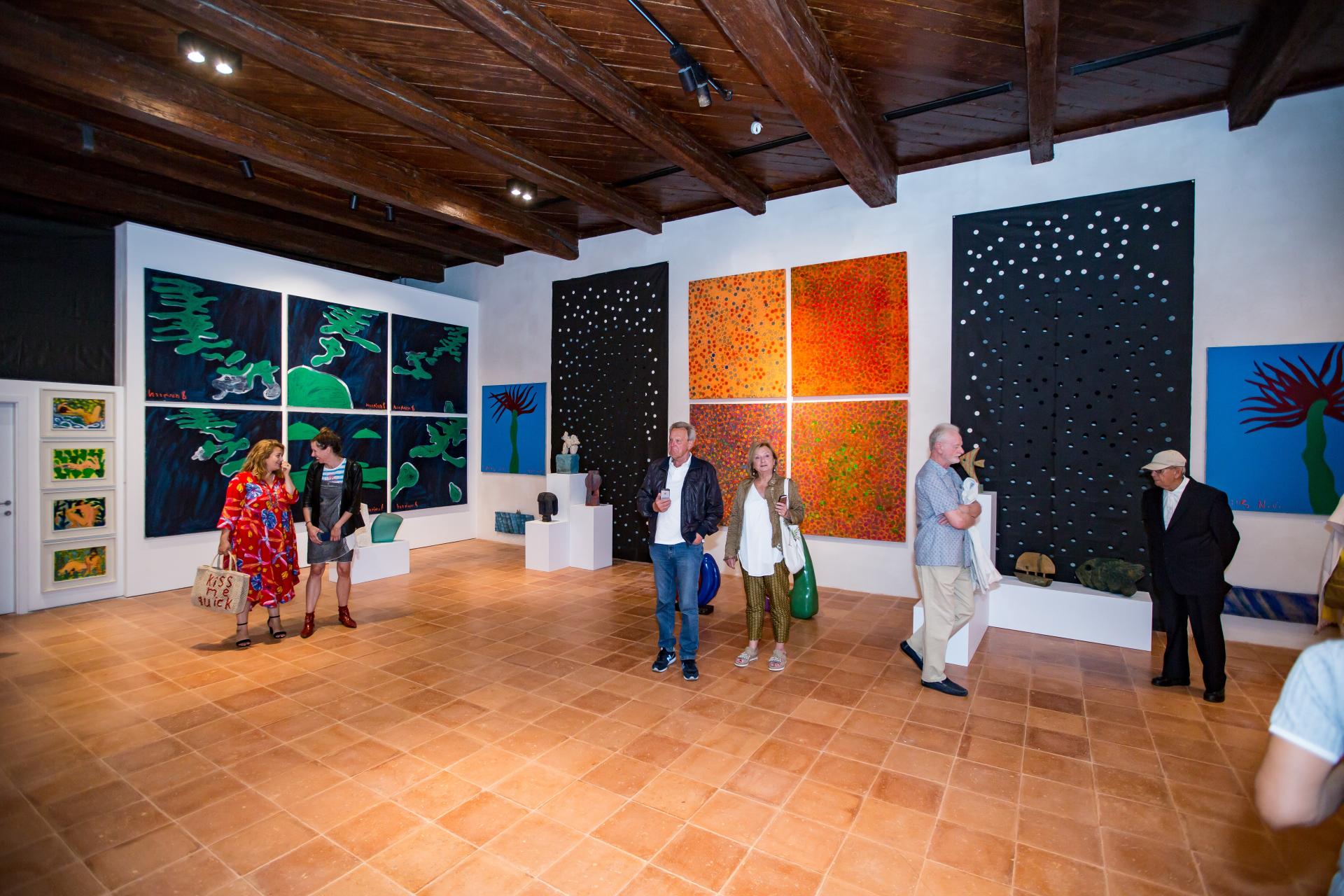
The construction of the medieval Arsenal began in the 13th century with archaeological evidence suggesting that it was used as an arsenal since the 3rd-4th centuries AD. It was not until the early-17th century that the building achieved its present appearance, comprising boat-building facilities on the ground floor with a theatre and arsenal storage on the upper floor, and a recently adapted gallery and reception room on the first floor.
The extremely demanding project to rehabilitate the Arsenal included documentation, research studies and a conservation report (1989-2005); the reconstruction of the load bearing structure (2005-2009); archaeological excavations (1994-1996 and 2014-2015); phases of reconstruction and renovation (2014-2018); and concluding work on the interior of the building, including updates to the theatre and gallery (2018-2019).
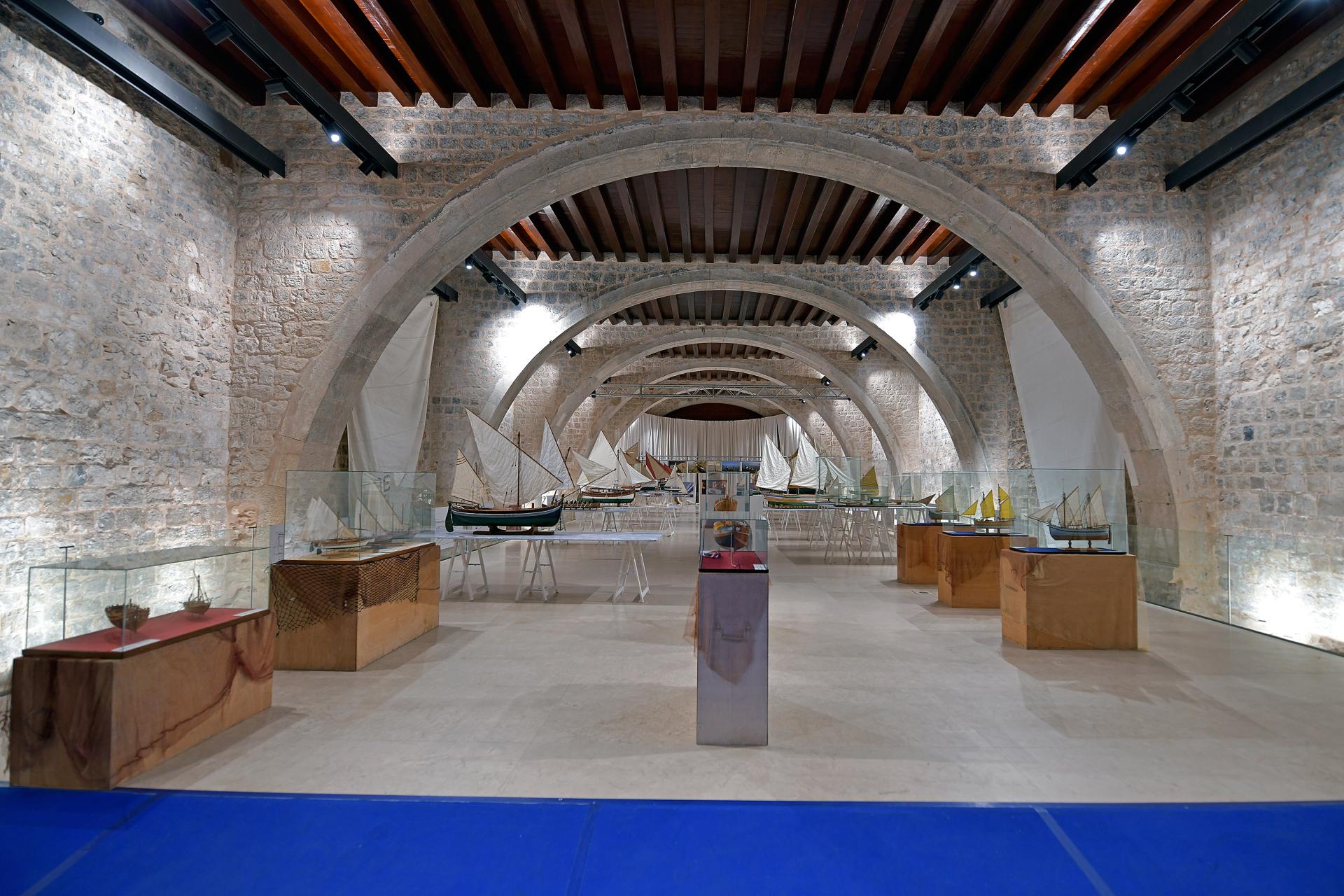
The ground floor space has retained its original character with exposed stone walls and arches while new multi-purpose facilities have been installed, providing Hvar's citizens with a venue to host a wide range of cultural and social events.
The aim of the project was to restore the Arsenal building with full respect for all its monumental features but at the same time to adapt to the modern needs of the town Hvar as well as to the standards of today's theatre, gallery or stage practice. Therefore, the results of the project are structural repaired building with original building elements restored and presented. Town of Hvar gained year-round, theatre season as well as permanent open space for exhibitions, events and conferences.
Key objectives for sustainability
To ensure heat and cooling energy, the installation of three VRVs (Variable Refrigerant Volume) is planned, which enable heating and cooling of individual rooms depending on the request. The outdoor units of the VRV system and the heat pump are provided with a sea-cooled condenser. To meet the thermal needs of heating and cooling, a water-water heat pump is planned with the use of the energy potential of the sea. That means during the summer, the system is providing the transfer of excess condenser waste heat into the sea, and during the winter, the system is using sea water thermal potential for heating of the building.
With this solution, the efficiency of the VRV system and heat pump is not dependent on the variable air temperature of the surrounding atmosphere, achieves a higher degree of efficiency, provides operational safety even at extremely low ambient temperatures and allows the so-called invisible performance of the energy complex of the main engine room.
The sustainability of the building is an extremely difficult task in the reconstruction and restoration of cultural and historical assets, so an additional professional challenge was the modern functioning of the Arsenal building. Due to its specific position on the coast, this building throughout history has used the energy of the sea and connection with it for various needs of commercial, military and strategic importance, which in this project was used as the best solution for building sustainability. Thus, the Adriatic sea, as a historical heritage, regained its role.
Key objectives for aesthetics and quality
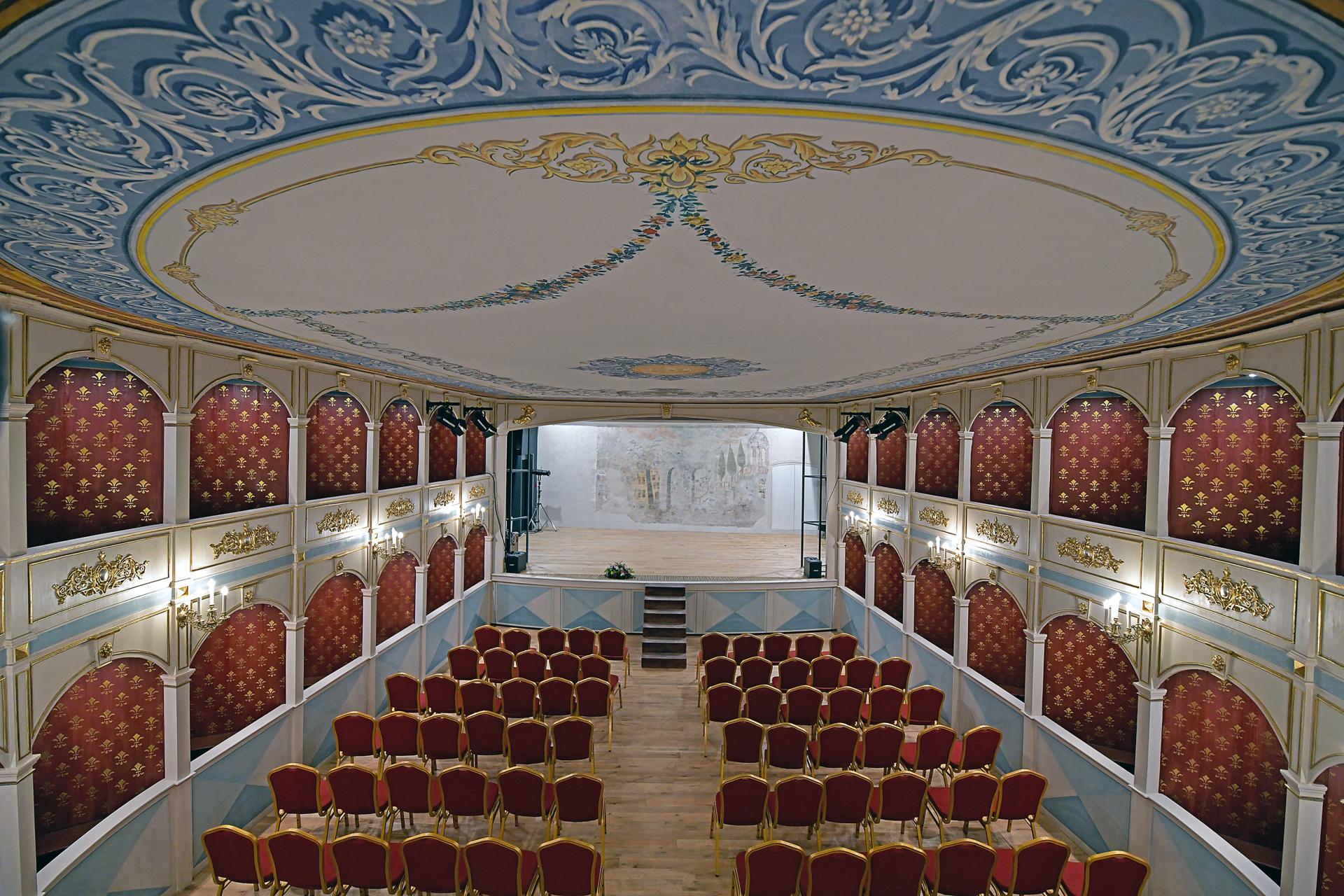
The project to renovate this symbol of Hvar and transform it into a new cultural centre was based on the original structure of the ground plans and external walls, within there was a theatre on the first floor, while the ground floor was a single arched space divided into 8 aisles. The architectural idea followed in its entirety the historical concept of the building.
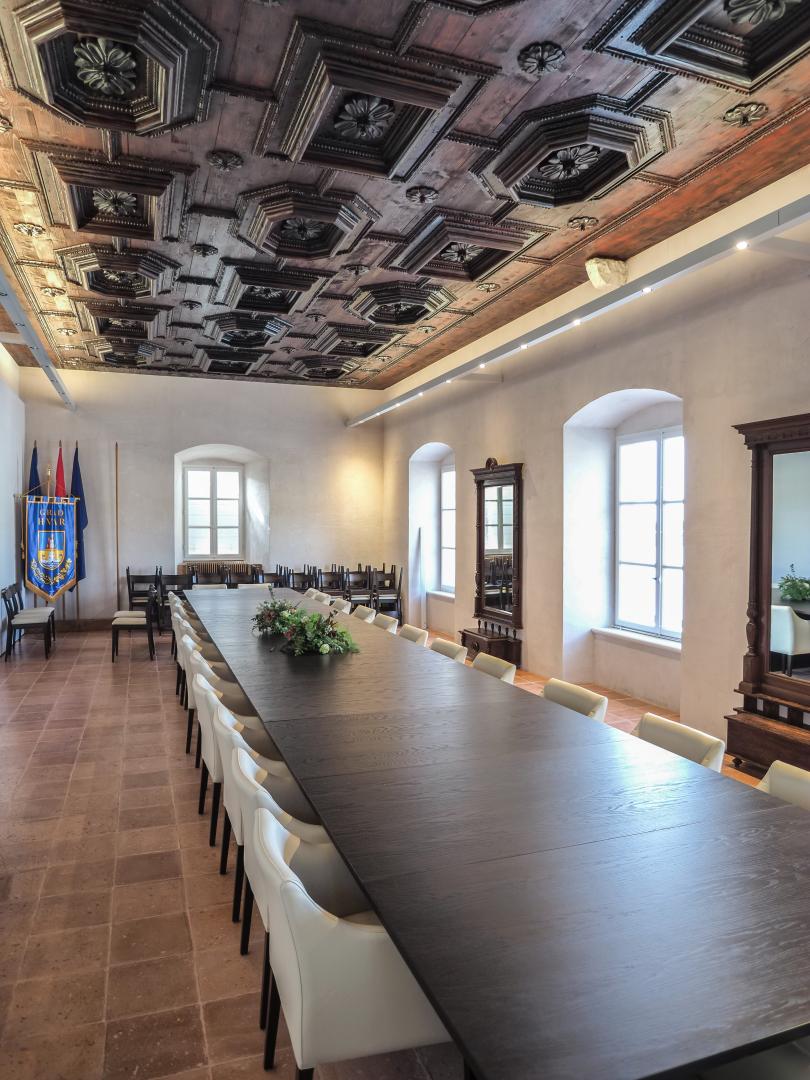
The ground floor space retained its basic character with exposed stone walls and arches, and its wooden ceiling structures. The gallery space on the first floor still reveals the original Venetian wooden beams on the ceiling. Other original features of the building, most notably the theatre boxes, have been kept and restored in their original form. More minor parts, such as the entrance doorways from the belvedere and the wooden window frames, were planned and then created according to the principles of analogue facsimile reconstruction. In this context, the coffered wooden ceiling of the Captain's or Mayoral reception room was renovated and extended in the west part of the first floor.
In conservation and restauration on the ceiling and wall paintings and on the remains of frescoes on the western wall, appropriate reconstructive plasters for interventions in the structure of the ceiling, plasters for reconstruction of the side stucco profiles, acceptable pigments for the reconstructive retouch, harmonization of the level of shine of the original painted coat and the retouch were used in order to keep the original appearance. All the paintings and frescoes were made in the traditional manner, all by hand.
The appropriate materials used during the renovation are: KERTO Q slabs, massive oak beams, traditional ceramics tiles called “matunelle” in original colour and texture, local stone from, historical plaster.
This extremely demanding project with its complex conservational restrictions created opportunity and challenge in achieving functionality by respecting all historical and aesthetic criteria.
Key objectives for inclusion
The Arsenal building was not accessible to people with special needs before the renovation and adaptation. With that in mind, we decided to make the building accessible to everyone.
One of the most challenging tasks of adapting a building to modern needs was to provide access for all users with a particular focus on people with disabilities. These are, in the conservation sense, very delicate topics that should be approached very responsibly and with respect for the inherited space.
Due to conservation guidelines, spatial constraints and architectural design with desire to preserve the building’s original monumentality. in solving these problems, we constantly kept in mind that all the facilities of the building must meet the criteria of accessibility for all groups of people. Our task was to provide, for the first time, people with special needs are able to enter the historical theater on their own, as visitors or audience.
The key to the solution was to adjusted access to Arsenal in such a way that we overcame all the height differences with ramps of a slight slope and the final connection between the floors is solved by a discreetly located elevator in the stairwell space.
We are proud of the solution we have implemented creating the maximum usability with minimal space consumption.
Results in relation to category
Since the Arsenal building is in the National Registry of Cultural Goods (status: protected, individual immovable cultural good, profane architectural heritage), the Ministry of Culture has been involved in its renovation process.
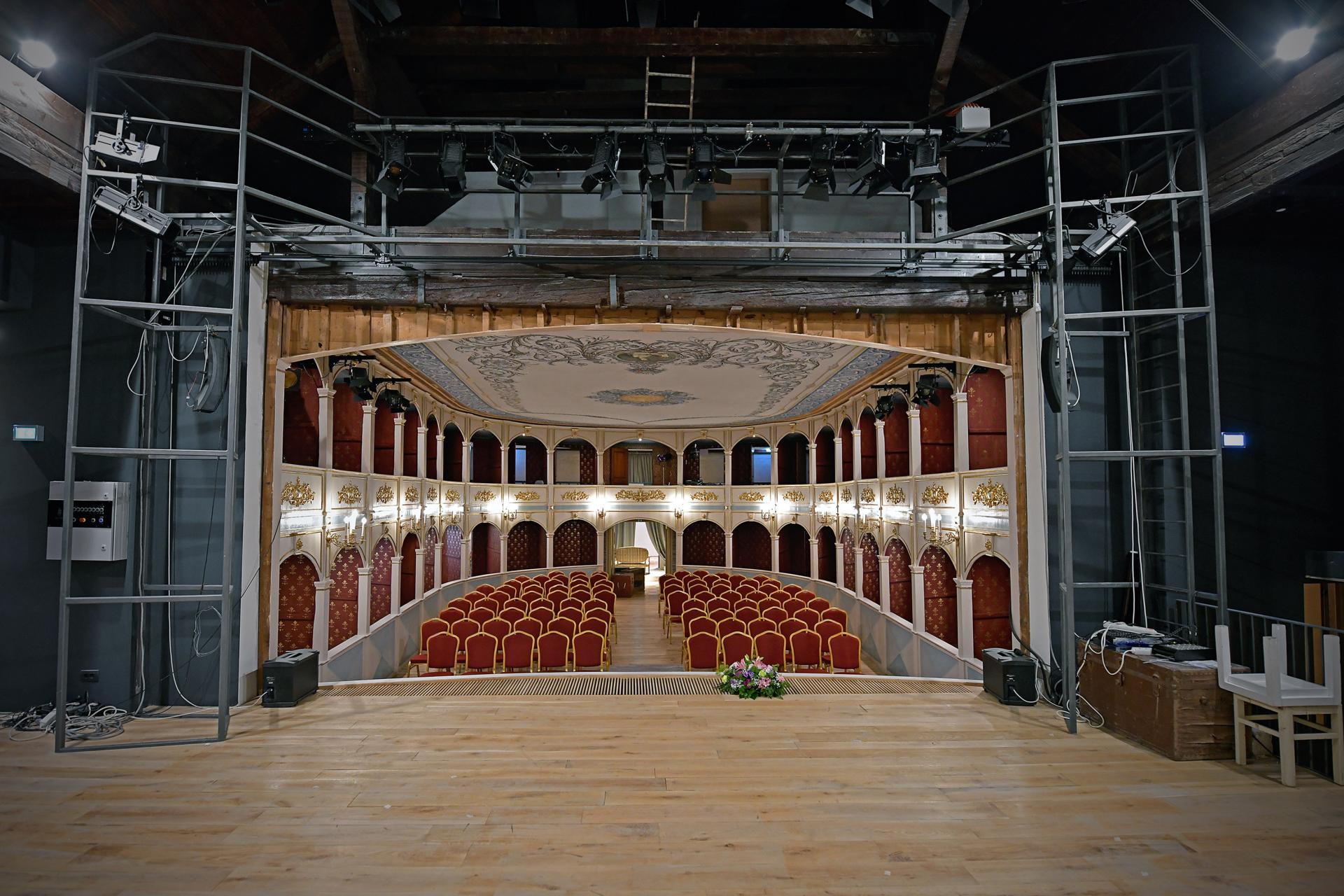
Functionally, the complex comprises: The arsenal on the ground floor of the main building with auxiliary premises in the east section of the floor; a theatre in the east part of the upper floor; Fontik, a communal store in a row of six rooms along the north facade. The terrace of the Fontik, belvedere, at the same serves an open entrance hall of the theatre in the eastern part and to other spaces in the western part of the ground floor which is accessed by an exterior stairwell.The interior of the ground floor comprises a single room, bordered on three sides with stone walls and opening up on the west side with a wide facade arch. The space of the theatre comprises three parts: entrance hall, auditorium and stage. The auditorium consists of a double row of boxes (19 on each of the two levels) which were positioned in the shape of a horseshoe and circle the parquet.
The renovation project included the unobtrusive addition of modern facilities serving the needs of the actors and the stage performances to enhance the Theatre's function without in any way undermining its historical authenticity. The former warehouse space in the west part of the building had previously been replaced by a ceremonial reception room and an art gallery, and these spaces were now rehabilitated. On the ground floor, the Arsenal gained a new multi-purpose function designed to offer Hvar's citizens a wide range of cultural and social events. Restoration of the building's walls and wooden structures was extremely demanding, but in the main the original features were preserved, especially the massive beams of the roof. Replacing the weight-bearing construction between the floors without dismantling the Theatre's system of boxes was especially challenging.
How Citizens benefit
With the construction of the theatre, Hvar town got a intersection of different people, religions and languages connected by arts. The renovation of Arsenal will bring the same benefit to today's Hvar. By preserving cultural heritage, we want to contribute to a better social, cultural, scientific and touristic development of Europe.
Opening a theatre creates a number of jobs, giving employment opportunities to different professions and groups of people. In the aspect of culture and art, we are creating an opportunity for the performances of various international artists. Furthermore, we are creating a new cultural value for the demanding tourist market. The reconstruction of the Hvar theatre represents an invaluable scientific contribution to the study of the history of European theatres as well as the development of the Hvar town. new research will complement the perception of this remarkable cultural monument, which we can thank both historical interpretations and published writings by renowned scholars. As a part of PERSPECTIV (The European Route of Historic Theatres), our Theatre is part of Adriatic theatre Route, what offers unique experience of European cultural heritage.
In the town of Hvar, a small town with a very rich tradition, the holders of various cultural events are numerous civil society organizations. The new multifunctional spaces of the Arsenal building enable the organizations in their activity and creation of the cultural offer of the City of Hvar in a modern way. Due to years of renovation, an entire generation of society has not been able to see and use the building’s potential. By renovating the building through civil society organizations, we are bringing it back to the map of social and cultural events.
Innovative character
The elements which were added to fulfil modern needs were fashioned in present-day style, thus emphasizing the original character of the building. For the first time in the history of the building, we connected two floors to allow the flow of people and equipment. All users, as well as demanding technical equipment for the theatre, may use the platform discreetly located in the northeast part of the stage. Performers gained professional conditions in the interpolated floor below the stage. This was the case for the new spaces at the very far east end of the ground floor, which held new sanitary and cloakroom facilities for the Theatre's actors, with cloakroom and toilet facilities for visitors and the Theatre's audiences added on the first floor.
The installations and mechanical systems needed for the building's new functions were also planned and carried out with due respect for its historical character and state. The architectonic concept recommended for the installations identified the needs in relation to the specific climate and functional demands, but could not achieve ideal conditions. As adding mechanical installations to this historical building was a very delicate undertaking which had to be minimalist, it was achieved by introducing a mixture of passive solutions, such as natural ventilation. In further evaluations of these systems, the proximity of the sea was put to good use for heating the building in winter and cooling it in summer, thus preserving the historical appearance of the building by avoiding the need for any major alterations to the roof.