found in time
Basic information
Project Title
Full project title
Category
Project Description
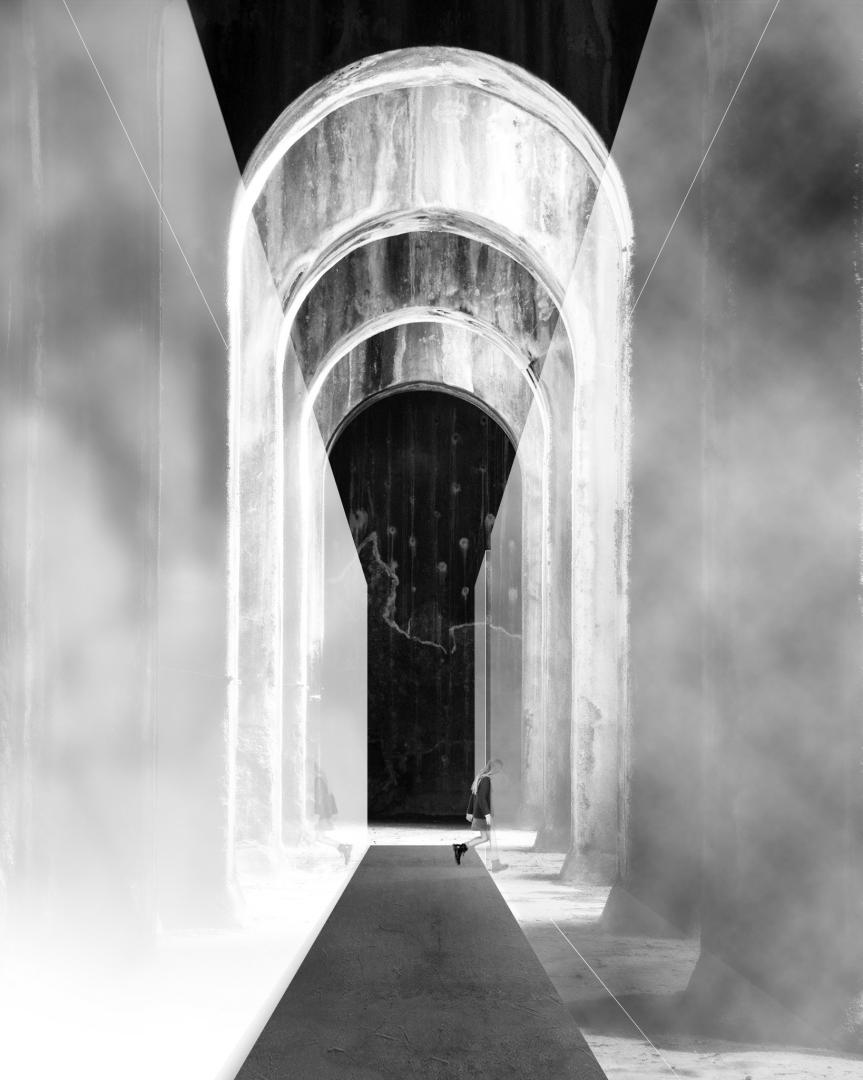
A hidden cistern in the underground of Bacoli, Naples the Piscina Mirabilis is repurposed as a museum. The proposal aims to minimize its interference with all existing, both structural and natural elements allowing a coexistence and a constant change of perception between the newly created and the existing. Through reinterpreting natural elements, an ephemeral material fog, is implemented in the design, concealing, revealing and softening the boundaries of new, old and the art.
Project Region
EU Programme or fund
Description of the project
Summary
The layers of crumbling terracotta, the moss, the ever advancing decay of the roof openings and vegetation that has started to grow over the centuries, accumulated distinct, time-bound impressions, such as light situations and plastic values in various locations within the ruin, giving the atmosphere its own unique spirit. Hidden in the underground of the city of Bacoli, the Piscina Mirabilis, a place in which you feel time, is waiting to be discovered.
The classical understanding of a museum is not fitting to the site. A sterile environment - a white box -, which creates a space in which an artefact or few artefacts are being put as sole centers of attention secluded from outer influences. As a new take on museums, time is not ignored but used as main element in the architectural design. By attempting to create a play between the preserved atmosphere inside the ruin and creating a time-bound exhibition space, both art objects that are displayed, and the space of the ruin gain new qualities.
The proposal aims to minimize its interference with all existing, both structural and natural elements in the cistern space such as light, air, humidity, water and sound, allowing a coexistence and a constant change of perception between the newly created and the existing. Through reinterpreting, these natural elements, an ephemeral material - fog - is implemented in the design, which possesses different transparencies in time, concealing, revealing and softening the boundaries of new, old and the art.
Key objectives for sustainability
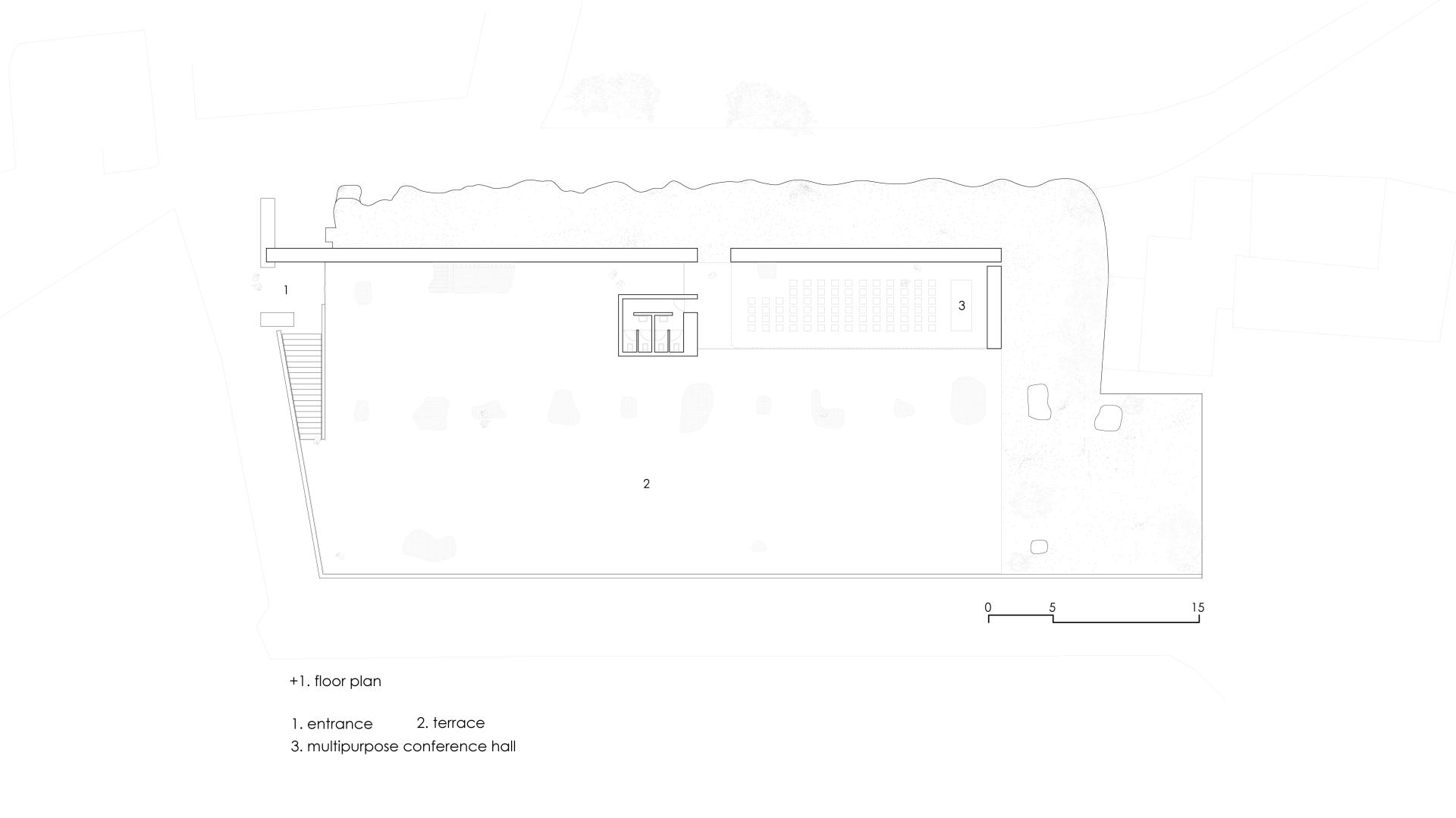
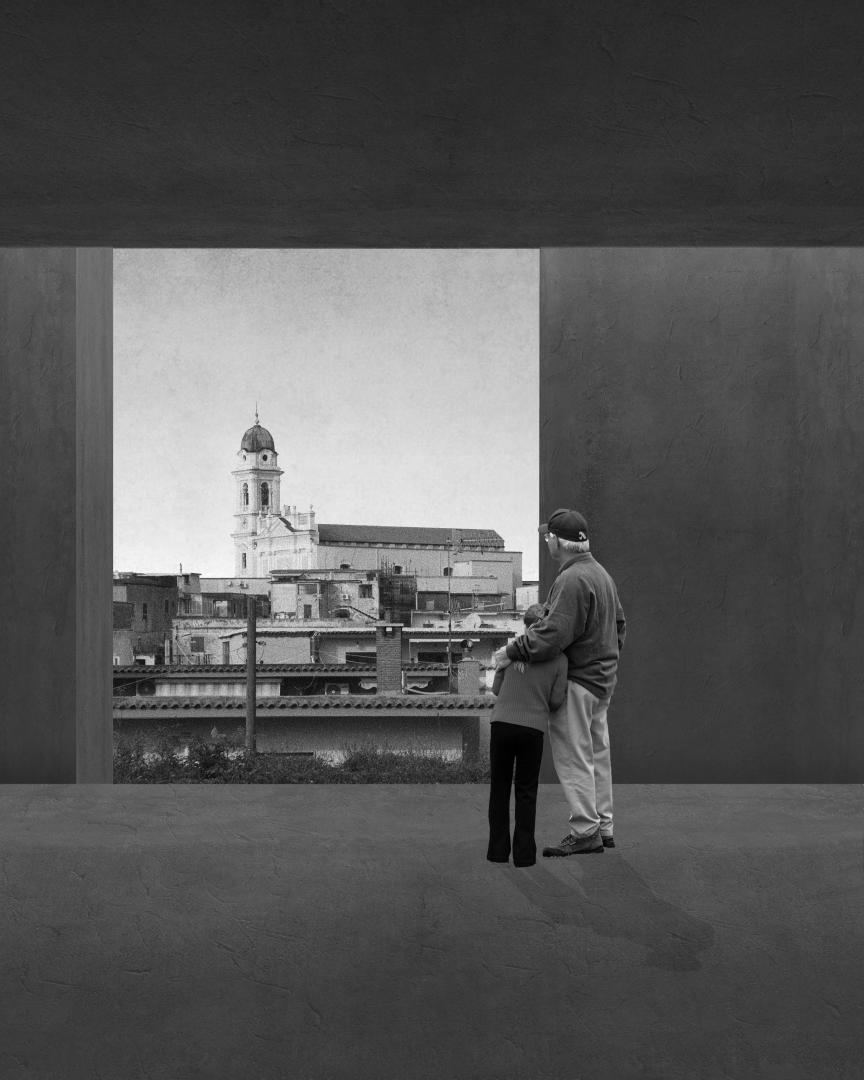
Inspired by the existing structure and the material of the cistern (cocciopesto), a volume consisting of three massive structural walls, is places on the roof terrace, accentuating the main viewing axes of the landscape, creating an open public space for cultural use. The choice of material "cocciopesto" and the thickness of the walls allow to regulate the temperature in summer and winter in the building, without additional heating and cooling methods.
The over time transpired roof openings allow natural air circulation inside the cistern, preserving the existing atmosphere. The mild weather conditions of Bacoli is brought inside the cistern.
Key objectives for aesthetics and quality
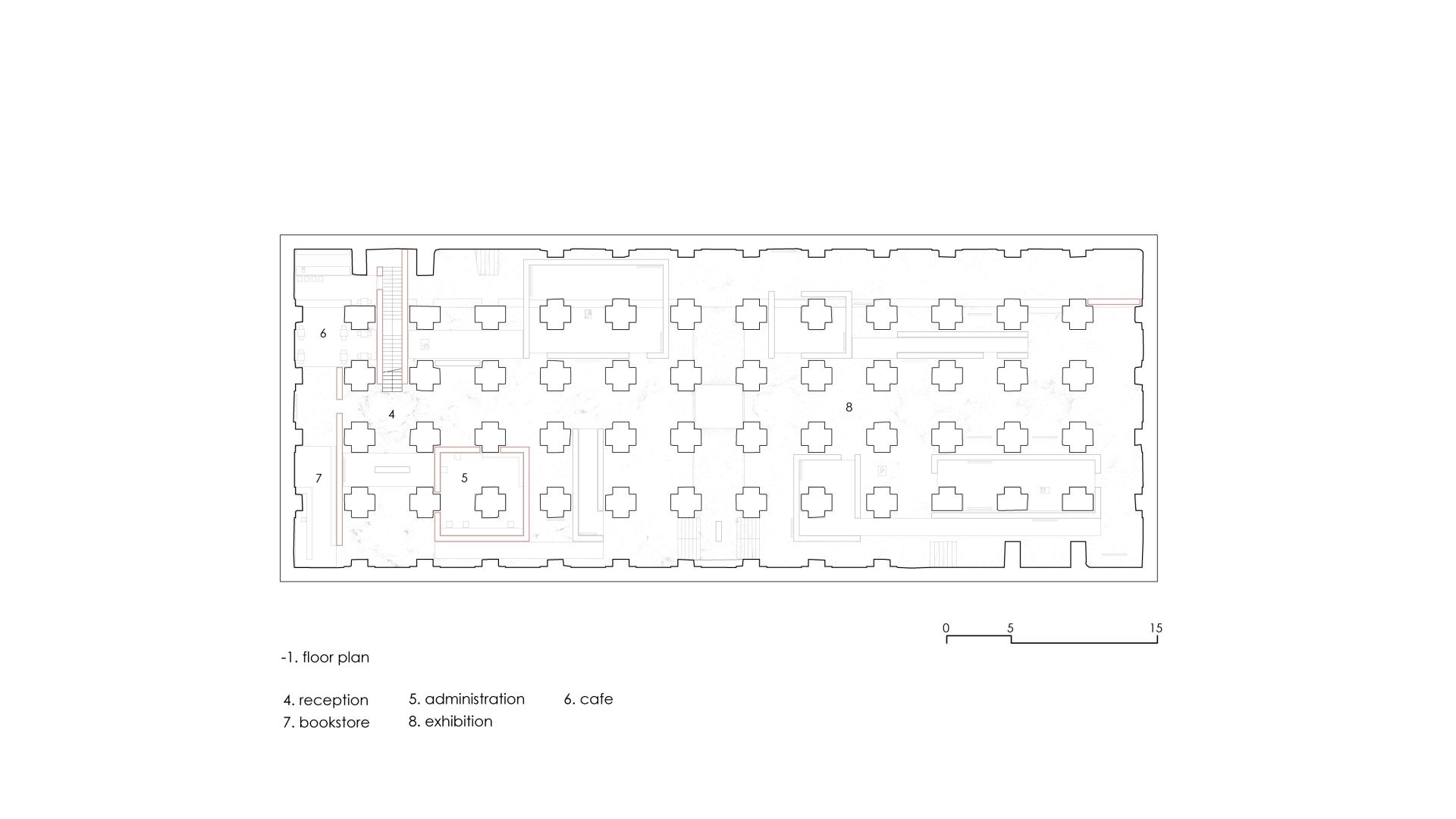
Carefully positioned pavilion-like structures inside the reservoir, in which different characters of the space are emphasized through ever changing fog-glass structures, create different scenarios, allowing the visitor to discover the qualities through movement. At times "white box-like", sterile, intimate spaces appear, decontextualizing, both the ruin and the art. At other times art is put in direct relation to the ruin atmosphere, giving the art object new layers of meaning.
The idea focuses on stimulating the visitors´ senses by highlighting the changing conditions. Although submerged in the underground, the untouched roof openings reveal the outside in parts of the cistern, bringing in the outside climate.
Key objectives for inclusion
A dialogue is generated between the structure and the surrounding, keeping the horizontal roof typology by discreetly determining the building height according to the ridgeline of Bacoli, a town in need of new communal spaces. The roof is freely accessible and offers both indoor and outdoor space for events, gatherings, discussions and enjoyment of the view.
Innovative character
The atmosphere shift the perception of the artefact and the artefact transforms the perception of the atmosphere, creating dynamic places in which the differences of the space are emphasized through time. Changes of the atmosphere through time emphasizes the importance of the experience because it creates moments that cannot be captured again, which allows every experience to be different and makes each visit equally interesting.
A place, where the quality is ever changing, allowing the visitor to explore different impressions with each visit, only found in time.