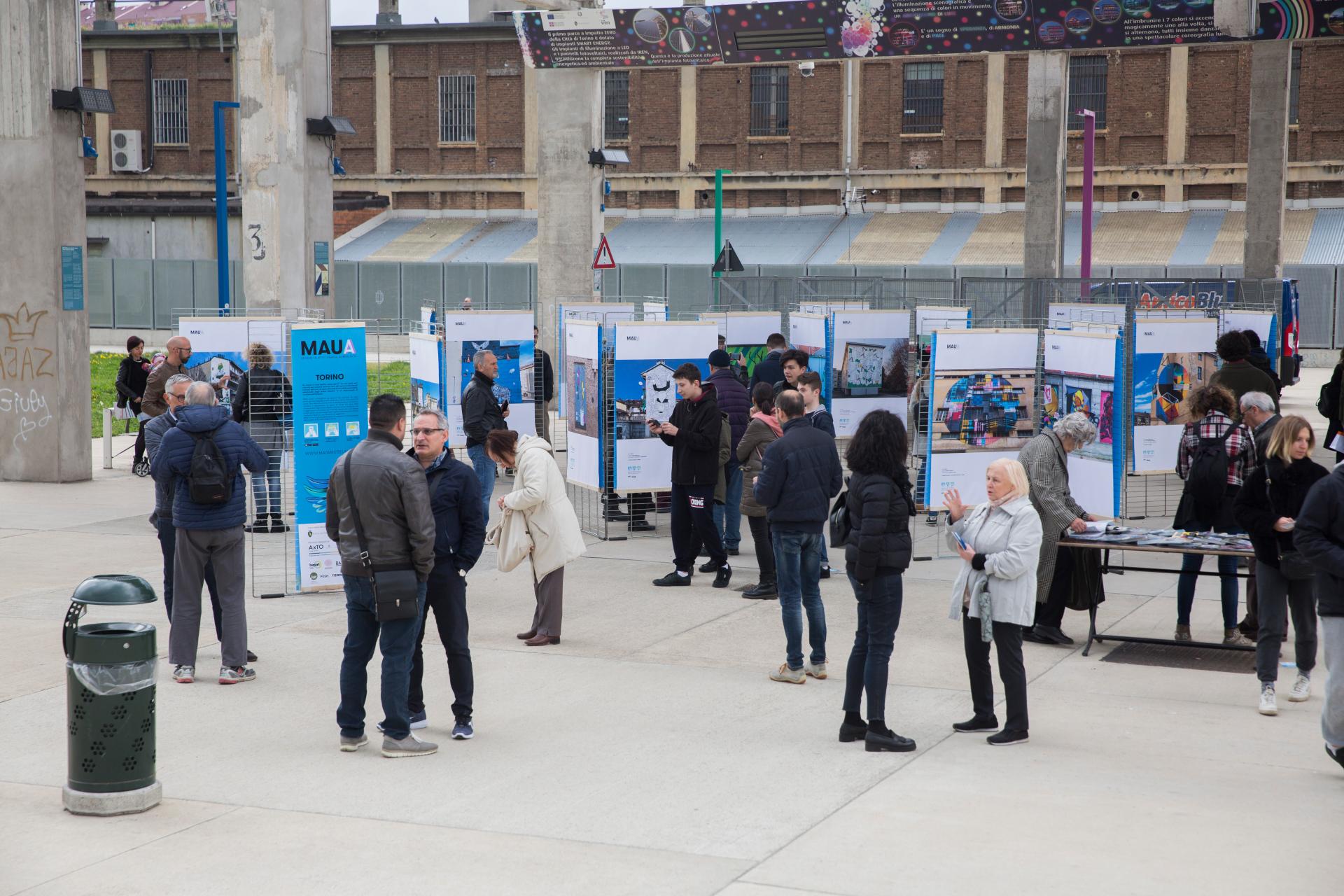
MAUA
Basic information
Project Title
Full project title
Category
Project Description
A city-wide open-air museum for the discovery of routes that venture beyond the city centre and the usual art destinations, featuring pieces of street art in augmented reality to explore the city through different neighbourhoods. After Milan and Turin in Italy and Waterford in Ireland, MAUA wants to reach other european countries for a sustainable, beautiful and inclusive way of disseminate art.
Project Region
EU Programme or fund
Description of the project
Summary
MAUA is the first museum of augmented urban art: inspired by the idea of discovering new cultural paths in urban spaces, it brought street art works to life in augmented reality, providing the perfect opportunity to explore city neighbourhoods that are generally off the beaten track.
MAUA wants to be a participatory curatorship experiment, involving neighbourhood associations, residents, students and young professionals in the creation of a large Museum of Augmented Urban Art: a free, customizable, open container that can be used through augmented reality. You get started by choosing your preferred route and once you reach the site, the experience unfolds digitally: look at the pieces through your smartphone and watch it transform into a work of digital art, specially created for the museum using augmented reality technology. MAUA is a new model of museum, widespread and participatory, founder of many other technological museums of the future, with the will to create innovative ways of audience fruition and enhancement, accessible and open to a wide public and different territories. MAUA is a participatory project, whose prototype has been tested in Palermo (Italy) to be then fully developed in other Italian cities (Milan, Turin) and now in Ireland (Waterford). MAUA hasis developed by Bepart (with local partnerships), a non profit organisation defined by Wired Italy as one of the 5 firms that will build the museums of the future.
Key objectives for sustainability
MAUA addresses the sustainability challenge in giving high value to local development. For its nature, the project is born with the will to develop local beauty, thanks to the engagement of the resident community, intended as local organisations and individuals of all ages. This helps to promote attention to public space and harmony with the environment and the whole society. The creation of local tourism paths, made by walks, allow to reduce environmental and CO2 pollution, choosing the direction of giving value to local heritage. Furthermore, the use of technology as art materials further reduces waste.
Key objectives for aesthetics and quality
MAUA was born with a strong aesthetics vocation: the relation of a public space is also given by the beauty we can see and produce in it. MAUA philosophy starts from the mapping of local beauty, and declines in street artworks. Then, the project promotes the participation of everybody in creating artwork to promote a personal idea of beauty and a personal idea of how to further develop the aesthetic value of urban spaces. The quality of the artworks is further accompanied by the curatorship of Bepart and by the intervention of international street artists. The final stage is to create an open museum: it is a place that bears witness to a moment, a passage, a thought; a space that captures the memory of a time by gathering together the traces and marks it left behind so that the experiences seen, lived through and explored, can be of service in the development of a community. MAUA wants to tell the story of our time, allowing creativity and beauty to blossom anywhere, ‘fixing’ them in a virtual space without dividing them from their context and bringing them to life in a way that invites everyone to raise their gaze and discover them.
Key objectives for inclusion
MAUA- Museum of Augmented Urban Art, in which augmented reality is applied to street art, was born with social purposes through creative, bottom up and inclusive solutions, acting in places and with people usually excluded from creative processes. It is a participative project, realized with the involvement of several hundred people: from the students who mapped the works on the walls of their city in photographic workshops, to digital creatives and street artists who collaborated during digital animation workshops to create new narrative levels and use of masonry works.
In difficult times as we are experiencing, we need creativity, arts and design to be included in tackling social issues, combining arts and technology for the benefit of our society.
MAUA gives value not to top-down processes where everyone represents a specific knowledge/skill but to ask each participant to take part (to be part) of the action, involving local communities.
Furthermore, the choice of street art wants to focus on the importance of the idea of public art, meant to everybody and made by everybody. This idea engages young people to rethink their cities and participate in a movement of social inclusion in policy making.
Results in relation to category
MAUA achieved the following main qualitative results:
-Urban spaces recovery through public art: MAUA aims both to valorise street artworks and to further make the citizen think and work on public spaces, creating their own AR digital content
-Citizens and community engagement: with over 200 people involved in each city of the projects, it has created participatory methods for artworks creation, urban spaces mapping and city discovering
-Development of innovative methods for art fruition and creation: Maua is a test of participatory curatorship, which involves audience both in the production of artworks and fruition to open access to art and creativity
MAUA quantitative results:
- Murals in AR: 117
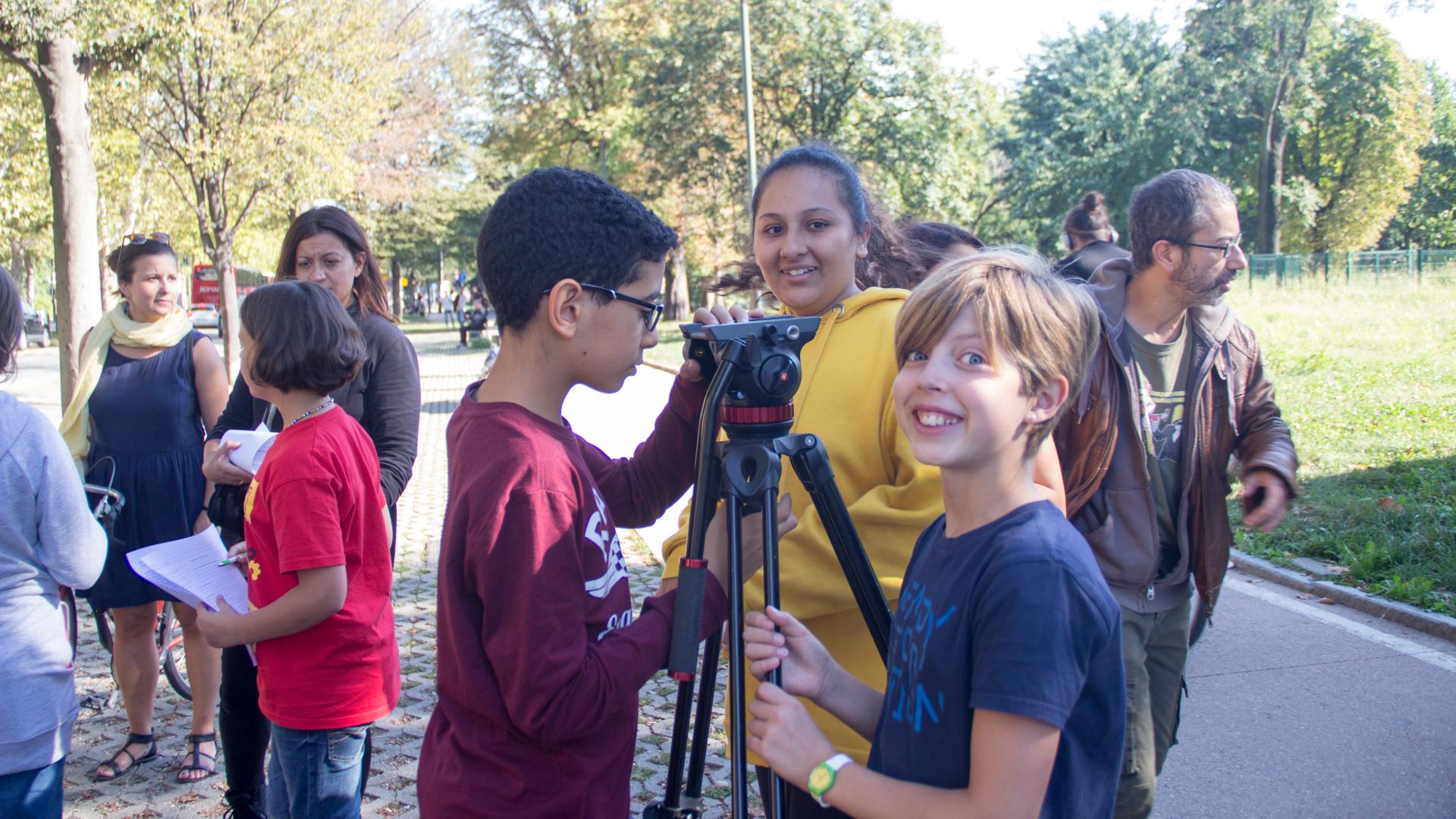
- Students photography workshops: tot 273
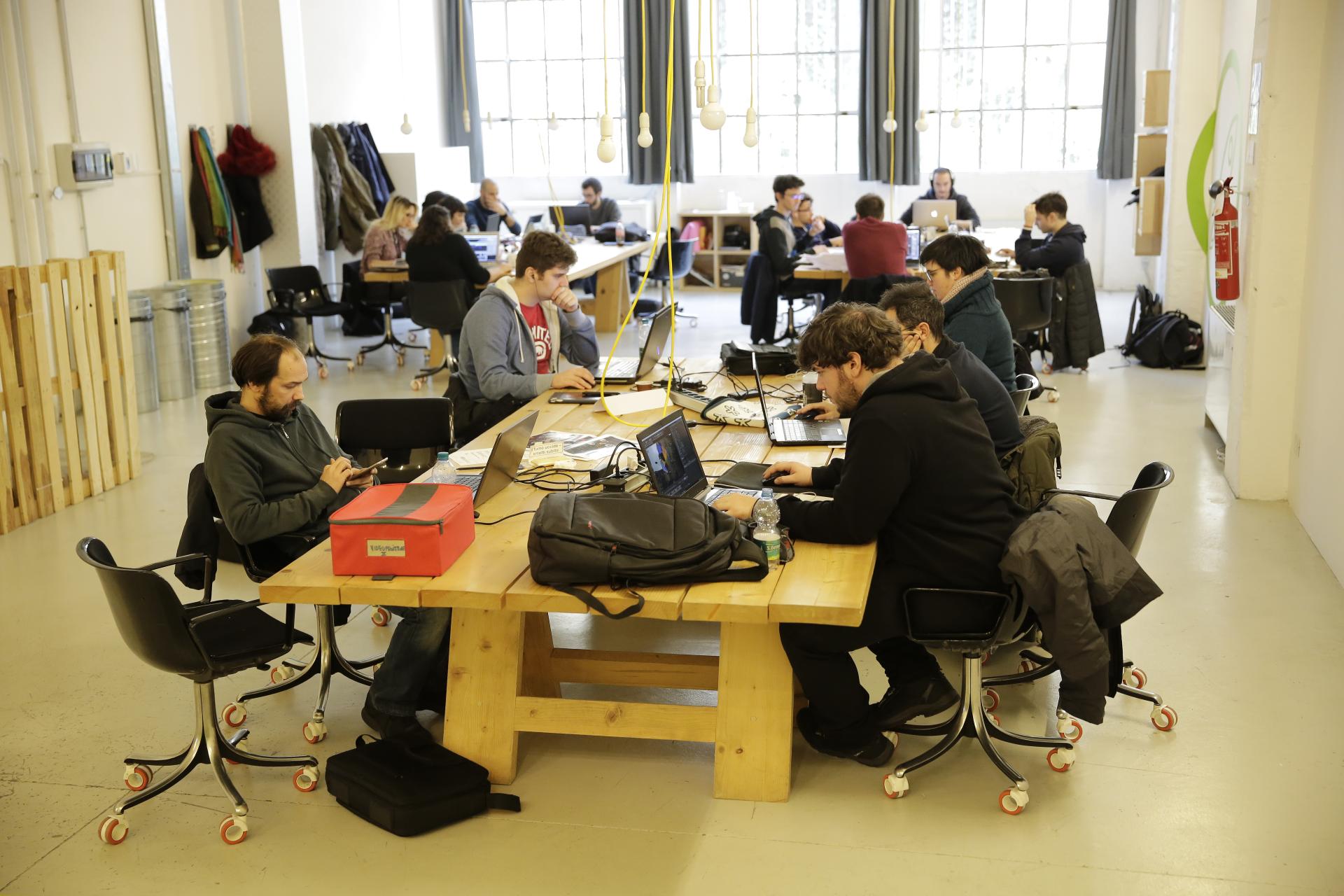
- Digital creatives involved for AR: 127
- Street artist: 39
- Artworks views (from April 2019 to April 2020): 240.000 in Milan, 62.000 in Turin
- Beneficiaries: About 600 people including critics, curators, university researchers and bloggers who collaborated in the writing of the catalogues and the professionals who participated in different workshops.
TOURS
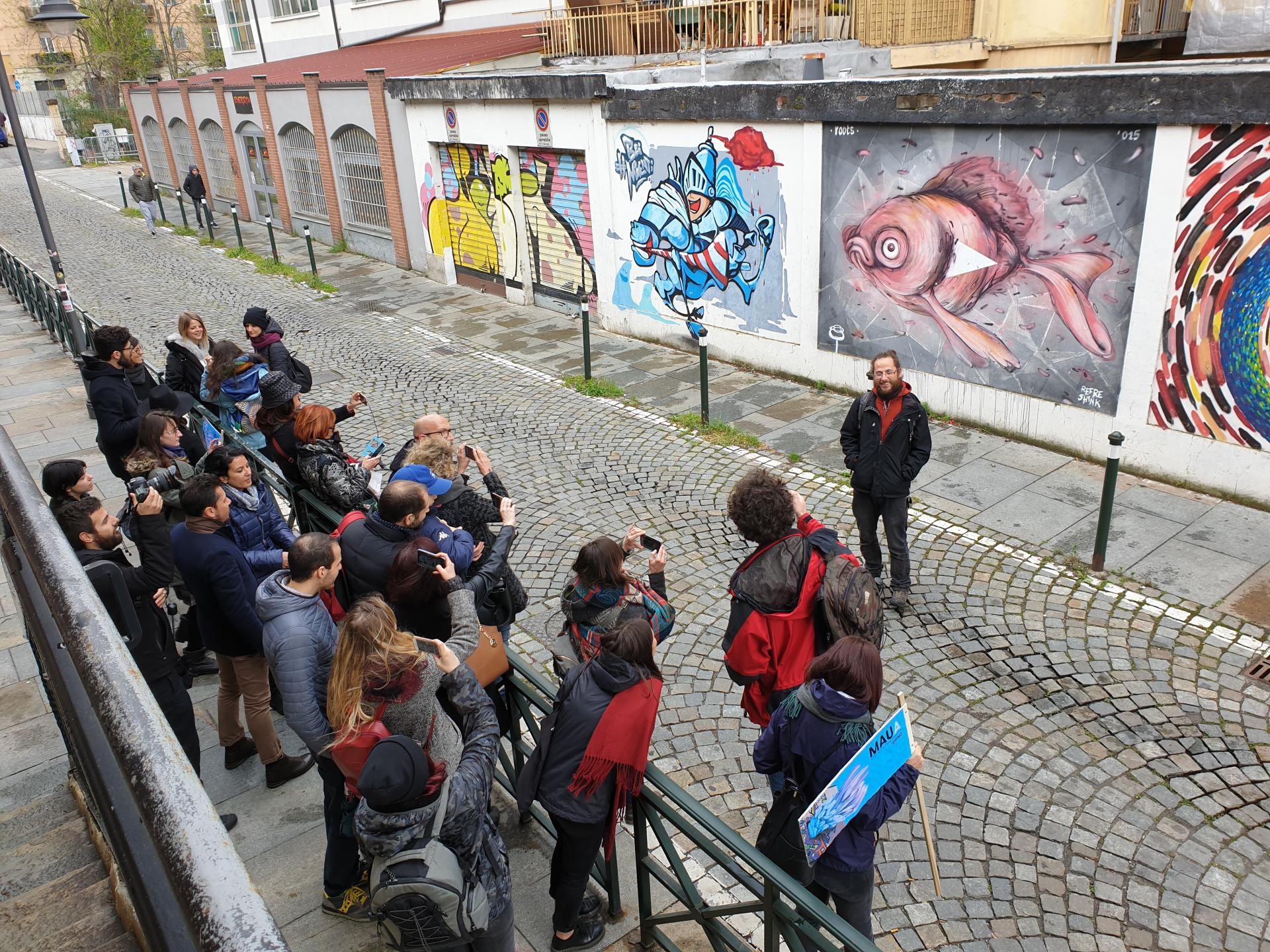
- 37 tours (public and private with associations, schools and summer centers)
- Over 550 (on average 15 people)
How Citizens benefit
Citizens are involved in MAUA’s practices in each stage of the project:
I. Mapping the city: the Turin experience, for instance, involved over 120 students between the age of 13 and 20 in a photo workshop to create a digital mapping of over 300 street art works
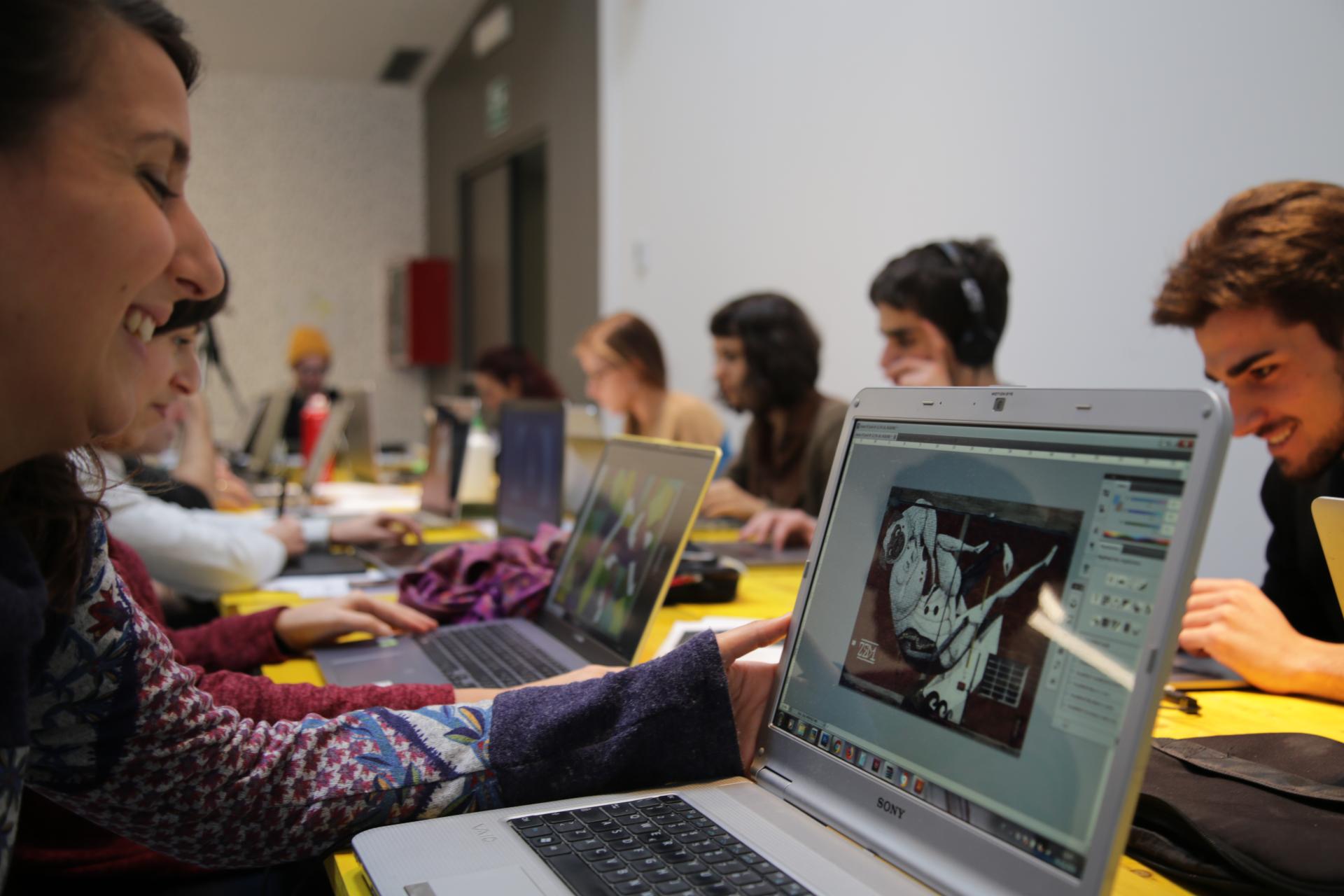
II. Creating the AR contents: through an open call, Bepart selects digital creatives of every age to help them in creating their own AR artwork. After a participatory workshop, made also in collaboration with different international artists, each of them create the AR content applying it “on” the chosen street artworks
III. Participatory tour: the final stage of the project is then to create city tours open to everyone. The tours guide the citizens in the discovery of the city, following street artwork that unveil AR contents.
This makes the citizen to shift his/her perception of the city, making urban space more inclusive, beautiful and digital, as MAUA applies new technologies to refurbish not only the space but also the sense of community and inclusion of the space itself, creating a new relationship with it through creativity.
Furthermore, through the workshops, students and young creatives have the opportunity to become authors of digital content, making a wealth of new professional skills. Digital works become the unusual and unexpected stages of tours in the less touristy areas of the city, which thus develop an appeal never experienced before.
Innovative character
The main innovative features of MAUA are:
-the relationship with public spaces it pursues: everyone is called to tackle social and urban issue, re-thinking the city through art and creativity
-the paradigm of art fruition it offers: art can be participatory, accessible, free and made by everyone
-the use of technology: MAUA prevent technophobic attitude, using on the contrary technology as a tool to make art and beauty accessible to everyone and also a way to experience the city, discovering it in an unusual way
-the multidisciplinary approach it applies: the project involves young people in finding solutions to current challenges, promoting new synergies as well as the participation of people in urban policy making.