District X: Plural looks on museums
Basic information
Project Title
Full project title
Category
Project Description
The action "District X: Plural Looks on museums" was born as a challenge, with the aim of involving the LGBTQI+ community and the Porta Venezia district in the creation of new meanings and new readings on the theme of gender identity and sexual orientation thanks to civically conscious actions. The action emerged as a pilot project to test innovative replicable and sustainable engagement methodologies.
Project Region
EU Programme or fund
Description of the project
Summary
The project "District X: Plural Looks on Museums" is part of the reflection on the territorial reorganization of the civic museums of the Culture Directorate through the creation of four cultural districts on the Milanese territory.
The Project of the Culture Directorate of the Municipality of Milan “One city, twenty museums, four districts” identifies and promotes four museum districts that emerge as an organizational model able to improve the exhibition offer in a particular territorial area. The model works by creating relationships between its protagonists (public and private cultural institutions) and between them and local infrastructure. The district was created to generate positive effects both on the museum service and on the urban, economic and social development of the territory to which it belongs.
Precisely in this second suggestion the action “District X” aims to strengthen the relationships of museums with their territory starting from their specific vocation. The Porta Venezia area, in recent years, has emerged as a friendly zone for the LGBTQI+ community, marked among the most "welcoming and trendy" neighborhoods in the world by Time Out magazine (the only Italian neighborhood).
Key objectives for sustainability
The project "District X: Plural Looks on Museums" aims to respond to contemporary demands that museums have a responsibility, with respect to society and individuals, to bring communities close to each other. The main objective of the action was to create narratives about museums and territorial identity starting from the enhancement of the creative and expressive potential of the members of the community, deepening the knowledge of their needs. Thanks to opportunities for meeting/listening, activities of involvement and design and visits to places have been carried out, thus enhancing capacities of co-creating and co-designing of laboratory activities that have seen civic museums as a creative engine.
Among the expected outputs of the research work and in the field, we note the identification of the needs of the LGBTQI+ community to narrate itself, through the definition of the cognitive and creative path of the district that places, at the center of its life, civic museums. The strengths of the project are represented by the strong participation of associations and public having understood and shared since the beginning the objectives of the project. Collaboration with the many realities has made possible to identify shared and common objectives, providing the necessary tools for the construction of the working methodology. In addition, the association networks have broadly disseminated news about the project.
The strength of the project could be summed up in only one term: connection.
Key objectives for aesthetics and quality
The methodological approach of District X generated from numerous suggestions collected during the preliminary phase of the project. The first weeks of work were employed with mapping of the territory, identifying a rich and active associative reality; more than fifty associations were contacted on the designated area and, thanks to their generosity and participation, it was possible to envisage bottom-up actions. Together with the associations and aggregate centres of the LGBTQI+ world, cultural realities representative of the territory were involved, such as the Civic Library of Porta Venezia, the cultural centre Il Lazzaretto and the Elfo theatre. The major university research centres on gender identity issues such as the LGBT Observatory of the Federico II University of Naples , ABCD of the University of Milan-Bicocca and the Interuniversity QUEER Centre were also asked to give their contribution to the project.
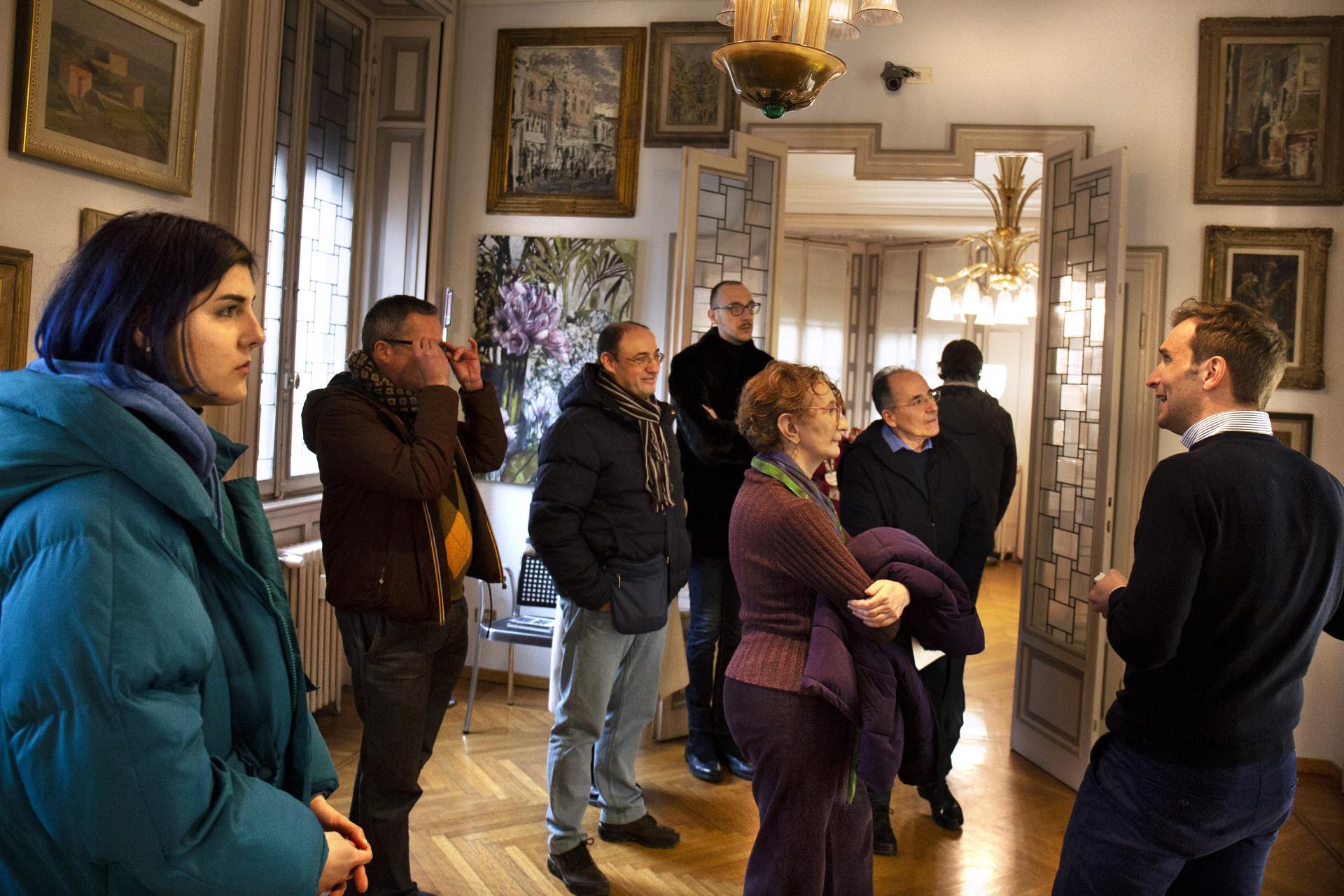
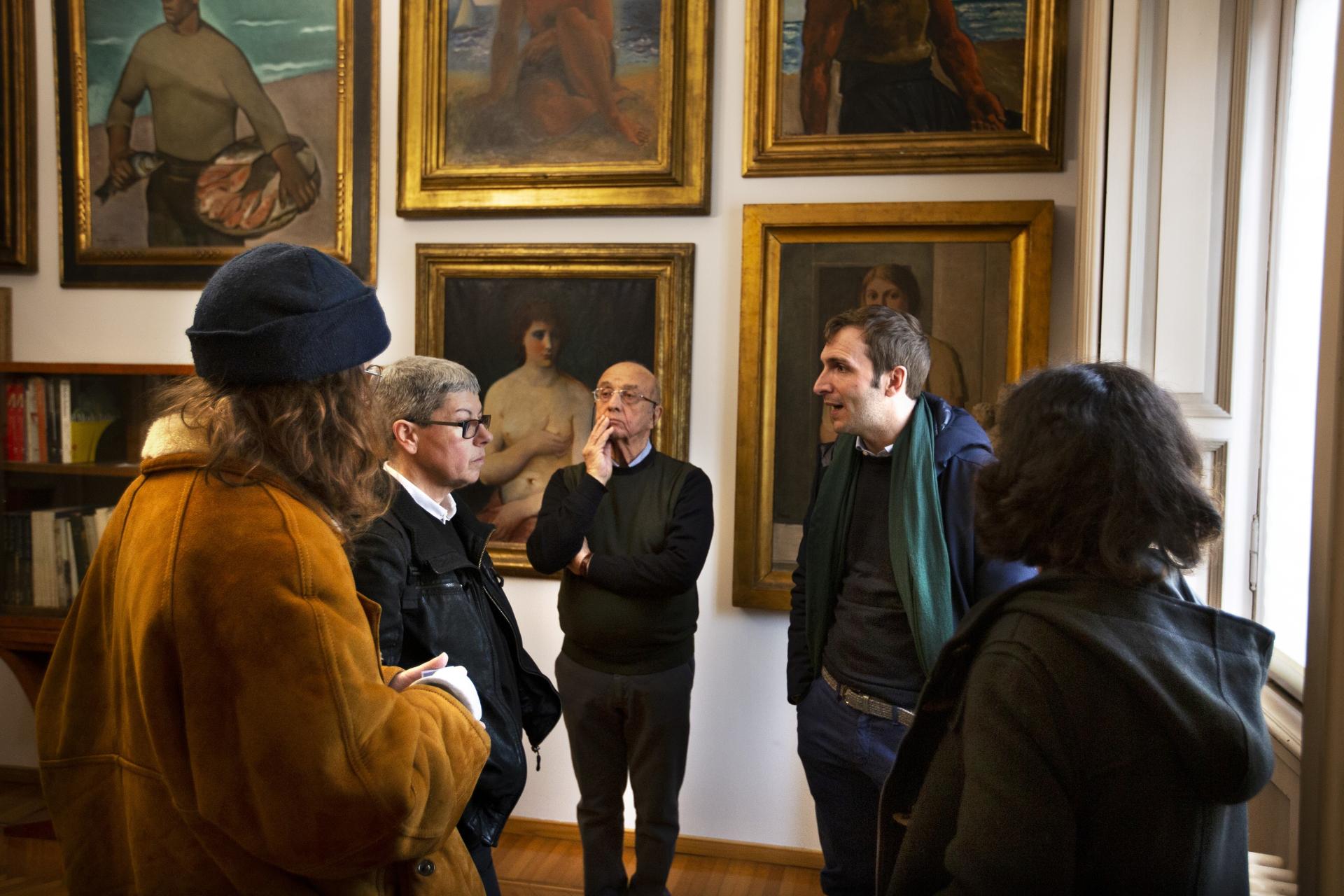
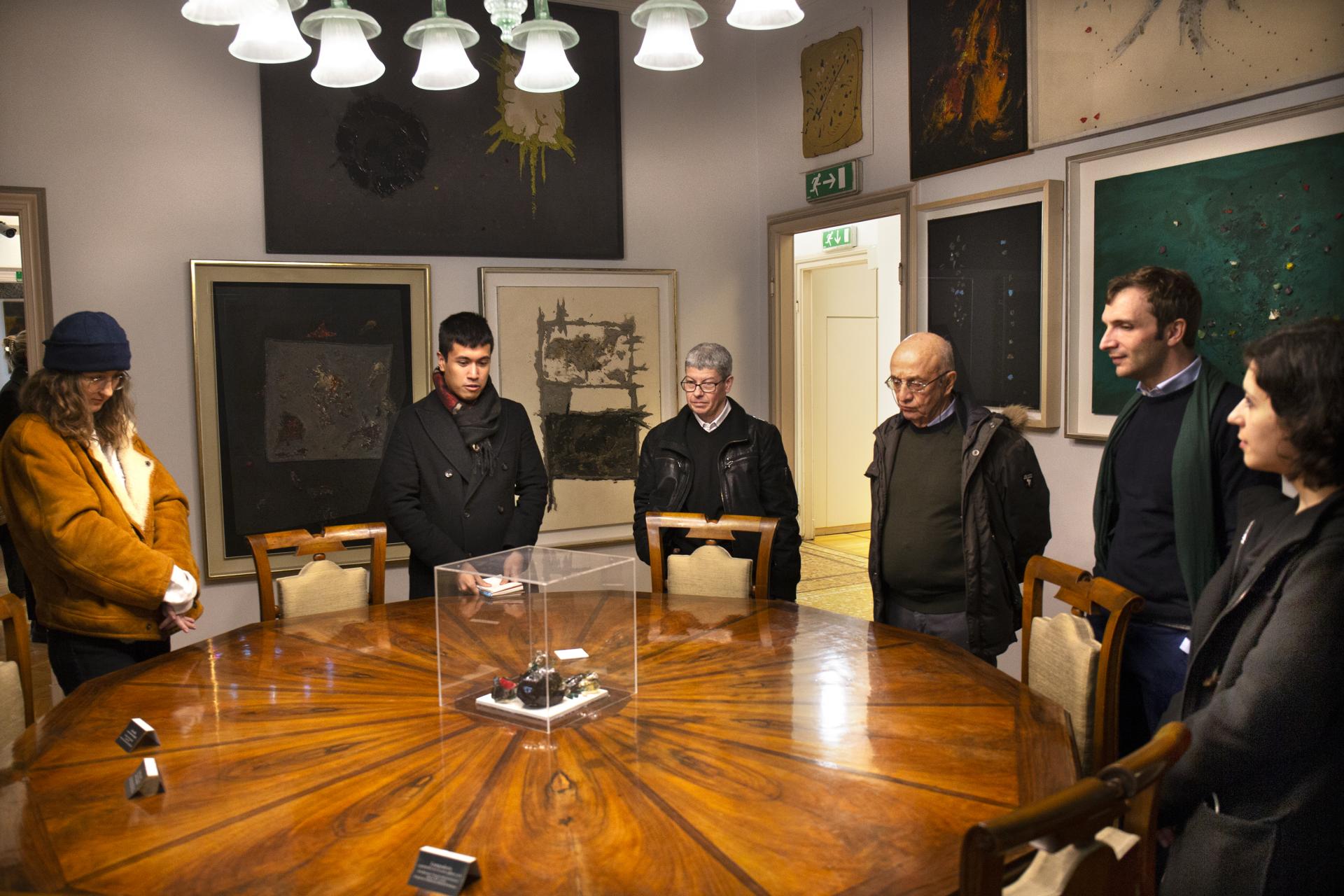
Workshops including at least two visits to each museum were scheduled and carried out. The participants, on a voluntary basis, first visited the museum letting themselves be guided only by their own sensations. Participants were asked to choose a work that was meaningful to them. At the time of choice, the emotional cards were shown, with which narrative mediation was carried out. The participant, starting from the emotions aroused, had to return to the chosen work and create a representative narrative for himself or for the reflection on gender identity. Finally, the narratives were shared with the other participants. This last phase of the laboratory represented a precious opportunity to compare and listen to others, making tangible the emotional power of the works treasured in the museums and letting multiple interpretations known to the group.
Key objectives for inclusion
After identifying the reference communities, a dialogue focused on listening to needs and creating a collaborative relationship was launched, sharing the objectives of the action. Despite the large number of associations and groups involved, they all were met individually in order to understand their needs and analyze their possible involvement, by meetings distributed throughout the period of activities. In addition, collaboration with district museums has continued to identify shared objectives trough sustainable actions. At this stage academic and non-academic bodies, contributed to defining objectives and methodology. Universities, for example, have supported the action by providing scientific content to better define gender reality. GITEC- ConfCommercio has highlighted the need to provide specific training of the cultural operators in the area, Il Lazzaretto has made available its experience and its know-how gained with participation, encounters with this cultural reality have been essential for the exchange of practices and implementation suggestions.
With occasions to meet and share, activities of involvement and design and visits to places, it was possible to enhance and strengthen the co-conception and co-designing of laboratory and activities that have seen civic museums as a creative engine. Among the expected outputs of the research work and in the field, we note the identification of the needs of the LGBTQI+ community present in the territory to narrate itself, through the definition of the cognitive and creative path of the district that places the civic museums at the centre of its life.
Results in relation to category
The “District X” project created a strong relationship with the LGBTQI+ community of Milan and connected universities, research centers and associations on a national level. The partnerships launched exceeded expectations.
“District X” in numbers: 5 museums; 43 LGBTQI+ associations; 2 public presentations; 4 university centres; 2 national trade associations; 3 cultural institutions; 9 workshops organized in presence; 4 virtually organized laboratories (Virtual edition –lockdown period); 110 participants.
The project produced:
1: A catalogue Narrations of the participants and the contributions of the research centers were collected in a catalogue, published by Artemide Edizioni, distributed in the whole of Italy and in the Milan Museums bookshops. The artistic and scientific contents have merged with the experiential dimension giving life to previously unpublished stories significant for the community. Alternative interpretations of art have come to life. From the catalogue it is possible to understand how museums can be a place of multifaceted, cognitive, emotional and cultural perception, opportunities for encounter, adding to the many different functions that characterize cultural institutions of an inclusive and participatory city.
2: A path The actions inside the museums of the cultural district of the gardens of Milan have allowed to realize an alternative route of visit to the district. The goal was to design activities that could enhance the role of civic museums as creative engine of the city and its multifaceted communities.
3: A methodology Thanks to the collaboration with Le Bussole LGBT, an association of psychologists for the LGBTQI+ world, an ad hoc methodology for the project was created, taking into account the replicability of the action in other contexts and communities. Research bodies involved: CIRQUE – Interuniversity Research Centre QUEER, LGBT Observatory of the Federico II University of Naples and ABCD of Bicocca University of Milan.
How Citizens benefit
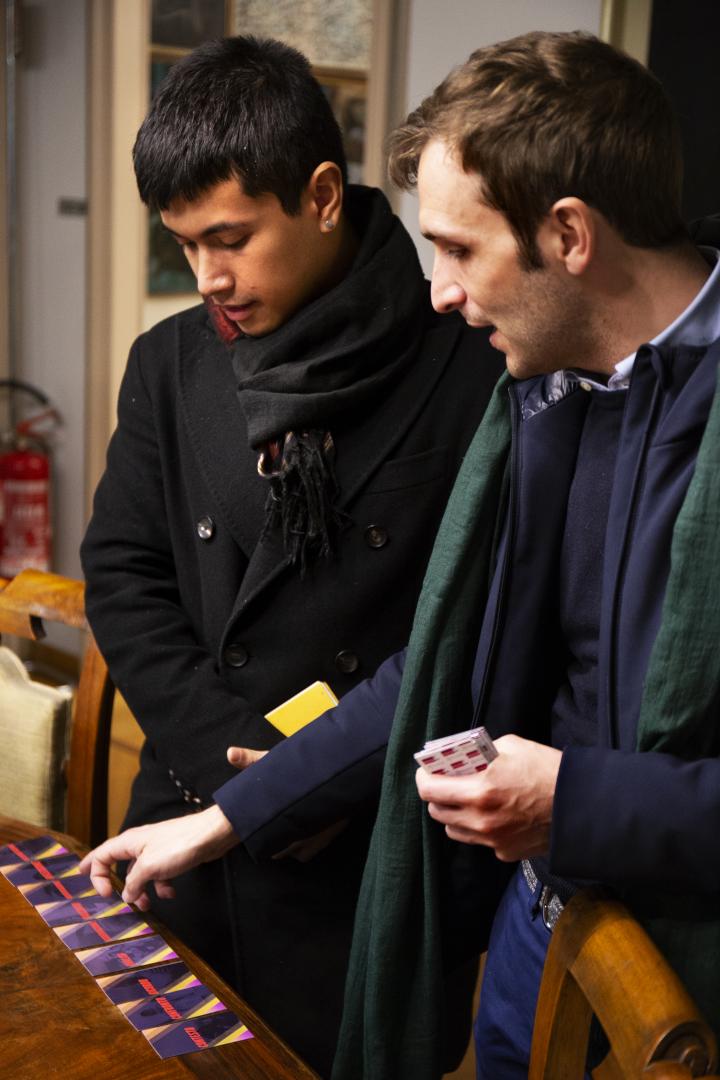
In this action, mediation tools were developed thanks to the collaboration of Bussole LGBT (association of LGBTQI+ psychologists). 40 emotional cards were created ad hoc and used for creative mediation within the museums. The emotional cards were essential to manage and guide the narratives.
In this phase, the organization and management of activities in the museums of the district were carried out in close collaboration with the curators of the museums. Thanks to the collaboration with the LGBT associations, communication about the workshops reached a large number of members, friends and supporters of the LGBTQI+ community in Milan. It was essential to have a strong rooting in the territory and in the community, and this was possible thanks to the associations and their representatives.
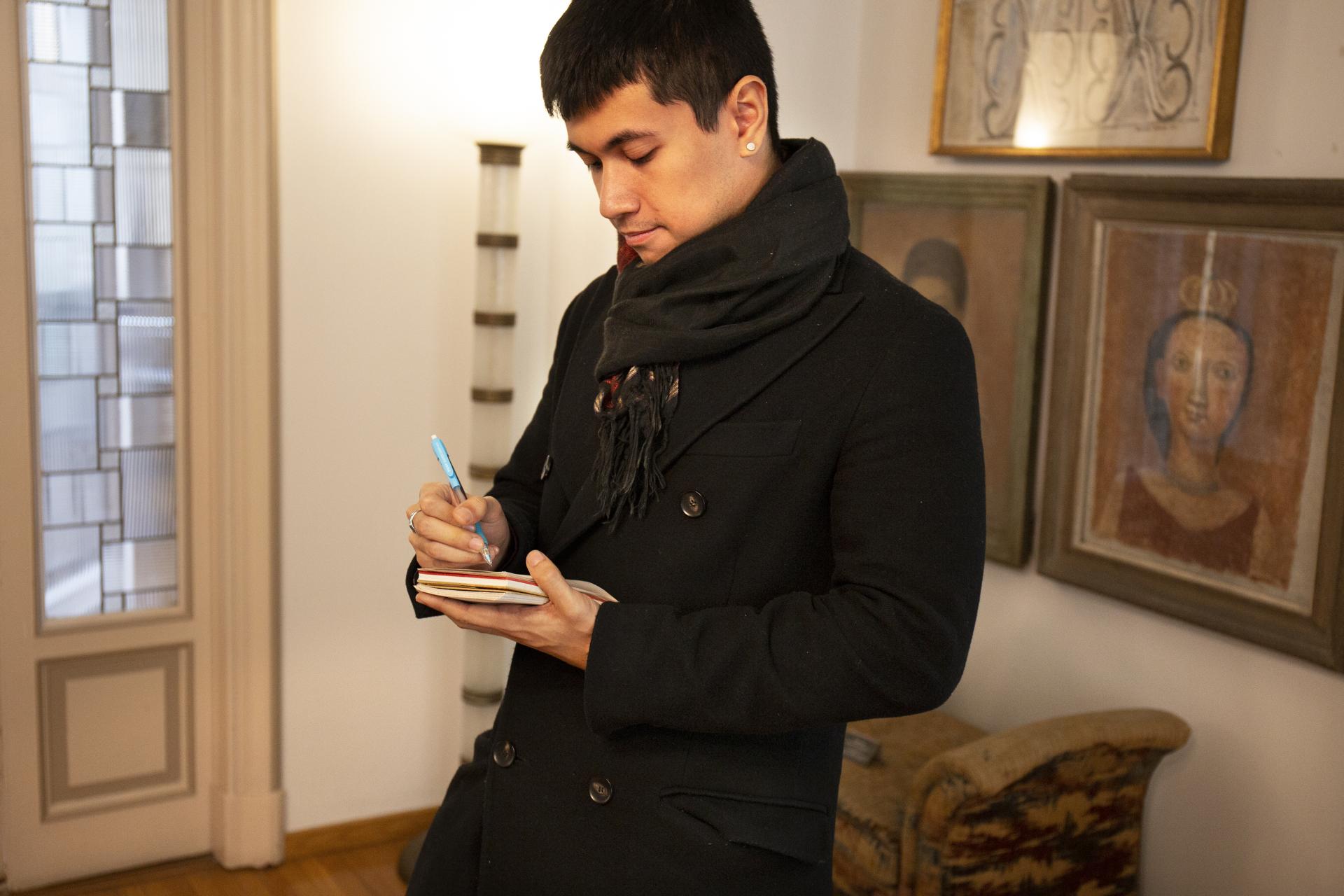
The workshops included at least two visits to each museum. Participants, who signed up on a voluntary basis, made an initial visit to the museum guided only by their feelings. They were asked to choose a work of art that was meaningful to them. Once they had made their choice, they were shown emotional cards, which were used for narrative mediation. The participant, starting with the emotions elicited, had to return to the chosen artwork and create a narrative that was representative for themselves or to reflect on gender identity. Finally, the narratives were shared with the other participants. This last phase of the workshop represented a valuable opportunity for discussion and listening, expressing the emotional power of the artworks and their many possible readings.
Since the beginning, thanks to the training by volunteers @LASAMUse, communication started on Instagram, managed as a web-diary to show the activities and their results in a continuous and homogeneous way. ctivities were continuously documented, creating a visual and documentary archive of the work phases not only with the creation of original content in the feed but also through the use of stories and IGTV.
Innovative character
The experimentation of new practices of involvement is crucial for the new definition of the role of museums in response to contemporary demands that, as expressed in the Faro Convention, tend to recognize individual and collective responsibility towards the cultural heritage; moreover, in line with what has been defined by ICOM, it should be remembered that the museum is a permanent institution at the service of society and its development, open to the public, which carries out research on material and immaterial evidence of man and his environment. The museum must therefore invent new practices for the involvement of the territory and with the District X project, methodologies deriving from the world of performing arts have been experimented.
As Guy Debord, theorist of the society of the spectacle, pointed out, only in the contemporary world "the passivity of the spectator becomes the rule of behaviour of the contemporary masses" but before any other art, the theatre has redefined its function in society by experimenting with new practices of fruition and production.
Experimenting with shared creation that has as its initial reference the physical artwork in the museum and as its primary focus the relationship and the suggestion born from the encounter between the artwork and the individual can be an interesting road to take. The suggestion does not want to take away the value of knowledge but to add emotions generated during the encounter, enhancing the individuality of perception and the creative impression thus born.
Working on complex issues such as gender identity, the state of mind of the individual cannot be questioned by the group. The workshops of Distretto X, based on relationship-emotion, have thus created a methodology of involvement that can be replicated in other contexts and with other realities, demonstrating how theatrical practice can provide innovative ways of intervening in the processes of creating meaning and territorial identity.