Joyride
Basic information
Project Title
Full project title
Category
Project Description
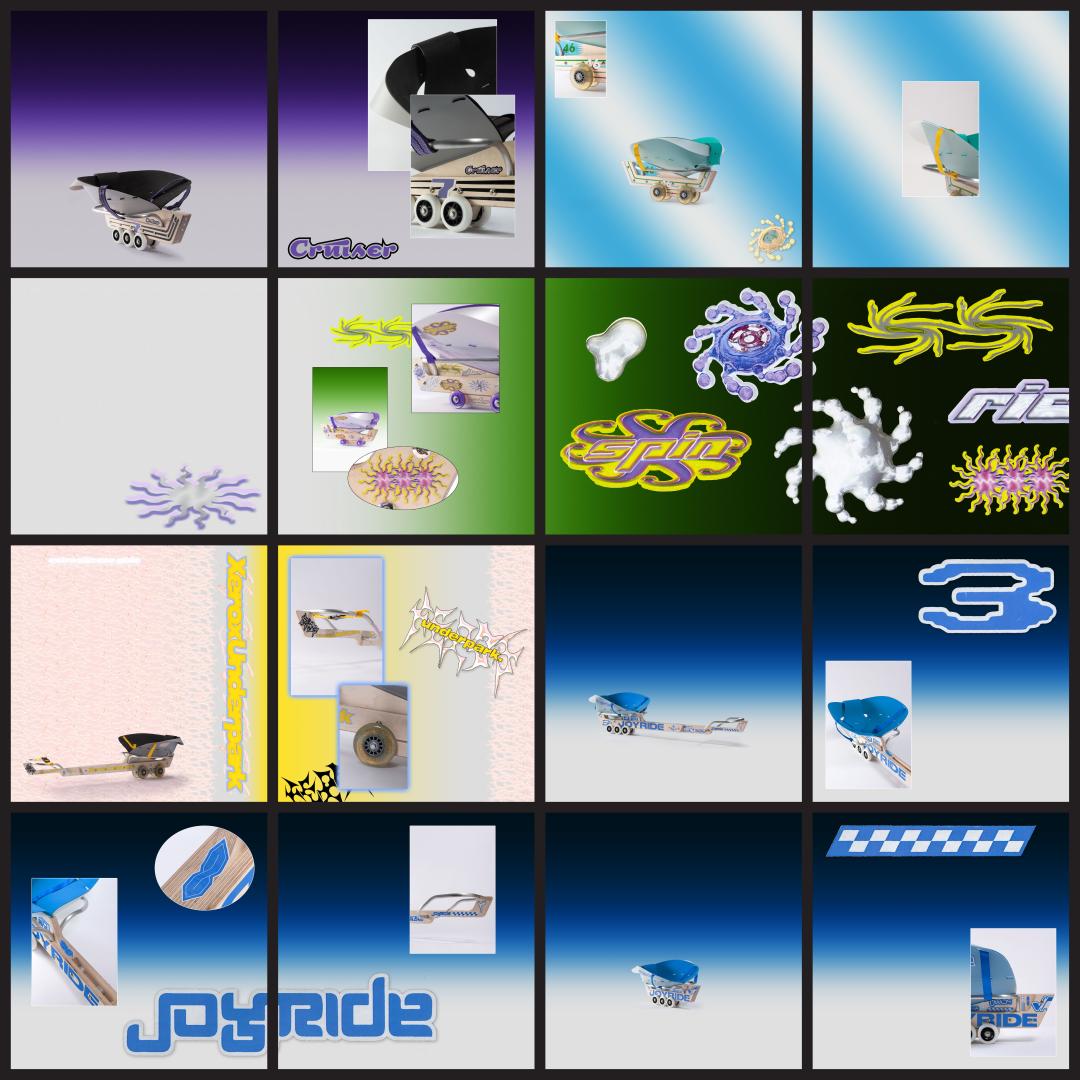
Joyride is an accessible and modular para-hockey equipment, a team sport based on the rules of ice hockey but is practiced in a sled, on ice or on wheels, in order to open access to people with disabilities. Inscribed in an urban context, this project is part of a reflexion on inclusion through sport.
Project Region
EU Programme or fund
Description of the project
Summary
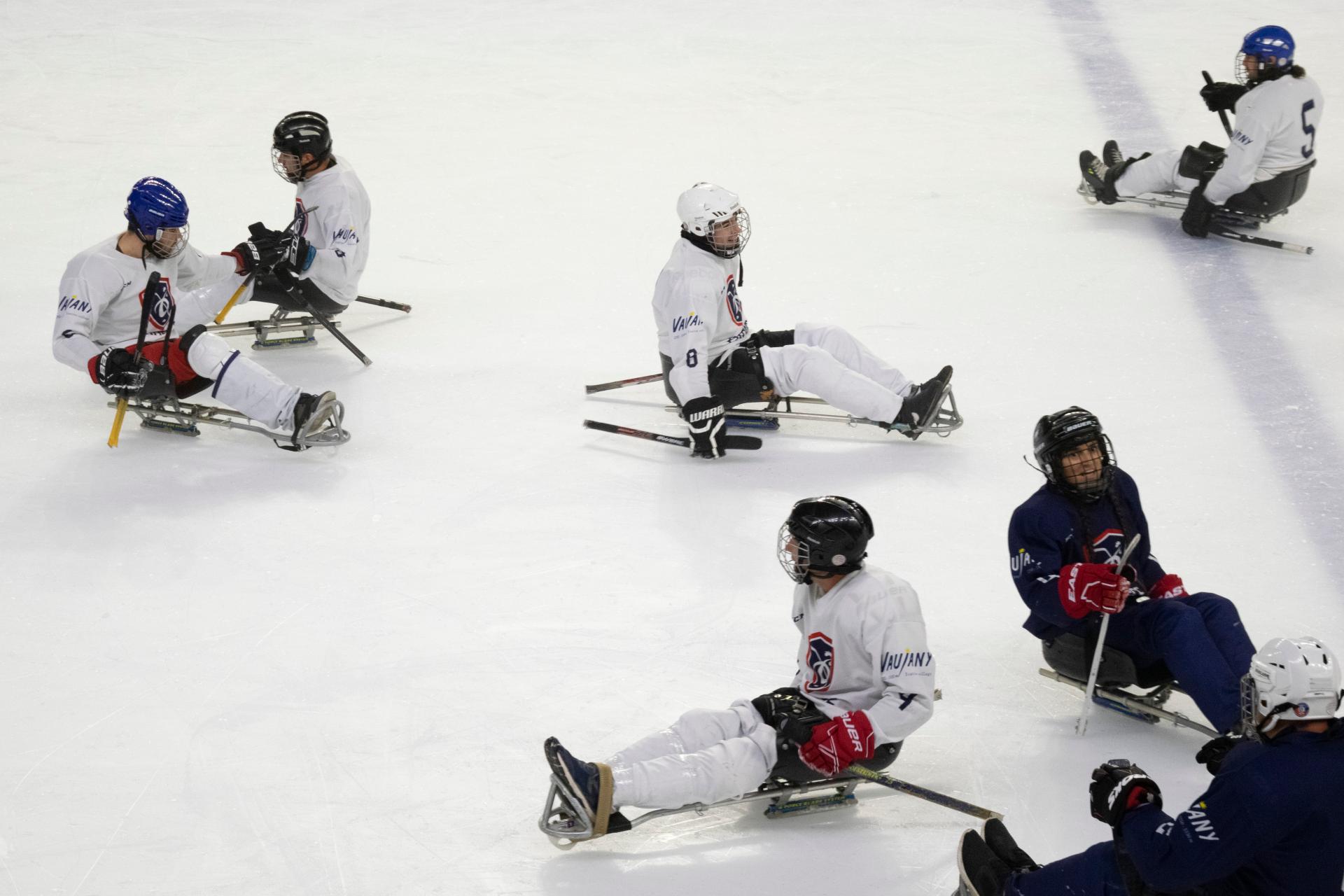
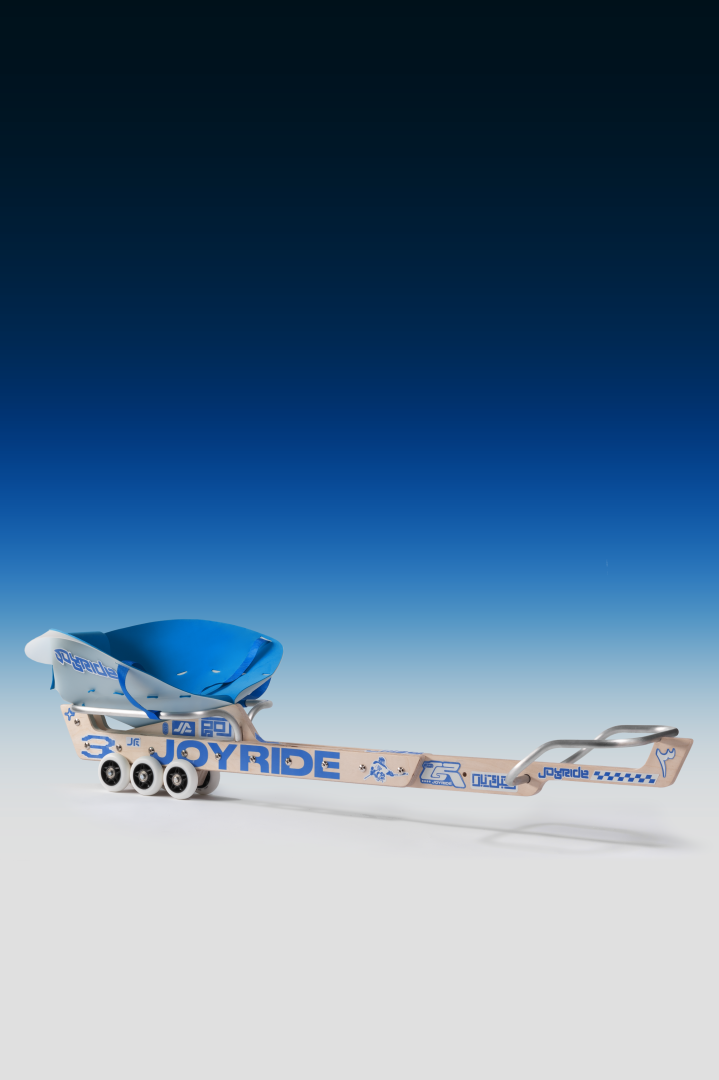
Joyride is a piece of equipment for para-hockey, a team sport based on the rules of ice hockey but which is practiced in a sled, on ice or on wheels, in order to include athletes with physical disabilities.
I started the project with a study on the social, cultural and industrial issues of para-sports in general, and para-hockey specifically. One of its qualities is its great diversity (age, gender, disability): it is an emerging sport with considerable potential as a means of social inclusion.
One of the major obstacles to the development of para-sports for people with reduced mobility is the exorbitant cost of equipment. The latter is most of the time caught in industrial monopoly schemes, which hamper the empowerment of players in regards to their hardware.
I analyzed these aspects with sports historian Eric Perera (Univ. De Montpellier), a specialist in industrial and DIY issues surrounding para-sports.
In addition, manufacturers use very expensive processes (injection, extrusion), poorly suited to the volume of orders for this young sport as well as to the diversity of the bodies of sportsmen and women.
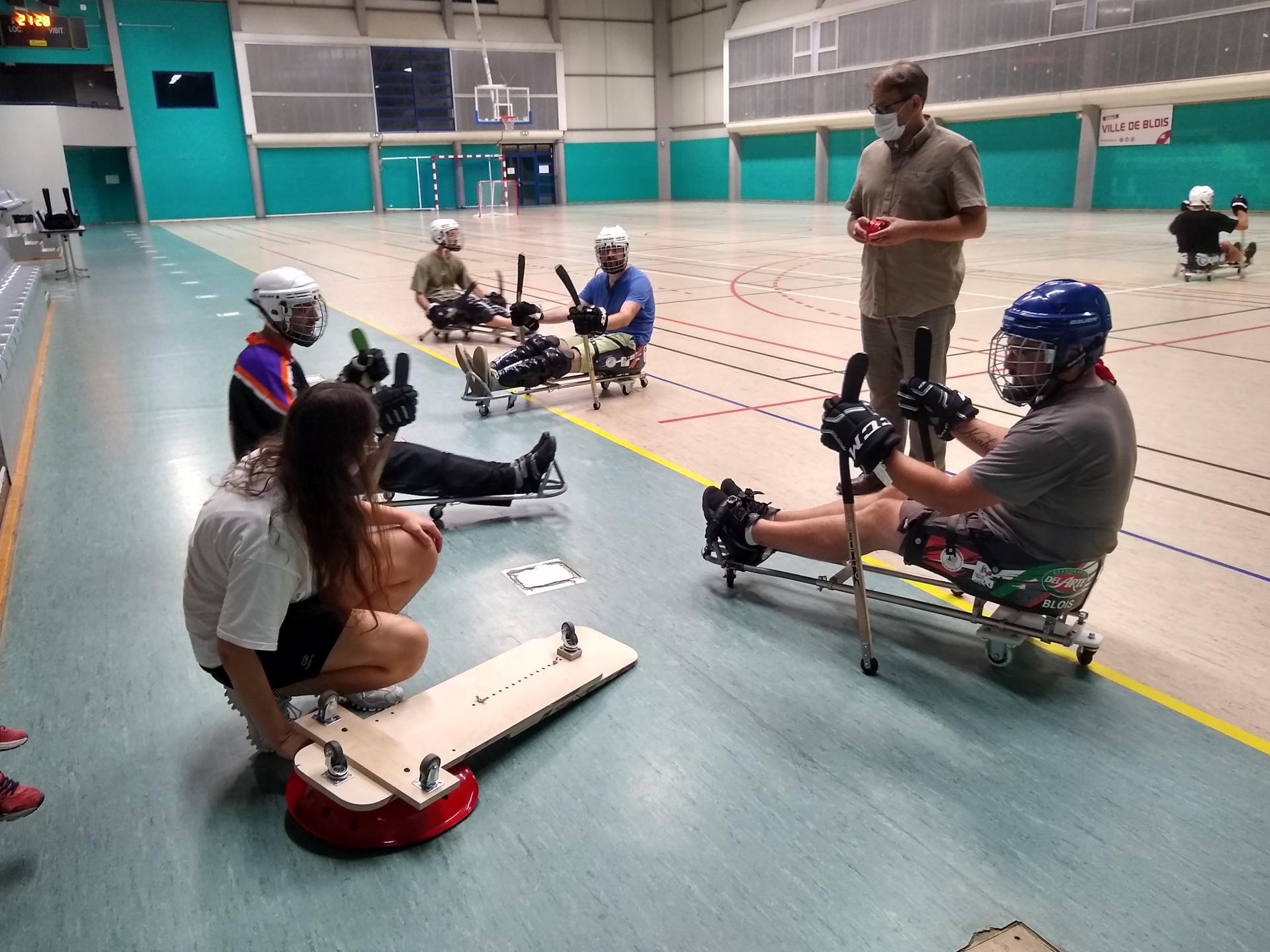
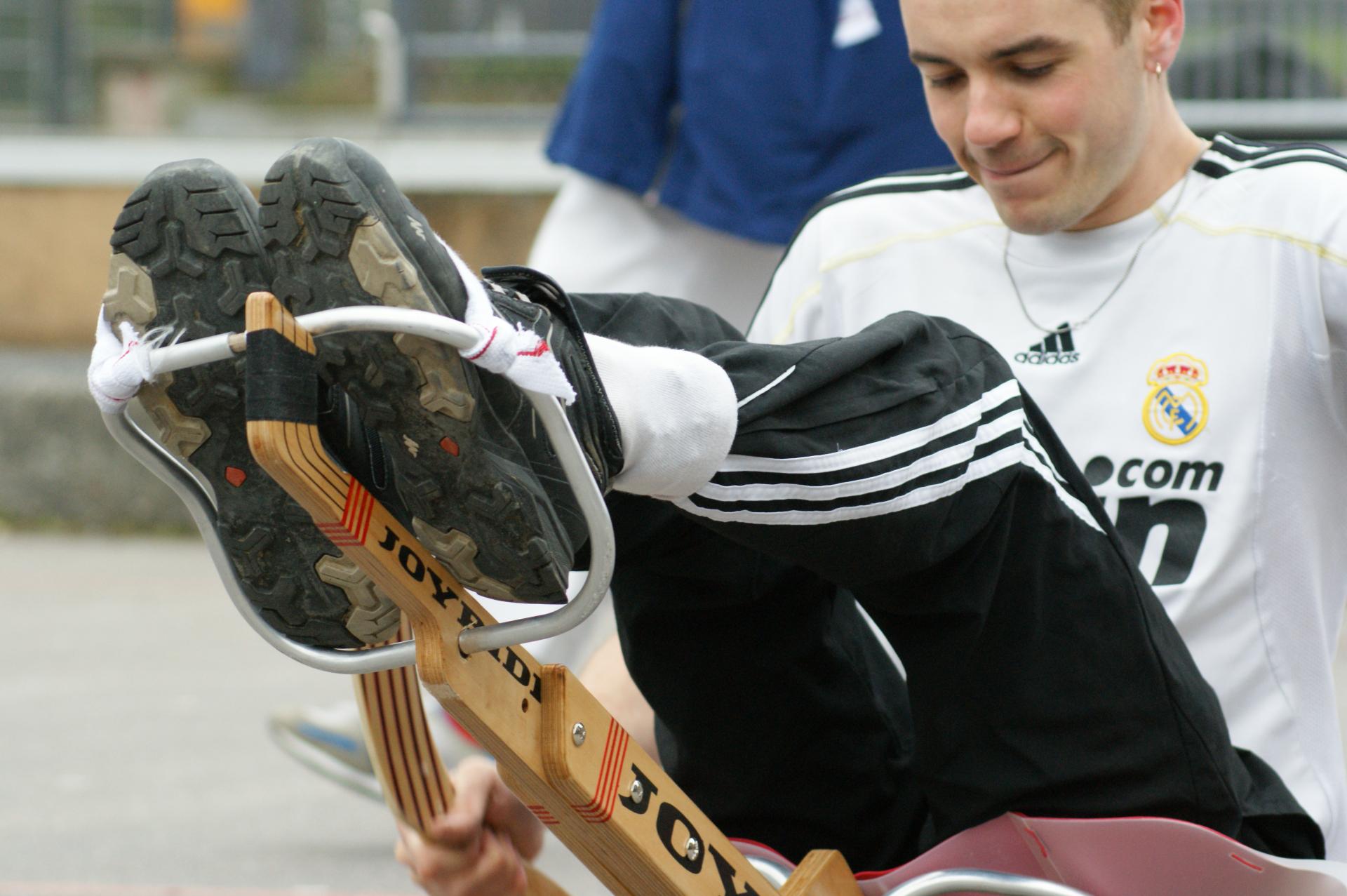
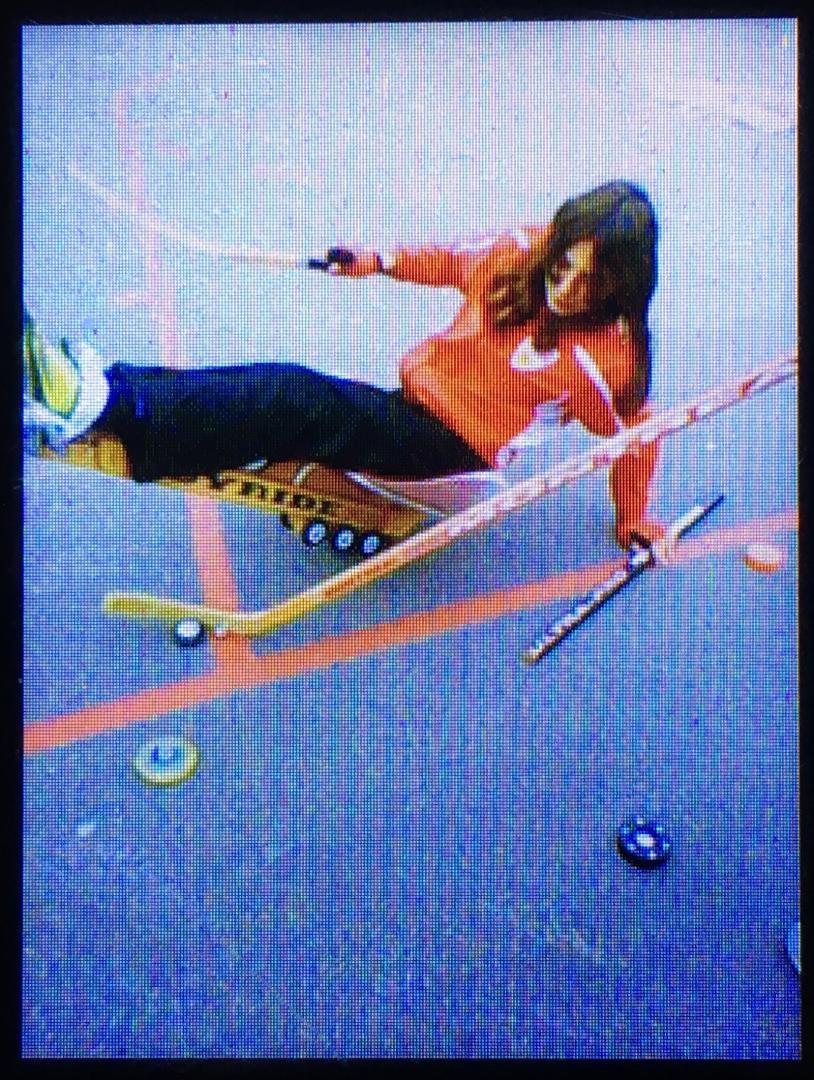
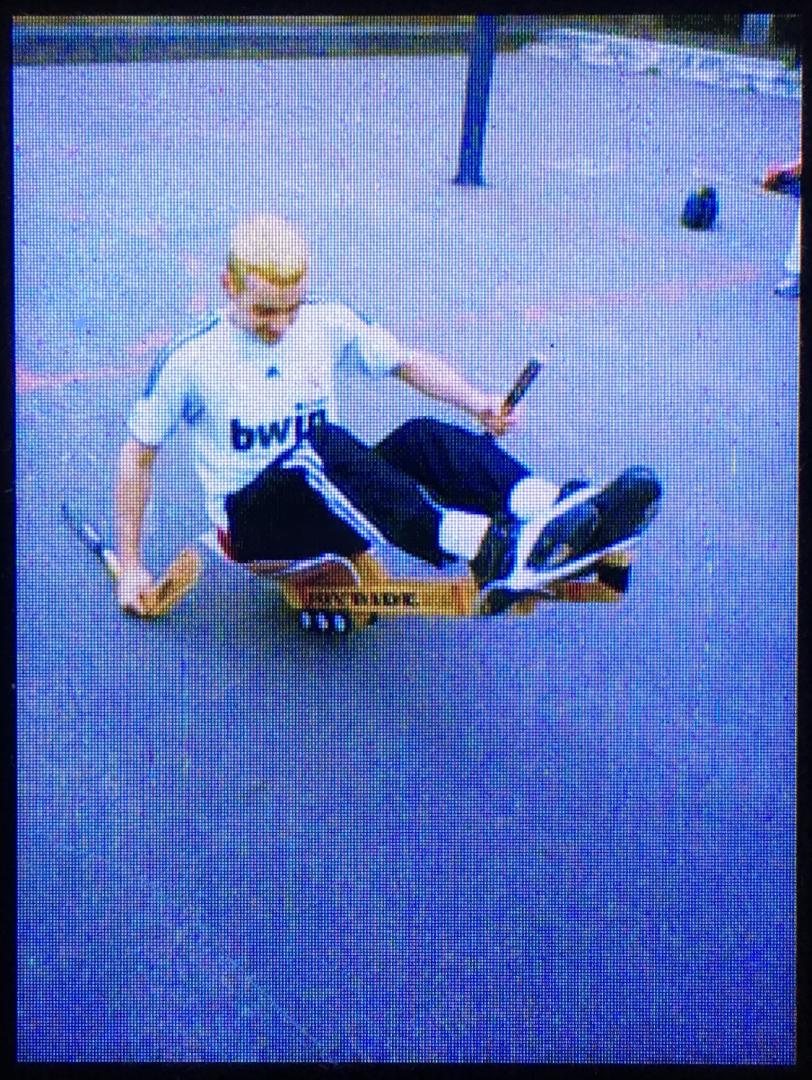
I then carried out a series of research with the aim of offering an inclusive, customizable and easy to manufacture para-hockey sled. I am developing two models that have been tested and proven during club training, such as the Blois handisports. I opt for the practice on wheels because it is more accessible, does not require an ice rink, and can even take place outdoors, in squares, like urban board sports.
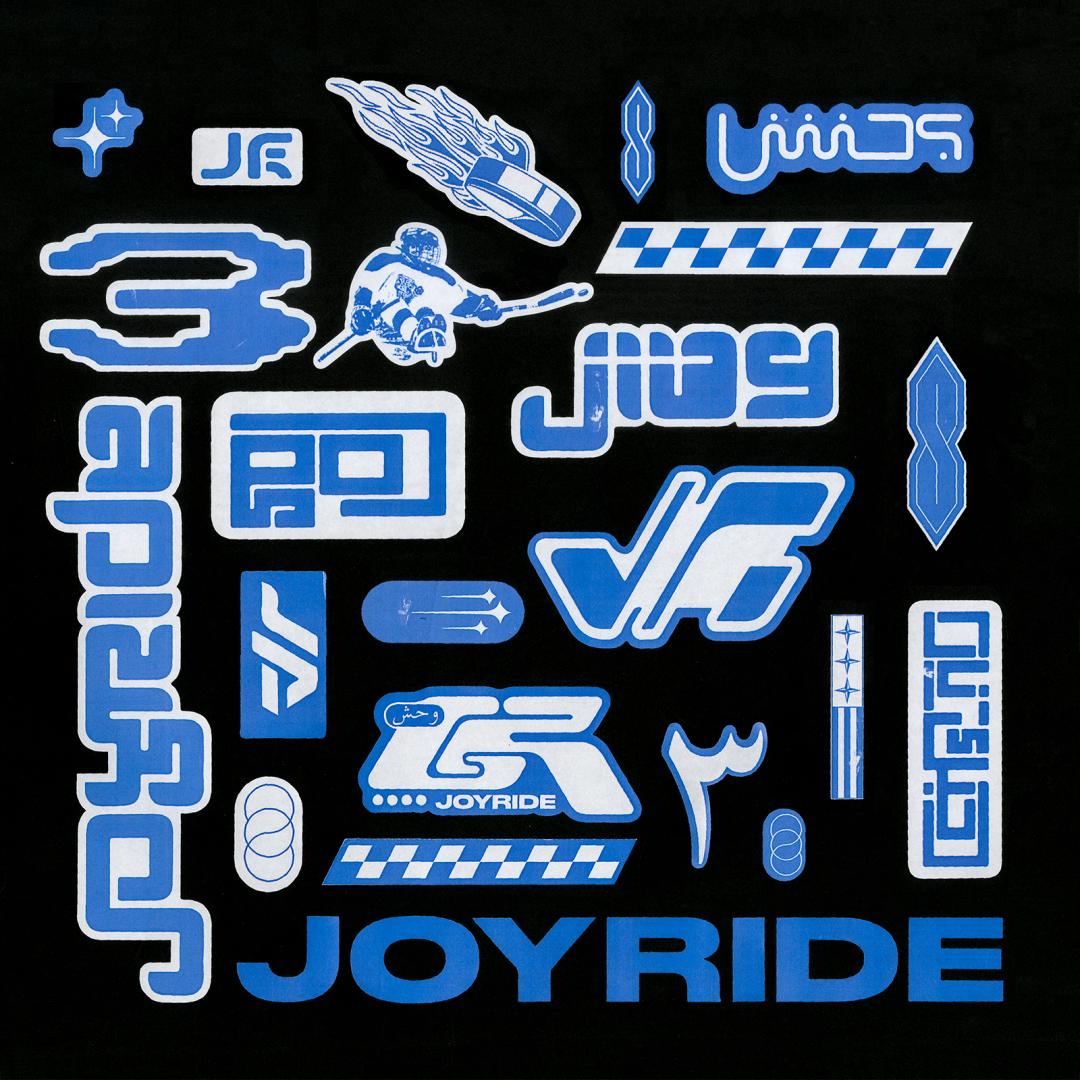
A major challenge of this project is to extract para-sports equipment from the medical field with which it is associated and to infuse it with a sporty and urban vocabulary. The graphic customization completes this work.
Key objectives for sustainability
This project addresses issues of sustainability by expressing the following commitments:
-Using respectful and sustainable materials, systems and production logics.
-Involving the actors who revolve around the projects in order to imagine forms of co-creation.
-Defending a design practice which is accessible to all.
-Using design tools to transmit knowledge and raise public awareness with the aim of empowerment and emancipation.
By exploring sport as a fascinating framework for analyzing social inclusion issues, I developed a vision of sport design as freed from the consumer goods market and reinserted in networks of local production and know-how that traditional sports boasted in the past.
Moreover, the technique is transparent and the object is customizable and designed with user autonomy in mind, which guarantees ease of repair and adaptability during the sled's life.
Key objectives for aesthetics and quality
One of the main objectives was to inject a dynamic and sporty vocabulary into the design of the hockey sled while, at the same time, meeting budget constraints.
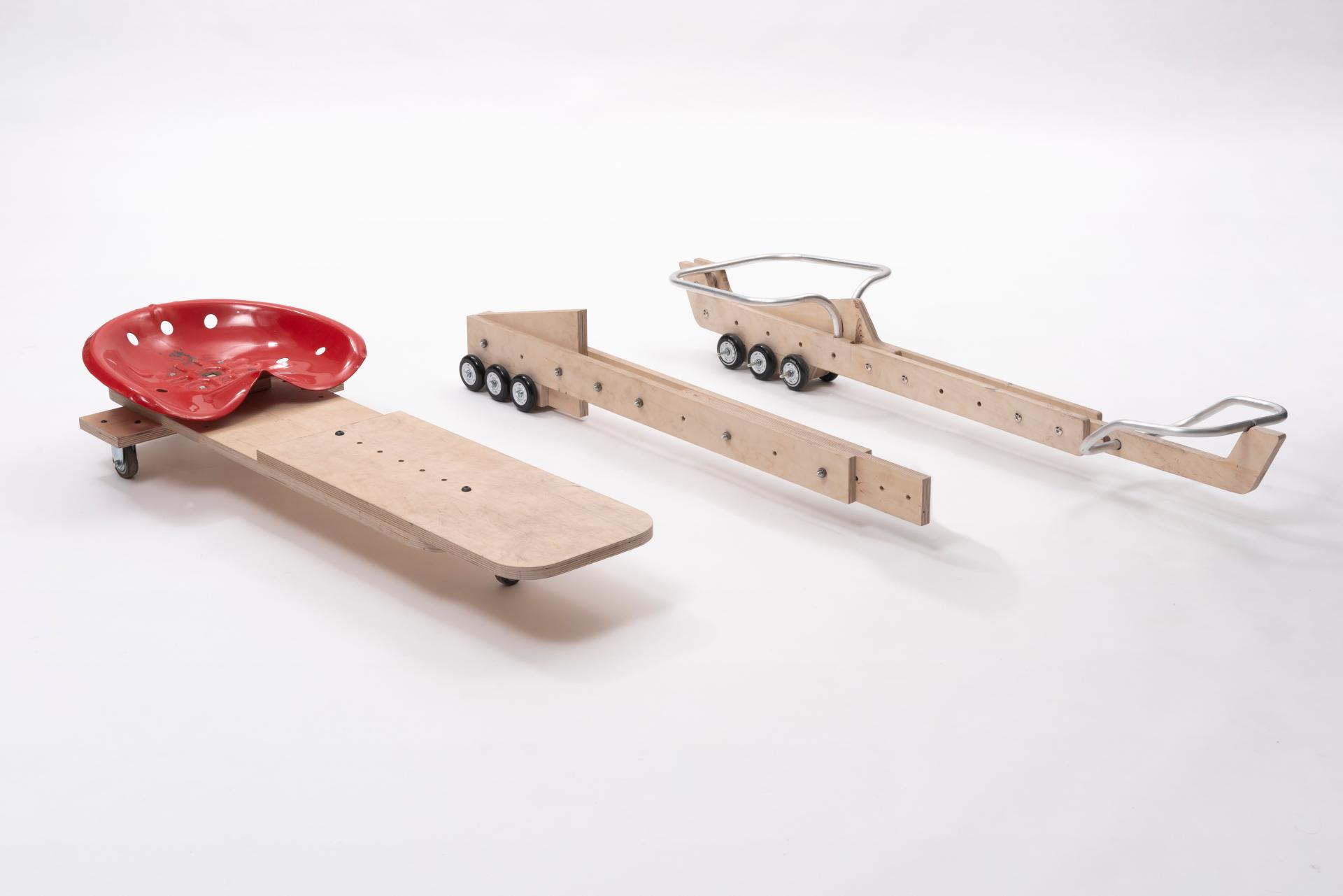
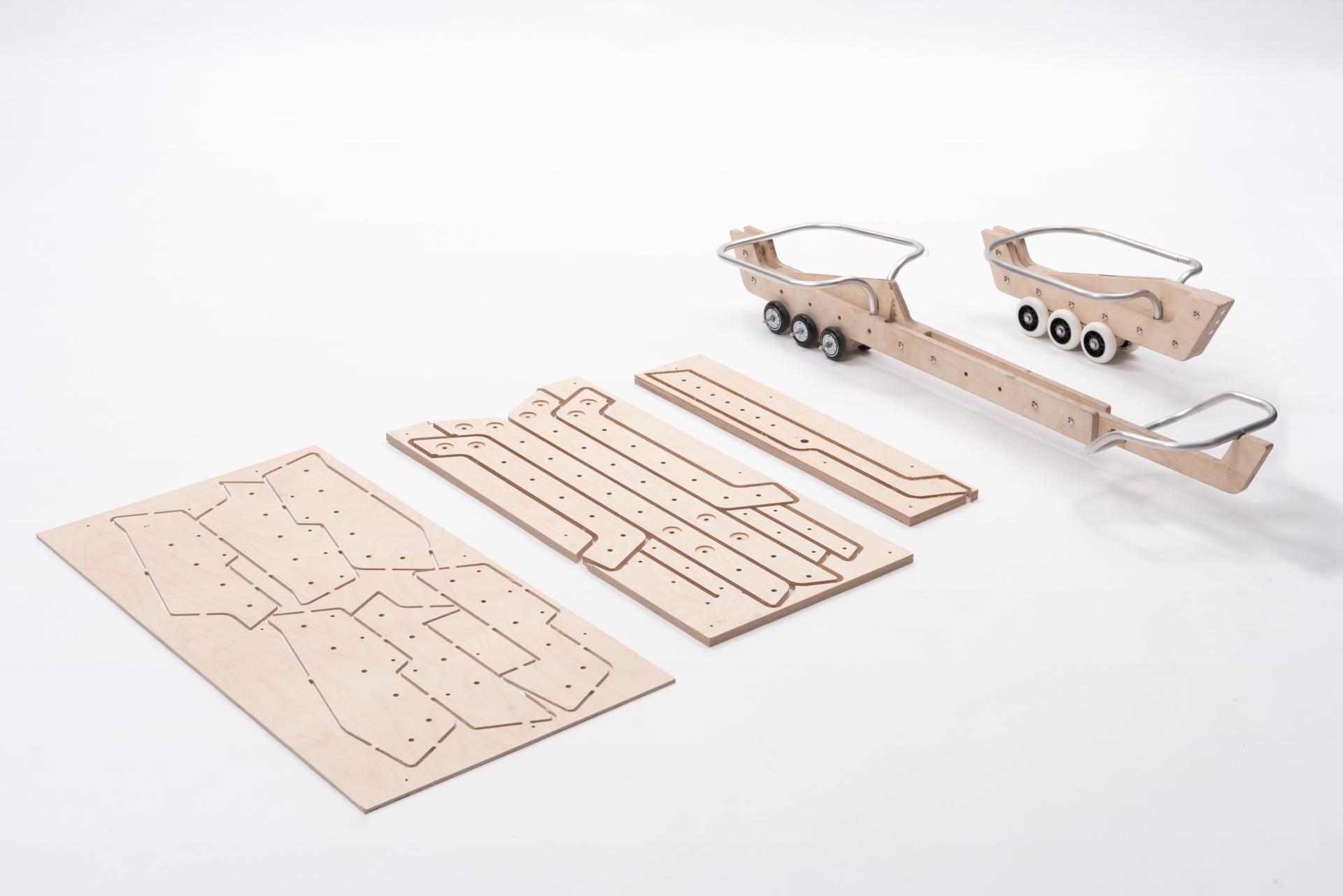
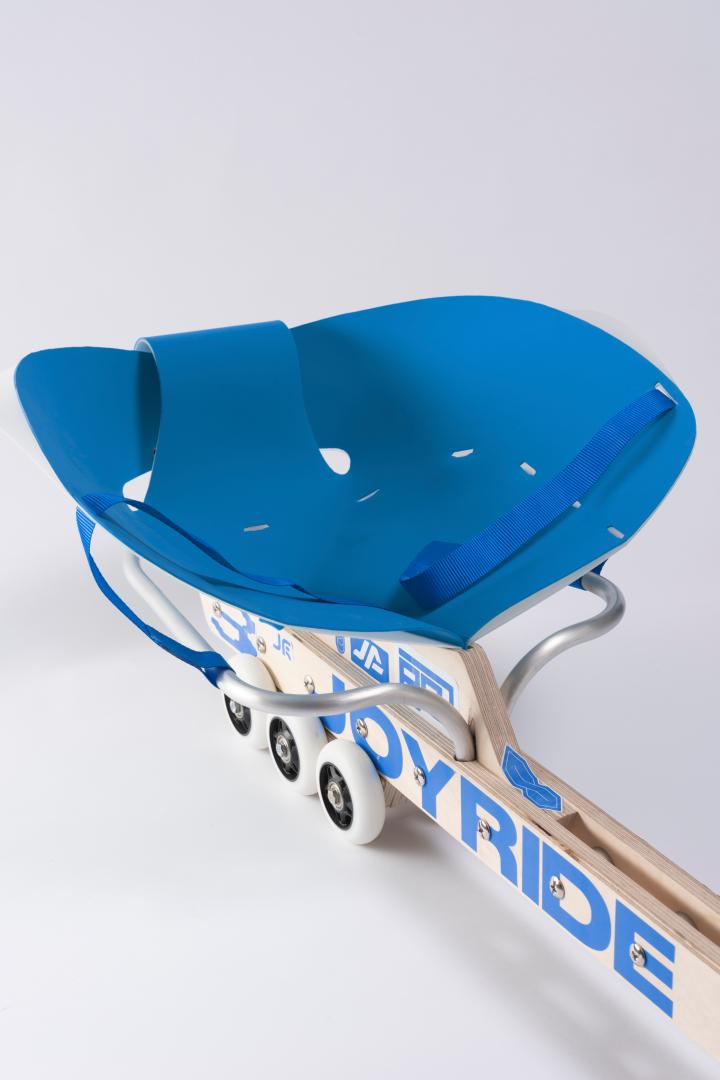
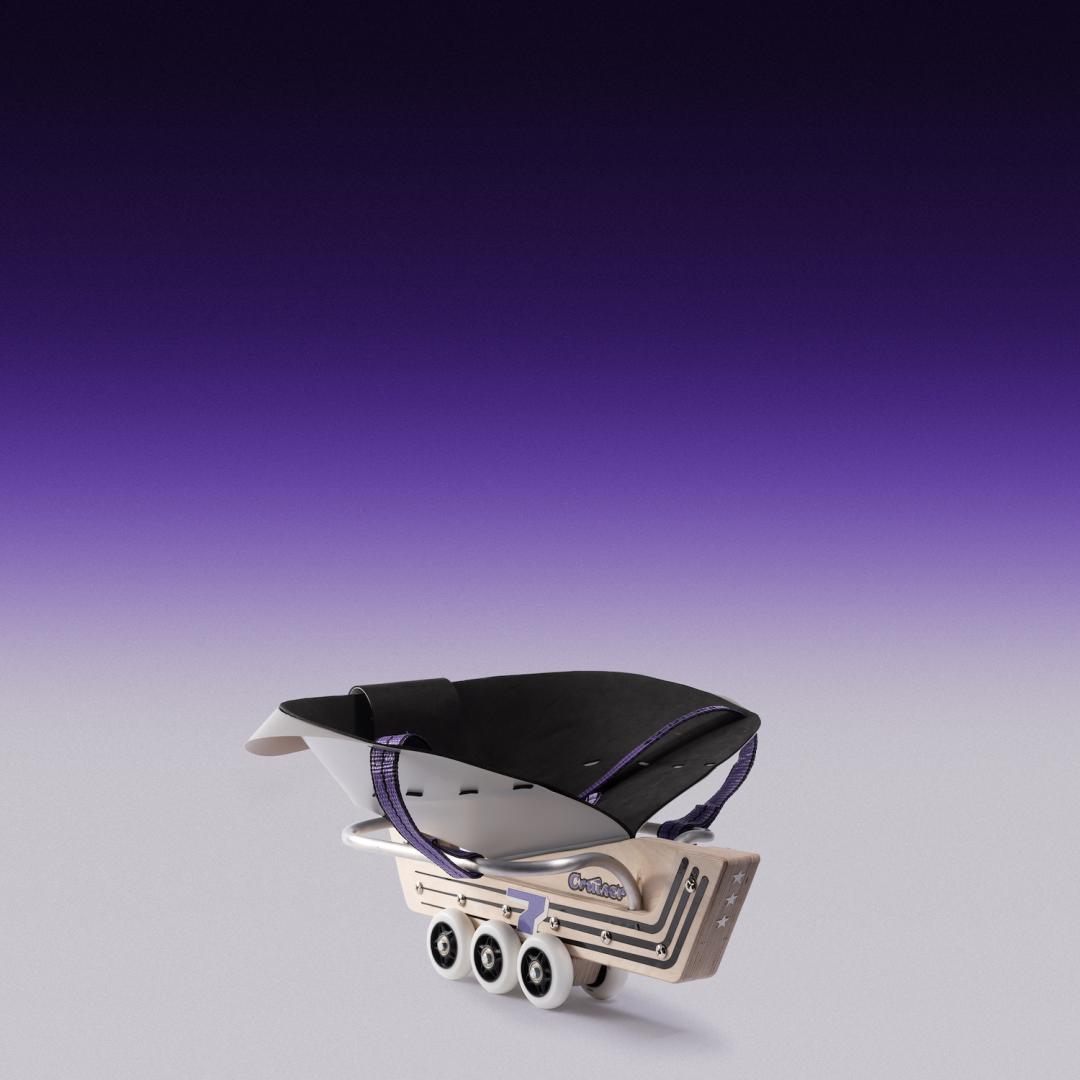
I opted for a molded plywood structure for its strength, ease of machining and its connection to the world of board and urban sports. The structure is based on the wheel placement, in such a way that it improves performance, velocity and turning in tighter angles -- qualities that are often overlooked in the design of para-sport equipment which always favors safety.
The wheel mount uses standard elements and connectors taken from urban sports, such as roller skating and skateboarding, hence adapting the sled to urban surfaces and taking the sport out of the gym and into street corners and city squares.
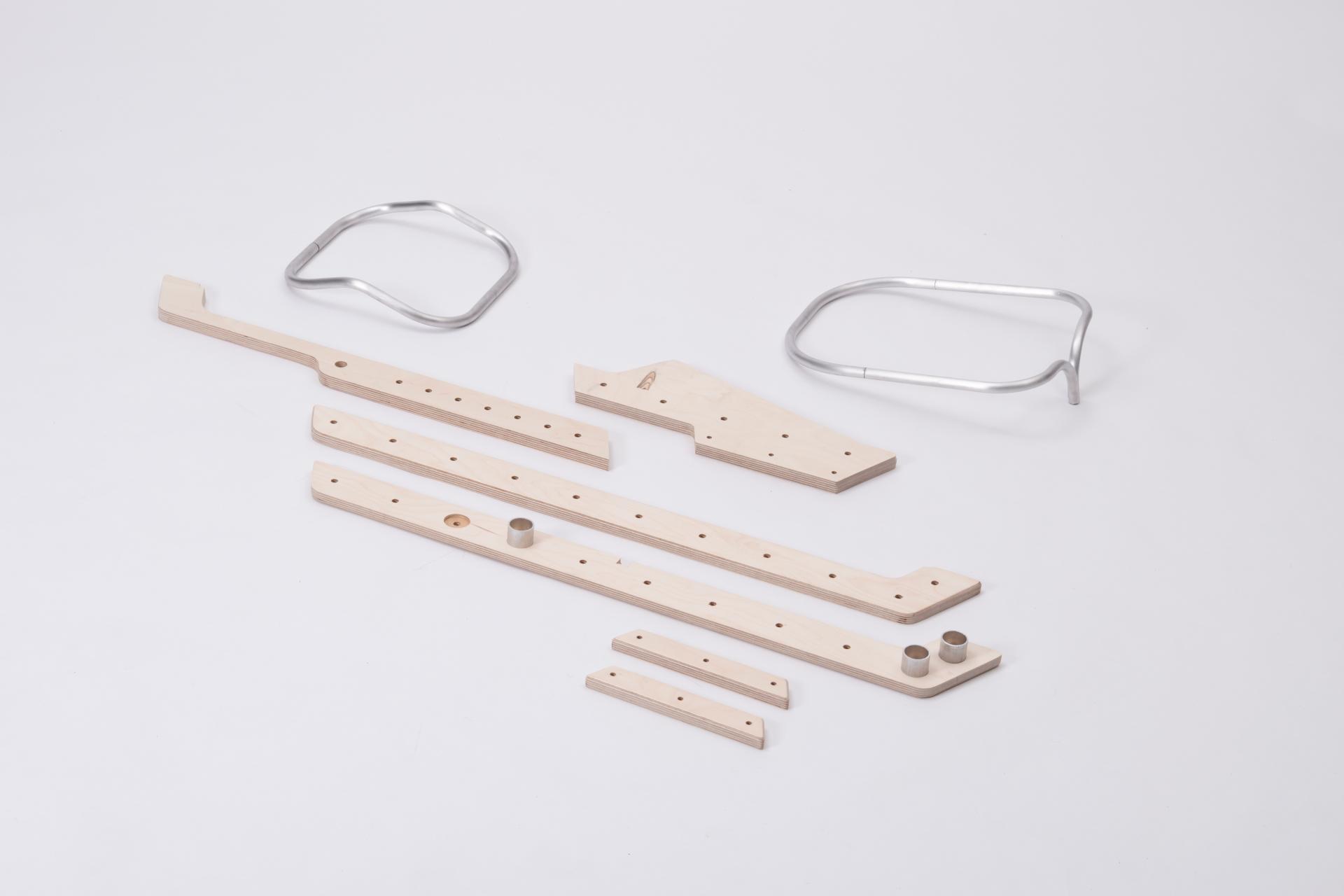
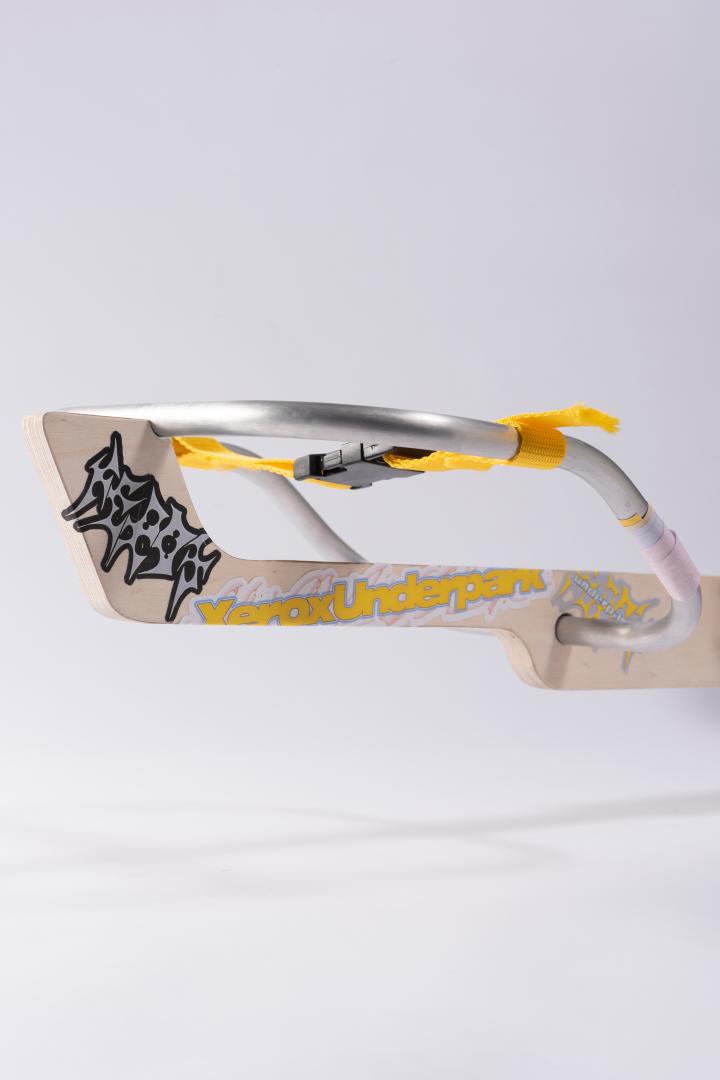
The structure of the object itself is based on a masonry technique called "moisé", which combines two wooden beams with aluminum spacers and offers great resistance to torsions. This also greatly lightens the sled and provides the areas where all the accessories (seat, foot holder, belt, wheels) are to be plugged.
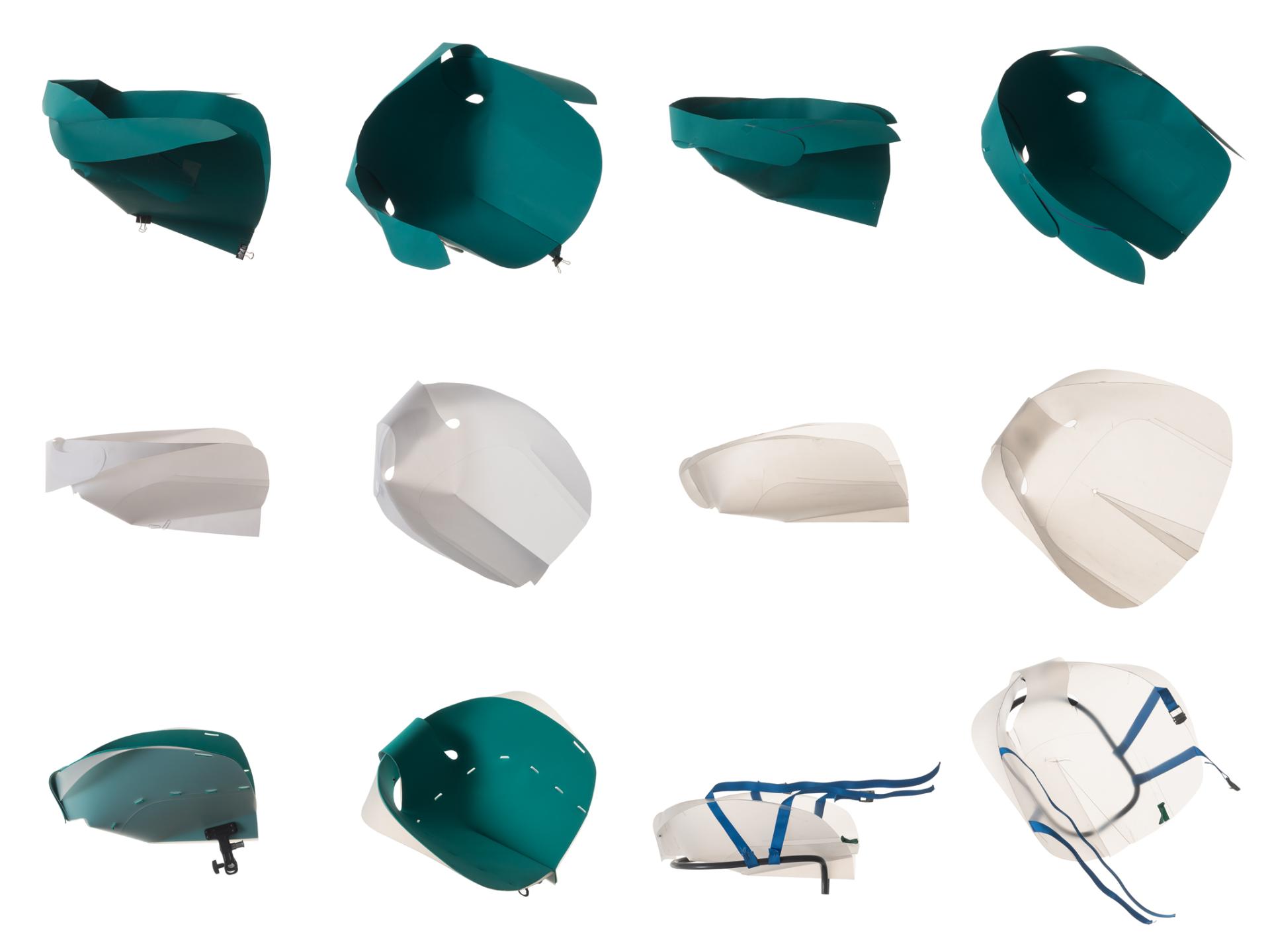
The seat is patterned flat in a thick polypropylene sheet and polyethylene foam which are then shaped by riveting, inspired by proto-industrial bodywork techniques. This offers greater adaptability to different bodies - by simply modifying the pattern - and bypasses the expensive process of plastic injection and the machining of several different molds.
The sled is designed in such a way that the hockey team or athlete, based on their craft skills and level of autonomy, could either self-build their own equipment using basic portable power tools, or order the spare parts from local workshops and craftspeople for a fairly low price.
Finally, a lot of attention was dedicated to offering the possibility to customize the hockey sled, to suit the identity of a club or an athlete. Different decal sets were this created for inspiration.
Key objectives for inclusion
During my survey of para-sports associations in France, I was able to make a crucial observation: the vast majority of practitioners are able-bodied. Indeed, we tend to think that these sports are practiced only by people with disabilities, probably in reference to professional events such as the Paralympic Games. However, amateur practice shows that clubs are generally formed around a person with a disability, and bring together family, friends and relatives. This is what makes para-sports, in general, vectors of social bond.
By its great diversity and its success with older players, para-hockey stands out as a very generous and inclusive practice - even if its equipment says otherwise.
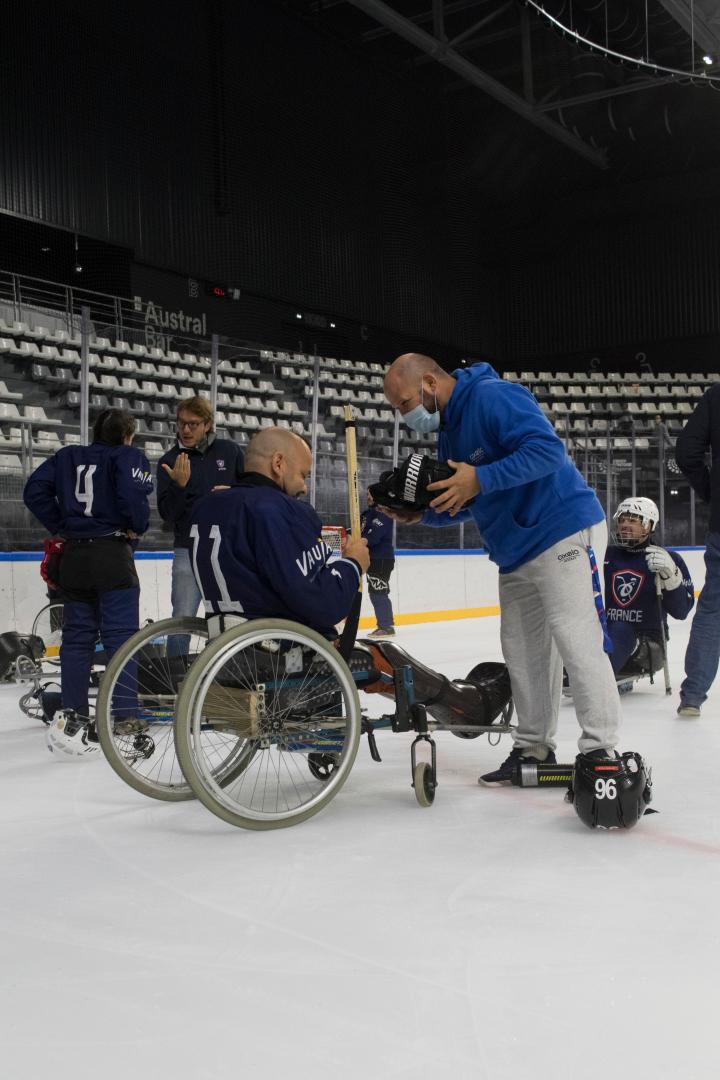
Today in France, there are 6 professional para-ice hockey teams and an amateur association in Blois, which plays on wheels. If the teams seem too few, now is the right time to develop this project. Several amateur clubs are being formed, notably in Angers, and professional clubs plan to open sections for amateurs on wheels in the next two years. In addition, the French Ice Hockey Federation began its selection of a French team for participation in the 2026 Paralympic Games - I was able to participate in their first training camp in Cergy in September 2020. The Federation believes that this action will make para-hockey known and will have considerable repercussions on the amateur development of this sport in France.
The organization of solidarity networks specific to para-hockey challenges the vision of sport as a simple competition. By making the practice of this sport more accessible, these are moments of sharing, cooperation and transmission that we put in place. Today, more than ever, it seems important to me to strengthen these times and spaces for meetings.
Innovative character
Para-sports are not just for people with disabilities. Very often, these disciplines reach other audiences, such as the elderly. When this is the case, the industrialization of the hardware becomes interesting. However, this situation poses many problems. It makes disabled sports dependent on the interests of able-bodied people and raises the question of standardization which reduces production costs but does not meet the needs of the diversities of the bodies of practitioners.
DIY, meanwhile, remains confined to a small community that has the time, the means and the know-how, and struggles to offer a universal solution.
There are two manufacturers of para-hockey sledges, in Canada and the United States. The cost remains high due to the novelty of the sport, which keeps it in a cycle of inaccessibility: in France, it takes 20,000 euros to set up a team of 10 players. Furthermore, the production logic does not correspond to the volume of orders or to the challenges of adaptability.
My project is innovative in the design posture that I adopt: I do not offer a product, but a model that adapts to the needs on the ground, as well as my support. The development of para-sports is the result of determined volunteers who pass on their know-how to associations in training: How to create a legal structure? How to find funding? How to organize a tournament? This is why the dimension of sharing and transmission is at the heart of my approach: although I am the driving force behind the project, I joined the solidarity network of associations with the aim of integrating the production of the equipment within the pack of knowledge to be transmitted to emerging structures.
The relevance of the project also lies in the appropriateness of the processes, which are both more suited to the volumes and challenges of para-sports: standardizing equipment intended for people with disabilities is practically an aberration.