AGENDA 2030 ART
Basic information
Project Title
Full project title
Category
Project Description
AGENDA 2030 ART is an ongoing project since 2015 which proposes, through the messages of the creatives of the Territory, the promotion of the Sustainable and Inclusive Development of the 2030 Agenda's Goals to future generations.
Project Region
EU Programme or fund
Description of the project
Summary
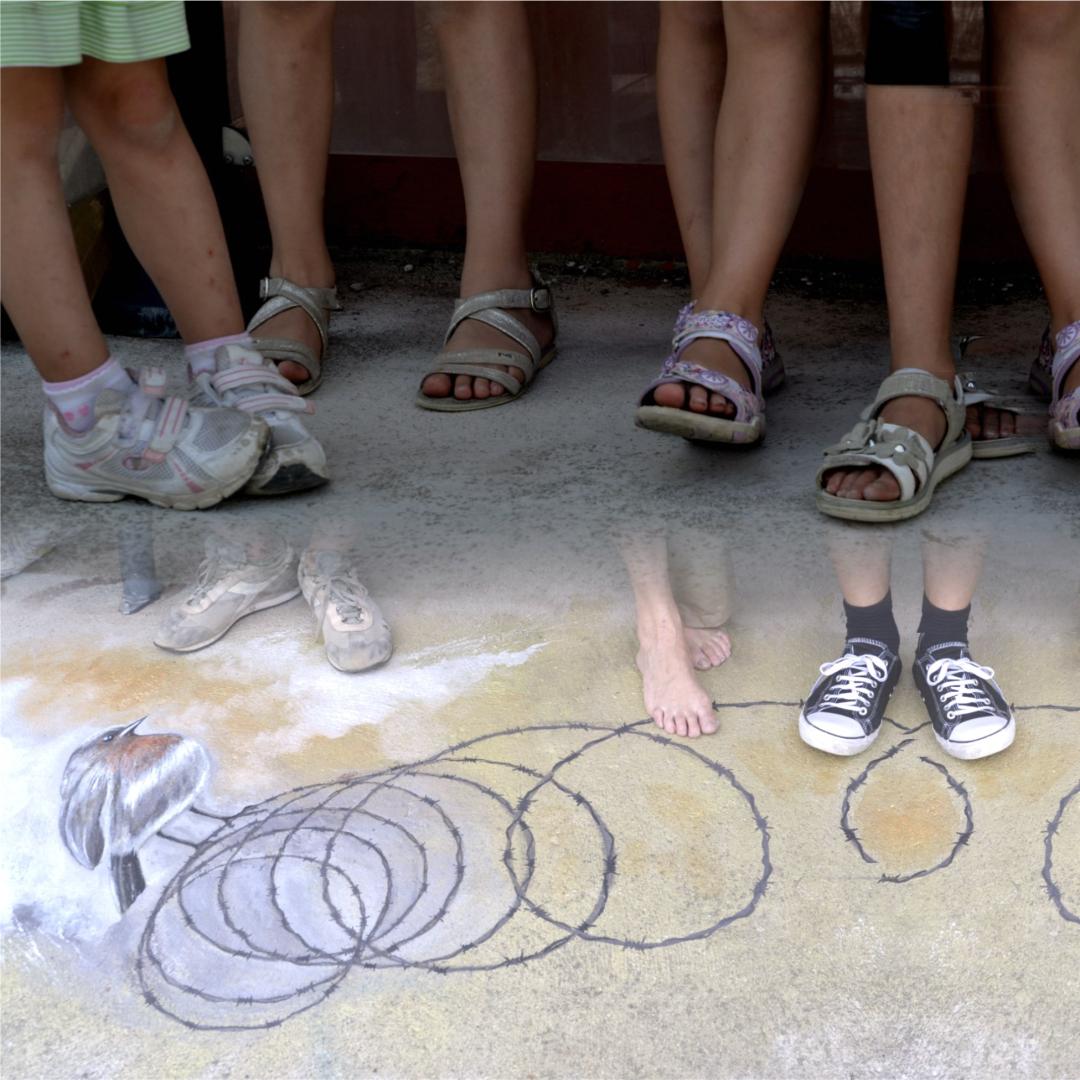
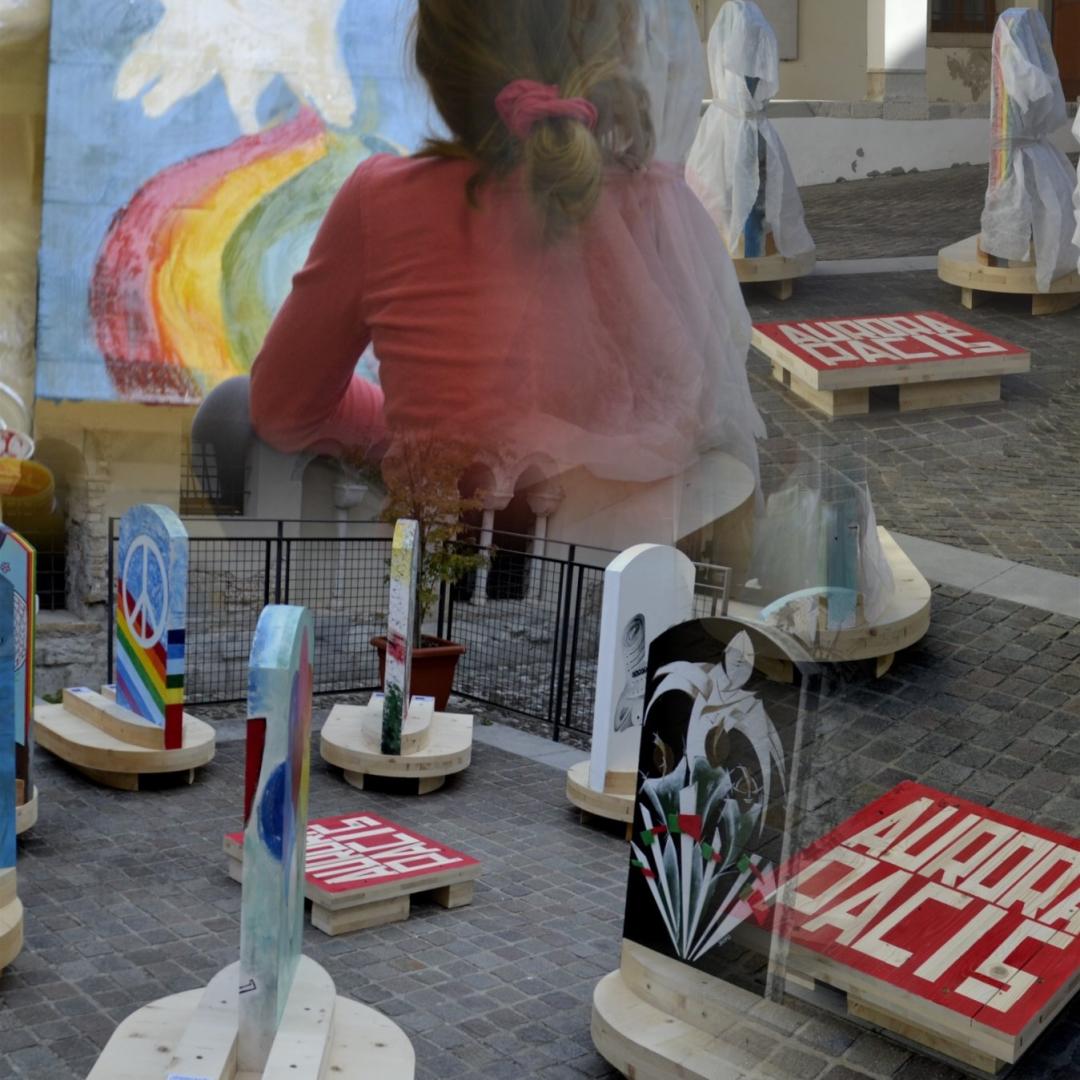
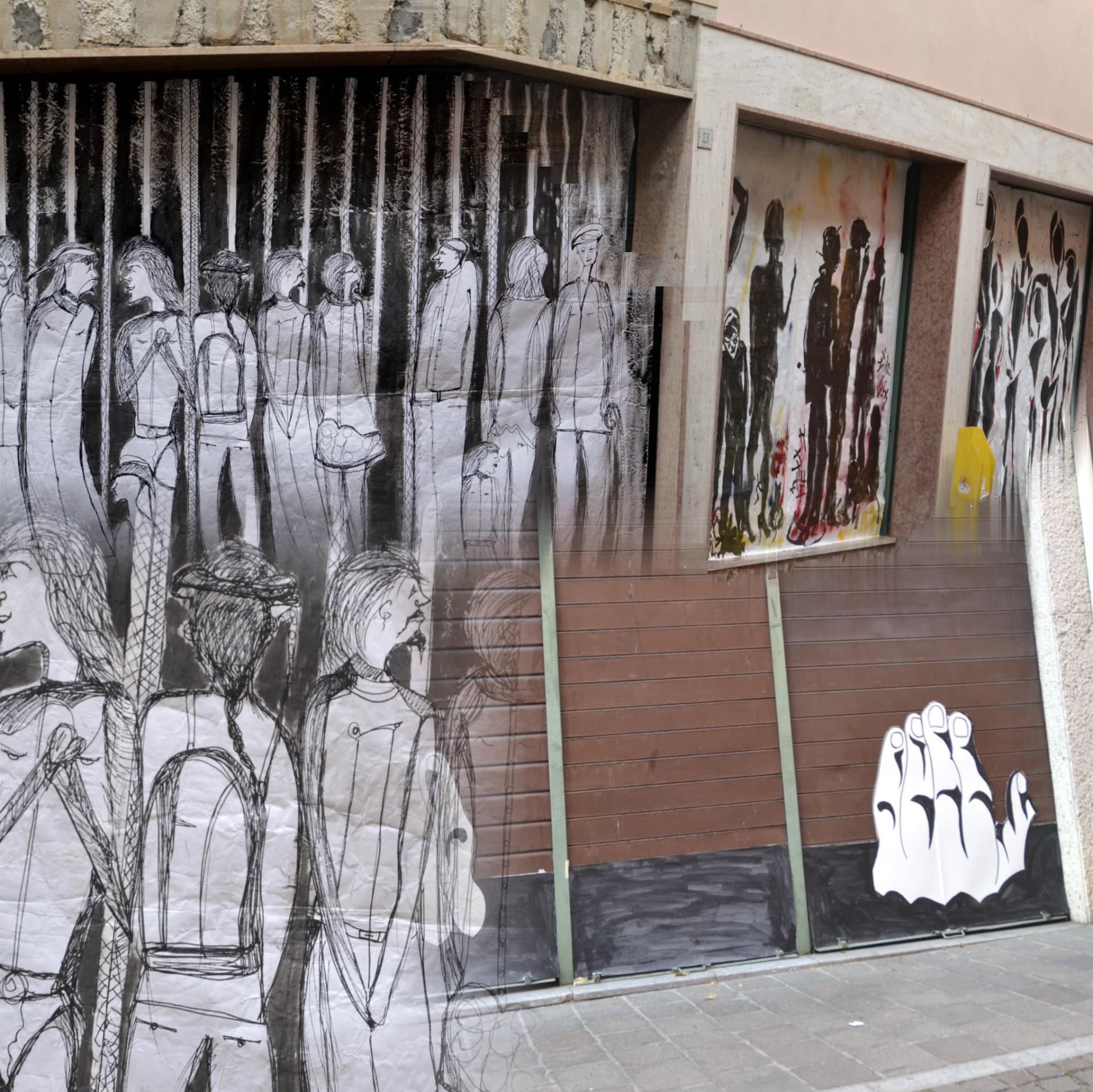
"Since 2015, Centro Friulano Arti Plastiche adheres to the promotion of the 17 Goals for Sustainable Development of the 2030 Agenda with the proposals of the Creatives of the Territory. The projects are published on the official website of the European initiative www.esdw.eu and represent Italy in this context on the recommendation of the Ministry of the Environment from 2015 to 2020. Cividale, San Daniele, Dogna (and other Municipalities of the Friuli Venezia Region Giulia) narrate, through the creation of AGENDA 2030 ART, how our Region can be considered the first Territory to promote, with different declinations, through contemporary creativity, from sketches to works of art created by the artists of the Territory, the promotion of the same through the message of the 17 Goals of the 2030 Agenda. From the Tombini to San Daniele, Remanzacco, Cividale, to create a narrative path; to the sails, works without a frame stretched with ropes in historical areas such as the Portico del Lippomano in Udine; to installations in the public space. Public art in public space, temporary and ephemeral works to attract attention with the languages of contemporary art on the themes of the 17 GOALs of the 2030 Agenda. Michele Gortan, President of the CFAP, as well as creator and curator of these projects linked to the Agenda 2030 is conducting a promotional activity on the regional, national and international territory with this innovative contemporary Choral Opera. "
Key objectives for sustainability
Agenda 2030 ART, or the challenge initially proposed to the creatives of our territory, is to seek and / or re-search "the relationship formulas between the anthropic factor with the historical and cultural, geographical and architectural, social and economic aspects , rural and urban, linked to creativity and productivity, to analyze whether the goal is to live or survive, renovate or demolish, to redevelop and regenerate urban, private and public space. A proposal for urban redevelopment through small and simple actions that are the result of careful and conscious planning adhering to the programmatic lines of national and European political agendas, such as urban regeneration promoted by slow and sustainable mobility also through art on the territory.
Research, design, experimentation of virtuous processes to propose an urban and extra-urban regeneration through social, environmental and sustainable development, with reference to the European Landscape Convention, the memoranda of understanding at national and local level, the Regional Landscape Plan and the Agenda 2030. "
Key objectives for aesthetics and quality
Can art activate a virtuous process for the sustainable revaluation of the urban landscape from private to public? Can Art activate a virtuous and participatory process for the re-reading and re-qualification of the Landscape and make a contribution to its understanding?
These are the themes and topics of reflection addressed on the occasion of the National Landscape Day with a conference entitled "The creative spirit in the Landscape" in 2019, at the prestigious rooms of the Superintendence of Archeology, Fine Arts and Landscape of Friuli Venezia Giulia in Udine. "Agenda 2030 ART - Landscape" is the reading of how the activity carried out from 2015 to 2019 with projection to the future, can be considered a work of raising awareness in the re-reading of the Landscape. At the same time, the previously planned activities continued their course, with the sole variant of continuous extensions to the "removal" of the temporary works located in the area. The planning of a transversal path, that is, the table of culture is a transversal table, or rather neutral, a "non-place" where everyone can sit down and, with a "ticket" in hand, talk to the neighbor to collaborate and generate a present that you think generously about the future of our descendants, motivated by noble principles and values. Art, sensitivity with courage and accompanied by a hoped-for foresight of the artists, could be the element that helps the lazy "human" to remove dust and polish "ancient tools" from forgotten works.
Key objectives for inclusion
This is to narrate that in February 2019 the "call for papers" for participation in the V ^ Biennale of Public Space in Rome appeared. “INCONTRI” is the inspiring theme of this international event. We want to give voice to the growing protagonism of city-makers, single or associated citizens, who show a growing interest in a physical reappropriation of the city with the promotion of projects and initiatives that give quality and vitality to public spaces. Committees and associations will be able to meet with representatives of municipalities and regions, professional associations, universities and companies, to propose effective and shared solutions. The theme is divided into 3 thematic areas: public green, sustainable mobility and public art. The international call for papers "DIVERSEcity" was also promoted within the planning of the 2019 Public Space Biennial, which aims to share theoretical research and applied experimentation developed by scholars, designers and lovers of the many related disciplines. Participation, open to different disciplinary skills, is aimed at the creation of a digital publication, published by the CNAPPC. “Agenda 2030 ART” was evaluated and included in the workshop on public art and urban, social and cultural regeneration. The best essay and project contributions on themes and keywords inherent to the planning of the Biennale dello Spazio Pubblico 2019 were selected, set out within the 17 objectives that the United Nations Organization, in 2015, identified to identify the unavoidable tense actions to the improvement of the development of the planet in terms of sustainability and equity, to urge a critical approach, to foster a multidisciplinary dialogue starting from the relationship between public spaces and diversity.
Results in relation to category
"Agenda 2030 ART" was a project aligned with innovative ideas and proposals with which "public art triggers processes of cultural, social and environmental regeneration".
We can affirm that, with passion, dedication, effort, courage, planning and pragmatism, the results on the territory, brought to the vision and comparison at the national and international level at the Biennale of Public Space in Rome, confirmed the current, contemporary and the quality of the work carried out in the last 5 years.
The ephemeral and temporary artistic expression proposed by the artists, to tell a story, to propose a Message of sustainable development using a path that, through an urban and extra-urban environment, can promote our territory with a global language.
"Agenda 2030 ART" was evaluated and included in the workshop on public art and urban, social and cultural regeneration and the best essay and design contributions on themes and keywords related to the planning of the Biennale dello Spazio Pubblico 2019 were selected. , set out within the 17 objectives that the United Nations Organization, in 2015, identified to identify the unavoidable actions aimed at improving the development of the planet in terms of sustainability and equity, to urge a critical approach, to encourage dialogue multidisciplinary starting from the relationship between public spaces and diversity.
“DIVERSEcity” represents a natural continuation of the call “The Creative City” held in the previous edition of the Biennial of Public Space (2017).
We presented the essay contribution requested for both calls for papers and the two essays are included in the digital volume as evidence of the activity carried out in the area.
"The experimental creative city" in the 2017 edition, "Agenda 2030 ART can develope DIVERSEcity?" in the 2019 edition written by the creator and curator of the project.
How Citizens benefit
The Municipality of Cividale del Friuli has collaborated for the realization of Agenda 2030 ART since 2016, co-financing the realization of the initiative, has made available portions of public land and interior spaces for exhibitions and related activities, without requiring any recognition for the temporal occupation of public land, recognizing the value and social-cultural usefulness of the initiative. The Culture Office of the Municipality has actively collaborated in the dissemination and promotion of the initiative. The Department of Culture collaborated and attended all the activities of the Project.
The celebration of the year of European cultural heritage with a project that rediscovered the artists of the 20th century through the 17 goals for sustainable development by inspiring contemporary artists in promoting a message to the new generations for a sustainable future with 49 sketches by contemporary artists who they generated the installations in the external path and the works of the projects on the regional and international territory.
The Healthcare Agency n.3 "Alto Friuli, Collinare, Medio Friuli" collaborated for the creation of Agenda 2030 ART, providing free portions of land and interior spaces for exhibitions and related activities, recognizing the value and social-cultural usefulness of the initiative. The Municipality of San Daniele del Friuli has collaborated for the realization of Agenda 2030 ART giving the availability to host some installations.
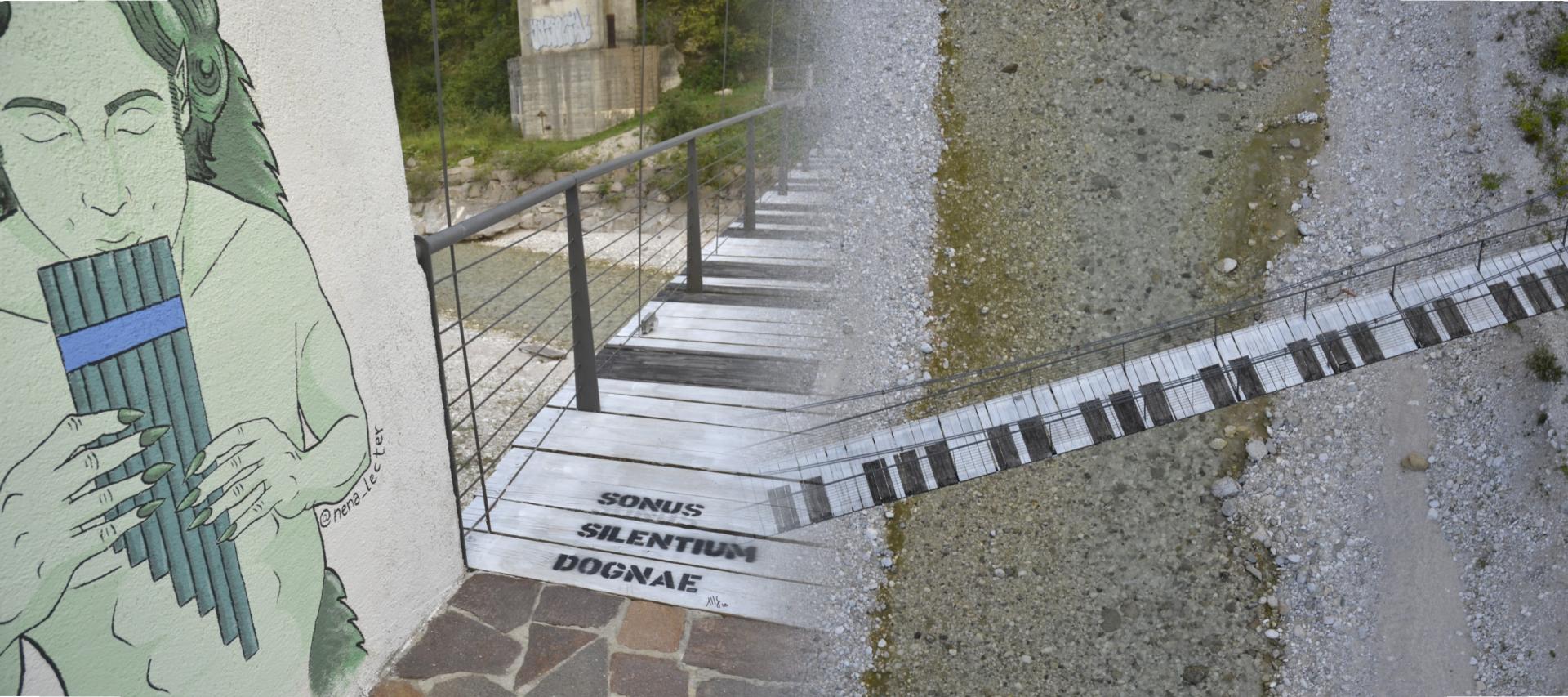
The Municipality of Dogna has collaborated for the creation of Agenda 2030 ART with DGN.18 / Creativi along the canal and DGN.19 / creatives along the Agenda 2030 Art channel, collaborating in the activities of promotion of the project and realization of public meetings by providing public spaces and collaborating in the redevelopment of the pedestrian walkway of the old railway.
Innovative character
From Tradition, from the history of our land, drawing from our cultural heritage, through Research, Experimentation and Creativity of Artists, the CFAP proposes a possible transferability of cultural and creative proposals, through the collaboration between the Public and the Private, to propose the message contained in the 17 Sustainable Development Goals of the 2030 Agenda promoted by the UN in 2015.
“Agenda 2030 Art” is a low-profile and sustainable project. The contemporary landscape redeveloped by artists, designers, architects, landscape architects, specialized nurserymen, operators in the sector, enthusiasts, companies, through sensory perception to improve the quality of life of the city, to enrich and contaminate the territory.
New and innovative form of a possible sustainable development, aligned with the European strategy for the period 2021-2027, together with the Green Deal, the Agenda 2030, through the enhancement of territorial, cultural and creative resources with the concrete realization of examples on the territory, opportunities for knowledge, enhancement and social inclusion of the Territory for the Landscape. The Project would like to become a "supra-territorial model" in order to be repeated in different areas by catalyzing the peculiarities that characterize diversity with the same synergy.
We contribute to the Sustainable and Inclusive Development of our World for the Generations of tomorrow through the possibility of creating a transversal and multidisciplinary dialogue, participated, inclusive and shared through the deepening of issues related to art, architecture, culture in relation to possible identification of new lines of development linked and proposed by the analysis of the 2030 Agenda and its promotion through the declination of its contents.