One note samba
Basic information
Project Title
Full project title
Category
Project Description
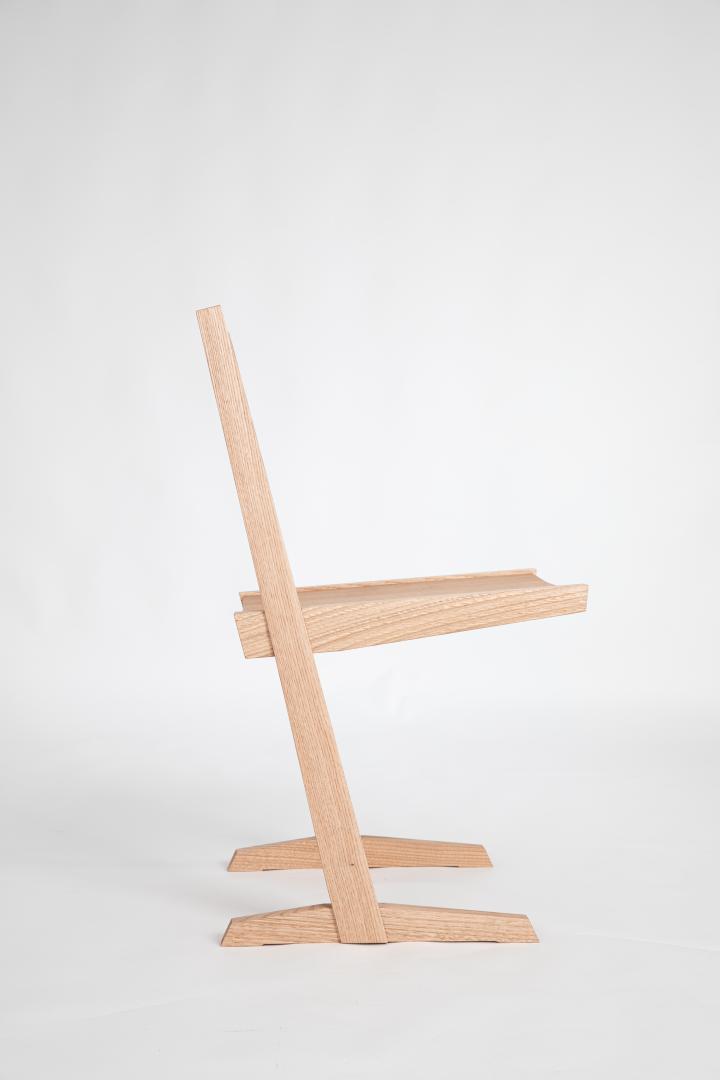
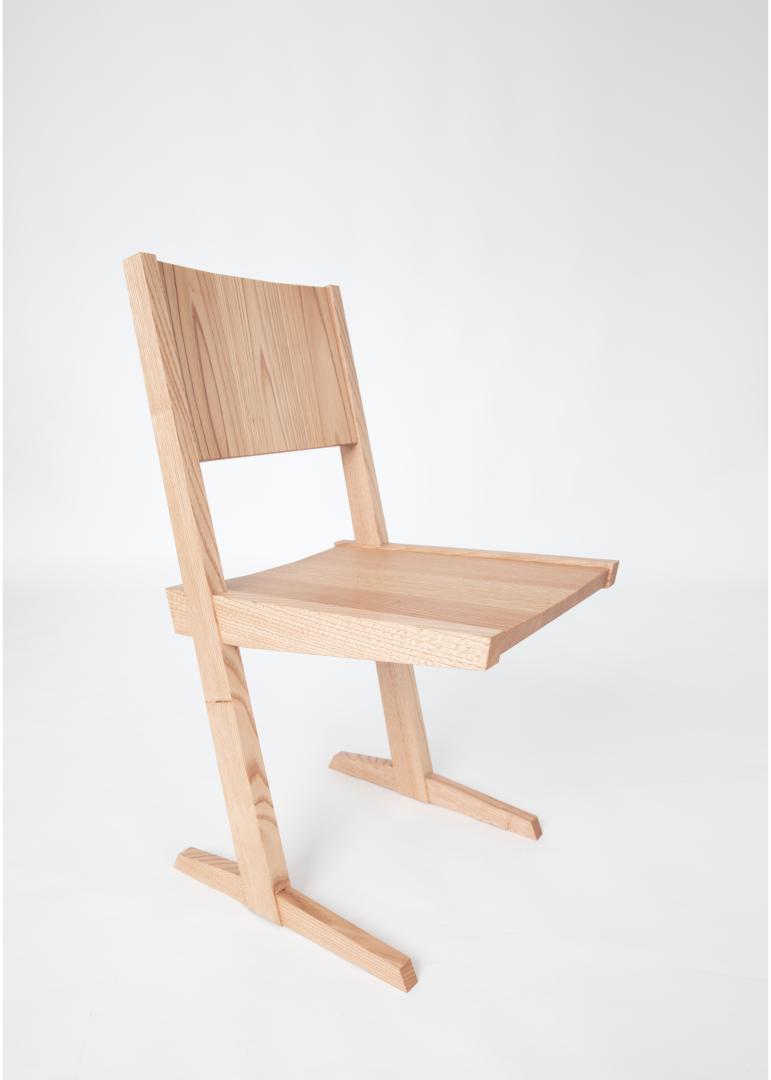
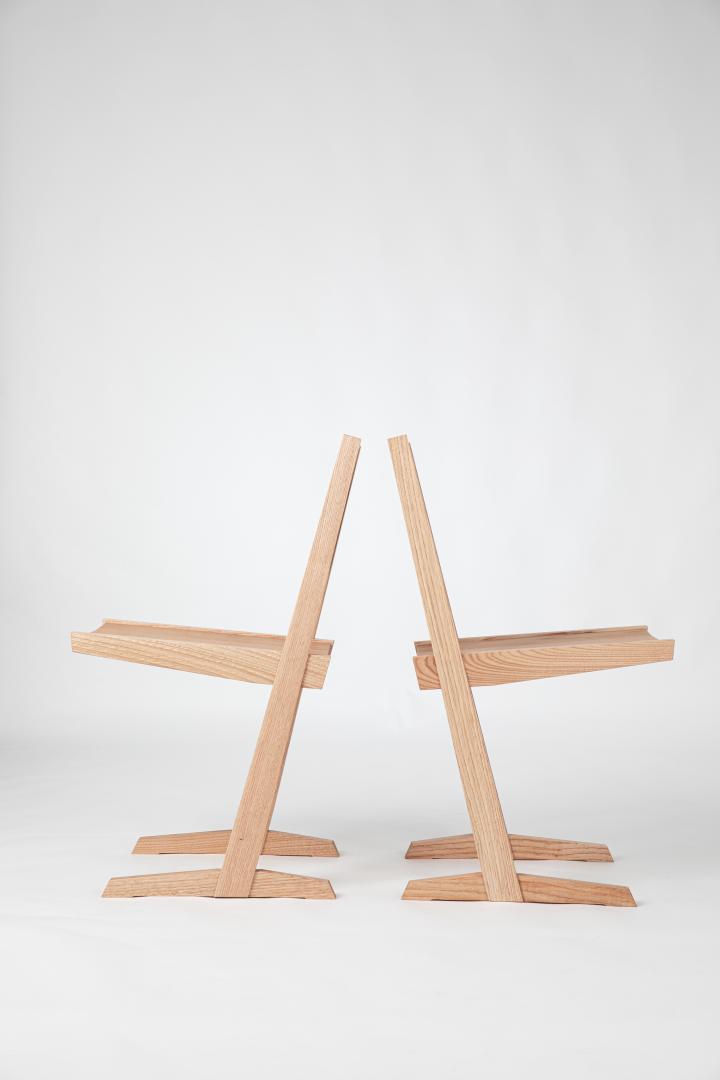
"One note samba" is a contemporary chair produced from the local Galician resource, chestnut wood. It is produced with traditional hand tools and technics but speaks a contemporary language, overcoming the limitation chestnut wood offers in terms of esthetics.
Project Region
EU Programme or fund
Description of the project
Summary
"One note samba" is a contemporary chair made from local resources, using hand tools and traditional technics but speaking a contemporary language. The Galician woods available and suitable for making furniture are pine and chestnut. However, these species are used mainly for the construction or manufacture of rustic furniture. More noble species such as walnut or oak have very limited availability here. In this sense, "One note samba" is a reference to a song by Antônio Carlos Jobim in which the author begins his composition from a series of notes with a single basic tone that derive throughout the song in different tones with a melody-rich in detail and emotion. My intention has been to start from the limitations of the Galician chestnut to overcome them in the artisan process emulating the spirit of Jobim.
In turn, "One note samba" is the result of an investigation into the origins and relationships between the sequence of chairs -Conoid, Kufenstuhl, Zigzag and Z Rasch and Sitzgeiststuhl Rasch considered contemporary classics in the world of design
Key objectives for sustainability
The key objective is integrity in a product, production process, and life itself. the use of local resources, produce with 0 carbon footprint. My work is an exploration of integrity. The object, its production process, and its relation to life in this world are the medium.
My creative process is a consecutive transfer of planes, in which the final shape of the object preexists in the previous plane. The perfection of the object depends on each and the sum of all these planes. Each step then demands perfection in itself. Each step is the object.
One note samba was produced with this attitude, applying natural local resources.
Key objectives for aesthetics and quality
One note samba is tracing the origin of a contemporary classic.
the artisan way of learning applied to form. observe, imitate, and repeat
the design is the result of research in finding the origins of a sequence of chairs -Conoid, Kufenstuhl, Zigzag y Z Rasch- , all being named contemporary classics in the world of design. The celebration of “uniqueness” however does not ultimately lie in what one sees at first glance but in the complexities contained in a single form and that one is able to acknowledge:
The first chair in this sequence is the so-called Conoid chair by George Nakashima conceived in 1988. This chair has clear references to Shaker furniture dating back to the 19C. Nakashima described his own work as “Shaker Japanese” and his approach owed much to the Shaker legacy. Details of Shaker furniture are reflected in many of his designs. In the case of the Conoid chair, Shaker elements are the molded seating, the detail of the T shaped legs -typical in their tables- and the spindles in the back used by Shakers but which can also be found in the Windsor chair (another classic) dated back to the 16C. The peculiar 2 legged architecture is a clear reference to the Kufenstuhl designed by Karl Nothhelfer in 1955, a chair that became the iconic German school chair, still used today and by my interpretation one of Nakashima’s inspirations for the Conoid chair. However, the peculiar “architecture” or “engineering” in this sequence of chairs can be traced back to the Zigzag chair by Gerrit Rietveld, conceived in 1934 and one of the most iconic chairs from the Bauhaus era.
Nevertheless, the journey continues to 1927, the year in which the Rasch Brothers, in the early Bauhaus years, designed and produced a chair based on the same Z-like shape. And that I consider tracing back to a different set of bent steel tube chairs made famous by designers such as Marcel Breuer in the same period. Or maybe it was a follow-up of a chair that Bodo Rash had designed one year earlie
Key objectives for inclusion
inclusion was not a key objective
Results in relation to category
this chair has been awarded the crafts prize of the "Diputación de A Coruña" 2020
How Citizens benefit
citizens have not been involved
Innovative character
The innovation lies in the application in a contemporary design object made of a local resource usually used for construction or rustic furniture