D-Leite Ecofriendly baby blankets
Basic information
Project Title
Full project title
Category
Project Description
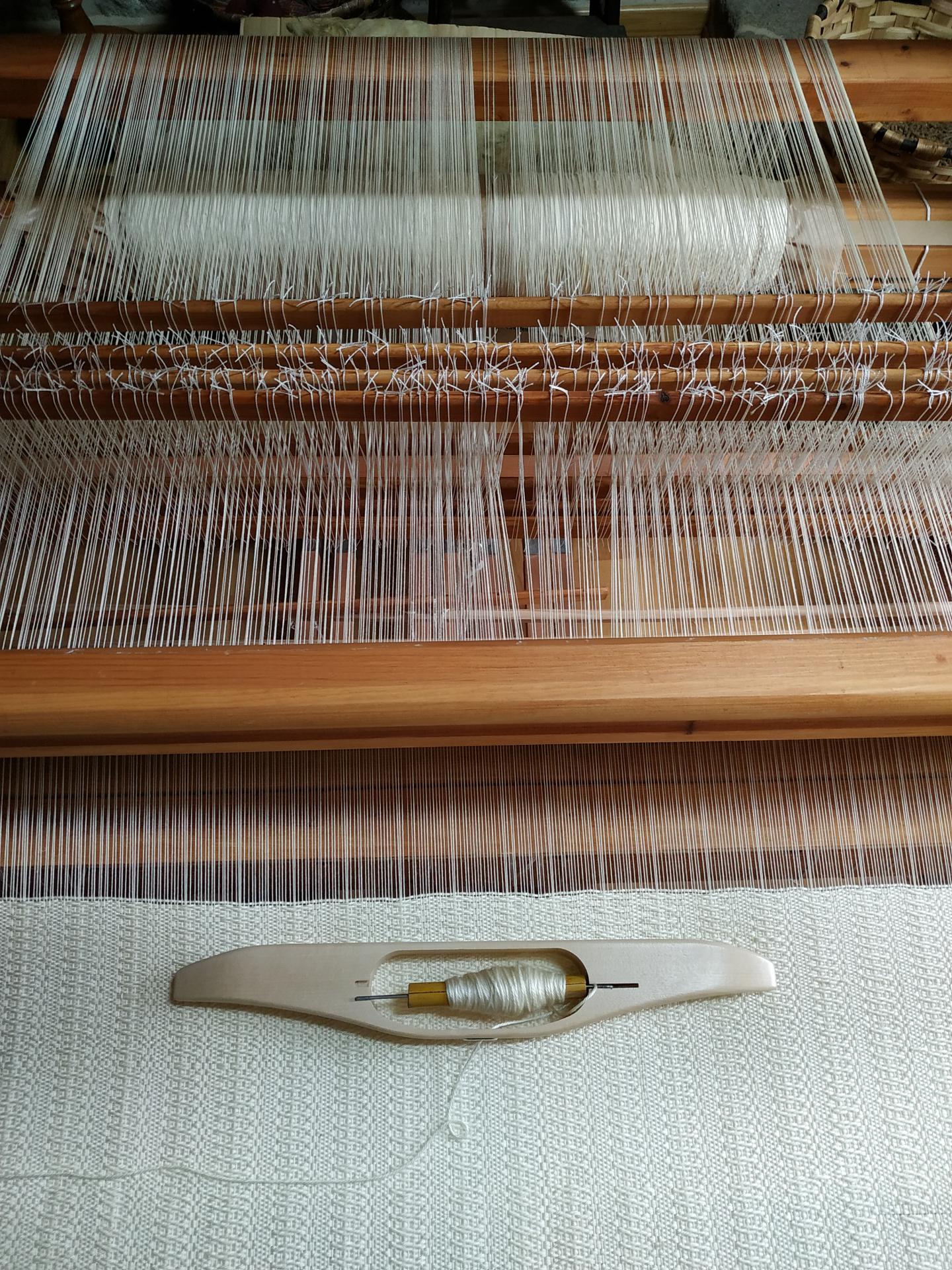
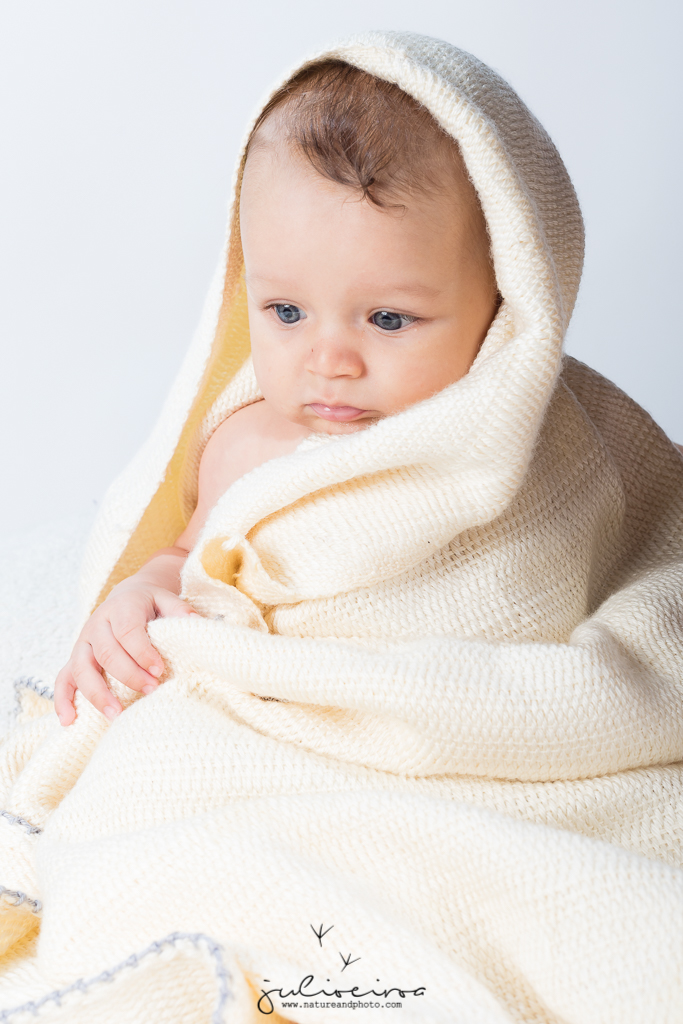
Baby blankets handwoven in a traditional way on a low heddle loom, with eco-certified milk protein fiber. Combining the textile tradition and the innovation of new, more sustainable fibers that come from waste, obtain a product that benefits people and the environment. These blankets are made in our Artisan Workshop RiR & Co Artesan Textile Design, located in a small rural area in the north of Spain, Galicia.
Project Region
EU Programme or fund
Description of the project
Summary
Inés Rodriguez is the creative artisan behind Inés RiR & Co Diseño Textil Artesano. Textile studio that is located in Allariz, a town in Galicia, and from where handmade textile products are made that unite tradition and new designs, betting on Contemporary Crafts that care people, unique pieces with slow processes that tell our textile history.
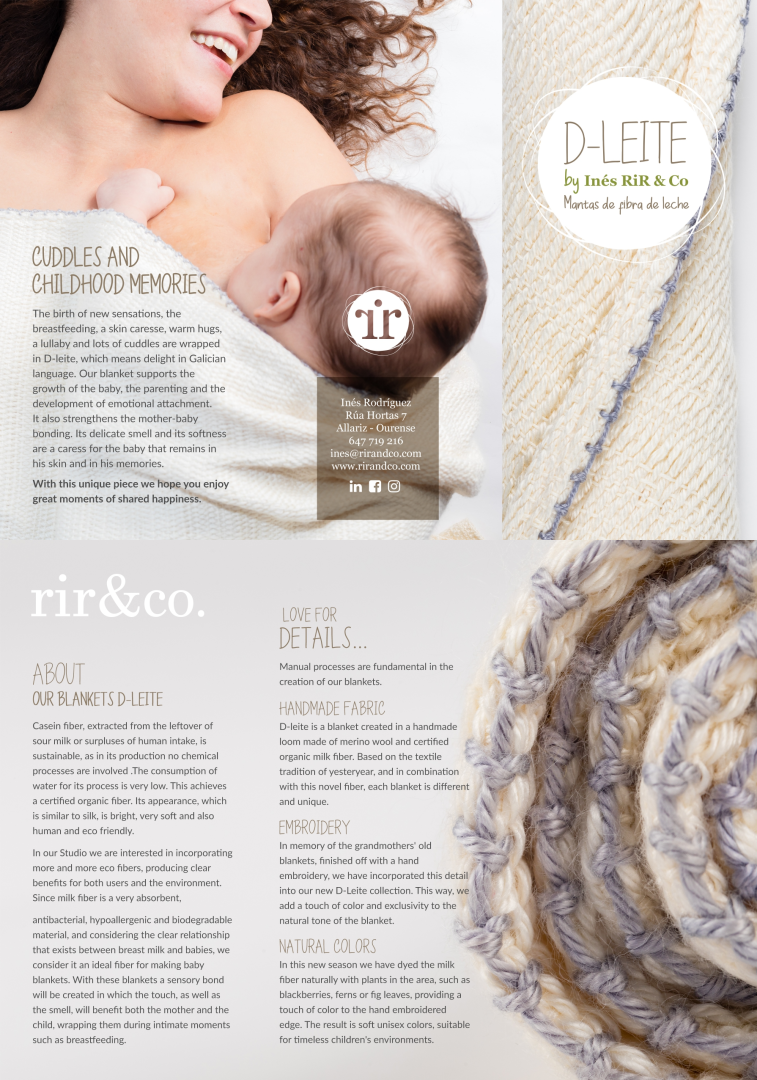
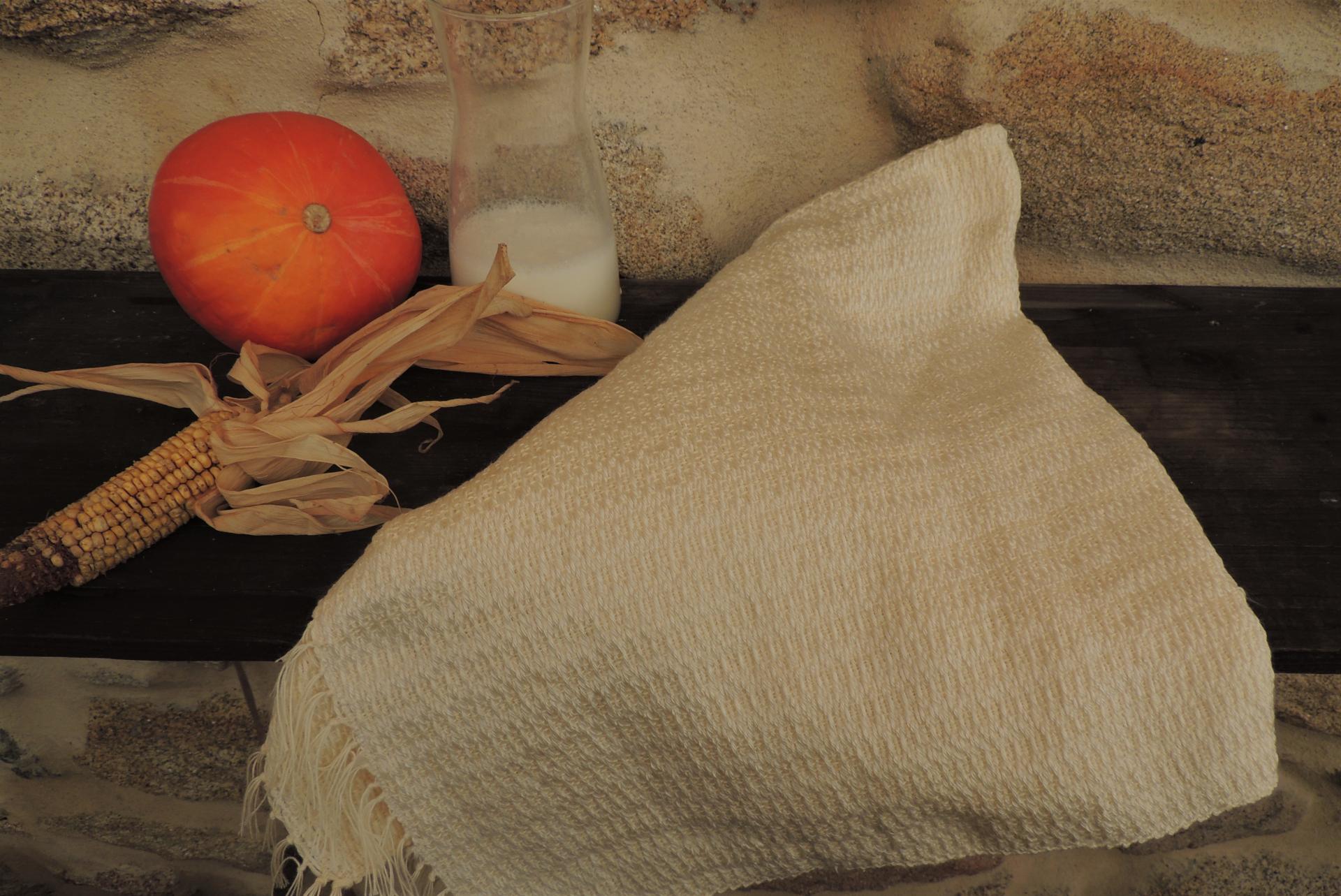
Casein fiber, is extracted from the leftover sour milk or surpluses for human consumption, is sustainable, so that its production does not involve chemical processes and the consumption of water for its process is very low and is mixed with other natural substances (like beeswax to compact and get the matter to spin.In the case of our Workshop, we are interested in incorporating more the use of ecological fibers that produce clear benefits for users and the environment. Milk fiber is a highly absorbent, antibacterial, antiallergic, and biodegradable fabric. I used this fiber to handmade these children's blankets, we use fiber certified by a manufacturer in Portugal
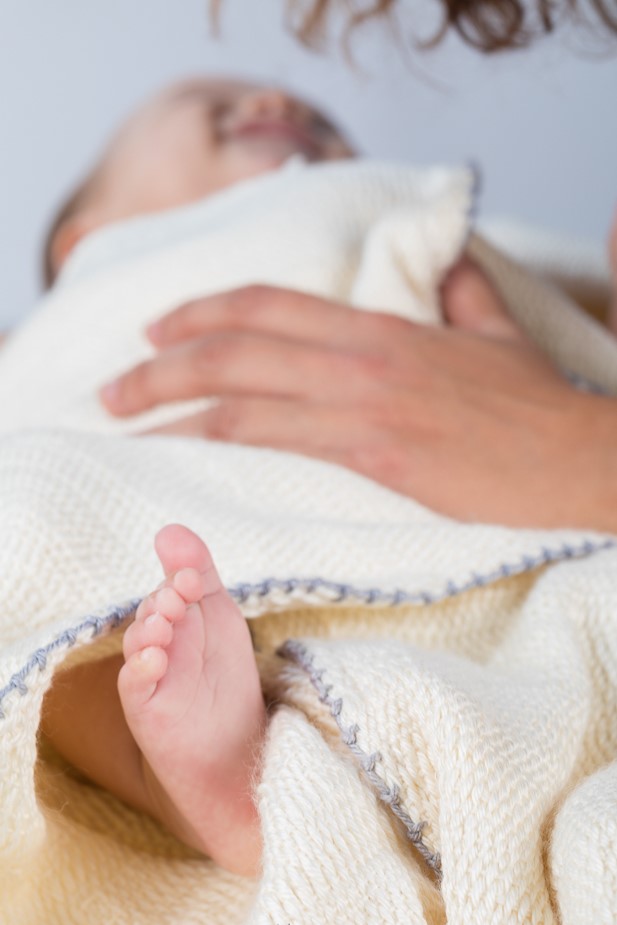
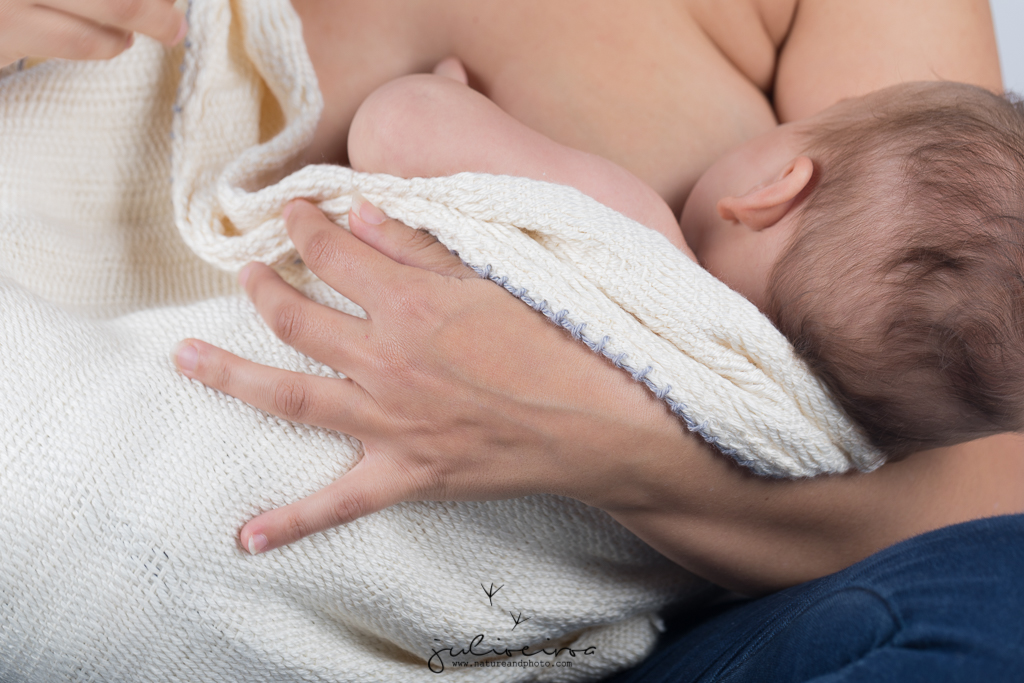
It is an ideal fiber to make lullaby blankets for newborns, due to its benefits for the sensitive skin of babies. Where touch benefits both mother and child, wrapping them both during intimate moments such as breastfeeding. The procedure to make them is also sustainable, since each one is woven on a manual loom, in our artisan workshop. This unique pieces so that our clients feel that their baby is important and the unique moments shared as well. The blankets are made to measure in terms of size. The warp is made of merino wool from Castilian transhumance, so all the materials are close to our textile studio. In addition to this, we have dyed naturally with local plants, such as blackberries, ferns, fig leaves ..., taking advantage of the natural resources of the rural area where the Artisan workshop is located. This makes the blanket biodegradable, and respectful of people and the environment and I'll love to make this product for neonate babies.
Key objectives for sustainability
The reasons why D-Leite handwoven blankets are sustainable are:
1- They are made with milk protein fiber certified by the manufacturer, in Portugal, near our workshop. Although I would like to have the necessary skateholders to manufacture the fiber with Galician dairy surpluses, since we have a large dairy industry in the territory.
2.-The University of Santiago has done a study on fiber and it biodegrades in 6 weeks.iIt is respectful with the environment
3- It is designed with ecodesign criteria, natural fiber, with natural dyes from local plants.
4- The blanket is woven on a manual loom, combining sustainable artisan activity with innovative fibers in its design, which generate work in the rural area where it is located. It collects the cultural values of the area and could take advantage of the dairy waste that is generated in it.
5-It is a product of common use, but with great value, in terms of innovation but also tradition, which makes consumers value it as a gift for mothers and their babies. In this way they also become aware of the need to assess the qualities of the materials and the manufacture of the products. In this case the process is absolutely transparent.
6-Finally, shipments are made in a wooden box that is reusable by the customer, to also raise awareness of the need for conscientious consumption. Produced locally, for a global market
Key objectives for aesthetics and quality
Regarding the design and aesthetics of the D-Leite blanket I could say that it is timeless.
It is based on the quality of natural milk protein fiber, without dyes or additives, which is why its color is white. In this way, you are not looking for a fashionable product, but that the customer can use many times in his life.
Also to personalize the product, since it is made by hand, the customer can choose the color with which he wants to embroider the end of the blanket. These colors made with natural dyes are different, yellow, green, purple, magenta. They make the blanket unisex, and can be used with different children.
Finally, the aesthetic design also involves the artisanal process of how they are woven. Each one is different and different ligaments are taken to make the unique product in order to represent in the product the cultural values of the fabric of the area and convey that each person is unique.
Its textile design, with its ligaments and density, make it a soft and light fabric where the fiber is not tight but rather floats soft, to benefit the touch. It is a product designed for the senses that could benefit breastfeeding and the mother-child relationship.
I believe that its soft design, together with its smell and the memory of moments of pleasure for the baby could make its development better and of quality. I would love to test its benefits scientifically with neonatal babies.
Key objectives for inclusion
Regarding inclusion, I can only say that if this project can be carried out on a larger scale, it would be beneficial for different types of vulnerable people such as newborn babies.
I believe that this type of products, if they were made from the area's own waste, with a program in which different companies participate, could generate employment in rural areas, especially for unemployed or socially excluded young people. Also crafts through this type of products and training projects would give new job opportunities to women and young people without studies.
At the moment the project is recent and is carried out on a small scale, in my workshop, where I have hired a young man who has his first job. He is a young fashion designer recently graduated and it is important that they learn through fair work, how to produce textiles and consumer objects
Results in relation to category
Regarding the results and the impact that this product has generated, it could be said that they are good since it has been on the market for approximately one year. As for users and sales, they are still incipient, since in 2020 in Spain there was a state of alarm and the Textile was closed for several months, and activity has been recovering little by little.
On the other hand, the Workshop has a good online and offline reputation in reference to quality and sustainability but not as a brand, and being an innovative product in the market with a not very well known fiber, it makes the consumer look at it with caution. Although I can verify that the type of customer who claims it is a conscientious, well-informed consumer who is committed to quality products that do not harm the environment.
On the other hand, in the search for the manufacture of dairy protein fiber in Galicia, I have had contact with different dairy companies and research centers in order to carry out a fiber production project and participate as a creative and textile designer in it, generating products that enhance waste and generate benefits for people. There is interest from the blanket, but it remains to be defined and that companies consider that a textile artisan can be innovative.
Yes, it has had very beneficial results for our image of the Artisan Studio, because it has contributed to the fact that in 2020 I was awarded the award for Innovative Excellence for Rural Women (Ministry of Agriculture, Fisheries and Food) and having been a finalist in the Awards National Crafts of Spain in the entrepreneurship category. Thanks to these projects, the craft activity is more interesting for young people like the one who now works in the workshop, favoring the generational change.
How Citizens benefit
The benefits that this project could have for citizens would be several.
1-In the first place, if the fibers are produced in the Galician territory with the residues of the dairy industries, such as the production of milk, cheese ... the impact of these residues on the environment would be less and companies could have new models business to generate employment in other non-food sectors, this could boost the demographic development of rural areas. Since there would be more employment.
2-Second, the use of the blanket by infants could be beneficial for their development. It could be that in the case of neonatal babies, the moments that the parents have for the care if they are carried out with the blanket and then the baby is wrapped during their stay in the incubator, could produce beneficial memories for their health.
I have consulted this section with health personnel and they agree that a study would be needed to determine it but it could be that it was positive. In this way, a sustainable and simple product, made in a traditional way, can contain innovation within it to improve the neurological responses of users.
Finally, it could be a first step to carry out projects that unite the textile materials industry, crafts and design, providing a new look and collaboration and training programs that could contribute new ideas and knowledge for the reuse of other resources in a creative way. . It would also contribute to the consumption of more sustainable and handcrafted products as well as to see handicrafts in a more contemporary and innovative way.
Innovative character
The craf milky blanket has the different items as innovation;
1- The fiber, in my case, I buy it from a supplier in the neighboring country who sends it certified, since the size of my company cannot assume its production. But if it were produced in a consortium of companies in our territory, it could be investigated to improve the fiber with other natural ingredients or even the use of other waste materials from rural areas. For all this, it would be necessary to promote a collaboration project. The blanket could be an example that makes new possibilities visible for dairy and textile companies in the area or other areas.
2-Likewise, the design of this product with new fibers and in a traditional way, has also served to show the innovation in the design of the products from the Craftsmanship. In this way, the sector can evolve towards new designs with non-conventional materials.
3-Lastly, if the neurological benefit for the development of the baby can be verified with data (due to its smell and softness), it would be the greatest innovation to determine that a product, due to its characteristics, can benefit our health and well-being.
I would love to make more projects like this with others fibers and raw materials.