Las huellas del camino
Basic information
Project Title
Full project title
Category
Project Description
Las huellas del camino is an emotional journey through the land and the self. A recorded pilgrimage from Plasencia to Guadalupe through Monfragüe road. This journey will be a physical, mental and emotional journey for each one of the stops included in the route, where there will be a three to five day stay to work with the inhabitants of each town, with a final lecture and a professional performance around the common topic: the loss and mourning. A shared experience crystallyzed in a documentary
Project Region
EU Programme or fund
Description of the project
Summary
The project that we propose is based on the realization of a recorded pilgrimage from Plasencia to Guadalupe through the road of Monfragüe (Extremadura, Spain). This route will be a physical, mental and emotional journey for each of the travellers and the people they meet, as there is a planned map of stops included in the road.
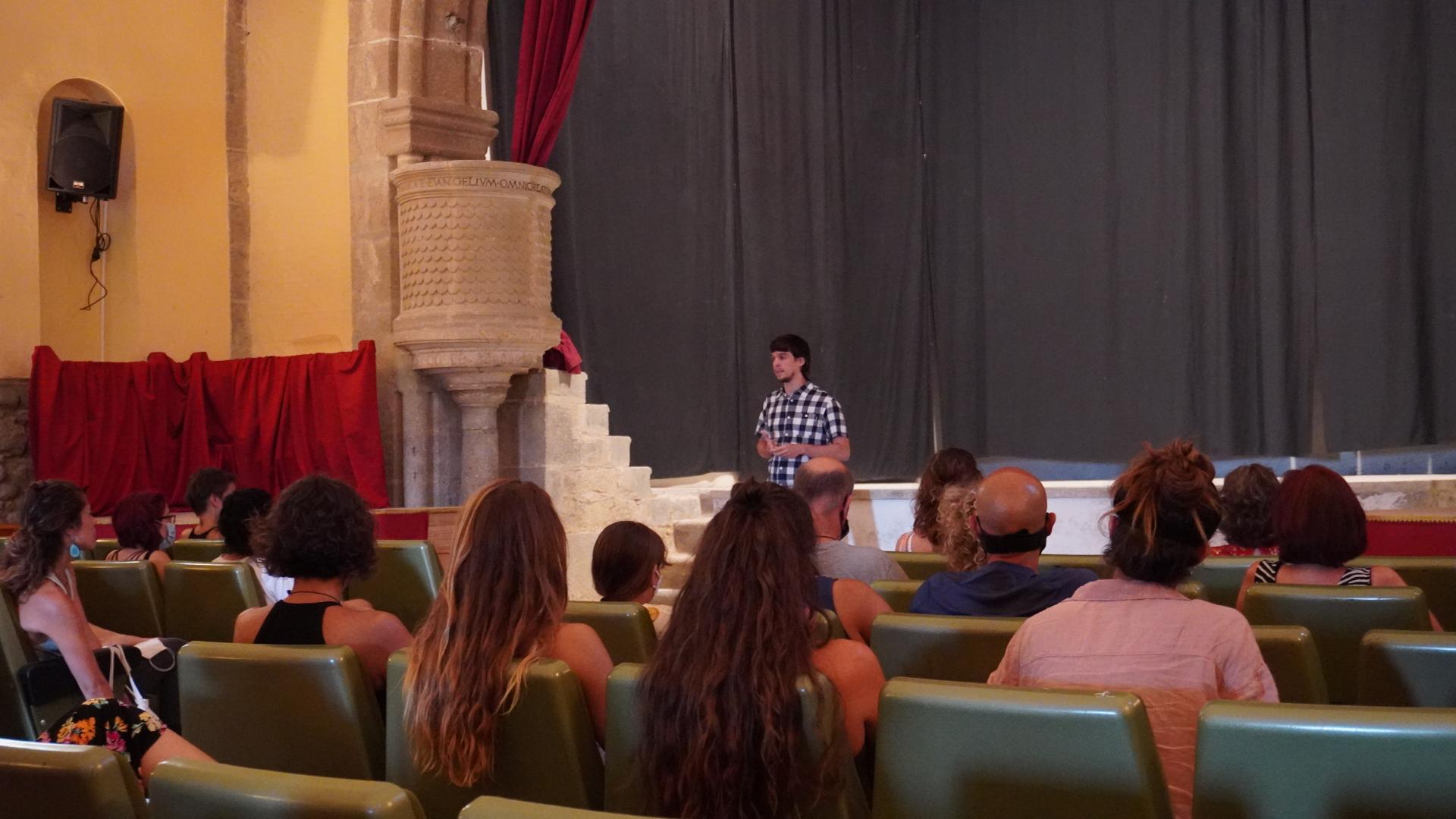
The main dimension is not the walking of the road itself, considered as a global healing metaphor, but the populations where the dancer and phychologyst will stop. In each of these town-villages, the team will stay for three to five days in order to give workshops about emotional management and beginner's contemporary dance. This symbiotic workshops, conceived to activate body and mind, will end with a specific lecture about loss andthe stages of mourning and a dance performenace based in the same concept. As a complementary final result, a documentary will be made about the workshops and the cultural and natural attractives along the route.
Key objectives for sustainability
The road chosen for this project is not casual; its paths run through the National Park of Monfragüe, reserve of the biosphere. Its sharp cliffs and still waters facilitate the intimacy and serenity needed for the emotional healing process, perfect for the recordings of the documentary. This project put he emphasys in nature in two different ways: a Romanticism inspired one, in which phenomena and enviroment show human feelings; and the pure and contemplative one, to remid the incredible capacity of releaving stress of the reconnection with the earth.
As for the economic pillar, the potential of the route and all its churches, castles and historic buildings make of it an exceptional touristic attraction. An investment in publicity could increase the amount of visitors, with the subsequent improvement in the local economies and a potential impact in enterpreneurism.
Finally, the fundamental pillar of this project in terms of sustainability: the social dimension. People in rural areas should have the same access to certain services as any other citizen. Nevertheless, there is a clear lack of cultural activities and offer. If increased, many people would consider living in smaller locations as a suitable working option. The improvement of the global mental health and the sociaty comprehension is always positive. Besides, the implementation of social activites in the villages might raise the empowerment of the local associations, leading to a demand of a richer programming along the year.
Key objectives for aesthetics and quality
In this project, the dance does not look for beauty or delight with the musicality. The movements of the performer in NINDA are based in the expression of the emotions, so the aesthetics search for a different connection with the audience. The beauty is reached through the catharsis, the self reflection of the public in the dancer or the observation of the fragility. However, the fluency of the movement and the skills with the staff create a kins of beauty themselves.
At the same time, the pilgrimage along the road will stop in monuments for the camera to record short clips of the dancer showing stages of the mourning process. They will all be included in the documentary as illustration for the different parts, which promote at the same time the patrimonial resources of the region. With this perspective in mind, the road can acquire a spiritual feature. It is, in the end, a road that connects the cathedral of Plasencia with the Monastry of Guadalupe, which was during centuries the virgin of Hispanity.
Key objectives for inclusion
Everyone is welcome to live the dance experience and to assist to the emotional management workshops. Loss is a common experience of our lives, so we should all know about it as much as possible to improve our mental health. Moreover, the begginer's dance workshops are designed for all the assistants to be able to follow them and will be developped according to the citizen's abilities. Prior to the beggining, we will contact the local government and associations to assess the sort of groups to work with in order to adapt the activities.
Innovative character
The promotion of mental and physical health trought the art of dance in an unusual blend. In the dance learning process, the attendee receives information at the same time from the cognitive and the experimental path. The kind of knowledge resulting is different, but the result is a more holistic conception of the self. Talking about such a rough topic as loss and mourning is always difficult, so the approach through a kind an creative way, based in the respect and self expression, may break many walls.