pLOVEdiv BuzzRoof
Basic information
Project Title
Full project title
Category
Project Description
The project aims at scaleable retrofit model for over 12 000 roofs in Bulgaria by repurposing a roof into an urban community farm. Recreating the abandoned roof will showcase the value of bringing together elderly, youth and children through farming - tackling loneliness and transfering knowledge of forgotten agro-practices. Atune with the goal of modern Bauhaus, the project counts on the science of gardening, re-use and re-purposing as the base for esthetic and sustainable urban revolution.
Project Region
EU Programme or fund
Description of the project
Summary
Across the EU and the world people have felt more than ever how restrictive and isolating our dwellings are if we are stripped of the opportunity to experience them as part of a wider city landscape. Roofs on the other hand if not left abandoned and grey may offer an opportunity for community escape - a much needed alternative for the end of a busy day or an opportunity to socialiase under the conditions of epidemic restrictions.The elderly and children suffered particularly hard the months of isolation as modern entertainment was digitally available mostly for the tech savvy.
Europe’s cities are woven by multiple occupancy buildings in their residential areas and as cities grow in size and construction of new houses absorbs available spaces the only possible escape to nature remain roofs. While ensuring these are a requirement for new buildings, the real challenge is to retrofit existing ones and often financial and technical issues are the solvable problems such a project faces.Far more often the bottleneck is truly understanding the positive effects of greening your building roofs and exercising a community effort on the approval of all residents in the building.
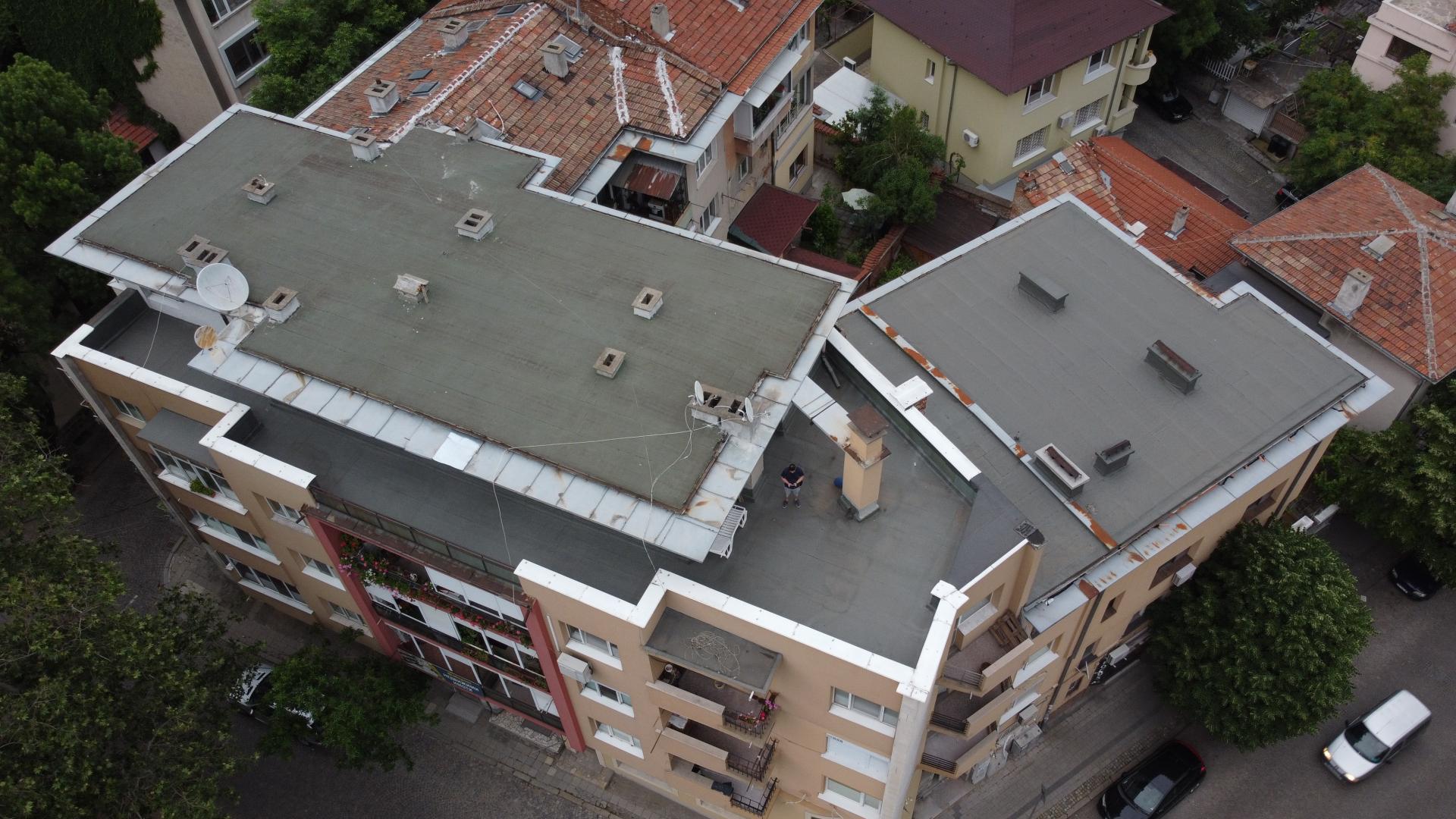
The project aims at developing a scaleable retrofit model for over 12 000 buildings in Bulgaria and many more roofs across the ex-Soviet bloc. By repurposing the roof of a 1968 building at the heart of Plovdiv into a model urban farm and community space the project will aim to show that modern technologies can be a source of new breath to derellic spaces. It would also showcase the importance of bridging the gap between the elderly, often confined to the spaces of their flat, and children through common activities such as farming to tackle social challenges as loneliness and transfer of indegenious knowledge of farming practices. A tune with the goal of a modern Bauhaus, the project would build on the science of gardening, re-use and re-purposingas the base for esthetic and sustainable urban revolution
Key objectives for sustainability
The project will aim to bridge the divide in today’s citizens belief that agriculture has no place within the city walls by showcasing urban farming practices successfully deployed even in megapolices around the world. By bringing sustainability to the roof through farming, renewable energy and community compost the project will show the residents of the building how their everyday conscious actions can be both beneficial to the surrounding environment while also bringing utility - transforming into soft fruit, herbs and flowers.
Urban Farming: This would include the construction of both vertical flower and fruit beds, and simple raised beds particulalry near the brink of the roof. The beds will be connected to an automated watering system supplied through a water rain collector, the system will be supplied by electricity through the mounted solar PV plant. The crops that would be planted will be organicly sourced Bulgarian varieties of primarily soft fruit, salads, tomatoes, herbs and also roses.
Urban Beekeeping: Two beehives will be purchased to both ensure pollination of the planted flowers but also test the quality of the produce.
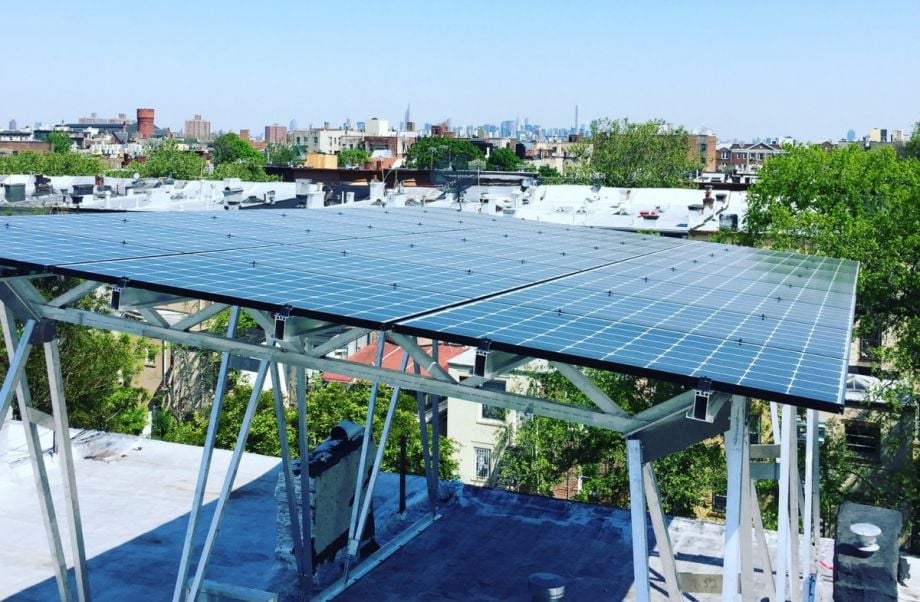
Renewable energy: Raised PV will be mounted to allow for space on the second roof for more raised beds to be constructed. The shade will provide also comfort for the growing plants to avoid excess sun light. The produced electricity will be used on site.
Collecting rain water: Barrels will be mounted at the foot of the building to collect excess water and similar basins will be foreseen on the roof itself to allow for rainwater watering.
Community compost: Residents of the building will be invited to dispose of their biodegradable waste in a compost box also located on the roof. The compost would be then used to nurture the plants.
A small board will show what are the different sustainability strategies deployed in the roof farm so that any new visitor could understand the way the newly built ecosystem functions.
Key objectives for aesthetics and quality
A part of the roof space will be dedicated to giving lectures-so a sitting area blending with the raised vertical beds and flower beds will allow the elderly inhabitants living in the building to share their knowledge on how to plant and look after plants. Many of of the current residents in the building have dedicated their professional careers to agriculture as the city of Plovdiv is famous for being the fruit and vegetable warehouse of Bulgaria and its city university on Agriculture and Food Technology is renowned across the country. Even without the roof top they share stories of past successes a bit sad they have no way to repeat them.Apart from urban farming-vertical soft fruit and flowers, community compost and rainwater capture,as well as urban beekeeping, the rooftop will be used also as a community space to discuss topics related to climate change, invite pupils from the local schools to learn about urban farming but also host open air film screenings related to urban activism, climate change and efforts to reconcile cities with nature in cooperation with the local cinema.
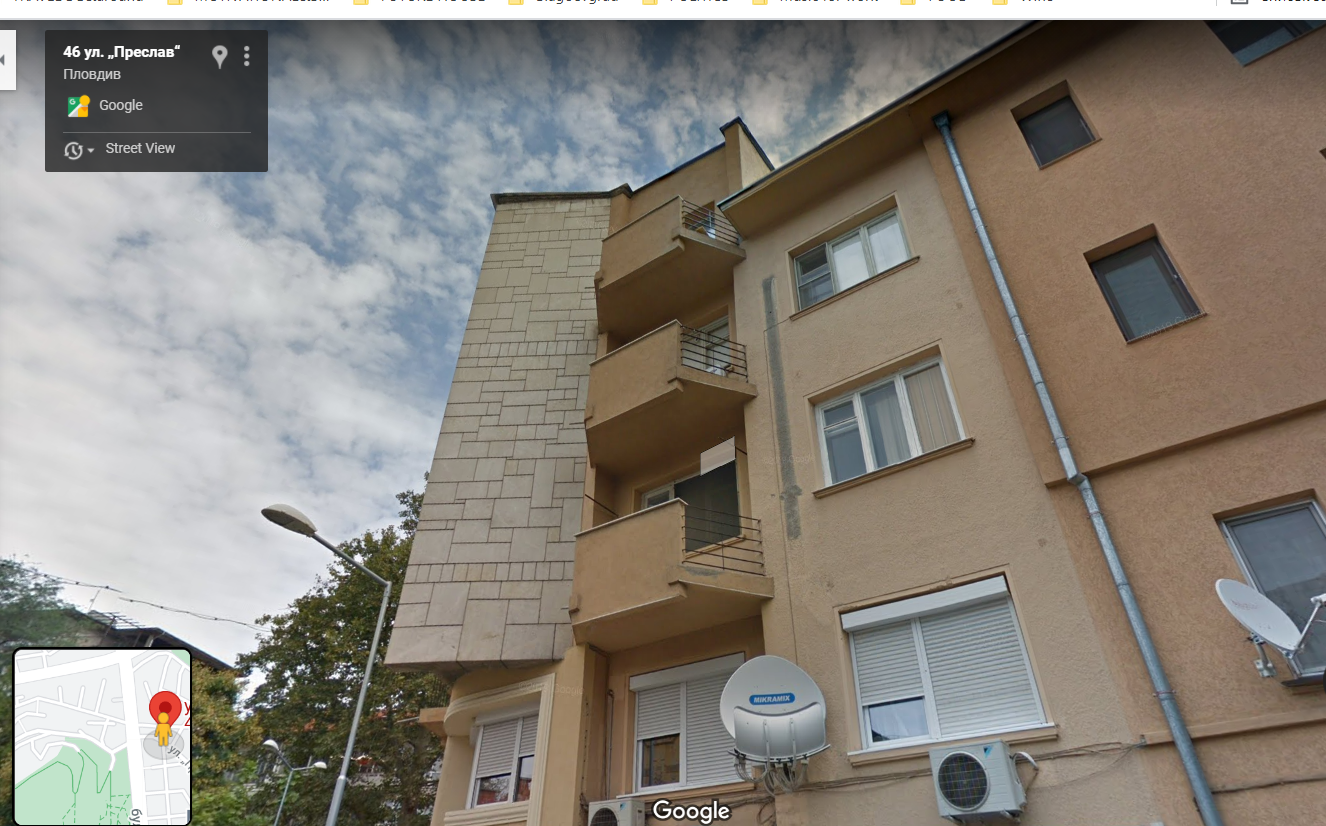
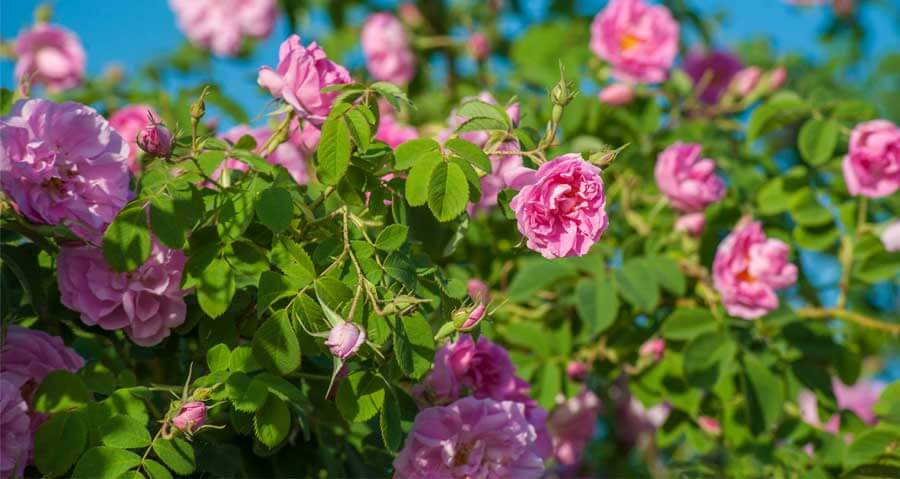
Besides fruits,vegetables and hers there will be roses planted that are widely used across the Thracian valley for essential oil production.Flowers and landscaping lessons on planting and showcasing Bulgarian rose varieties as well as lessons on extracting essential oils for various crafts-soap making and aromatherapy.As the south facade (see attachment) of the building resembles the art of the Dutch painter Piet Mondrian the estethic of the whole roof top garden will follow the logic and color schemes of his paintings. However, the main estethic effect of the project would be to show how forgotten and derelic roofs across the country can have a very different and useful life that is also estheticall pleasing. Bulgarians in general have lost connection with their land for various economic and political reasons over the course of the past 3 decades and finding opportunity to boost ties.
Key objectives for inclusion
The inclusion aspects of the project are aimed particularly at the elderly residents of the building and the youth and pupils from the schools in modern urban sustainability practices. The objective would be to ensure that 90% of the residents of the building, who are elderly, to find a way to be physically active and communicate with the other residents at least over one activity related to the upkeep of the roof. This would be particularly important to them as they are currently confined only to their flats and with very limited interaction between their peers as the social services for the elderly are practically inexistent. Of course, their knowledge and practical skills gained at an earlier age either through their professional realisation or hobby gardening will be indispensable for the project.
Youth and pupils, and local community residents would also have access to the roof either via booked and organised visits or to limited attendance screenings. Certain time slots in the week will be open for interest groups related to the topic of sustainability, farming to access via book the discussion space.
Professionals practicing skills related to the activities in upkeep of the roof will be invited to give master classes not just to residents but allgroups to whom the roof will be available in the described ways among those - beekeepers, essential oils extractors, landschaft designers and urban farmers.
Innovative character
Green rooftops on existing buildings are inexistent in Bulgaria - going through all administrative and technical loops and providing a playbook would allow for the replication of the project at least at national level. The knowledge could then be also packaged an transferred to other EU and non-EU countries where green roofs were a standard construction practice.
While from a practical perspective there will be a degree of innovation in the solutions chosen particularly for the urban farming component of the project the actual innovation part of it will relate to the social and community engagement mechanisms that are not deployed in Bulgaria yet.
From a completely abandoned space the roof will become an example of community effort in line with the objectives of tackling climate change and pursuing urban sustainability, bringing city people closer to nature. Places that we are usually disregarded and forgotten can undergo unexpected transformation with some community efforts. All these efforts will contribute to both the objective of regenerated urban and rural spaces, reinvented places to meet and share as well as solutions for the co-evolution of built environment and nature.