Atelier Riforma
Basic information
Project Title
Full project title
Category
Project Description
Atelier Riforma is an innovative startup with a social vocation born in Turin in 2020.
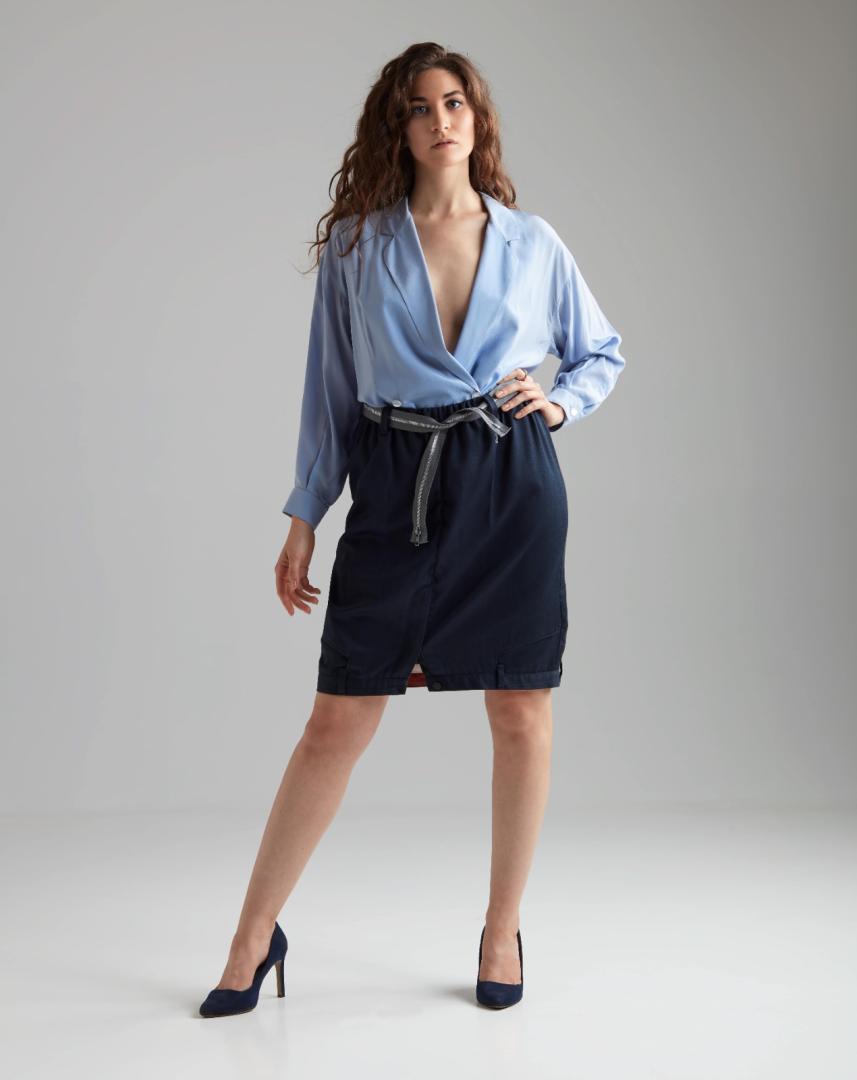
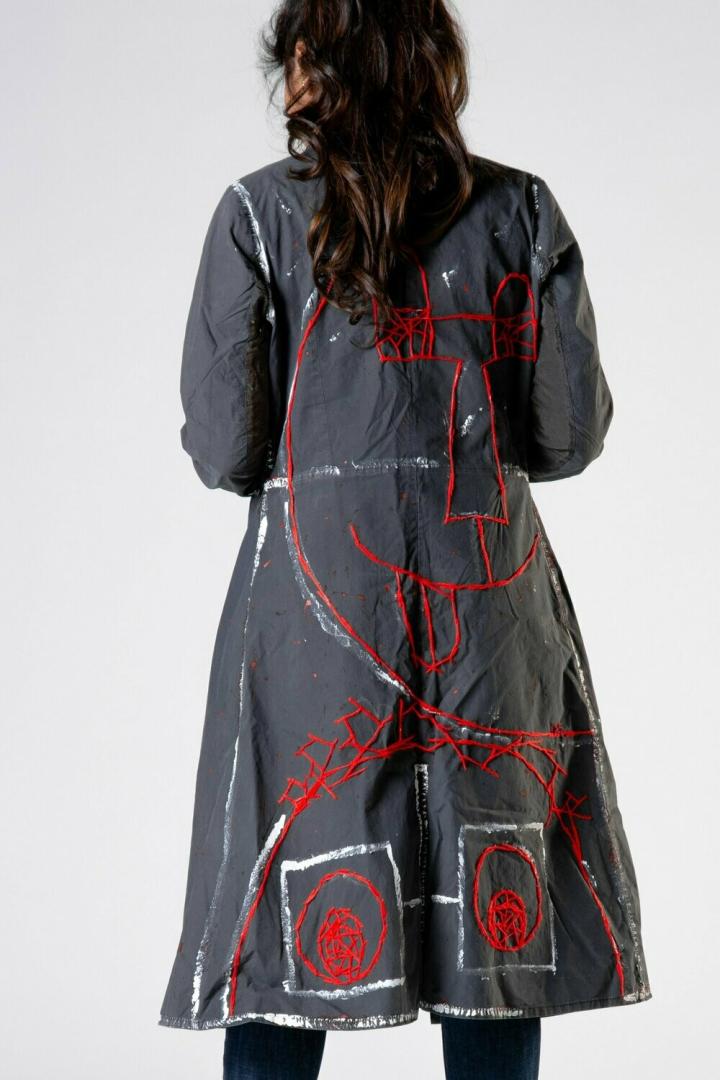
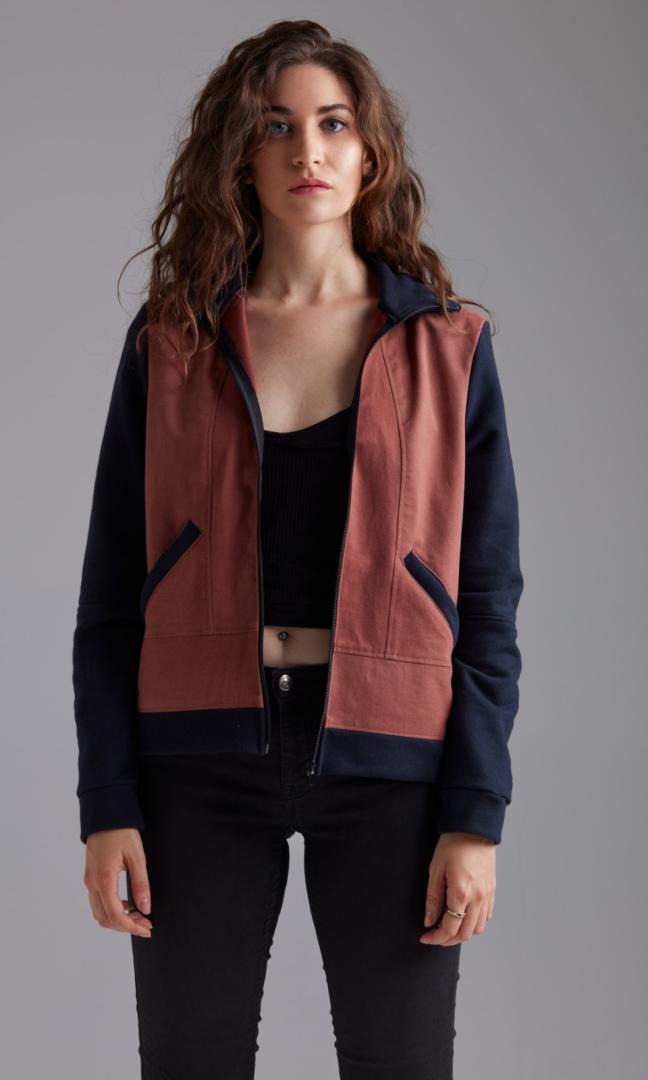
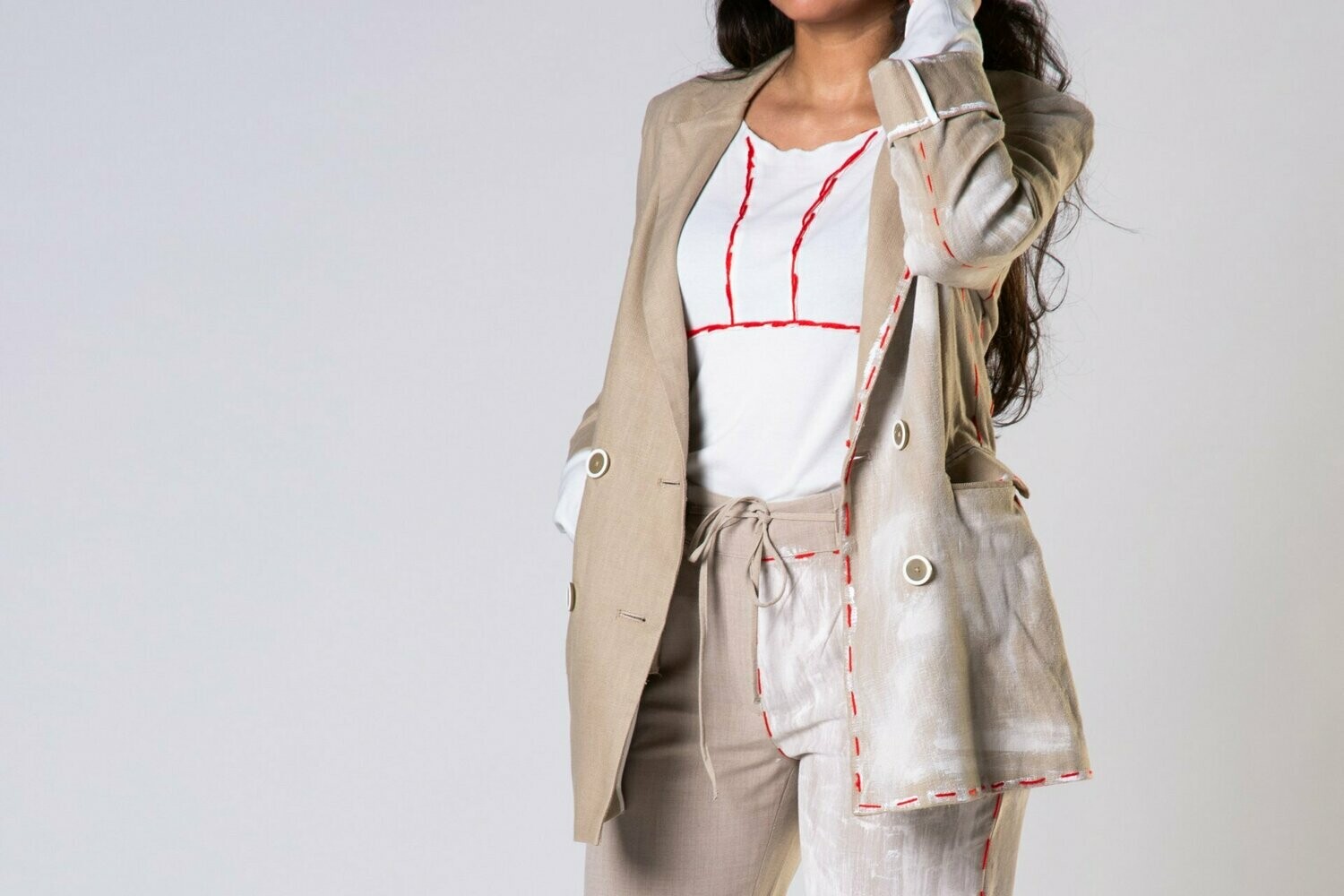
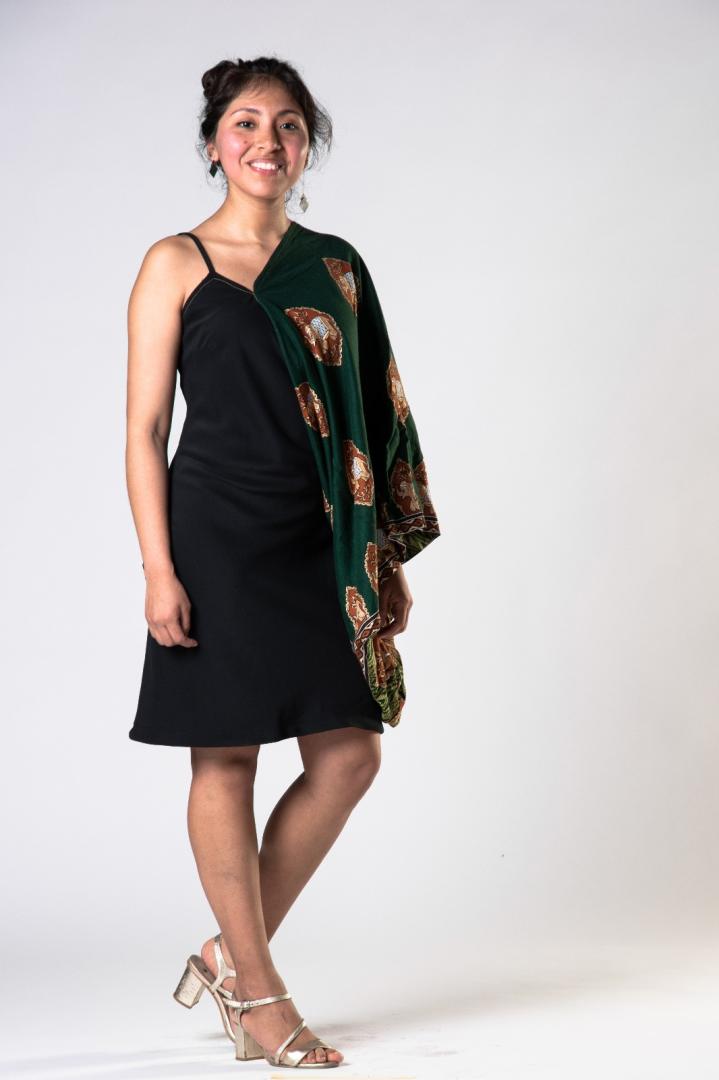
Our goal is to reduce the environmental impact of the fashion industry through circular economy and tailoring creativity. For this purpose, we collect clothes that people no longer use (saving them from becoming waste) and we repair and give them new beauty through a tailoring transformation. The process is called upcycling and allows to recycle a product through handmade processing and creativity.
Project Region
EU Programme or fund
Description of the project
Summary
Atelier Riforma project was born during a course about innovative entrepreneurship, attended by the two co-founders: Elena and Sara.
Here is our model more in details: we collect second-hand clothes from private individuals and associations. In exchange for the donation, the donor is given a discount voucher to use for buying other Atelier Riforma’s upcycled clothes. Once catalogued and sanitized, the collected clothes are distributed to a network of tailoring realities we created (made by young tailors, designers, fashion students and social tailorings where disadvantaged people find a job), who restyle them. Finally, Atelier Riforma promotes and sells the upcycled clothes through e-commerce.
The application on a large-scale of this technology-supported regenerative model could drastically decrease the percentage of discarded clothing destined for landfills, making used garments an incredible resource for creating economic value and job opportunities.
Key objectives for sustainability
Due to its linear system, the fashion industry is one of the most polluting. Its current linear system of production and consumption is responsible for the consumption of 98B tons of non-renewable resources and for 1.2B tons of CO2 emission anually. Furthermore, the average use of clothing is only 3.3 years and 85% of the clothes produced every year end up in landfill. Moreover, the collection of used clothes is not transparent or efficient and only 1% of discarded clothes are recycled. Only in Italy, every year 135.000 tons of used clothes are collected and this number will soon increase with the mandatory separate collection of textile waste.
After an in-depth analysis of the textile sector, we understood that, to truly solve the environmental problem of the textile-fashion industry, it is not enough to produce new clothing with sustainable or natural materials. It is much more effective (even if more demanding and difficult) to use the materials that already exist (and that every year, in enormous quantities, ends up in landfills or is burned in incinerators). Furthermore, the mechanical recycling of textile fibers is very limited (because it can be done with few materials) and still requires a lot of energy. The most effective solution is upcycling, that is the tailoring transformation of the garment, so that its life is extended. Infact, extending the life of a garment by just 9 extra months can reduce its environmental impact by 20-30%.
By using second-hand clothes as our “feedstock” for upcycling, we reduce the production of textile waste. Moreover, through constant information activities we promote among the population a more conscious consumption. We encourage the purchase of second-hand upcycled clothes, avoiding the usage of energy and resources to produce new items.
Key objectives for aesthetics and quality
Our precise goal is to reduce the environmental impact of the fashion industry through circular economy and creativity. For this purpose, we collect clothes that people no longer use (saving them from becoming waste) and we repair and give them new beauty. This process is called upcycling and allows to recycle a product through handmade processing and creativity.
Atelier Riforma’s tailoring work is carried out by a network of tailoring professionals spread throughout Italy, which includes also forgotten professions (such as the knitter and the milliner). To date, the network includes more than 20 realities and is constantly expanding.
By encouraging the purchase of upcycled used clothes, we avoid the consumption of resources and energy to produce new ones. Indeed, the existing textile product is used extremely efficiently and creatively, creating new quality jobs (which stimulate the economy, but do not harm the environment).
Our project revolves around the concept of artistic regeneration: we start from waste and through creativity and craftsmanship we renew and increase its beauty.
The traditional profession of the tailor or of the fashion designer acquires, with Atelier Riforma, a new approach from an ecological perspective. The creative process starting from virgin resources is replaced by the upcycling process that puts the already existing material back into circulation, through transformation and creativity. In addition, Atelier Riforma digitizes the entire supply chain of used clothing, allowing ancient professions to be rediscovered and promoted through the online sales channel.
Key objectives for inclusion
The tailoring work, especially through the social tailorings (in Italian: "sartorie sociali"), allows to include disadvantaged people, promoting social inclusion and employment.
Atelier Riforma’s tailoring work is carried out by a network of tailoring professionals spread throughout Italy, which includes forgotten professions (such as the knitter and the milliner) and 5 social tailorings that involve disadvantaged people (like ex-prisoners, migrants and women victims of violence) promoting inclusion through work and the creation of new skills. To date, the network includes more than 20 realities and is constantly expanding.
In our network thare also many young professionals, for whom Atelier Riforma represents the first job opportunity: we enhance everyone's work by reporting the name of the person who performed it on each label and telling their professionalism through our social channels and public events.
Results in relation to category
The category we apply for is number 5: products and lifestyles.
Our aim is to extend the life of the garments so that they never turn into textile waste: in other words, we offer an alternative production and consumption model to fast fashion. We pursue this goal not only through upcycling, but also through constant information activities about conscious consumption.
Our project revolves around the concept of regeneration, which in our case takes on different meanings:
- environmental regeneration (we prevent the environment from being damaged both by the overproduction of waste and by the extraction and consumption of natural resources)
- social regeneration (through the tailoring work, we give a second chance to people with economic or social disadvantage, such as migrants, women victims of violence and ex-prisoners)
- artistic regeneration (we start from waste and through creativity and craftsmanship we renew and increase its beauty)
- economic regeneration (we reintroduce new products deriving from waste into the economic cycle, so that they not only don’t lose value, but increase it)
Actual impact data: 8000 collected garments, 15% of them discarded, 25% upcycled, 700 sold, more than 20 tailors and designers involved (5 of them are social tailorings).
We contribute to reducing waste in the textile sector, we extend the life of clothing, we promote a more conscious consumption and we ensure that new natural resources are not used for the production of clothing. Through upcycling, we contribute to creating job opportunities and new skills for both students and young professionals, and for disadvantaged people (given that in our network of tailoring companies there are also social tailors, as well as fashion schools). In other words, we do not just limit the damages of the current linear system, our point of view is revolutionary: the goal is to completely dismantle the current unhealthy model and build a new one that is circular and regenerative.
How Citizens benefit
Atelier Riforma has different beneficiaries. Direct beneficiaries are people who want to discard their clothes, who can find an ethical, sustainable and transparent destination for the clothing they no longer use. Also municipalities could indirectly benefit by our service: we are an alternative to the public collection of textile waste, so our activity could generate savings of public expenditure. Thanks to our traceability system, finally, everyone can benefit from transparency and information about the garments’ origin and path.
Upcycling process is not simple and it is not something that the professionals of the sector are normally trained on. We therefore decided to make sure that future professionals, namely current students of fashion schools, learn how to upcycle clothes. For this purpose, we deliver to fashion schools some of the used clothes that we collect, so that students can practice and train with different upcycling techniques. We currently collaborate with two fashion schools (in which a special “green fashion” course has been created thanks to the partnership born with Atelier Riforma), but the collaborations are growing every day. The upcycling expertise will be increasingly requested by the fashion world, so the collaboration with fashion schools is also aimed at promoting youth employment.
In addition to this, we are committed every day to inform people, raising their awareness of a more sustainable consumption model. We disclose the issues related to the environmental impact of the fashion industry through conferences, live interviews, debates, articles, videos, posts, images, infographics. But we also inform about solutions to address this problem, involving people to take part in the change even with small daily actions (we organize courses and workshops on creative recycling, repair and upcycling).
Innovative character
To truly solve the environmental problem of the textile-fashion industry it is not enough to produce new clothing with sustainable or natural materials. It is much more effective (even if more demanding and difficult) to use the materials that already exist (and that every year, in enormous quantities, ends up in landfills).
The model of Atelier Riforma is revolutionary, as it undermines the current linear model of the fashion industry ("take-make-dispose") and promotes a completely circular one, in which waste is used as a resource to produce new economic value.
Atelier Riforma’s most innovative element is that of using creativity and the tailoring art to increase the value of used clothes, thus reducing the environmental impact of fashion.
In Atelier Riforma the upcycling process has a more systematic and digital approach than that a single traditional tailor could have, and this happens thanks to the creation of a network, spread throughout the territory, which brings together all professionals with skills and interest in this process.
Unlike those who simply sell vintage or second-hand clothes, Atelier Riforma offers garments that are the result of sartorial transformation, therefore extremely diversified and unique. In this way, it manages to attract even that part of consumers who are normally reluctant to buy a used garment