Flowercycling
Basic information
Project Title
Full project title
Category
Project Description
While flowers are beautiful, they have an incredibly short lifetime. After months of nurturing and travelling across the world, cut flowers with any sheer imperfection will be thrown away even before reaching our hands. Instead of letting the flowers end up as trash, we can turn them into bio-materials that could be used as an alternative for unsustainable materials both inside and outside of floristry.
Project Region
EU Programme or fund
Description of the project
Summary
A massive amount of cut flowers become waste even before reaching our hands. Various sources refer to ‘40%’ as the percentage of the flowers grown commercially that are thrown away before they reach consumers. Moreover, after being used in a substantial quantity, the flowers continue to become problematic in waste management.
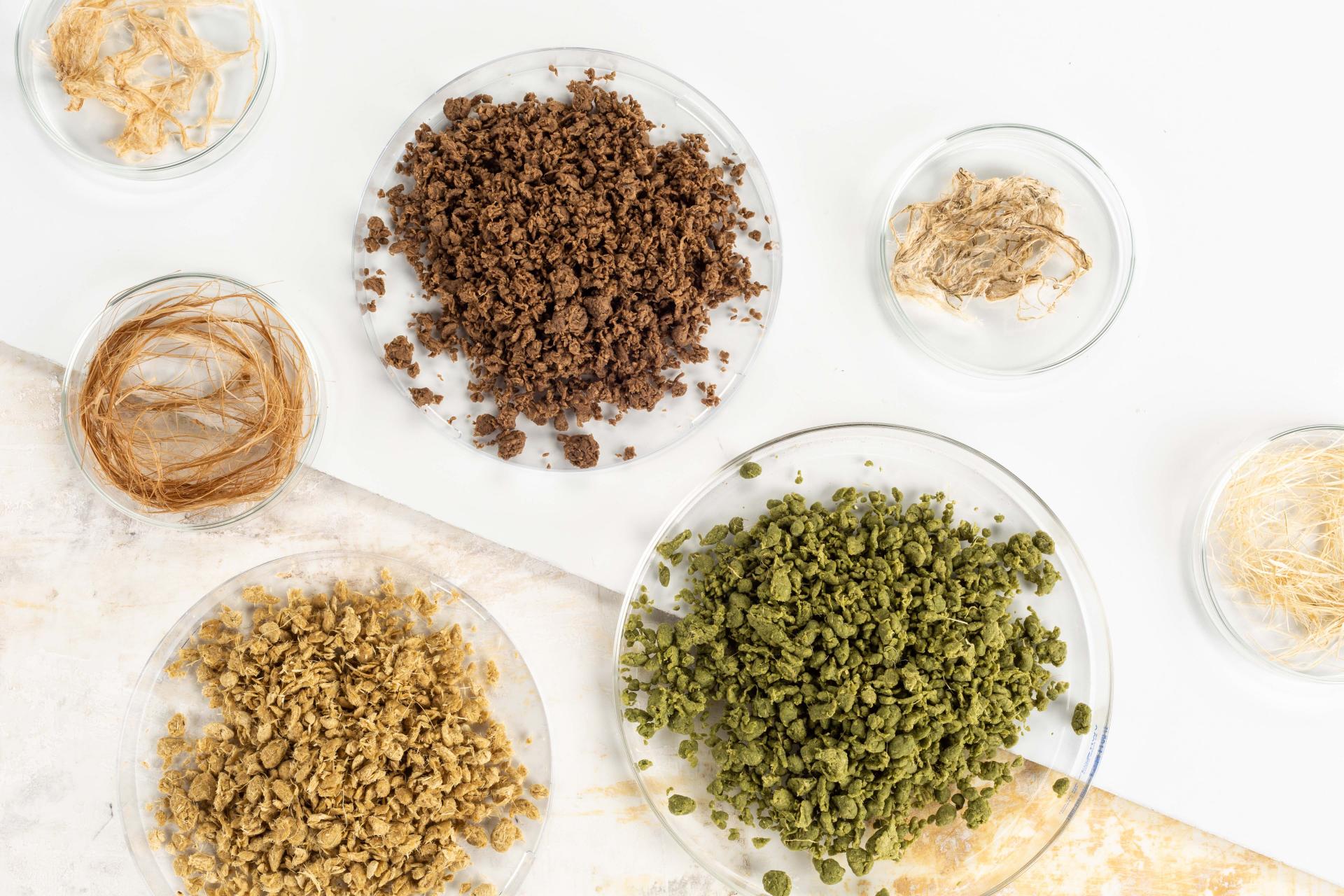
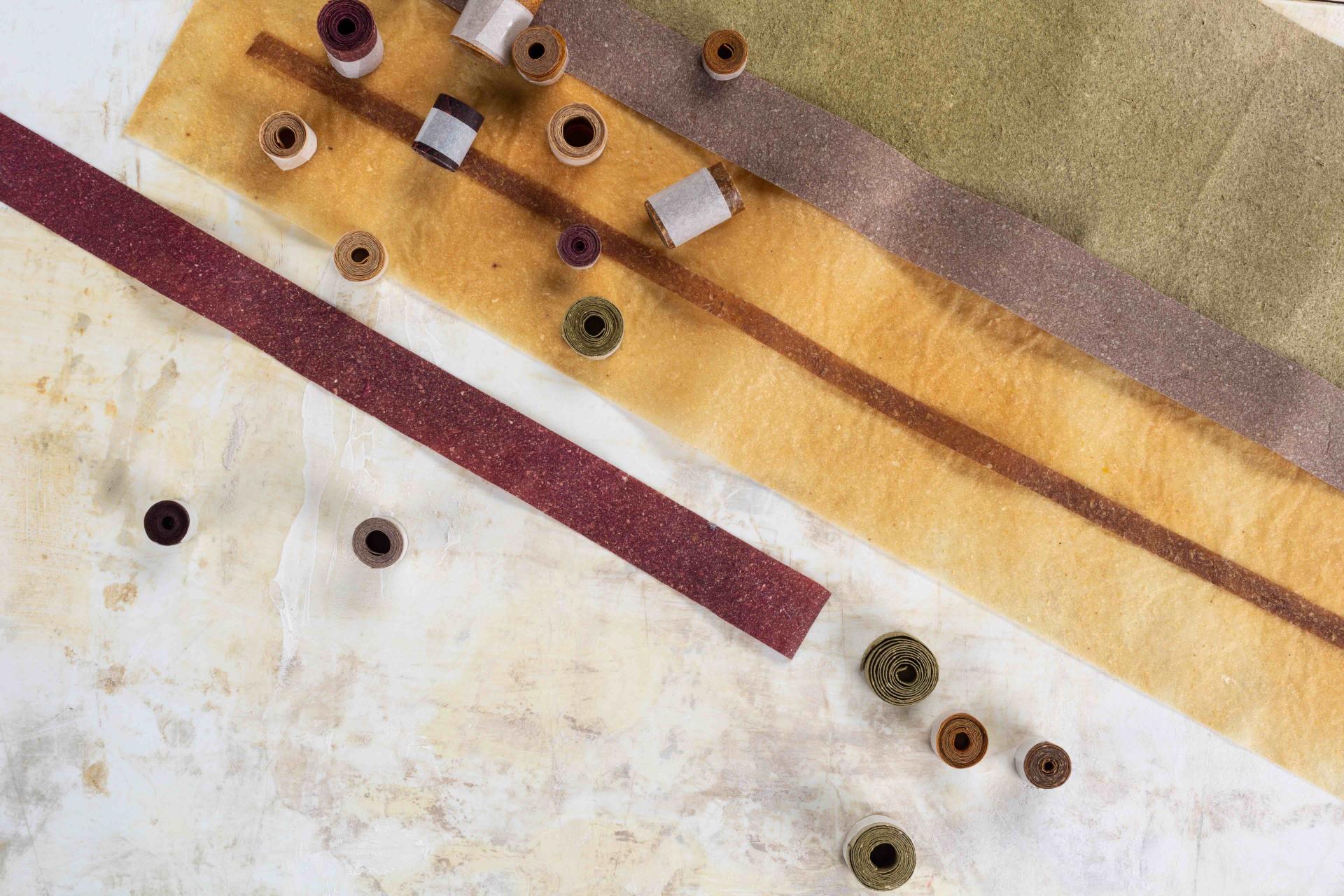
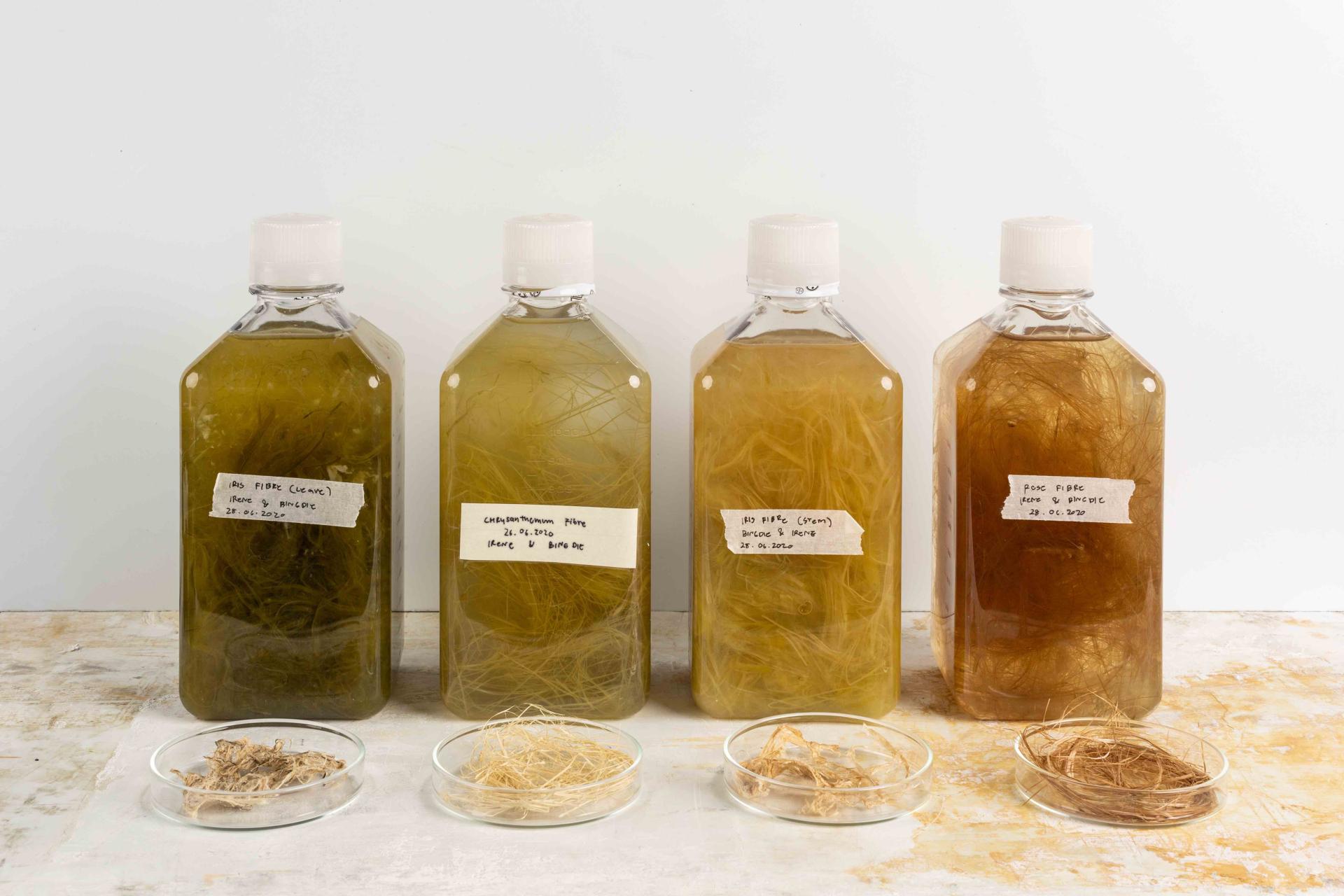
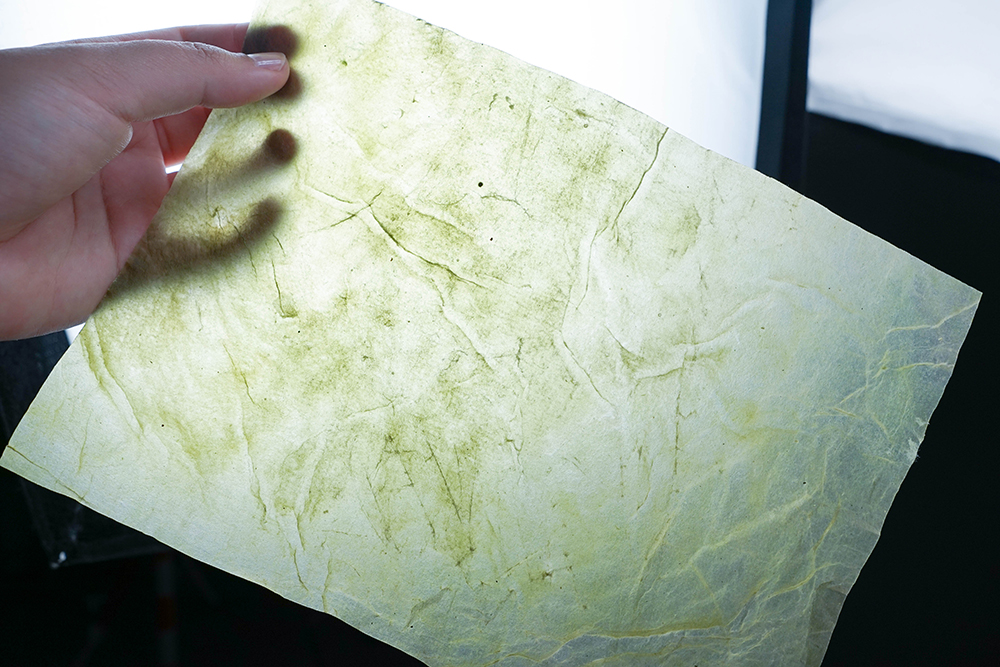
We provide the solution to this problem by converting flower waste into different kinds of sustainable materials. As flowers are essentially plants, their stem and leaf contain fibre which can be made into pulp. Petal contains less fibre but vibrant in colour can be made into pigments. These two bases can then be made into limitless bio-based materials such as paper, bio-leather and bio-foam. By turning surplus, used and discarded flowers into we can divert nearly 100% of flower waste from landfills.
Materials from Flowercycling will help cut down the use of unsustainable materials in the market by its potential to be used in a wide range of products both inside the floristry or as an alternative to chemically-treated, plastic-based materials such as bouquet wrapping paper, animal leather or phenol-formaldehyde foam.
Key objectives for sustainability
The key objectives of Flowercycling are to reduce waste generated by the cut flower industry and to raise awareness on flower waste, which is hidden behind the beauty of fresh flowers. In addition, we are aiming to substitute plastic packaging and other non-biodegradable, unsustainable materials currently available throughout the product and lifestyles goods with our materials.
Floral waste can be reduced by applying a proper set of technology specifically designed for flowers aka processes of pulp and pigment making in Flowercycling. By processing flowers into materials, we can decrease the waste and generate an alternative for the aforementioned problematic materials at the same time.
The awareness of the topic can be achieved from the communication of the materials themselves. Being transparent on the raw material source (flower waste), their quantity together with opening up all the reasons behind 'why the material is made from flower waste' will play a big part in raising public attention.
Key objectives for aesthetics and quality
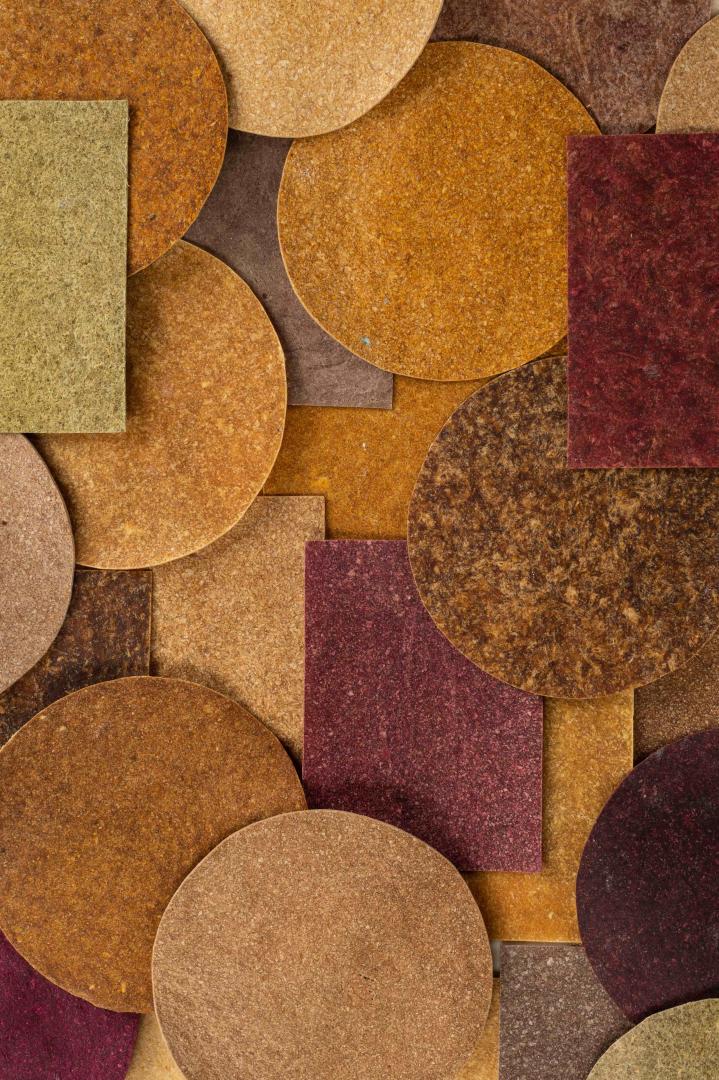
The pursuit of aesthetics in this project is to focus on the appreciation of the uniqueness of natural material. Our raw material, waste flowers, brings a strong condition of colours naturally. This allows us to maintain original colours in the new materials. Not only fascinating possibilities of natural colours can be shown, but also the preference for natural colours can also be visually stimulated to the people.
There are two main routes in maintaining colours from waste flowers. The first route is to transform petals and leaves into colour pigments. These pigments can be used to create a wide range of colour scheme for the new materials. The second route is to maintain the original colours of flower stems without beaching to white as opposed to the industrially made paper. The stems of different flower species give distinct colour shades after processing into fibres, for example, the fibre bundles of Iris prone to be green while chrysanthemum prone to be yellow.
Different combinations between stem fibres and natural pigments create a unique aesthetic.
In addition, when comes to designing the texture of materials, we maintain the natural aesthetic of the ingredients as much as possible by refused to polish the surface of the materials after the material is being formed. This results in a special sense of non-industrially made materials on the material surfaces.
Key objectives for inclusion
Research of new material cannot be done in a single discipline.
In our case, Aalto University provides a friendly environment allowing us as designers to develop our ideas within a close collaboration with scientists from Aalto University School of Chemical Engineering. We supported each other during the whole process. For example, the scientists support us with scientific instructions on material extraction and analysis from the perspective of chemistry, which enhances the credibility of the materials and allows us, the designers, to come up with various ideas basing on the results of scientific experiments.
In addition, our research souces the waste from local suppliers, wholesalers, and flower shops. We have been in collaboration with Flowerescue ry, an organization in Finland working on extending flowers life, in recycling their discarded flowers in our research and learnt the circumstance in the Finnish flower industry. In the future, to apply our project to society, all sectors involving in flower waste would need to be inclusive.
Innovative character
The most common solution tackling floral waste is the attempt to extend the usage time of flowers in semi-good condition from event venues by re-arranging them into smaller bouquets. In this approach, the flowers are not being recycled, rather being reuse or as many organisations call re-purpose. These flowers are still becoming waste eventually.
We provide a long-term sustainable solution to the waste issue by choosing to upcycle them into functional and environmentally responsible materials. Flowers made into materials do not need to be pretty. Therefore re-usable flowers can be reused before being processed into a new material later on.