Roma Smistamento
Basic information
Project Title
Full project title
Category
Project Description
Roma Smistamento is a polyfunctional hub for cultural production, education and inclusiveness. Once former railway offices in the Rome periphery, now regenerated by an under-30 team of professionals in the Cultural and Creative Industry. We believe in the power of creativity and transdisciplinarity for co-creating socio-technical transitions in the current city-making paradigm.
Project Region
EU Programme or fund
Description of the project
Summary
As the pandemic made us more aware of the beauty in the contamination of methods and languages, young professionals in the Cultural and Creative Industry (CCI) are tasked to conceive new solutions and alternatives to contemporary socio-economic and environmental issues. Our mission is to support ‘creativity as a profession’, especially among younger generations, by promoting their potential for future city-making.
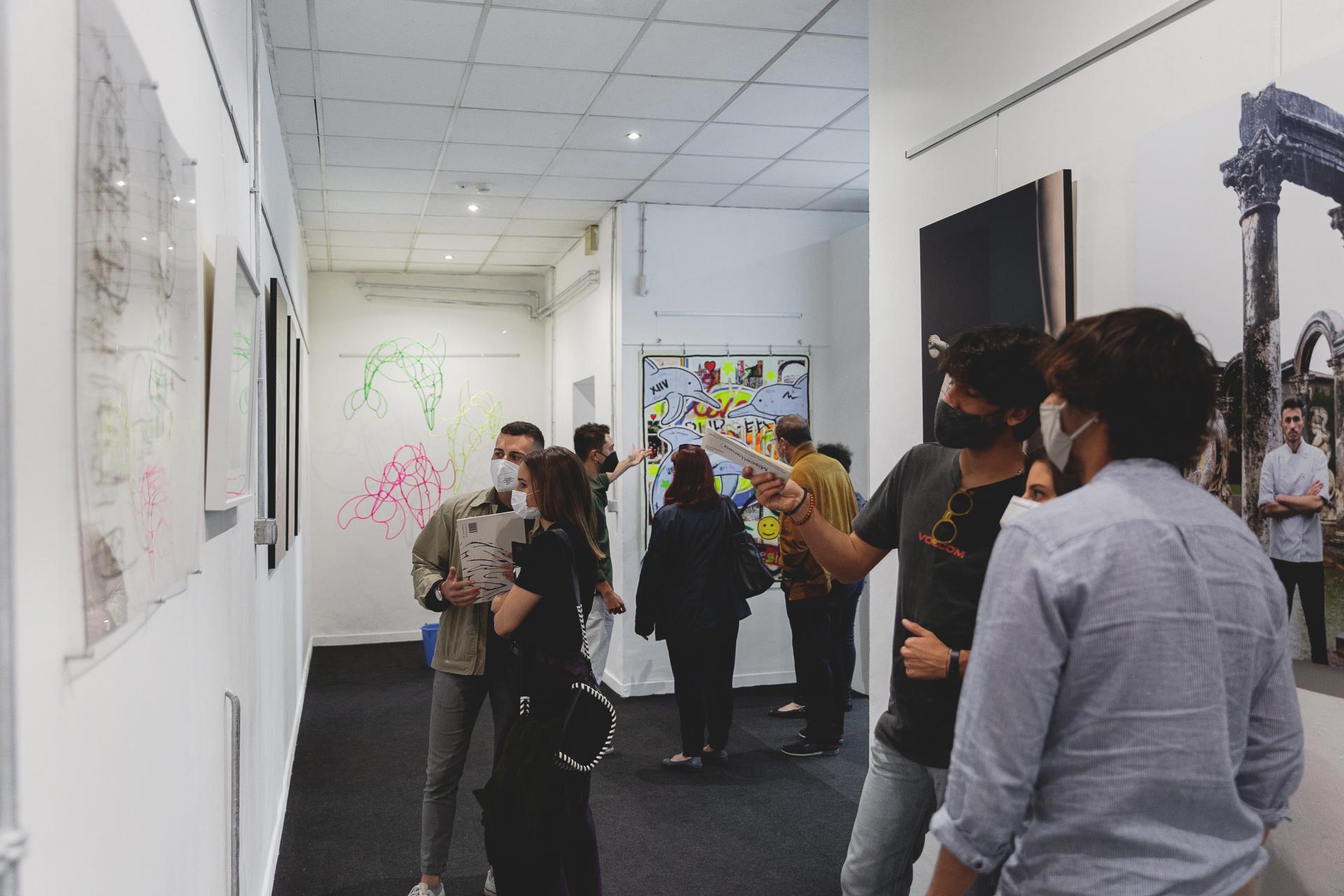
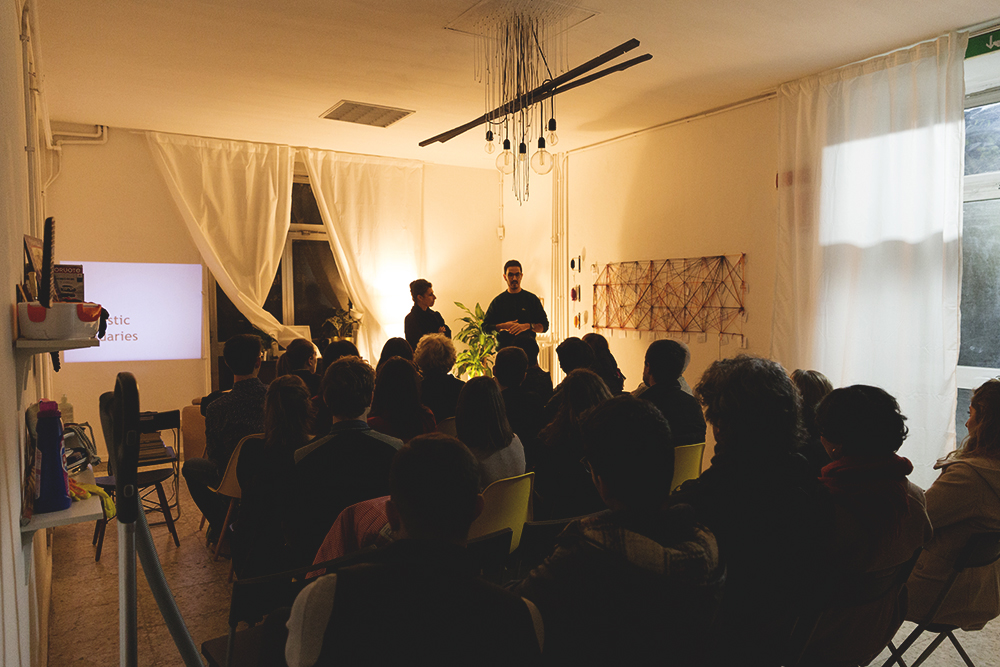
A 2018 crowdfunding campaign funded the regeneration project to transform Roma Smistamento, 300 m2 of former railway offices, into a CCI hub. A new youth and cultural centre was established in the Salaria neighbourhood, and today it hosts exhibitions, events, educational activities, and conferences all targeted to the territorial community. Awarded the “Creature” prize, the process was replicated in the city and included as a case study in the EUREKA project.
Transdiscipilinarity is our crucial feature: professionals from apparently different fields are brought together to interact and learn from each other. The team behind Roma Smistamento originates from a group of Architecture, Design, Communication and Photography students who wanted to support initiatives of the Italian youth — opposing the narrative of youth unemployment and scarcity of competitive education.
We promote productive interaction vis-à-vis introverted creativity. Weaving partnerships with universities is instrumental in engaging with the enormous community of students and professors. Our educational activities aim to acquire cutting-edge skills and practical experiences, working with senior and junior members, to facilitate access to the job market.
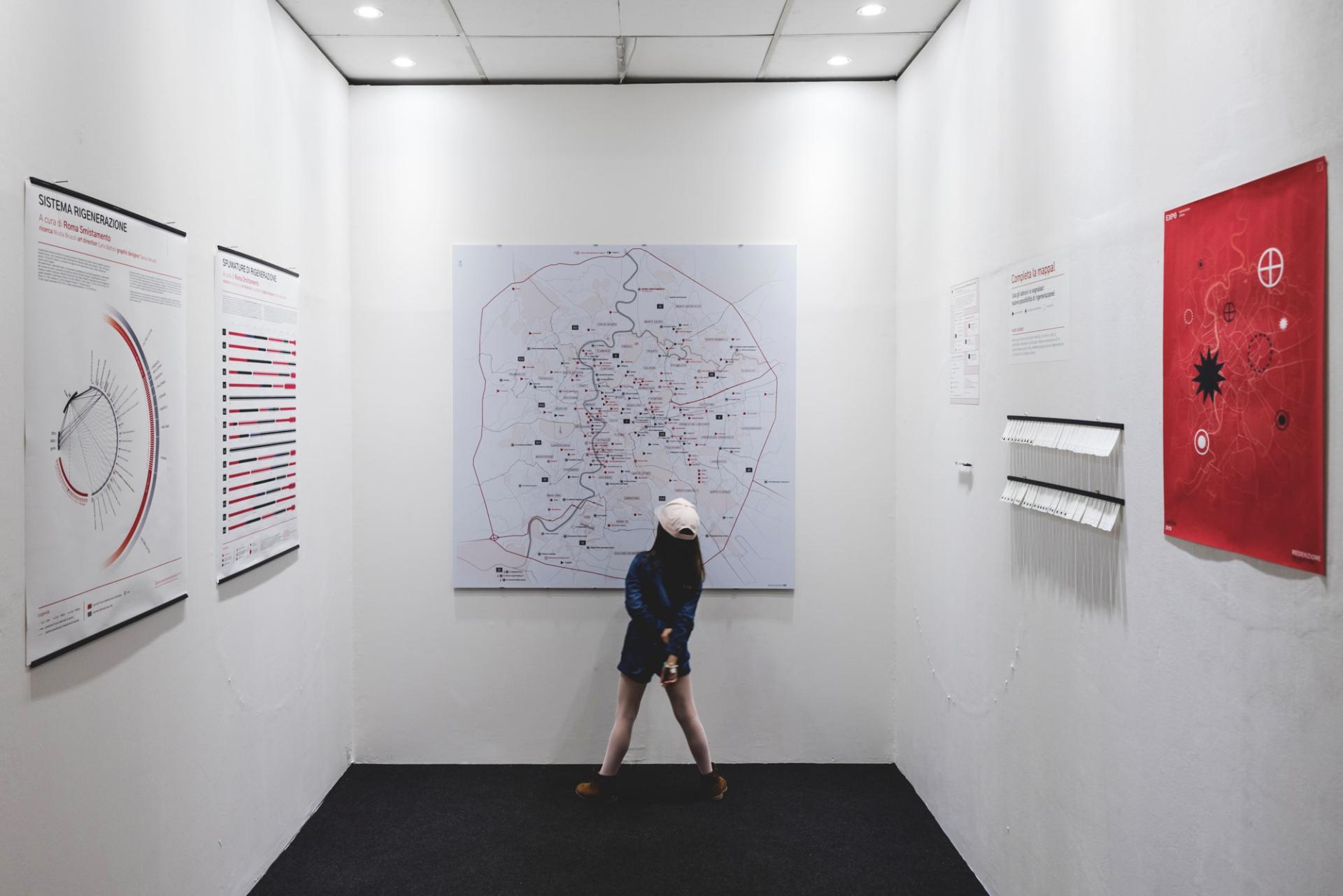
The output of our creative production takes the form of “expo-projects”, i.e., not limited to cultural exhibitions but based on scientific research and developing Millennials’ narrative of the city. Different sectors and languages address complex issues for our contemporary society and urban environment, leaving room for public debate.
Key objectives for sustainability
Roma Smistamento was first conceived to give new life to abandoned buildings and bring back functions often only found in the city centre. We strive for making everyday choices that are in line with sustainability transition strategies.
Our environmental sustainability philosophy is centred around reconnecting with surrounding nature, given the proximity to the Tiber River, and in open reinterpretation of the heavily post-industrial setting of Via Salaria. Roma Smistamento successfully managed to:
- Create an indoor garden with plants from different biomes; add bee-friendly flowers in the surroundings of our space and in 10 flowerbeds;
- Become one of the 20 WiseAir Ambassador for the project “Rome Clean Air”, contributing to the mapping of urban air quality through a balcony-pot sensor;
- Eliminate single-use plastics from the day-to-day use of our space by replacing them with compostable alternatives;
- Eliminate non-recycled paper and significantly reduce paper consumption from printing and daily activities.
Regarding social sustainability and the impact on territorial community:
- Offered new services of cultural engagement and intergenerational exchange;
- Hold more than 10 art exhibitions, cultural events and conferences open to the public in the neighbourhood and Municipal area;
- Offered educational and training activities for 40 intern students, with an employment rate of 75% within one year from graduating.
Our economic sustainability model allows for diversified revenue streams, from crowdfunding to public calls and sponsorships. The polyfunctional character of Roma Smistamento allowed us to support our activities thanks to:
- B2B services, especially concerning visual and multimedia design, digital marketing and content creation;
- A subscription-based coworking, with discounted tariffs for students and neighbours;
- Renting of our photoshoot studio, meeting room and exhibition space;
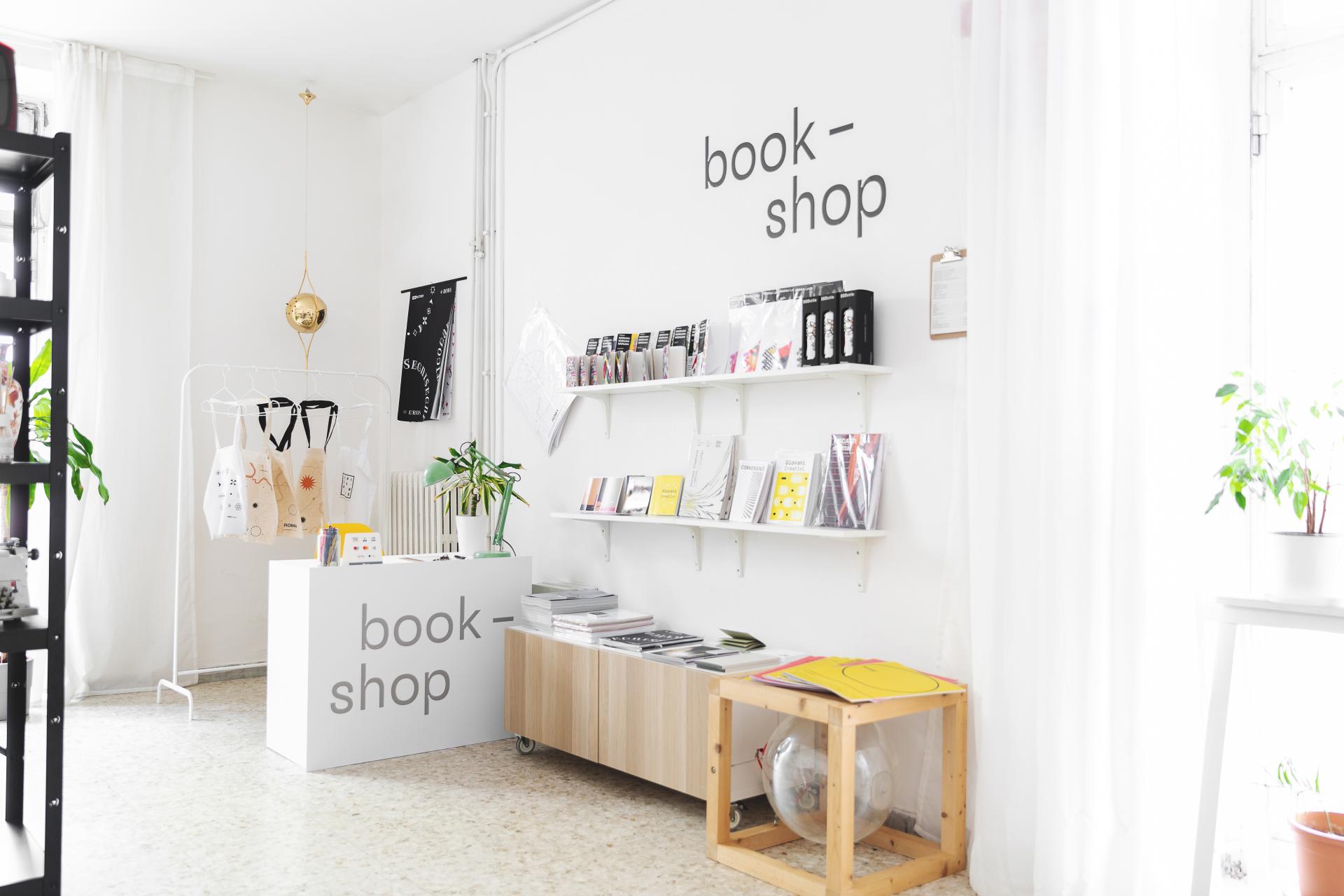
- A bookshop with our own and other selected products.
Key objectives for aesthetics and quality
Working in Roma Smistamento allowed us to develop a preference for our own “culture of beauty”, reflected in keen attention to details and pursuing excellence in both processes and outputs. Following the concept of Gesamtkunstwerk, our synthesis of different art forms, languages, and disciplines serves the purpose of providing unity and continuity between modern technological solutions and artisanal traditions and know-how. Roma Smistamento aesthetic and quality research led to:
- The development of a distinctive Artistic Direction and care for details: all our activities reflect a heartfelt interest in both contemporary elements (e.g., branding, websites and apps, social media) and consolidated forms (e.g., curatorship, interior and editorial design, publishing);
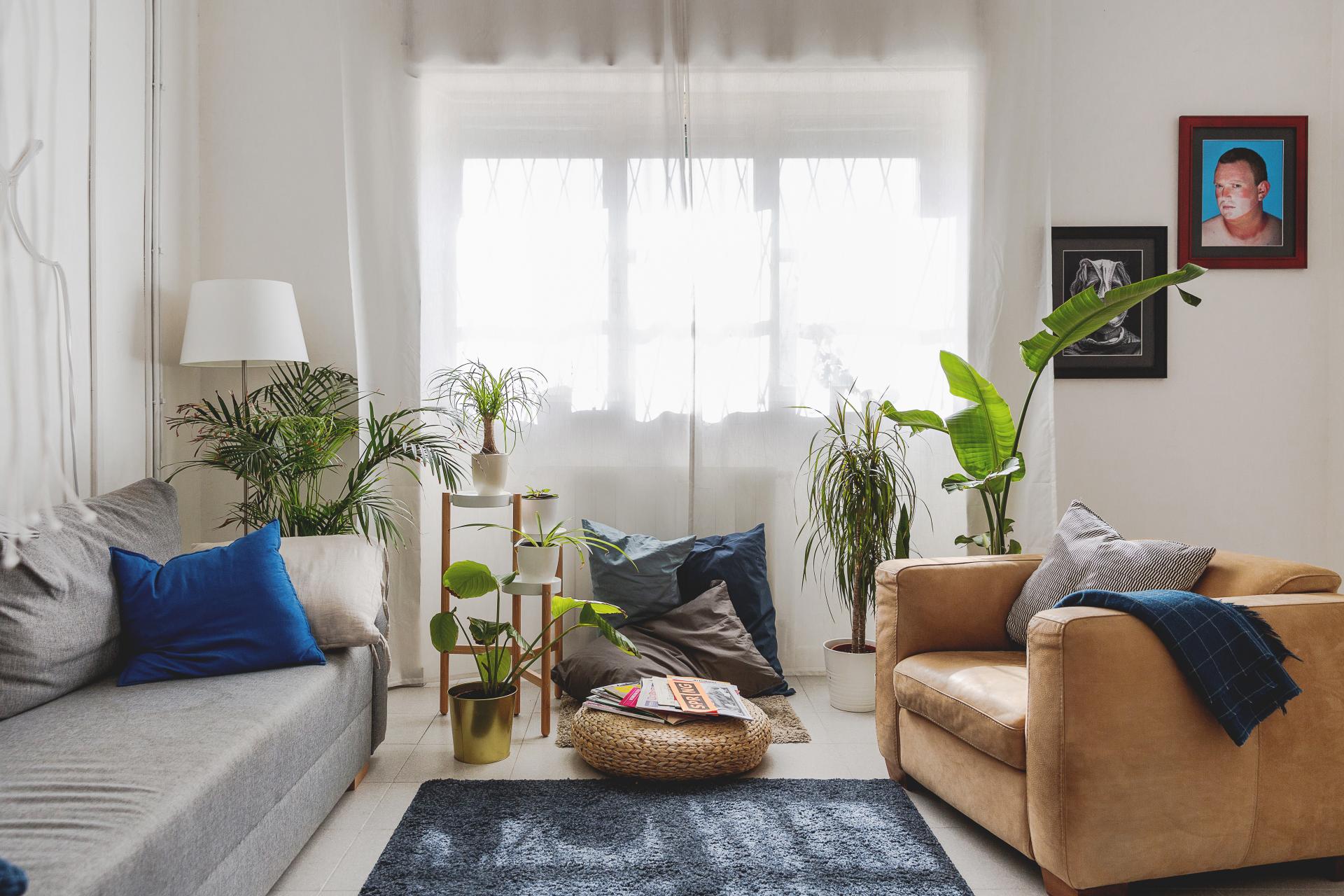
- The adoption of a form-follows-function approach for interior design: every room is flexible and minimalistic to accommodate different purposes, including upcycled furniture and materials recovered from the urban regeneration process;
- The creation of new cultural formats with improved accessibility: integrating architecture, photography, visual design and digital/multimedia communication led to hybrid ‘phygital’ contents, often adopting AR technologies to facilitate innovative fruition of culture. This is reflected in a strong engagement with the under-35 public, usually representing more than 45% of total participants to our cultural events.
- The application of Design System Thinking methodology: as a fundamental requirement, we seek co-creation and a contemporary aesthetic in every process and project. Our strong Visual Design focus is reflected in positive and inclusive storytelling, especially fitted to promote and spread success stories in a tough neighbourhood.
Key objectives for inclusion
Our under-30 creative studio comprises Millennials and Gen-Z members from different academic backgrounds, competencies and cultural traditions. Open-mindedness, inclusivity, dialogue and social learning are fundamental values that made us stand out in the sector. In terms of inclusion and social sustainability:
- Our ideas and research activities often stem from acknowledging and facilitating freedom of expression. We allow everyone to explore their personal understandings and desires thanks to creativity, transdisciplinarity, and reflexivity.
- The management board of Roma Smistamento, together with several of its students and professionals, has always included mostly LGBTQI+ individuals. Although our portfolio misses advocacy activities per se, Roma Smistamento offers mutual support to these community members and represents a safe space of freedom and respect.
- We prioritise our students’ personal and professional growth by following a life-long-learning approach: we offer frequent mutual-assessment meetings and provide them with reflective-learning tools that can be applied in professional and academic contexts.
- All our intern students are treated as equals to create the most comfortable and open atmosphere possible, adopting a horizontal management structure. Our internship programmes are student-centred and crafted together around their aspirations. As a result, these young professionals often feel inspired by examples of innovators and success stories in their cultural and creative sector. Sometimes, they even decide to become part of the Roma Smistamento team after graduating.
Results in relation to category
After 4 years of activities, we reached the following results:
1) Regeneration of territorial functions:
- Renewed accessibility to a place formerly closed to the local community: being a critical sorting (“smistamento”) centre for freight transport, it was dedicated to the exclusive use of blue-collar railway workers.
- Establishment of a mixité of contemporary and diversified functions in the challenging “Salaria” neighbourhood, which suffered from a centre-periphery division and outdated social practices. We reinterpreted and facilitated the reappropriation of this strategic urban context by stimulating convergence among marginalised and unheard segments of society.
2) A contact zone for the local community:
- Reduction of urban decay, thanks to the presence of Roma Smistamento as a lively social centre. Surrounding green areas are now cleaned with the help of local dwellers, who feel safer and can again enjoy these public spaces during all times of the day.
- Establishment of cultural activities and missing services.The 300 m2 of Roma Smistamento held different CCI initiatives: exhibitions, events, educational activities, conferences and talks. The place has become a “contact zone” to host the production of young CCI professionals and to offer opportunities for mutual learning and experimentation.
- Facilitated entrance to the job market: by working on concrete projects from design to implementation, interns and young professionals can significantly enrich their curricula with cutting-edge skills and hands-on work experiences. This helped them enter the job market in a country where youth unemployment is above 30%.
3) Building a network of CCI professionals:
Our co-creation strategy deeply involves territorial stakeholders: universities, professors and students, community organisations, private actors and local administrators. These partnerships and community-building initiatives are founded on the transdisciplinarity of the Roma Smistamento team.
How Citizens benefit
Mobilisation
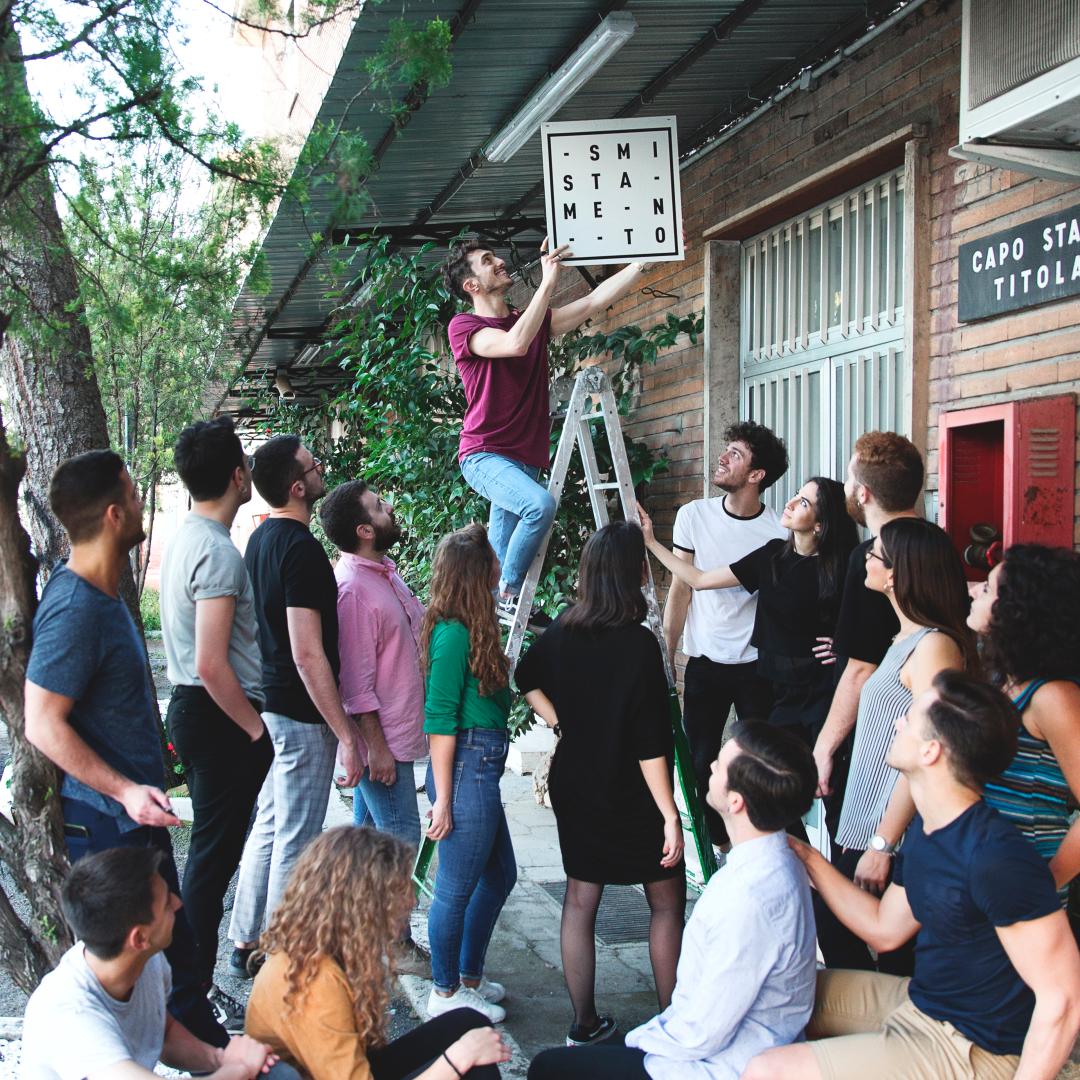
Roma Smistamento was born from the interaction of an active group of students who established TWM Factory in 2015 to create a system of under-30 CCI professionals. The first phase of designing the space was done by surveying and analysing the needs of the territorial community. The resulting crowdfunding successfully raised more than 7.000€, and the space was autonomously transformed into a creative hub. The regeneration process created a micro-community of friends, relatives, neighbours and curious bystanders. The glue holding them all together was the enthusiasm of giving new dynamism to a seemingly hopeless scenario.
Working and learning together
After becoming scientific and educational partners with local universities, we opened up to all types of artists, designers, architects and communication specialists. We are now conceived among young professionals as incubators for experimenting with high-level projects, thanks to partnerships with national museums, government agencies, and professional orders at different governance levels. More than 40 internship programmes were stipulated, and students are free to contribute to all project phases.
Disseminating synergies
Stimulating socio-technical transitions is what ultimately drives our activities. The outputs usually take the form of “expo-projects”, firmly grounded in research and supported by engaging communication campaigns. Several related events, including conferences, talks, and the publication of an editorial, explore and disseminate the research topics among the general public.
Such projects aim to reach for a convergent and consistent discourse to stir socio-cultural change by creating a symposium where civil society can debate and learn, and where CCI professionals can engage in socio-cultural experimentation. Communication and design acquire a critical role. Their interaction and participation in all project phases generate new visionary ideas for the city.
Innovative character
Creativity is the fundamental driving force behind the urban regeneration project of Roma Smistamento. We believe our approach is characterised by three innovation points:
Young generations
We want to reaffirm and legitimise the central role of the young, bestowing them a proactive and deliberative role open to innovation and experimentation. As Roma Smistamento has been designed and managed by under-30 professionals, we invest in young people who want to take together the front line to positively impact their community and city. We took a strong stance in favour of initiatives conceived and led by under-30 professionals in a country where institutions often fail to provide structural support to contemporary perspectives on city-making and urban societal change.
Transdisciplinarity
We see transdisciplinarity and contamination as tools to facilitate the sharing of innovative ideas in the cultural and social sector. Teamwork is a requirement, and we strongly believe that Communities of Practice represent a promising strategy to deliver socio-technical change.
Autonomous professionals, students, artists, and designers alike are invited to Roma Smistamento to learn from each other, share their perspectives on pressing socio-cultural and environmental issues, and recognise each other’s potential for delivering social impact. We are proud to have always represented all territorial stakeholders in our conferences and roundtables.
“Expo-project” methodology
Through the “expo-project” methodology adopted at Roma Smistamento, our projects are developed along three phases: shared research design, visual and multimedia communication, production in partnership. It has proved to be a solid modus operandi for any kind of projects, taking into account their different characteristics and objectives. This cultural and creative production fits with exploring alternatives to the canonic urban development paradigm.