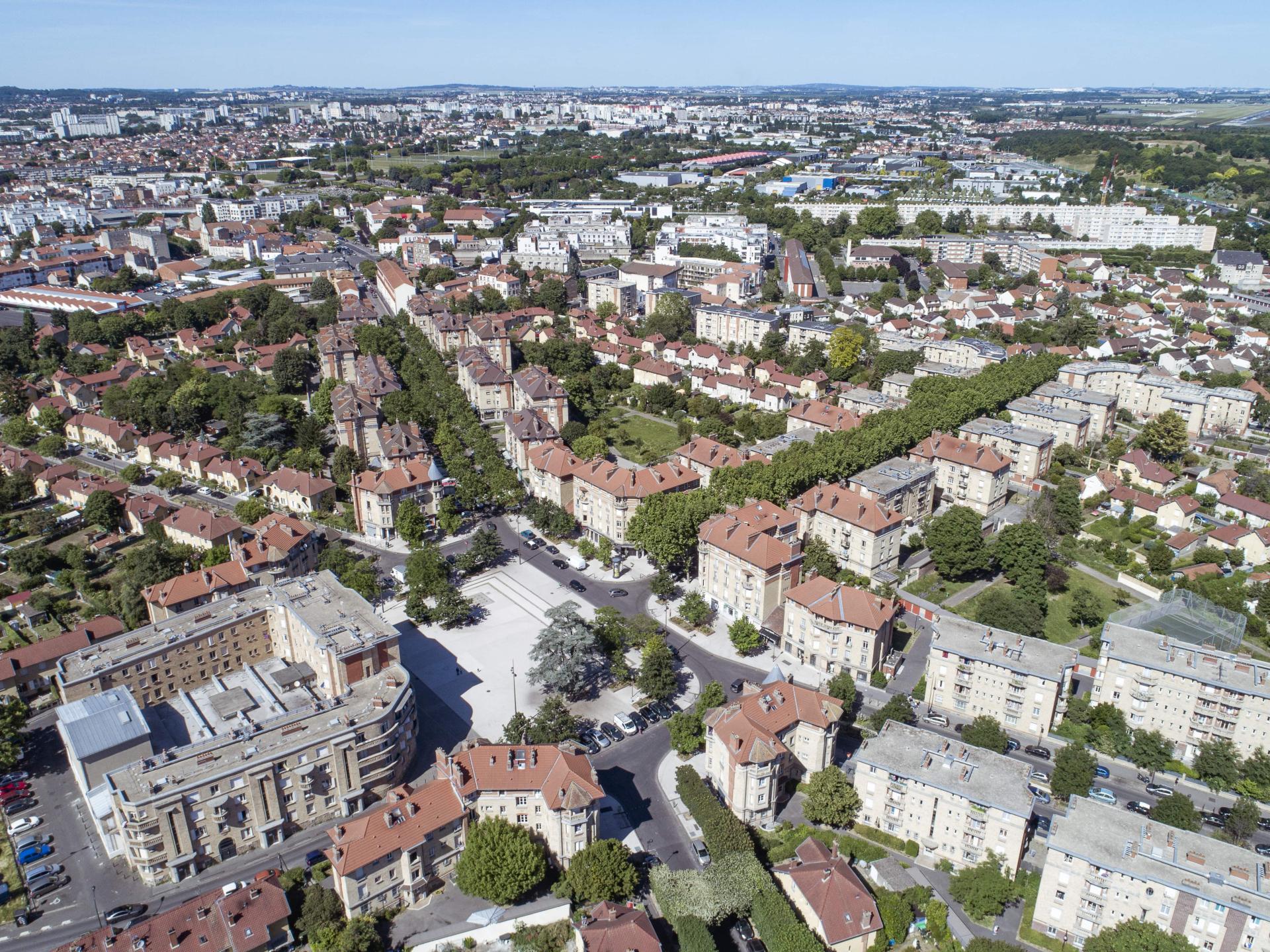
Garden city of Stains
Basic information
Project Title
Full project title
Category
Project Description
The garden city of Stains was build between 1921 and 1933 on the english model based on the utopia of social urbanism. At the beginning of the 2000s, the humanist values carried by the initial utopia had totally disappeared and the district represented a neglected area.
In that context, a vast urban rehab program of this social property was engaged, in order to recover the initial architectural quality and the conviviality of common spaces of this remarquable area, protected since 1976.
Project Region
EU Programme or fund
Description of the project
Summary
In 2004, Seine-Saint-Denis habitat launched with its partners an ambitious urban rehab project of the garden city of Stains. It was meant to adapt the aesthetic concerns of the classified building, to the needs of the tenants and to the current safety and comfort standards. This has to be done while continuing to control the level of rents and charges, corresponding to the social character of occupation.
In this regard 1,150 collective housing units and 472 individuals house have been fully rehabilitated. The remarkable architecture of the garden city was renovated and highlighted in this project. It was associated to a vast program of thermal improvement of the buildings (without alternating classified facades), renewal of common networks, typological restructuring or refurbishment of the sanitary equipment in each apartment, enabling them to reach current standards in terms of comfort and energy performance.
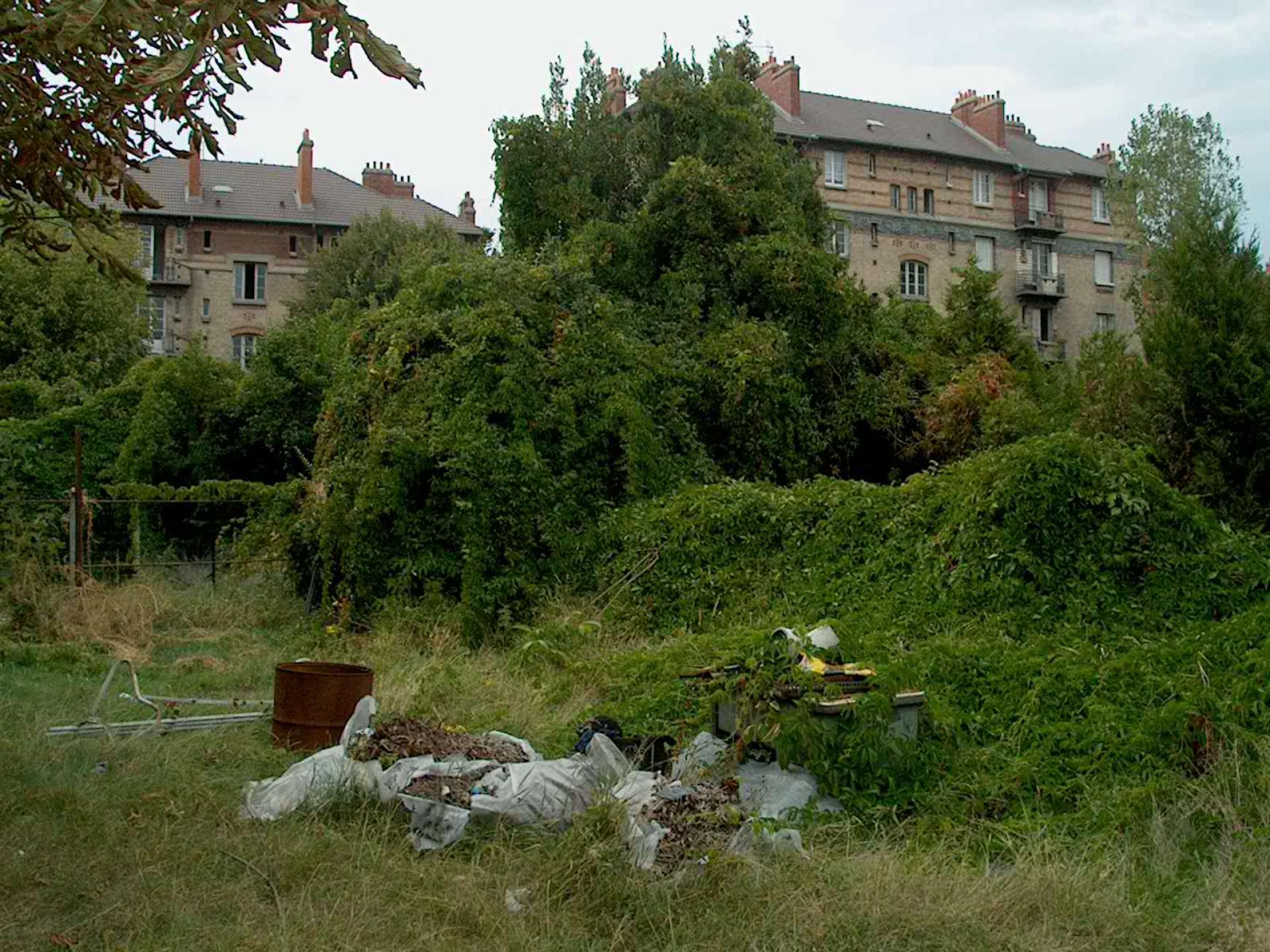
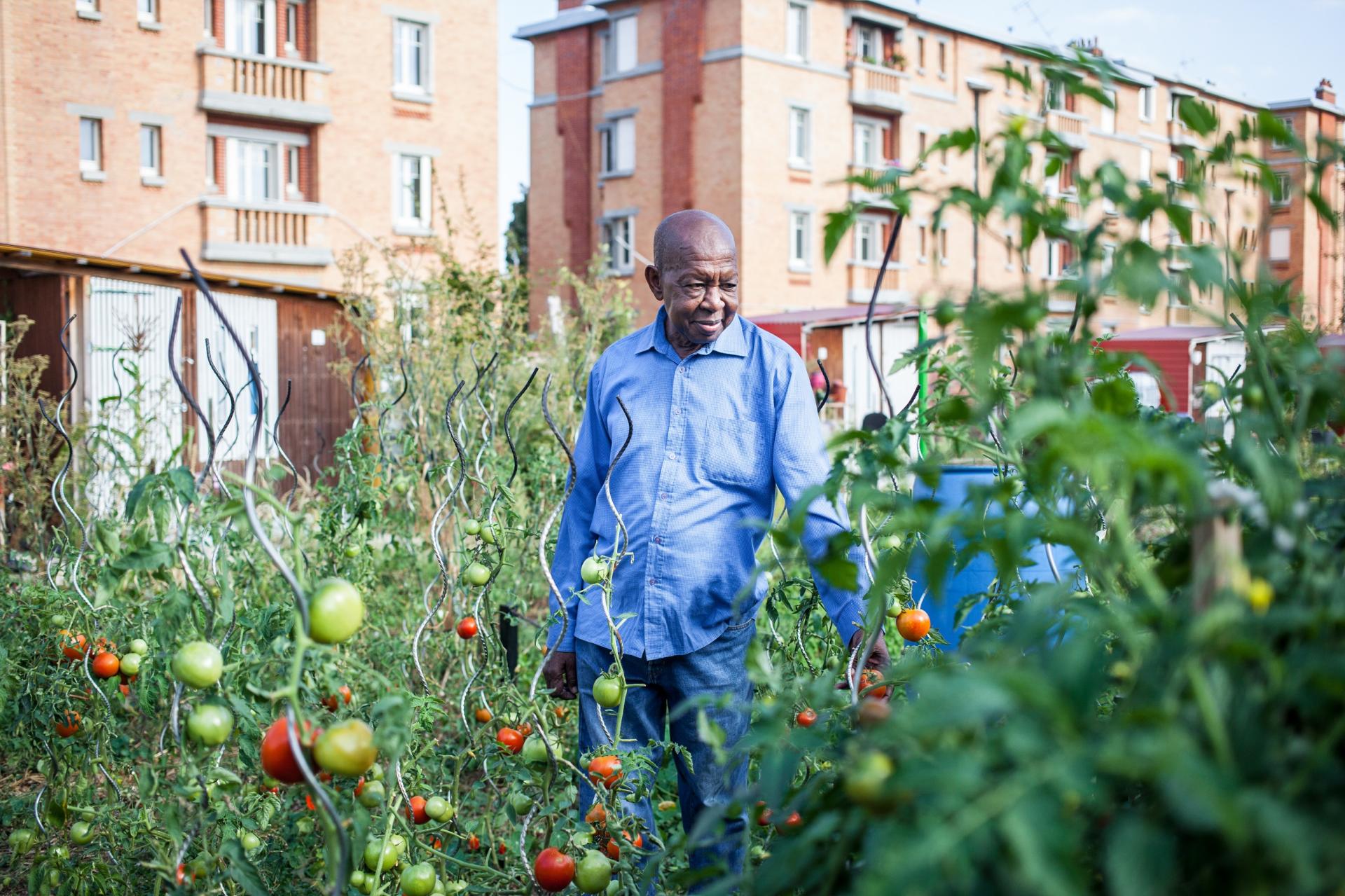
The green heart of the urban blocks, gradually abandoned, were also reclassified into family gardens, spaces of leisure and rest, which echoed gardening and recreational activities devolved to these spaces on the creation of garden cities.
It is therefore the initial utopia of social urban planning which is regenerated by this project. In that goal, the design of the program has been based on an extensive consultation with residents, which resulted in votes before validating the program. This consultation is now relayed by an heritage and touristic enhancement of the district : the area is now included in the Ile-de-France network of Garden cities, a “Garden City Memory space » opened in the neighborhood and the area has received a “ regional interest award » decerned by the Ile-de-France Region in 2018. The area became again a real place of life and an object of visits for curious people or lovers of the architectural heritage or the utopia of garden cities, as well as also for architecture and rehabilitation professionals.
Key objectives for sustainability
Sustainability, giving a new start, are central notions of this project, which aims to regenerate the initial utopia of social urbanism that prevailed more than a century ago when the garden cities were created across Europe.
It is therefore an history, rich in social ties and strong in a remarkable architecture, that the actors of the project wished to rehabilitate and enhance as part of their urban renewal program, with the aim to sustainably register the values defended by city gardens in the city of tomorrow : diversity and social ties, nature in the city, market gardening at the foot of the building, aesthetics and particularity of constructions, quality of housing, modernity of technical equipment, presence of public and private facilities nearby, etc.
In addition to this historical and heritage approach, a real large-scale rehabilitation program has been implemented. It combined interventions improving the comfort of tenants (typological restructuring, complete repair of water rooms, etc.), with a large-scale thermal renovation program : complete renovation of the enclosure and roof (refurbishment, thermal insulation by the interior, replacement of exterior joinery, repair of the ventilation system, creation or renewal of production and distribution systems for heating and hot water, etc.).
Thank’s to the project, the buildings were connected to the municipal heating network supplied by deep geothermal energy. It contribute to the substainability approach of Seine-Saint-Denis habitat in this urban rehab program.
Hence, the project not only serves to perpetuate this social real estate heritage over time, enhancing its remarkable architecture, but also includes a level of comfort in line with current environmental requirements and the expectations of tenants.
Key objectives for aesthetics and quality
The area of the garden city of Stains has been protected since 1976. So, the project implemented by Seine-Saint-Denis habitat and its partners aimed to rediscover the initial aesthetic of the place by intervening massively on the buildings and outdoor spaces, nearly a century after the conception of the area.
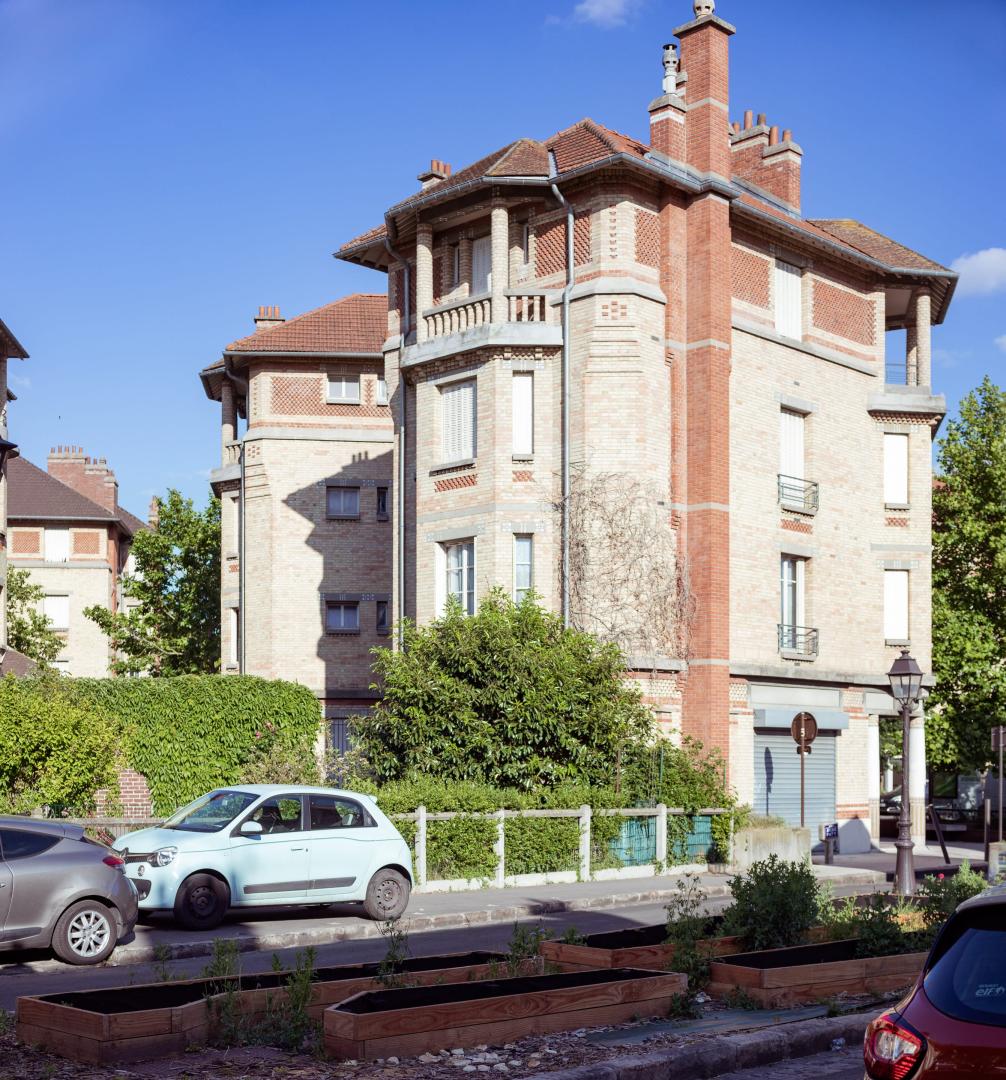
The renovation of housing has been the subject of a major work to enhance the architectural qualities of the place. This was carried by the project management commissioned by Seine-Saint-Denis habitat, in conjunction with the Architect of the French buildings heavily invested on this project. It focused on restoring the unique architecture of the place to its original form. Indeed, the combination of shapes (oriel windows, corbelled windows, balconies, loggias, roofs, openings) and materials (concrete, brick, colored plaster, tiles, mosaic, earthenware, marble, enamel, metal locks, wood) allows to eliminate any visual repetitiveness and to particularize each entity. This type of approach (searching for standard elements, with variations depending on the program and the situation), is characteristic of the work carried out by the architects of the garden cities.
The aim of the rehabilitation program was to magnify these elements, by renovating the historic facades or by preserving or reconstructing old or damaged elements identical to the original ones. The use of original materials (plaster or bricks in particular) for any reconstruction, was one of the key requirement of the project.
At the same time, the development of the green heart of the urban blocks was carried out keeping in mind sustainable development and the preservation of nature in the City. The green spaces were all preserved and redeveloped without mineralization of the ground and the constructions were made using wood. The existing tries have been preserved and family gardens have been reinstalled to recall the initial use of the place (meeting and leisure places).
Key objectives for inclusion
Inclusion in the project translates into two aspects : the participation of the local residents and the social interaction.
Indeed, this urban project was done with and for the residents of the neighborhood. During 5 years, they were the actors of an intense process of public consultation made by Seine-Saint-Denis habitat, the city hall of Stains and Plaine Commune. This consultation allowed to define and then validate the projects before lanching it
In particular, residents and the tenant association expressed strong support to restore the aesthetics and initial utopia of places, by rehabilitating housing and public or private spaces identical to the original ones. Any proposals aiming to mineralize certain public spaces have been rejected by the residents themselves, to preserve the landscape qualities of the garden cities which make them remarkable. So, this enhancement project pays great attention to the history of the place and to the initial utopia of the garden cities, which encouraged inclusion by promoting social interaction.
The renovated public spaces encourage social interaction of the local residents. The memory of the places is enhanced by the creation of a dedicated place entitled "garden city memory".
It was opened in a former hardware store. It’s a place for temporary exhibitions, the departure point for visits to the neighborhoods, workshops with the residents and more generally for transmission and inclusion around the values carried by the garden cities. Since 2008, the space has welcomed more than 10,000 visitors. Since 2015, it has also been the head office of the regional association of garden cities of Ile-de-France and one of the emblematic places of the future network project of CIAP (Center for the Interpretation of Architecture and Heritage) of Plaine Commune as part of the implementation of the “Cities and Countries of Art and History” label.
Results in relation to category
Its surface area, its numerous facilities, its architectural and urban coherence, make the garden city of Stains a remarkable urban ensemble and one of the most successful and complete garden cities on Ile-de-France region. It was built on the park of the former Stains’ Castle, partially destroyed during the Franco-German War of 1870. Therefore, this area has a rich history, which is the source of his attractiveness and particularism.
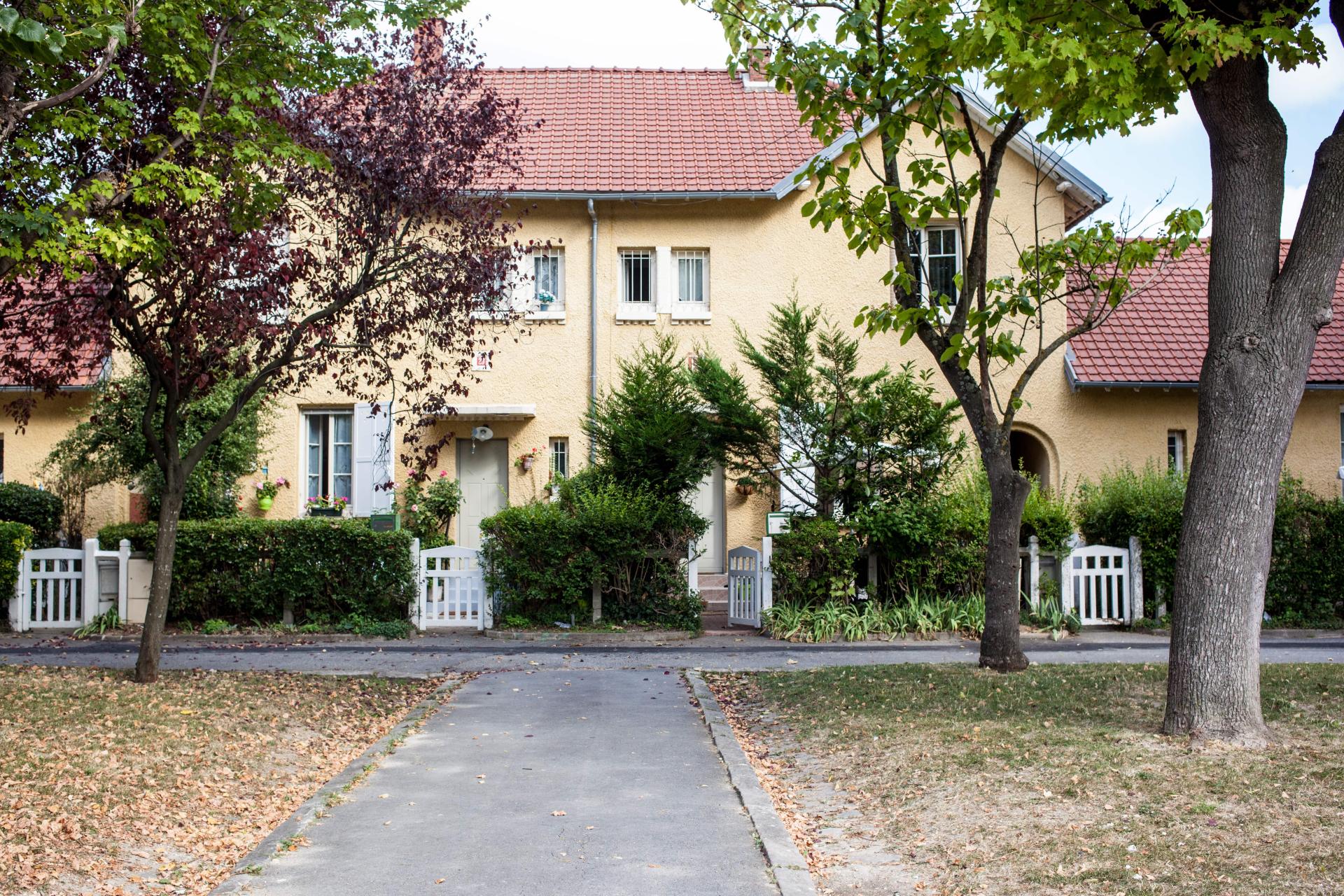
Since its construction, the entire city has remained in the social housing park (with the exception of a few individual houses), with controlled and moderate rents.
The building complex has kept its coherence and unity and has been magnified by the urban renewal project. Between 2004 and 2020, 1,650 social housing units were fully rehabilitated (1,168 collective housing units and 482 pavilions) and all of the neighborhood's outdoor spaces were renovated by the HLM Office and the public authority.
These massive interventions were made possible by the inclusion in 2006 of the urban project of the garden city of Stains in a national program led by the National Urban Renovation Agency in France (ANRU). ANRU funding has enabled the direct rehabilitation of 843 housing units and the treatment of all outdoor spaces (roads, squares, block centers), in support of the equity invested by the project leaders. The HLM Office continued with its own funds to rehabilitate the remaining housing, in order to ensure equal treatment of all housing and urban renewal of the entire district.
In total, more than 100 million euros have been invested by the project leaders in the district's urban renewal project. It included about 90 million euros in favor of the renovation of the building and 10 million euros for the revitalization of outdoor spaces. 40% of this investment was financed through financial support from ANRU or partner local authorities, the remainder being carried by proper found or loans taken out by Seine-Saint-Denis habitat.
How Citizens benefit
The phase of defining the urban project with the inhabitants lasted 5 years, in a progressive and dynamic approach despite its significant duration. It allowed to define the master plan of the urban project, the list of operations concerned and the main intervention principles of the various projects.
For example, it was during this phase that the treatment of the green heart of the urban blocks was questioned. Several pre-feasibility of the architect and paysagist of this project, were submitted to residents and debated. Some proposed to completely transform these spaces. But, it is those which aimed to recover the initial recreational and market gardening activities of the places which were selected thank’s to this consultation. Indeed, they were strongly attached to the history, the memory of these places and the role they had in the development of a social interaction between local residents. Thank’s to these moments, some of them have discovered the history of this particular area, the history of their city and the history of social housing in France, wich was well known to others. This helped to create a feeling of belonging to the area and even sometimes pride, wich all together helped to live better. This is why it was decided to give back to the seven green heart of the urban blocks their historic usages.
This urban-level consultation was then duplicated at the level of each operation carried out by Seine-Saint-Denis habitat. Each of them was the subject of a specific consultation program, resulting in a collective vote on the proposed program. The validation by the majority was a mandatory prerequisite before the start of work.
More than 500 tenants participated in the votes on the various work programs offered by SSDh in this context. The projects were approved by more than 90% of the voters, which confirms the implementation of an urban renewal project that is truly shared and appropriated by the tenants.
Innovative character
The innovation of the project is in the ability to regenerate a protected architectural heritage to the curent standart of housing, alsmost a century after his construction. Without altering the architectural aspect of this century-old heritage, a sustainable development project should be developed that anchors it in current requirement (comfort, surfaces, performance).
The project therefore endeavored to respect few principles :
- No artificialization of the grounds : all green spaces have been preserved and the presence of nature in the city, which marks the particularity of garden cities, has been reinforced.
- No demolition of housing : rehabilitation has always been favored over the demolition-reconstruction of housing, which has a lower impact on the environment. In this goal, the typological modifications were carried out by the internal restructuring of the buildings without altering their exterior appearance (by grouping together certain apartment, for example). This made it possible to keep the complete and very elaborate urban concept of a garden city, builded in the former park of the Stains’ castle. If a demolition was necessary, it was rebuilt identically, using exactly the original materials. This was the case for the brick shed (outdoor storage spaces), which were located at the back of buildings for example. Finally, the thermal insulation was carried out from the inside, in order to allow an identical renovation of the facades, which highlights the unique architecture of the garden city : combination of shapes and materials allows to eliminate any visual repetitiveness and to particularize each entity.
- Validate a program, which reinforces the history and the initial utopia of the place. This is particularly striking for the outdoor spaces and in particular the green heart of the urban blocks, which, after years of inactivity, have regained their initial market gardening and recreational vocations.