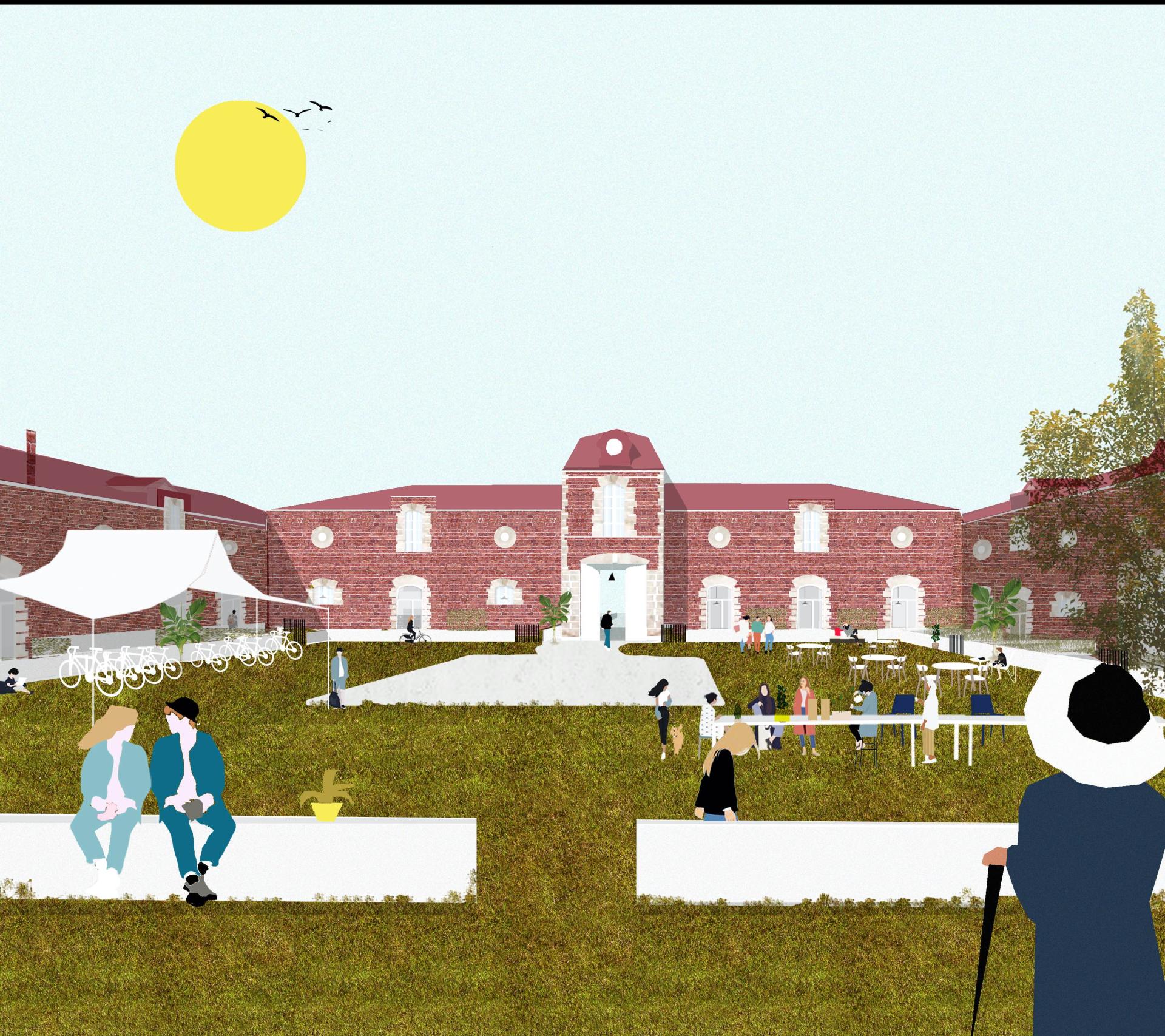
Reconnect with the countryside
Basic information
Project Title
Full project title
Category
Project Description
In our countryside, many agricultural patrimony buildings from the last centuries lie sleeping. This abandoned architectural heritage offers many possibilities to limit urban sprawl, create affordable housing and invent new ways of living.The development of new communities would allow the reintroduction of local agriculture and the achievement of food autonomy. Our objective is to preserve the countryside and assist its development by valorizing the existing cultural heritage and landscape.
Project Region
EU Programme or fund
Description of the project
Summary
The region of Toulouse has the highest demographic expansion in France with an average of 16,000 new inhabitants per year. It is an attractive region because of its reputation in the aeronautics and space industries. This region has prospered in the past thanks to its agricultural activity, its geographical location in the valley and its river, the Garonne.
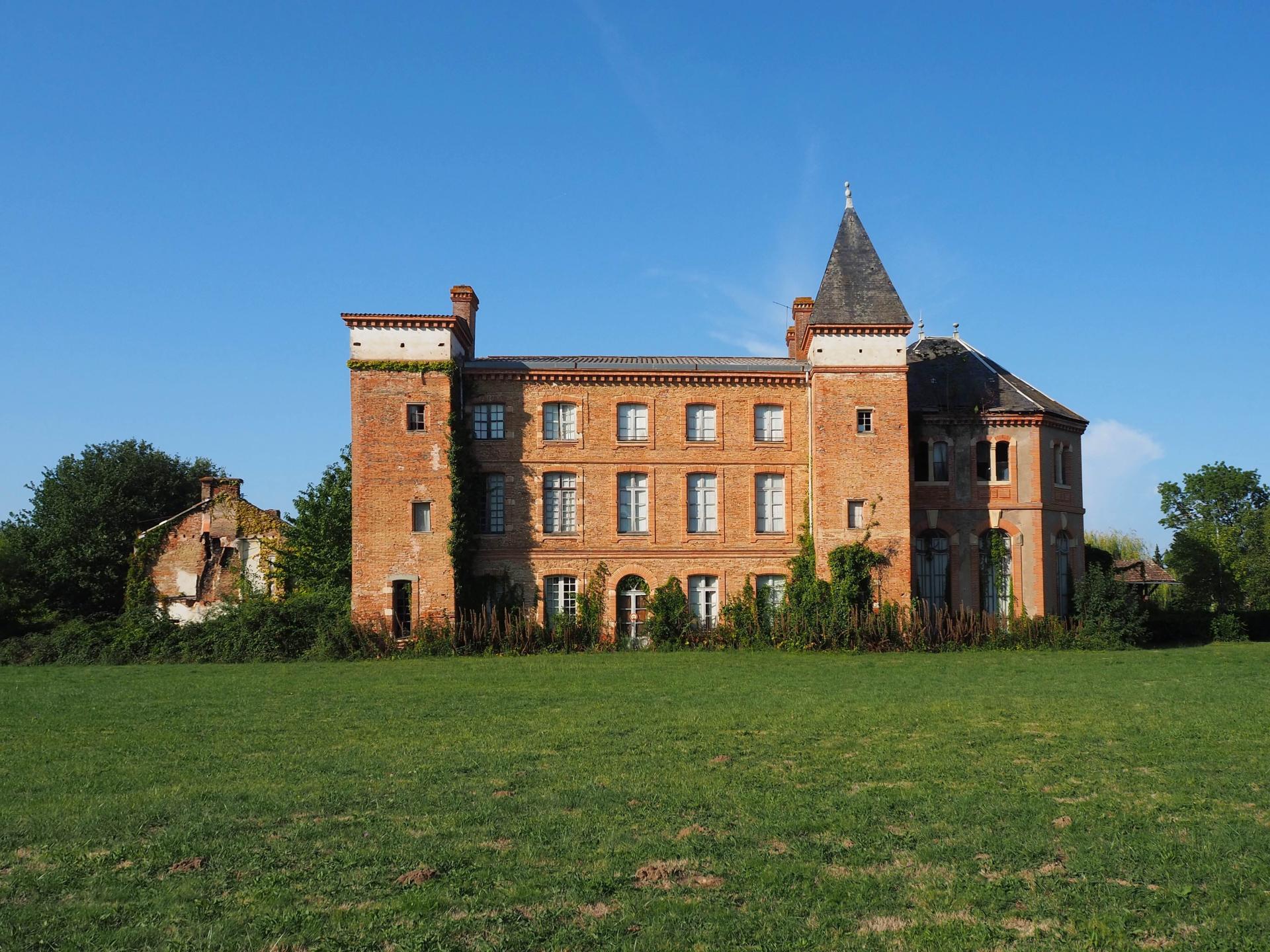
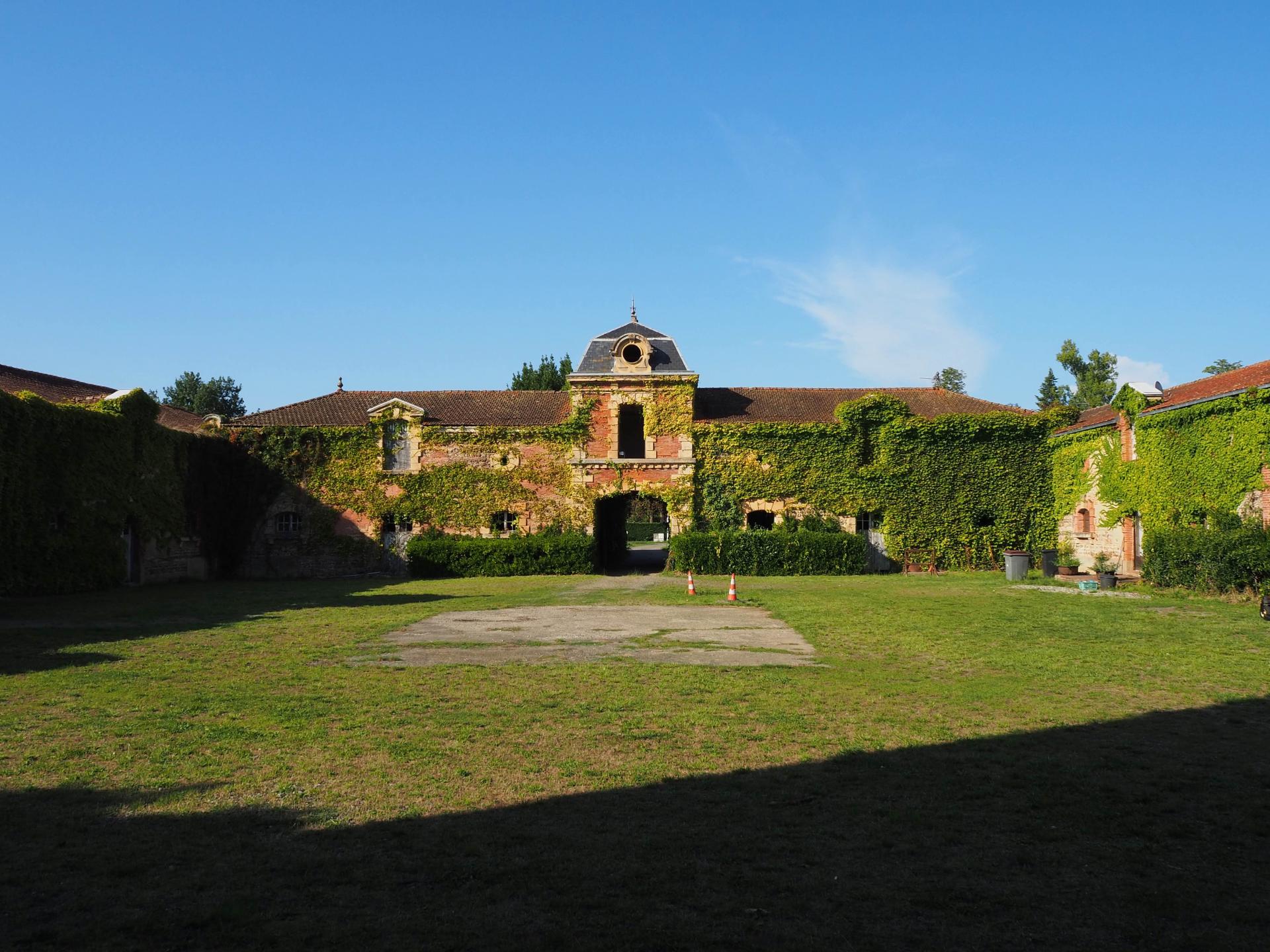
This agricultural development has built over the centuries large agricultural buildings of several hundred square meters, many of them are now abandoned. We can count dozens of them in the immediate surroundings of Toulouse.
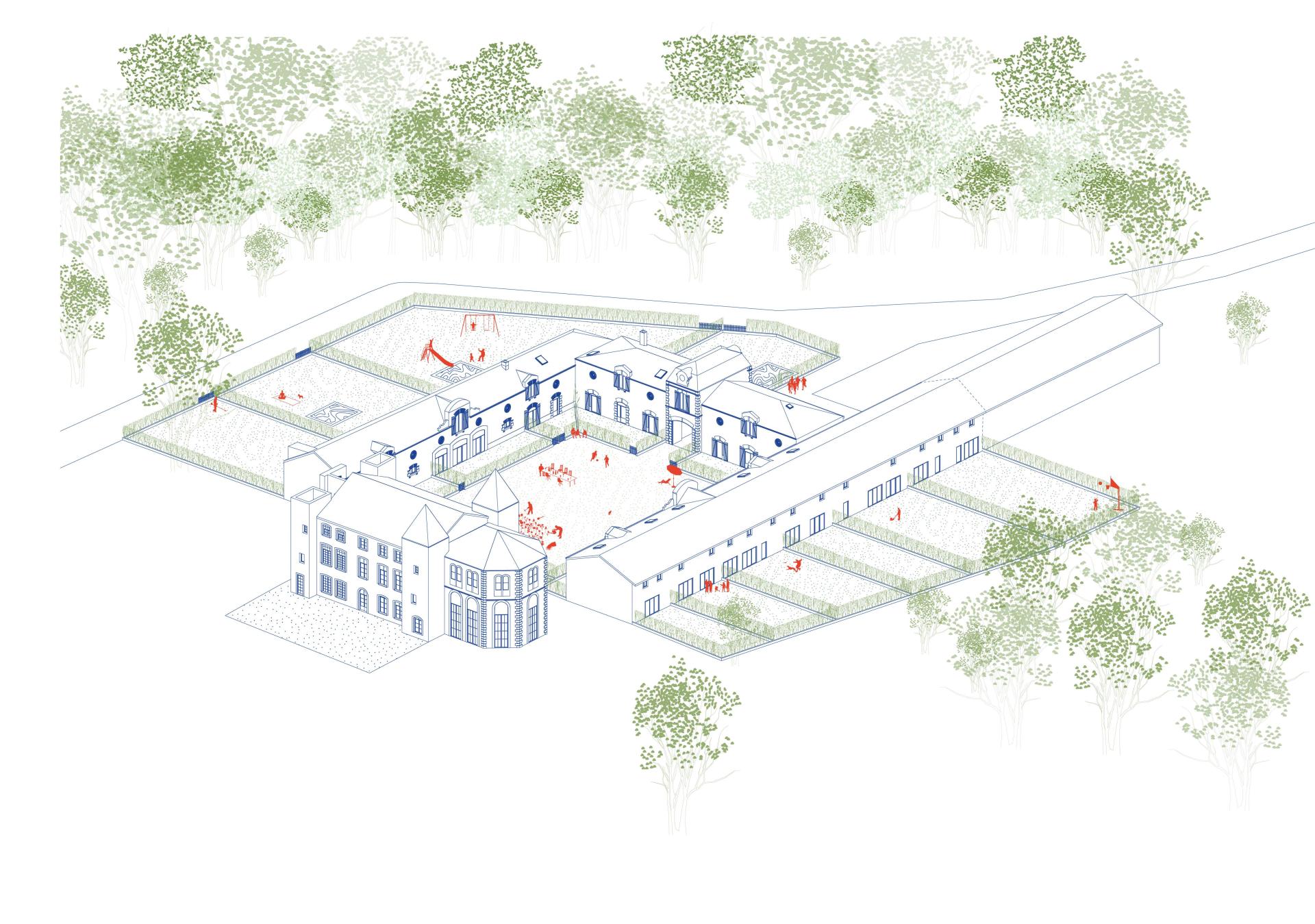
We propose to renovate this abandoned patrimony to create grouped housing and reactivate the local agricultural activity.
By developing home ownership housing in the form of a community land trust, we will produce affordable and sustainable home ownership housing.
With the rise of the home office, more and more people are moving back to the countryside near the cities. In order to accommodate these new inhabitants, while limiting urban expansion, it is essential to renovate these existing buildings.
The presence of land and large gardens around these buildings, the implementation of market gardening and habitat, would allow to directly feed these new inhabitants and the residents.
Finally, we propose to systematically open a space to the public to reveal this heritage to the greatest number of people and create new spaces of sharing and meeting.
Key objectives for sustainability
Our first objective is to renovate these buildings to avoid urban expansion and the construction of new buildings.
These old monuments from the 17th to the 19th century are built by vernacular construction techniques in bricks and river pebbles which have a very interesting thermal inertia. The natural comfort in summer is allowed thanks to the thick walls, which is an unexploited advantage.
The renovation of these buildings by the use of local materials, directly available on the site, would allow to put back into operation a forgotten traditional way of construction.
The maximum use of reused materials is also an essential objective to implement the transition in construction.
The thermal renovation of these buildings to adapt them and reach carbon neutrality is an objective to be reached.
Reactivity the local agricultural activity by the exploitation of these lands in market gardening by the direct sale of the products will allow to reach the food independence of these suburban areas of large cities.
Finally, this type of habitat allows the creation of a community and the mutualization of resources, production methods, travels and limits its C02 emissions.
Key objectives for aesthetics and quality
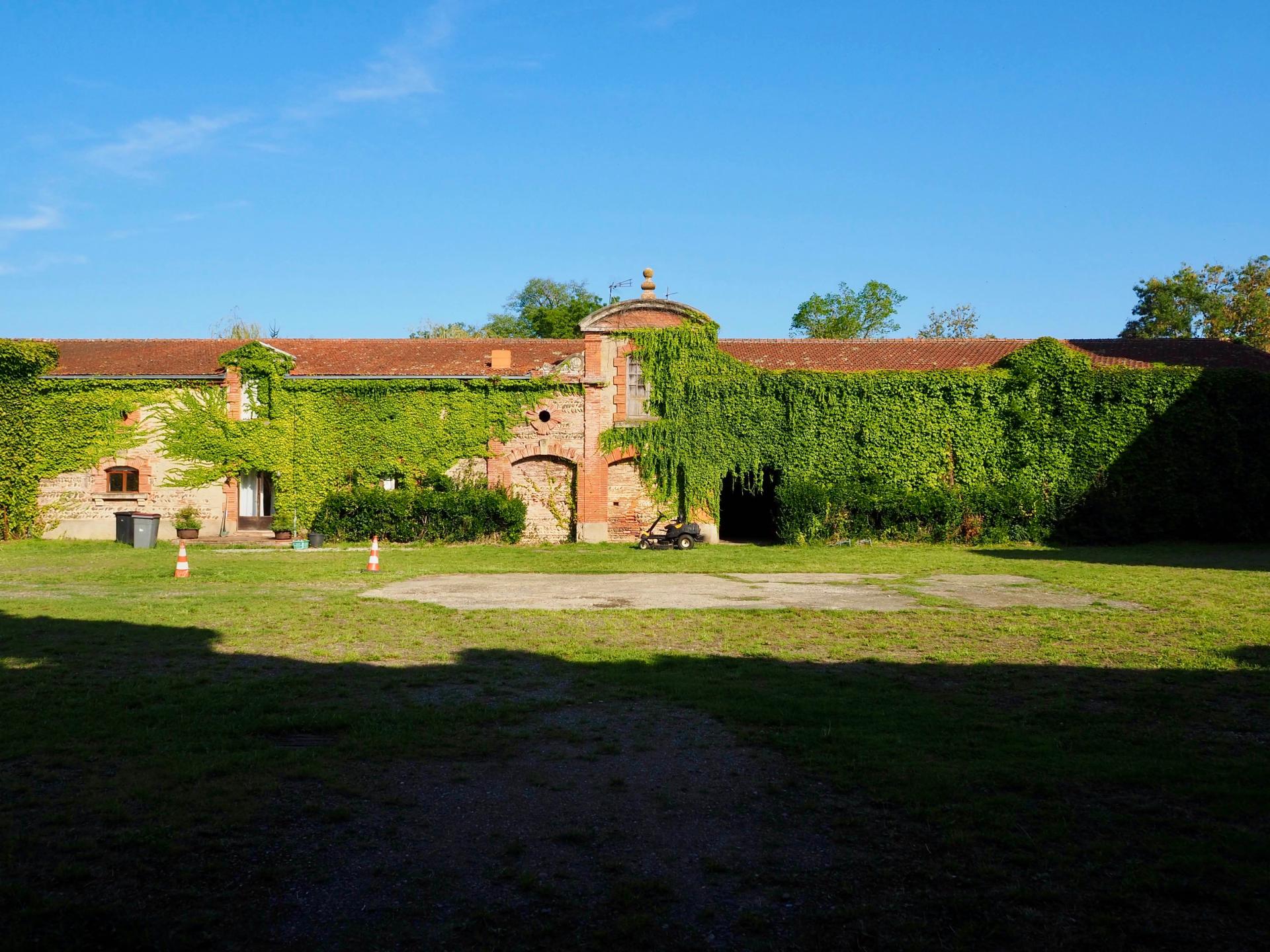
These old farms, with their annexes, such as stables, are already beautiful places. These heritage buildings are for the most part abandoned and their beauty is just waiting to be revealed.
The project consists in respecting as much as possible the places, the original facades while integrating the modern needs of comfort of the current habitat. We propose to rediscover the traditional construction processes in order to respect the places and the natural beauty of the composition of the facades.
The apparent beauty of the original materials and the use of traditional construction techniques ensure the provision of natural heat or coolness. The use of raw earth will be used to embellish the interior of the buildings.
Re-cultivation and maintenance of the gardens will contribute to the beauty of the buildings while contributing to food autonomy. Reinstalling fruit walls, a forgotten historical process, will allow combining the useful with the beautiful and to integrate nature as much as possible within these renovations.
Key objectives for inclusion
We propose to create for each of these rehabilitation, a group of inhabitants allowing creating more social links and solidarity. This collective will be involved in the design of their future dweller and in the construction.
A specific assistance of the architect to animate the process will guarantee the coherence of the whole conception of the place.
Social inclusion is also enabled by the creation of a community land trust, which is an anti-speculation tool and shares the cost of land. This allows for the creation of truly affordable housing that is sustainable over time.
The involvement of local residents and neighbors in the design of future uses of common spaces is also important to ensure the proper integration of the project in its social context. We will propose associative spaces, direct sales points of local products for the residents.
Reactivating these built ensembles allows us to recreate real hamlets and reintegrate social life into these spaces and revitalize the countryside.
Innovative character
The main point of this project is to revalue the already existing by setting up a real ecosystem around a group of future inhabitants. The recent pandemic reminds us the importance of supporting the repopulation of the countryside while limiting urban sprawl by systematically rehabilitating already built spaces.
The creation of social communities of mutual aid is much more resilient in the face of health or economic difficulties, for example.
Achieving food independence by relaunching local market gardening activities of sufficient size to feed these new inhabitants, but also restoring lost activities, such as the production of fruit, wine and forgotten ancestral products, seems essential to us.