Design Deal
Basic information
Project Title
Full project title
Category
Project Description
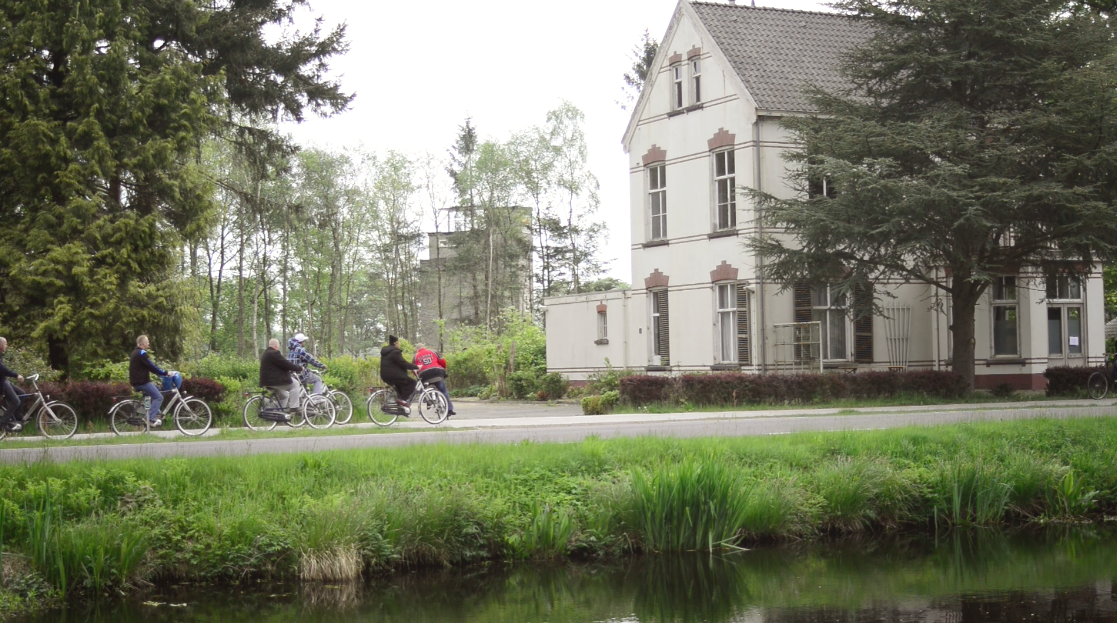
The Design Deal is the agreement specifying the embedded design collaboration between the province of Drenthe, the municipality of Noordenveld, in which Veenhuizen is situated, the Veenhuizen Prisons, Design Academy Eindhoven and KETTER&Co. Veenhuizen, was one of the villages of the Society of Benevolence (1818-1859) after that a penal colony. This summer Veenhuizen will become a UNESCO World Heritage Site. The Design Deal was signed three times for a multi-year period between 2013 and 2020.
Project Region
EU Programme or fund
Description of the project
Summary
Despite its rich history, the remote village of Veenhuizen is in need of new energy and ideas to inspire its future. The village with its around 1200 inhabitants + in 2013 about 1200 inmates has more than 100 buildings that are monuments but without a function for them no money to maintain them. The design deal collaboration was initiated to do just that, inspire the future of the village and develop future scenarios. The collaboration between Design Academy Eindhoven (DAE), the Municipality of Noordenveld, in which the historic village of Veenhuizen is situated, Veenhuizen Prisons, the Province of Drenthe and KETTER&Co started in 2013 under the name ‘Design Deal’. Originally intended to last three years, the collaboration eventually led to two further deals. Each of the partners in the Design Deal embarked on the collaboration with a different agenda in mind. The municipality and the province wanted to revitalise Veenhuizen and its surroundings; the prison needed to find new ways to answer the socio-economic questions it faces; DAE was looking for a meaningful educational programme in a real-life situation; and KETTER&Co set out to connect various projects and initiatives, enabling professional continuity beyond the educational programme. Instead of obscuring the process, this variety of ambitions has added richness and quality to the collaboration. Despite their disparate goals, all parties felt committed to the core objective of applying design as a methodology to develop Veenhuizen and strengthen its relationship with the outside world.
Key objectives for sustainability
Setting up a multi-faceted project for Veenhuizen to enhance its future. Focus: not to be a hit and run the project as often seen in site-specific or social design projects. To ensure sustainability we started by setting up the Design Deal, focusing on creating long-term relationships with the following ingredients that contributed to an inclusive, creative, and sustainable project:
Establish a multi-stakeholder partnership and a broad network. The multi-stakeholder partnership invigorated the collaboration because it covered more issues and reached broader audiences. Every stakeholder added value and perspective to the table. The collaboration demanded a high level of involvement and energy; sustainable partnerships between local organizations and stakeholders are synonymous with building strong personal relationships between the people involved.
Formulate clear agreements between the partners. All stakeholders agreed on establishing clear agreements and formal procedures for the collaboration. The objectives were clearly defined and put in writing, the contributions of each party were defined, and an agreement was set on the general flow of the process. Finally, a process of monitoring and feedback helped refine the agreements along the way, allowing partners to respond to the possibilities of further developing ideas that were created within the collaboration. An ongoing dialogue with stakeholders was therefore maintained.
Commit to long-term collaboration. It takes time to get to know a place, become familiar with people, and establish trust. All essential to commit to a long-term process. First, students and teachers, and the local community became more comfortable with the process and each other. Once that level of comfort was achieved, a long-term collaboration allowed participants to delve deeper into the content. The familiarity, trust, and understanding of other ways of working changed a short-term intervention into an embedded design project
Key objectives for aesthetics and quality
Identify the specificity of the situation. The specificity of Veenhuizen - the landscape, architecture, spatial planning, history of social innovation/experimentation, the location of prisons and an asylum seekers centre - was identified by means of preliminary dialogue and explorations with the stakeholders. For each new group, the context of Veenhuizen and the focus of the design brief was introduced, by the various partners and relevant specialists.
Choose an unfamiliar site. Working in an unfamiliar or distant place encourages the designers to embed themselves in the context as part of their process.
Allocate appropriate facilities. Designers embedding themselves in Veenhuizen stretched their comfort zone, and a lot of energy went into the process of connecting with the location. It was therefore important to have a place to stay, work and relax. For the duration of this project the Bouw en Bind house was allocated to the projects. The mid-term presentations to the stakeholders, where the design students showed their research and proposals as well as several end-of-semester exhibitions, open to the locals, were hosted in the house as well.
Create continuity in the assignments and open questions. Continuity in the assignments meant that although each new brief approached the site from a different angle, it did build on the work done before. The school created the framework to learn from those who came before. The design briefs provided context, hints, and questions, and pointed towards relevant topics for students to explore. The briefs encouraged students to formulate their own questions and discover unexpected angles.
Over the years various student projects were further developed by KETTER&Co in collaboration with the students/then alumni; objects as storytellers on the rich history of the village, projects produced in the prison workshops in collaboration with the inmates or projects that became a real presence in the village.
Key objectives for inclusion
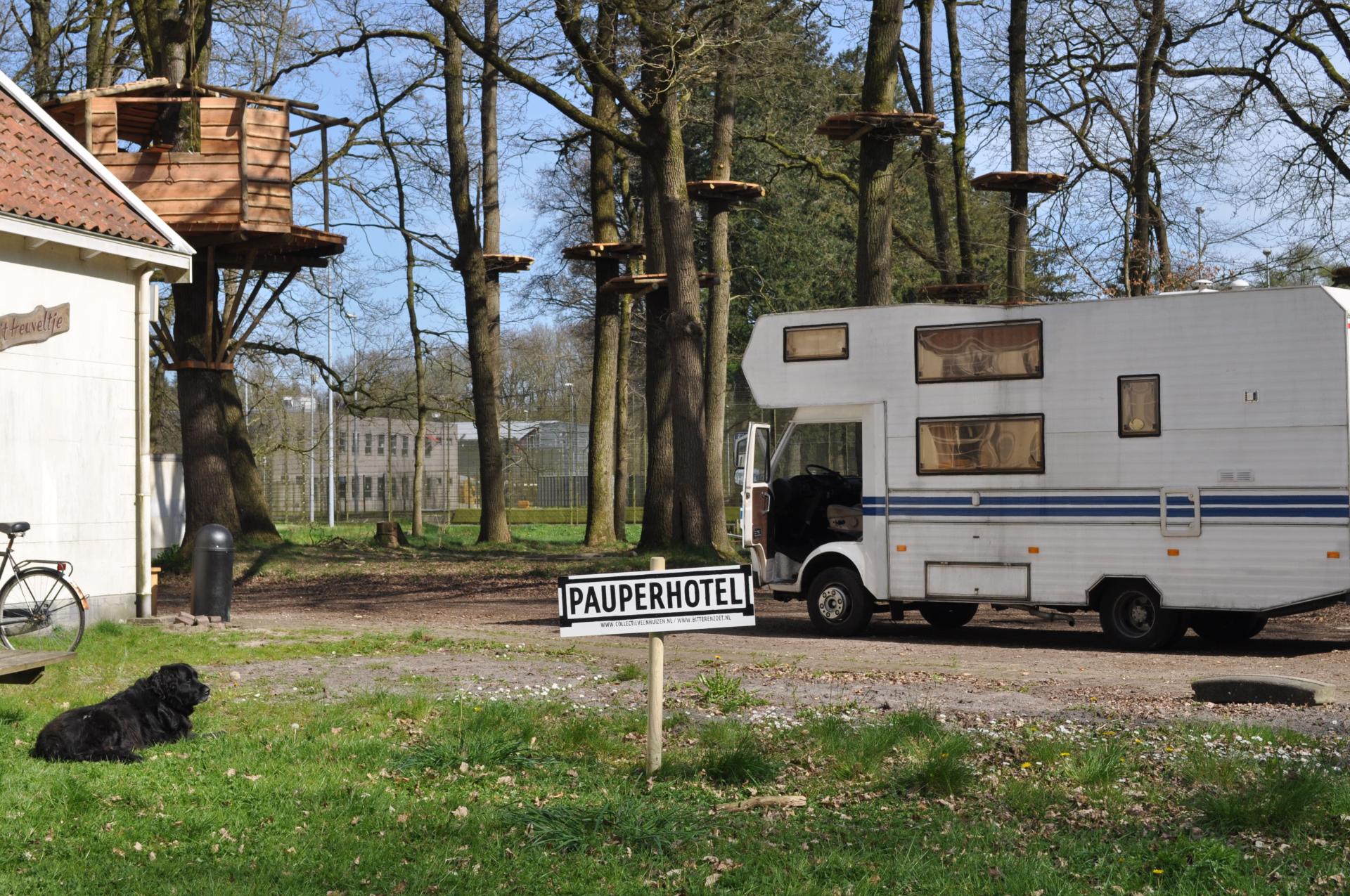
Nurture attitudes of trust and openness. When results are hard to define, it is difficult to establish confidence between the parties who were tempted to stick to their familiar working methods or the language of their trade. However, moments of friction were an important component in building trust, as they encouraged partners to iron out their differences. To deal with the unpredictability of the design process we established short-term milestones (end-term presentations) and created shared experiences (the Pauper Hotel). Over the years the unexpected became a much-appreciated asset, as the results were ever-surprising and convincing.
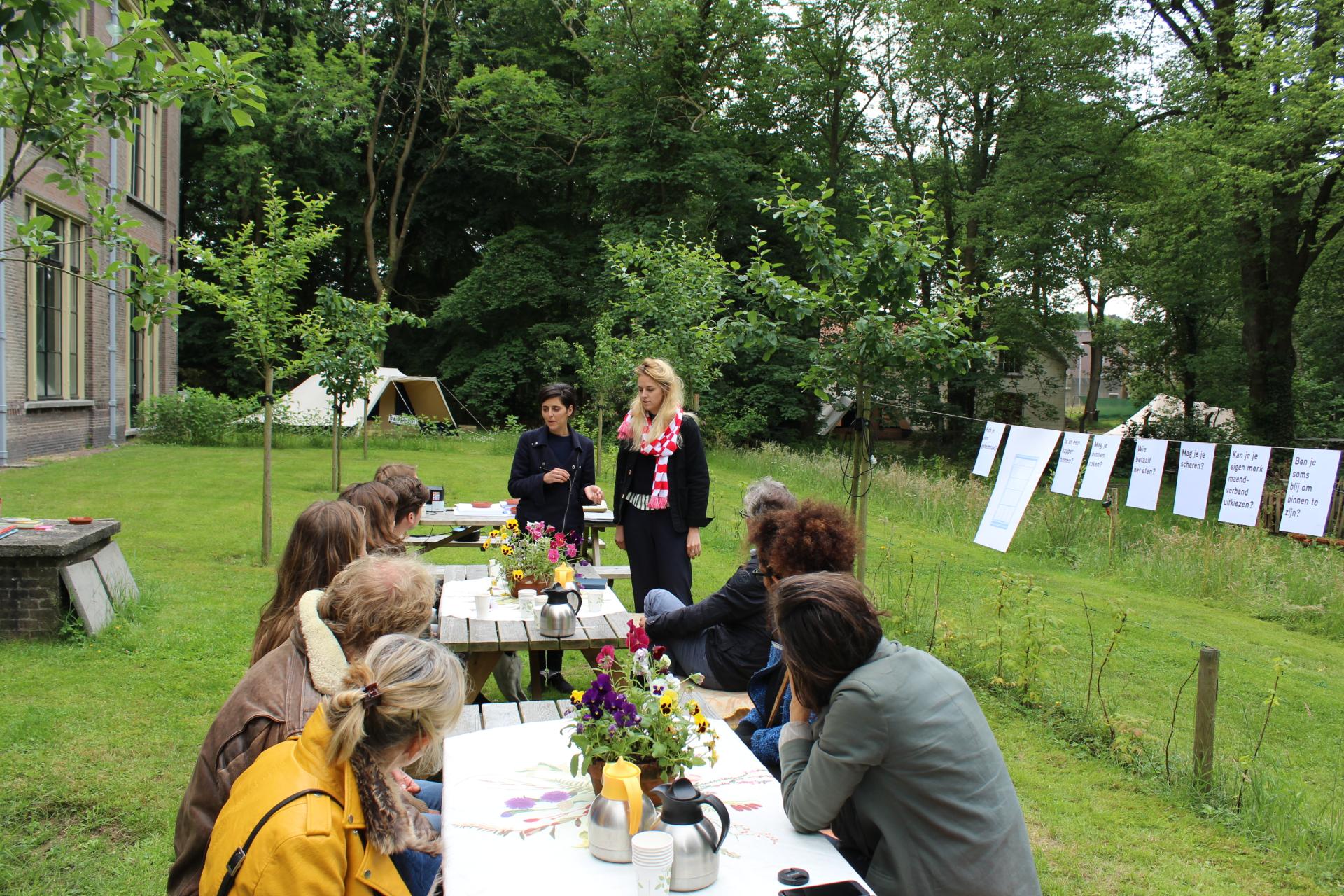
Design visibility and moments of exchange. Besides one-way communication methods (f.e. newsletters, newspapers), designing moments of exchange and get-togethers were part of the process. Such moments were crucial in involving the local community, bringing stakeholders together, and elevating the energy of the collaboration. Dinners, exhibitions, presentations, and informal gatherings created opportunities to meet and establish common interests, and to turn abstract processes into experiences. Moments of exchange and feedback were a useful tool to tackle the initial doubts within the local community.
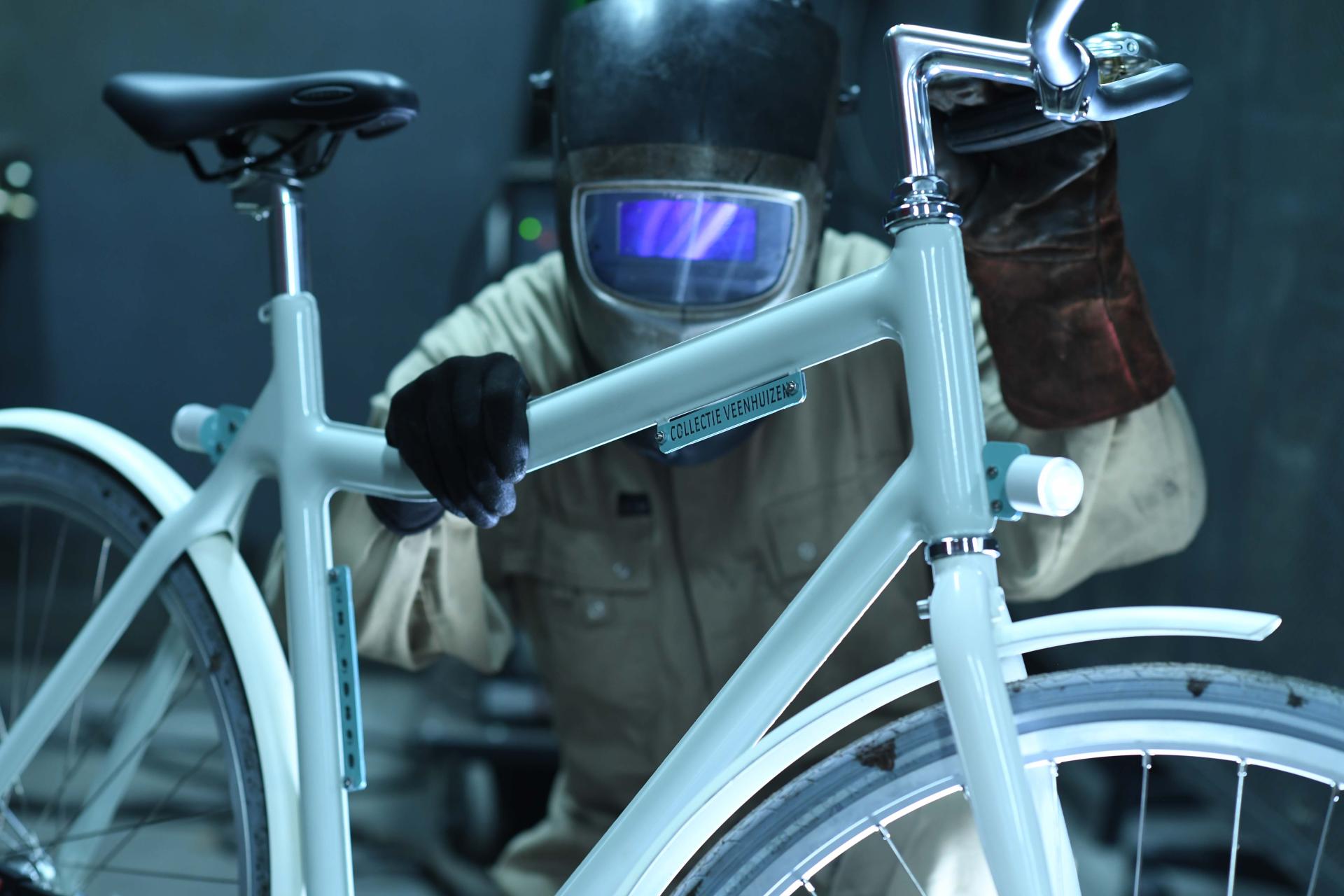
Build a bridge between the educational and professional realms. The in-between space of education and real-life projects supported students in their transition to the professional world and equipped them with the tools needed for that change. By working closely on a specific site, they got to taste what it’s like to work with a target group, and with organizations that could be future clients. As a connecting factor, KETTER&Co initiated Collectie Veenhuizen, providing a support structure to guide those alumni who wanted to keep working on their projects after graduation. The success of the framework was the ability to identify and include local organizations that would benefit from embracing a project and investing in it.
Results in relation to category
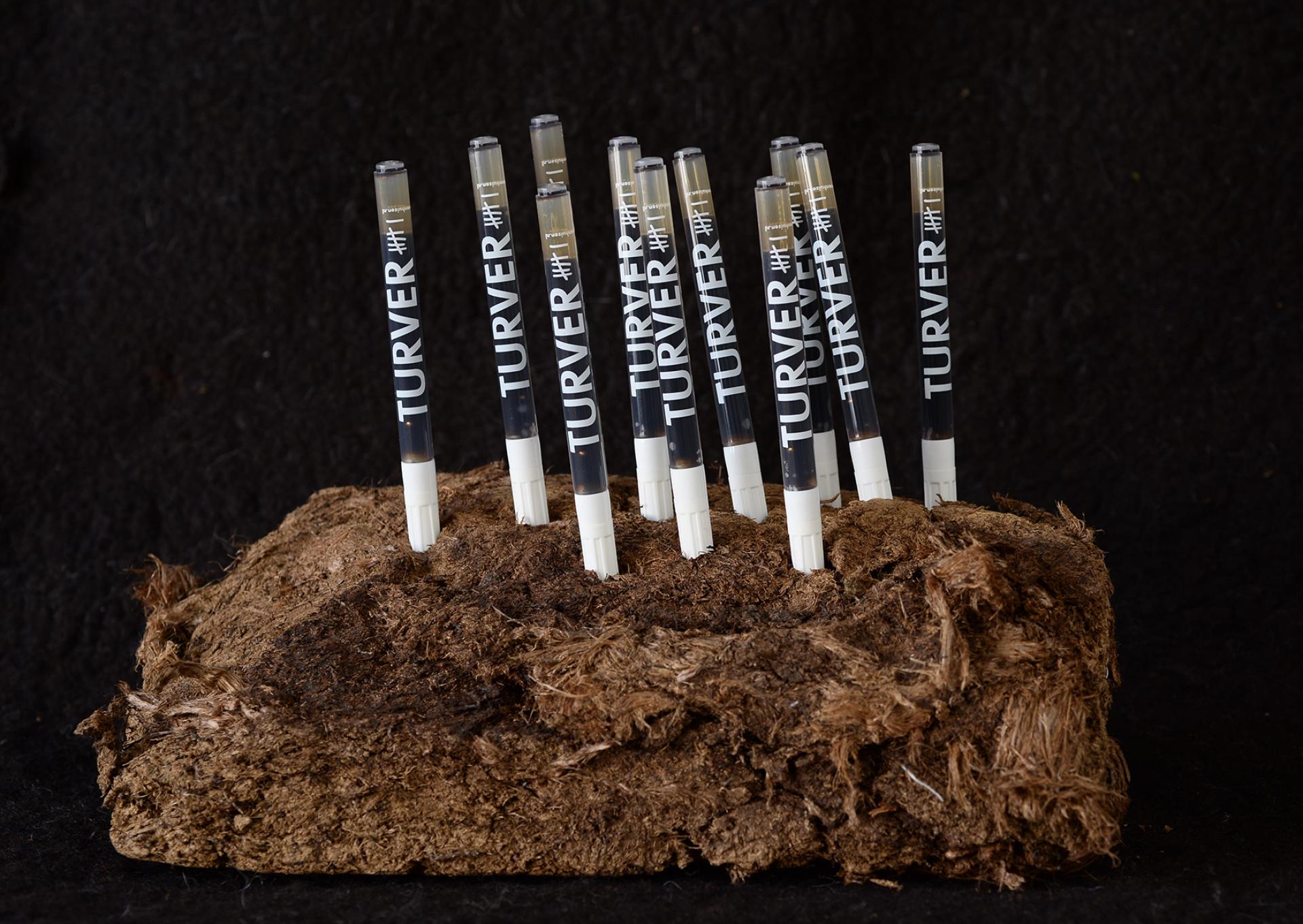
When it comes to area development in the context of heritage and preservation at Veenhuizen, there used to be a tendency to focus mainly on historical stories and on physical monuments. The students invited developers not only to look back and preserve and share historic heritage but also to connect to present-day narratives. Through their design proposals, they encouraged developers to focus on the current community, their stories, and the issues they now face. The design collaboration in Veenhuizen inspired professionals to consider new approaches to cultural heritage: not just by confirming established readings of history, but by considering the narratives shared among the current population. In addition, many of the design projects resulted in tangible, visual, personal expressions of the story of Veenhuizen and its surroundings. From wrapping paper to furniture, tablecloths, toys, candles, books, gardening tools, and more, the wide range of expressions reflects the unique identity of the place. An excellent example is the ‘Turver’, a fine liner and marker by Thomas Trum, which became a commercial success of local marketing. The pen contains ink made from the peat-rich water visible in the ditches around the village. This alludes to the history of Veenhuizen as a labor colony, organized to improve the barren soil left behind after the digging of peat. This functional and simple object extracts the story from the archives and brings it to life, making it known to more people. The ‘Turver’ is part of Collectie Veenhuizen, a selection of alumni projects that were developed and produced, and that are now sold through the shop at Hotel Bitter en Zoet. This collection of objects and projects can be seen as a storytelling strategy. It is based on a profound understanding of local narratives, a dialogue between past and present that preserves and shares the story of Veenhuizen and helps shape its future. The impact, thus, lies in the mind-shift towards local marketing.
How Citizens benefit
Over the seven years DAE students visited Veenhuizen, student groups conducted compact on-site fieldwork sessions, resulting in a long list of projects. Based on intensive investigation, analysis and experimentation, the students created graphics, objects, books, movies, services, and concepts, responding to the place in a personal way. The design projects by students and professionals provided locals, employees, and stakeholders with new ways of looking at their daily environment and made them redefine their relation to it. As a result of the personal interactions and the projects that followed, people gained new perspectives and sometimes even experienced a mind shift. Through the lens of the students, locals discovered or rediscovered the uniqueness and value of their village. Having an ‘outsider’ explore and respond to what seemed so familiar gave some people a new sense of value. It revealed aspects of their surroundings they had never noticed. Stories that had been forgotten or ignored became important and relevant again.
With the prisons as partners to the Design Deal, the students, alumni, and KETTER&Co were challenged to investigate various aspects of life in prison. One of the positive effects of this collaboration was the boosting of inmates' sense of self-esteem. Many design projects that were situated within the prison focused on its well-equipped wood and metal workshops, aiming to boost the motivation of prisoners and their emotional attachment to their work (also one of the met goals for inclusion).
Social interventions, taking place over the years in Veenhuizen, such as the Pauper Hotel, Pauper Diners, and Pauper Dialogues, created opportunities for people to get together, exchanging different types of knowledge and making unexpected connections.
Innovative character
Young designers, prisoners, policymakers, local entrepreneurs, and the inhabitants of Veenhuizen joined forces in Veenhuizen, inspired by the unique cultural, historical, landscape, and architectural reality. KETTER&CO, Design Academy Eindhoven (DAE), the municipality of Noordenveld, the province of Drenthe, and the prison management in Veenhuizen drew up a ‘Design Deal’. Together they examined the challenges of local development in a long-term process that explored the many perspectives on the past, present, and future. Instead of dictating top-down rules or ordering prescribed solutions, design students received the freedom and trust to explore the area of Veenhuizen from their own interest and created with the local free and unfree inhabitants of Veenhuizen new and fresh concepts to the many goals each partner had within the Design Deal. With respect to all partners’ incentives in the Design Deal, each partner could take from the collaboration what was important.
And the outcomes and resulting projects and proposals as well as the continuing dialogue helped the Veenhuizen community at large to take ownership over their future at this pivotal moment of change, as the Unesco status will inevitably bring. The project has shown it is possible to think in scenarios and even to “design” your own future, the stories you want to tell, the social innovations you want to focus on. Not becoming a “victim” of a status (Unesco) but developing a narrative you eagerly share with the visitors of the site.