The Venetian Arsenale and the City
Basic information
Project Title
Full project title
Category
Project Description
To think of Venice as an “historic centre” dooms the city to extinction. With concerted effort, the mass exodus of Venetian residents can be curtailed, and long-term quality of life in the city ensured.
Since ownership of the Arsenale complex was transferred to Venice municipality from the State in 2012, the Forum Futuro Arsenale (FFA) has identified regeneration of this area as possibly the last chance to forge a healthy future for Venice as a city.
Project Region
EU Programme or fund
Description of the project
Summary
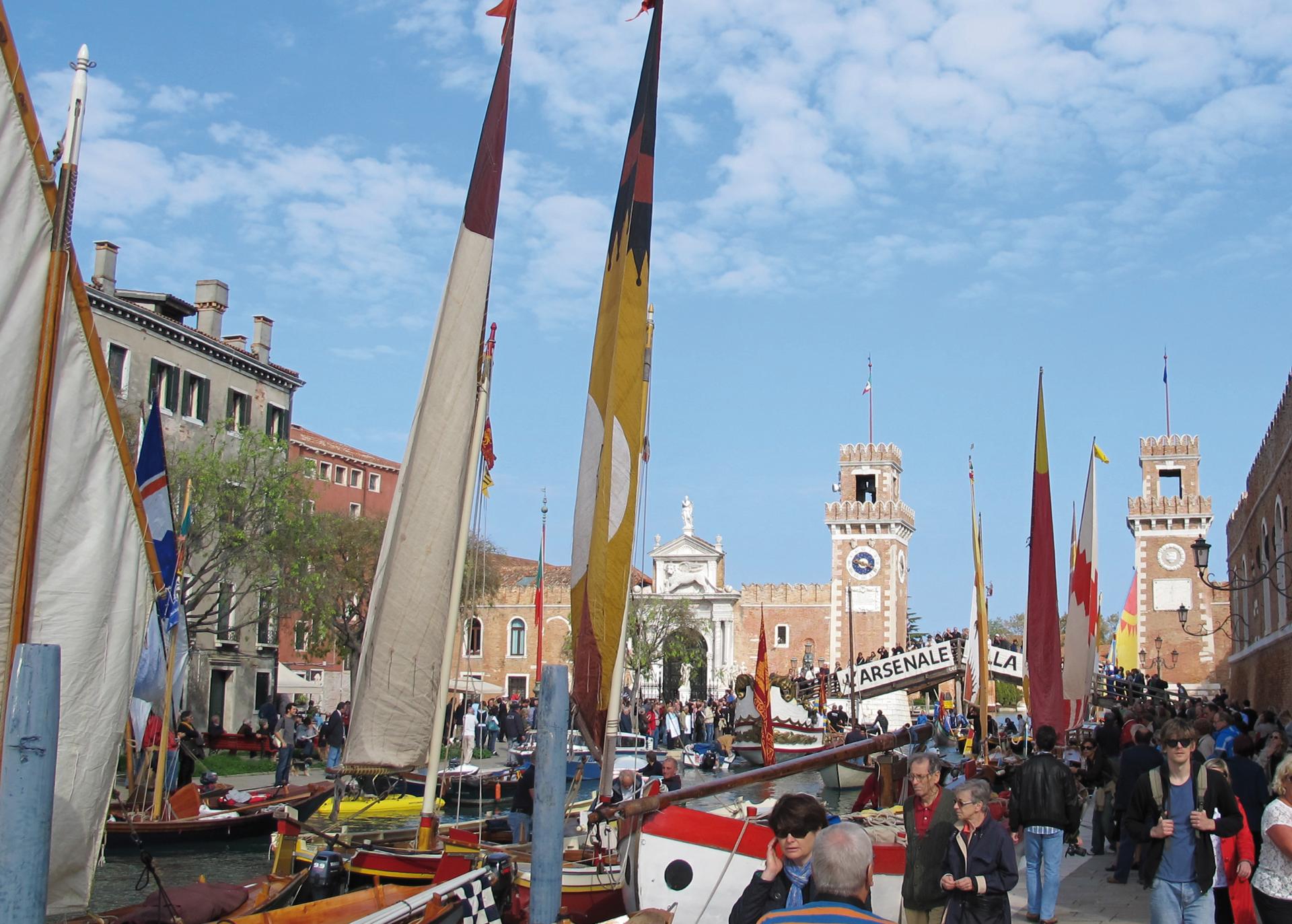
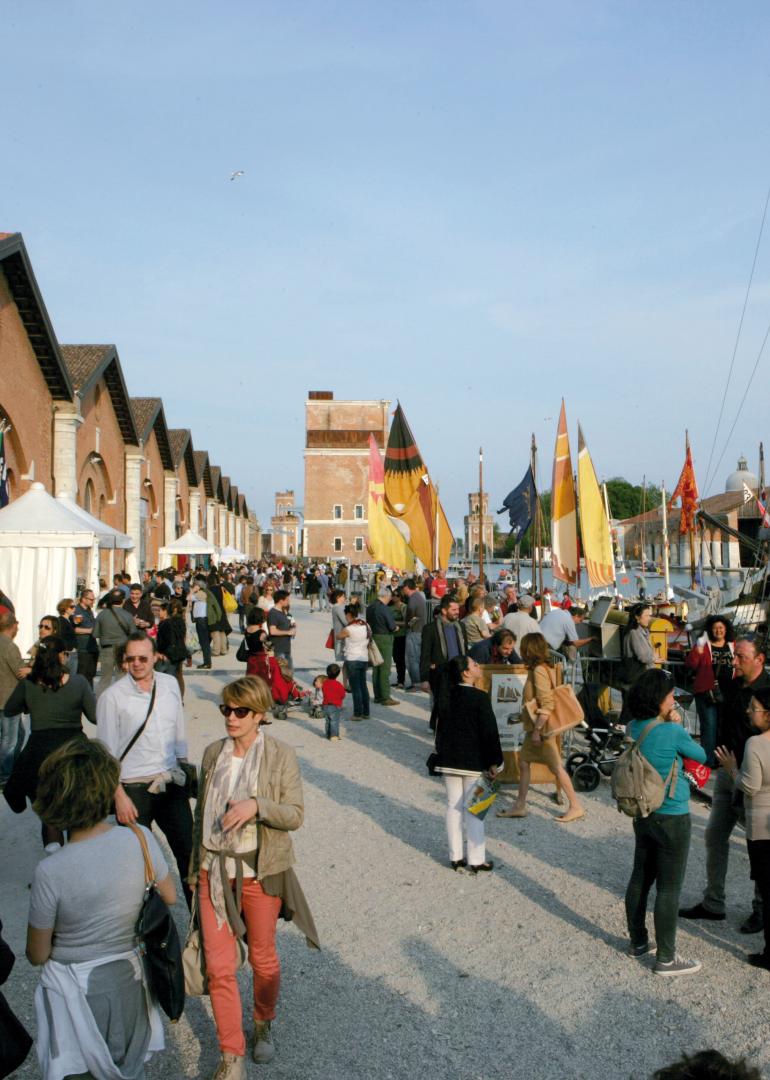
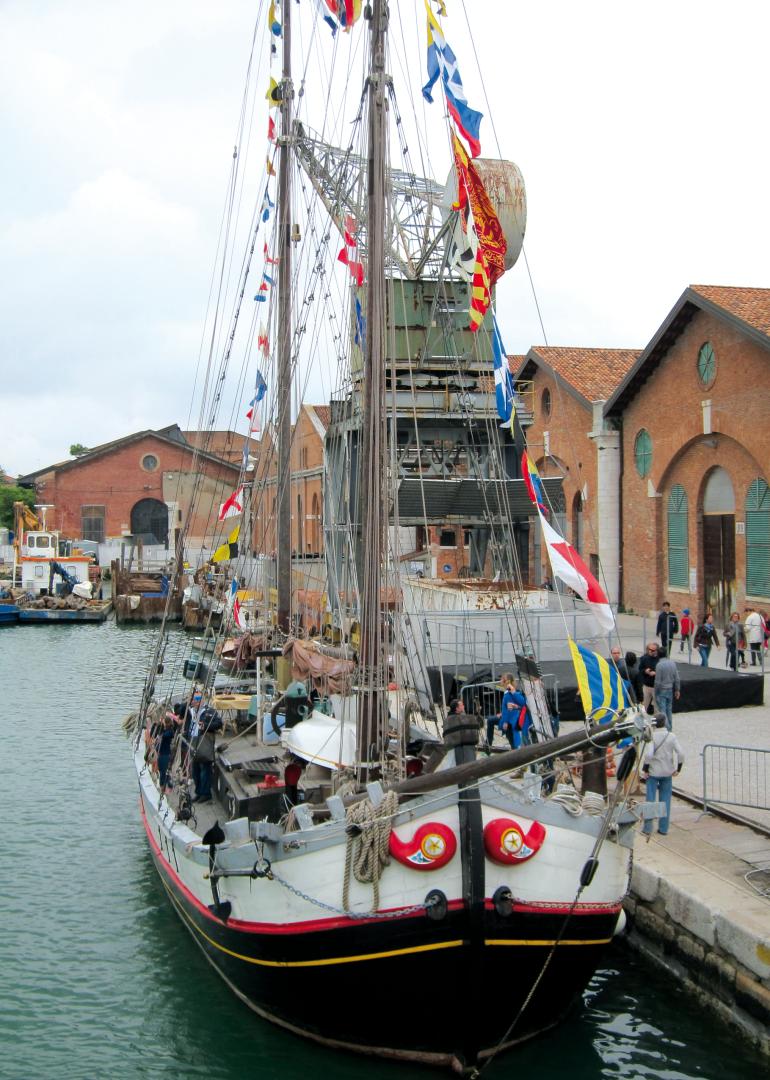
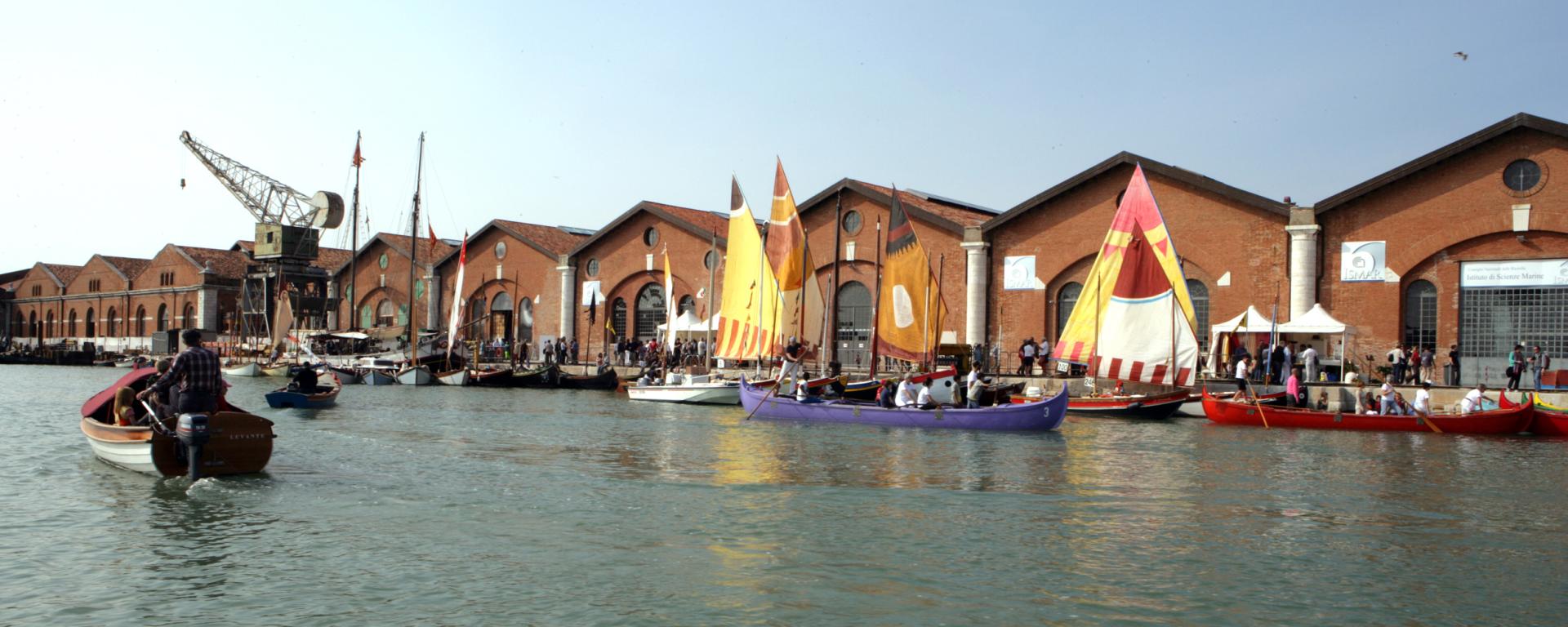
For the first time in its history, all areas of the Venice Arsenal, a place closed and protected over the centuries, was opened to citizens in April 2014 during the 'Arsenale Aperto Alla Città' (Arsenale open to the City) event, thanks to the joint action of the Forum Futuro Arsenale “spontaneous committee” (FFA) - composed of representatives of community groups and local associations. The Municipality of Venice, the Italian Navy and other stakeholders present in the Compendium collaborated in developing activities and itineraries for visitors. Since that date, the FFA has not stopped making proposals and projects, even carefully elaborated and detailed ones, to transform the Venice Arsenal from it’s semi-abandoned condition into a fertile area for traditional as well as new productive activities, representing the potential revitalisation of Venice as a living city.
Forum Futuro Arsenale is a “Heritage Community” according to the terms of the Faro Convention established by the Council of Europe in 2005. It began as an alliance of independent experts and over 30 community groups and associations in October 2012, during the delicate phase of political negotiations when ownership of the Arsenale compendium passed from the State to the Comune di Venezia. People and groups joined together because of their shared determination to participate actively in the regeneration process and to ensure the protection of this important tangible and intangible Venetian heritage. Their engagement involves investigation, research, discussion, debate, awareness raising, stimulation of participative processes and making their expertise and knowledge available to the local administration and other relevant stakeholders. Among Forum members there are professional and amateur rowers, sailors, university professors, lawyers, sociologists, architects, artisans, other professionals, residents of neighbouring Castello and other individuals driven by their love for Venice
Key objectives for sustainability
Located some distance from the areas of Venice most challenged by mass tourism, the Arsenale is a large enough area to significantly influence the socio-economic revival of the city and yet sufficiently self-contained to be developed along the lines of a unified and integrated vision.
The FFA has produced a conceptual framework for development of the compendium based on the following principles:
Respect the long-term objectives focused on improving quality of life throughout Venice. The FFA proposes that the Arsenale is managed according to a long-term vision of quality of life for Venice residents. Thus, whilst tourist-related interests may be considered significant in terms of the local economy, tourism must be positioned at the service of initiatives measured in terms of their contribution to the socio-economic future of the area.
Maintain the historical integrity of the compendium. The Arsenale is cultural heritage that must be protected and restored. As a collection of monuments of prime historic/artistic heritage, maintenance and restoration of the Arsenale must be a political priority. Original functions and aesthetics of buildings and the area as a whole, its link to the sea, the lagoon, and maritime culture, must be respected
Foster the pursuit of traditional productive activities, research and development. Redevelopment of the Arsenale should provide long-term, high quality jobs for hundreds of workers. Collaboration and synergies between traditional professions that emerge will make the Arsenale into a socially and economically interdependent centre for marine and maritime research and development.
Manage these plans with a high level of civic participation at all stages. FFA was established on the principle that management of this area be based on a model of community governance with broad civic participation including representative and clearly articulated parameters for dialogue and full collaboration between the public and private spheres.
Key objectives for aesthetics and quality
In keeping with its principles, FFA has developed nine project proposals to regenerate the Arsenale, where functionality and use are congruent with aesthetic and quality parameters:
1 Traditional Crafts
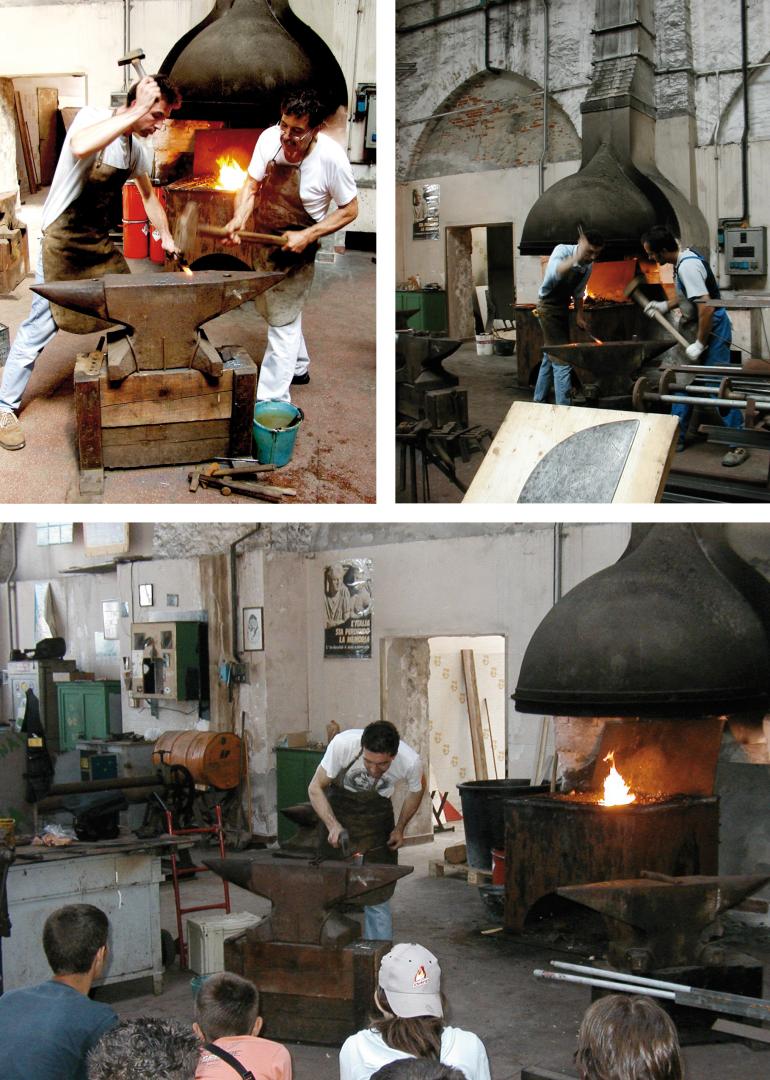
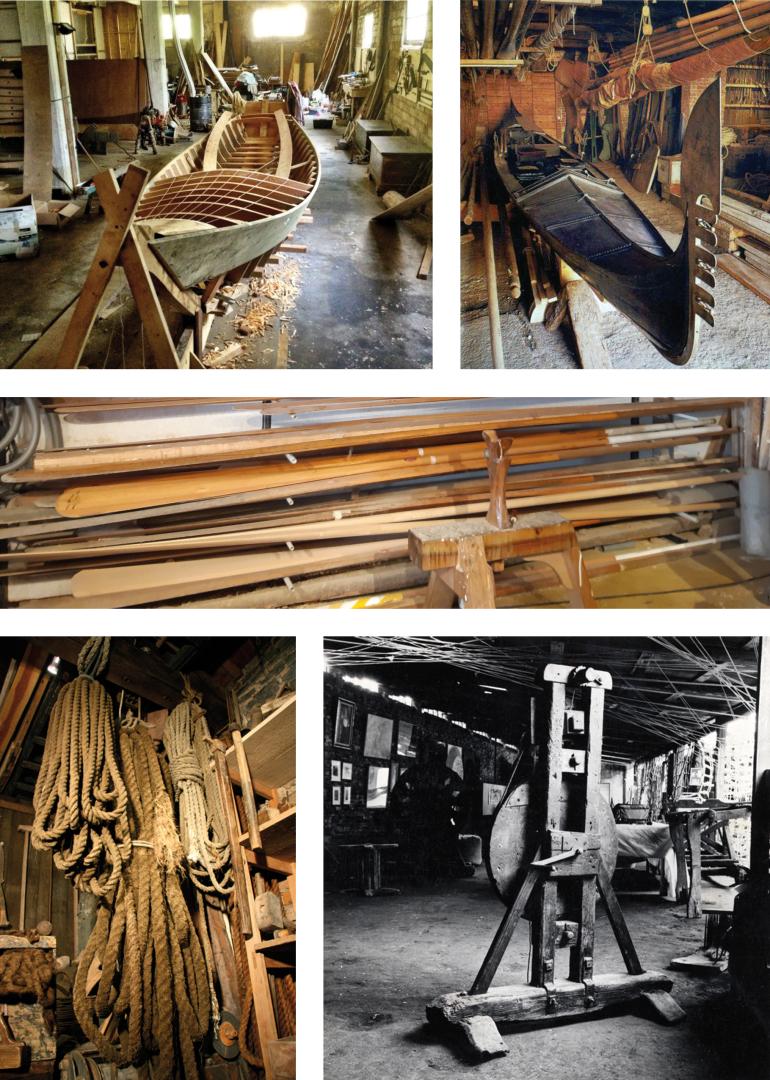
According to the UNESCO Convention for Safeguarding Cultural Heritage, knowledge and practices relating to traditional craftsmanship must be protected and supported. Thus, the tradition – carpenters, blacksmiths, oar and rope makers etc. - must be encouraged.
2 Small-Scale Shipyard Activities
FFA proposes services and activities associated with smaller boats should be carried out in partnership with existing local businesses as well as the Maritime Museum.
3 Large-Scale Shipyard Activities
The dry docks of the Arsenale should be used for the maintenance and refitting of larger boats and yachts.
4 Historic/Classic Boats
Development of a specialized training center for historic/classic boat maintenance in the Arsenale would allow Venice to take a share of these activities together with economic, social and cultural trickle-down effects.
5 Marina
A natural hub in this area, the Marina should be a welcoming space with support facilities
6 Maritime Museum
Maritime heritage is best appreciated on water and should be studied and exhibited in that environment where and when possible. Thus, the FFA proposes a floating museum (the first in Venice!) – for demonstrations and lagoon experiences.
7 Art Production and Services
By virtue of the Biennale, the world’s leading artists regularly convene in Venice; the Arsenale is a prime location for this prestigious event. Though the Biennale is certainly valuable to the area, it is also important to foster local creativity
8 Sport and Leisure
Sporting and leisure activities are recognised as key to the health of a city.
9 Accessibility
Development of the Arsenale in collaboration with a broader range of actors and with the involvement of more Venetian citizens necessitates improved access to the area including public transport links.
Key objectives for inclusion
Numerous local organizations are actively engaged in defending Venice, impelled by the critical need to influence the way public space and common goods are managed by the city administration and their agents. The Faro Convention captures the essence of these groups using the term community asset: “a group of people who together recognize value in specific aspects of cultural heritage and who want, within the framework of public action, to maintain them and keep them for future generations”.
Resistance of local government to this type of input stalls progress. Venice’s local administration is primarily focused on protecting the interests of economic stakeholders associated with exploration of the city by mass tourism. Direct engagement with the local community is off local government’s agenda. It is vital that the local community, their knowledge, networks and expertise are formally and systematically acknowledged as legitimate stakeholders in management of the city.
In order to achieve this, innovative statute formulations, such as a definition of the “common good”, and organizational models (such as the FFA) must be formalised.
This is despite the fact that Capo VI of the Statute of the Comune di Venezia states clearly that Venice Municipality recognizes and values non-governmental associations and supports public participation in local administration. Procedures to improve transparency have been outlined and various committees have been set up in order to carry out referendums and petitions. These are useful tools for dealing with exceptional situations, but they are easily biased in favour of economic results and are unsuitable for on-going, systematic public participation.
Venice, due to the scale, variety and dynamism of existing “heritage communities”, could become a test bed of national and international significance regarding innovative civic participation practices, and the FFA’s project for the redevelopment of the Arsenale is an exemplary pilot programme
Results in relation to category
Venice is at a critical threshold. Behind the illusion created by huge crowds of visitors, the resident population is falling at a dramatic rate, non-tourism related businesses and services are closing or relocating, and basic services (healthcare, education etc.) are increasingly precarious. Redevelopment of the Arsenale area, in the interests of Venetian residents and as a model of community based heritage revitalisation, may be the last chance to forge a future for this city.
How Citizens benefit
The three-day event in 2014 and in 2015 “Arsenale Aperto alla Città” brought crowds of excited citizens into what, for many, was a new part of their city. Peoples’ responses to the extraordinary spaces and finding out about the potential to collaborate on a new vision has been an important driver for the ongoing development of a new strategy for the Arsenale and Venice, as a living city.
Periodically smaller events and activities in the area have been organised by FFA or individual groups within it, including all the bureaucratic labour of arranging access on a case by case basis with the key institutions. The area risks closing in on itself again, at a moment when the Venetian community is most in need of access to spaces for productive activities and networking to build a better future.
Innovative character
The project represents innovation in terms of applying new structures for community participation in all phases of Arsenale future development from collecting information to articulating the strategy to ongoing management and monitoring of outcomes.
Not to be overlooked is the scope for innovation in productive activities via cross fertilisation between traditional crafts, new small-scale urban industrialisation alongside the creative workshops and studios.
Where building restoration and reconstruction is needed, solutions based on energy efficiency and resource reuse and recycling will be adopted.
Throughout the project, issues of ecological transition, environmental sustainability and social integration have been implicitly integrated into the design-thinking of the approach. This reflects Venice’s unique thousand-year / centuries-old co-existence with the natural and physical dynamics of the encircling lagoon system and the characteristic social fabric of the city that is being overlooked – and often suppressed – by the dominance of political forces focused on exploiting Venice through tourism for the benefit of broader territorial advantages and at the expense of the city’s long-term future.
This approach to regeneration is based on innovation and investment that provides both long-term environmental benefits and sustainability. The partnerships and networks created in and beyond the Arsenale will help the Venetian economy transition towards a net-zero future.