Foodprint
Basic information
Project Title
Full project title
Category
Project Description
The FOODPRINT project wants to react to unfinishedness, cyclicity of our, human relationship with food that is not only gourmet but also productive and reflective. We want to explore all parts of a food chain (individually or complexly) in a creative perspective of tradition as well as of latest technologies.
We seek answers to questions about food and its impact on our life in the whole spectrum of design. Just behind the limits of individual specializations, there can be found new solutions.
Project Region
EU Programme or fund
Description of the project
Summary
We Are What We Eat… From the very beginning, a human being is not really aware of processes connected with the production and intake of food. But at the same time, we are fully responsible for it, its form, proportions, consequences. Therefore, it is good that we start to be involved in this topic not only as active participants but also as coordinators who are able to reflect and manage all movements towards the sustainability of a whole system.
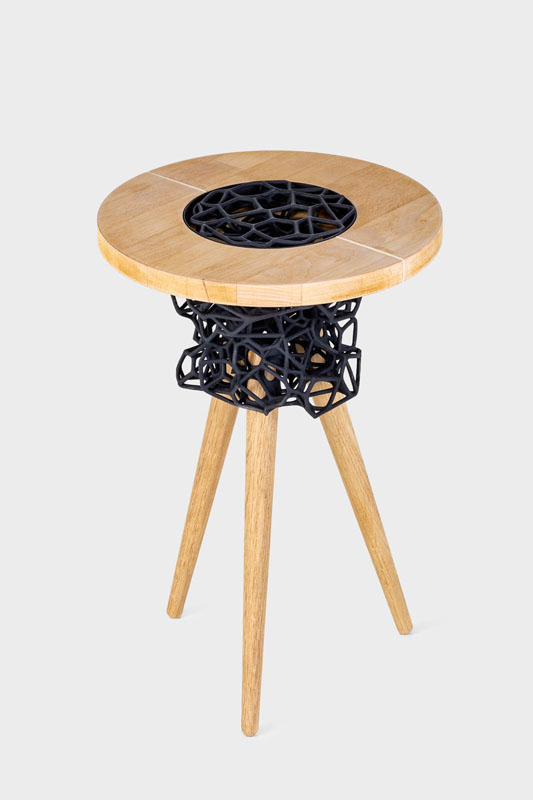
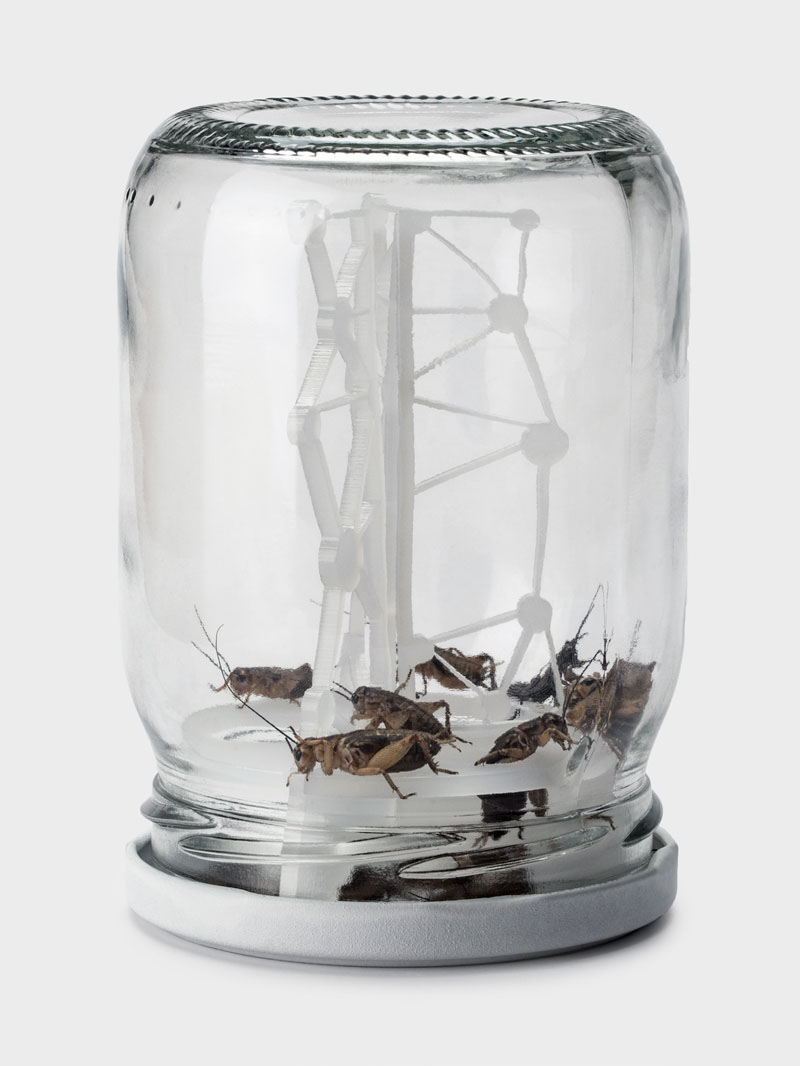
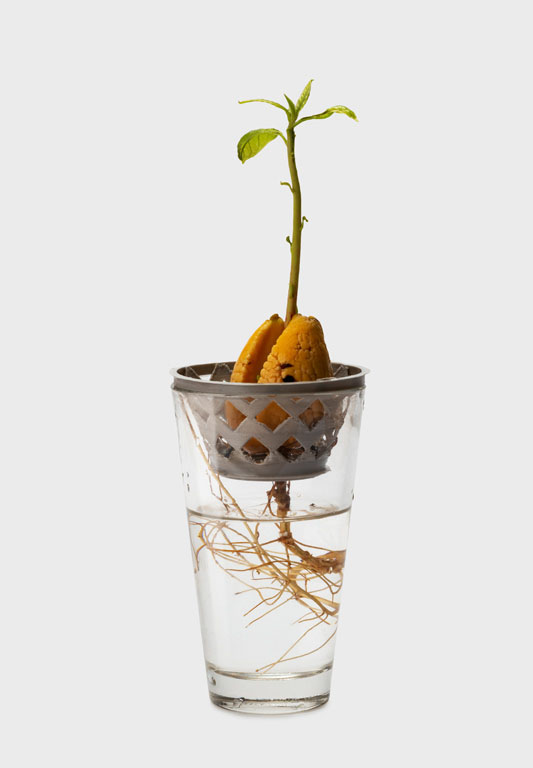
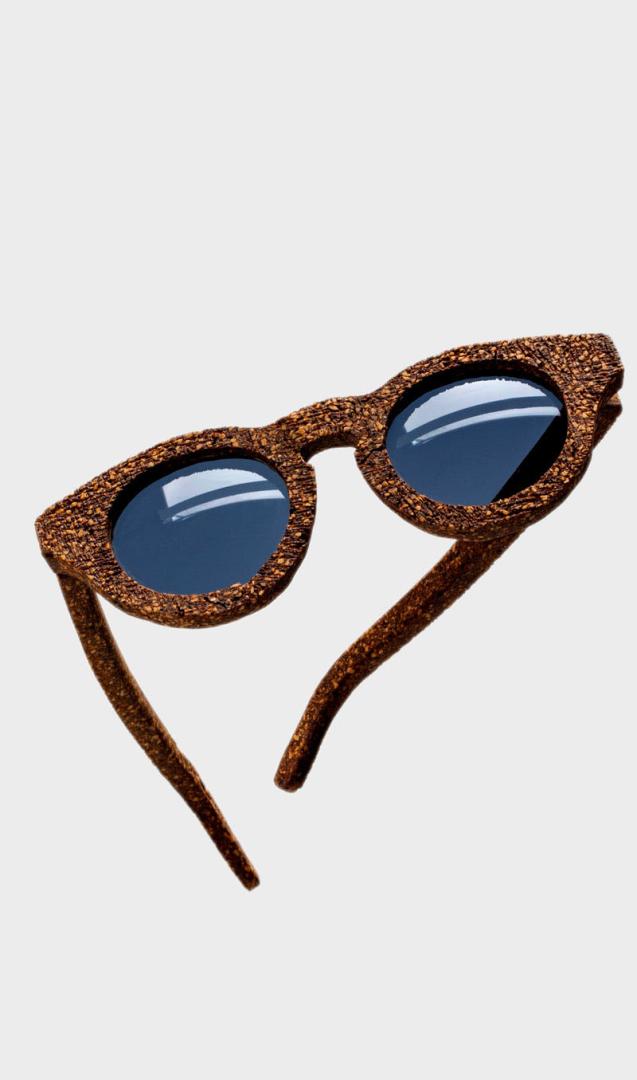
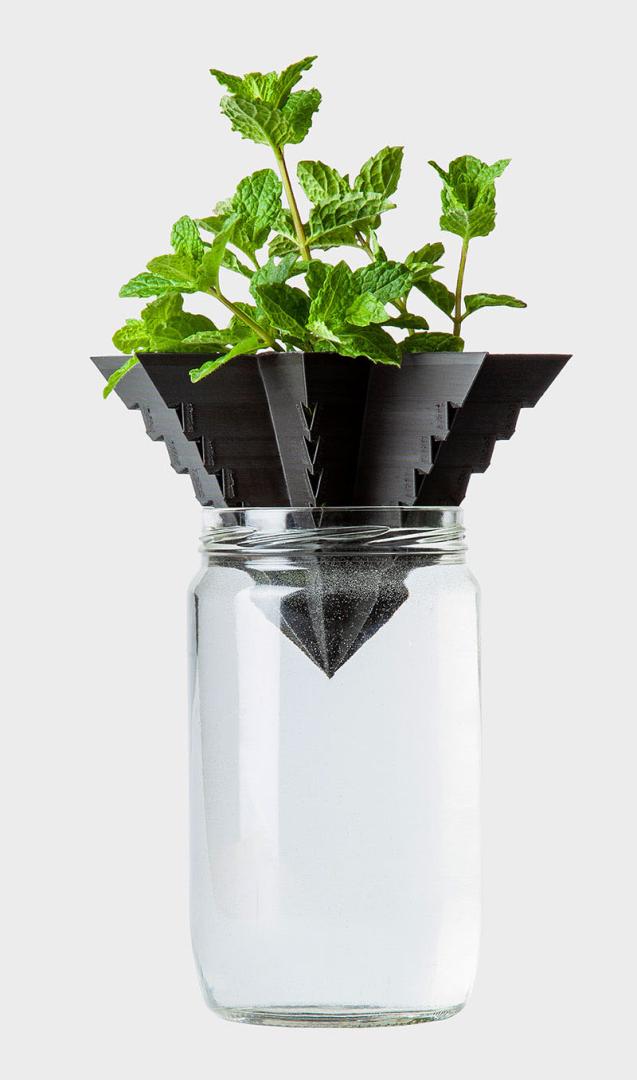
The project FoodPrint was initiated by the Faculty of Multimedia Communications at TBU in Zlín. In this project, we present more than 50 designs, products, mobile applications, videos, and animations, such as sunglasses made of walnut shells, chocolate mold, insect farm, plant fertilization system, a system for growing avocados, and many others.
Above all, it wants to react to the “unfinished-ness” and “unfinished-ability”, and at the same time the cyclicality of our human relationship with food. This is not merely consuming, but also productive and reflexive. We want to examine all parts of the food chain (individually or comprehensively) from the creative perspective of tradition as well as the perspective of the most modern technologies.
We want to find answers to the questions that the topic of food and its impact on our lives opens up, and that is important throughout the whole spectrum of design. New, surprising, or revolutionary solutions can be found just outside the borders or right at the borders of individual specializations. The whole FoodPrint project, in its final form, has acquired a fundamental dimension of moderation, perhaps discipline, in terms of a critical selection of the presented realizations. The FoodPrint project has the opportunity to become a challenge or an impulse to debate one of the most current agendas of today - food and recycling.
Key objectives for sustainability
One of the goals of the project is to investigate the cyclicity of our, human relationship with food that is not only gourmet but also productive and reflective. We want to explore all parts of a food chain (individually or complexly) in a creative perspective of tradition as well as of the latest technologies. We also try to change the way people deal with food and related areas, whether it comes to consumption, processing, or recycling, which is a big topic in recent years, when people are more aware of the environment and ways to support it.
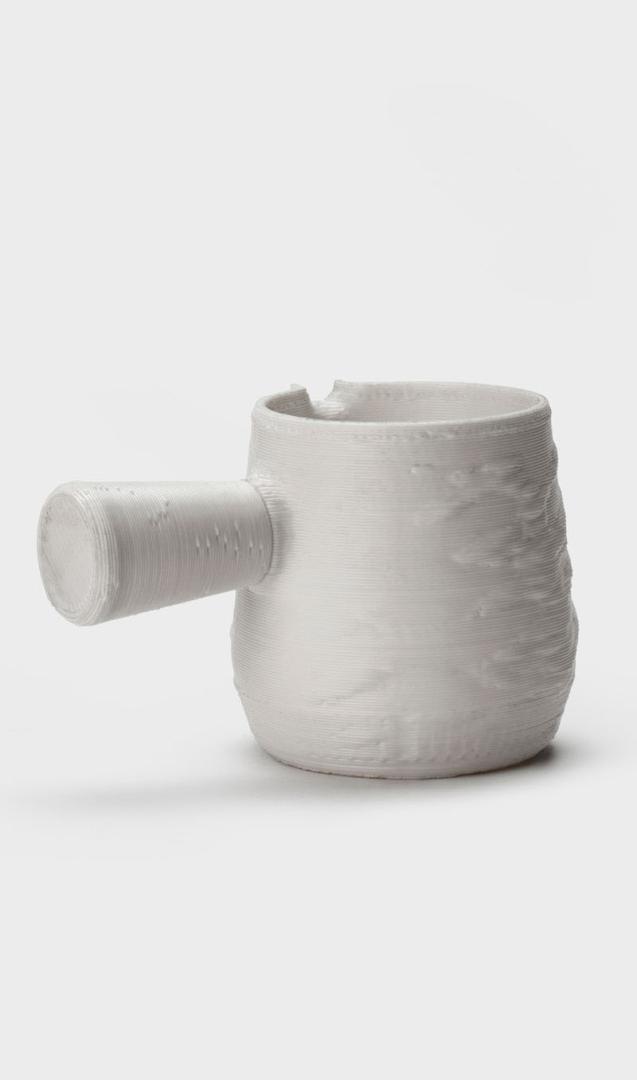
The project contains over 50 product designs and proposals, which are based on the thematic assignment. Sustainability is determined by production technology, ie 3D printing. It is therefore easy to manufacture and use each of the products anytime, anywhere in the world on the spot. At the end of the product life cycle, it can be recycled again and used again as a material for production and possibly for 3D printing. Other products and designs represent applications for mobile platforms, which offer a variety of services in the field of purchasing recyclable products or simplifying shopping routes in general.
Key objectives for aesthetics and quality
All products represented within the project were also designed with the awareness of the need for aesthetic function. The design must be functional, but at the same time also aesthetic. The technologies used in the Foodpring project allow you to work with the material to meet the highest aesthetic requirements of its creator. Not only physically graspable products but also digital applications are viewed and criticized aesthetically.
Each of the projects represents a creative process and often an innovative approach to dealing with known materials in a way that has not yet been done. All works have a unique design, whether it is movies, animations, mobile applications, 3D objects or furniture.
Key objectives for inclusion
All presented products are widely available not only in price but also in usability. They have no barriers, are small, and can be used immediately when using 3D printing. Mobile applications can be downloaded from the network, which is also not an obstacle in the modern digital age. Many materials used in the projects, such as nutshells for the sunglasses or for the biodegradable seed starter have a relatively low cost.
Results in relation to category
The current emphasis on sustainability also strongly influences the lifestyle of today. The need to recycle, to work with sustainable resources, to return nature back to its roots becomes a condition for social status. Our products meet all the conditions.
We try to show unusual innovative ways of handling food products, the recycling process, try to make people think of what and how they consume. Our mobile applications help to make a better choice at the very beginning of that path. For example, some applications evaluate the usage of natural resources in a food product, recyclability of packaging, harmful substances, etc. Films, videos, and animations gently try to get people to take a closer look at how they use natural resources. Printed 3d objects and furniture may make an impact on the way people furnish their homes, what kind of objects they surround themselves with, and what aesthetic quality it has.
How Citizens benefit
The main advantage of our products is their availability. The availability of 3D printers is now very high, we can transfer data from one end of the world to the other within a few seconds. We offer free data packages of products that can be used anywhere in the world. The involvement of a wide audience is precisely in the possibility to use the designed products, such as insect farms, fertilizers, the possibility of home plant growing, production of ecological and recyclable furniture, etc.
Innovative character
Innovativeness basically lies within the frames of cheap production and the ability to transfer all the data anywhere in the world, which is a matter of a few seconds. The second dimension is the recyclability of the used material after the end of the product life cycle, but also the possibility to use biological waste (such as nutshells, etc.). Each product is the result of unique thinking and designing process, materials used there may be well known but for sure not widely (if ever) used in the productions.