Maison Fibre
Basic information
Project Title
Full project title
Category
Project Description
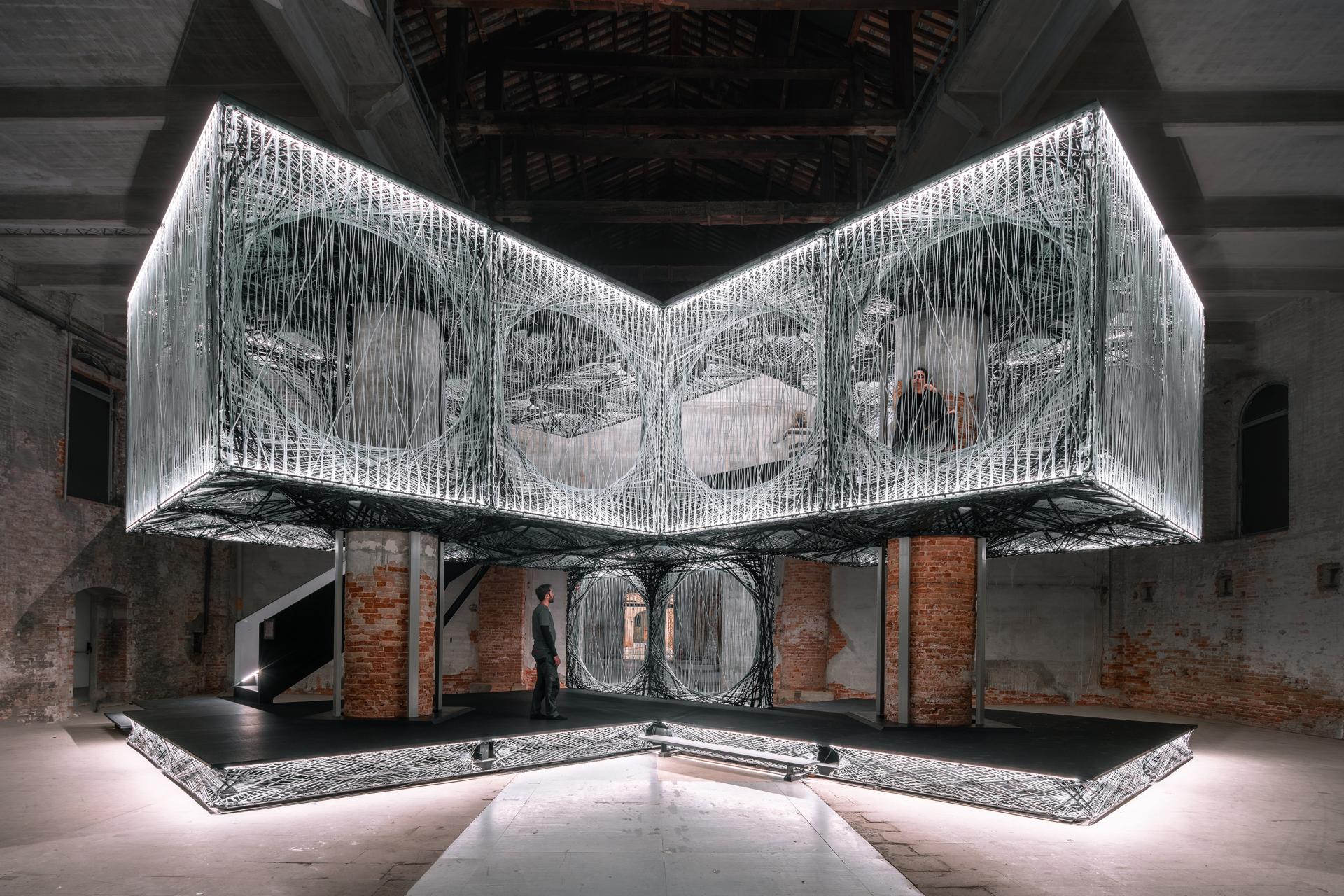
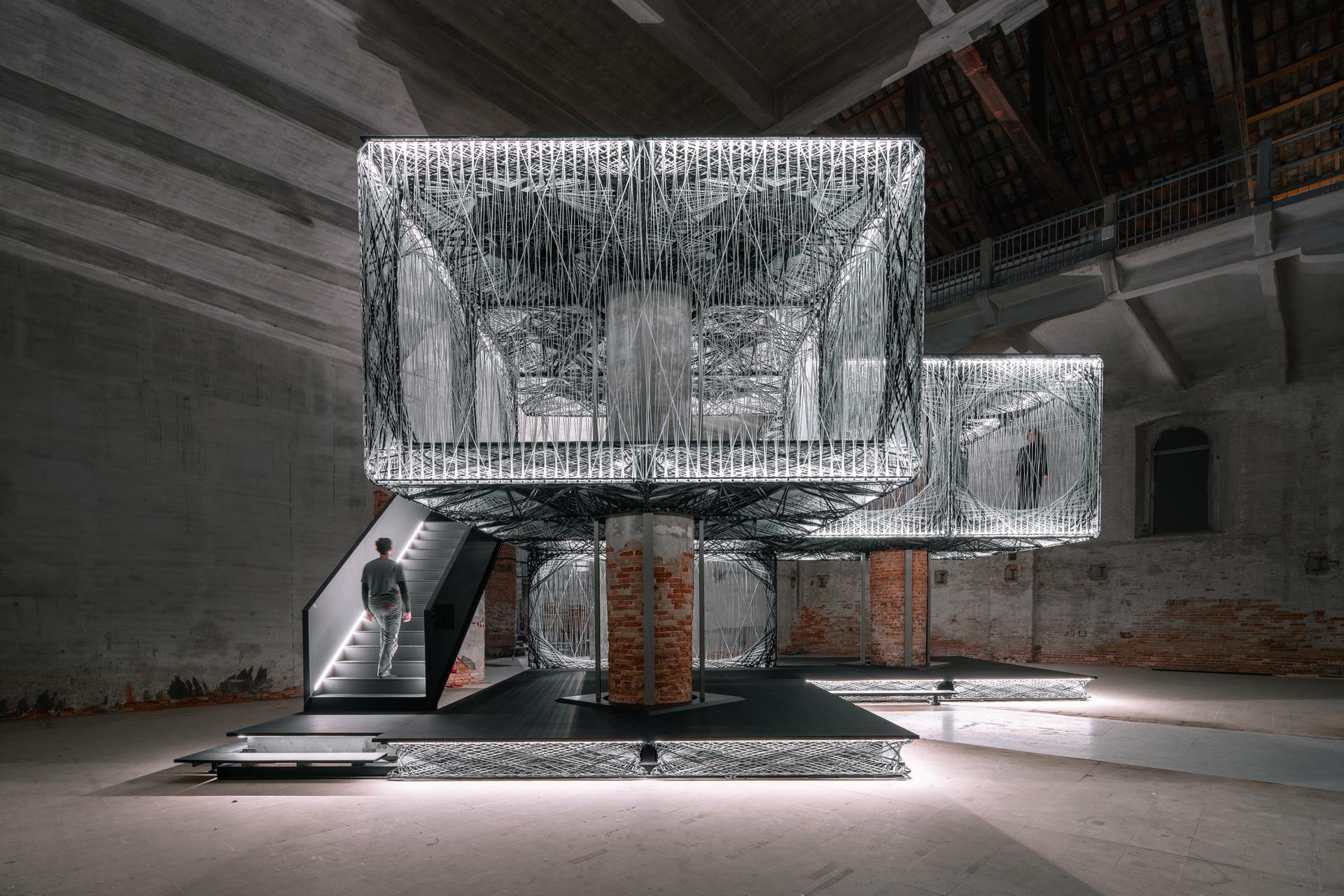
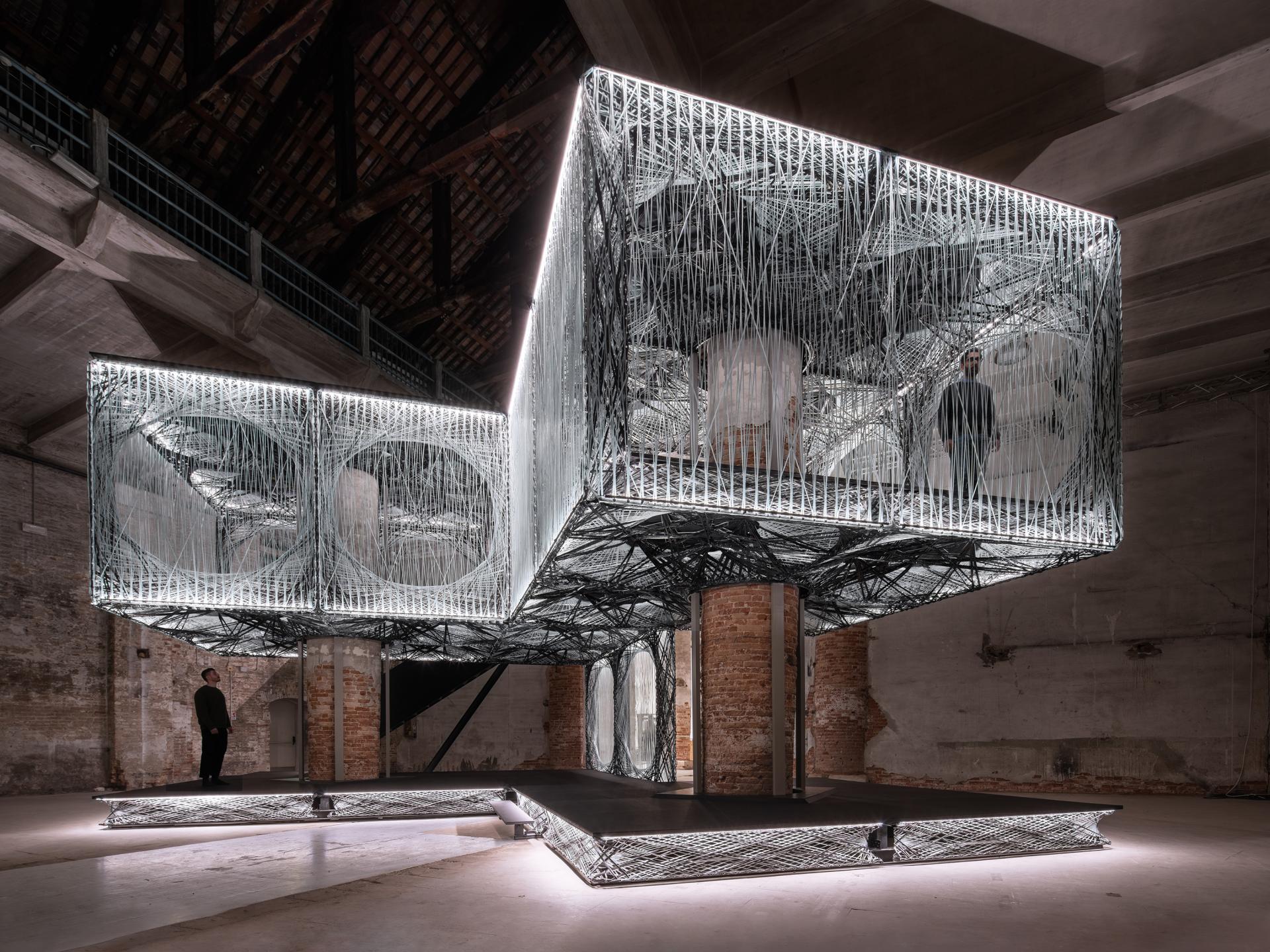
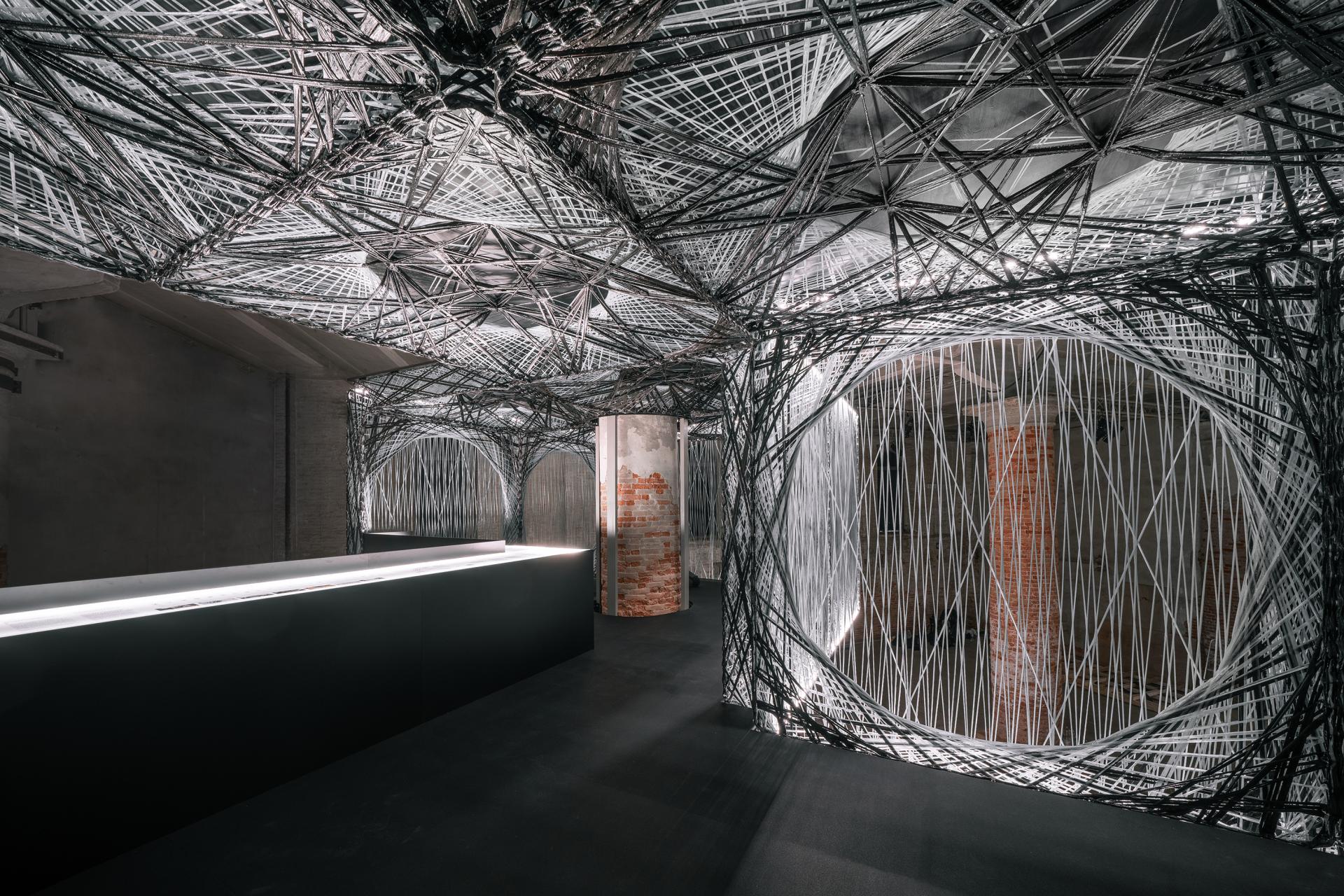
Maison Fibre, exhibited at the Venice Architecture Biennale 2021, explores an alternative approach to the design and construction of future habitable spaces. In response to the exhibition theme “How will we live together?”, it presents an inhabitable installation made from robotically produced, fibrous building elements, which can be locally made from just a few kilos of construction material. It constitutes the very first multi-story structure of its kind, with slabs weighing only 9kg/m²!
Project Region
EU Programme or fund
Description of the project
Summary
We spend 87 percent of our lives in buildings. Buildings constitute the physical substrate for living together, and it is precisely this materiality and materialization of buildings that poses one of the most important ecological and social challenges to society. The question of how people will live together in the future is thus intrinsically linked to the question of the future of building.
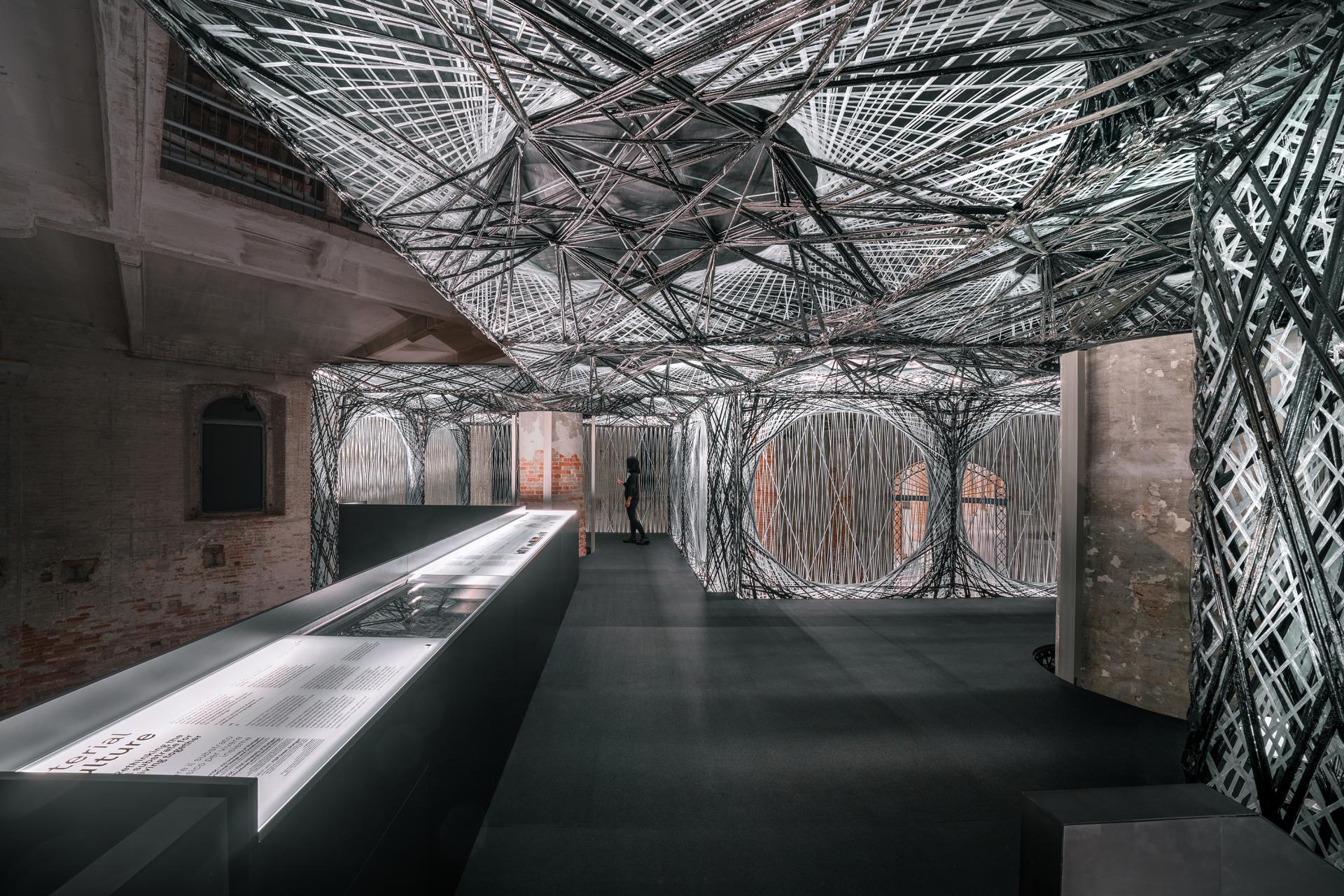
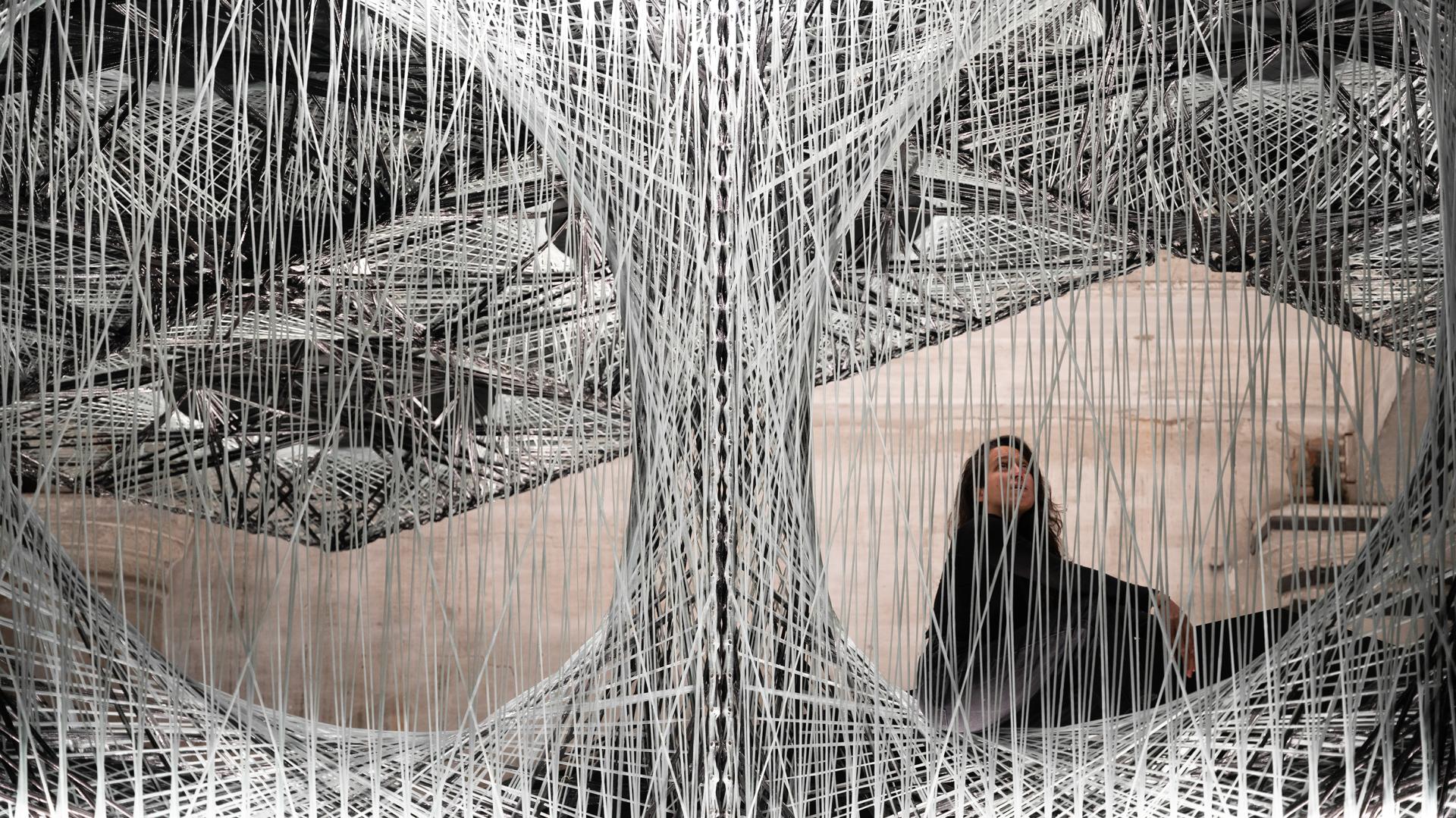
Maison Fibre is both a full-scale architectural installation and an open model for the cultural change being postulated. Being the result of a decade of research on robotically manufactured fiber composite structures, it presents itself as the first multi-story architecture of this kind, featuring inhabitable fibrous floor slabs and walls. The entire structure consists exclusively of so-called fiber rovings, essentially bundles of endless, unidirectional fibers. To underline the model character of the project, a system of reconfigurable wall and ceiling elements based on the 2.5-meter grid dimension typical of residential buildings was developed.
Key objectives for sustainability
Construction has become one of the most materially intense and environmentally detrimental human activities. The per capita consumption of construction materials for load-bearing structures alone, which account for more than half of the materials used in buildings, has multiplied over the last century. Building in the present form, which prioritizes simple construction processes over saving material and resources, no longer seems sustainable. New approaches are urgently needed.
Nature provides just such a paradigmatic alternative: almost all load-bearing structures in biology are fibrous systems, in which the fiber organization, directionality, and density are finely calibrated with the occurring forces. The resulting high level of morphological differentiation, functionality and related resource efficiency are emblematic of natural structures. Fibrous construction offers a profoundly different material approach for building future human habitats.
Compared to Le Corbusier’s Maison Dom-Ino as a role model for 20th century architecture, the weight footprint of the structure is reduced fiftyfold and points toward a novel material culture in architecture as well as the larger ecological (material and energy), economic (value chains and knowledge production), technical (digital technologies and robotics), and sociocultural matters entailed herein.
Key objectives for aesthetics and quality
As a radical vision of a material future for architecture, Maison Fibre consists of a self-supporting structure made entirely from glass fiber and carbon fiber composites.
The project's projective aspect is derived from its reference to a formative model of architectural history, Le Corbusier's Maison Dom-Ino. The floor area of the installation corresponds to the historical reference, as does the division over three floors and the versatile, expandable system. The radically different nature of the fibrous - compared to tectonics of the massive - can be experienced spatially and tactilely by the visitors.
The intricate fiber architecture of the installation is fully exposed. Only the walkable floors are covered with thin panels to ensure safe use. Its articulated fibrous structure is highlighted through the illumination of the glass fibers, from which the majority of the installation is made. This results in a unique architectural experience and spatial atmosphere.
Key objectives for inclusion
The methodological framework encompassing design, structural engineering, and digital fabrication conceptualized and refined over the course of the Maison Fibre development and fabrication, allows lowering production costs for highly efficient ultra-lightweight multi-story composite structures, making them a viable alternative, also from an economic point of view, for the built environment of the future.
Results in relation to category
The fibrous wall and ceiling elements were manufactured using the coreless, robotic winding process developed by the project team, which allows for locally load-adapted design and alignment of the fibers, thus enabling an extraordinary lightweight construction: The code-compliant, load-bearing fiber structure of the upper floor weighs just 9,9 kg/m². The wall elements are even lighter.
How Citizens benefit
Maison Fibre is on view at the 17th International Architecture Exhibition – La Biennale di Venezia, the world’s most influential architecture event. Under the overarching exhibition topic of "How will we live together?”, located in a prominent position in the Corderie of the Arsenale, it presents to visitors and to the more specialized public our views and answers on the role of architecture in shaping our common future.
Innovative character
Maison Fibre itself shows the spatial expression and authentic architecture of a highly dematerialized structure, in which the reconfigurable building elements are made from just a few kilos of construction material.
For the fabrication of a load-bearing floor element, less than two percent of the component volume is required as material volume. This extremely low material consumption coupled with the very compact, robotic production unit could in the future make it possible to carry out the entire production on-site without a significant amount of noise or waste, not only during the initial construction process, but also during expansion or conversions. As a result, architecture built using this method will remain adaptable and flexible in the long term.
Another key aspect is the high degree of flexibility and flexibility that these design/construction methods allow, making possible easy adaptability of the building elements and thus facilitating the interaction with the existing building stock, which will be decisive for future urban buildings. In this specific project, this is deliberately emphasized by integrating the existing columns of the Arsenale building into the installation.
Moreover, the design, fabrication and building methods implemented in this project can be used for a variety of materials. While Maison Fibre still largely makes use of the currently available glass and carbon fiber systems, there are already signs of a considerable expansion of the material spectrum in the near future, ranging from mineral fiber systems that can withstand extreme temperature stresses, to natural fiber systems that grow within an annual cycle.