A New Green Agora
Basic information
Project Title
Full project title
Category
Project Description
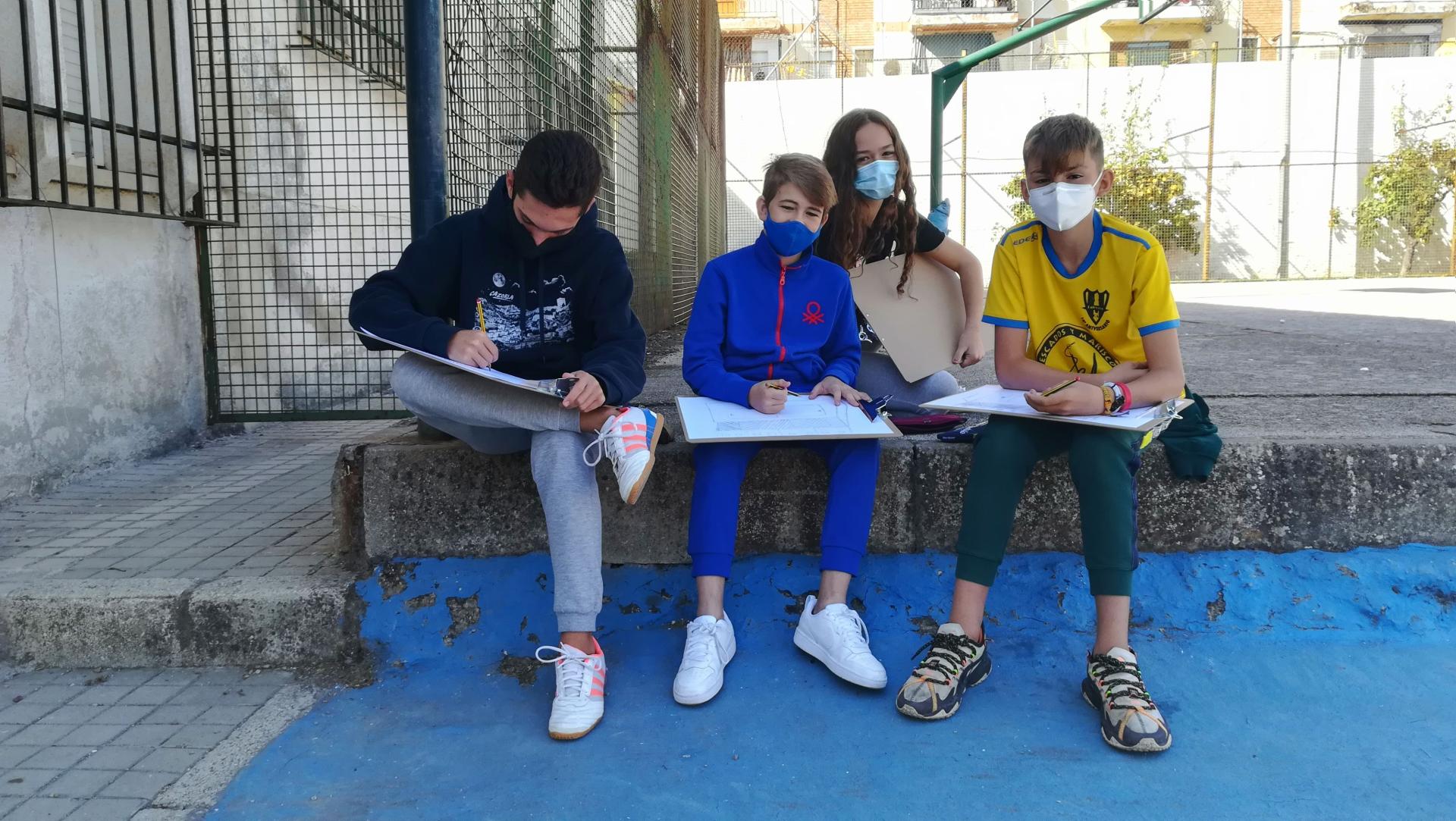
Underprivileged kids aged 11 to 14 learnt through sustainable architectural lessons to analyse, be critical and creative with the space they inhabit every day of the week: Their schoolyard. Nature has replaced concrete allowing a more inclusive, not just sports, use of this area. They learnt about urban flora and fauna, chose the trees and bee-friendly flowers in order to improve their school ecosystem and minimize the hot temperatures. They´ve created a Green Agora to learn outdoor and to relax
Project Region
EU Programme or fund
Which funds
Other Funds
Programa Impulsa 2020.
Consejería Educación Andalucia.
Fondo Social Europeo ( ESF)
Description of the project
Summary
The New Green Agora, was born after a participatory process where 142 young students aged 11 to 14 from a very deprived area of Bailen (south of Spain) learnt to observe, analyze, draw and design a project to transform their schoolyard. They enjoyed the urban design and the lessons about sustainable material. They also learned about art and painting from artists; botanic, how to dig, plant, and take care of trees but the innovative side of these lessons lies in the renewed trust in adults that we built in these young people.
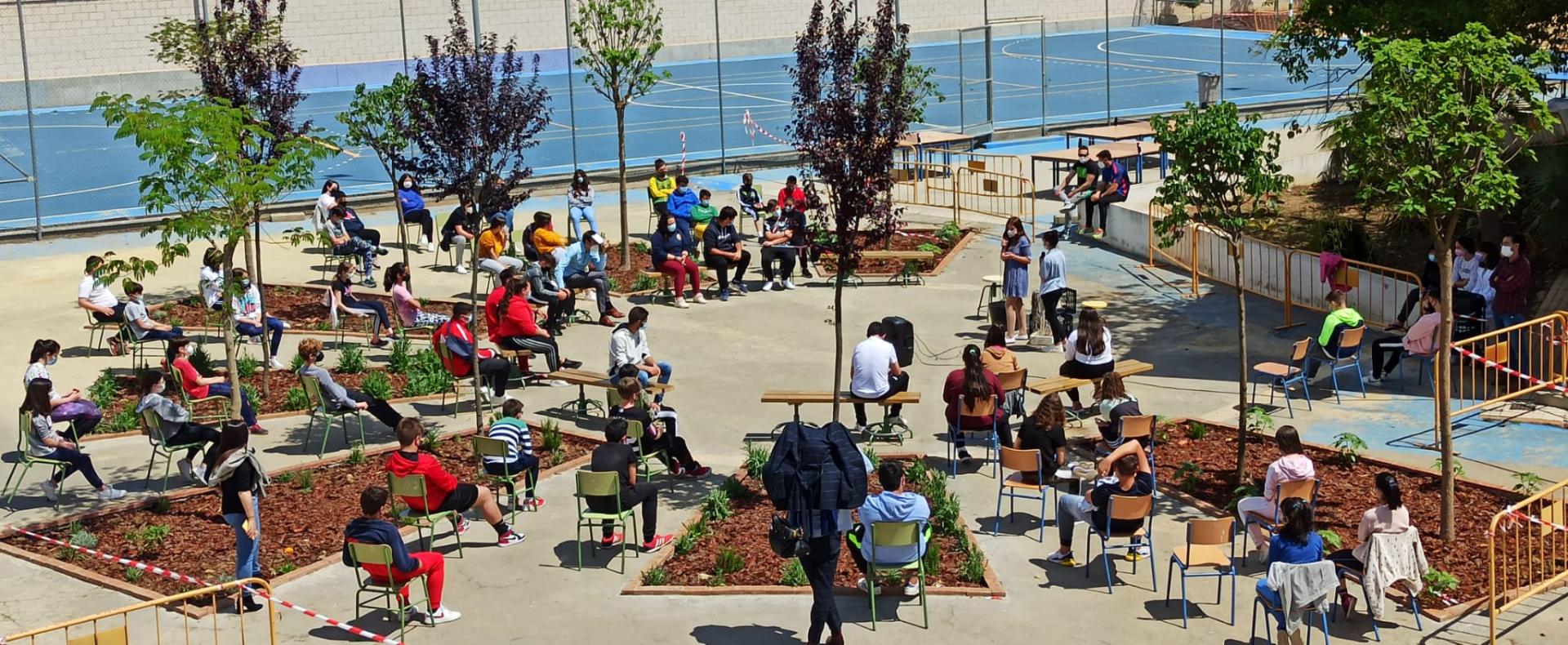
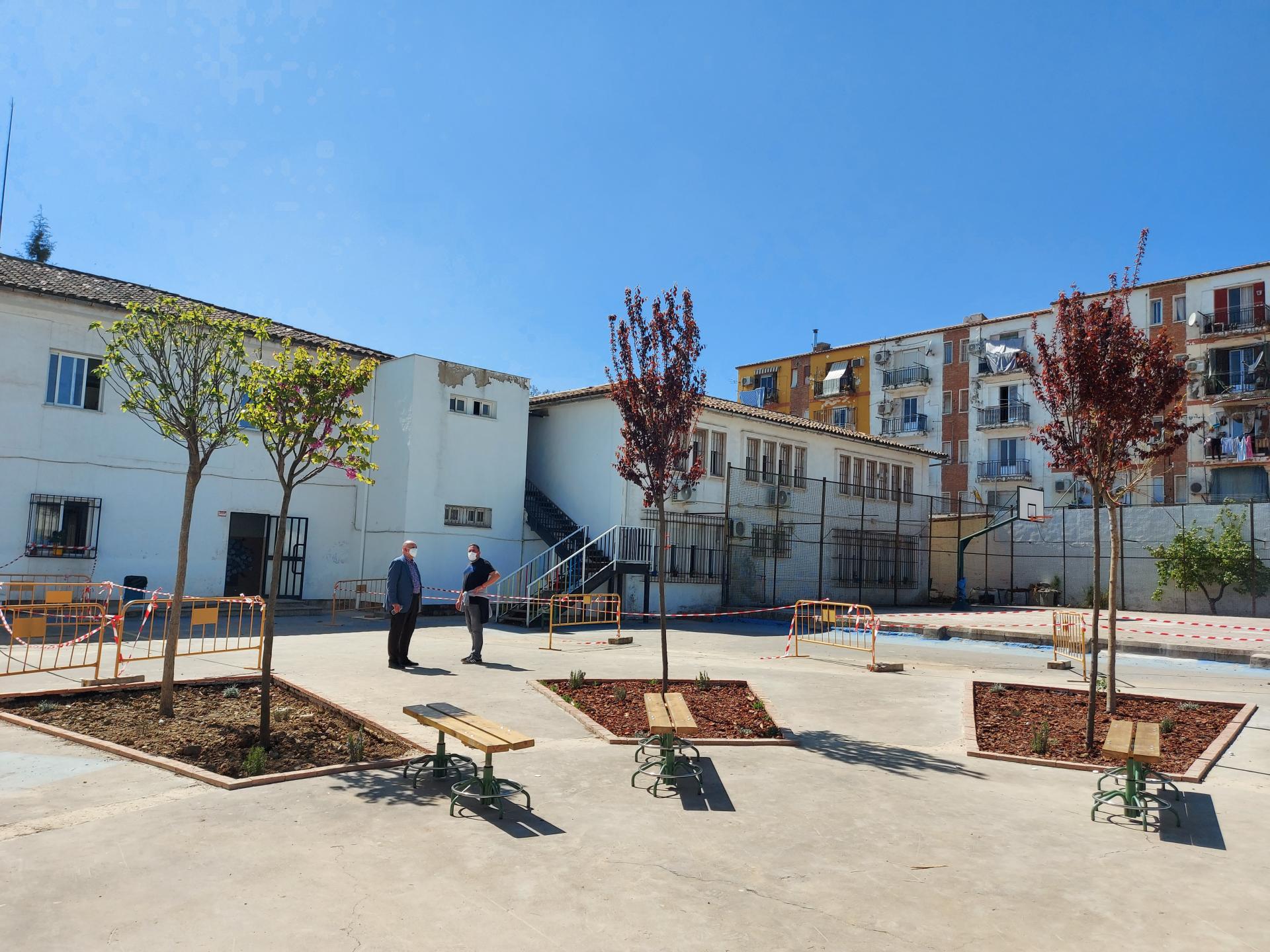
The final project, the Green Agora, was born from analyzing dozens of drawings and ideas where circular spaces, trees, benches, and playful areas were expressed. Their schoolyard was a vast space covered with concrete and not a single piece of soil or a flower, now they have more than 12 grown trees and bee-friendly plants providing shade to stand the Andalusian hot weather in April, May, June, and September. They have recycled benches to sit and chat and PingPong tables that the school has provided and located where they asked for them.
The students felt empowered and with the right to openly express their needs and their critics with the school building. After achieving their own goals, they felt cared for, respected, and loved by us, architects, and by the school leaders who brought us to teach them. They were incredulous when we first time entered their classroom and after two months of working once per week with them, they ended the project owning their space and being terribly proud of it!
We have two videos summarising the process: https://www.youtube.com/watch?v=7bn-eNpeGlQ ( planting the trees)
https://www.youtube.com/watch?v=lPixTjrE-Xc ( the educational process)
Key objectives for sustainability
Social Sustainability:
1. To Give the power to design and to take decisions to the less empowered of their community. Achieved
The project Impulsa 2020 funded by the EU through the Andalusian Government was directed to schools in very deprived areas.
Including underprivileged children and young students in the renovation of their schoolyard and taking their ideas into consideration for real and tangible changes has empowered them and made them feel that they have contributed to improving their community.
2. Educate in Sustainable Architecture: Why sustainable architecture is important for our happiness and well-being? Why sustainable design is important for the planet? Achieved
3. Visibilizing female rol in Architecture. Awaking interest in science careers. Achieved.
Environmental Sustainability:
1. Increasing the number of trees in the school
2. Choosing deciduous trees for bioclimatic improvement
3. Increasing soil surface for diversity and bee-friendly plants
4. Teaching about the United Nations 17 ODS
Economical Sustainability:
The whole budget for the two months ( once a week) of teaching, painting with artists, the excavation, new soil, plants, benches, video making, etc was 13.000 € ( IVA included). We are sure we made our best investing this public money in a new green space for learning and relaxing
Key objectives for aesthetics and quality
What is Beauty? in front of the students we asked Google and Google answered back with more than 20 images of female faces full of makeup. That is not an inclusive definition of beauty
This was a vital part of our project. Their school and their borough are very damaged in terms of aesthetics so we had to teach them to look for beauty beyond any standard cannon. We developed a lesson to express their own idea of beauty. A shade, a plant, a person, a meal, a smile, a sky...Please find the summary at this link:
https://issuu.com/littlearchitect-architecturalassoci/docs/belleza_para_google_impulsa_ieshermanosmedina
After that, we developed the gardening project choosing trees with different colors in spring, from light pink to nearly red to green and yelow...they chose different species and worked in the design to create a playful ambiance with the leaves.
The schoolyard was grey, plain, empty, and lacking any reference to an educational place. Now it has a vibrant combination of colors and places to sit and to observe them change through the year.
Key objectives for inclusion
The general project, Impulsa 2020, is part of the Andalusian Government's aim to reduce early school leaving. Our project was elected to be developed in this particular school because they are in an area called ERACI.
The students come from economically deprived families, from ethnic minorities, children in social care, children with learning difficulties, and some immigrants but in a scarce number, also local families with no income problems attend the school but in fewer numbers.
We worked very closely with the School Social Worker celebrating all the achievements and spotting some hidden abilities in students who usually underperform in the statutory curriculum.
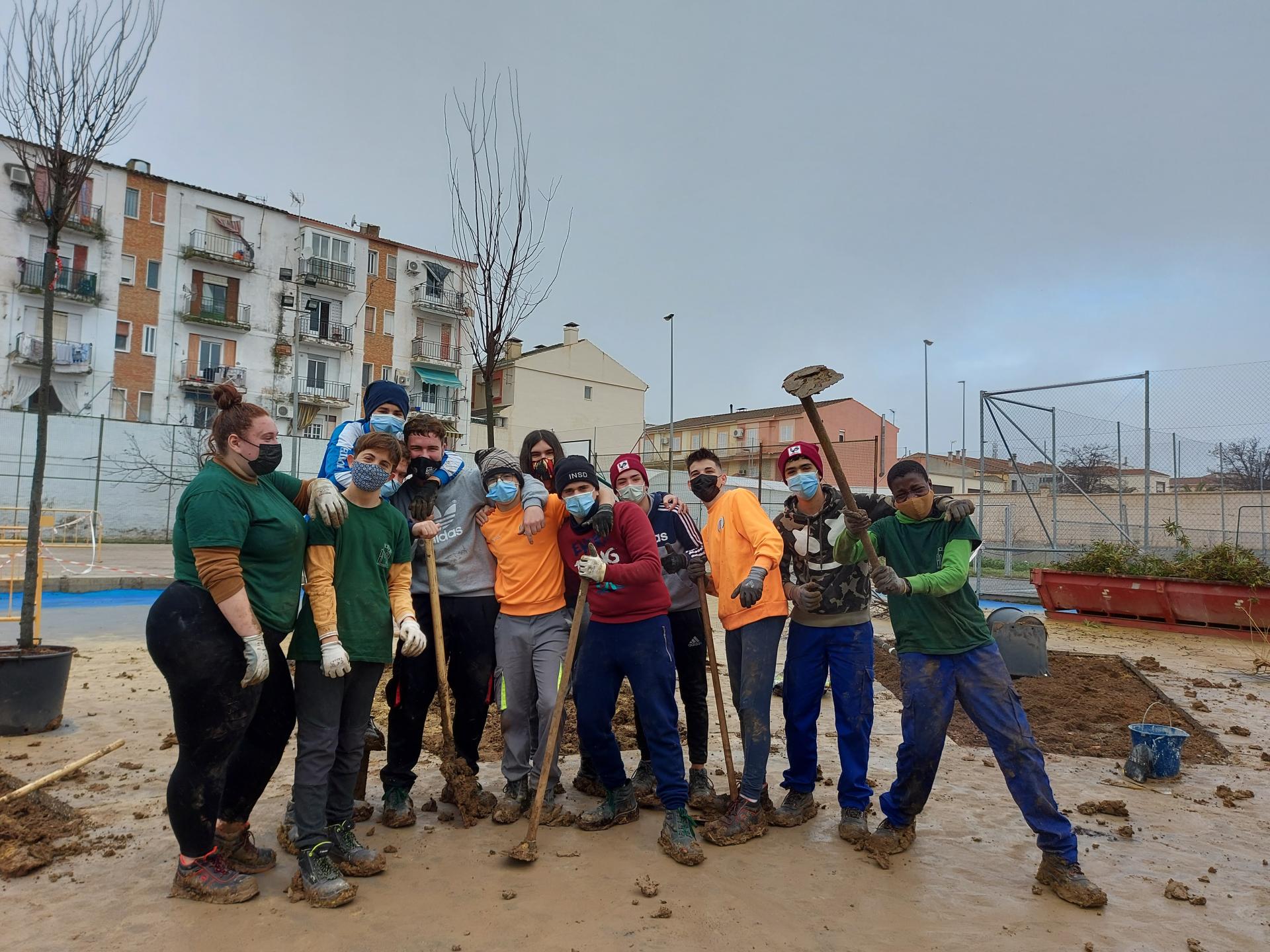
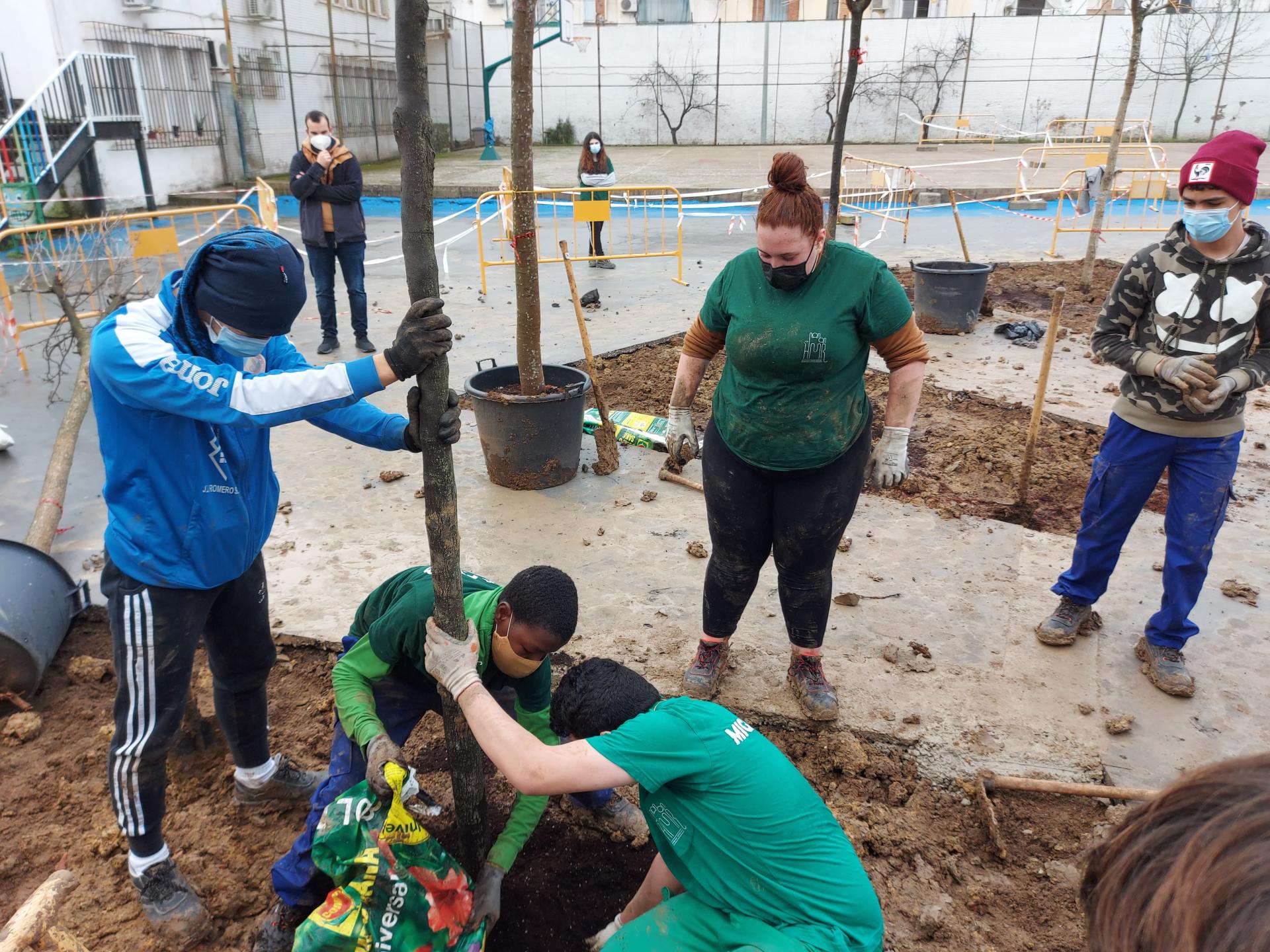
In the physical side of the project, the execution, we worked with the special needs students in the school and some of them helped to plant the trees and felt part of the school project too.
Results in relation to category
We had interviews with some teachers and especially with the school heads after the project and they have commented on the hopeful spirit instilled in the students. Now they think they can act and change things. Some of them told us in person.
We achieved knowledge about Sustainable development and the UN Global Goals. We encouraged them to write small summaries about what they have learned in relation to the 17 ODS and some of them voluntarily did it.
You can see a summary of the teaching and works developed here: https://www.youtube.com/watch?v=lPixTjrE-Xc
How Citizens benefit
The students have designed and expressed their needs for the schoolyard all the way long until we created the plans.
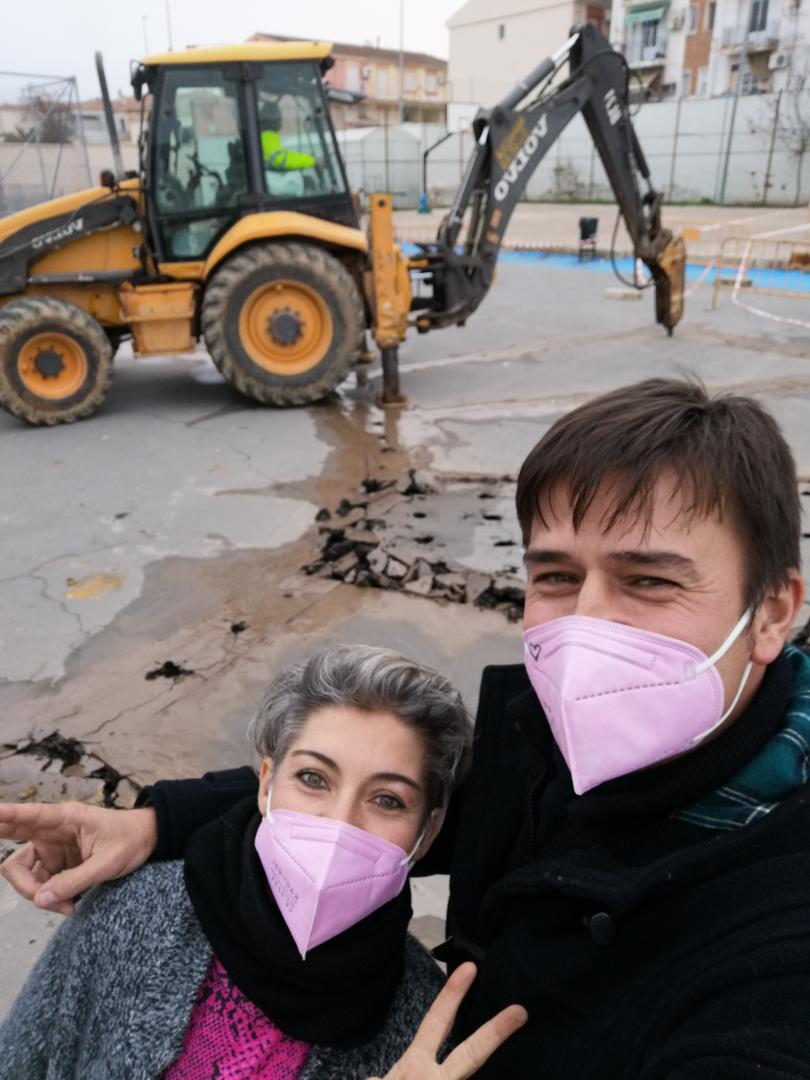
Finally, they also chose the trees and the place to put them, they helped to bring them from the outside to the school and they helped to plant them, basically, they did it on their own.
The involvement is 100% and the impact in the short term is an increase in sustainable design knowledge, happiness, and trust. Hopefully, in the long term, they protect the planet as they do now with their New Green Agora.
Innovative character
We built a strong multidisciplinary team with the school social worker, with artists who came to teach about urban space and art, and with the students.
The innovative character has two pillars:
1. To put students' needs first and to link directly and in a tangible way sustainability and eco-friendly design to their wellbeing.
2. To build a healthy and trustful relationship between the students and us, architects & designers. They had expressed on multiple occasions
"You say you´ll do it but in the end, nothing will happen"
if we want society to embrace a new sustainable paradigm we need to set participatory processes with a solid teaching period first