Ideas Garden
Basic information
Project Title
Full project title
Category
Project Description
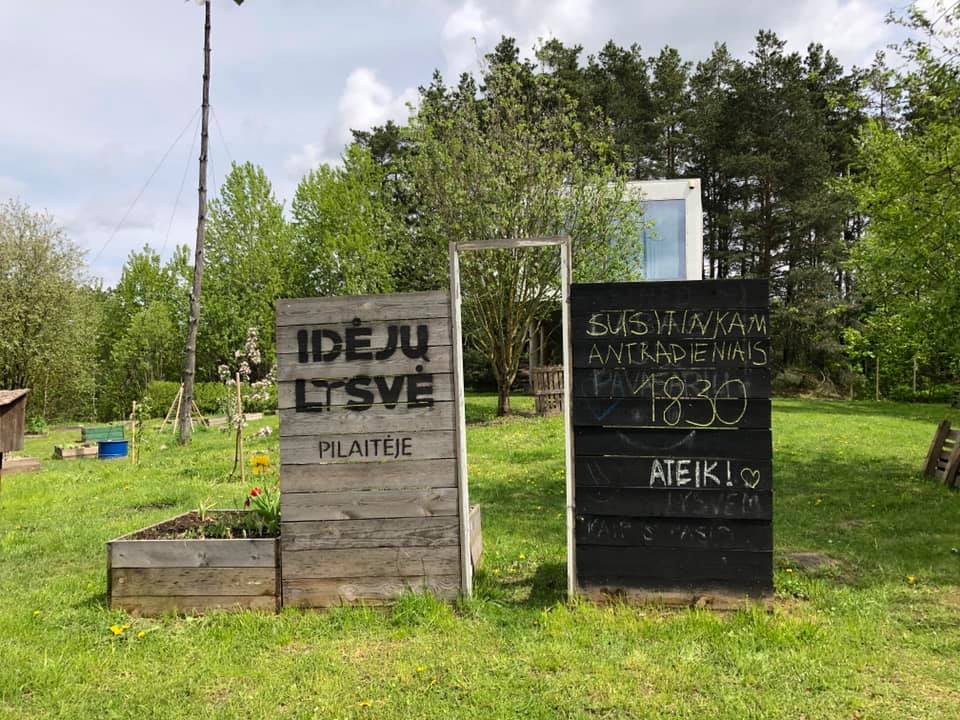
Ideas Garden is an urban garden located in one of Vilnius post-soviet microdistricts (Pilaite). Born as and still existing as a voluntary initiative, the urban garden aims to empower the local community by making them active agents of local urban life. The growing garden community cultivates not only vegetables but also sharing, eco-lifestyle, diversity and learning. With its raised beds, compost and picnic table, Ideas Garden has become one of the top attraction sites of the neighbourhood.
Project Region
EU Programme or fund
Which funds
Other Funds
In 2019, Vilnius Municipality invited Ideas Garden to participate in Ru:rban project financed by Urbact program.
Project team participated in transnational meeting with project partners in Vilnius. Also, Laura Petruske, one of the iniciators of the Ideas Garden, has participated in gardenisers training in Portugal.
Ru:rban website: https://urbact.eu/rurban
News about Ideas Garden featured on the projects website: https://urbact.eu/vilnius-shares-its-very-own-gardening-guide-and-its-ideas-garden
Description of the project
Summary
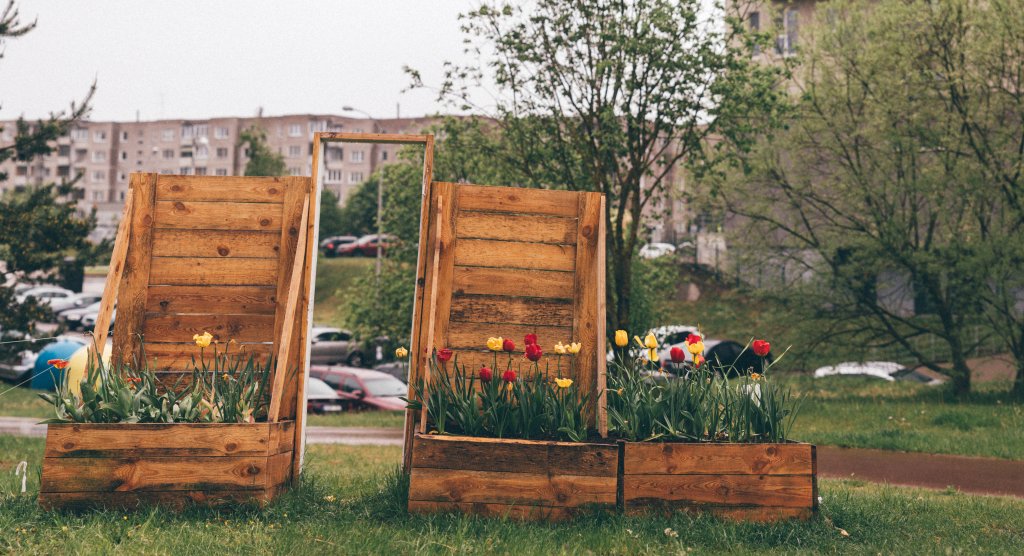
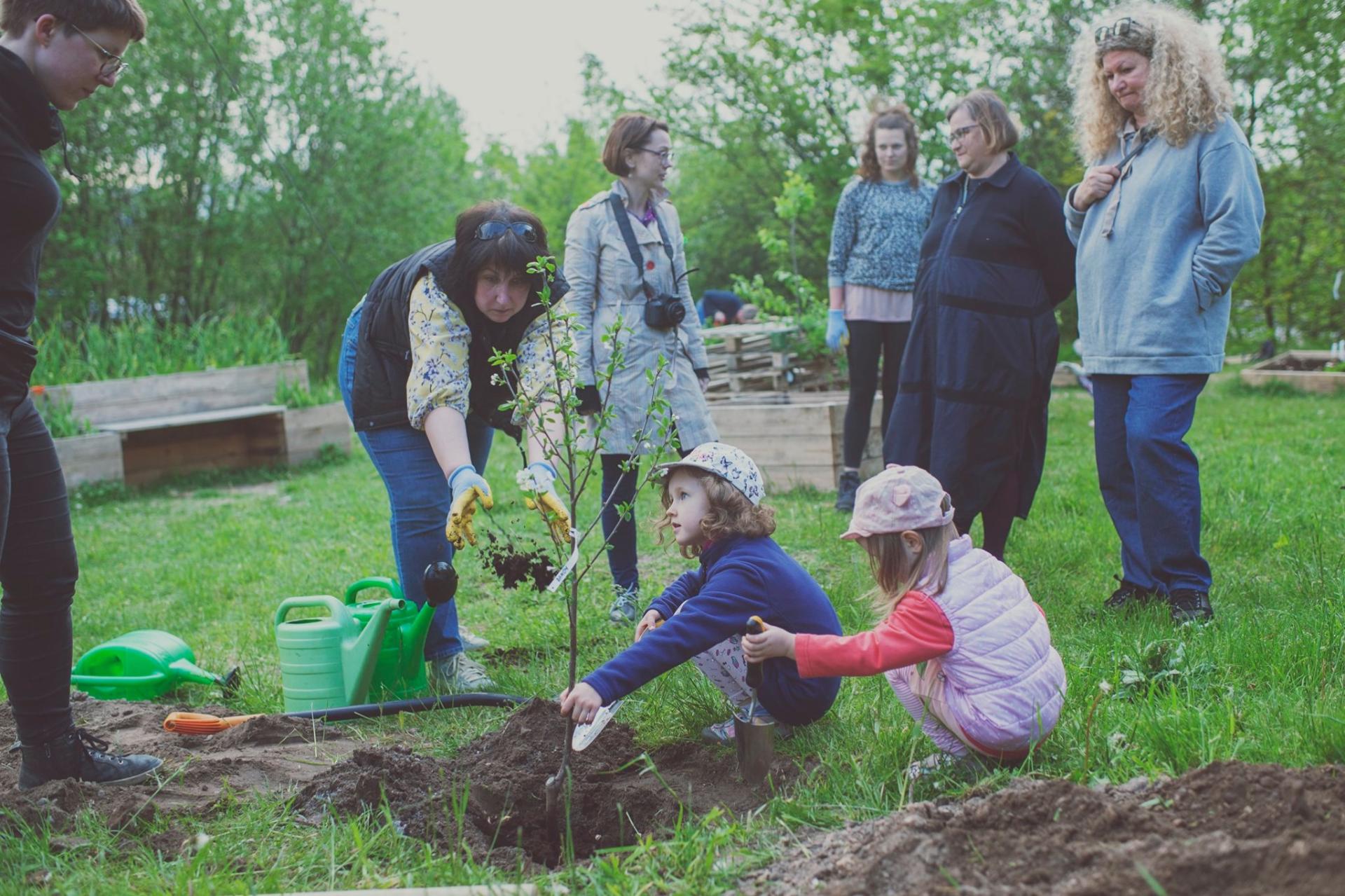
Ideas Garden is an urban garden located in a post-soviet microdistrict in Vilnius, that today has 20 raised beds, 22 trees & bushes, two picnic tables, compost and a community that takes care of it. Founded & facilitated as a voluntary initiative by two local young women, Laura and Beatrice, in 2019, the garden has already attracted more than 500 people to its activities.
The main aim of the garden is to empower the local community to regenerate their local environment into spaces that have meaning and bring joy to the local community. As the reader may know, post-soviet microdistricts are scarce of cultural life, aesthetics and lively urban spaces. Thus, Ideas Garden is an attempt to show local residents how to regenerate space and involve them in the process.
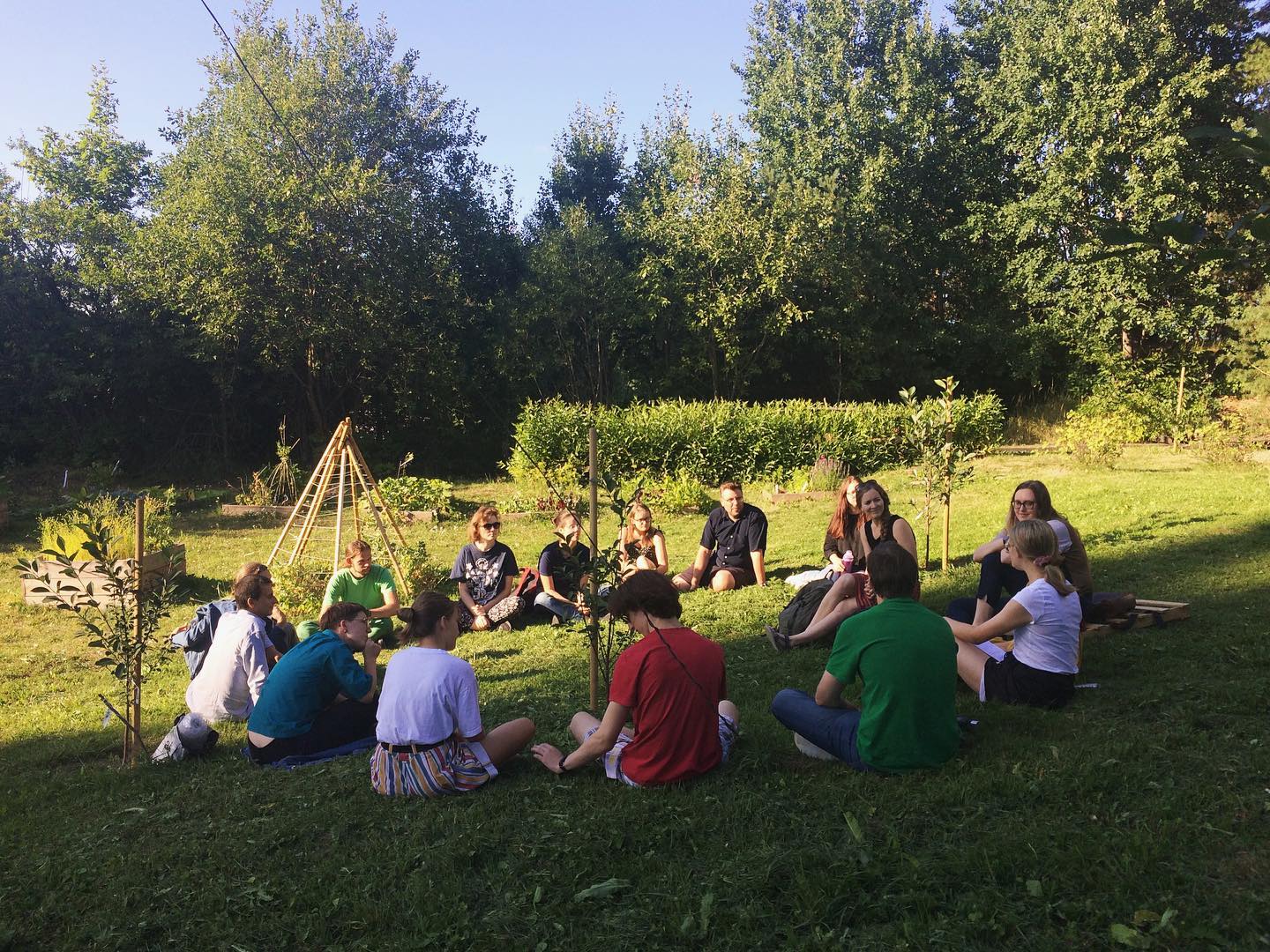
The project is most active during warmer months of the year. From May to November, project's community meet in weekly meetings & monthly events. The events can be distributed in 2 categories:
1. Events that are initiated and facilitated by the local residents & participants.
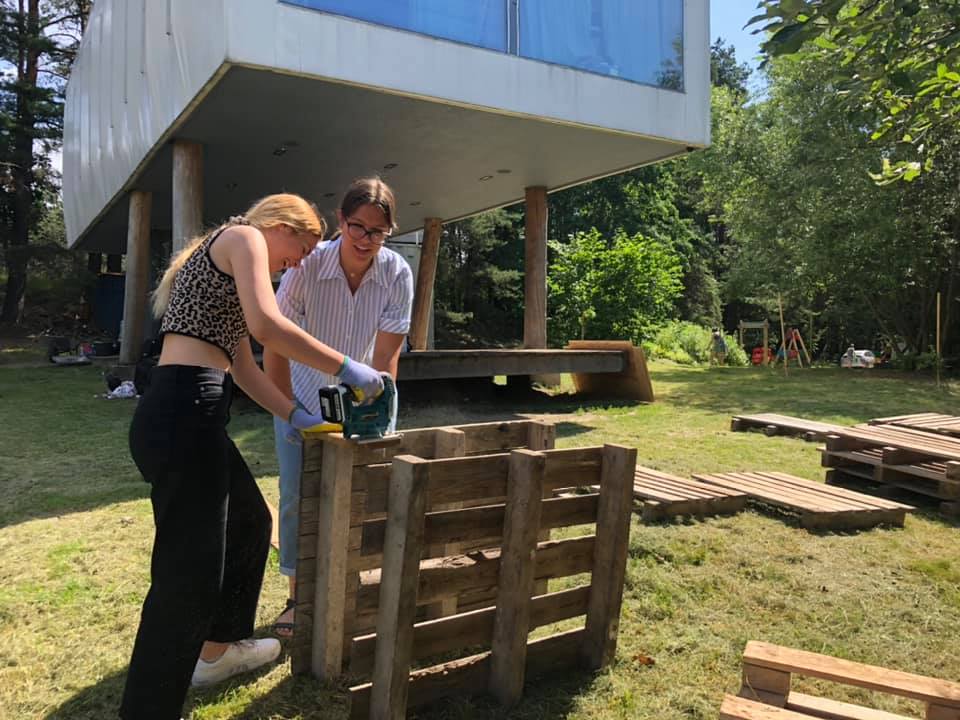
Most of such events in Ideas Garden are based on workshop & DIY methods. For example, all raised beds and outdoor furniture in the garden were made from scratch by the participants. In this way, the participants learn new skills and became active members of the events.
2. Events initiated and facilitated by other organisations.
These types of the events are mostly educational. For example, in 2020 Fridays For Future Vilnius activists have organised a seminar on climate change led by professor doc. Egidijus Rimkus, local shared-gardening organisation Coolukis led a workshop on home composting at home.
In 2021, the garden will also host several cultural events, like a one day-festival with painting & music and an overnight camping with storytelling.
In short, Ideas garden is more than a garden. Besides cultivating fresh food, it's a space to meet, share and create.
Key objectives for sustainability
Key objectives in terms of sustainability:
1. Be a part of and inspire DIY, upcycle and remake culture by empowering participants in the events to create themselves.
All raised beds and outside furniture in the project have been made by the people themselves with simple tools like drills and bolts. By empowering people to make things with their own hands, the project aims to inspire curiosity and at least temporarily move the participants from consumer to maker mindset.
2. Challenge the current non-existent organic waste infrastructure in Vilnius by having compost for the community.
Ideas Garden has two compost boxes that are open for locals' organic waste. As the organic waste infrastructure in Vilnius is non-existant, compost in the Ideas Garden provides a sustainable alternative for local's organic waste.
3. Challenge the current industrial farming by showing that cities and their communities are able to grow food themselves.
While the project is not aiming to become the main source of food for the whole district, it is an example that the best qualities of rural and urban living can coexist. In 2020 each week the gardeners were taking home freshly grown courgettes, pumpkins, salad, basil, mint and other leafy greens.
Key objectives for aesthetics and quality
Key objectives in terms of aesthetics and quality of experience:
1. Cultivating the local identity and positive experience in the neighbourhood.
Ideas garden is a unique space in the micro-district and in two years has become one of the landmarks of the neighbourhood. As a place of action and culture, it is challenging the common negative perceptions about the post-soviet microdistricts.
2. Openness to passersby and to people who want to get involved.
The area is not shielded by a fence, but rather open for everyone 24/7. Everyone is free to use the picnic table, the compost and other facilities at any time.
3. Consulting professional's opinion for spatial, graphic and landscape design.
Laura Petrsuke, one of the facilitators of the project, is a full-time architect. Laura has designed layouts of all of the outdoor furniture that can be found in the garden. She is also responsible for graphic design when it comes to project communication and dissemination tasks.
4. Keeping high sanitary standards
Each week project participants clear the garden space from waste to keep the garden tidy. Also, the project team has recently collaborated with the local municipality department asking for more garbage bins in the area. As a result, the neighbourhood's area around the garden has recently been gifted three new garbage bins.
Key objectives for inclusion
Key objectives in terms of inclusion:
1. Create a space that's comfortable and accessible for children & seniors.
While Ideas garden is an open space for all, at the moment the project has mostly focused on children and seniors. For the children, the project provides children sized gardening tools so that they can get involved easily. While seniors can use 60 cm high raised beds, which are easy to take care of.
2. The project is free to join and does not require signing a contract or any other binding document.
There is no participation fee for those who want to get involved in gardening and all events happening in the garden are also free of charge. Also, participants are free to enter and leave the project whenever they want.
Results in relation to category
In the category of reinvented places to meet and share, the project has achieved the following results/impacts:
1. Before 2019, the current garden space was a green area with no distinct features. Now, space not only brings people together on a weekly basis but also is used by locals on their own time. The youths, families and friends use the picnic tables to meet and gather outside. Parents come to educate their children on gardening and vegetables that grow in the raised beds.
2. The harvest is always shared between the participants. The participants of weekly activities at the end of the gardening activity share the daily harvest. Also, in 2020, the summer season ended with a harvest dinner, where the last harvest of the year was turned into a vegetable stew cooked right in the garden and shared between the dinner participants.
3. The garden encourages and invites everyone to share their knowledge, skills and ideas. As mentioned before, the local residents and organisations have suggested many ideas for lectures, workshops and seminars in the garden. All of these events came from the garden community, while the facilitators of the project helped to organise the events and gather people. The local residents and other organisations have initiated these events/workshops, where they shared their skills and resources: green hedge workshop, grape planting, green pea tipi workshop, composting at home workshop, home for insects building workshop, meeting with activists from Fridays For Future Vilnius, seminar on climate change, planting workshop of 22 trees and bushes and others.
How Citizens benefit
Citizens and civil society have been involved by being invited to:
1. Use raised beds for gardening of the vegetables, flowers or other plans of their choice
2. Suggest ideas for activities, events and workshops in the urban garden
3. Participate in workshops, events and seminars
4. Use the compost for their organic waste
5. Meet their neighbours in the garden and build a new relationship with their living environment
6. Become active citizens of their city by adding to the quality of the urban environment
The impact of participants' involvement on the project:
1. The project has become of the attraction sites of the neighbourhood of Pilaite. The project has received national mass media attention and has shown the neighbourhood in a new light - a place, where green and cultural initiatives can happen. Participants involvement has helped break the stigma of a post-soviet district and create a new identity for the place.
2. The participation of different stakeholders in the project's development has allowed the project to grow stronger and become a part of the network of initiatives and institutions that work for citizens involvement, placemaking and ecological lifestyle.
3. The Ideas Garden is today recognised as an exemplary community project by such institutions as Vilnius municipality and the national Ministry of Environment.
Innovative character
The innovative character of the project is based on gardening's multifunctional nature and applied interdisciplinary approach. Gardening is not a new tool and has existed for centuries, but it can also be used not only to grow food but also for such socio-cultural values as community-building, citizen activation and placemaking. This is what makes urban gardening such a potent and innovative tool for participatory placemaking. In mid-XX Century in Vilnius, there were urban gardens initiated by local residents who have just moved from a rural environment to a growing industrial city. Yet, if 100 years ago these urban gardens were built to provide food or out of a tradition, today urban gardens are coming back to the cities as a solution for such ecological and social problems as organic food waste, industrial food farming, urban space decay and social alienation.
Another aspect in which the project is innovative is its proposed solution for organic waste in the city. The open box for residents organic waste invites them to rethink the current organic waste infrastructure. Instead of filling the landfills, Ideas Garden invites locals to bring their green waste and turn it into compost, which is later used to fertilise the garden. Such circular use of waste and its instant application is an example of simple circular economy projects that can be easily adapted throughout the city.