The Urban Mobility Club
Basic information
Project Title
Full project title
Category
Project Description
The Urban Mobility Club is an inclusive, intersectional instrument for designers used to develop empathy and do r&d and a skillsharing community where we can learn from one another how to adapt to an unfriendly city (Bucharest) through workshops like: architecture, mobility, independent living etc. It creates an inclusive space for research and exchange with the diverse visitors (people with disabilities and without) in order to find solutions to living together as a cohesive community.
Project Region
EU Programme or fund
Description of the project
Summary
Finding the answer to 21st century’s problems and how to live together in society starts by initiating a common dialogue with many stakeholders – even those which are presently almost invisible for architects or other decision makers. It is essential to build inclusive dialogue spaces for the unexpected, uncounted or different, to develop our ability to empathize with real but yet unforeseen needs and learn more about human diversity.
The Urban Mobility Club doesn’t attempt to offer an exhaustive answer to the complex and unpredictable future challenges. Instead, we propose an opportunity for an inclusive dialogue with a wide variety of stakeholders, as a first necessary step towards a common future of humanity.
It creates an inclusive space for research and exchange with the diverse visitors, both able-bodied people and vulnerable groups. The purpose of this endeavor is to adjust the present spatial contract and promote a new inclusive approach to finding solutions to living together as a cohesive community.
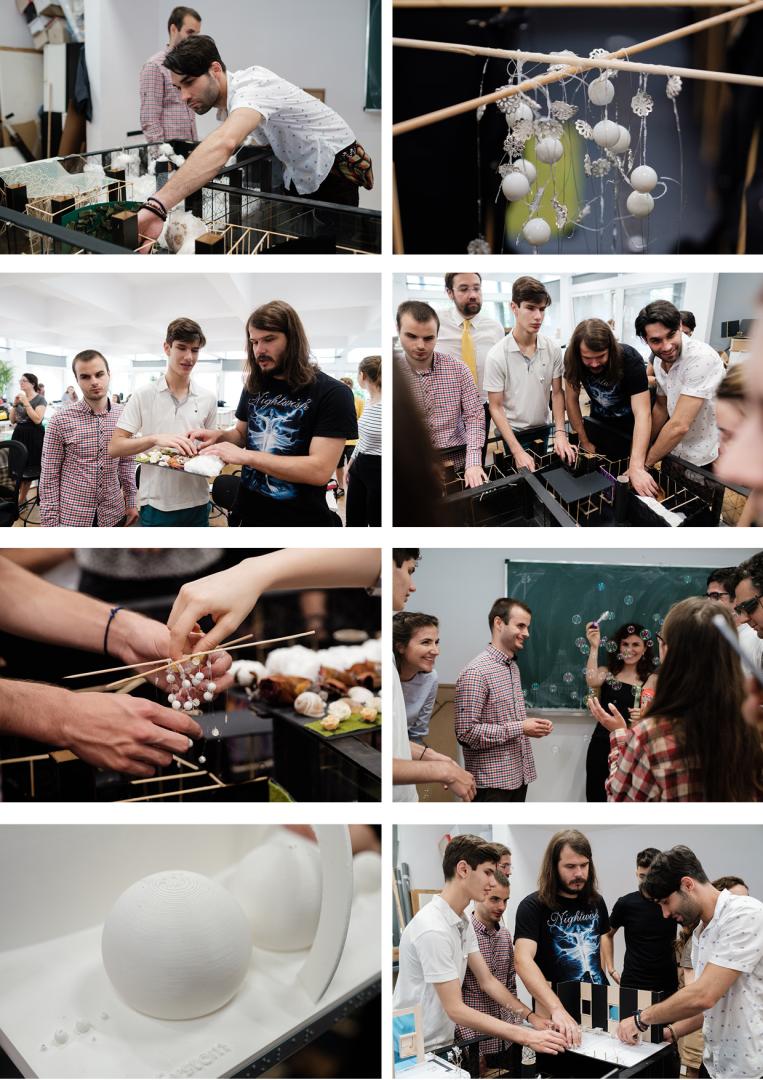
It also works as a skillsharing community where we can learn from one another how we can handle an unfriendly city like Bucharest through diverse workshops like: architecture, technology, classical and alternative mobility, independent living, cooking, ceramics etc. The club has benefits on multiple levels and brings together people with disabilities and able-bodied people, working as a catalyst of the process of transforming cities into inclusive environments.
For the moment the club focuses on the connection between visually impaired people and able-bodied ones. The plan is to extend to multiple vulnerable groups to be fully intersectional. We started with visual impairment because of the visual emphasis in the architecture education but also in everyday life, dominated by social media.
Key objectives for sustainability
We have started the Club in 2017 and we are now in our fourth year. A generation of Urban Mobility Club starts in September and ends in June each year. The key sustainability objective is linked to the skillsharing community created. It is an on-growing community. People who participate in the workshops tend to want to share their own skills (become trainers at the club), become volunteers or even join the administrative team. It is amazing how offering people the chance to interact and discover human diversity can lead to forming friendships and stimulating responsibility towards community regardless of the participants’ abilities/disabilities. Our sustainability is generated by this inclusive context that offers people the chance to care about one another.
Key objectives for aesthetics and quality
The club has benefits on multiple levels: social, institutional and professional. Thru the workshops and urban mobility challenges, It brings together people with disabilities and able-bodied people.
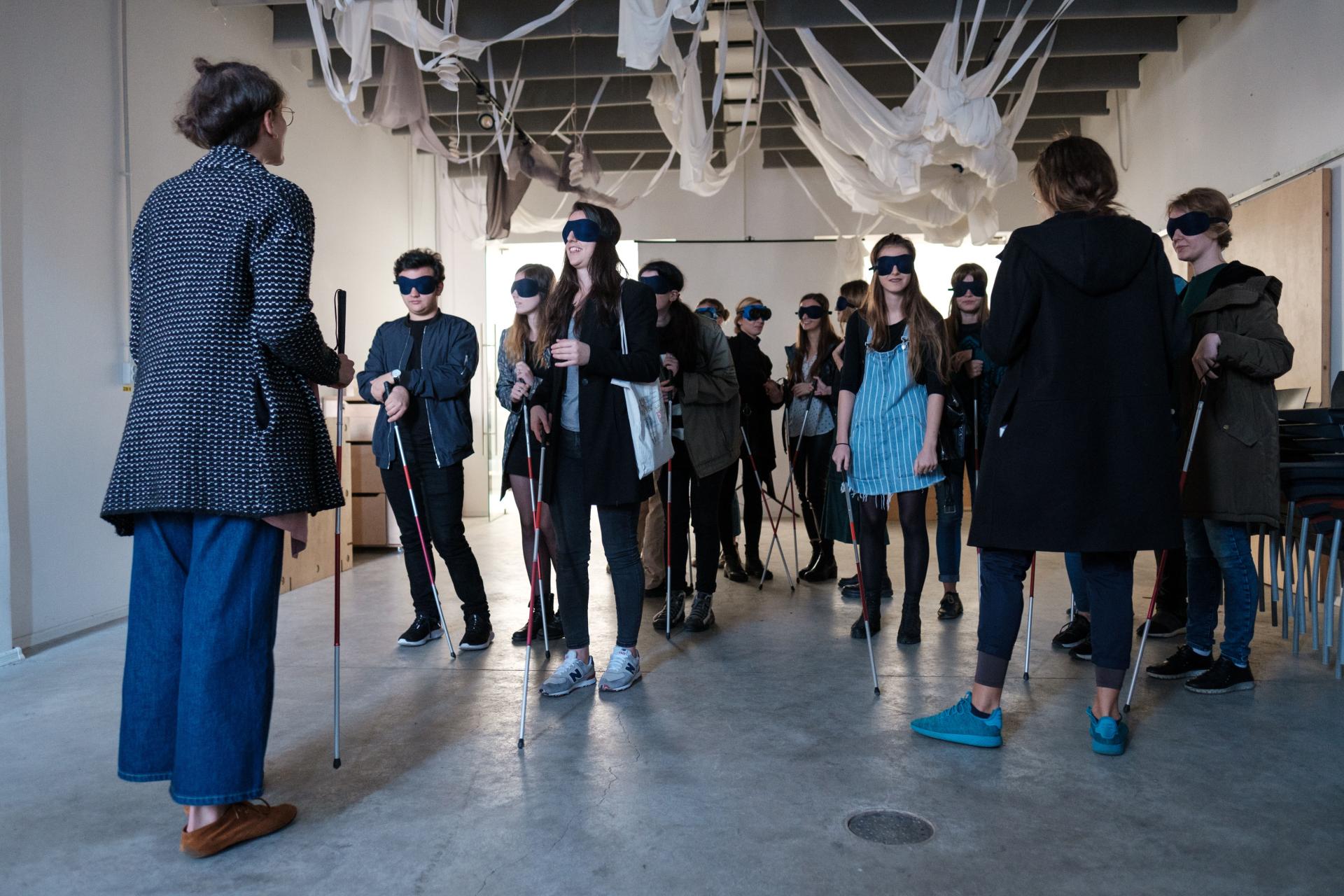
For people with disabilities this inclusive environment and activities develop their independent life-skills. For able-bodied people these are empathy exercises. For all of us it is an opportunity to learn about human diversity, practice our ability to listen to others and connect with each other.
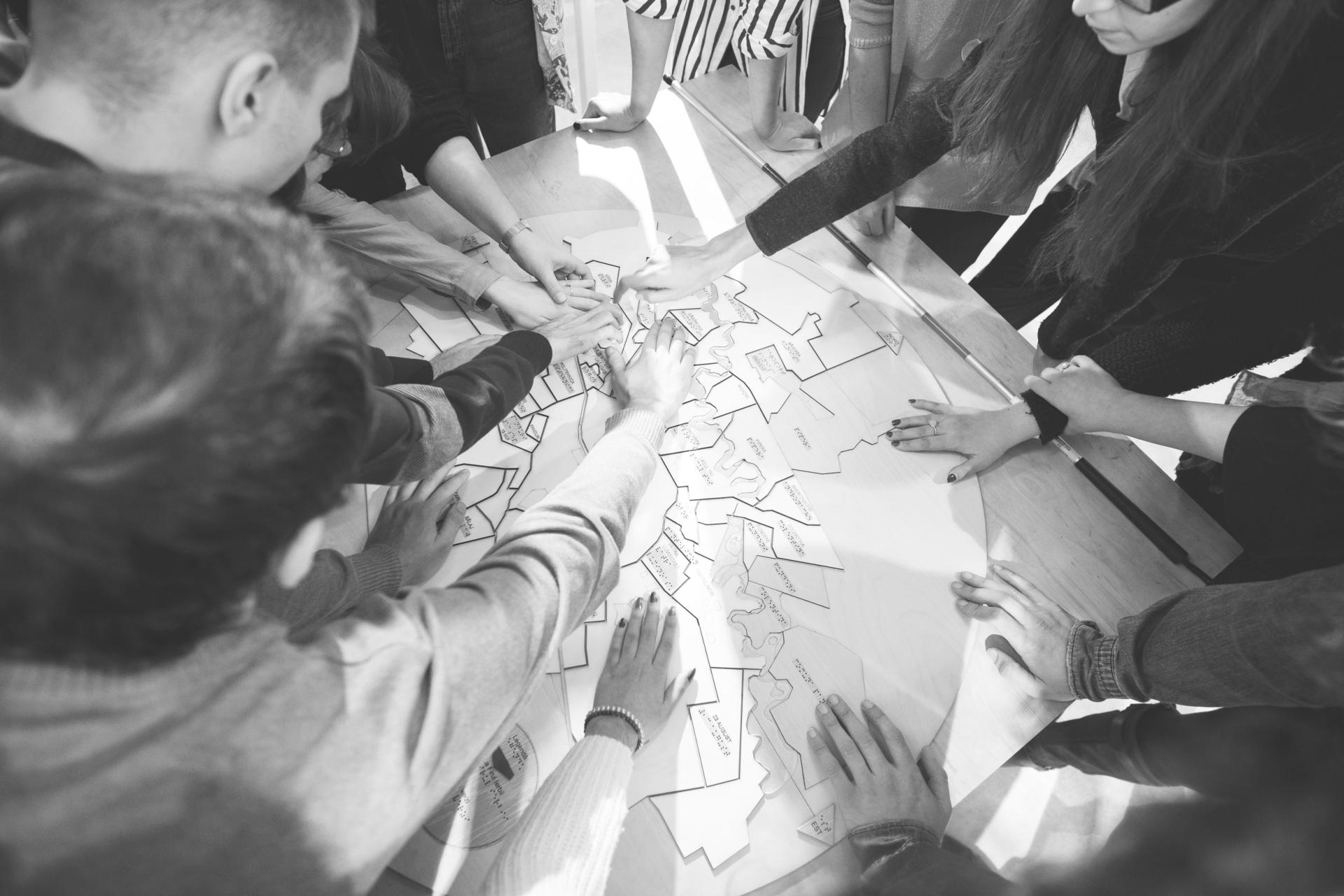
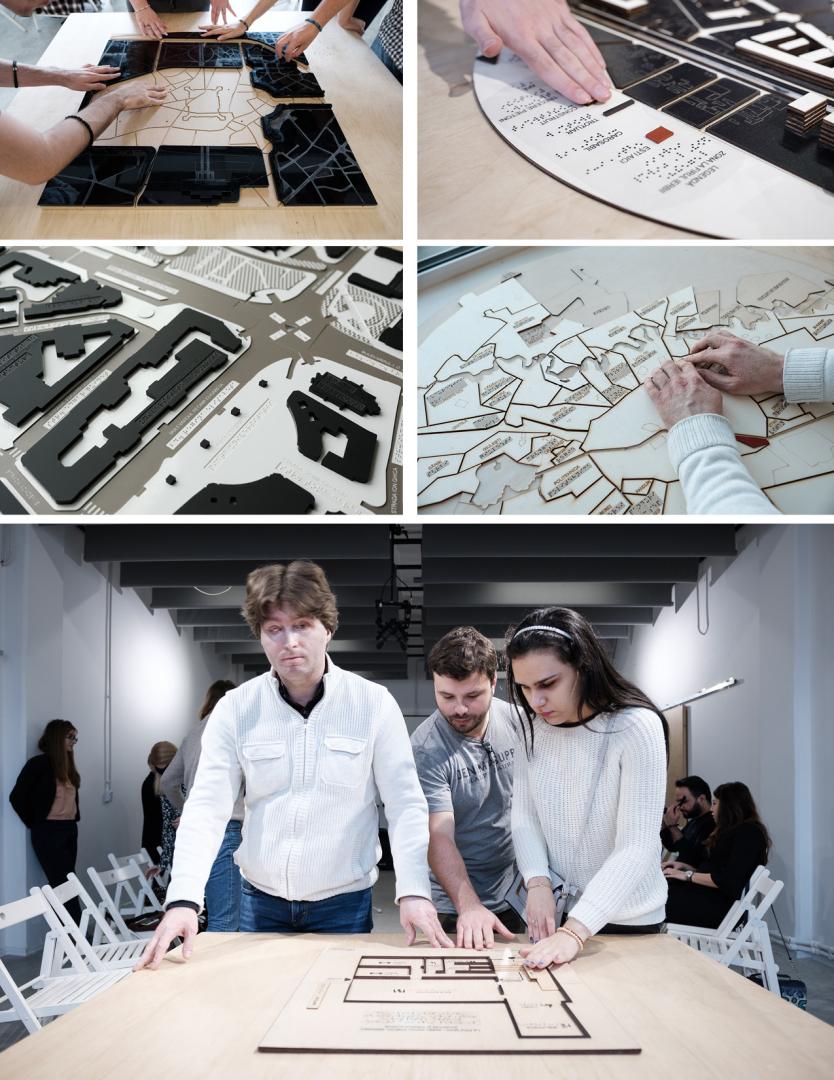
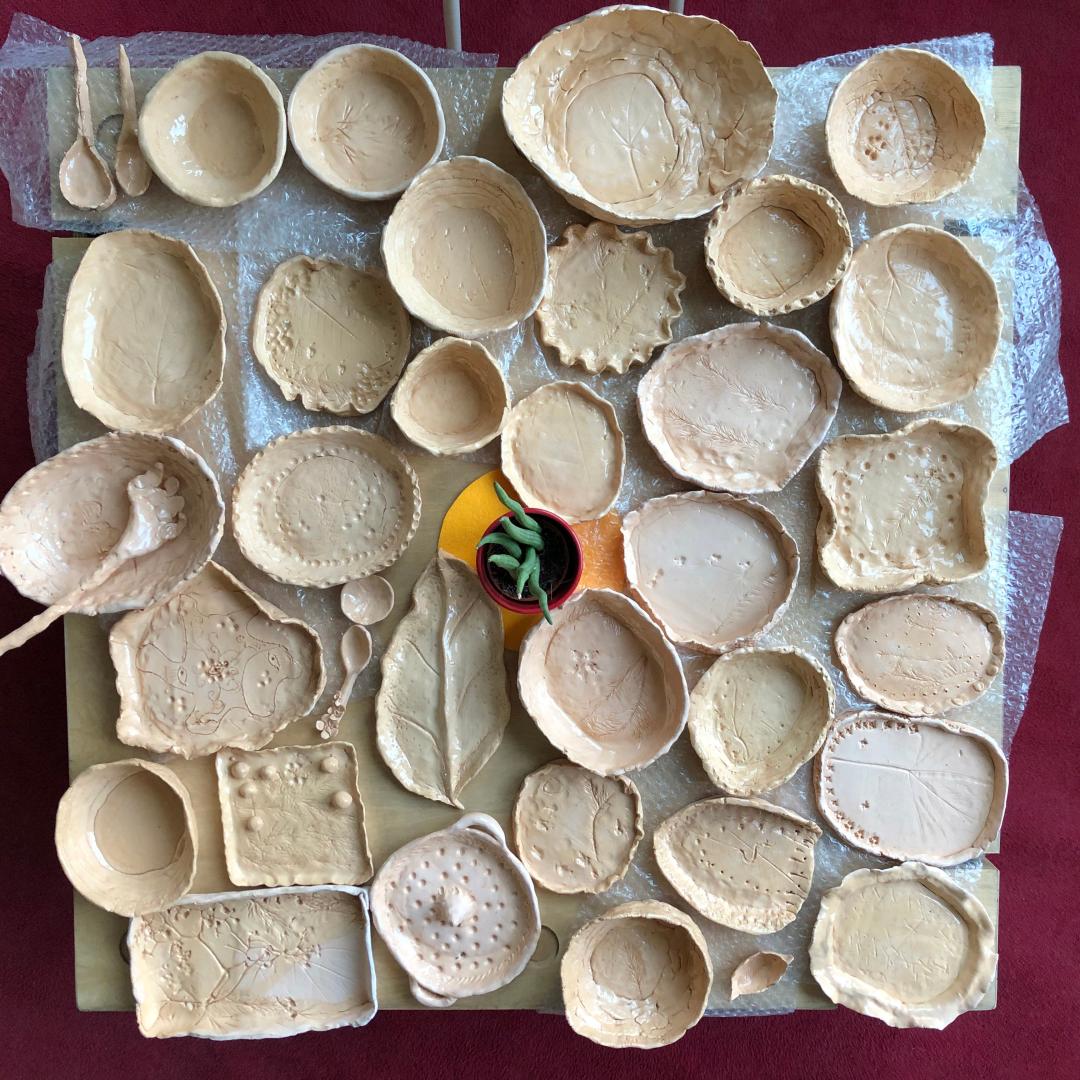
Besides the whole personal development benefits, the club is also complementary to the continuous development of any architecture and design professional. It offers the opportunity to experiment, research and develop new products. Being in touch with those who have felt exclusion the most and working side by side may lead to innovations in architecture and design, with benefits for the whole community. The ability to listen and be empathetic have a crucial role in developing the architect’s social responsibility. Some of the products designed here are tactile, inclusive maps that overcome the difficulties brought by the lack of information regarding accessibility in Romania (people with visual impairment most of the time don’t even know how to use a standard tactile map). Moreover, the blindfolded ceramics workshops brought together people, but also offered us an opportunity to research on how to create more ergonomic dishes and cutlery.
Key objectives for inclusion
As humanity is starting to embrace its diversity as a resource for problem solving, we have confidence that we will be able to overcome future challenges. In building our collective future, architects need to also embrace human diversity as a source for innovation. We can innovate in architecture by understanding the diverse challenges faced by those that don’t really fit into design standards and norms. By embracing diversity into the design process, we could truly start building an inclusive, cohesive and resilient society. Understanding inclusion starts from identifying exclusion.
Thus, the main objective of the club is to offer an inclusive environment for people with disabilities and able-bodied people. We firmly believe that, by offering people the proper context to meet each other, listening to one another’s problems and needs can stimulate empathy and the responsibility towards common well-being. The first step in creating this inclusive environment was creating our inclusive team. The club administrative team is inclusive both from the abilities point of view (able-bodied people and with visual disabilities) and from a professional point of view (architects, designers, social workers, IT engineers). Secondly, we prepared the community center where the activities take place - La Firul Ierbii. This community center was designed by Wolfhouse Productions and we collaborated with them to design the accessibility features of the space (tactile maps, inclusive wayfinding etc).
Moreover, the topics of the workshops and the structure of the Club’s activities are based on the participants feedback and we improve it each year by collecting this feedback through: online forms, interview and focus groups.
Results in relation to category
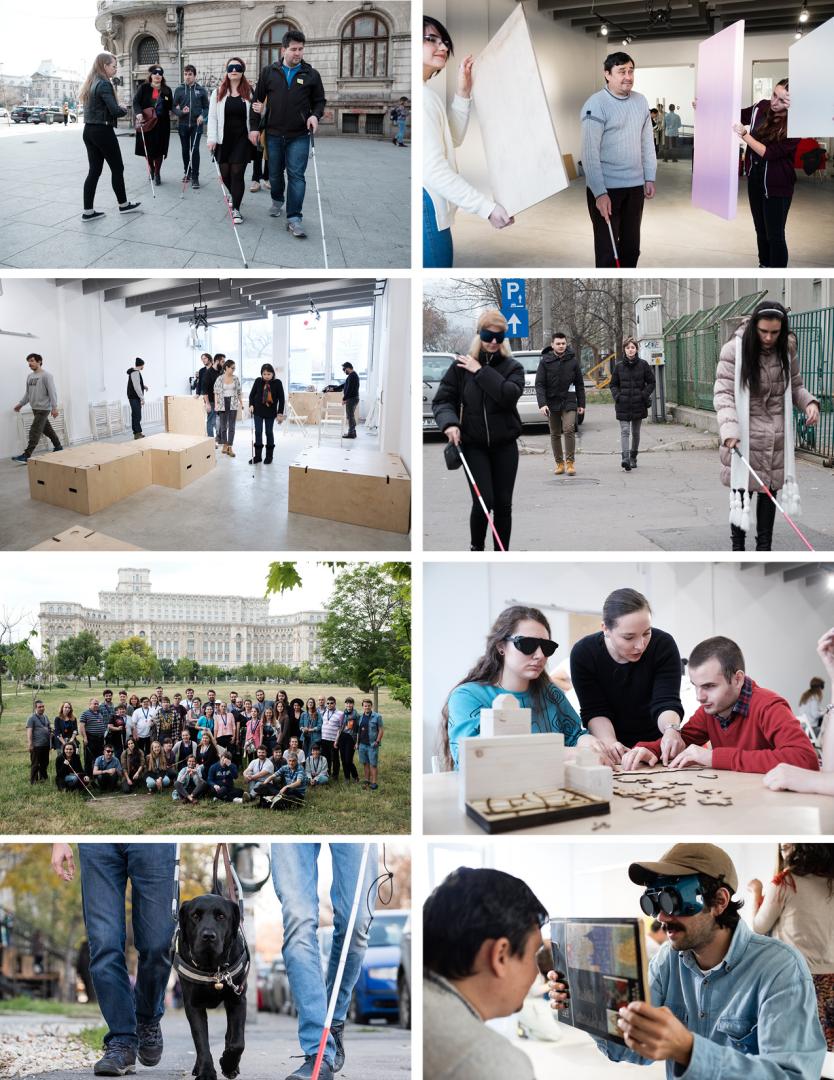
- we have organized 104 workshops on different topics (architecture, urban planning, ceramics, cooking, independent living, software development, PC and smartphone use etc) where more than 500 people with and without disabilities participated. These various topics stimulated the interest of participants to support their own activities at CMU;
- we have had 14 CMU Talks editions: online, informal chats on different subjects. Started as a way to adapt to the Covid-19 situation and ended up expanding our community to other Romanian cities (Cluj, Timisoara, Arad, Buzau etc);
- 9 urban mobility challenges where we test the improvement of our beneficiaries' abilities while analyzing the level of accessibility of the public, built environment;
- we have started CMU School where we work with the same 10 people with visual impairments to prepare them to be more independent and be able to mobile in an inaccessible city like Bucharest;
- The promotion of the project in faculties attracted volunteers who now do their bachelor's thesis on the subject of inclusive design and integration of people with disabilities (1 social studies, 2 architecture);
- Friendships were formed between able-bodied people and those with visual impairments and began to have activities outside the CMU (going to the theater, museum, etc.);
- Involvement of the beneficiaries in the administration of the next editions, both in the team and as volunteers or trainers.
- Designing and producing tactile maps of the city: the visually impaired beneficiaries have learned how to read such maps and to understand the concept of scale; these maps facilitated the understanding of the size of Bucharest and its characteristics while developing mental mapping skills of the environment.
How Citizens benefit
As we have mentioned above, the beneficiaries of the project are people with visual disabilities and able bodied ones. These beneficiaries are involved in the project as: participants in the workshops and urban mobility challenges, trainers for these workshops, volunteers at the activities, some of them have even become part of the projects’ team over the past 4 years. These beneficiaries come from very different backgrounds: highschool students, people born with visual disabilities, people who have lost their eyesight later in life, members of other NGOs, architecture students, social studies students, psychology students, teachers from these faculties, architects, psychologists, social workers, artists etc.
Moreover, we involve our beneficiaries in improving the structure of the club by collecting feedback through: online forms, interviews and focus groups.
The impact for built environment professional involves results on multiple layers:
1.Clarify the confusion between accessibility, inclusive design and other similar concepts.
2.Expand the range of users we bear in mind and try to add new layers to the existing standards and norms.
3.Offering a diverse range of users the opportunity to be involved in identifying solutions to the future social crisis.
4.Creating inclusive contexts of interaction between stakeholders and community in general.
5.Stimulating empathy and the ability to listen to one another.
Innovative character
The community of people with disabilities faces a strong phenomenon of isolation and their participation in the public life of the city is very low. The lack of inclusive infrastructure of the built, cultural and social environment to include them is the main objective cause. There is a vicious circle: people with disabilities do not go out because the spaces, activities, events are not ready to receive them, and the developers / organizers/professionals do not know how to prepare them because they do not meet people with disabilities.
The accessibility of urban environments in Romania is a complex and expensive process that is not on the list of the Romanian public administration priorities. So, we found alternative solutions to involve people with disabilities in the social life of the city and offer them the courage and solutions to explore it themselves.
One goal is to increase the urban mobility of visually impaired people, helping them to develop spatial orientation skills, access to information and self-confidence.
The project laid the foundations of the first Romanian club dedicated to visually impaired people, with activities of interest and for able-bodied people. The idea of having a club is the first step in breaking the vicious circle, helping them to focus more on what they can do in the best way and not on what they can't do. Basically, it works as a skill-sharing community, where we learn from each other how to deal with an unfriendly city, through workshops such as: architecture, technology, classical mobility etc.
The club also offers the built environment professionals a place to understand human diversity and practice inclusive design.