MyMachine Slovenia
Basic information
Project Title
Full project title
Category
Project Description
With the support of students of all ages, industry partners, communities, art initiatives, and industries, children and youth learn how to bring their ideas to life. MyMachine empowers the youth of all ages to co-create solutions that are relevant to their environment and their lives in general. By taking their inventions from ideas to working prototypes, they become self-motivated problem solvers, innovators, entrepreneurs, and creators.
Project Region
EU Programme or fund
Description of the project
Summary
MyMachine is a project where primary school children draw their "dream machines", university students design them and secondary school students build them, all as a team. In this basic circular methodology, individuals, groups, classes, and eventually whole schools learn which dreams can be built, become reality, and serve a purpose, often to solve real-life problems, and which do not and remain only part of their imagination. We have learned that children have two advantages: They don't know what they're supposed to like, and they don't understand money, so the price is never of value to them. Instead, they must rely on their own enjoyment (or lack thereof) of the intrinsic values of things presented to them, and that can lead them in amazing (and sometimes crazy) directions. Others need to follow these ideas and be constantly validated by the children to find ways to build them up and prove that children have a legitimate say. Such creative mechanisms allow us to focus, create and educate children in stable environments through complex, intergenerational teamwork and to learn the discipline of compromise. We recognize that the project demonstrates that we are creatures hungry for inclusion, good family relationships, connections with others, a sense of freedom and joy, a promise of self-development, dignity, peace, and a sense that we are respected. The result of MyMachine Slovenia over 4 years was 2000 sketches in 50 schools and 25 machines displayed in 4 national exhibitions. The exhibitions, which involved all participants, were designed as festivals of creativity, where interdisciplinary and intergenerational co-creation and learning about how to bring ideas to life, and strengthened the value of inventing and creating for each participating individual, whether a 6-year-old or a 25-year-old.
Key objectives for sustainability
Objective 1 - Skills: Improve learning and teaching in innovation-related skills, as well as social, emotional, and intercultural competencies for young boys and girls at the age of primary and secondary education through the design and piloting of new innovative ways of skills education, including technologies, processes, and relations. The results were a school year-long problem-solving learning experience resulting in 2000 sketches made by children in 50 schools and 25 machines displayed in 4 national exhibitions.
Objective 2 - Curriculum: Promoting and teaching Science, Engineering, Technology, and Maths subjects (STEM) to girls and boys in appealing and engaging ways. Special attention was given to the involvement of local communities (local schools, companies, makers spaces) and parents. The results were the creation of project-based learning for STEM methodology, easy to implement in any educational environment.
Objective 3 - Policy advocacy: Develop new models, to investigate and test new mechanisms that the young generation is engaging in, for addressing societal challenges coupled with an entrepreneurial spirit as well as effective ways and mechanisms for collecting and promoting innovative ideas from the young people. The results were two spin-offs, 1) My Dream Kindergarten by the Ministry of Education fully in collaboration with architecture students at the University of Ljubljana run in 20 kindergartens, and 2) part of the curriculum in the School of Experimental Chemistry, where young children become acquainted with chemistry experiments.
Key objectives for aesthetics and quality
The quality of a successful implementation relates to the experience of the individuals who are part of the methodology and the impact that the project has on design thinking and creativity in a wider society and on the needs for change in educational processes. The experience is conditioned by aesthetics in general. The drawings are treated as both inventions and works of art, as all participating children have their drawing publically. exhibited.
Objective 1 - School design event: Exhibiting all drawings of the dream machines at all the participating schools, including those not selected for building. The goal is to produce between 200 and 400 drawings of inventions in each school year.
Objectives 2 - Outreach design event: The second phase of the design process is to develop the concepts - design plans and technical roadmaps. These are developed so that the children respond to them by choosing an attractive and technically appropriate design. These are exhibited in a national public event that provides space for further discussions and improvements as requested by the youngest. The goal is to develop 20 such concepts within one school year.
Objective 3 - Public design event: In the last step, all the results (drawings, concepts) and working prototypes are presented to the schools and the general public. This is designed as a Festival of creativity where children can participate in workshops and test the prototypes. The main goal is to empower children to create and provide them with a supportive environment to grow their enthusiasm for culture and innovation. A great focus on the aesthetics of these events is needed, serving the needs of the youngest while showing their achievements to the public in a respectful way, avoiding a naive approach. This is a challenge even for the experienced curators. The goal is to deliver 10 working prototypes at the end of a cycle and have 300 visitors to the final exhibition, with 10 national media.
Key objectives for inclusion
MyMachine addresses the issues of inclusion on many levels and pursues its objectives, as they have been demonstrated over the 4 years of the project.
Objective 1 - Global and cultural inclusion at the institutional level.
MyMachine Slovenia plans future collaborative activities in Slovenia and with institutions that have also adopted the MyMachine franchise globally. We aim to continue to connect educational, research, industrial and cultural institutions to contribute to current traditional educational systems with intergenerational, multidisciplinary and international collaborations.
Objective 2 - Global and cultural inclusion at the individual level.
Global collaborations promote learning about differences in children's cultures, languages and needs. MyMachine Slovenia collaborated with MyMachien Belgium in its second year, where a year-long collaboration took place at all educational levels and stages of the project.
Objective 3 - Involvement of rural schools and communities
All geographical areas of Slovenia were represented and special attention was paid to the outcomes of ideas originating from rural areas and those created by children in urban areas, looking proudly at the differences. The differences in accessibility to innovative projects are sometimes due to the distance of the school from urban areas. MM Slovenia launched the franchise with the aim of running a truly national project, meaning that all geographical areas of the country were invited.
Objective 4 - Gender equality
Gender equality is also addressed at all levels of this creation process, without being forced in any way. This is done subtly through teachers and mentors who deliberately ensure that young girls and women have the space to present their ideas and are not outvoted.
Objective 5 - Students with disabilities
When working with schools that house students with disabilities, MyMachine's methodology has been adapted to achieve the best results and experience for the students.
Results in relation to category
Result 1 - Pedagogical Resources: The innovative MyMachine "STEM -learning and teaching model and toolkit" provides middle and high school-aged girls and boys with an introduction to a broad range of STEM topics, including software engineering principles, programming languages, and AI, through an innovative, engaging, and accessible learning methodology. The methodology is based on a novel concept. Through engaging, fun, and engaging learning hackathons and online materials, it offers girls and boys the opportunity to develop their "MyMachine" concepts and explore exciting and far-reaching real-world applications of STEM, in teams and under the guidance of a group mentor. Our innovative methodology aims to specifically increase girls' interest and uptake of STEM studies and increase their confidence in their ability to pursue STEM studies and careers. Our methodology with hackathons also involves teachers, parents, and other stakeholders in the actions. These actions have demonstrated a link between formal and informal learning.
Result 2 - Qualitative Outcomes: The results of participation in the process are evident through the opportunities created for individuals in the decision-making process. These include: Impact on individual study choices, students entering training with participating companies, offers of scholarship programs by participating companies identifying talent in the groups, learning of skills outside of study programs such as communication skills for the highly technical university students.
Result 3 - Quantitative Results: MyMachine Slovenia numbers in one school year include hundreds of drawings, dozens of prototype concepts developed, and up to 12 working prototypes. In the future, the possibility of having a prototype produced by a company will be explored, as has already been done with the MyMachine Belgium initiative.
How Citizens benefit
The schools, in cooperation with other stakeholders, became an agent of community well-being, families were encouraged to become real partners in MyMachine school life activities, professionals from enterprises and civil and wider society were actively involved in bringing these real-life projects from and to the classroom. Relevant policymakers were also involved, to encourage policy buy-in and the mainstreaming of good practices and insights into policies (for of My Dream Kindergarten), and hence sustainability and impact beyond the lifetime of any funding. Partnerships that foster expertise, networking, sharing, and applying science and technology research findings across different enterprises (e.g. start-ups, SMEs, larger corporations) were actively promoted.
Innovative character
MyMachine is a unique methodology, awarded by United Nations, Sir Ken Robinson, Unesco, the Open Education Global Consortium, and the Creativity World Forum, which started in Belgium and is now running in Belgium, Slovenia, Portugal, France, South Africa, Slovakia, Croatia, and the USA.
MyMachine runs in schools and consists of 3 steps in a school year:
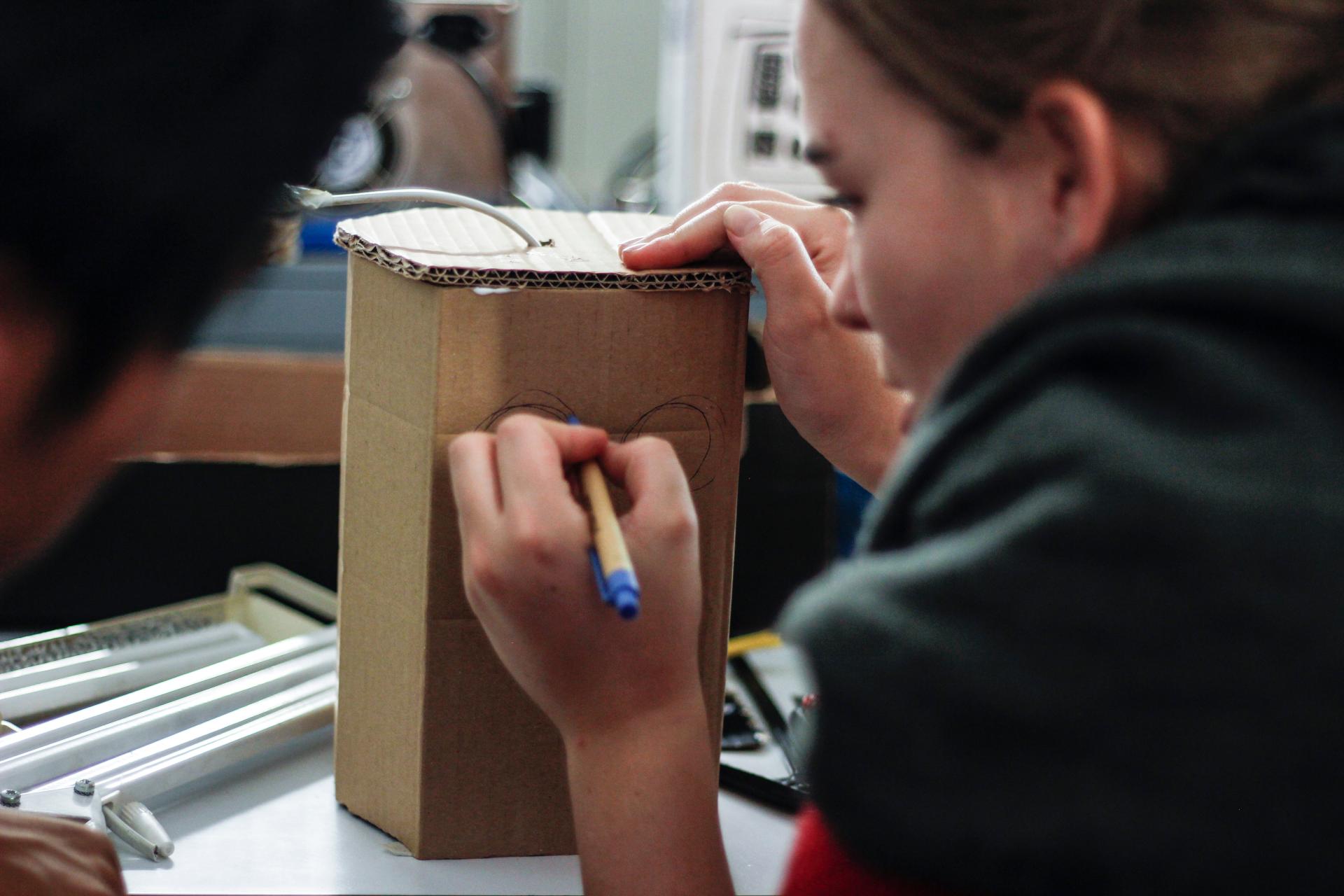
IDEA: Children from kindergartens or primary schools invent their own 'Dream machine'. Anything goes. The main criterion is that it is relevant to the child who really, really wants it.
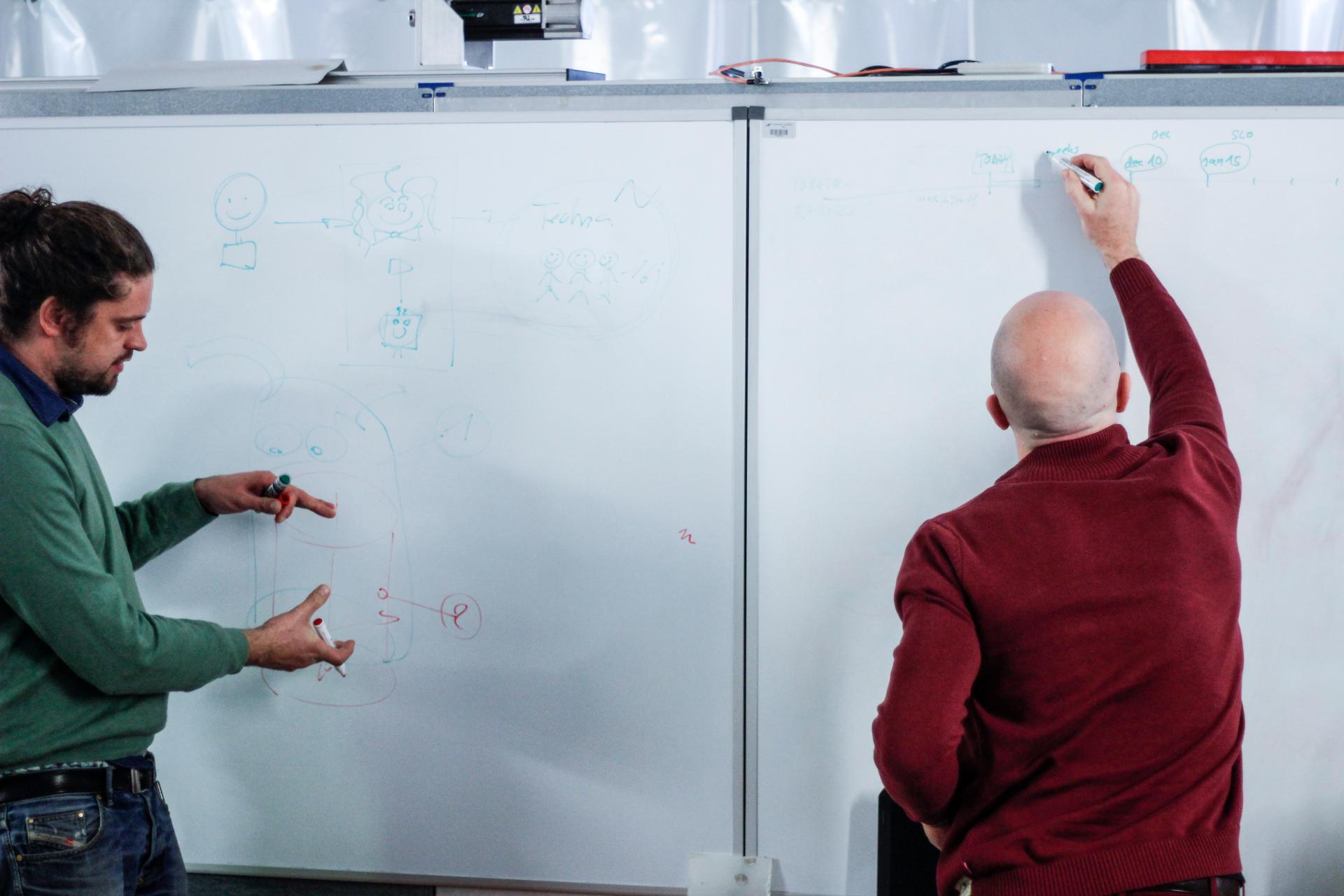
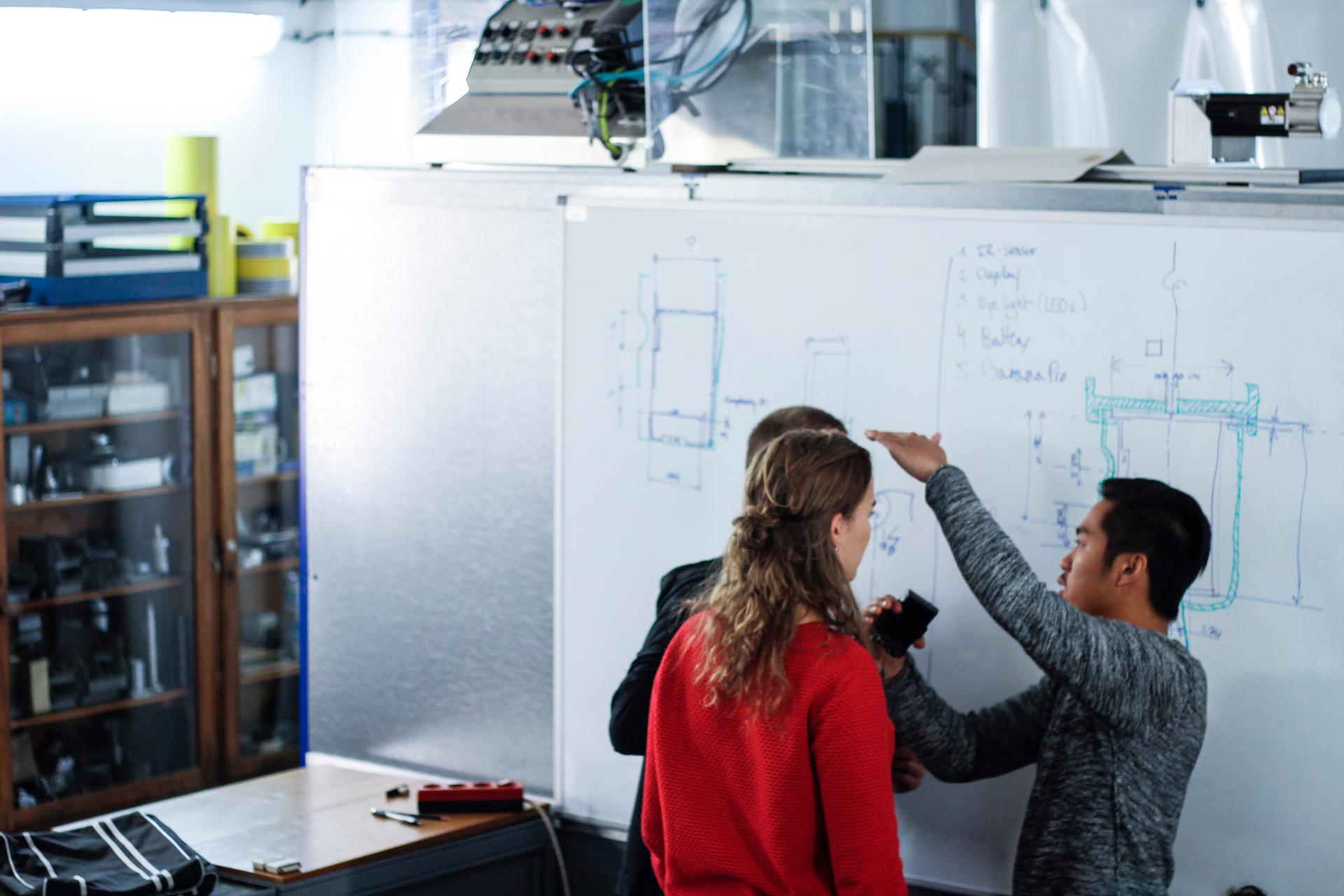
CONCEPT: University students turn this idea into a product concept.
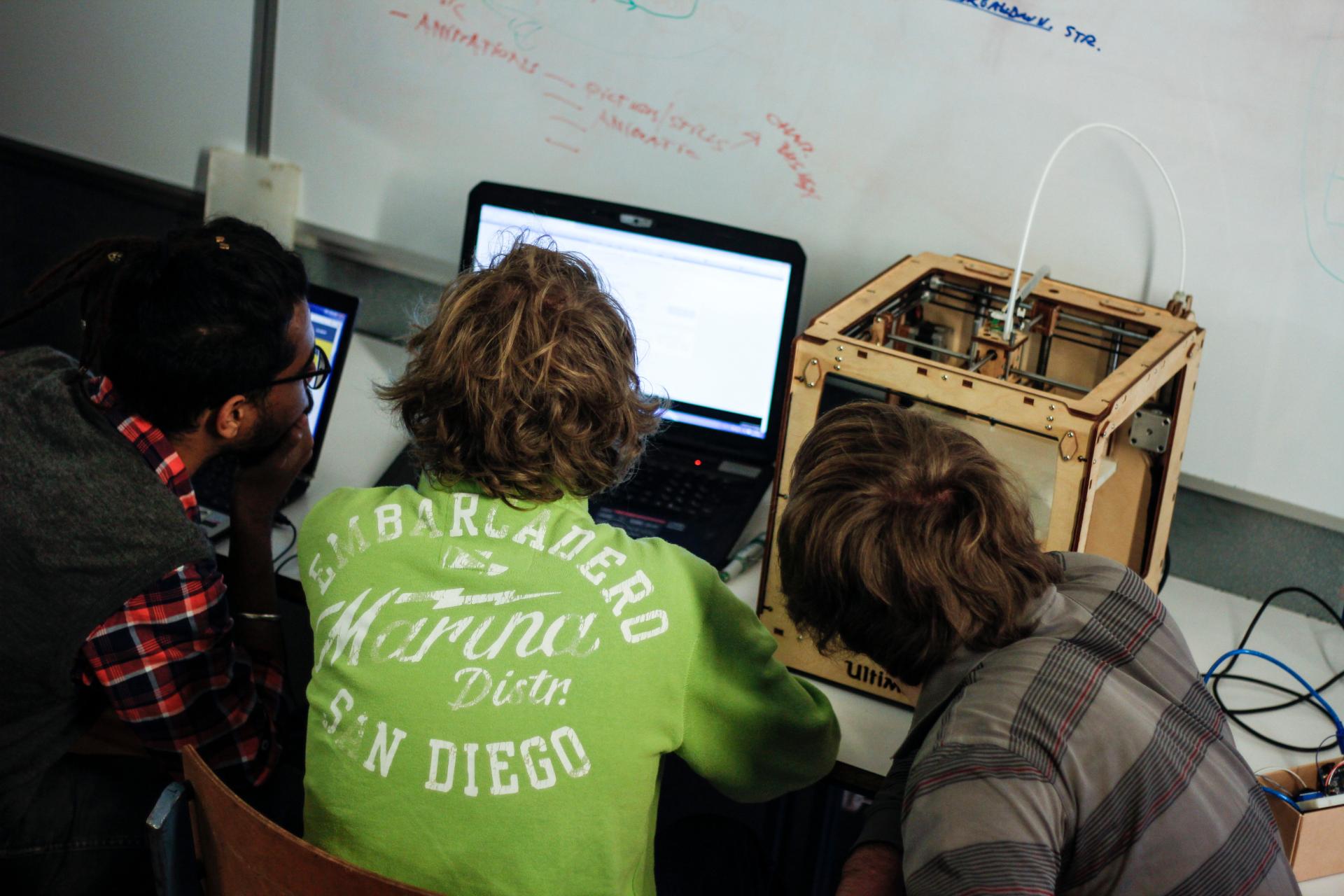
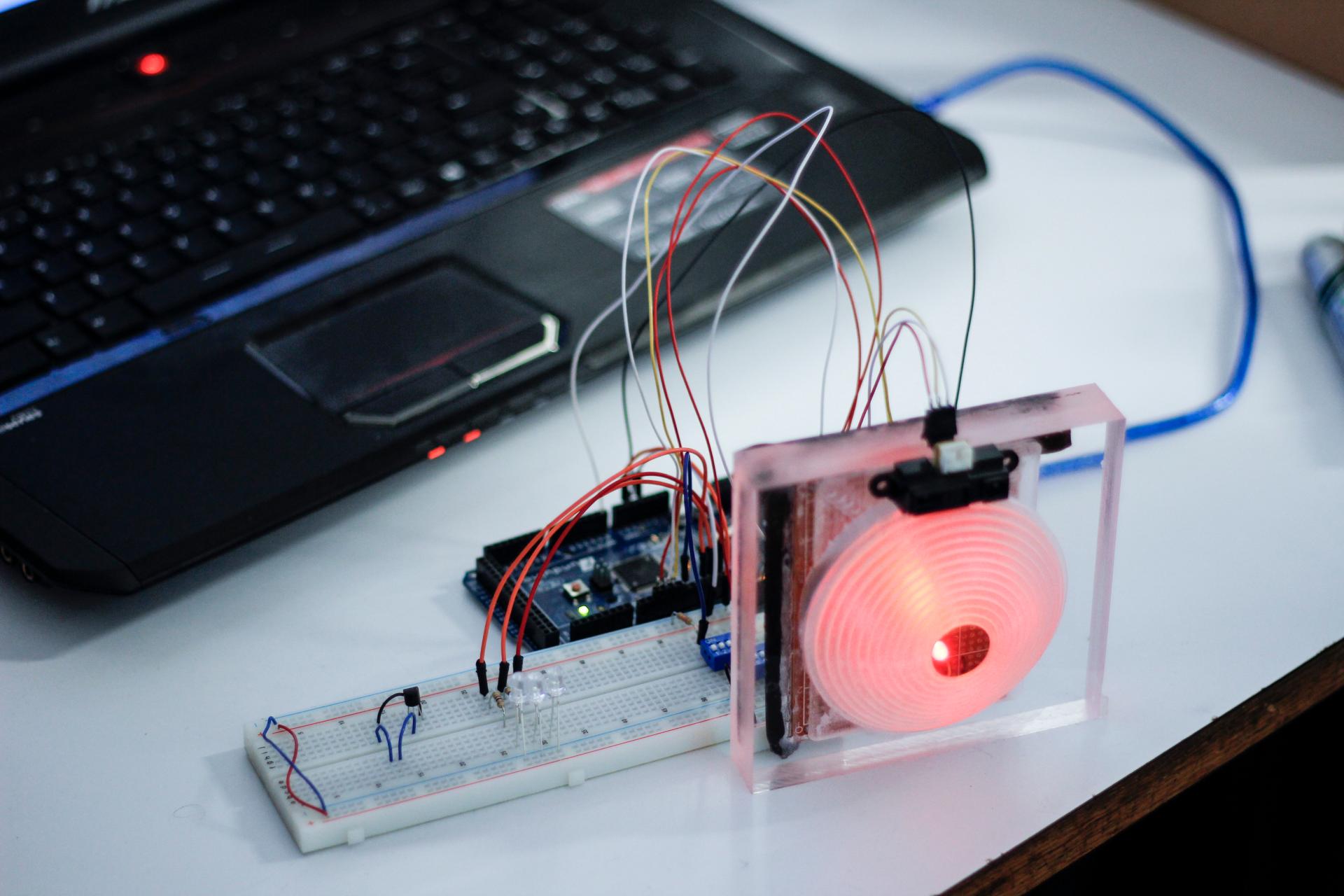
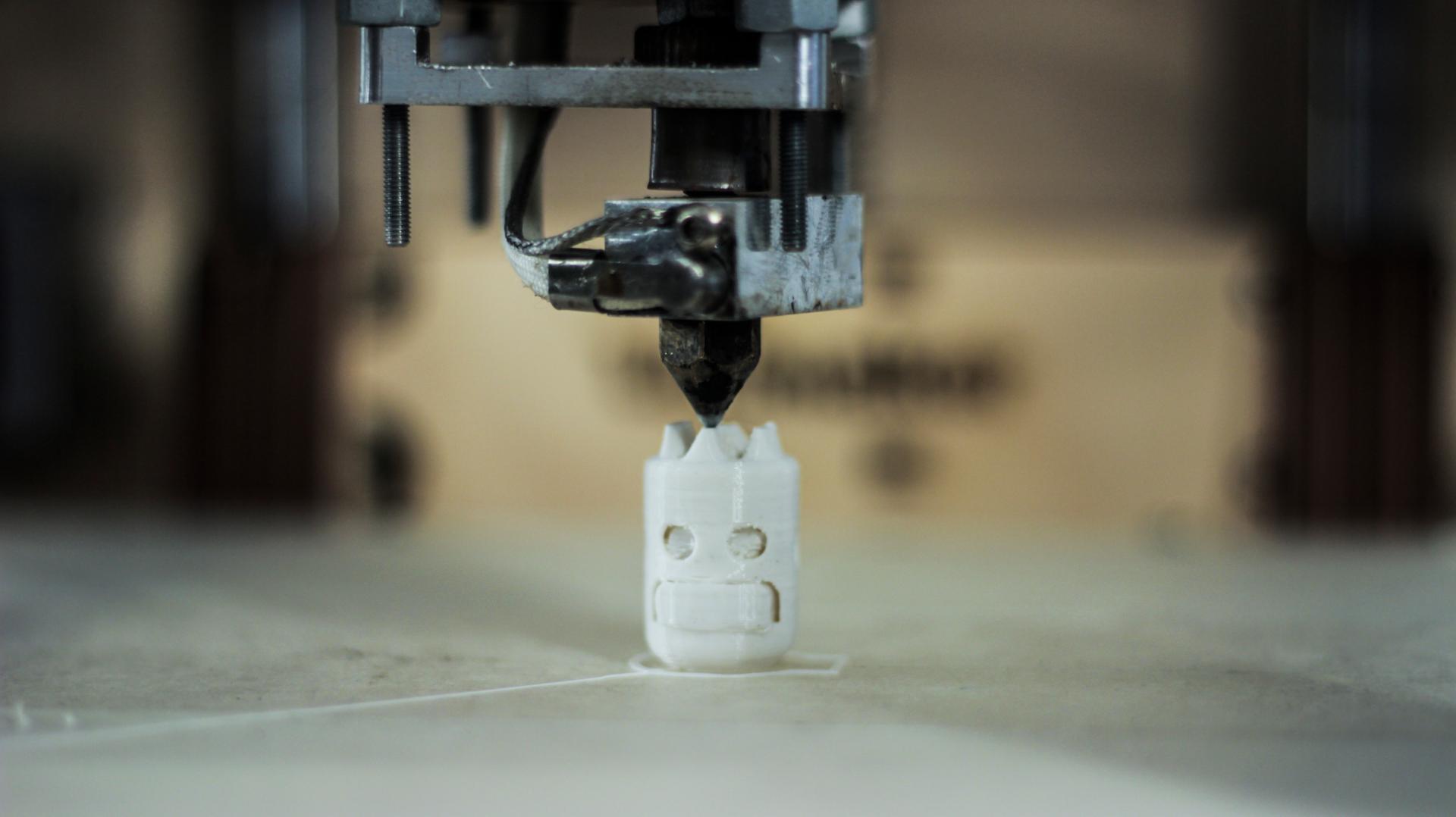
WORKING PROTOTYPE: Middle and high school technical students build a real working prototype.
MyMachine formed a unique platform that encourages collaboration, innovation, creativity, and participation and promotes the sharing of ideas, intergenerational learning about how to overcome challenges, and most importantly, the opportunity for future generations (from children to teens and college students) to engage with, test, and bring to life ideas and visions, no matter how crazy they may sound.
MyMachine Slovenia's first year resulted in four working prototypes: The fairy tale writing machine, the Dinosaur that picks up toys, A ball that never stops bouncing, and An Electromagnetic rocket car. These ideas motivated everyone involved to think outside the box, but most importantly, the children, students, and scholars experienced a unique ecology of talent helping to create these wonderful machines through an iterative process. MyMachine introduces all levels of education to the world of science, technology, engineering, art, and math (STEAM) by engaging them in this design-driven, creative, hands-on process of materializing ideas. Since the first year, the number of working prototypes and innovative events has grown immensely.