Extension for the Accademia di Brera
Basic information
Project Title
Full project title
Category
Project Description
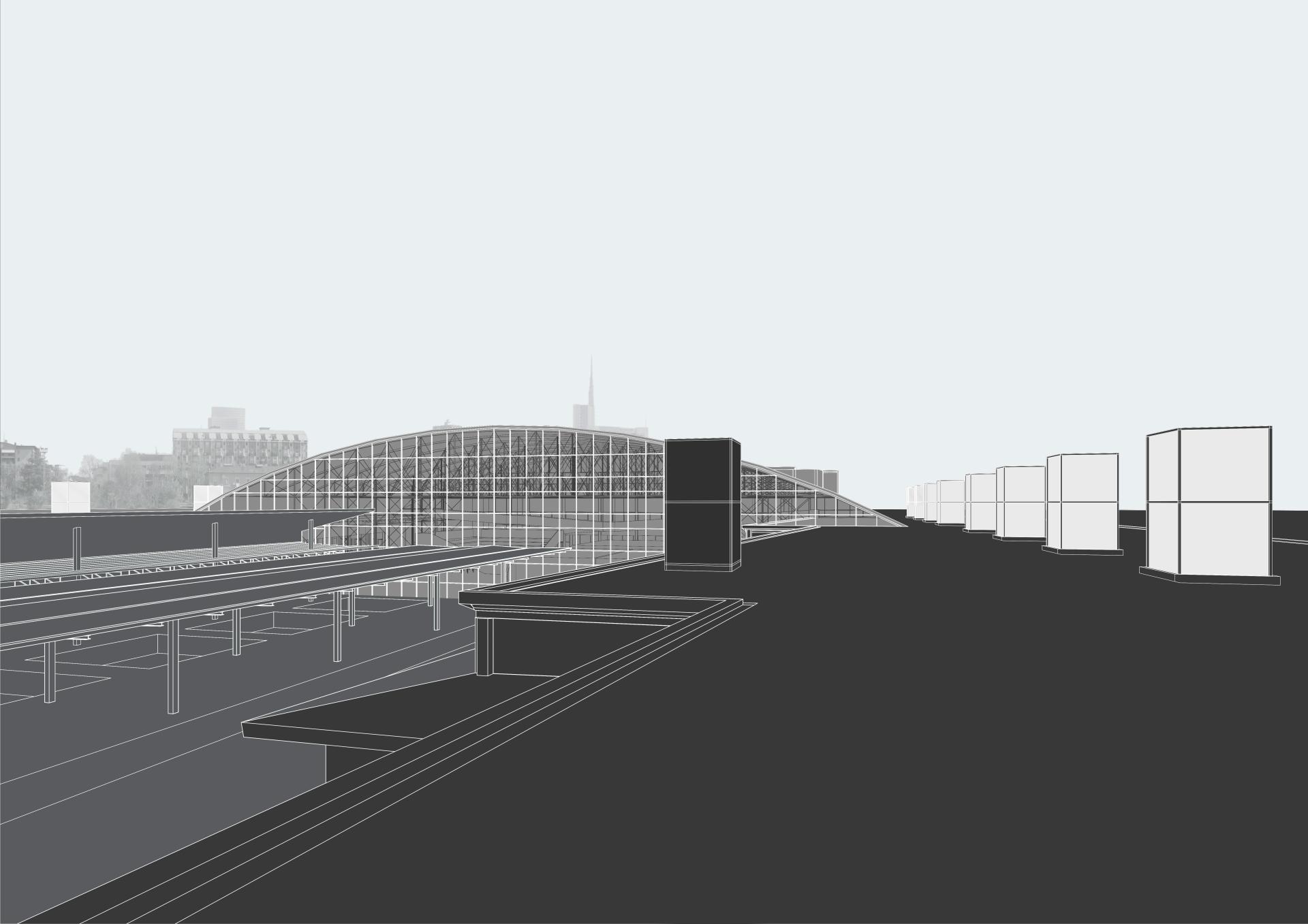
Awaited since 1935, the Accademia di Brera has launched a project for an extension into a new architecture for teaching and research. These new spaces are dedicated to the New Technologies for the Arts. The Academy has brought together its premises around the city into a new "Campus delle Arti" for 1,800 students, open to the city. The project renew a large disused warehouse in an urban regeneration area between the city and the periphery. The Politecnico di Milano carried out the architecture.
Project Region
EU Programme or fund
Description of the project
Summary
The project is the result of a commission from the Accademia di Brera to the Politecnico di Milano to develop an architectural project for the location, relocation and expansion of its teaching and research facilities.
The project involved the participation of various public Institutions with several administrative actions and formal agreements starting from 2017: the Accademia, which promoted it, the Politecnico, which conceived it and is following the realisation, the Ferrovie dello Stato, which granted the area, and the Municipality of Milan, which strongly supported it. This solution had been awaited since 1935, because it was essential for the development of the teaching activities. The Accademia could no longer limit itself to occupying the historic Brera building and to having branches in different locations for departments.
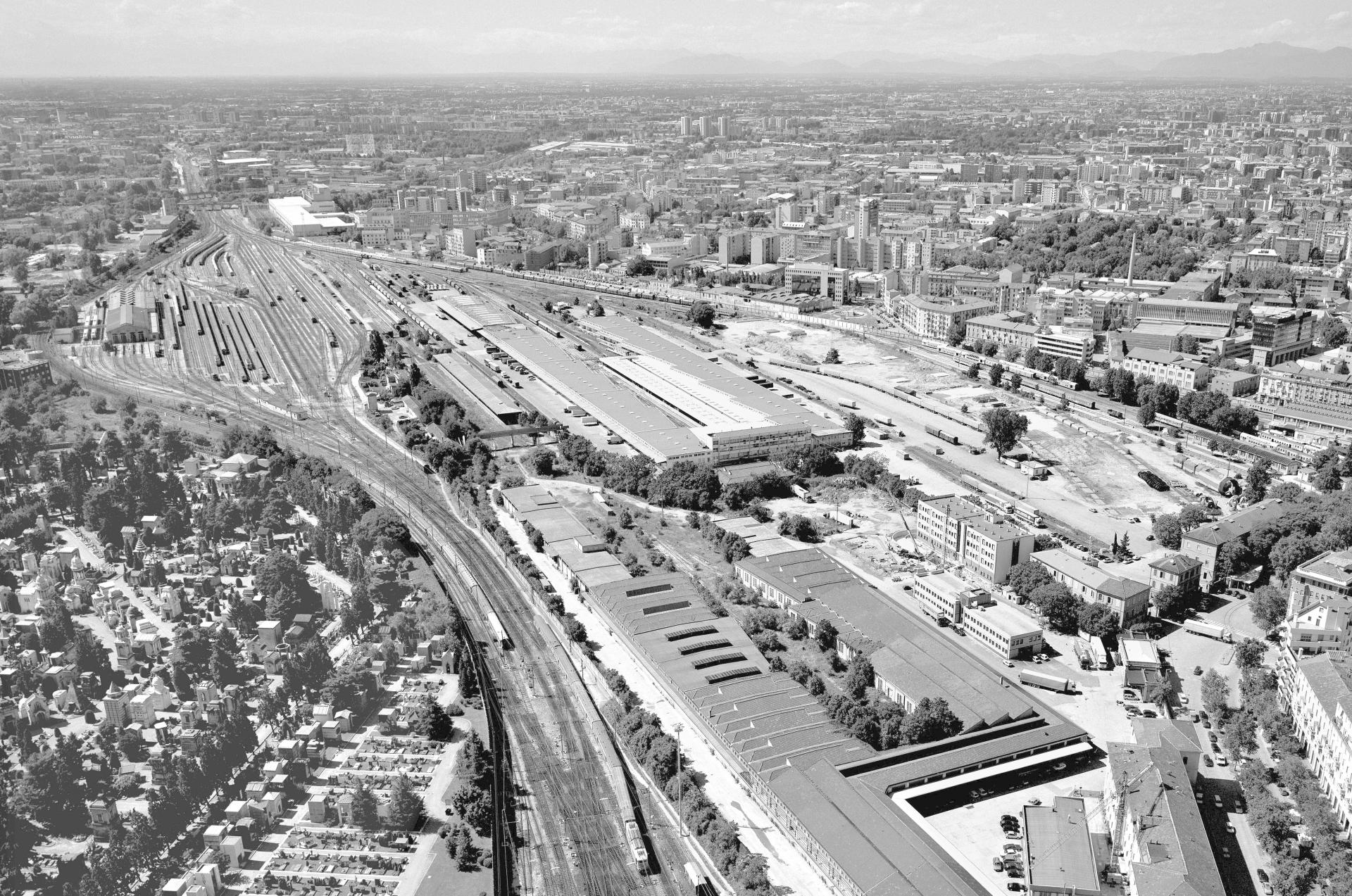
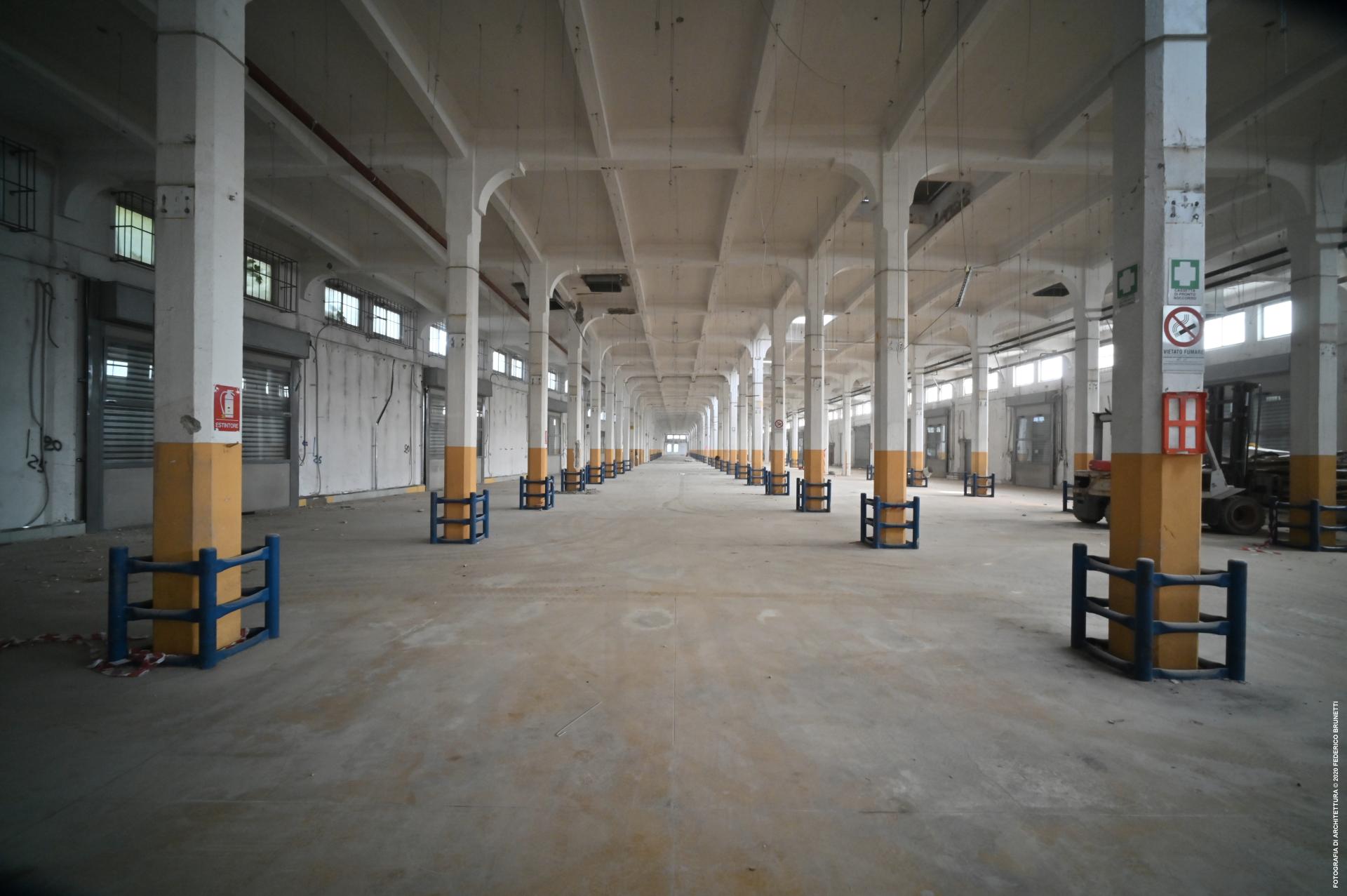
The place chosen for this second location is the former Farini Railway Yard, a strategic area of urban regeneration that is one of the largest in Milan. Here the location of a strategic public function makes it possible to virtuously direct the planned real estate development, increasing the proportion of open and covered public spaces. Within this area it was decided to preserve and recover the largest of the Railway warehouse, a building constructed at the beginning of the last century. It is planned to use 15,000 square meters of covered space and accommodate 1,880 students and teachers.
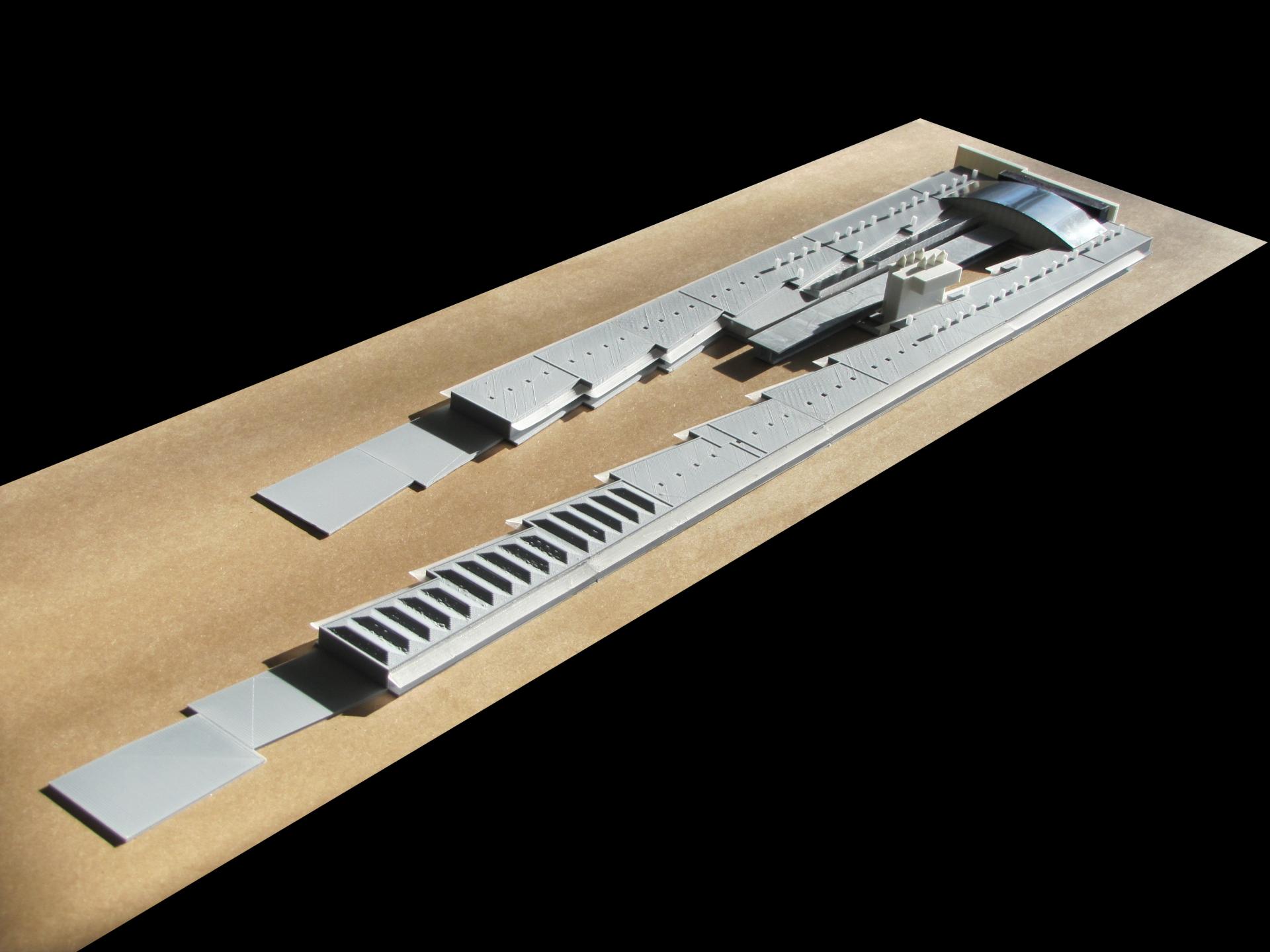
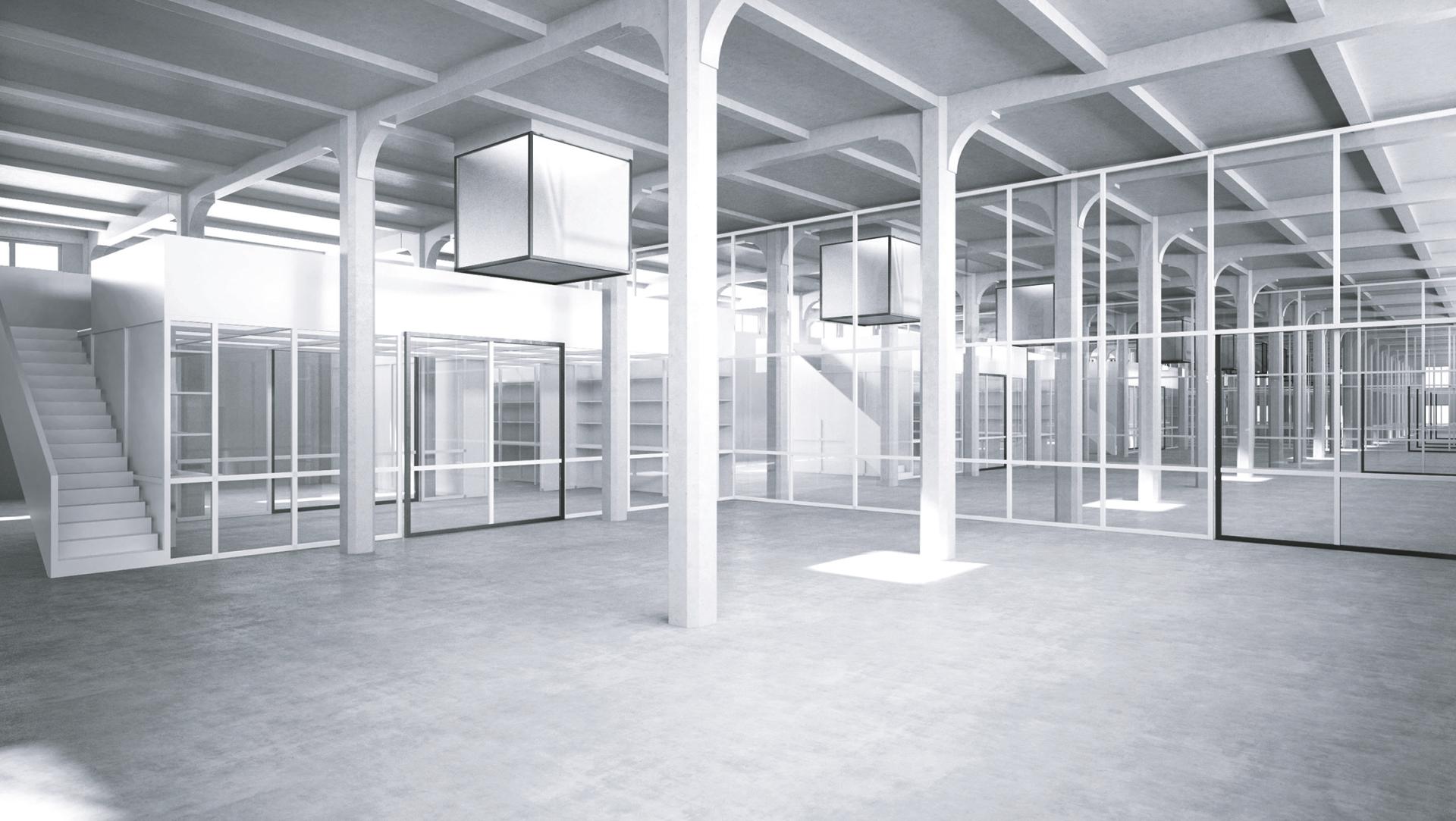
The main common functions are located in the entrance that joins the two long linear sleeves, one of which houses classrooms and laboratories, while the other is dedicated to heavy sculpture in metal, in stone and in ceramic workshops, and the restoration school. All the new functions are inside the existing recovered building, with the introduction of new independent structures with a high degree of functional flexibility to meet present and near future needs.
The project is now under construction and the building is due to be completed in 2022.
Key objectives for sustainability
Sustainability is itself the main key to the project. The project sets up a new articulation of the Accademia di Brera necessary to update it, develop it and generally make its function sustainable over time.
The concentration of different teaching and research departments, now located in different parts of the city, Design, Fashion, Digital Arts and Image Dpt., the school of Restoration, Sculpture Dpt., eliminates the functional dispersion, reduces the movement of people and things, promoting an economy of scale.
The localization of the new headquarters in a empty railway warehouse at the Farini Railway Yard makes sustainable the functions of the heavy workshops (sculpture in stone and metals and scenographic construction) and restoration (painting, fresco, wood, stone, paper), which were facing serious difficulties in the historical location of the monumental Palazzo di Brera, where it was difficult to develop modern artistic production techniques of industrial kind.
From the functional point of view, the project is based on the recovery and the preservation of a historical building, recovery that is implemented with sustainable criteria choosing individual technological solutions and energy performances. This recovery operates with the introduction of independent architecture in metal frame structures with lightweight materials, reversible and flexible.
The choice of restore the existing building is, moreover, the key to the whole urban renewal process of the former Farini Railway Yard, which is one of the main operations in the coming years in Milan.
This is the most sustainable choice implemented so far for this urban area because it operates on a strategic public function by recovering an existing building annexed to an area designated as a public park on the basis of the idea of a University Campus: the "Campus delle Arti di Brera”.
Key objectives for aesthetics and quality
The project aims to preserve the aesthetic characteristics of the historical periphery in a singular and protected place which connects the center and the periphery.
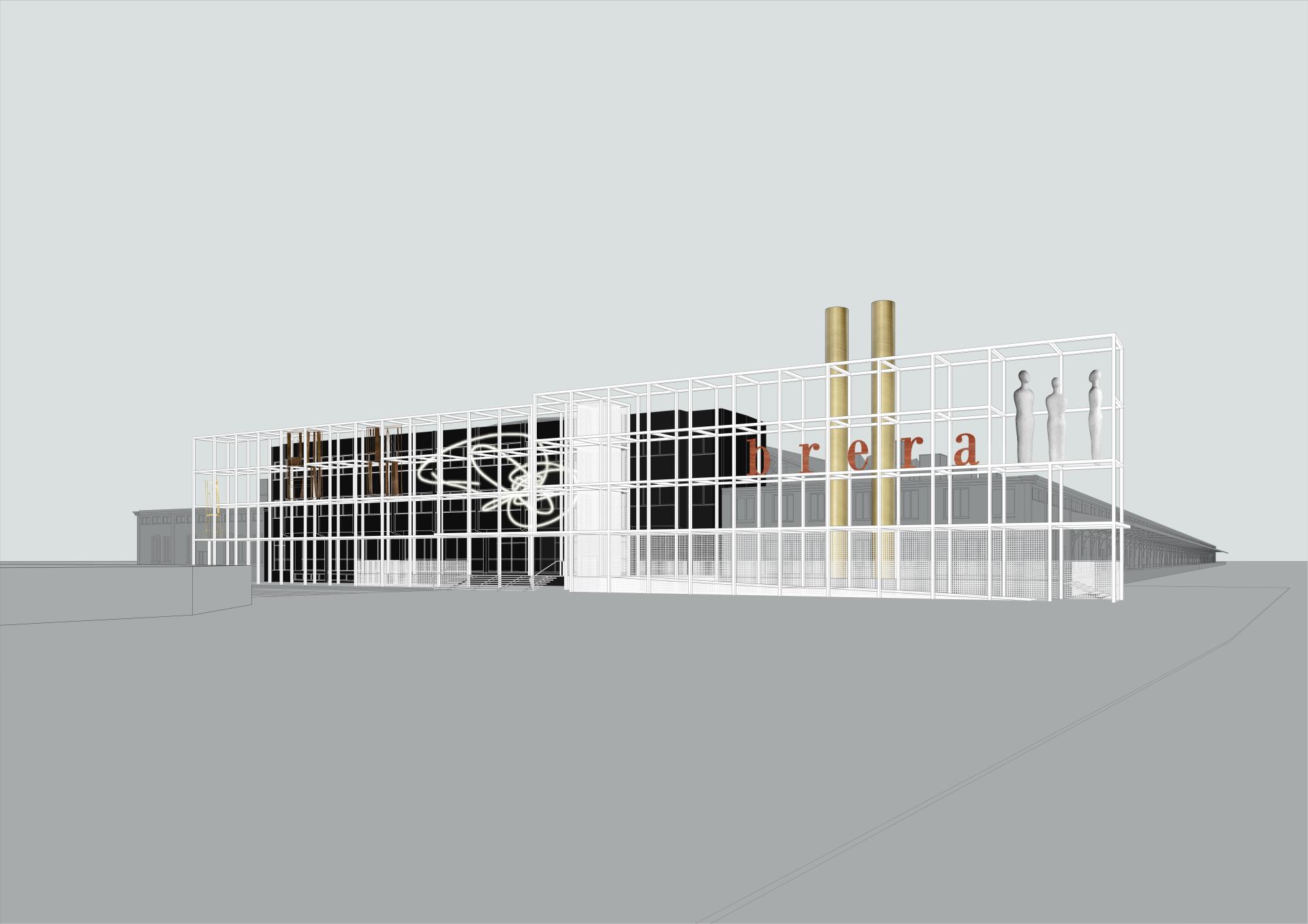
The large recovered warehouse becomes the place of the activities of the Accademia and is called to equip and preserve the processes of artistic creation. In this sense characterizes the new elements and the new parts needed with an architecture of frame structures for classrooms and laboratories, built independently and reversibly, respecting the aesthetic qualities of the original structure of the large concrete frame Hennebique type.
The common spaces are instead characterized by a vaulted roof with a light spatial reticular structure that expresses the idea of the communion of multiple educational and artistic functions housed in the recovered building.
The necessary functions distribution preserves the unitary perception of the external spaces. The simple addition of the necessary elements and the analogous perception of the continuity of the internal spaces, are freed from the partitions succeeded in time. The possible vision of this continuity is one of the key elements of the project that sees, in the unity of the spaces and in the direct accessibility, the strongest expression of the public character of the Institution. The internal galleries evoke the great corridor of the historical Brera enriched by the collection of plaster casts of ancient sculptures. In this new location, these spaces will allow for the simultaneous view of the various educational activities of the Accademia, which will thus become, as in its tradition, a "museum of itself".
In synthesis, the choices have therefore been marked by an architecture of "aesthetic of necessity" that exalts the qualities of the historical artifacts and revives in the introduction of new elements, brought to the limit of their necessary design.
Key objectives for inclusion
The entire process that led to the contract for the construction is based on a principle of social inclusion encapsulated in a few concepts.
The Accademia di Brera has an educational and cultural mission open to the city and to the whole world (about 50% of the students are coming from abroad) and the new complex is the first piece of a new "Campus delle Arti".
The Administration of the Municipality of Milan is strongly involved, believes in this project and has committed itself by supporting the choice of location in the Farini Railway Yard an area of urban regeneration.
The Politecnico di Milano has given its contribution as the project guidelines, the organization of spaces and the aesthetic-constructive principles, up to the procedures for the construction. The applied research actions have had positive effects on research and teaching (conferences, study seminars and degree thesis).
The project intend to create a metropolitan Arts Campus based on the inclusion of different artistic disciplines: the major arts, applied arts, fashion, photography, new technologies for art.
Both in its historical tradition and in its current developments, it is configured as a fundamental piece of applied arts education in the network of European Art Academies. In this sense, the new Accademia di Brera is virtually connected to the future network of the New European Bauhaus and represents a possible contribution: an exchange center for artistic elaboration between Italy and Europe.
Results in relation to category
The project can be included in several of the following categories (interdisciplinary education models, regenerated urban spaces), but the choice was to locate in the category of "preserved and transformed cultural heritage".
First of all, it can be observed that the project starts from the conservation and coherent transformation of an entire part of the city and its historic building, which is maintained and enhanced as a place of culture as a branch of the Accademia di Brera.
Secondly, the question of the preservation and transformation of the cultural heritage fully corresponds to the project of preserving and transforming the cultural heritage of Brera Accademia, whose different disciplines and departments are now isolated in peripheral locations. Fashion, technologies for Arts and Applied Arts are the link for a "tradition of the new".
Third, reconstituting a cultural center means preserving a tradition and a role that the Accademia had in the past, that it has partially lost in the present and can usefully be recovered in the future. Preserving and transforming this inheritance and this role, starting from the very articulation of the most traditional teachings, means recognizing the importance that artistic practices have in the cultural and material construction of the present, not in order to re-propose a possible control over the various free expressions, but to reconstitute a center that allows their discussion and the exchange of the most diverse experiences, preserving their fundamental public and democratic character, which is today in undergoing deep crisis due to the prevalence of financial logics in the field of artistic production.
Finally, the Accademia also hosts the Restoration Laboratories (among the most qualified in Italy), which, in addition to their didactic function, operate directly in the conservation of the national public artistic heritage.
How Citizens benefit
From the re-functionalization of the Accademia di Brera, historically one of the major Academies of Fine Arts in Italy, citizens benefit directly and indirectly.
Direct benefits in terms of improved didactics in artistic education deriving from the increase and revitalization of artistic disciplines implemented in the new seat Accademia. There will also be direct benefits for the suppliers of services and materials and also for the student housing rental market.
Indirect benefits as the construction of new university campuses brings to the economic and social benefits to the surrounding urban fabric. In the same way the Brera district in Milan is now vital for the same reason. University campuses, moreover, in the face of a strong daily movement of people, carry very low urban loads (of private vehicular traffic, for example).
In general, apart from the significant impact that the Accademia has and will increasingly have in the production and in the art market, it can be said that the new settlement at the Farini Railway Yard constitutes an opportunity to consolidate the entire economy of the city of Milan through the many different effects that will result with the recovery of a central role in teaching and artistic production. To this must be added the fact that the project provides a strong permeability for the public and the possibility of organizing artistic events, exhibitions and conferences of considerable size.
Innovative character
The innovative character of the project can be referred first of all to the transformation of the institution of the Accademia that acquires new spaces with different features than those occupied today in the historical place of Brera, can consolidate and increase teaching through this new accessibility. The metropolitan accessibility is guaranteed by the Railway connection to the regional network, this is a significant innovation and a challenge in the territory.
The insertion of the added structures characterized by a sequence of architectural frames in the existing pavilions brings back a spatial unity with the elimination of the previous partitions.
New are also the project materials and the distribution are marked by a strong flexibility.
Important is also the location inside the Farini Railway Yard, which allows a total pedestrianization and a new relationship with the open external space. In this regard, in the field of innovation, one must also consider the fundamental benefit that the project will have on the original location of the Brera building, where the traditional activities of the Accademia will be able to be reorganized with more space.
The most relevant novelty, however, is the elaboration of a different model of Academy, an open model compared to the closed models of the European tradition.
Many important Art Academies in Europe and around the world have undergone interesting new developments and consolidations in their urban and architectural structures during this decade, but often limited to their historical areas. The Brera Accademia is completely original in that, not far from its historical place, it opens in a large area of urban transformation, also visually oriented to connect center and periphery.