Space adventure: Defend the planet!
Basic information
Project Title
Full project title
Category
Project Description
Space adventure: Defend the planet! (SUDDEN) is a research-based game to a more inclusive education in primary maths for deaf and hard of hearing (DHH) students, as well as to their hearing peers. Results show an increase in mathematics achievement between 8% and 20% for 6 participants, while no improvement for 4 participants. SUDDEN contributes to the following SDGs: “Quality Education”, “Good Health and Well-being”, “Reduced Inequalities” and “No poverty”.
Project Region
EU Programme or fund
Which funds
Other Funds
Project funded by FCT - Portuguese Foundation for Science and Technology under the EU funds FEDER, line Portugal 2020, Lisbon 2020
Year of candidature: 2017
Project reference: LISBOA-01-0145-FEDER-032022
Description of the project
Summary
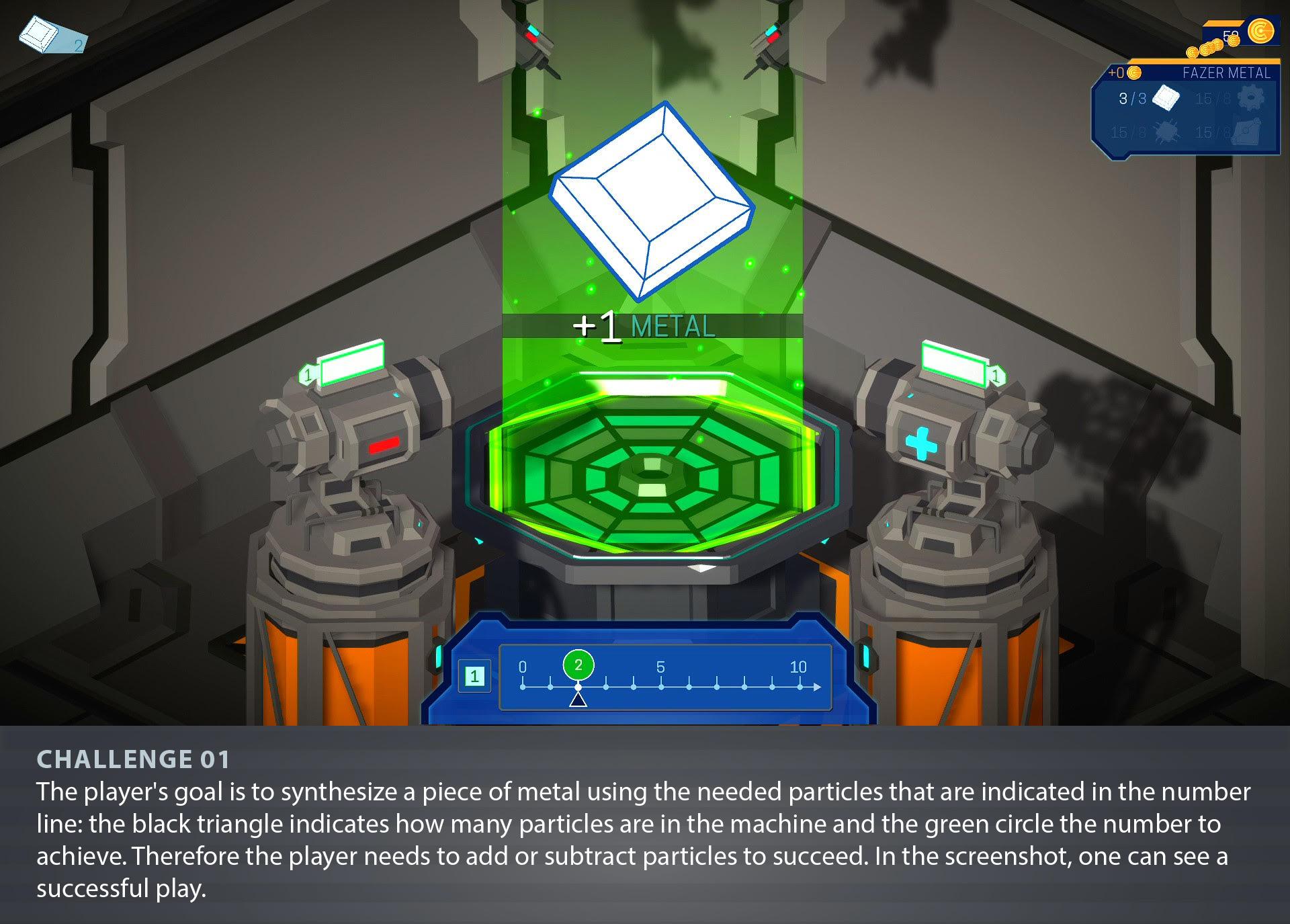
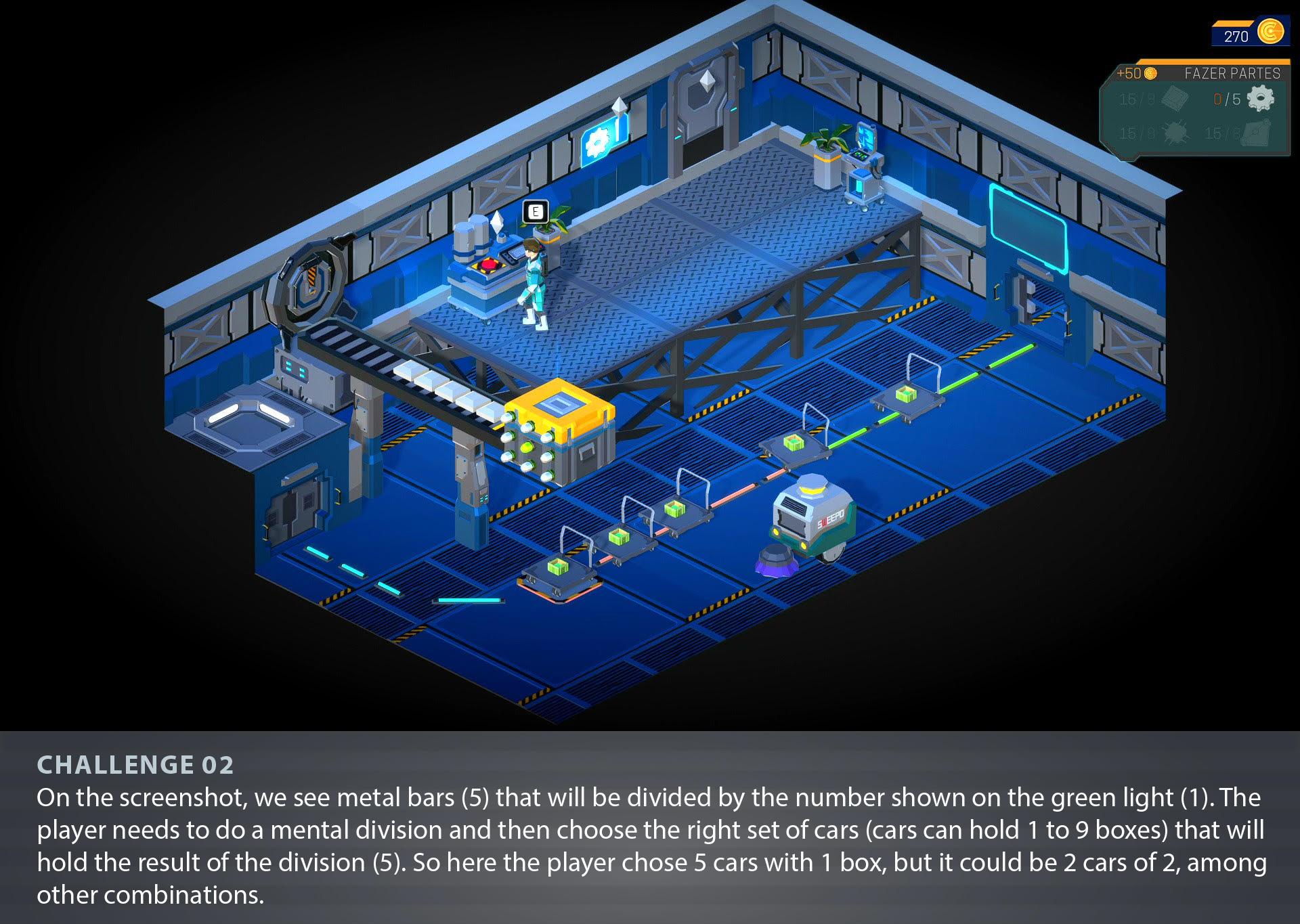
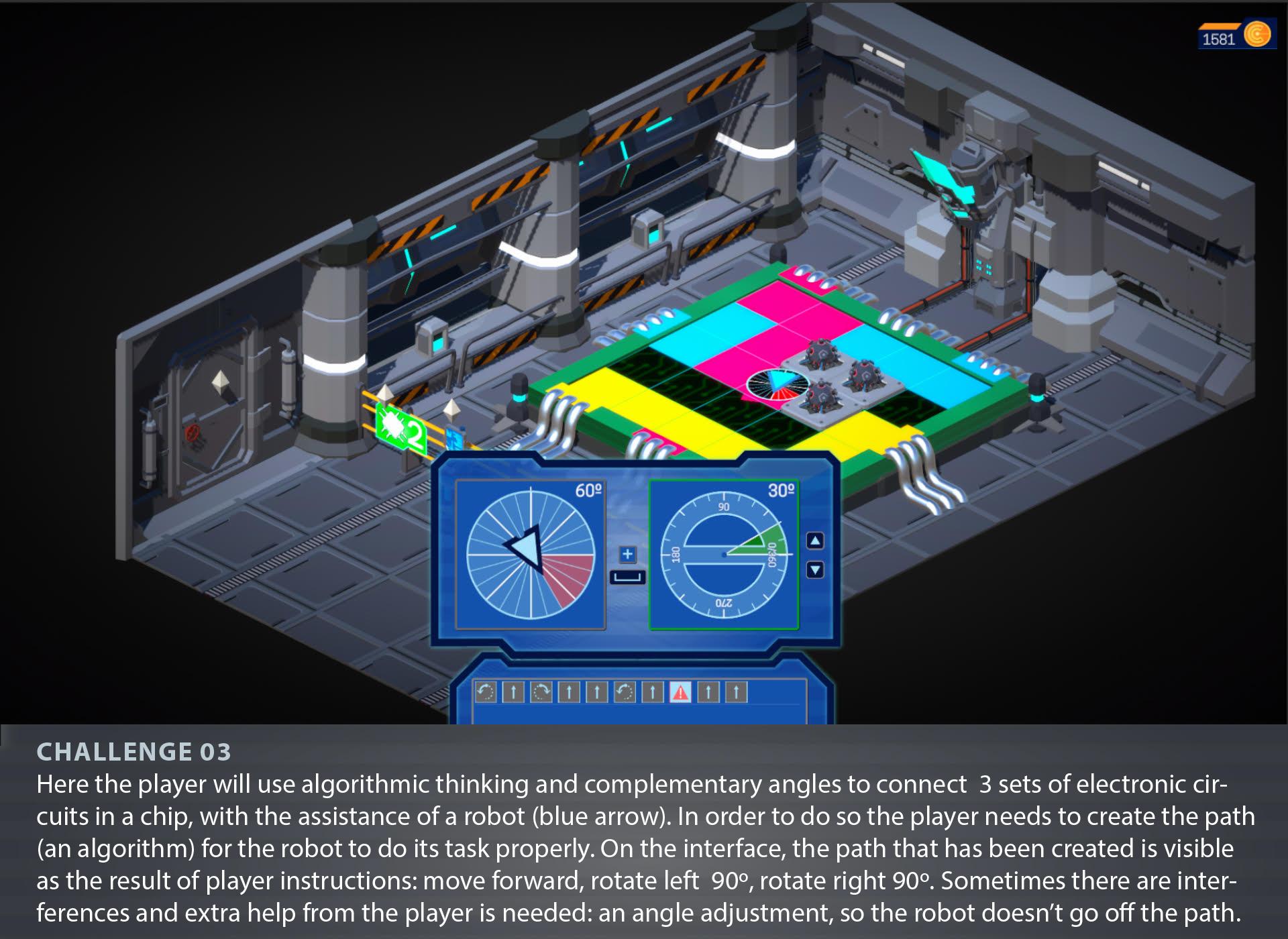
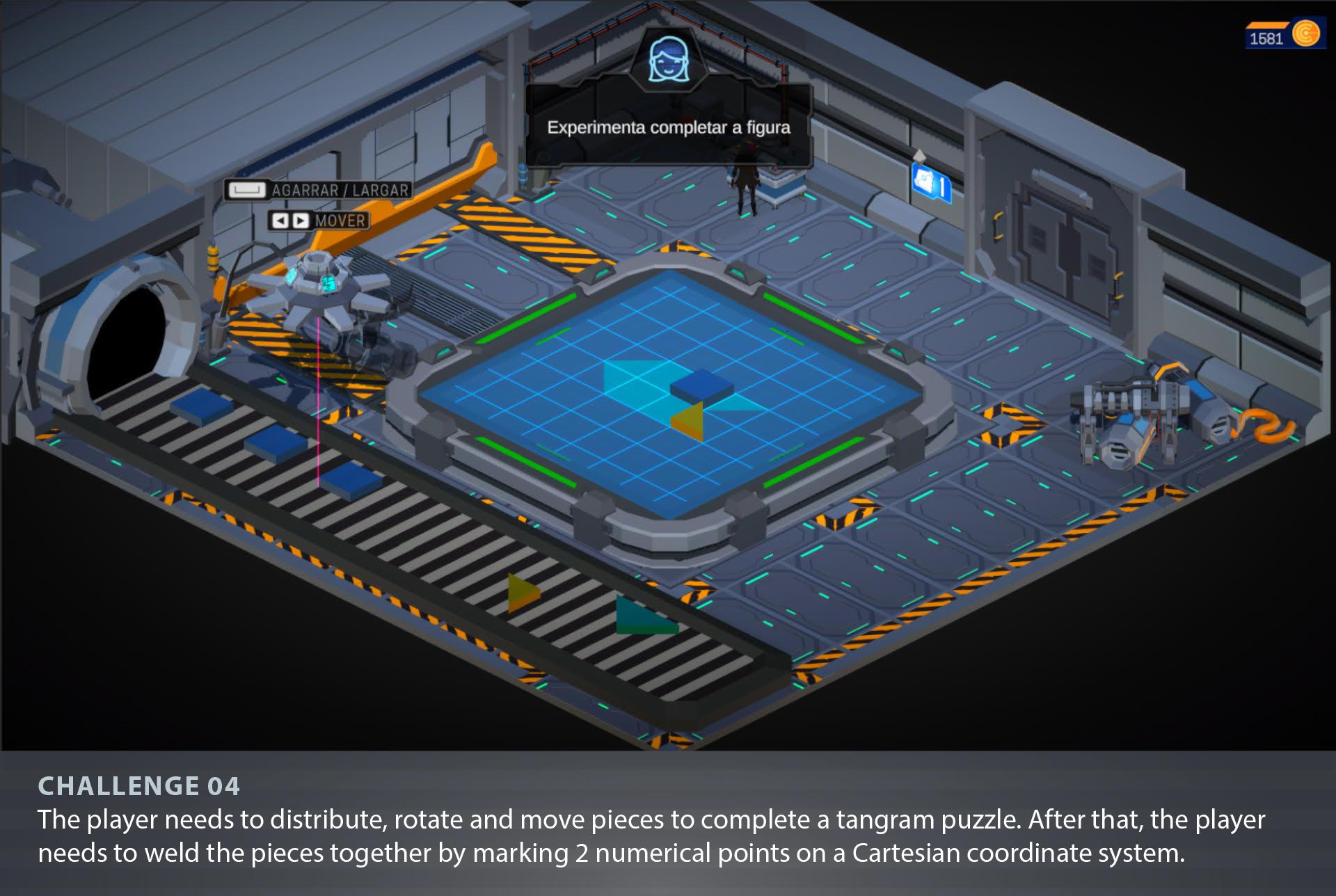
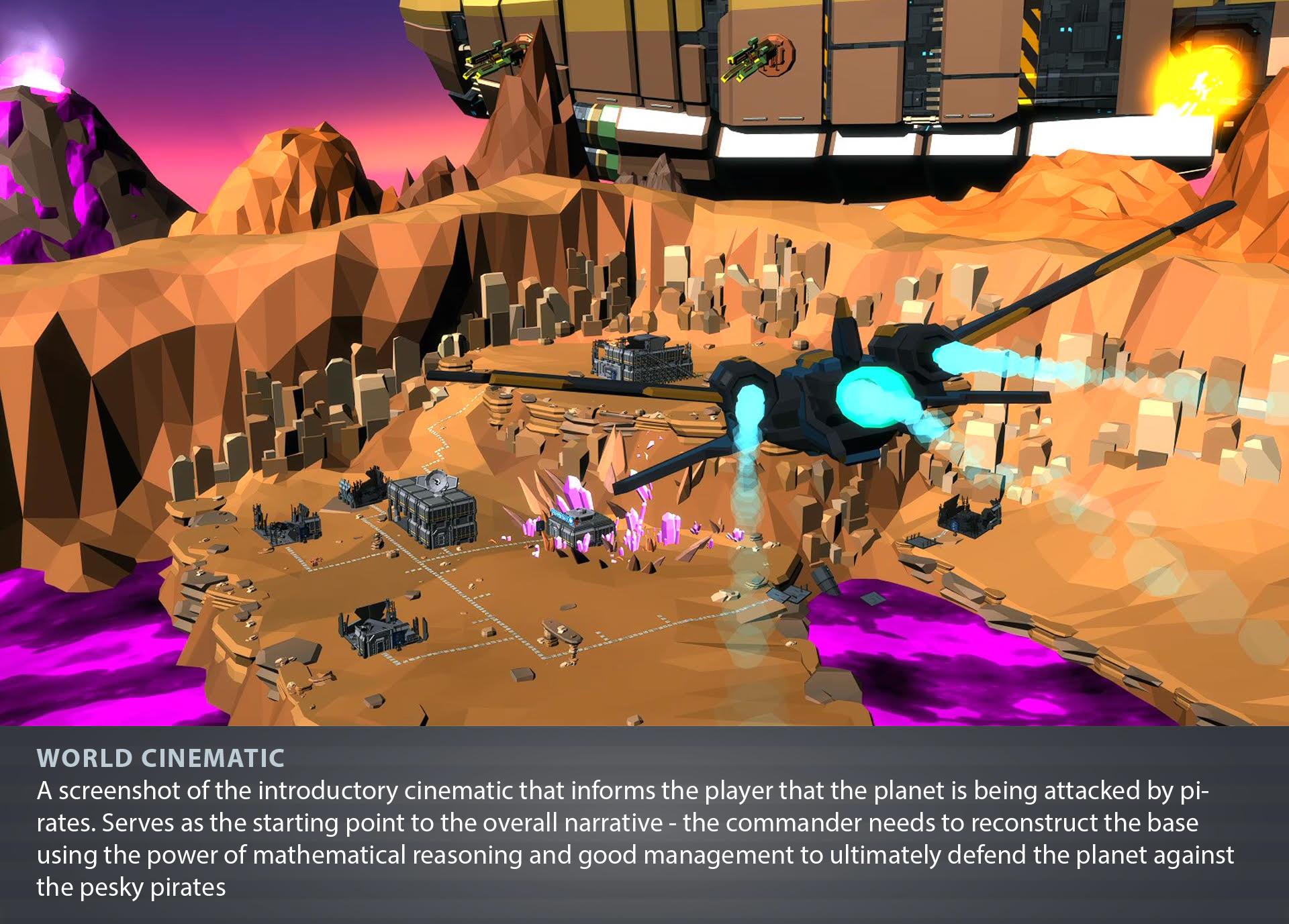
“Space adventure: Defend the planet!” (SUDDEN) (https://gbl4deaf.itch.io/spaceadventure-en) is one of the outputs of the project GBL4deaf. The GBL4deaf main goal, when envisioned, was to explore the impact of a research-based video game in Deaf and Hard of Hearing (DHH) children's learning of primary maths in a school context. Our initial sample are 28 DHH students of the 2nd and 3rd cycle of Basic Education in partner schools. GBL4deaf research design included the design of engagement and immersion in a human-centred process, where students have been involved in game user research since the conceptual phase, in order SUDDEN could match the children's expectations in terms of aesthetics and playability. Therefore, intrinsic integration of mathematical content in playability was a major concern. Briefly, our framework started with defining the learning objectives, an active learning approach and challenges that enable the magic loop in video games, while using math and moving to more complex game levels when the previous math knowledge is consolidated. Failure is a motivational tool-Play it again!. Nevertheless, the video game has high entertainment potential and replayability. In SUDDEN, the player controls a Commander in charge of rebuilding an abandoned and destroyed planet. To achieve the goal, the player will solve challenges using their math and management skills. Due to the pandemia situation, a convenience sample was used: five deaf, ten hearing students, and among those eight have special educational needs: dyscalculia, autism, Asperger Síndrome, cognitive deficits, Dravet Síndrome, ADHD (Attention Deficit and Hyperactivity Disorder). This problem was in fact a great opportunity for a more inclusive educational model aligned with: “The New European Bauhaus is about our daily lives, focusing on better living together in more beautiful, sustainable and inclusive places” and particularly for education models in a digital transformation context
Key objectives for sustainability
“Space adventure: Defend the planet!” contributes directly to the following sustainable development goals: “Quality Education”, “Good Health and Well-being”, “Reduced Inequalities” and “No poverty”. All the video game creation process involved students, teachers and math consultants, as well an iterative User experience evaluation to grant quality education and well-being. Mathematical ability was considered by “The Recommendation on key competencies for lifelong learning” from the European Parliament and the Council (Education Council, 2006; European Union, 2019) as one of the eight key competencies for personal fulfilment and development, active citizenship, social inclusion and employability that all young people need to develop during their initial formal education. Video games can create meaningful learning experiences, providing immediate and concrete feedback, performance before competence, with optimal levels of challenge and frustration whereas failure is used as a motivational tool. “Space adventure: Defend the planet!” may mitigate the unsuccessful educational experiences of deaf and hard of hearing (DHH) students, as well of every child with or without Special Educational Needs that needs support in primary maths, meaning “reducing inequalities” towards social inclusion and “no poverty” . Therefore, in terms of accessibility the video game “Space adventure: Defend the planet!” has a bilingual tutorial in-game: a video in Portuguese Sign Language - Língua Gestual Portuguesa (LGP), written instructions in Portuguese and complementary icons for 3 main reasons: 1) DHH children attending schools learn best in a bilingual environment; 2) to allow hearing students to play - such as the ones who struggle with mathematics or those who can enjoy to play it only for the seek of play; 3) to enable educators access the video game as a tool to support mathematics playful learning alongside their students
Key objectives for aesthetics and quality
The game follows a low poly 3D aesthetic with bright colours. This approach results from involving a group of deaf children in the conceptual phase of the video game. The process consisted in presenting the children several images with distinct environments and colour palettes, from which they opted for a vivid palette and sci-fi environment.
The game uses a third person camera overlooking the character from an orthographic angle when indoors and at perspective while outdoors. This camera will allow for easy reading of the game environment and easy navigation around the game world and rooms. Visual clarity is important for any game, but when working for Deaf and Hard of Hearing (DHH) players, it becomes essential, since without being able to rely on audio cues, most game interactions will require a visual component to offer proper feedback. A fixed perspective allows the player to get used to the shape and color of an object and, since it’s never presented from a different angle, immediately become familiar with it. This means that even minor changes have a higher chance of being perceived quickly by the player. These minor changes will play the role sound usually plays, indicating when things are approaching but still off-screen, reinforcing failure or success, and confirming that a given input was received by the system.
Concerning the Graphic User Interface has sought visual coherence and clarity of information and has been iteratively evaluated by children, as well all the game user experience. Game UX considers the whole experience players have with the game itself, from interacting with menus and controls to the emotion and motivation felt during and after gameplay. Typography, backgrounds, and colors were chosen to meet the principles of objectivity and clarity to the graphic support, from which stands out the adoption of a flat design style and a graphic coherence between different support panels.
Key objectives for inclusion
The key objective of SUDDEN was to create an accessible educational tool for DHH children. There is a general agreement in academia that DHH children perform lower in mathematics than their hearing peers and such is related to DHH lack of fluency in the language of culture, meaning the Portuguese in this case. There are no classes in sign language in our partner schools and Special Education Schools in general, but an LGP interpreter that “translates'' the teacher's explanations. SUDDEN is an active learning tool that could be used inside and outside the classroom. To this end, an in-game tutorial approach was developed, combining information on the challenge goals with step-by-step instructions. The game instructions are bilingual, integrating written Portuguese and Portuguese Sign Language (LGP); in the step-by-step panels that guide the player only text is used to minimize disruption in gameplay. In the introductory panels, game challenges, goals and instructions are communicated by a “virtual assistant” (VITAS). VITAS panels with LGP appear whenever the player-controlled character, the commander, enters the different spaces to create the resources in order to rebuild the space base. The panels have short and simple textual messages and images, to make them accessible for deaf children. The fluidity of the gameplay benefits from that approach, as it allows less interruption time and keeps the player's focus on the action in progress.
The video game is also inclusive for hearing children with low performance in primary maths. Due to the COVID-19 pandemia, our initial sample changed. DHH and other children with special needs were included in the playing sessions with the support of a researcher specialized in dyscalculia . The researcher observed resolutions strategies on solving mathematics game challenges, giving pedagogical support if needed. Still, more oriented game sessions are needed to observe significant mathematics progression in these children.
Results in relation to category
With “Space adventure: Defend the planet!” we apply in the category “Interdisciplinary education models”. From our quantitative and qualitative approach, Games User Research was conducted to grant a playful and accessible learning experience. Moreover a primary maths pre and post-test (GMC) was applied to measure the SUDDEN impact on students' achievement. The SUDDEN intervention is work in progress, so the results hereby presented are for ten participants: one deaf and nine hearing students with different special needs: 9 aged 10 to 14 years old and one girl aged 22 years old with Dravet Syndrome disease. Nevertheless, our “small” sample includes the diversity of children. Due to the COVID-19 situation all children interventions were online, using Zoom video conference software. Ten children played SUDDEN between the pre and post-test guided game sessions. Four children played it in twelve sessions and five in ten sessions. One ten-year-old deaf boy (with home education) finished in six-game sessions, accomplishing the consolidation criteria that means three consecutive successful trials in each difficulty level in each game challenge, and improved 12%. One girl (12 y.o) diagnosed with dyscalculia improved 20% on mathematics achievement. One girl (13 y.o) attending grade 8 and a ten-year-old boy diagnosed with ADHD and cognitive deficit increased 8%. A ten-year-old boy with Asperger Síndrome improved 4%. Four children, one autistic and three with cognitive deficits including the girl with Dravet síndrome did not have any math improvement after playing the video game. Special educational teachers enhanced children's motivation to play and corroborate the results of the emotional scale applied at the beginning (M1), middle (M2), and end (M3) of game sessions. The children felt "very" satisfied (M1: MD=3.8; M2: MD2=4.4; M3=3.8) and showed a willingness to continue the sessions, which is an important result to improve the intervention towards more successful education.
How Citizens benefit
Civil society's impact of the project is related to mathematics being a core competence in all areas of modern life. Low numeracy negatively impacts school attainment, mental health and self-esteem in civil society. People with low numeracy are more likely to be unemployed, more likely to be at risk of depression, have low self-esteem, need more help in school, and are more likely to be in trouble with the law. Aligned with Mathematical competence as a target of the Sustainable Development Goals for successful social and professional inclusion, designing effective game-based interventions plus online intervention with tutors (or guided sessions) may improve mathematical competence by helping children see the usefulness of mathematics. Besides the presence of a meaningful learning experience, granting a playful and accessible learning experience may prevent children with or without special needs from falling behind in mathematics.
The school community and students' families can also be positively affected by the project. Not only because the video game is open source, but also there was their involvement in the game sessions, sometimes with parents and teachers, both acting as observers and learners. For instance, the special education teachers stated that the video game has great potential in mathematics learning and asked the researchers to download the video game in the school intervention rooms to continue working with the students after finishing the game sessions.
The students themselves reported how the project affects them. One twelve-year-old boy with a cognitive deficit said that "This is the school of my life". The Asperger Síndrome boy stated that "The video game is amazing." Such children comments reinforce the project's positive results to the above mentioned sustainable development goals, particularly in children with different special education needs.
Innovative character
Designing and evaluating the bilingual in-game tutorial is the central innovative aspect of the project. Developing video games accessible to deaf students was the project's primary concern to provide an adjusted message to the deaf child (e.g. minimising gameplay breaks and following an objective graphic style), not forgetting the bilingual instructions to promote deaf and hearing children interaction. “Space adventure: Defend the planet!” is a game for all children, combining Math, fun and language as bridges for inclusion. Not only responds to the scarce offer of bilingual educational resources, but also seeks to raise the awareness of hearing children to a reality different from their own.
According to the OECD education report about the future education and skills - the 2030-project, one of the visions of the 21st century is to focus on more personalised learning. The project may embrace the needs of the present Digital Transformation Post-Pandemic Era when adjusting the mathematics game-based intervention approach to the child's learning needs and learning pace, particularly in children with different special education needs, including children with dyscalculia. In this perspective, mathematics game-based intervention - well known for its positive effects on learners' motivation - supported by video and personalised game sessions is another of the innovative characteristics of the project.
Another 21st century key competency is to equip citizens to thrive in an uncertain and volatile world. The video game uses random mathematics game tasks to solve problems. The fact that uncertainty and volatility are present, allows the players to solve problems using non-linear, dynamic skills where students are active learners