THE ISLANDERS
Basic information
Project Title
Full project title
Category
Project Description
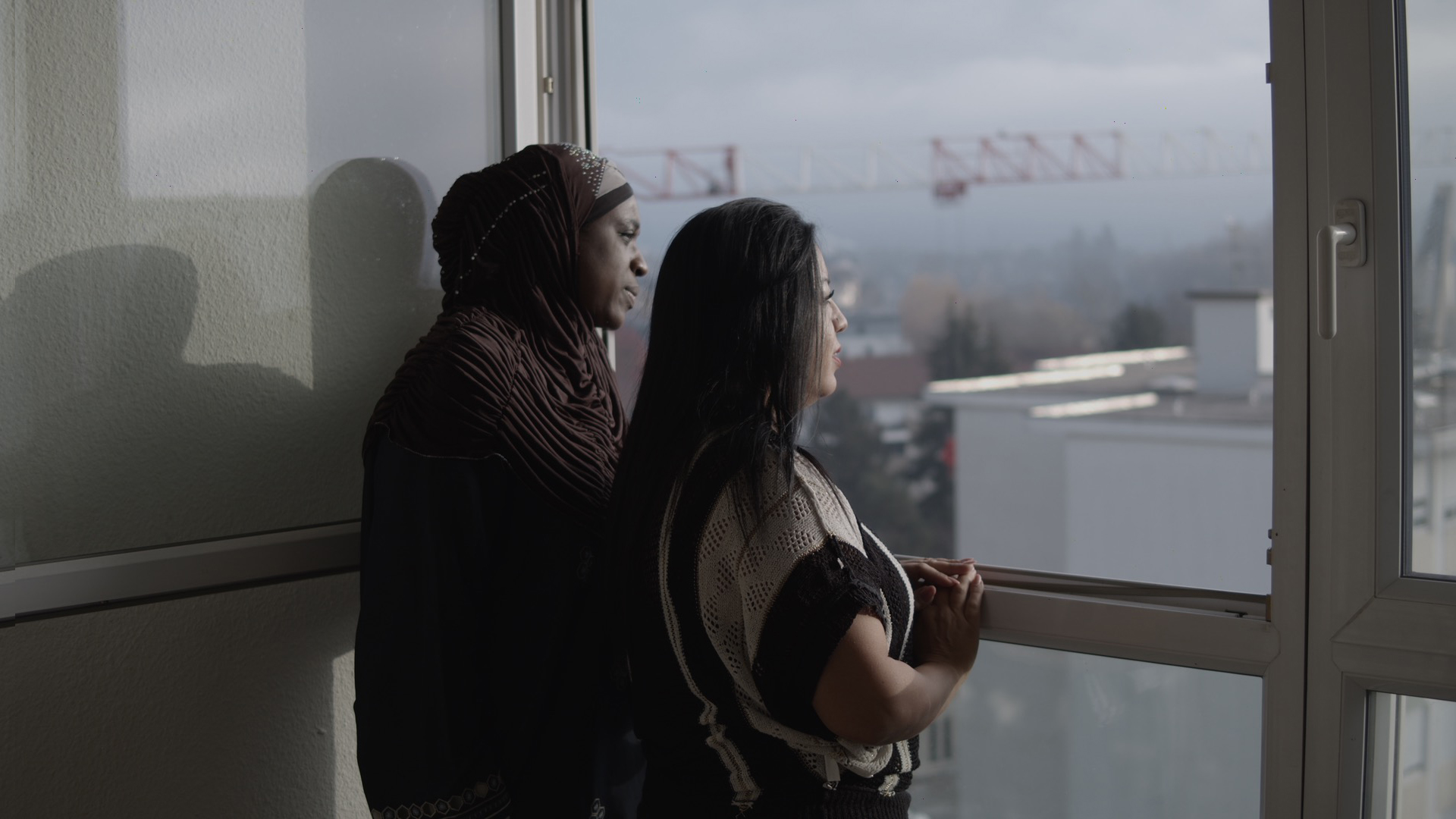
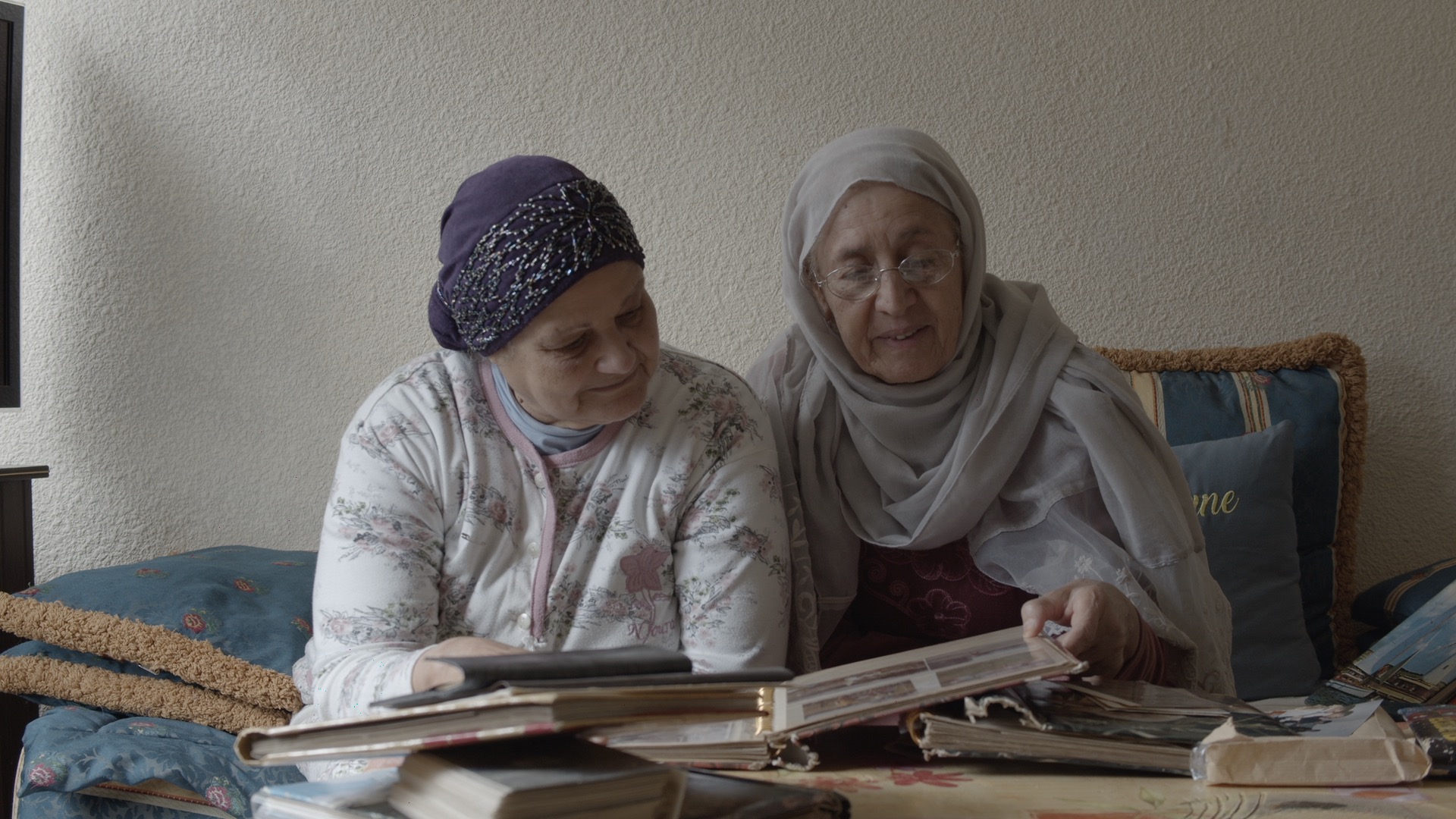
How do you put 10, 20, 40 years of your life into cardboard boxes? And where do you go? The Islands — a public housing at the border between France and Switzerland — will be soon demolished, leaving room for private residences. 257 families are getting ready to pack their boxes.
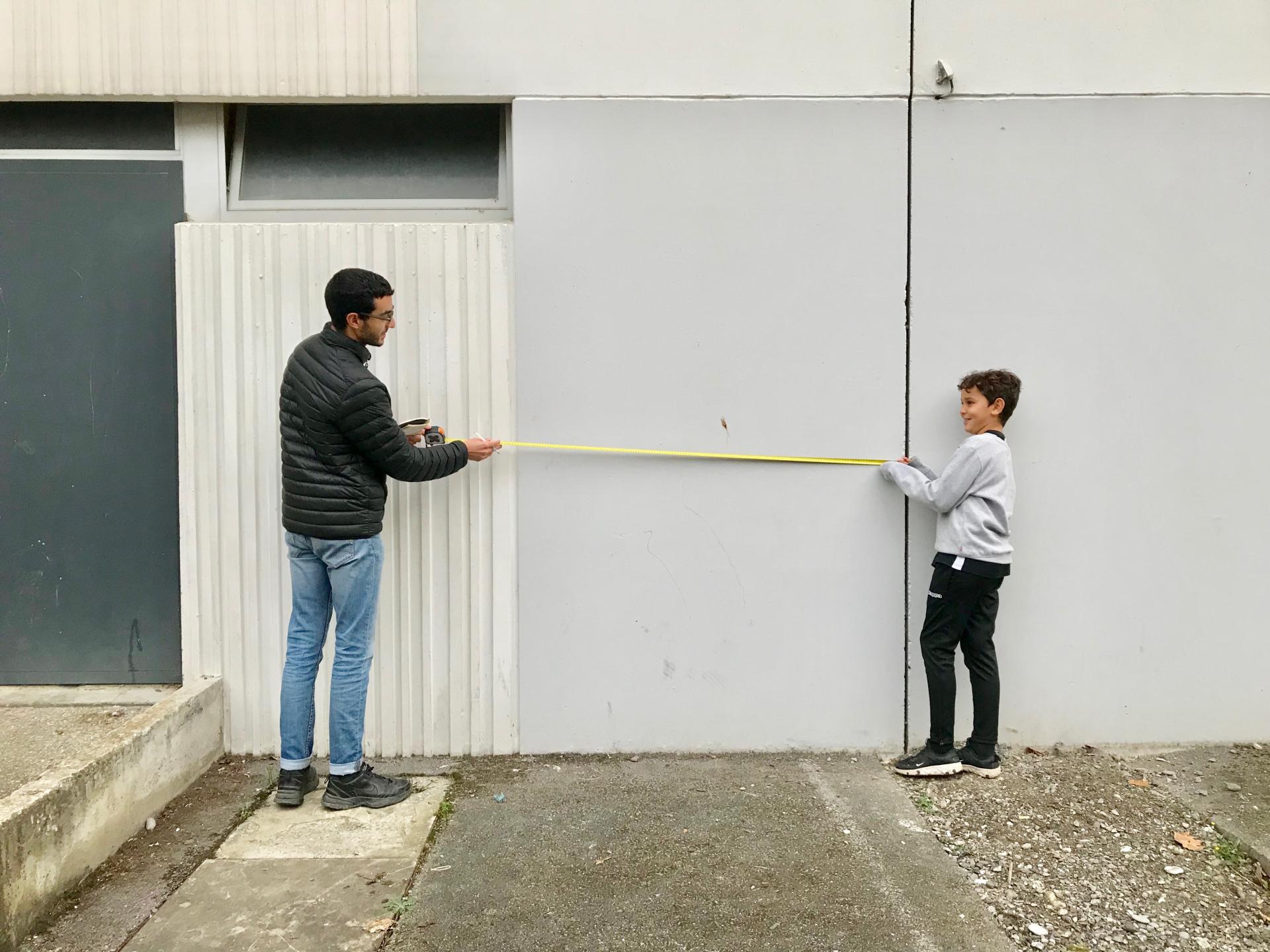
For 3 months, we lived in this neighborhood. As an architect and a cinema director, we took time to listen, understand and create with the families a creative story telling supporting social inclusion.
Project Region
EU Programme or fund
Description of the project
Summary
"THE ISLANDERS" is a human center project leads by an interdisciplinary duo — architecture & cinema — supporting social inclusion.
How do you put 10, 20, 40 years of your life into cardboard boxes? And where do you go?
The Islands — a social housing at the border between France/Switzerland — will be soon demolished, leaving room for private residences. 257 families are getting ready to pack their boxes. Most of the families are not native from France: they came young from Maghreb, Eastern Europe and Asia. They build a life here, a family and new roots.
Adam W. Pugliese is architect, and Maxime Faure is cinema director. Both of us having a sensitive understanding of the territory, listening to those who inhabit it.
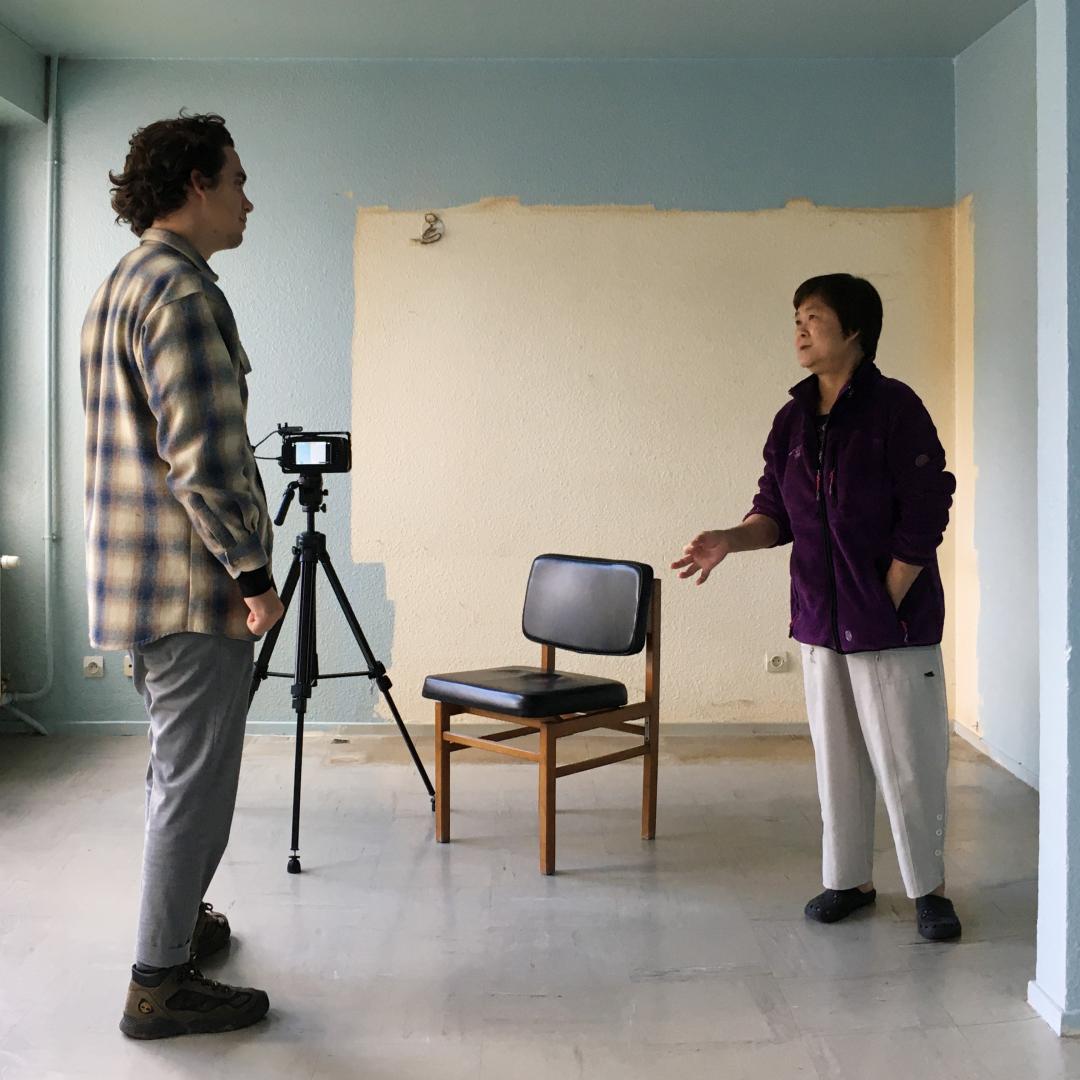
For 3 months (September to November 2020), we lived in this neighborhood. We made the choice to stay there as a residency during France lockdown due to covid-19.. It was important for us to be able to catch different realities even during covid crisis.
We took time to understand what it means to leave your home without a choice. During this process, we directed a movie with the inhabitants : "THE ISLANDERS".
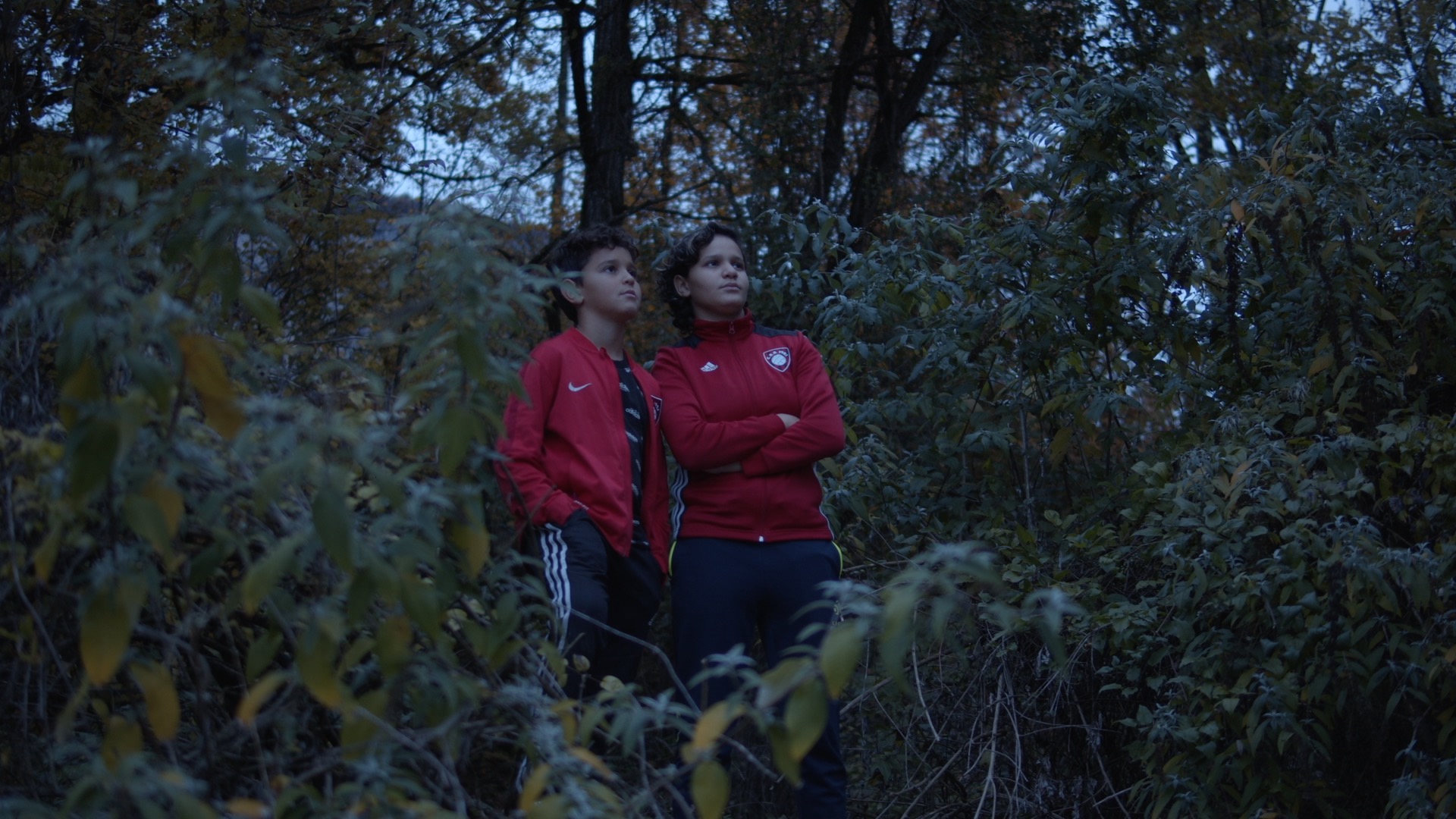
A mid-length documentary focusing on a daily life suspended between two lives: the one that is lived, tangible and reassuring, and the one that will be relocated, dreamed but uncertain.
Sofien, one of the islanders said: "This is the end of something and the beginning of another. It's weird to talk like that... It's like talking about death. It's finish. But we have always lived here."
And the analysis was clear: people wanted to talk and were proud for being able to take part of a creative process.
They were able to take power back in a decision they were not consulted nor involved.
Month after month, we understood that this situation is not only happening in this little town of Haute-Savoie, but all across France and Europe, with urban renewal projects.
Key objectives for sustainability
— Locally, the urban renewal of this public housing, with relocation and demolition, will take 10 years (2020-2030). Families are relocated building by building. There is a total of 9 buildings and 257 families. When we first arrived, we were at the start of the process. And already, after 3 months, we have seen that our work made possible to free up a dialog with the families, the town hall and the social housing landlord.
— Nationally, there is the program of the National Agency for Urban Renewal (ANRU) which aims to improve and renovate its rental housing stock. Many similar situations have taken place since the early 2000s, are taking place now, and will take place in the years to come. The program is planned until at least 2030.
— At European and worldwide level, the Pritzker Architecture Prize 2021 was awarded this year to French architects Lacaton and Vassal. For over three decades, they have designed social housing, cultural and urban strategies. The duo’s architecture reflects their advocacy of social justice and sustainability, by prioritizing a generosity of space and freedom of use through economical and ecological materials. They are the European figurehead of an architecture for transformative projects instead of demolition. This Prize confirms a new way of thinking. So we wonder: what it means — socially, economically and ecologically — in 2021 to continue to fully demolished social housing when it's possible and desirable to transform it.
Key objectives for aesthetics and quality
Our project was thought as a cinematographic sense of aesthetics. It means that we used professional equipment, we took time to think about how we want it to be filmed and sound recorded ; not as a journalistic or sensationalist ways.
We also wanted to take the time and give the inhabitants of the neighborhood the opportunity to be professionally recorded with cinema equipment. Those neighborhoods are usually filmed the same way, and relayed to the news item such as insecurity.
As an interdisciplinary duo — architecture & cinema — we talked about the architectural heritage of social housing from post-war period that is unpopular for the general public and more often for people who are not living there. One of our key objectives was also to restore aesthetic and use value to buildings that have all the capacity for transformation and rehabilitation to adapt to our new lifestyles and to reach the environmental and sustainable development ambitions.
The result of our projet is a feature documentary film that could be a tool to talk about human issue when we talk about social housing and urban renewal projects.
It is a humble film, about the wait in the everyday life of this neighborhood, immersed in families and at the heart of a process at work.
Together, we have the desire to bring loud and clear this feature-length documentary "THE ISLANDERS" and to allow it a national and international influence, so that the singular history which is being written within this neighborhood of the Islands can resonate with its turn with all those similar, everywhere in France, in Europe and around the world.
Right now, we are finishing the post-production of the film in a professional studio. We will be proud to screen the film in Europeans film festivals and more from this summer.
Key objectives for inclusion
All the process of this film was shared with the inhabitants.
The key objectives is to to allow the inhabitants and users of this territory to have a different perspective on the heritage of which they are the keepers and to become aware of the cultural practices associated with it, to encourage questioning on lifestyles, the use of places, on landscapes and their manufacture in order to allow everyone to reappropriate what they are, what they have inherited, what they are going to transmit and to develop a critical mind, and for that, to give keys of reading.
We took lot of time to talk, to live together, to unterstand the situation before starting to shoot the film.
We have made a commitment to present the finished film to the inhabitants before any public screening. It seems important to us that they can express us if they feel comfortable with the image of them.
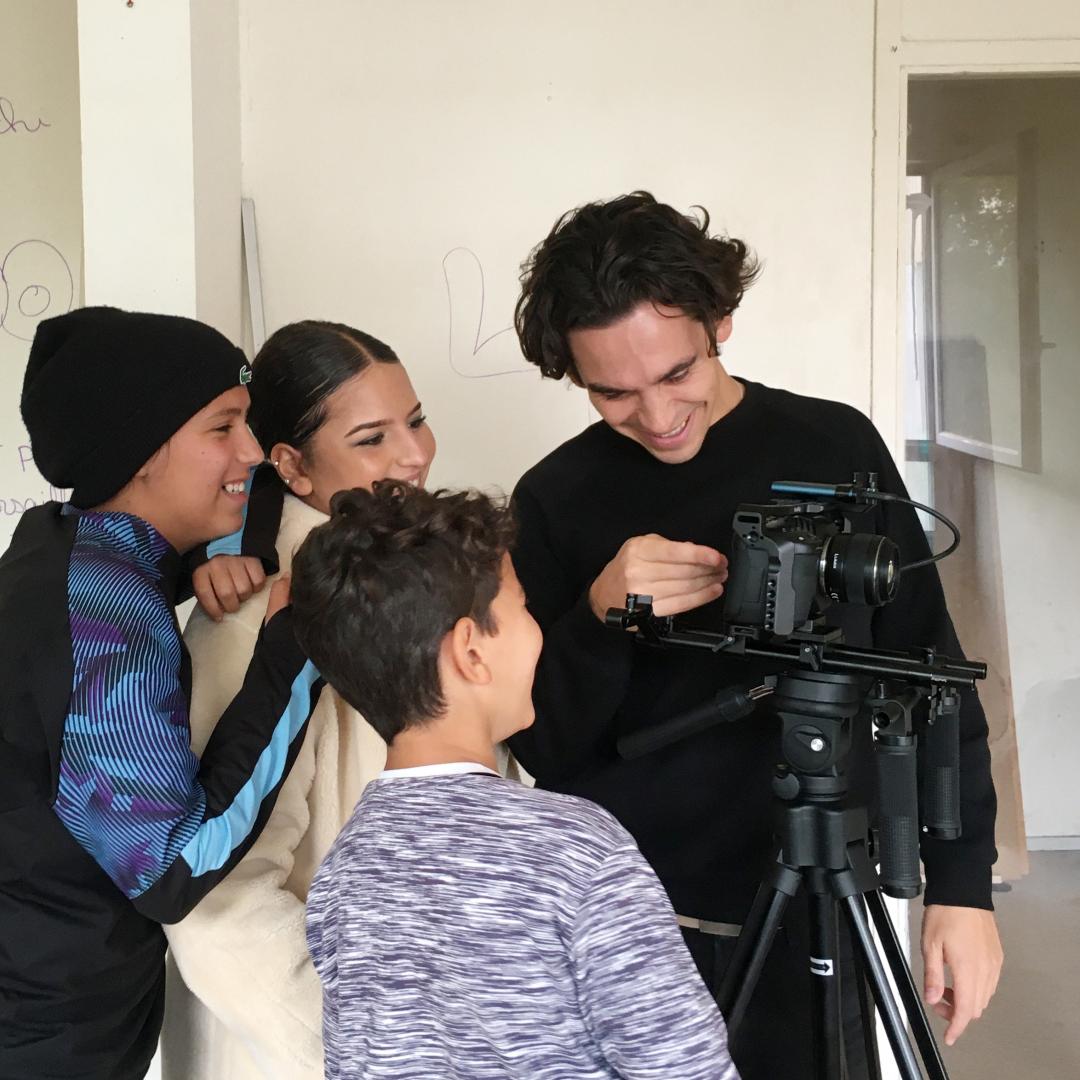
Beyond the documentary film project, we also created workshop about the memory of the neighborhood, films screenings outside, family portrait photo sessions...
Our three months of residences allowed to unite the inhabitants around a new way of thinking about a project by an artistic form. It was also the time to collectively put words on what they live, their daily life, their environment, their opinions and their desires both together and individually.
For example: thinking about what the inhabitants like about their home, what they need, like a closed kitchen or the wish for a balcony.
Results in relation to category
It's all a community of 257 families that were involved in a project crossing culture and arts.
This neighborhood is like a babel tower with so many different cultures. By this project we wanted to be the witnesses of a way of living that will soon disappear. We had the opportunity to be immersed in a public housing district destined for demolition. Faced with the planned urban transformation, we have been able to capture the fears and hopes of its inhabitants, faced with the delicate situation of rehousing; a problem experienced today by many neighborhoods in France and Europe since the 2000s.
This past year, the sanitary conditions have delayed the implementation of the project but have offered it formidable conditions of emancipation. We saw strength in this: we were able to extend their presence in this neighborhood over three months (instead of the six weeks initially planned), and had privileged access to the relocation process. Over the long term, we were able to access and capture the voice and intimity of the neighborhood.
Our presence in residence in the neighborhood allowed us to bring together and raise awareness of different actors on the situation that was being experienced in the neighborhood. Concretely, what impact do political choices have on the daily life of the inhabitants?
One of the observations that was raised for exemple was to have a greater presence of social workers in the neighborhood in order to guarantee a real follow-up during the urban renewal project.
How Citizens benefit
By taking the time to listen to people, and get their voice heard, social benefits are big.
People had a room to explain what they are living as a trauma. Landmarks, neighbors and memories have been patiently built here.
Most of the inhabitants that we met seem to be stunned. This demolition seemed to them hypothetical, far away, yet soon they will have to leave. Many would have liked to stay here, “even if we don't have a balcony”. However, a study conducted by an expert firm did identify asbestos under the floors of housing, not surprising when the majority of buildings dating from this period in France report it. "But then why not just pull asbestos off?" Fatima wonders. Other residents are more virulent: "They want to separate us, they did a big mistake and now they want to fix it!". The "big mistake" that Nouh talks about is putting "all immigrants together at the same place". However, it is this diversity that make the neighborhood proud. “Here, we come from all across Europe, the Maghreb, Asia and all regions of France”, Bahia says with a big smile.
Decision-makers and promoters also speak about diversity, but on a different level. It aims to bring together people from different social backgrounds: "the social mix". Relocate first, then attract new populations by building new private residencies. But then, "is it possible to start over as if nothing had happened here before?" asks Hakim, one of the inhabitants.
Our project is a way to keep an archive before its disappearance. The citizens benefiting of this project by bringing their reality to light and by asking questions on the important topic of public housing, taking place all across the EU.
Innovative character
The innovative character of our project is characterized in our interdisciplinary duo — architecture & cinema —, a residency through immersion and by the creation of a documentary film with the inhabitants.
This project was born in the context of a research and creation residency led by La Maison de l'Architecture de Haute-Savoie. As an architect and filmmaker, we wanted to combine our practices and our views. The particularity of this project is in the fact that we lived for 3 months with the inhabitants of the social housing neighborhood. This film was made with them and for them. So that they can have a space to express their fears, memories, worries and hopes too.
Thanks to the residency context in which this film was born, we had unprecedented access to the rehousing process with the social landlord in charge of the neighborhood, information meetings, site visits until the families move. In this insular closed door, we had an immersion with the inhabitants of the Islands at the heart of a process at work.
The residency was also a time for reflection, research and experimentation. Because we had time, we were able to build a strong link based on confidence and intimity with the inhabitants. To keep the link and to share the process, we also had an Instagram, that was a lot followed by the younger generation. We were able to inform about what we were doing and we are still using it during the post-production process.
We were in the same level position of collective exchange and sharing, horizontally.