QCS Urban Grafting
Basic information
Project Title
Full project title
Category
Project Description
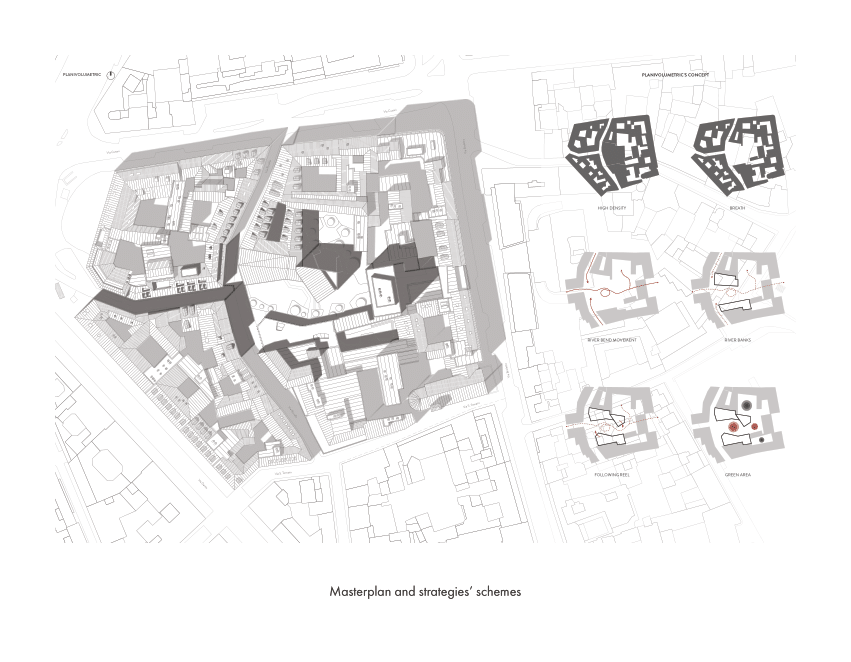
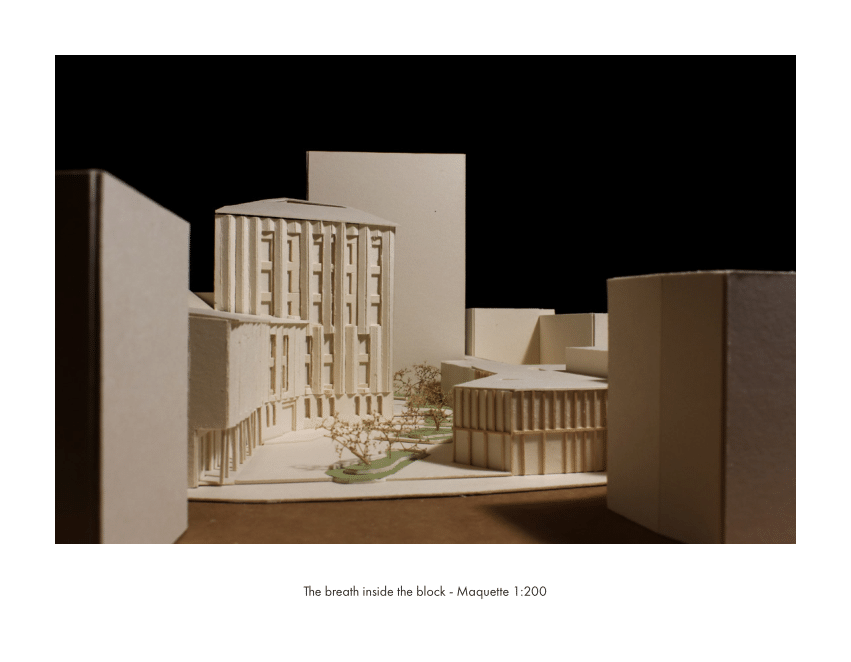
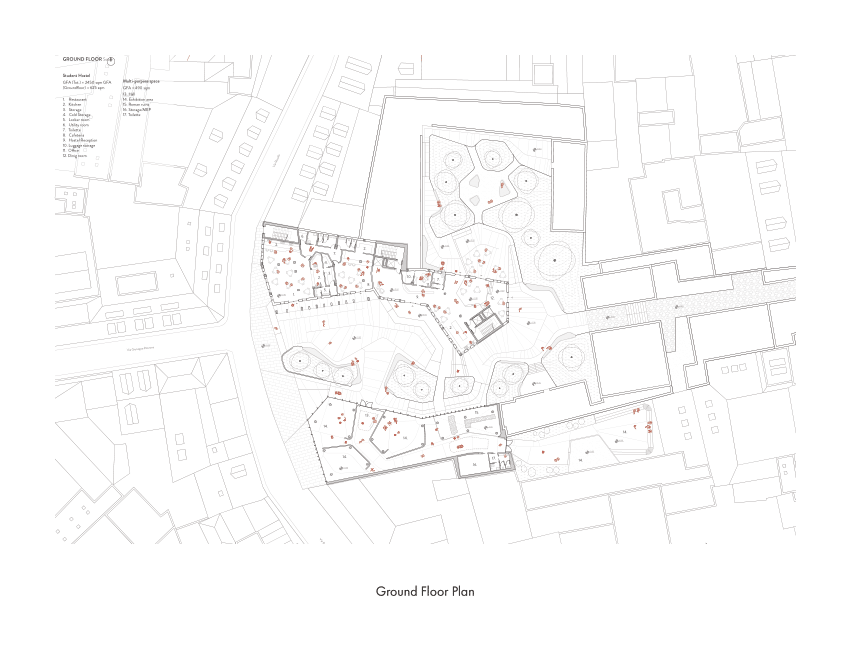
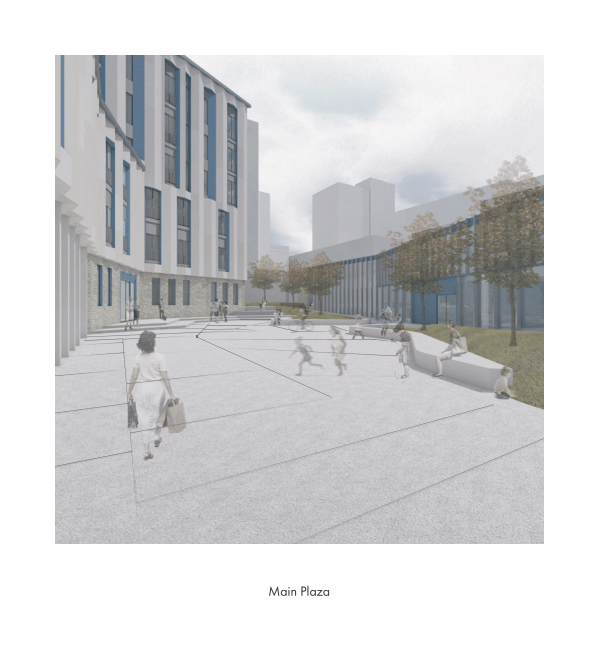
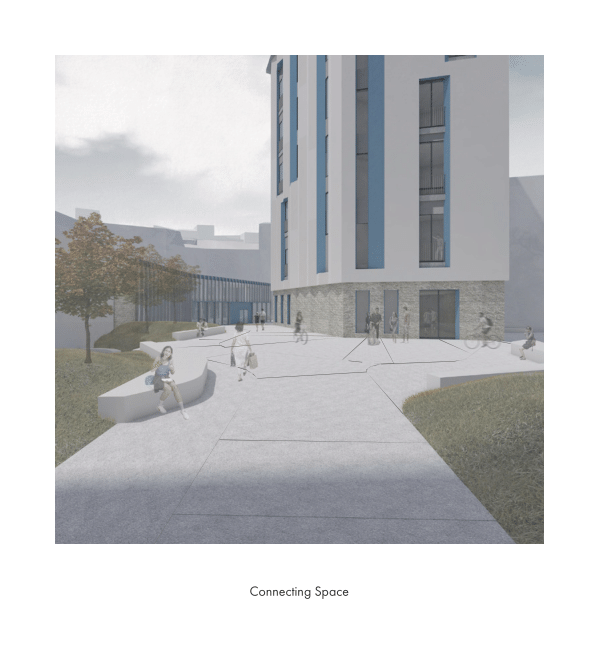
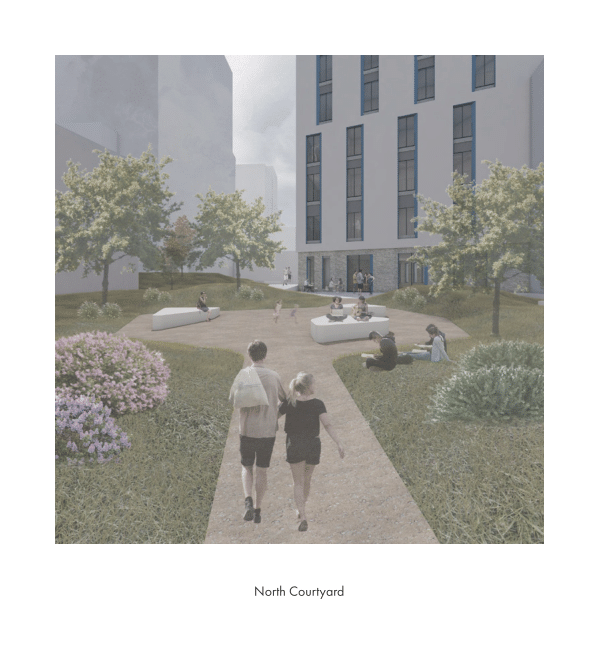
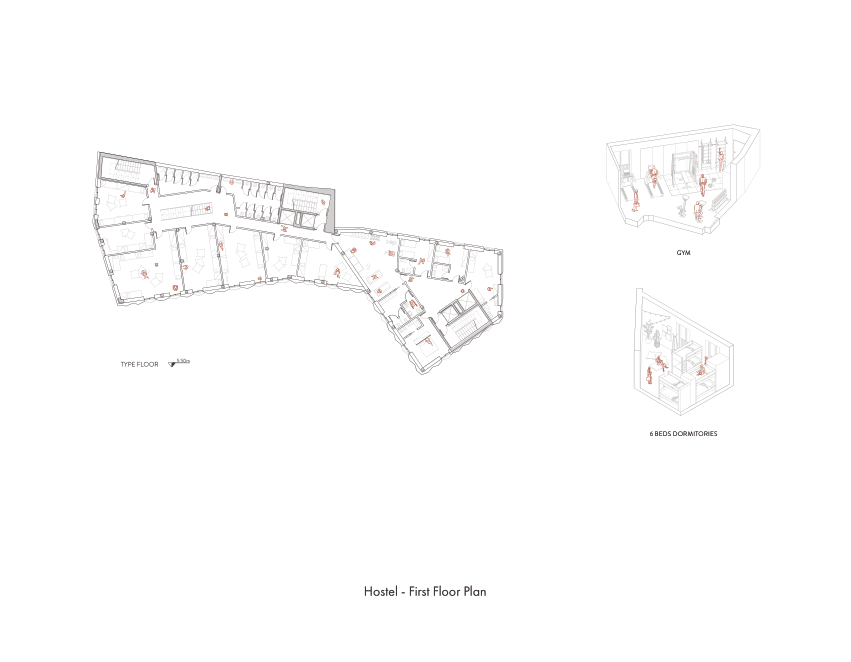
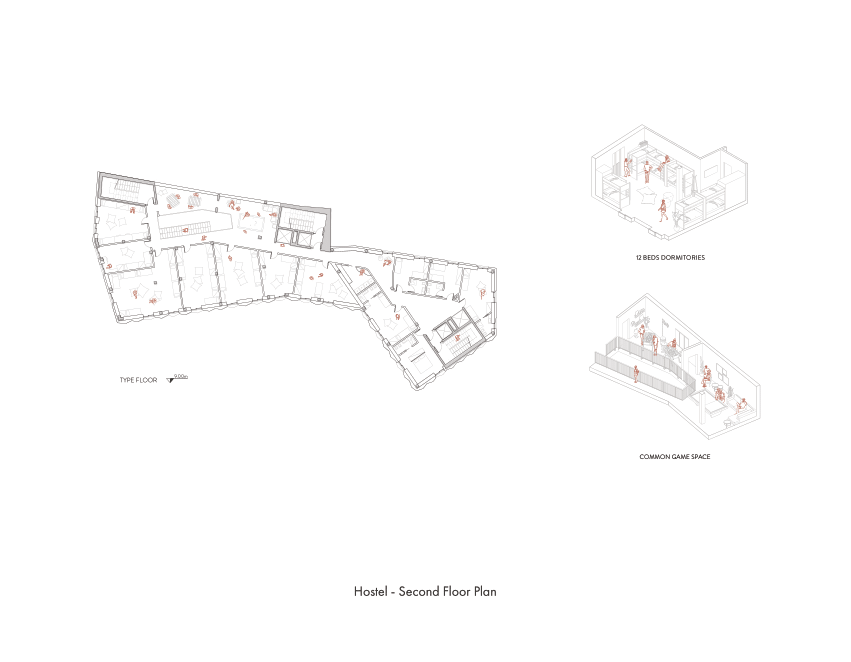
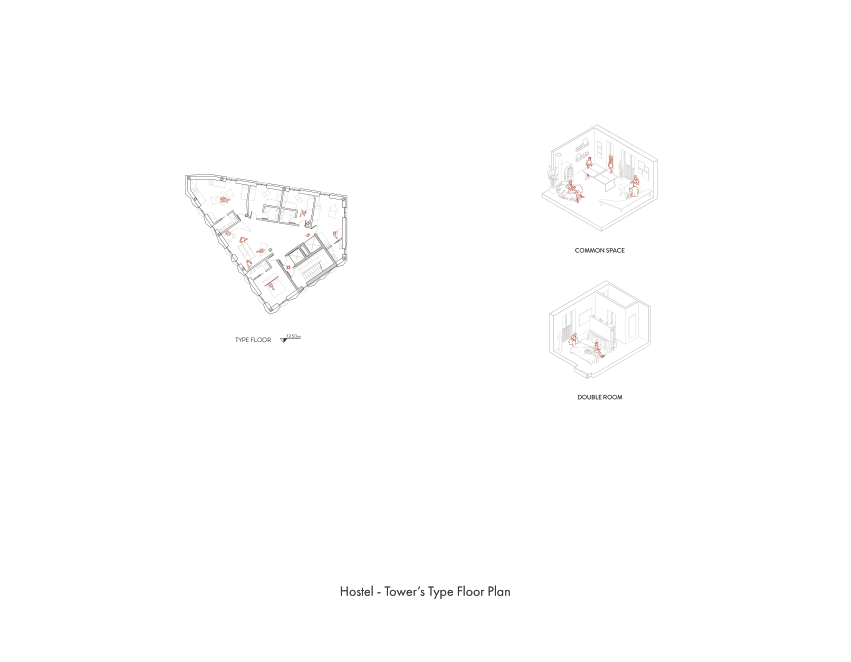
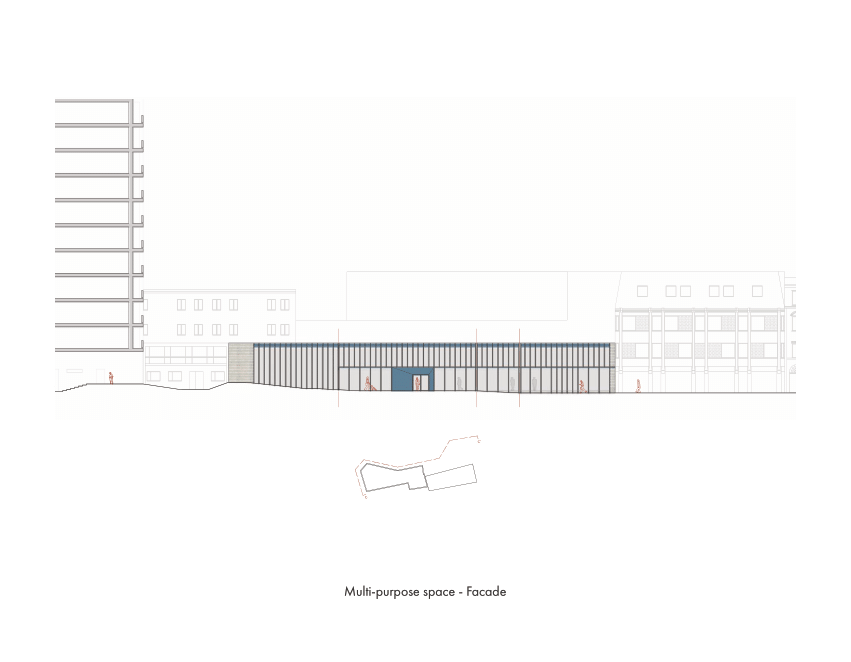
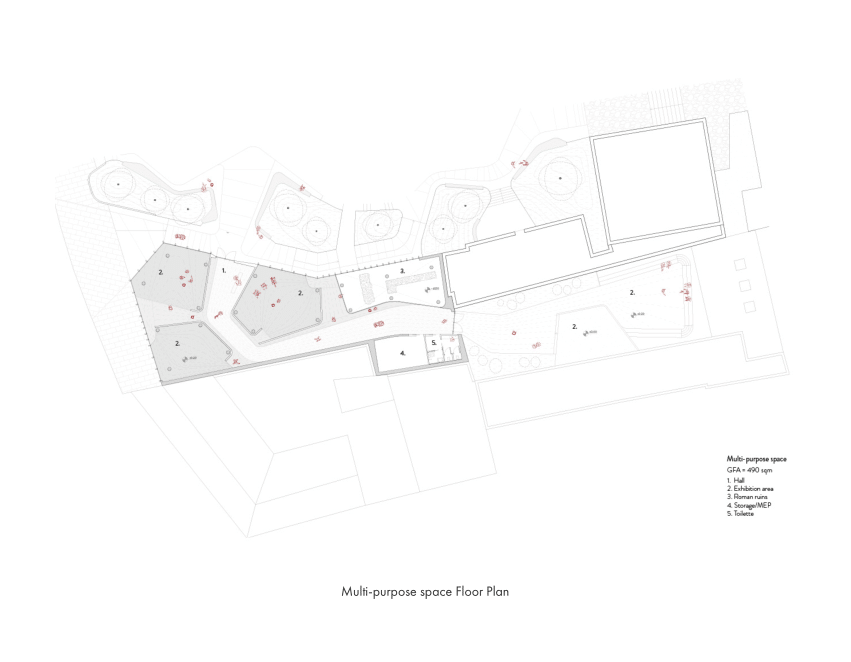
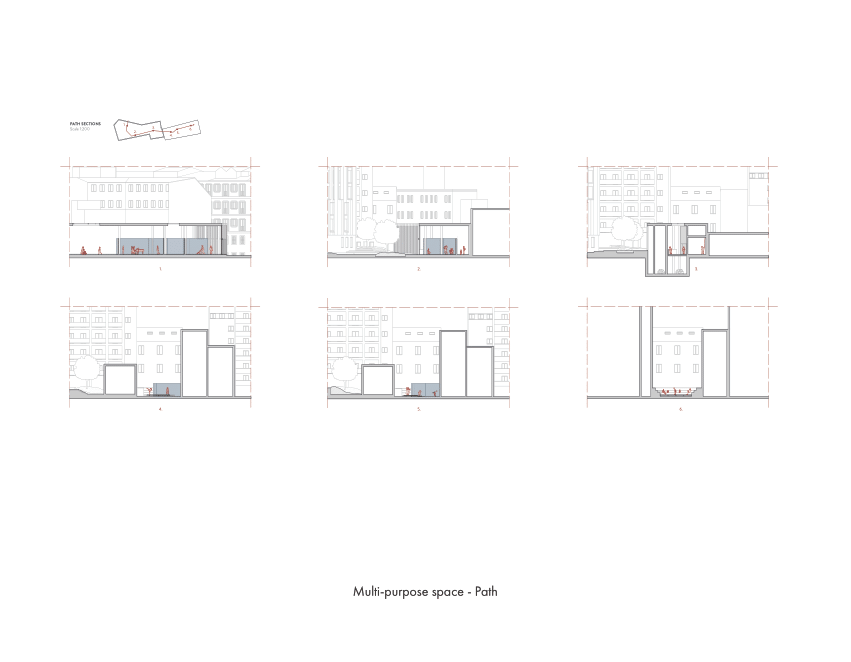
QCS Urban Grafting aims at the requalification of an abandoned area through the design of a unique architectural complex, speaking directly to both cultural and physical contexts. In this way, the architectural volumes of the student hostel and the multi-purpose space are designed in relation to the public system of plazas. The proposal is based on the theme of the path, used as a tool to define the spaces, creating a relationship both for the accessibility and the permeability within the block.
Project Region
EU Programme or fund
Description of the project
Summary
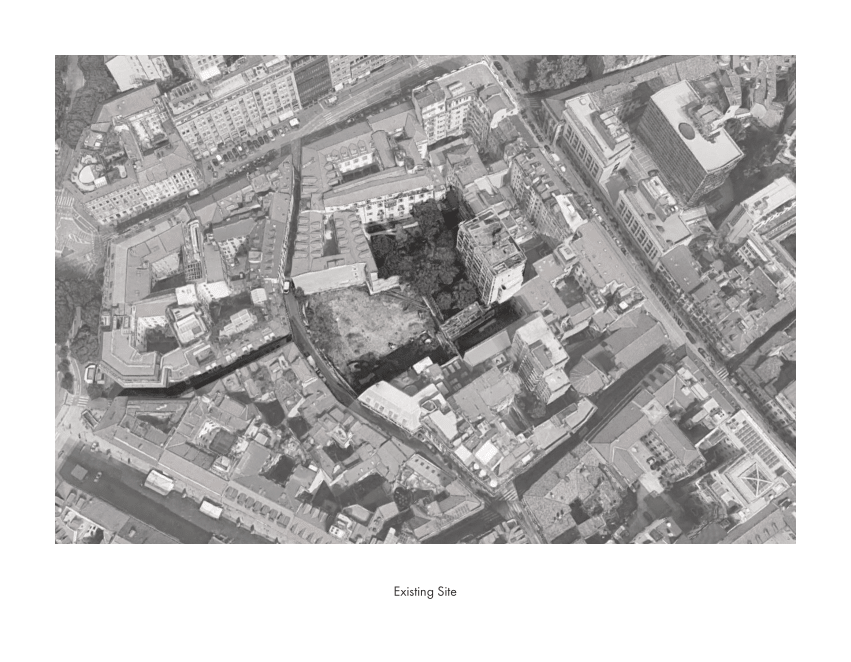
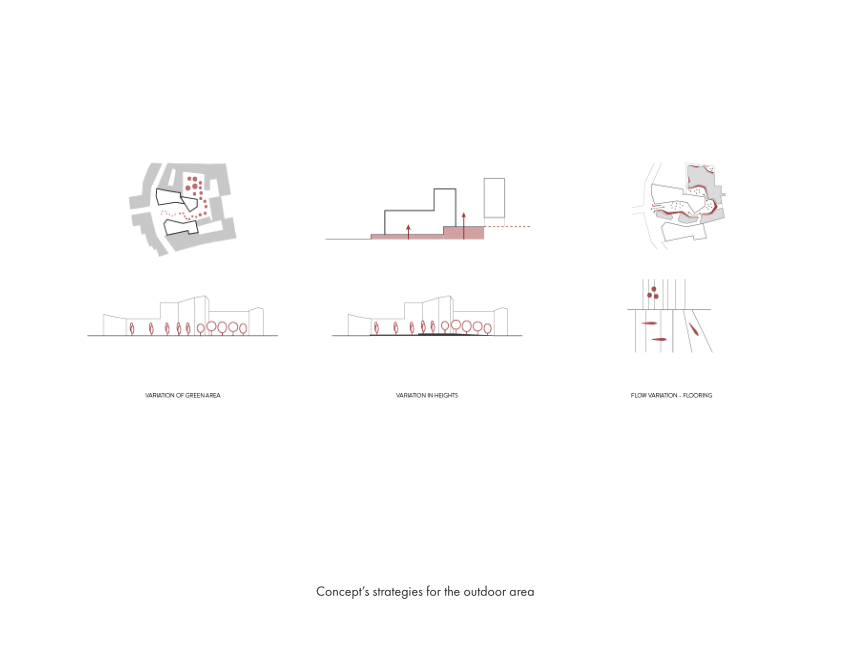
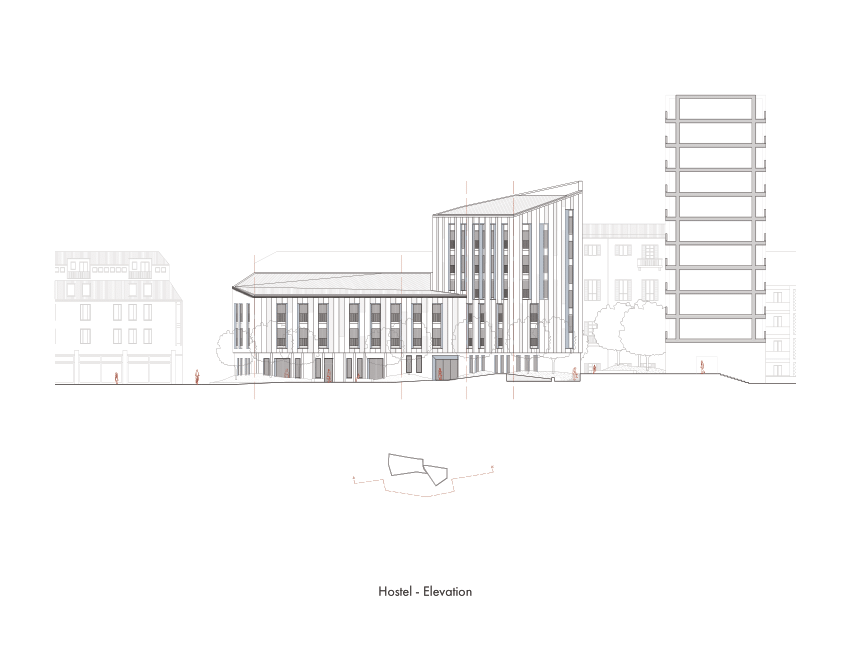
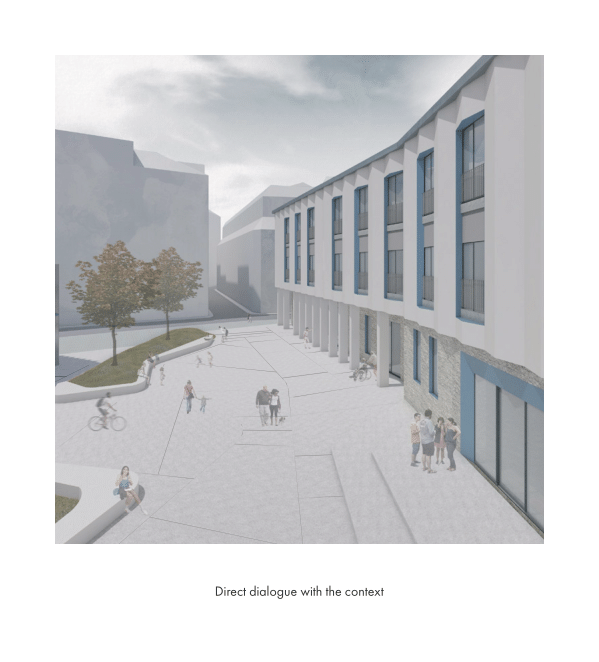
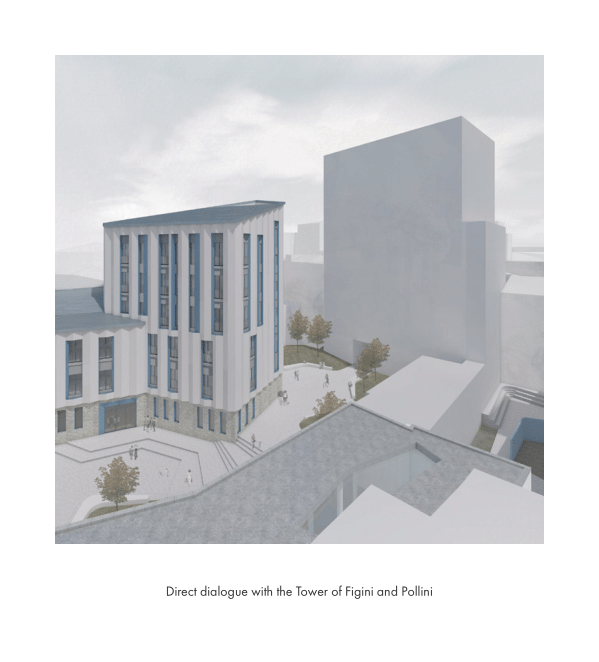
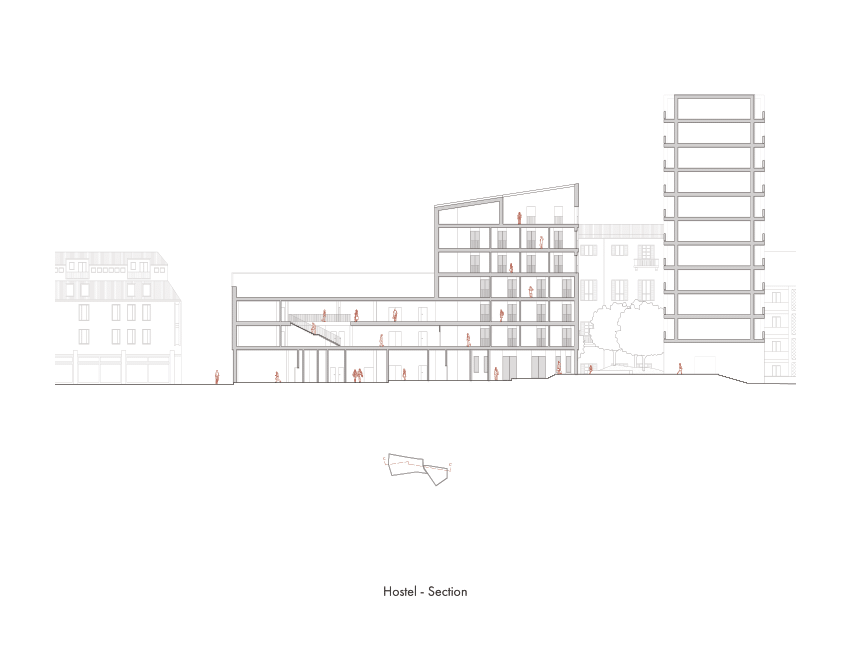
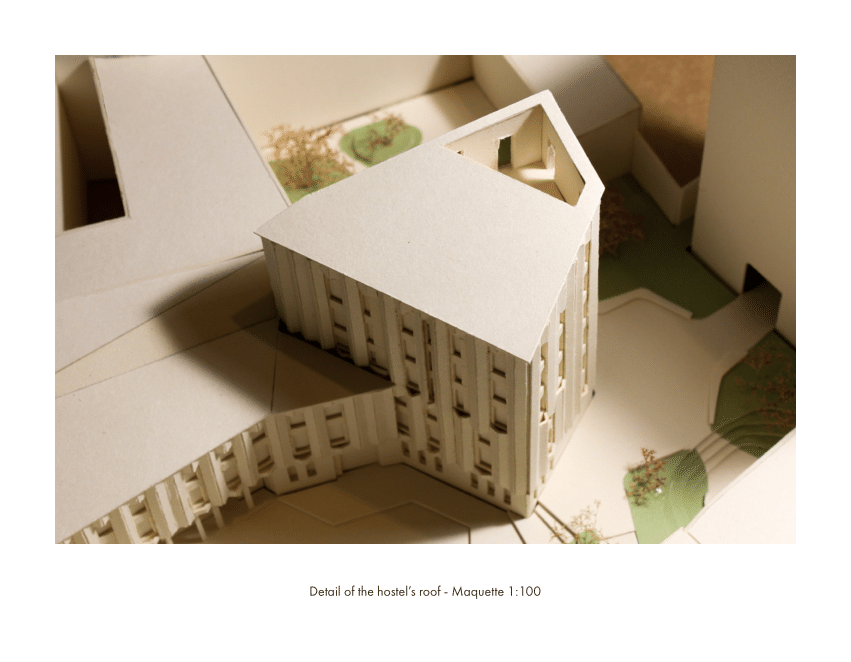
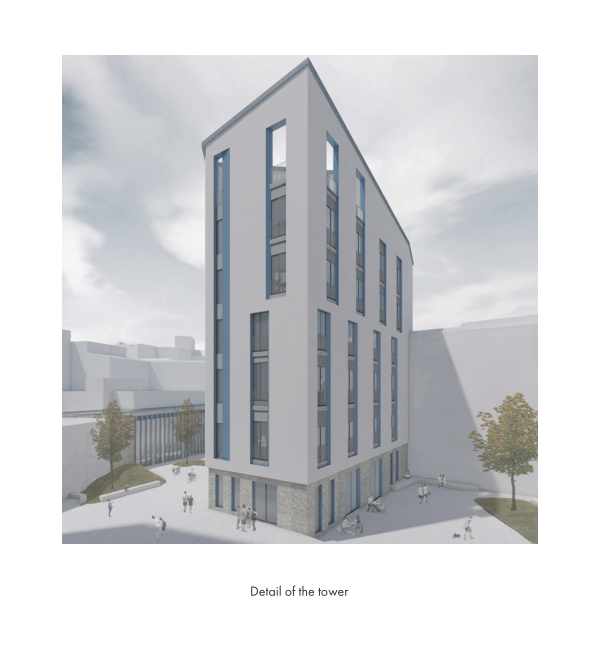
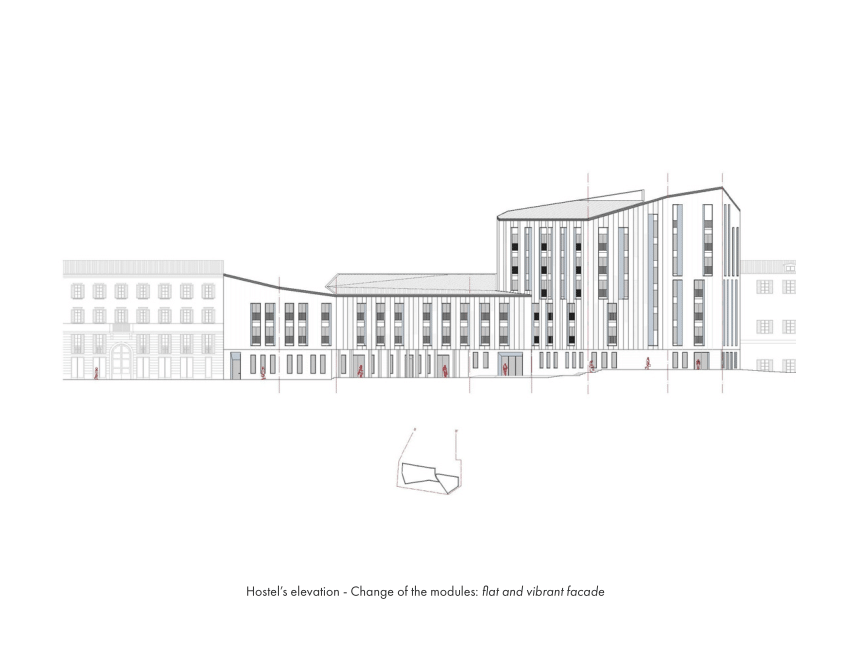
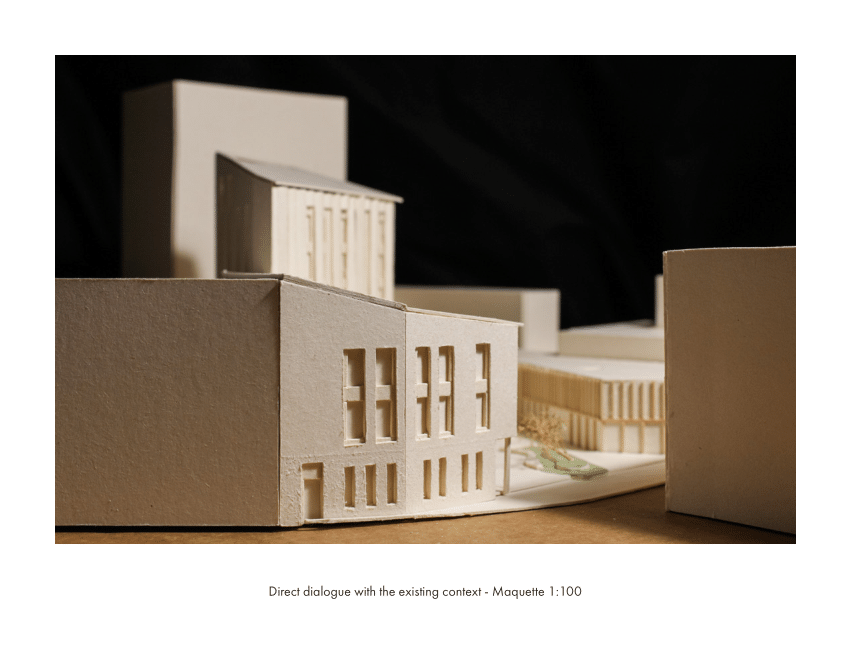
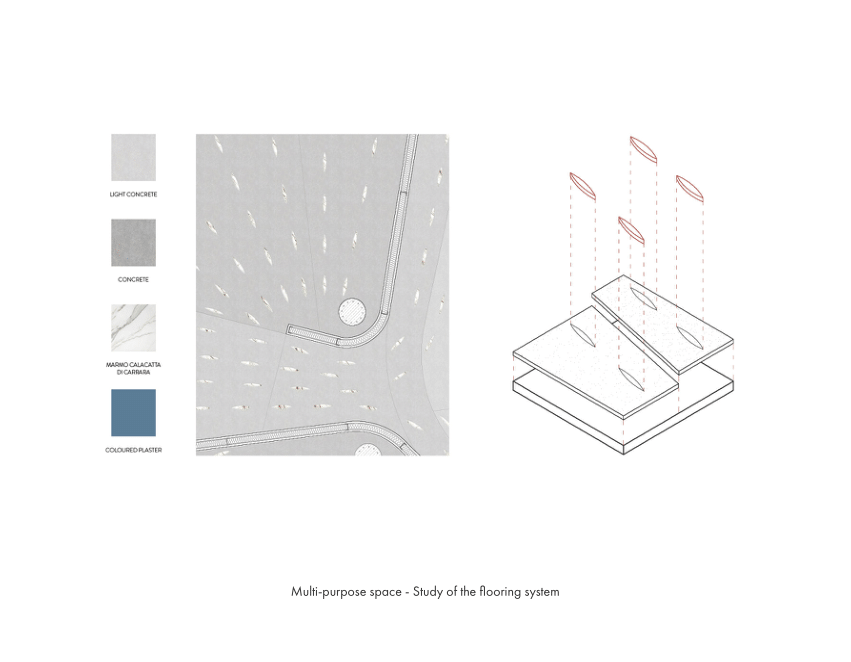
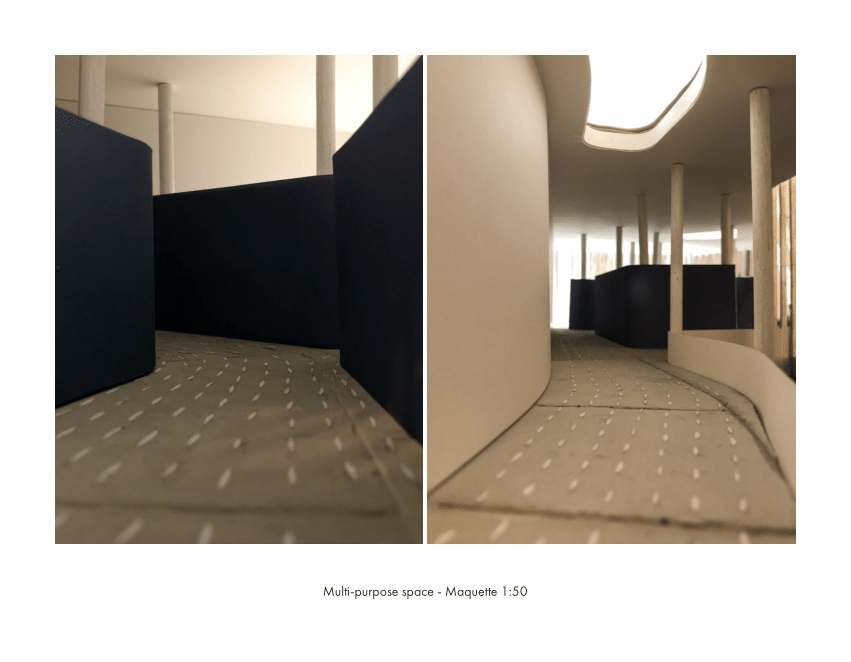
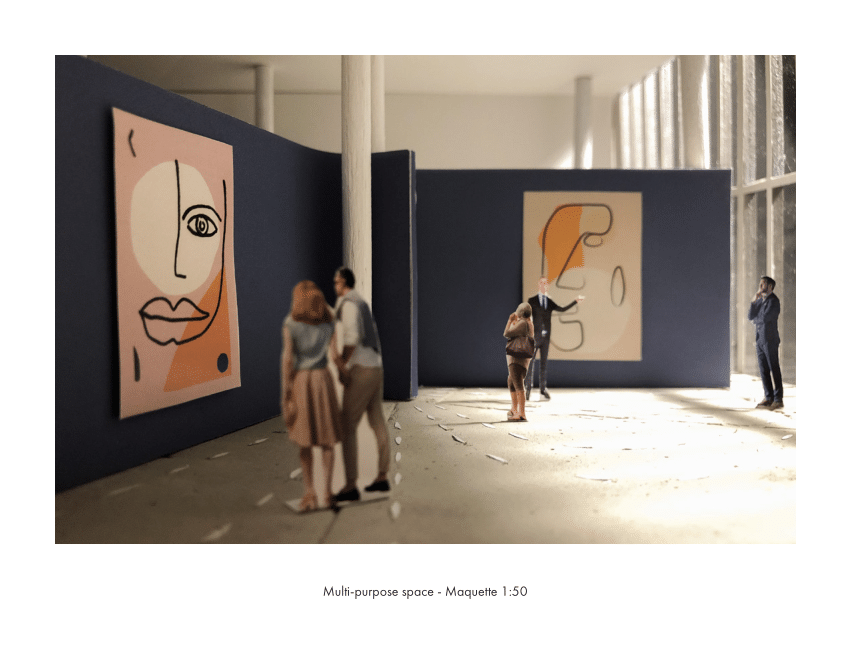
QCS Urban Grafting is a project that aims to research "on the field" the relationships between the physical metamorphosis of an existing urban landscape and the shift in its environmental qualities and social relevance. The project site, despite its peculiarity of abandoned area, could present great opportunities thanks to its position close to the housing tower of Figini and Pollini, in the center of Milan. The design program includes two buildings: a student hostel and a multi-purpose space, shared within the city and its citizens. Preserving the existing vacuum, the arrangement of the two volumes increases the livability of the site through the definition of the public spaces. The design of the project was studied in order to create a direct dialogue with the context. In the north part of the site, the low block of the hostel maintains the continuity of the height of the nearest buildings, while the tower speaks directly to the one of F.P.. In the south part, the multi-purpose space is lower in order to relate itself to a little part of F.P.’s building. The main topic of the project is based on the theme of the path, where the outdoor spaces are defined by the changing in heights and by the design of the flooring which remark the status of "dynamic and static". A system of plazas, aimed at the creation of inclusion spaces, which permits the maximum permeability of the site, restoring the path previously created by F.P.. The path is also enhanced by the volumes themselves and their facades that change in relation to it, linking the flat surfaces of the context to a vibrant facade. In a continuous dialog with the outdoors, the indoor spaces, especially the multi-purpose one, recall the main topic of the path. Thanks to its design, which revokes in a metaphoric way the flow of water in the river, it enhances the idea of dynamic and static, creating a place where walls compose and change the space and its characters.
Key objectives for sustainability
Starting from a general concept of the meaning of sustainability, the project QCS Urban Grafting has approached and subsequently conformed according to the different points of view that make up this general theme. Referring to its definition, the sustainable evolution of an element can be understood as the development aimed at meeting the needs of the current generation without compromising the ability of the future ones. Starting from this meaning, the project arises to itself several questions ranging from a purely physical field to a more philosophical one.
Within the physical term, the project team has been responsible for the use of resources that are on site. In fact, the project revalues stuffs having a life cycle almost reached the end, exploiting the latter as new design materials. Components coming from the demolition of the old garage, such as brick and cement fragments, through a crushing process, are reused in the form of cement agglomeration for the laying of external paving. In addition, building solutions, that are part of the Milan architectural’s tradition, such as reinforced concrete, brick walls, stoneware and Luserna stone, are easily available within the territorial context. This allows to contain the levels of CO2 emissions from transport. Moreover, the large sizes of solar thermal and photovoltaic panels, together with a good insulation of the envelope, allow the building to be energetically autonomous and to respond in advance to the Italian regulations with zero emission target expected for 2050.
As for the more philosophical meaning of the term sustainability, the project tries to respond to present and future lifestyles through the definition of architectural spaces that do not determine a specific function allowing to avoid future adaptation interventions.
Key objectives for aesthetics and quality
The term aesthetics, like the concepts of sustainability and innovation, defines a multitude of meanings according to the context in which it is used. Aesthetics is sensation, perception and sensitivity. Starting from an accurate research on the great Milanese architects of the XX century, we have tried to highlight a new lexicon of the project within this architectural overview. The latter was close and sensitive to the context in which it is established, but at the same time it is able to enhance its modern character. In fact, in the aesthetic experience, this form is intended as an innovative and constructive action.
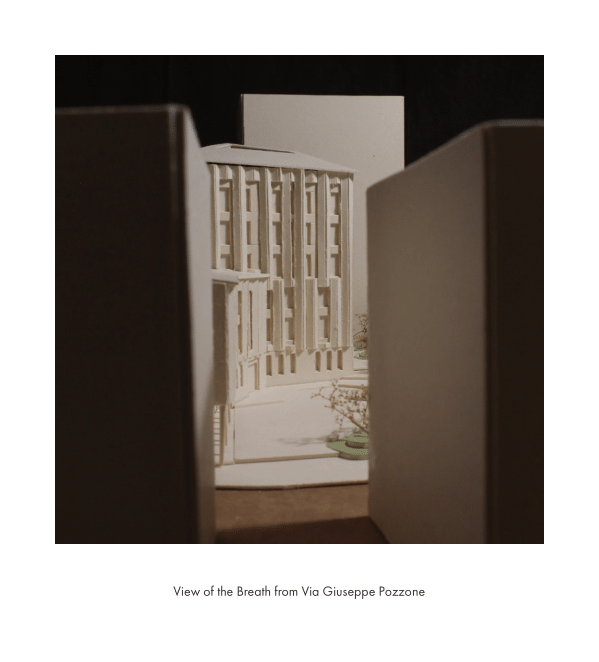
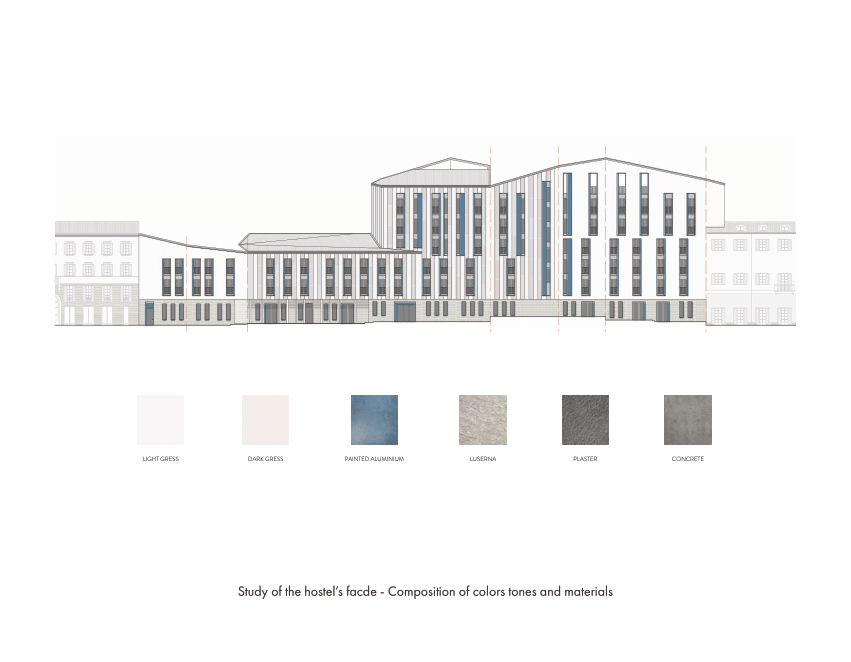
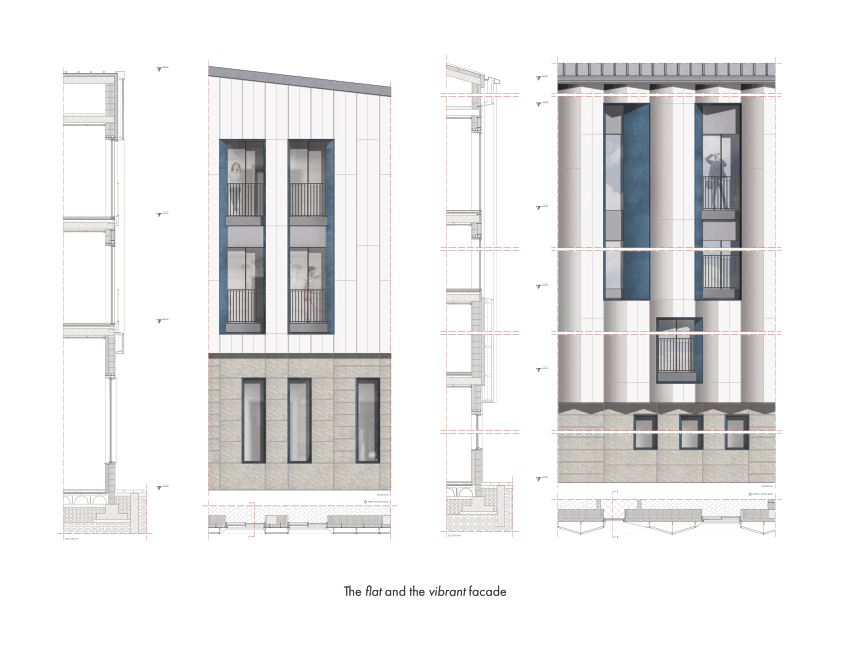
The study of the facade, aesthetically speaking, becomes one of the main project's themes. Studying the architectural style of the context, we noticed the importance of developing a well-proportioned facade’s image, that is controlled by a precise module. This element allows the definition of proportions and rhythms. First of all, we worked on the concept of the relation between solids and voids, which is enhanced by the presence of a blue metal sheet, defining also the frame of the windows.
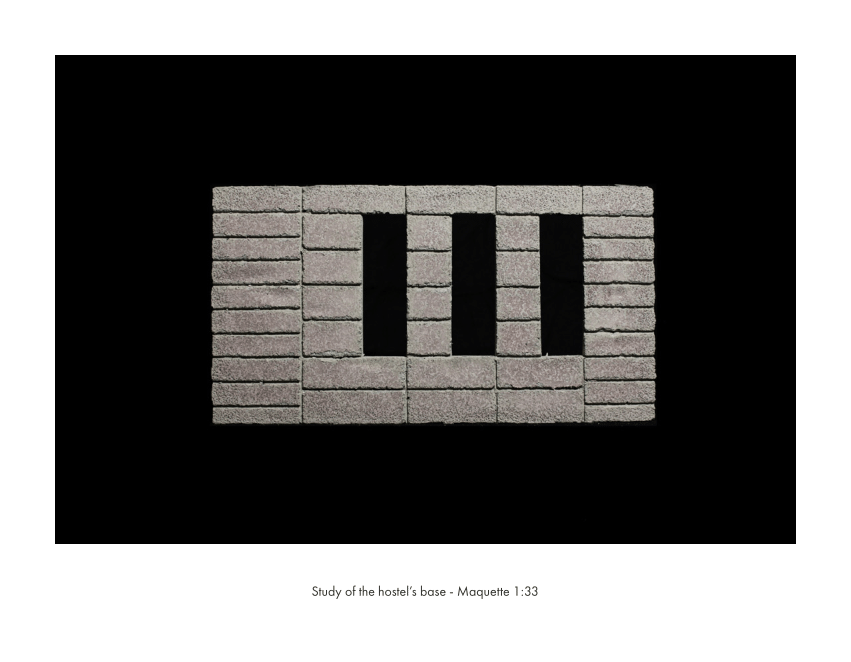
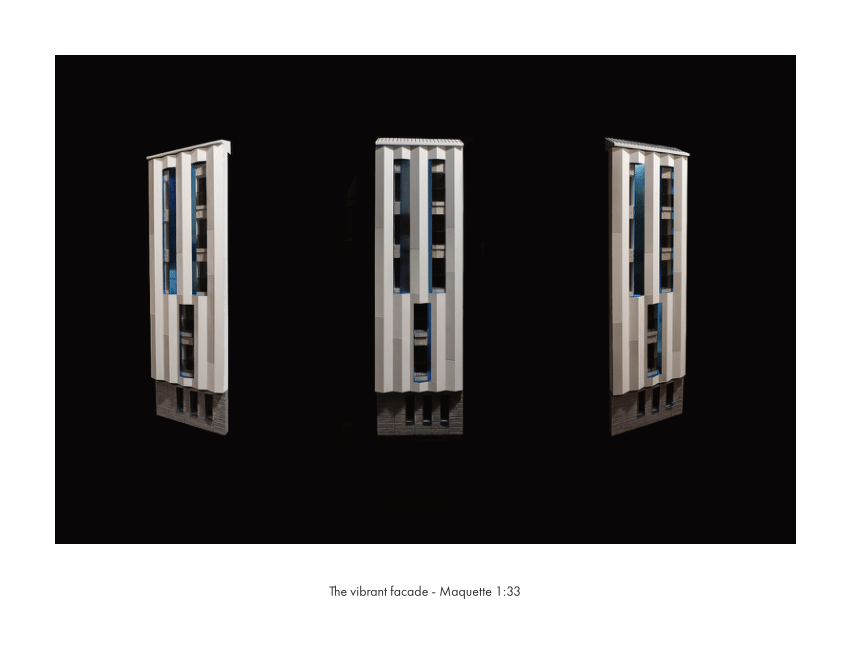
Moreover, the hierarchies of the façade of the surrounding buildings such as the base, the intermediate wall and the inclined roof terminal, are found punctually in our design. Starting from an ashlar base, the hostel looks for a new solution for the intermediate wall, proposing a vibrant facade. Large panels in stoneware undergo formal deformations in their development: starting from the use of the linear module in the joints between the existing facade and the new one, it changes through the use of the triangular module, animating the elevation with a play of light and shadows. Interfacing with the vacuum maintained within the context, this solution emphasizes the presence of this new place offered to the community.
Key objectives for inclusion
The theme of inclusiveness is addressed by the project QCS Urban Grafting according to the principle that architecture must be conceived as a physical environment with well-defined characters. These last must be able to be experienced by everyone, without therefore excluding the experience to people with physical disabilities or who do not directly benefit from the services offered by the design program.
The proposed project identifies the theme of accessibility as the first key point to develop the concept of inclusiveness. For many colleagues the solution to this problem could be found only in the elimination of architectural barriers, but QCS Urban Grafting is not limited to this, but rethinks the meaning of the "threshold". The latter is a physical place that allows accessibility between one space and another, defining itself as a new paradigm on which create the project. The use of different altimetries, expansions and narrowings of the space, different vegetation and soil treatments, has allowed the definition of an urban place, which is permeable and accessible to every inhabitants.
Another aspect that helps to increase the inclusiveness of an architectural space is its functional offer. The project proposes places that are not only neutral (a-functional), but also linked to an unambiguous end. The architecture takes over as an interpretative element, whose identity is given by the use that people make of it. In this way, each individual, through his own "diversities" and needs actively participates in the definition of space.
https://martinacurialuigizanella.myportfolio.com/inclusion-role-of-the-citizens
Innovative character
The meaning of the term innovation projects our imagination towards something that anticipates a condition of the future. Concepts like regeneration, sustainability and inclusion can appear to many as the keys on which building innovation. However, we believe the points above are ordinary and indispensable elements to draw any project concept to face the environmental crisis and the social and physical problems of the city. Starting from an analysis of the Milanese architectural history of the XX century, QCS Urban Grafting proposes a vision of the innovation not only linked to the environmental and social issue, but also closer to the architectural culture of the site. The Great Masters such as Gio Ponti, Vico Magistretti, Asnago and Vender and many others, have already exposed to us this concept of innovation. They questioned the possibility of linking new architectural volumes with buildings that are part of an old urban context characterized by a consolidated architectural language, although not renouncing the experimentation of a contemporary style. In our study, this concept has declined primarily towards a sensitive research of the stylistic language of the surrounding buildings. Hence, themes such the hierarchies, the proportions, the rhythms of the vertical strips of windows and the materials used have become the main points on which rethink a sensitive architecture to the culture of the place, defining at the same time its new language.
In addition, an innovative character can be identified in the design of the multi-purpose space where the will to represent a natural environment, such as the river, has declined in a work of abstraction of the latter. Therefore elements such as the flux of water, rocky seabed and trajectories of fish have been transformed into architectural elements such as walls and concrete floors of different tonality characterized by white marble inserts.
https://martinacurialuigizanella.myportfolio.com/innovactive-aspects